Tag: economic challenges

  • IMF should help Pakistan uphold right to electricity, says HRW

    IMF should help Pakistan uphold right to electricity, says HRW

    For the past week, Pakistan has witnessed extensive protests against the recent surge in electricity prices. In several cities, these protests escalated into violence.

    The government-sanctioned price increase arrives at a critical juncture as Pakistan grapples with one of the most severe economic crises in its history. This crisis imperils the fundamental rights of millions, including access to healthcare, nutrition, and a satisfactory standard of living.

    According to Human Rights Watch, successive Pakistani governments have failed in reforming the country’s energy sector, contributing to the current crisis. The recent surge in prices is linked to a substantial US$3 billion agreement between the International Monetary Fund (IMF) and Pakistan.

    This pact, sanctioned in July 2022, stipulates the government’s obligation to eliminate energy and fuel subsidies, transition to a market-driven exchange rate, and implement tax increments.

    While Human Rights Watch fundamentally opposes fossil fuel subsidies due to their adverse climate impact, the removal of these subsidies without substantial investment in social security often results in disproportionate repercussions for individuals with low incomes.

    Elevated electricity prices can further elevate the costs of essential commodities like food, housing, and services.

    Recognising the right to an adequate standard of living, Human Rights Watch asserts that access to dependable, secure, clean, and affordable electricity without discrimination is imperative.

    Given the situation, it is imperative for the IMF to conduct a comprehensive assessment of the consequences of these adjustments. Rather than abrupt subsidy removal, the IMF should establish a comprehensive reform strategy aimed at mitigating price escalations and facilitating a seamless transition to sustainable energy sources.

    Such reforms could encompass the implementation of a universal social protection system designed to extend benefits to individuals at higher risk of income insecurity, including children, elderly citizens, and people with disabilities.
  • Installment plans introduced for power consumers struggling with full bill payments

    Installment plans introduced for power consumers struggling with full bill payments

    In a strategic move aimed at addressing the protests triggered by soaring electricity bills and alleviating the burden on citizens, Dr Muhammad Amjad Khan, Chief Executive of the Islamabad Electric Supply Company (IESCO), has issued a comprehensive directive. This directive mandates all IESCO offices to introduce installment plans tailored to assist customers who are facing challenges in paying their electricity bills in full.

    Against the backdrop of mounting public outcry, Dr Khan’s proactive step aims to alleviate the financial burden on power consumers. These installment plans are envisioned to provide customers with a respite, allowing them to manage their electricity bill payments more effectively while maintaining their financial stability.

    To further enhance customer convenience, IESCO has also taken the initiative to extend the due dates for electricity bill payments. This calculated move underscores the company’s commitment to accommodating the unique challenges faced by its customers.

    Dr Amjad Khan underscored the importance of open communication, urging IESCO’s patrons to engage with the relevant Sub-Divisional Offices, Revenue Offices, or Customer Service Centers for any concerns related to their bills. This approach underscores IESCO’s dedication to ensuring customer satisfaction and resolving any uncertainties promptly.

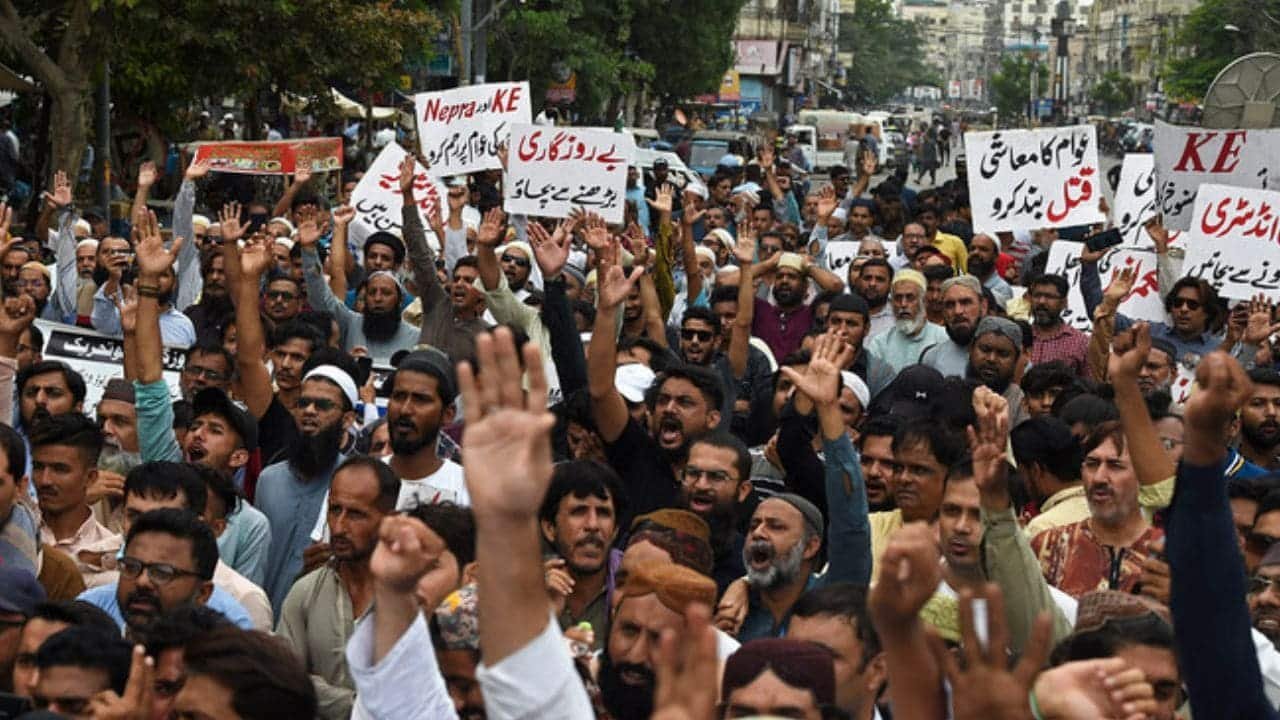
    Nevertheless, this considerate move coincides with ongoing protests across the nation, ignited by grievances against inflated electricity bills. Demonstrators, who have congregated outside the IESCO office in Rawalpindi for the past four days, have now rallied in various cities, including Sargodha, Hafizabad, Vehari, and Hyderabad.

    In response to the heightened tensions, IESCO officials have taken precautions by involving the local police to bolster security measures. This step is aimed at safeguarding the well-being of both the demonstrators and IESCO’s employees.

    The protestors have been resolute in their demands, seeking a reduction in the substantial charges or even pledging to withhold bill payments until their concerns are heard. These demonstrations, set against a backdrop of broader economic challenges and escalating inflation, reflect the mounting frustrations of citizens grappling with financial hardships.

    The protestors hail from diverse backgrounds, encompassing members of civil society, men and women alike, traders, farmers, and representatives from legal and business sectors. This broad participation underscores the pervasive concern and unified front against economic difficulties and price hikes.

    As electricity prices continue their upward trajectory and taxes weigh heavily on citizens, these widespread demonstrations emphasise the pressing need to address economic grievances.

  • Petrol and diesel prices expected to surpass Rs300 per litre this week

    As global oil rates surge and the rupee’s value against the US dollar weakens, there are growing indications that petrol and diesel prices in Pakistan could soon breach the significant Rs300 mark. The Oil and Gas Regulatory Authority (Ogra) is reportedly contemplating recommending a substantial increase in petroleum product prices for the upcoming fortnight, in an attempt to address the challenges posed by these economic dynamics.

    Sources indicate that if the proposal is approved, petrol prices might experience a sharp upswing of around Rs12 per litre, while diesel could see an even more substantial increase of Rs14.83 per litre. These potential hikes, set to take effect from September 1, 2023, have sparked concerns about their impact on the already high inflation rate, which currently stands at 28 per cent.

    A senior official from the Energy Ministry has expressed apprehensions regarding the potential consequences of these price adjustments. Balancing the need to mitigate citizens’ financial burdens with the demands of existing agreements, the government is grappling with a challenging decision. Notably, any attempt to counteract the price hikes could put the caretaker government in a precarious situation, as it might be perceived as a default on the International Monetary Fund’s (IMF) stipulations tied to a $3 billion standby agreement (SBA) loan.

    The depreciation of the rupee against the dollar has further fueled the need for these adjustments. With the dollar’s value reaching Rs301.75 in the interbank market and around Rs319 in the open market, the impact on petroleum prices is undeniable. The authorities have decided to recalibrate their calculations, opting for a dollar rate of Rs299 to account for the recent Rs12 exchange rate impact.

    Beyond the exchange rate, the recent surge in LC (letter of credit) confirmation charges, marked by a 10 per cent increase, has also played a role in pushing petroleum prices upwards. These charges have contributed to the overall increase in the cost of PSO (Pakistan State Oil) petroleum products. Presently, Mogas (motor gasoline) is priced at Rs290.45 per litre; however, this could rise by Rs12 per litre if the recommendations are greenlit. Similarly, the price of HSD (high-speed diesel) might surge from Rs293.40 per litre to Rs308.23 per litre, assuming the proposed Rs14.83 increase goes into effect.

    According to The News, of particular concern is the potential hike in diesel prices, given its primary use in powering heavy transport vehicles, trains, and various agricultural engines. This ripple effect could raise the cost of essential commodities, putting pressure on consumers’ wallets. 

    On the other hand, a surge in petrol prices would directly affect private transportation, rickshaws, two-wheelers, and small vehicles, disproportionately impacting the budgets of middle and lower-middle-class citizens. The impending decision on petroleum prices presents a delicate challenge for the government, requiring a careful balance between economic realities, inflation concerns, and public sentiment.

  • Output of Pakistan’s main industries declines by over 10%

    Output of Pakistan’s main industries declines by over 10%

    The economic landscape of Pakistan has faced a notable setback, with the Large Scale Manufacturing Industries (LSMI) output experiencing a decline of 10.26 per cent during the fiscal year 2022–23 when compared to the same period in 2021–22. This concerning information has been revealed by the Pakistan Bureau of Statistics (PBS), shedding light on the current state of the country’s industrial sector.

    The provisional Quantum Index numbers of the large-scale manufacturing industries (QIM) further underscore this decline. Specifically, the LSMI output took a significant hit in June 2023, plummeting by 14.96 per cent compared to June 2022. However, there is a glimmer of hope, as the output experienced a slight uptick of 0.98 per cent in comparison to May 2023.

    Diving into the specifics, the LSMI Quantum Index Number (QIM) for June 2023 has been estimated at 112.21, while the QIM for the period of July–June 2022–23 stands at 114.83. These numbers provide a quantitative overview of the challenges faced by the manufacturing sector during this time frame.

    The foundation for these indices lies in data provided by several key agencies, including the OCAC, Ministry of Industries and Production, Ministry of Commerce, and Provincial Bureau of Statistics (BoS). Their collaboration has enabled the creation of the provisional quantum indices of LSMI for June 2023, based on the 2015–16 base year.

    Various industries have played a role in shaping this decline, with notable contributors including food (-1.14 per cent), tobacco (-0.65 per cent), textiles (-3.65 per cent), garments (2.79 per cent), petroleum products (-0.89 per cent), chemicals (-0.52 per cent), pharmaceuticals (-1.85 per cent), cement (-0.86 per cent), iron and steel products (-0.24 per cent), electrical equipment (-0.54 per cent), and automobiles (-2.21 per cent).

    Analysing the production trends over a larger period, July–June 2022–23, as compared to July–June 2021–22, reveals a mixed picture. While there have been increases in production for wearing apparel, furniture, and other manufacturing (football), there have also been notable decreases in food, tobacco, textile, coke, and petroleum products, pharmaceuticals, chemicals, non-metallic mineral products, machinery and equipment, automobiles, and other transport equipment.

    Industries that demonstrated growth during the July-June period include wearing apparel (27.16 per cent), leather products (1.29 per cent), furniture (35.51 per cent), and other manufacturing (football) (28.99 per cent). However, sectors such as food (6.90 per cent), beverages (6.43 per cent), tobacco (28.36 per cent), textiles (18.68 per cent), and many others have faced declines, indicating a complex and multifaceted economic situation.

    In particular, the petroleum products industry has witnessed a substantial decline of 13.39 per cent during July–June 2022–23. High-speed diesel and furnace oil also experienced negative growth, with decreases of 17.09 per cent and 14.65 per cent, respectively. On the other hand, jet fuel oil managed to buck the trend with a growth rate of 6.63 per cent, suggesting a nuanced narrative within the energy sector.

    Cement production, a crucial indicator of construction and infrastructure activity, also faced a decline of 13.67 per cent during July–June 2022–23, highlighting potential challenges in these sectors.

    As Pakistan navigates through these economic fluctuations, stakeholders and policymakers will need to closely analyse the contributing factors to these declines and strategize effectively to bolster the country’s manufacturing sector, ensuring sustainable growth and resilience in the face of challenges.

  • Steel prices surge to record high in Pakistan, posing a major challenge for construction sector

    Steel prices surge to record high in Pakistan, posing a major challenge for construction sector

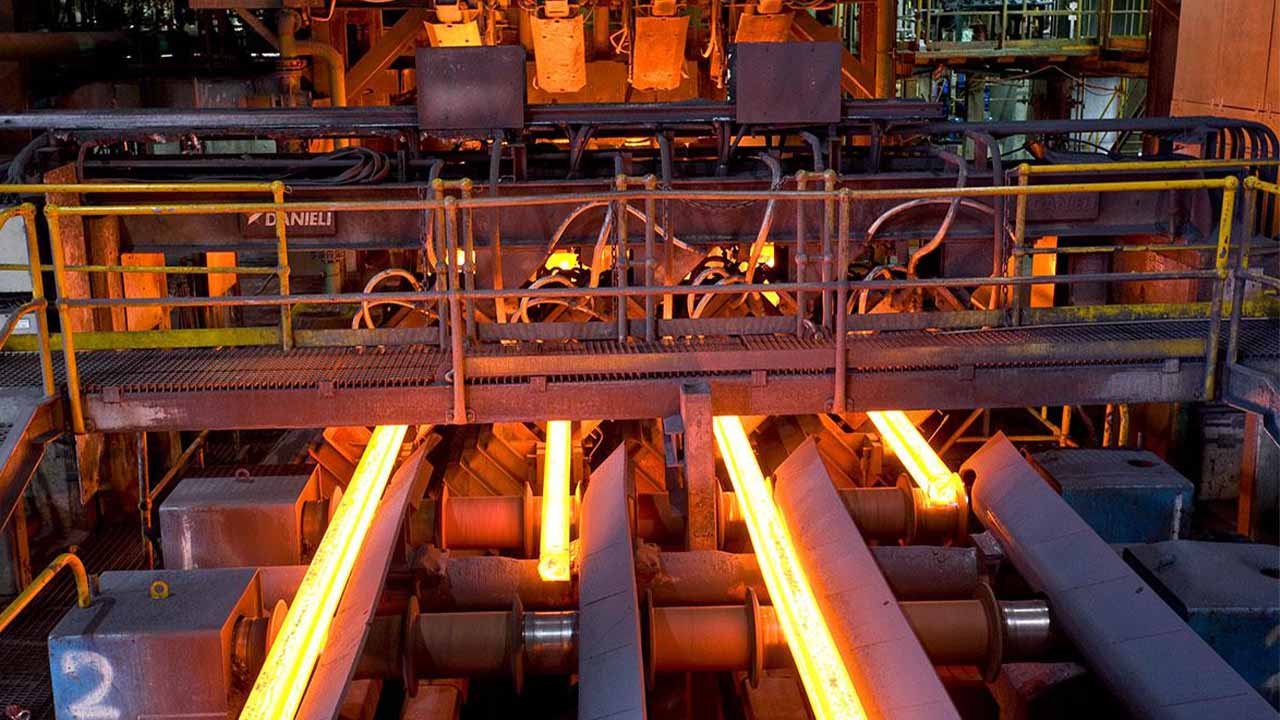
    The construction industry in Pakistan is currently grappling with a formidable challenge as the price of steel, its primary raw material, reaches an unprecedented high. On Monday, leading steel rebars producers announced a substantial increase of Rs5,000 per metric ton, attributing it to a scarcity of raw materials and a significant surge in the basic power tariff.

    According to Samaa, this decision to raise steel prices has sparked concern throughout the construction sector, as the cost of steel now stands at a staggering Rs260,000 per metric ton. Such a sharp escalation in costs has understandably raised eyebrows and placed industry players under mounting pressure to navigate these burgeoning challenges.

    Adding to the predicament is the recent increase in electricity tariffs, further exacerbating the situation and intensifying the strain on steel manufacturers as they grapple with soaring production costs.

    As a result, the construction industry finds itself confronting a multifaceted burden due to the surge in steel prices, impacting various aspects of their operations.

  • PRL and Airlink in talks to buy stake in Shell Pakistan

    PRL and Airlink in talks to buy stake in Shell Pakistan

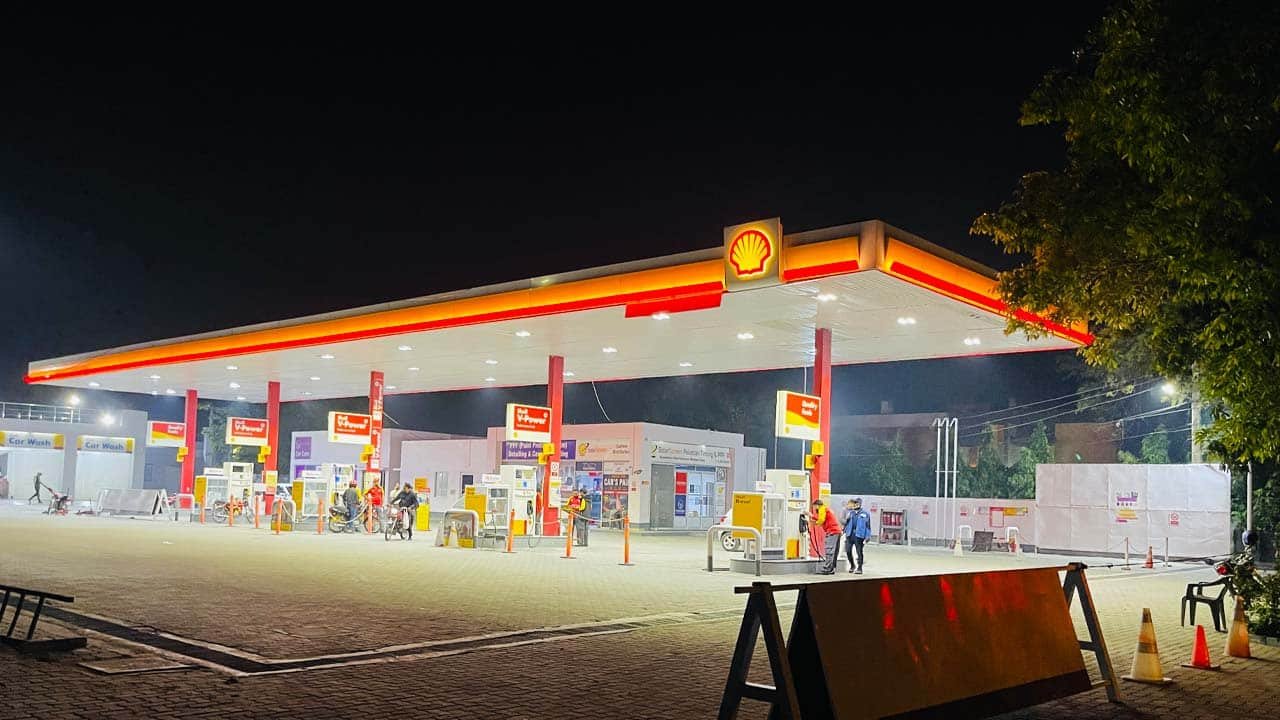
    Shell Petroleum Company has decided to exit Pakistan by selling its 77 per cent stake in the local business. This move follows Shell’s recent updates on its global operations and concerns about the economic difficulties in Pakistan.

    In a notice submitted to the Pakistan Stock Exchange (PSX), Next Capital Limited, the managing party representing the Acquirers, Pakistan Refinery Limited and Air Link Communication Limited, declared their intention to acquire a majority stake of 77.42 per cent in Shell Pakistan Limited.

    Next Capital stated, “We, Next Capital Limited, hereby submit a Public Announcement of Intention by Pakistan Refinery Limited and Air Link Communication Limited (collectively referred to as the “Acquirers”) to acquire 77.42 per cent shares and control of Shell Pakistan Limited,” reflecting their involvement in the transaction.

    Speaking to Reuters, Airlink CEO Muzzaffar Hayat Piracha confirmed that the acquisition is a joint venture between Pakistan Refinery Limited and Airlink. However, the specific details regarding the shareholding distribution between Airlink and Pakistan Refinery Limited will be disclosed at a later stage, as stated by Piracha.

    For Airlink, entering the petroleum business aligns with its strategic objective of diversification. Airlink, primarily known as a smartphone distributor, manufacturer, and retailer, views this expansion as a progressive step.

    Pakistan Refinery Limited (PRL), which operates as one of the five refineries in Pakistan and functions as a subsidiary of Pakistan State Oil Company Limited, did not provide an immediate response to the request for comment.

    Shell Pakistan faced financial setbacks in 2022 due to fluctuations in exchange rates, the devaluation of the Pakistani rupee, and unsettled receivables. These challenges were further compounded by the ongoing financial crisis and economic slowdown experienced by the country.

  • Pakistan’s major industrial production drops by 14.37% in May, marking ninth consecutive decline

    Pakistan’s major industrial production drops by 14.37% in May, marking ninth consecutive decline

    Pakistan’s Large-Scale Manufacturing (LSM) sector suffered a substantial year-on-year decline of 14.37 per cent in May, according to data released by the Pakistan Bureau of Statistics.

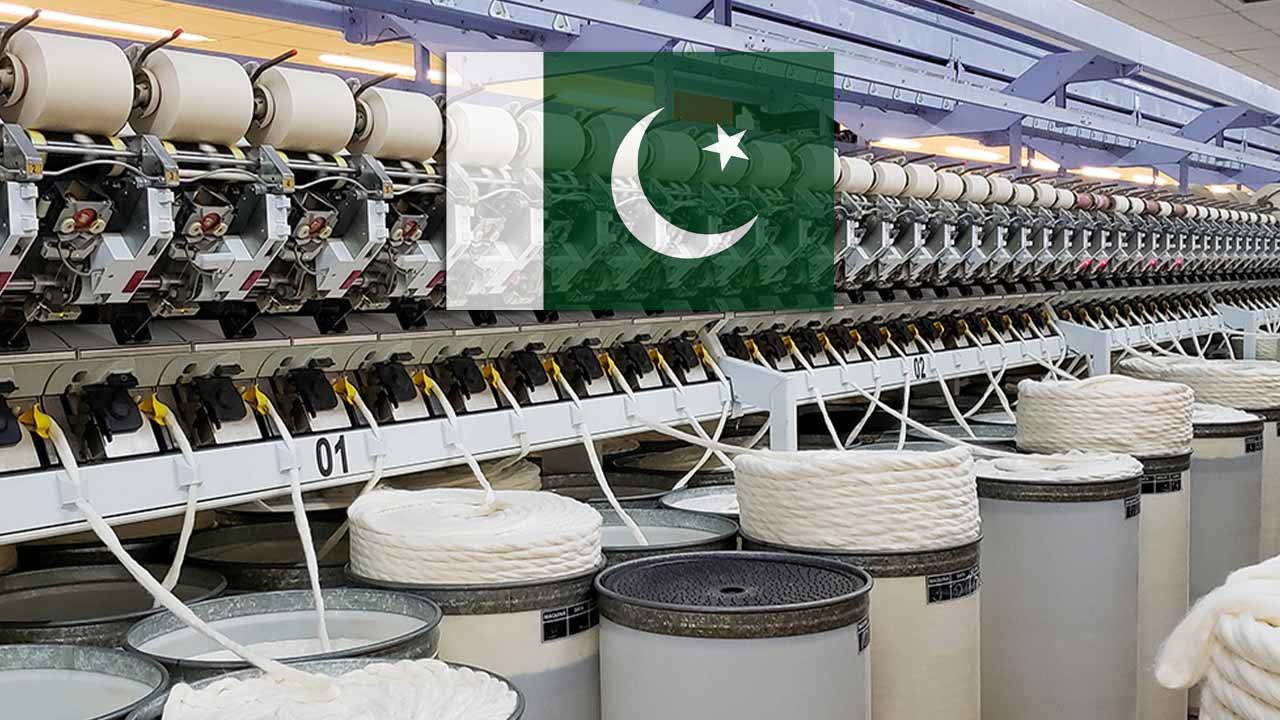
    This contraction represents the ninth consecutive month of contraction for the country’s major industries during the outgoing fiscal year FY23. The primary cause behind this downturn can be attributed to a slowdown in the production of export-oriented textile and clothing sectors.

    The consequences of this decline in large industries are evident in the form of a significant number of job losses. The reduction in production capacity has unfortunately resulted in numerous individuals becoming unemployed.

    These statistics shed light on the challenges faced by Pakistan’s manufacturing sector and raise concerns about the overall economic performance of the country in the coming months.

    In May, the growth of LSM experienced a decline compared to the same month last year. The decline in April was 21 per cent, which is lower than the decline of 25 per cent in March, 11.6 per cent in February, and 7.9 per cent in January. In December 2022, there was a slight decrease of 3.51 per cent.

    In November 2022, there was a negative growth of 5.49 per cent, while in October 2022, it declined by 7.7 per cent. In September 2022, there was a decrease of 2.27 per cent compared to the same month last year. In August, there was a slight increase of 0.30 per cent after a decline of 1.67 per cent in July, which marked the first month of the current fiscal year.

    Between July and May, LSM also recorded a negative growth of 9.87 per cent on a year-on-year basis.

    In FY22, the LSM expanded by 11.7 per cent year-on-year. The production estimate for LSM industries was based on the new base year of 2015-16.

    During May, the production of 16 sectors shrank, while only four sectors experienced a marginal increase. The textile sector’s production decreased by 25.97 per cent compared to the previous year. The major negative growth was observed in yarn (29.89 per cent) and cloth (17.49 per cent), while nominal growth was reported in the production of other textile products.

    On the positive side, the production of garments grew by 12.86 per cent in May. Its performance remained positive in the first 10 months, except for February when it experienced a decline.

    In the food group, wheat and rice production decreased by 0.36 per cent and starch and its products by 2.15 per cent. However, there was an increase of 39.99 per cent in the production of blended tea, 24.45 per cent in cooking oil, and 23.80 per cent in vegetable ghee.

    In May, petroleum products witnessed a negative growth of 21.85 per cent, primarily due to a decline in the production of petrol and high-speed diesel. Almost all other petroleum products experienced a slowdown, except for jet fuel, kerosene, jute, and batching oil. The auto sector also suffered a 68.60 per cent slump in May, as the production of almost all types of vehicles declined.

    The production of iron and steel decreased by 5.83 per cent in May, mainly due to a decline of 15.09 per cent in billets/ingots, while non-metallic mineral products saw a marginal growth of 0.53 per cent. However, chemical products experienced a negative growth of 15.44 per cent in May compared to the previous year.

    In May, the production of pharmaceutical products decreased by 38.61 per cent, rubber products by 5.81 per cent, and fertilisers by 13.31 per cent compared to the previous year.

  • Inflated prices, deflated demand: Few buyers afford sacrificial animals at doubled rates for Eid-ul-Azha

    Inflated prices, deflated demand: Few buyers afford sacrificial animals at doubled rates for Eid-ul-Azha

    Yesterday, Eid-ul-Azha was celebrated in Pakistan. Leading up to the occasion, thousands of sacrificial animals were made available for sale at established cattle markets in Karachi, Lahore, and Islamabad. However, a significant hurdle emerged as there were very few customers due to the prevailing issue of record inflation, which has affected millions of Pakistanis.

    Eid-ul-Azha, also known as the “Feast of Sacrifice,” is a revered observance that coincides with the final rites of the annual Hajj pilgrimage in Saudi Arabia. It is a joyous occasion where food plays a central role. Many Muslims mark the four-day festival by ritually slaughtering livestock and distributing the meat among family, friends, and the less fortunate.

    Yet, Pakistan’s annual inflation rate, reaching a record high of 37.97 per cent in May for the second consecutive month, has had a significant impact. Many buyers at Islamabad’s main cattle market expressed their inability to afford the livestock needed for the ritual sacrifice. On the other hand, sellers lamented that they had to acquire animals at exorbitant prices this year, with the cost of rearing the cattle being three times higher than before.

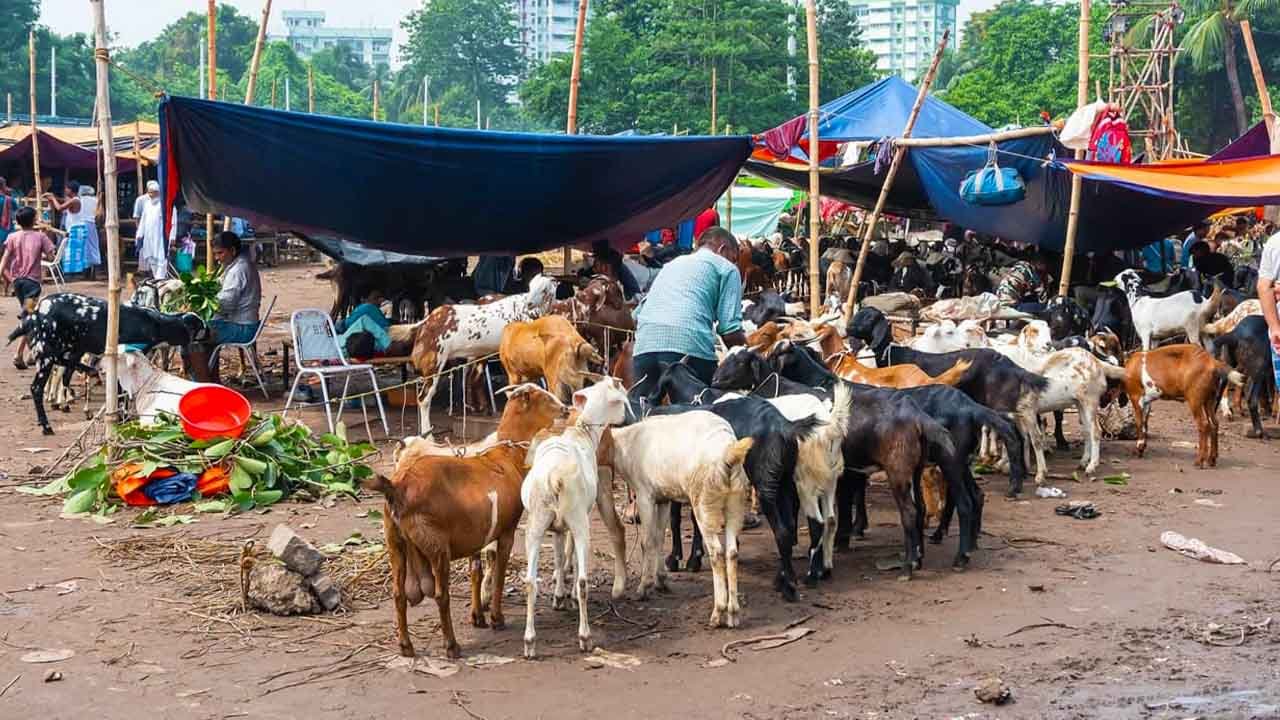
    Last week at Islamabad’s cattle market, the thin crowd was evidence of the prevailing desperation caused by the high cost of living, which had significantly dampened the typically thriving holiday trade in goats, cows, and sheep. One seller shared that despite bringing 20 animals, they were only able to sell five.

    Approximately 4,000 sacrificial animals had been brought from different parts of the country to the market ahead of Eid-ul-Azha. However, sellers reported a distinct lack of customers, and they expressed their concerns about the high prices of the animals, as their ability to earn income for their families depended on successful sales.

    Buyers, on the other hand, voiced their discontentment with the sellers’ pricing, noting its unfairness. Their grievances were justified, considering the substantial price disparities observed this year.

    For instance, a goat that would typically cost no more than Rs40,000 was being sold for Rs80,000, while a cow that should be priced around Rs300,000 had sellers asking for Rs700,000. These doubled rates compared to previous years reflect the challenging economic conditions in Pakistan.

    Cattle owners emphasised that looking after the animals was neither an easy nor a cheap task. The cost of animal feed, along with the overall care and maintenance, required considerable financial resources and effort.

    Sellers further elaborated on the costs associated with caring for the animals, emphasising the additional expenses incurred to ensure their well-being and appearance. They mentioned providing the animals with a diet consisting of wheat, milk, ghee, barley, nuts, and other natural ingredients to enhance their beauty, weight, and physique.

    However, the increased costs resulted in fewer customers. People’s purchasing power was significantly impacted, leading to a decline in market visitors. Even those who did come preferred to leave empty-handed due to the inflated prices of the animals.

    The prices for bulls ranged up to Rs600,000, while goats were priced between Rs50,000 and Rs150,000. The impact of inflation had a significant effect on people’s purchasing power, and as a result, there was a noticeable decrease in the number of sacrificial animals being bought compared to previous years. Many individuals who would typically purchase whole animals opted to go for “Hissa” meat instead.

  • PM Shehbaz urges Finance Ministry to ensure strict adherence to IMF guidelines in upcoming budget

    PM Shehbaz urges Finance Ministry to ensure strict adherence to IMF guidelines in upcoming budget

    In a meeting held between Prime Minister (PM) Shehbaz Sharif and Finance Minister Ishaq Dar on Tuesday, it was emphasized that the upcoming budget, scheduled to be presented on June 9, should strictly adhere to the parameters set by the International Monetary Fund (IMF).

    PM Shehbaz Sharif has expressed his optimism about reaching an agreement with the IMF, dispelling media reports suggesting a populist budget typically seen in election years.

    An informed source, who was present during the meeting, highlighted that Pakistan cannot afford to deviate from the IMF’s prescribed principles in the budget. The PM’s resolve to adhere to these guidelines was reinforced after his recent telephonic conversation with IMF Managing Director Kristalina Georgieva. It was during this conversation that PM Shehbaz Sharif personally appealed to Georgieva to revive the stalled $6.5 billion bailout package.

    The discussion between the PM and the IMF Managing Director took place due to the finance ministry’s inability to break the deadlock over loan talks in the past four months. However, the source disclosed that PM Shehbaz Sharif expressed satisfaction after his conversation with Georgieva, leading to an agreement to share the budget details with the IMF.

    Furthermore, the IMF Managing Director indicated the possibility of a revival of the programme. This positive development prompted PM Shehbaz Sharif to inform the Turkish media during his visit to Ankara that Pakistan remains hopeful of finalising a deal with the IMF this month. He assured that Pakistan had met all the required conditions and that the upcoming budget would align with the terms and conditions set forth by the IMF.

    “We are still very hopeful that the IMF programme will materialise. Our ninth review by the IMF will match all terms and conditions, and hopefully, we’ll have some good news this month,” PM Shehbaz Sharif stated during an interview with Anadolu in Ankara, where he was present for President Recep Tayyip Erdogan’s inauguration ceremony.

    According to Geo, the PM further clarified that while some actions are typically met after the board’s approval, this time, the IMF insisted on meeting those actions before granting approval. He affirmed that Pakistan has fulfilled these requirements as specified by the IMF.

    As the budget presentation approaches, all eyes are now on the Ministry of Finance, which has been tasked with ensuring strict compliance with IMF parameters. With the PM’s renewed optimism and the positive signals received from the IMF, there is a growing sense of hope that Pakistan will be able to secure the much-needed financial support to address its economic challenges.

    It remains to be seen how the upcoming budget will reflect the government’s commitment to IMF compliance and whether it will lead to a successful conclusion of negotiations with the international financial institution.

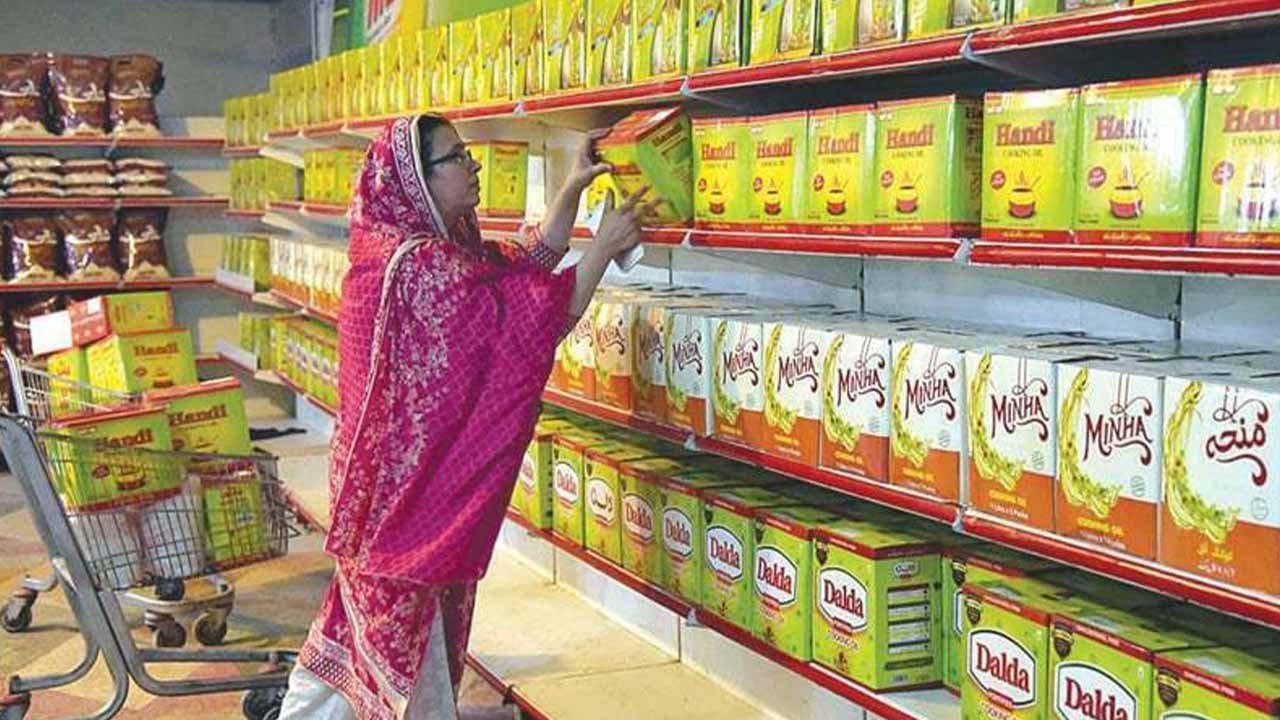
  • Rising inflation forces over 80% of Pakistanis to reduce monthly expenses

    Rising inflation forces over 80% of Pakistanis to reduce monthly expenses

    A recent survey conducted by PulseConsultant in the month of May has shed light on the significant increase in downtrading among urban Pakistanis, attributed to the high inflation rate. The study surveyed more than 1,360 respondents across the top 12 cities of Pakistan.

    The findings of the study reveal a notable shift in consumer behavior and attitude towards purchasing and consumption patterns in light of the current inflation wave. As prices continue to soar, many respondents have altered their buying preferences to cope with the economic challenges.

    According to the study, 55 per cent of respondents reported that they have switched from expensive brands to more affordable ones. This percentage represents a considerable increase from the previous month of April, where the trend stood at 45 per cent. This shift highlights the growing financial strain faced by consumers, prompting them to seek cost-effective alternatives.

    Moreover, the data indicates a decline in the phenomenon of purchasing the same brands but reducing the quantity. In April, 46 per cent of respondents claimed to be adopting this strategy, whereas in May, the number dropped significantly to 38 per cent, showing an 8 per cent decrease. This suggests that consumers are finding it increasingly difficult to maintain their previous consumption habits.

    In terms of monthly home purchases, the study reveals that 81 per cent of respondents reported a reduction in May, marking a 3 per cent increase compared to April when the figure was 78 per cent. This indicates that consumers are actively curtailing their household expenses in response to the inflationary pressures.

    To gain a deeper understanding of consumer behavior and attitudes towards the current inflation wave, PulseConsultant invites individuals to join their syndicated research initiative. The study aims to gauge the impact of inflation on purchasing and consumption behaviors across 40+ categories, focusing on five parameters: consumption increase/decrease, brand switching, quantity reduction while retaining the brand, changing the stock keeping unit (SKU) while retaining the brand, and category consumption drop.

    The research methodology involves face-to-face interviews with a sample size of 1,704 individuals across the top 17 cities in Pakistan. The gender distribution comprises 30 per cent males and 70 per cent females, while the age group considered is 22-55 years. The socioeconomic classes targeted range from SEC A-D. The research is scheduled to take place over a period of four weeks.

    As inflation continues to affect the purchasing power of consumers in urban Pakistan, the study by PulseConsultant aims to shed light on the evolving trends and behaviors within the market. The findings will help businesses and policymakers make informed decisions to navigate the challenging economic landscape and cater to the changing needs of consumers.