Tag: Economic Coordination Committee

  • PM Kakar urges rapid privatisation of PIA as flight suspensions loom

    PM Kakar urges rapid privatisation of PIA as flight suspensions loom

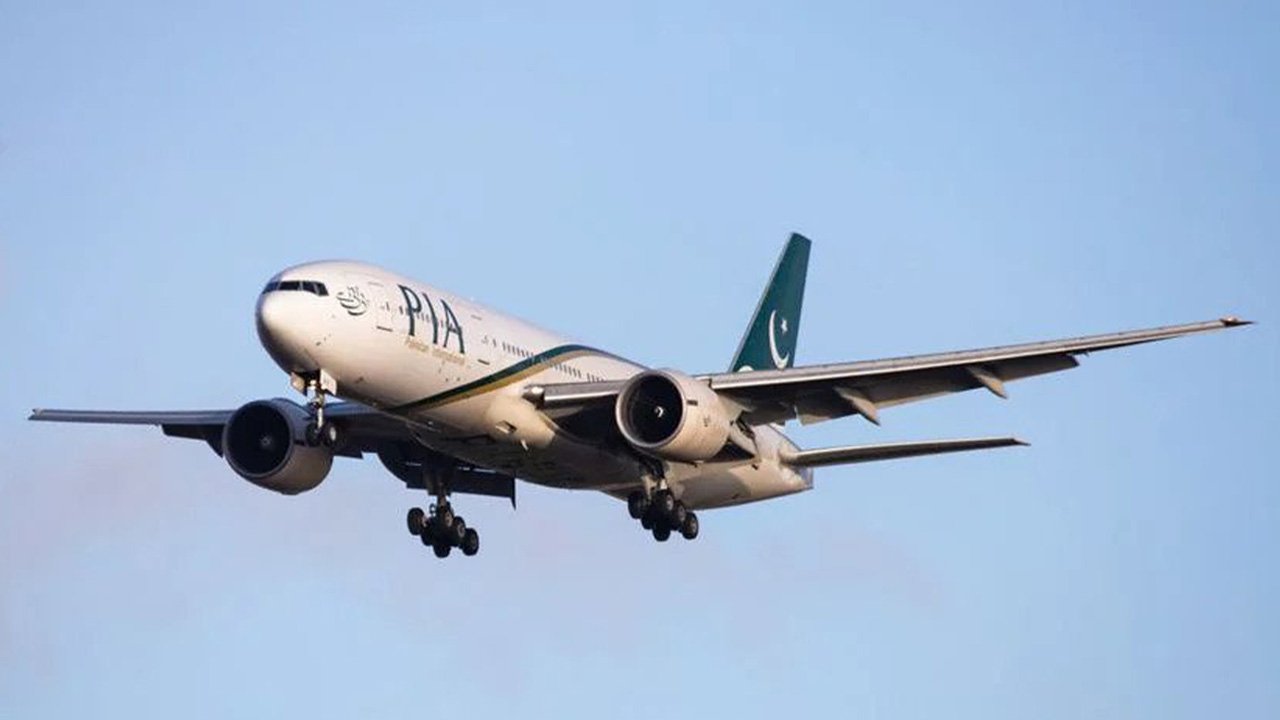
    Interim Prime Minister Anwaar-ul-Haq Kakar has issued a directive to accelerate the privatisation process of Pakistan International Airlines (PIA), which has been facing substantial financial losses. This move comes in response to reports suggesting that PIA’s flight operations could be halted by September 15 unless emergency funding is secured. 

    In a recent interview with Geo News, a senior PIA director revealed that the airline had reduced its operational fleet from 23 to just 16 aircraft, resulting in numerous flight cancellations. Additionally, major aircraft manufacturers, Boeing and Airbus, had suspended the supply of spare parts to PIA due to outstanding payments, causing daily losses amounting to millions of rupees.  

    The dire situation was further exacerbated when a PIA plane was detained at Dammam airport and four others were held at Dubai airport due to unpaid fuel bills. 

    The official cautioned that unless emergency funds amounting to Rs23 billion were secured, flight operations might come to a standstill by September 15. In response to these pressing concerns, Prime Minister Kakar chaired a meeting regarding PIA-related matters and assigned the caretaker Minister for Privatisation, Fawad Hasan Fawad, to oversee the privatisation process with the utmost urgency.  

    The prime minister stressed the need for a swift privatisation process to ensure reliable services for users and to bring PIA’s standards in line with global aviation standards. 

    Furthermore, the prime minister urged all relevant stakeholders to collaborate in finding immediate solutions to the challenges associated with privatization. The meeting also included a briefing on the progress of the privatisation process at PIA. 

    Read more: Islamabad Police launches campaign to catch students bunking school and college 

    According to Geo, PIA has been grappling with severe financial difficulties, including the grounding of five out of its 13 leased aircraft, with the possibility of grounding four more due to ongoing financial constraints. The airline had previously requested an emergency bailout of Rs22.9 billion, which was rejected by the Economic Coordination Committee (ECC).  

    Additionally, requests for deferring payments of Rs1.3 billion per month to the Federal Board of Revenue (FBR) and Rs0.7 billion per month to the Civil Aviation Authority (CAA) were also denied by the ECC.  

    Moreover, PIA had warned of potential disruptions in the supply of spare parts by Boeing and Airbus by mid-September. In a further blow, the FBR froze 13 of PIA’s bank accounts due to unpaid dues totaling Rs8 billion in Federal Excise Duty (FED). 
  • ECC approves margin hike for petroleum dealers and OMCs starting September 15

    ECC approves margin hike for petroleum dealers and OMCs starting September 15

    The Economic Coordination Committee (ECC) of the Cabinet, in a significant move, has given its nod to incrementally raise the margins of petroleum dealers and oil marketing companies (OMCs) starting from September 15. This decision followed a detailed review of a proposal submitted by the Ministry of Energy (Petroleum Division).

    The ECC’s decision entails an enhancement of the margins for petroleum dealers handling Motor Spirit (MS) and High-Speed Diesel (HSD) by Rs1.64 per litre. This increment will be implemented through four fortnightly installments of Rs0.41 per litre, effective from September 15, 2023.

    Furthermore, OMCs will also see their margins on MS and HSD increase by Rs1.87 per litre. This increment will likewise be phased in over four installments, each amounting to Rs0.47 per litre, also commencing on September 15, 2023.

    To ensure transparency and efficiency in determining these margins, the ECC has entrusted the responsibility to the Oil and Gas Regulatory Authority (Ogra). Ogra is expected to develop a systematic mechanism for margin calculation, taking into account the operational costs incurred by OMCs and dealers, with specific reference to Pakistan State Oil (PSO).

    In a separate development, the ECC meeting addressed the financial challenges faced by Pakistan International Airlines (PIA). The national carrier had requested a provision of Rs22.9 billion, as well as the deferment of Rs1.3 billion per month to the Federal Bureau of Revenue (FBR), along with loans and markup amounts until the finalization of the restructuring plan.

    However, the ECC decided to reject PIA’s request. It was also agreed upon that the Finance Division and the State Bank of Pakistan would extend their support to PIA once a concrete restructuring plan is developed and submitted to the committee’s satisfaction.

    Additionally, the ECC approved a Technical Supplementary Grant of Rs40 billion to fund various pre-approved projects for defense services and to cover subsidies and miscellaneous expenditures during the fiscal year 2023-24. This funding will be disbursed on a case-by-case basis, aligning with the current budgetary provisions.

    According to The News, The ECC’s decisions reflect the government’s commitment to addressing the financial dynamics of the petroleum sector and the ongoing restructuring efforts within PIA, while maintaining fiscal prudence in budget allocations.

    This latest development is expected to have a significant impact on the energy sector and the national carrier, as stakeholders closely monitor the implementation of the ECC’s decisions in the coming fortnights.

  • Proposed cross-fuel subsidy plan fails to impress IMF, causing delays in bailout program

    Proposed cross-fuel subsidy plan fails to impress IMF, causing delays in bailout program

    In a bid to fulfil promises made to the International Monetary Fund (IMF), the Ministry of Finance is prepared to strongly oppose a draft summary proposed by the Ministry of Petroleum on the provision of cross-fuel subsidy.

    The proposed subsidy would involve increasing petroleum product prices by Rs75 per litre for all vehicles with engines of 1,000cc or more, in order to subsidize petrol for vehicles of 800cc and motorbikes. The draft summary was circulated among different ministries for comments before the upcoming Economic Coordination Committee meeting.

    An official from the finance ministry stated that the petrol scheme was still at the draft stage, and the ministry was preparing its comments and consulting with the IMF. The official recalled that a similar scheme had been proposed during the Pakistan Tehreek-e-Insaf (PTI) government but could not be implemented.

    Former finance minister Miftah Ismail had also allocated Rs48 billion on account of the Sasta Petrol Scheme in the last budget, but these resources were diverted towards flood-affected areas. The official added that such a scheme could not be implemented transparently in Pakistan, and the ministry would send its official comments soon.

    In March, Prime Minister Shehbaz Sharif announced the government’s plans for fuel pricing. While economists warned the decision could hinder a crucial IMF payout needed to prevent economic collapse, the government said that it was a scheme, not a subsidy.

    The IMF officials were quick to share that the Pakistani government did not consult the global lender on its petrol subsidy for low-income groups before the announcement. The Fund has asked the Pakistani authorities to provide more details about the petrol relief package causing more delay in the signing of the staff-level agreement.

    Pakistan has been trying to convince the Washington-based lender to release the next tranche of the bailout programme since the IMF funding stalled in November, hit by snags over fiscal policy adjustments after officials of the lender visited Islamabad in February for talks. They formed part of a ninth review exercise on a bailout package of $6.5 billion agreed upon in 2019 whose resumption is critical for Pakistan to avoid risking default on external payment obligations.

  • Big power consumers to face increased tariff due to IMF conditions

    Big power consumers to face increased tariff due to IMF conditions

    The Economic Coordination Committee (ECC) of the Cabinet approved the removal of subsidies in electricity tariffs for the export-oriented sector and the Kissan package in order to meet one of the International Monetary Fund’s (IMF) preconditions for reaching a staff-level agreement.

    Federal Minister for Finance and Revenue Senator Ishaq Dar presided over the meeting, where the revenue and fiscal measures were discussed to fulfill the IMF’s demands.

    The recently concluded 10-day IMF mission in Islamabad had energy sector reforms and reducing the circular debt as the main focus of the talks. However, the IMF team left without signing an agreement and requested that Pakistan take corrective measures. The ECC meeting was convened to evaluate the situation and implement necessary steps.

    The government approved a revised Circular Debt Management Plan (CDMP) that includes quarterly tariff adjustments, a deferred fuel price adjustment, and a surcharge of Re1 per unit for large power consumers. The approved tariff hike ranges from Rs7-8 per unit until August 2023, with the consumer base tariff expected to increase from Rs15.28 per unit in June 2022 to Rs23.39 per unit by June 2023.

    According to sources, the IMF had requested the government to raise the base tariff by Rs4.06 per unit, but this request was not approved under the revised CDMP. It is yet to be determined how the IMF’s demand was incorporated into the Memorandum of Economic and Financial Policies (MEFP) that was presented to Pakistan on February 10, 2023.

    If the IMF continues to insist on a higher base tariff, it is estimated that the Pakistani authorities will have to raise the tariff by a range of Rs9 to 11 per unit.

    The government has so far protected electricity users consuming 300 units or less from a planned tariff increase. However, the revised Circular Debt Management Plan (CDMP) does not address the IMF’s demand for a higher base tariff in order to reduce the need for an additional subsidy of Rs335 billion.

    In accordance with IMF directives, the additional subsidy requirement has been reduced from Rs675 billion to Rs335 billion, and the government has indicated that it will be included as part of the circular debt management plan.

  • Pakistan to import vegetables from neighbouring countries to overcome shortage

    Pakistan to import vegetables from neighbouring countries to overcome shortage

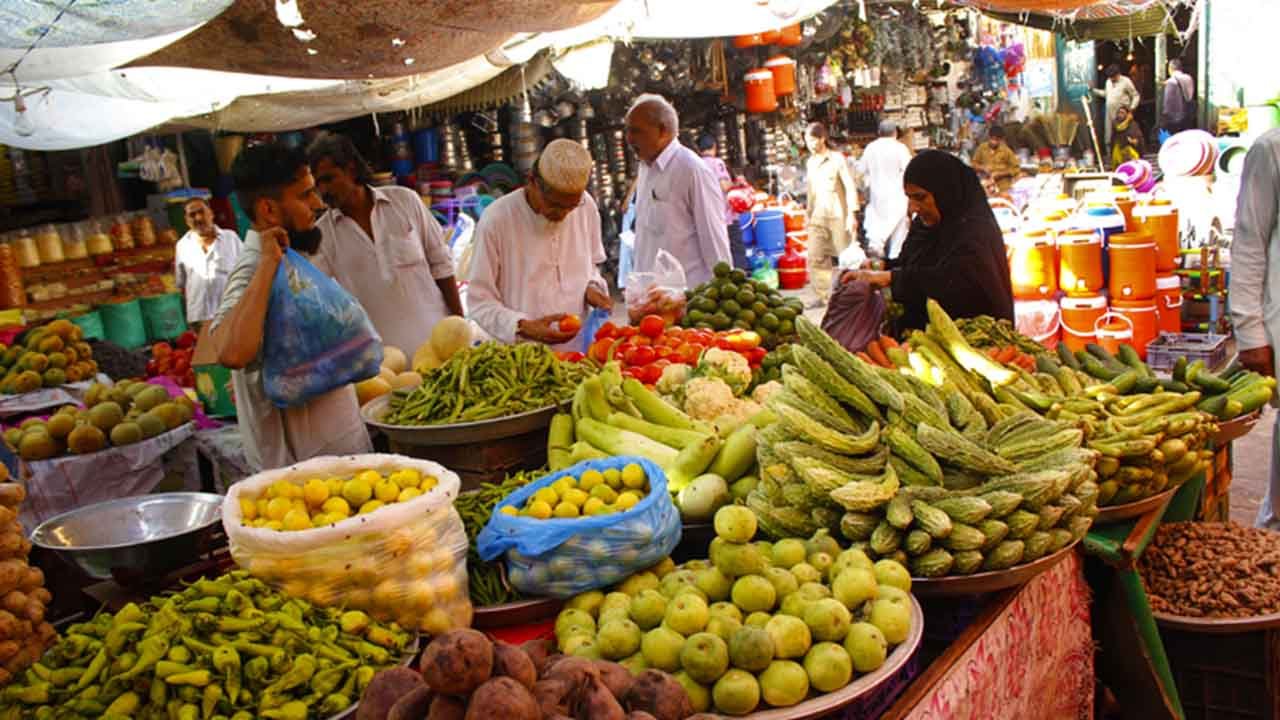
    After devastating floods ravaged the nation, Pakistani officials made the decision to import onions and tomatoes from Iran and Afghanistan due to the rising prices and imminent food crisis.

    The production and supply of vegetables and other crops has been impacted by the recent torrential rains and flooding.

    At a meeting presided over by Commerce Minister Naveed Qamar, the Ministry of Commerce made the announcement. The minister also examined the country’s supply of tomatoes and onions.

    To address the nationwide demand for these crops, the session voted to facilitate the import of onions and tomatoes from Afghanistan and Iran.

    According to The News, the panellists predicted that there will be a tomato and onion shortage in the nation within the next three months. They also stated that because recent flooding has harmed crops, a shortage and price increase are anticipated.

    The News reports that the importation of tomatoes and onions will help to uplift their availability and maintain their pricing.

    The Ministry of Commerce would collaborate with the FBR and the Ministry of National Food Security, it was decided at the meeting. The session also resolved to request reductions in taxes and charges from the federal cabinet’s Economic Coordination Committee for imported tomatoes and onions.

    Earlier, Qamar had emphasised the importance of taking quick action to make tomatoes and onions available to consumers and to stabilise the skyrocketing costs of these commodities. Due to a lack of supply in the market as a result of recent floods, the price of onions and tomatoes has reached Rs 300 per kg.

  • People likely to get record Rs6.37 billion relief this Ramzan

    People are likely to get record relief this Ramzan as a Rs6.37 billion package has been proposed.

    According to reports, the Ministry of Industries & Production (MoIP) has proposed the Economic Coordination Committee (ECC) to approve the mega Ramzan relief package for 2021.

    Profit quoted sources at MoIP as saying that under the proposed relief package to be offered through utility stores network, the government would give a subsidy of around Rs40 per kilogramme on sugar, banaspati ghee and wheat flour. The ECC, which would be chaired by Finance Minister Abdul Hafeez Shaikh, is likely to approve the historic relief package soon, they added.

    As per an MoIP official, the average Ramzan relief package in the past 10 years ranged between Rs1.5 to Rs2.5 billion.

    “The relief package last year was Rs2.5 billion and the average savings for the consumers remained Rs10–Rs15 on various items. However, serious intervention will be required this year to control the prices of vegetable ghee and oil, sugar and even wheat flour,” he added.

    They said the relief package would include a reduction in prices of 14 essential items by 10pc to 15pc at utility stores, besides the sale of five items at subsidised rates.

  • Vehicle prices to finally come down in Pakistan?

    Vehicle prices to finally come down in Pakistan?

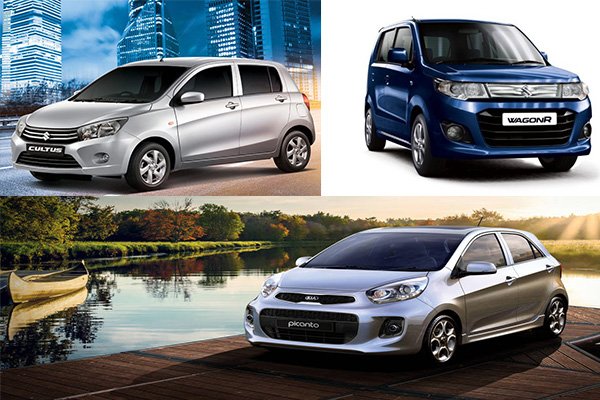
    Federal Minister for Science and Technology Fawad Chaudhry has said that car prices in Pakistan will be reduced in the coming days.

    Speaking to Geo News on Wednesday, Fawad said that the prices of cars in Pakistan have increased immensely over the past few years. However, the Economic Coordination Committee (ECC) has approved the Electric Vehicle Policy — which will end the monopoly of car manufacturers in the country.

    The minister maintained that the Electric Vehicle Policy is crucial for urban cities like Lahore and Karachi, as over 35% of air pollution in these cities is caused by emission of smoke from vehicles.

    Speaking about other initiatives taken by the government, the minister said that three major mobile phone companies would soon start operations in Pakistan and that the ECC has also approved the mobile manufacturing policy, he added.

    He said that these are great achievements accomplished during the “Made in Pakistan campaign”, and in near future, the country will be manufacturing its own vehicles and mobile phones.