Tag: Economic crisis

  • Inflation has eroded purchasing power of Pakistanis: Bloomberg

    Inflation has eroded purchasing power of Pakistanis: Bloomberg

    A recent Bloomberg report reveals that Pakistan is facing the highest inflation rate in its region.

    The report explains that the Pakistani government has had to raise energy prices significantly to secure a new programme from the International Monetary Fund (IMF).

    Although inflation has decreased somewhat, electricity bills have risen sharply, now often surpassing household rent. This increase in power tariffs, aimed at meeting IMF conditions and implementing required reforms, has led to widespread protests across the country.

    Bloomberg’s report shows that since 2021, electricity prices in Pakistan have soared by 155 per cent. This surge followed the government’s decision to raise both industrial and retail electricity rates to improve the chances of obtaining IMF loans.

    The rising energy costs have worsened the country’s economic crisis, with inflation around 12 per cent—the highest in Asia—reducing people’s purchasing power and leading to a drop in electricity usage as individuals and businesses turn to solar power.

    In July, following the approval of a $7 billion IMF loan, the average residential electricity price increased by 18 per cent. Many residents now find their electricity bills exceeding their monthly rent, which ranges from $100 to $700, according to Samiullah Tariq, head of research at Pakistan Kuwait Investment Co.

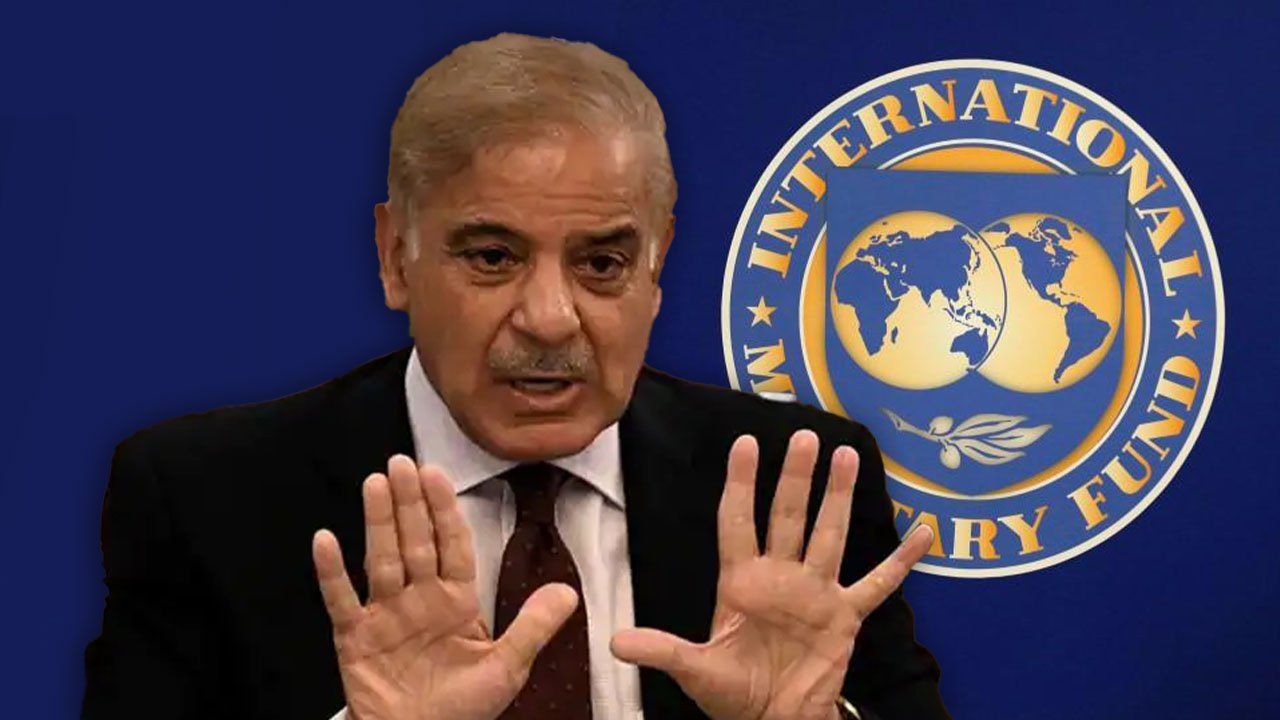
    In response to growing public frustration, Prime Minister Shehbaz Sharif has announced a Rs50 billion ($180 million) subsidy over the next three months to help low-income households cope with the higher energy costs.

    The IMF programme is focused on improving Pakistan’s energy sector through cost reductions and the privatisation of state-owned power companies. The power regulator estimates that Pakistan loses about 16 per cent of its electricity due to theft and inefficiencies in its transmission and distribution systems.

    The Bloomberg report underscores the severity of Pakistan’s economic challenges and the urgent need for effective solutions in its energy sector.
  • IMF’s fiscal strategy for Pakistan criticised for overlooking debt restructuring

    IMF’s fiscal strategy for Pakistan criticised for overlooking debt restructuring

    The International Monetary Fund (IMF)’s current fiscal strategy for Pakistan, which focuses on strict fiscal consolidation—entailing reduced spending and increased revenue—has come under significant scrutiny.

    Critics, including Murtaza Syed, a former deputy governor of the State Bank of Pakistan and ex-IMF official, question the approach due to its lack of emphasis on debt restructuring.

    In his article “Debt Will Tear Us Apart (Again)”, Syed highlights the IMF’s omission of debt sustainability in recent discussions.

     Despite Pakistan securing a staff-level agreement with the IMF for the 24th time, this absence is surprising given the IMF’s near-declaration of Pakistan’s debt as unsustainable in May. Syed suggests that both Pakistan and the IMF might be shying away from a transparent evaluation of the debt burden.

    Syed warns that the current “extend and pretend” strategy could lead to severe repercussions. He argues that it will impose harsh austerity measures on a population already burdened by stagnant income, a historic cost of living crisis, and political instability.

    This approach may result in deeper losses for creditors and further damage the IMF’s reputation.

    The article provides stark figures illustrating Pakistan’s debt crisis. The country owes an average of $19 billion in principal repayments annually, which exceeds half of its export revenues.

    Additionally, Pakistan will require at least $6 billion per year to cover its current account deficit, bringing its total external financing needs to around $25 billion annually until 2029.

    Moreover, the government will need to allocate an average of 6.5 per cent of GDP for interest payments on existing debt over the next five years.

    Syed criticises the IMF’s optimistic forecasts for Pakistan’s economic variables, noting that previous predictions have often been unrealistic. He argues that fiscal consolidations, particularly in a weak global environment, tend to fail in making debt more sustainable.

    In his conclusion, Syed calls for a shift from harsh fiscal measures to a more balanced approach that includes debt restructuring, to reduce financial pressures and support economic development.

  • IMF engagement should not hinder Pakistan’s economic progress: PM Shehbaz

    IMF engagement should not hinder Pakistan’s economic progress: PM Shehbaz

    Prime Minister (PM) Shehbaz Sharif asserted on Tuesday that any forthcoming engagement with the International Monetary Fund (IMF) must not impede Pakistan’s economic progress.

    His remarks come in the wake of discussions regarding a potential Extended Fund Facility (EFF) with the IMF, scheduled for deliberation in Washington next month, as the nation grapples with mitigating a looming economic crisis.

    With the expiration of the standby $3 billion arrangement with the IMF looming on April 11, recent negotiations have culminated in a staff-level agreement, paving the way for the disbursal of the final tranche of $1.1 billion.

    PM Shehbaz, following his re-inauguration, promptly directed his financial team to initiate efforts towards securing an EFF from the IMF.

    Speaking at a ceremony in Islamabad, the Prime Minister underscored the indispensability of another IMF programme while highlighting the imperative of simultaneously pursuing economic expansion.

    He highlighted key areas such as agriculture, IT exports, and both traditional and non-traditional exports as avenues for growth, questioning any limitations posed by an IMF programme on such initiatives.

    “If there is an IMF programme, who has stopped you from doubling agriculture output? from increasing IT exports? from increasing traditional and non-traditional exports?” PM Shehbaz posited, stressing the compatibility of economic growth initiatives with an IMF programme.

    He cautioned against using the IMF as an excuse for stagnation, urging prioritisation of domestically controllable economic avenues.

    In reiterating his stance, Prime Minister Shehbaz Sharif conveys a dual commitment to engaging with the IMF while ensuring a steadfast focus on bolstering Pakistan’s economic trajectory, fostering employment, and curbing inflation.

    As the nation navigates through economic challenges, the Prime Minister’s emphasis on proactive economic strategies resonates as a call to action for sustainable growth and resilience.

  • World Bank projects only 1.7% growth for Pakistan in FY 2023-24 amid economic challenges

    World Bank projects only 1.7% growth for Pakistan in FY 2023-24 amid economic challenges

    The World Bank has issued a cautious outlook for Pakistan’s economy in the fiscal year 2023–24, projecting a modest growth rate of 1.7 per cent.

    The report, titled “South Asia Development Update Towards faster, cleaner growth,” highlights the fragile economic situation in Pakistan.

    Several factors have contributed to this fragility. The US dollar value of imports decreased by 26 per cent in August 2023 due to low demand and import controls, resulting in input shortages and a 15 per cent decline in industrial production by June 2023.

    Additionally, the economy shrank by 0.6 per cent in the fiscal year 2022–23 due to the impact of 2022 floods, high inflation, and balance of payments challenges.

    Import controls, initially aimed at reducing the trade deficit, hindered the supply of industrial materials and stifled growth.

    While these controls have been removed as part of an IMF lending programme, Pakistan still faces inflationary pressures, tight fiscal policies, and extensive flood damage. Foreign exchange reserves remain low, leaving the country vulnerable to external shocks.

    Pakistan is not alone in its economic struggles. Bangladesh, Pakistan, and Sri Lanka are all facing acute crises with ongoing balance-of-payments issues. These countries have begun implementing IMF-supported policies to address capital outflows and debt sustainability.

    Global factors, such as rising prices due to the end of the pandemic and Russia’s invasion of Ukraine, have exacerbated the challenges faced by these nations, leading to increased current account deficits and currency depreciations. To combat this, import controls have been imposed.

    In Pakistan, consumer price inflation stood at 27 per cent in August, down from a peak of 38 per cent in May, thanks to a stabilised exchange rate and a decline in food prices caused by the previous year’s floods. To address high inflation, the central bank raised its benchmark interest rate to 22 per cent in June.

    Pakistan and Sri Lanka are experiencing severe financial stresses, with low foreign reserve coverage and weak asset quality in both banking and non-banking sectors. The report also highlights the need for investment reforms in several South Asian countries to encourage growth.

    Restrictive import measures in Bangladesh, Pakistan, and Sri Lanka, although aimed at stabilising the external sector, have led to import shortages and economic downturns. Lowering these barriers to trade and capital flows could help boost long-term productivity.

    Lastly, despite adopting debt ceilings and deficit targets, many South Asian countries have high government debt-to-GDP ratios, with Pakistan experiencing fluctuations in government spending during election years.

    In summary, the World Bank’s report paints a cautious picture of Pakistan’s economic prospects, emphasising the need for sustained reforms and addressing various challenges to achieve stable and sustainable growth.

  • NEPRA recommends electricity rate increase of Rs3.28 per unit

    NEPRA recommends electricity rate increase of Rs3.28 per unit

    The National Electric Power Regulatory Authority (NEPRA) has officially proposed to the government an increase in the electricity tariff of Rs3.28 per unit, citing the need for a quarterly adjustment.

    In this proposal, NEPRA is looking to impose an additional financial burden of approximately Rs160 billion on consumers of electricity. According to ARY News, this recommendation has been conveyed to the caretaker federal government through an official summary, outlining the suggested increment of Rs3.28 in electricity rates as part of the fourth-quarter adjustment for the fiscal year 2022–23. 

    The proposed increase, subject to approval by the federal government, would also apply to K-Electric consumers. As a result of this adjustment, power consumers would be required to make additional payments over the next six months, spanning from October 2023 to March 2024. 

    It is worth noting that the proposed surge in power tariffs has incited protests throughout the country, with citizens expressing their displeasure over the considerable rise in electricity costs and the imposition of excessive taxes on electricity bills. In some instances, individuals infuriated by inflated bills have resorted to burning them as a form of protest, while certain political factions have threatened to stage sit-in demonstrations outside K-Electric offices. 

    This unrest surrounding the increased electricity tariffs coincides with Pakistan’s ongoing economic struggles, characterised by financial constraints and an inflation rate hovering around 29 per cent. 

    Furthermore, it is important to highlight that the International Monetary Fund (IMF) has reportedly discouraged Pakistan from offering relief to consumers using over 200 units of electricity on a monthly basis. According to sources, the IMF argued that reducing electricity bills for such consumers would not address the issue of circular debt. 

    Consequently, relief in the form of deferred payments for electricity bills will be exclusively extended to consumers who consistently utilise less than 200 units for six consecutive months. This relief would be rescinded if a consumer’s bill exceeded 200 units within the same timeframe, as per the sources. 

    Caretaker Federal Minister for Energy, Power, and Petroleum, Muhammad Ali, has also announced that the revised electricity tariff will be introduced before October 31. During a press conference held alongside Sindh Governor Kamran Tessori, Minister Ali emphasised the government’s commitment to combating electricity and gas theft through indiscriminate measures. 

    He added that efforts are being made to regulate and potentially lower electricity tariffs, with a goal to supply cost-effective electricity to industries starting on October 31. Muhammad Ali attributed the surge in electricity bills to electricity theft and the increased price of the US dollar. 

    While acknowledging the challenges of amending previous agreements, the minister pledged that the government would explore solutions within the framework of existing arrangements. He also expressed the government’s commitment to promoting solar energy despite the lack of reductions in solar equipment prices, outlining plans to devise a strategy for the promotion of solarization. 

  • Significant decline in mobile phone imports in two months

    Significant decline in mobile phone imports in two months

    In the current financial year, the volume of imports of mobile phones was 89.93 million dollars

    In the first two months of the current financial year, a significant decline has been recorded in the imports of mobile phones.

    According to data from the State Bank of Pakistan, the volume of imports of mobile phones in July and August was 8.314 million dollars. In the same period last year, the volume of imports of mobile phones was recorded at 59.31 million dollars.

    The statistics also revealed that during the last month in August, foreign exchange was spent on the import of mobile phones worth 4.979 million dollars, which was 3.33 million dollars in June and 43.66 million dollars in August last year.

    The volume of imports of mobile phones recorded in the current fiscal year was 89.93 million.

  • 98 percent of Pakistanis unhappy with country’s direction, survey

    98 percent of Pakistanis unhappy with country’s direction, survey

    Along with the country’s economy, restoring the declining confidence of Pakistani consumers is a big challenge for the caretaker government.

    Apsus Pakistan released the third quarter survey report of Consumer Confidence Index.

    According to the survey report, 98 per cent of Pakistanis are not happy with the country’s direction, while the number of Pakistanis who consider the direction to be correct has come down to merely 2 per cent.

    According to the report, Pakistanis are disappointed with the country’s economy and their own financial situation, 76 per cent of Pakistanis say the country’s economy is weak and 68 per cent say their financial situation is precarious.

    The survey also revealed that 66 per cent of Pakistanis are not optimistic about improvement in the country’s economic conditions, even in the next six months, while 60 per cent see their financial conditions becoming weaker in the future.

  • Economic crisis: 95 per cent of Pakistanis fear unemployment

    Economic crisis: 95 per cent of Pakistanis fear unemployment

    In Pakistan, 95 per cent of Pakistanis are worried about the possibility of unemployment, while only 5% are confident of job security.

    Apsus Pakistan’s new survey, based on public opinion, says that there has been a clear increase in the rate of Pakistanis claiming to be unemployed in the last one year.

    According to the survey, 95 per cent of Pakistanis are afraid of unemployment due to the country’s economic conditions, while only 5 percent are confident of job security.

    In the survey, 63 per cent said that they, or someone they know, lost their job; and 99 per cent claimed that it was difficult to buy daily necessities, while 99 per cent were not confident about buying a house or a car.

    About 96 per cent of Pakistanis expressed their inability to save and invest to meet their financial needs in the future.

  • WASA Faisalabad lays off over 700 daily wage workers

    WASA Faisalabad lays off over 700 daily wage workers

    WASA Faisalabad has laid off over 700 daily wage workers due to the financial crisis, as the country battles with unprecedented inflation.

    According to Samaa News, Faisalabad WASA has also issued a notification to the same. According to the Director Admin, he is unable to bear the expenses so daily wager employees will no longer be working in the department.

  • IMF should help Pakistan uphold right to electricity, says HRW

    IMF should help Pakistan uphold right to electricity, says HRW

    For the past week, Pakistan has witnessed extensive protests against the recent surge in electricity prices. In several cities, these protests escalated into violence.

    The government-sanctioned price increase arrives at a critical juncture as Pakistan grapples with one of the most severe economic crises in its history. This crisis imperils the fundamental rights of millions, including access to healthcare, nutrition, and a satisfactory standard of living.

    According to Human Rights Watch, successive Pakistani governments have failed in reforming the country’s energy sector, contributing to the current crisis. The recent surge in prices is linked to a substantial US$3 billion agreement between the International Monetary Fund (IMF) and Pakistan.

    This pact, sanctioned in July 2022, stipulates the government’s obligation to eliminate energy and fuel subsidies, transition to a market-driven exchange rate, and implement tax increments.

    While Human Rights Watch fundamentally opposes fossil fuel subsidies due to their adverse climate impact, the removal of these subsidies without substantial investment in social security often results in disproportionate repercussions for individuals with low incomes.

    Elevated electricity prices can further elevate the costs of essential commodities like food, housing, and services.

    Recognising the right to an adequate standard of living, Human Rights Watch asserts that access to dependable, secure, clean, and affordable electricity without discrimination is imperative.

    Given the situation, it is imperative for the IMF to conduct a comprehensive assessment of the consequences of these adjustments. Rather than abrupt subsidy removal, the IMF should establish a comprehensive reform strategy aimed at mitigating price escalations and facilitating a seamless transition to sustainable energy sources.

    Such reforms could encompass the implementation of a universal social protection system designed to extend benefits to individuals at higher risk of income insecurity, including children, elderly citizens, and people with disabilities.