Tag: Economic Development

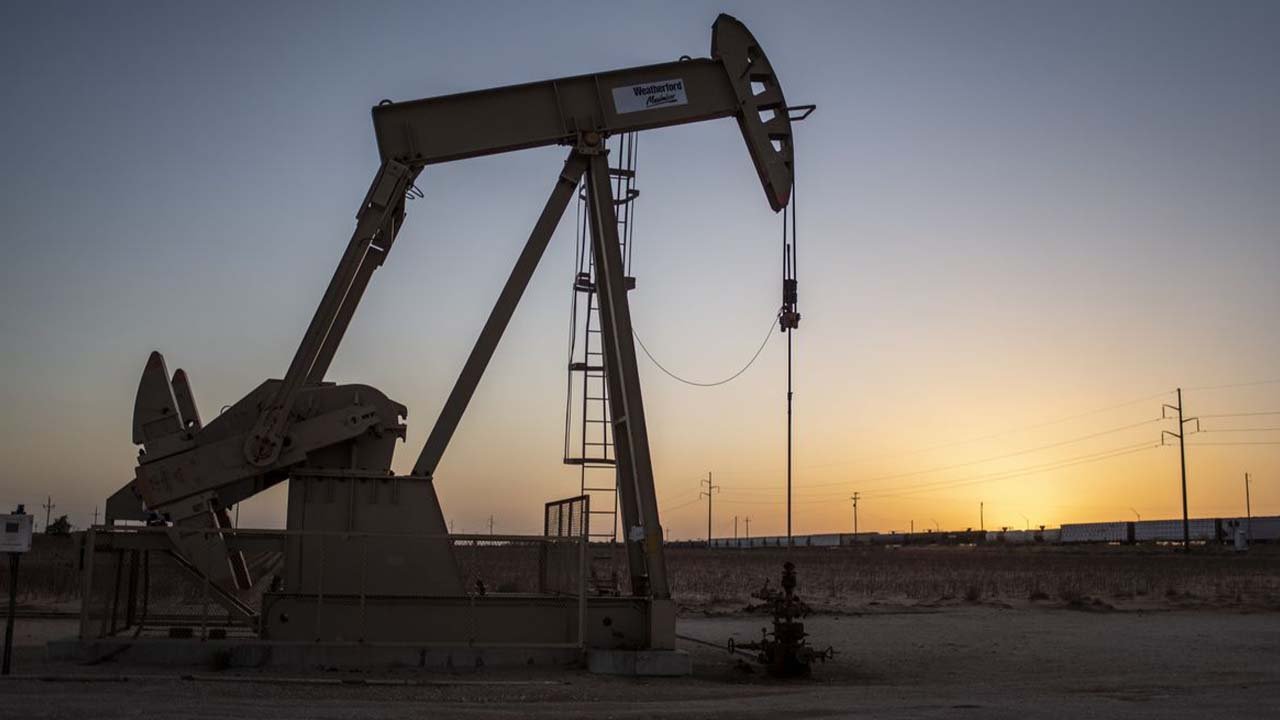
  • Pakistan to build $10 billion oil refinery to alleviate energy shortages

    Pakistan to build $10 billion oil refinery to alleviate energy shortages

    In a significant move aimed at tackling Pakistan’s persistent energy crisis, the government, in collaboration with the Special Investment Facilitation Council (SIFC), has finalised a groundbreaking agreement.

    According to the Information Ministry, this agreement entails the establishment of a state-of-the-art oil refinery valued at $10 billion within the country.

    This strategic initiative forms a crucial part of the government’s broader efforts to combat energy shortages, which have been a major impediment to national growth.

    Simultaneously, the government has embarked on ambitious petroleum sector projects aimed at exploring oil and gas reserves in coastal and marine regions of Pakistan. These ventures are expected to attract investments ranging from $5 to $6 billion, significantly enhancing the country’s energy infrastructure.

    In addition to these developments, recent strides in renewable energy infrastructure include the installation of a 150-megawatt solar power plant in Sukkur and a one-megawatt solar power facility in Hunza, established through Public Private Partnerships (PPP). These projects underscore Pakistan’s commitment to diversifying its energy mix and reducing dependency on traditional fossil fuels.

    Under the auspices of the SIFC, emphasis has been placed on prioritising hydropower, solar energy, and wind energy initiatives over coal and furnace oil, marking a pivotal shift towards sustainable energy solutions.

    This multifaceted approach not only aims to bolster Pakistan’s energy security but also aligns with global efforts towards environmental sustainability and economic resilience.

    The implementation of these initiatives is poised to catalyse significant advancements in Pakistan’s energy sector, fostering a more robust and sustainable economic future.

  • PM Shehbaz foresees three-year IMF programme continuation

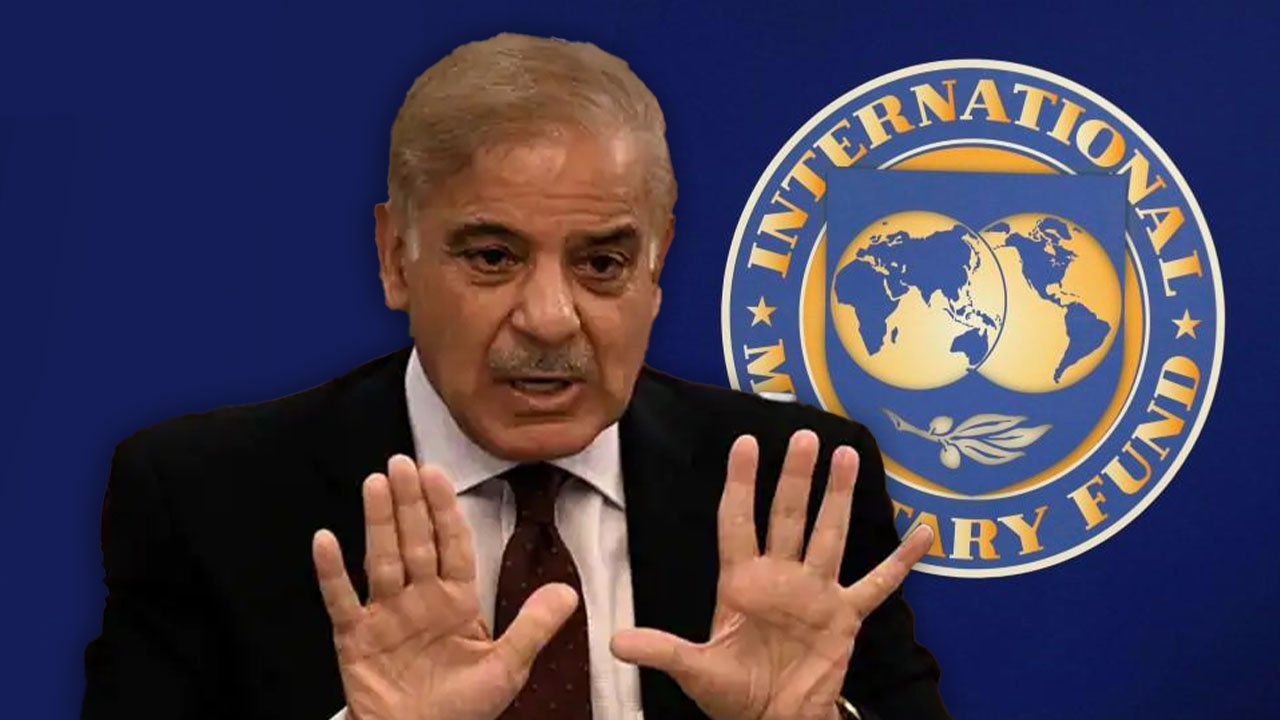
    PM Shehbaz foresees three-year IMF programme continuation

    Prime Minister (PM) Shehbaz Sharif has indicated that the new International Monetary Fund (IMF) programme is expected to extend for three years.

    Addressing the session of the Special Investment Facilitation Council’s (SIFC) apex committee, attended by both civil and military leadership on Thursday, the PM mentioned that a new installment of the loan from the IMF is anticipated in a few days. However, he underscored the necessity for another programme.

    He highlighted the unity displayed by the civil-military leadership and elected lawmakers from various political parties in today’s session, emphasising their collective commitment to the country’s development and prosperity.

    Regarding the economic challenges, the Prime Minister stressed the importance of the SIFC in facilitating foreign investments and acknowledged its significant role over the past eight months. He credited Chief of Army Staff (COAS) General Syed Asim Munir for his pivotal role in establishing the SIFC.

    Prime Minister Shehbaz emphasised the imperative of implementing reforms under the IMF programme to attain macroeconomic stability. He noted the shortfall in revenues, highlighting the need to increase them to Rs13 to 14 trillion from the current Rs9 trillion.

    Furthermore, he outlined the government’s plans to digitise the Federal Board of Revenue (FBR) to address issues such as electricity theft, which annually costs the national exchequer Rs400 billion. During the caretaker government’s tenure, measures were taken to save Rs87 billion in electricity expenses.

    PM Shehbaz also highlighted the pressing issue of circular debt in electricity and gas, which has surged to Rs5 trillion.

    He underscored the importance of unity among the federal and provincial governments to address these challenges collectively.

    Shehbaz Sharif urged the expedited privatisation of loss-making state-owned entities, citing Pakistan International Airlines (PIA), burdened with a debt of Rs825 billion, as an example.

    Acknowledging the need for tough decisions, the Prime Minister admitted that subsidies had been disproportionately allocated to the elite segments of society, emphasising the importance of redistributing the financial burden to those capable of bearing it.

  • Pakistan’s forex reserves surge to $8.02 billion, SBP data shows

    Pakistan’s forex reserves surge to $8.02 billion, SBP data shows

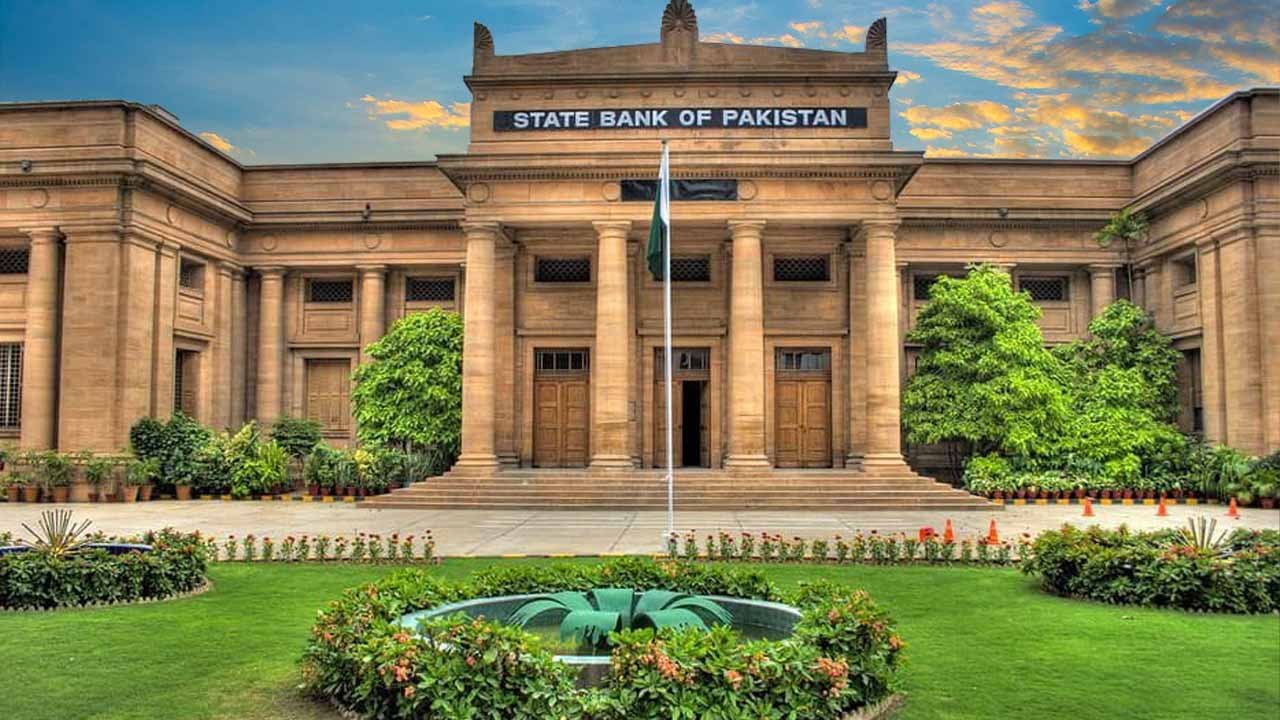
    The latest data released on Thursday revealed a noteworthy surge in the foreign exchange reserves held by the State Bank of Pakistan (SBP), marking an increase of $105 million over the course of a week, reaching a total of $8.02 billion as of March 15.

    In addition to the SBP’s reserves, the total liquid foreign reserves for the country now stand at $13.4 billion, with commercial banks accounting for $5.38 billion of this amount.

    Despite the significant boost, the central bank did not provide specific details regarding the reason behind this increase.

    However, it did report that during the week ending on March 15, SBP’s reserves climbed by $105 million to reach $8,017.9 million, indicating a positive trend.

    The previous week had also witnessed an increase in Pakistan’s central bank reserves, albeit a smaller one, amounting to $17 million.

    In a pivotal development, Pakistani authorities successfully concluded negotiations with the International Monetary Fund (IMF) on the second and final review of the $3 billion Stand-By Arrangement (SBA).

    As per the agreement reached, pending approval by the IMF’s Executive Board, an additional access of $1.1 billion under the SBA will become available.

    This anticipated inflow from the IMF is expected to further bolster the country’s reserves and serve as a promising sign for its struggling economy.

  • IMF urges Pakistan to expand capital gains tax scope to include cryptocurrencies

    IMF urges Pakistan to expand capital gains tax scope to include cryptocurrencies

    The International Monetary Fund (IMF) has advised the Federal Board of Revenue (FBR) to broaden the scope of capital gains tax (CGT) by incorporating cryptocurrencies into the tax regime.

    This recommendation arises amidst ongoing discussions between the Fund and Pakistani authorities regarding the $3 billion stand-by arrangement (SBA).

    The four-day review, which commenced on Thursday, aims to unlock the final tranche of approximately $1.1 billion secured by Islamabad under a last-minute rescue package last summer, thus averting a sovereign debt default.

    During these deliberations, the IMF proposed a reassessment of tax slabs for real estate and listed securities to ensure comprehensive taxation of all gains, irrespective of asset holding periods.

    Moreover, the IMF urged the FBR to mandate property developers to monitor and report all pre-completion property transfers, with penalties for non-compliance. This move aims to bring under the tax umbrella the prevalent practice of trading property plot files within housing schemes.

    These recommendations are anticipated to be incorporated into the forthcoming bailout package under the Extended Fund Facility (EFF), potentially becoming integral to the FY2024–25 budget through the finance bill.

    The IMF’s technical assistance report highlights the challenges faced by Pakistani authorities in assessing and collecting taxes on capital gains from real estate transactions, particularly those occurring before formal property registration.

    To address this issue, the IMF suggests obligating property developers to track and report all pre-completion property transfers, with penalties for non-compliance, thereby shifting tax liabilities to developers if they are not recoverable from the initial transferor.

    Furthermore, the IMF advocates for the expansion of assets subject to capital gains tax to include emerging investment avenues such as cryptocurrencies alongside real estate and listed securities. 

    It also proposes revising tax slabs to ensure equitable taxation of capital gains, irrespective of asset holding durations.

    Overall, these IMF recommendations seek to fortify the taxation framework, ensuring a more inclusive and equitable approach to capital gains taxation in Pakistan.

  • SBP sees surge of over $17 million in forex reserves

    SBP sees surge of over $17 million in forex reserves

    The latest data released by the State Bank of Pakistan (SBP) revealed a notable rise in the country’s foreign exchange reserves. During the week ending March 8, 2024, SBP’s reserves increased by $17.2 million, marking a 0.22 per cent growth, reaching a total of $7.91 billion.

    Additionally, Pakistan’s overall reserves experienced a surge, ascending by $131.3 million, or 1.01 per cent, week-on-week (WoW), to a sum of $13.15 billion. This increase was further complemented by a rise in reserves held by commercial banks, which climbed by $114.1 million, or 2.23 per cent, to reach $5.24 billion.

    In a significant development, the second review of the stand-by arrangement (SBA) with the International Monetary Fund (IMF) is slated to take place from March 14 to 18, 2024. This review holds particular importance as it marks the final assessment under the SBA. Upon reaching a staff-level agreement, the final tranche of $1.1 billion will be disbursed, subject to approval by the Executive Board of the IMF.

    It is noteworthy that in the current fiscal year, Pakistan has witnessed a substantial increase in its total liquid foreign reserves, amounting to $3.99 billion, or 43.57 per cent. Similarly, the ongoing calendar year has seen a rise of $0.48 billion, or 3.77 per cent.

  • Understanding GSP+ status: What it means for Pakistan’s trade relations

    Understanding GSP+ status: What it means for Pakistan’s trade relations

    The Pakistan Tehreek-e-Insaf (PTI) has vehemently dismissed accusations levelled by Federal Information Minister Attaullah Tarar, labelling them as unfounded and baseless.

    In a statement issued today, the PTI refuted claims made by Tarar, asserting that they are nothing but a concoction of falsehoods and rhetoric aimed at maligning the party’s reputation.

    Earlier, Tarar had accused the PTI of plotting to undermine Pakistan’s Generalised Scheme of Preferences Plus (GSP+) status.

    He alleged that the party’s spokespersons were actively engaged in activities detrimental to the country’s interests under the directives issued from confinement.

    Understanding GSP+ and its significance for Pakistan’s economy

    The GSP+ status, a cornerstone of Pakistan’s trade relations with the European Union (EU), holds significant importance for the nation’s economy.

    Under this scheme, selected developing countries, including Pakistan, receive extensive trade concessions aimed at fostering sustainable development and good governance practices.

    The European Union’s GSP+ Scheme is founded on the effective implementation of 27 United Nations conventions covering various aspects such as human rights, labour rights, climate change, narcotics control, and corruption.

    Once granted GSP+ status, beneficiary countries are subject to rigorous monitoring to ensure compliance with the stipulated conventions and reporting requirements.

    The dialogue on GSP+ compliance involves various stakeholders, including international monitoring bodies, civil society, trade unions, and businesses.

    Regular monitoring visits are conducted by the EU to assess the progress of beneficiary countries in addressing the outlined issues.

    The significance of GSP+ for Pakistan’s economy cannot be overstated, particularly for its textile industry and workforce.

    Over the past decade, Pakistan has witnessed a notable increase in exports to the EU, accompanied by a surge in EU imports, owing to the preferential treatment offered under the GSP+ scheme.

  • SBP’s foreign exchange reserves rise by $13 million

    SBP’s foreign exchange reserves rise by $13 million

    In a positive development for Pakistan’s economic landscape, the State Bank of Pakistan (SBP) reported a weekly increase of $13 million in its foreign exchange reserves, reaching a total of $8.05 billion as of February 9, according to data released on Thursday.

    The country’s overall liquid foreign reserves now stand at $13.15 billion, with commercial banks holding a significant share of $5.1 billion in net foreign reserves.

    The central bank, however, did not provide specific details or reasons for the notable upswing in reserves during the mentioned week.

    In a statement, the SBP stated, “During the week ended on February 9, 2024, the SBP’s reserves increased by US$ 13 million to US$ 8,056.5 million.”

    This positive development comes on the heels of last week’s decrease in Pakistan’s central bank reserves, which experienced a dip of $173 million.

    The recent rebound signals resilience and stability in the nation’s economic standing, and financial analysts are likely to scrutinise the factors contributing to this uptick in the coming days.

    As the global economic landscape continues to evolve, Pakistan’s foreign exchange reserves play a crucial role in navigating economic challenges, and the recent increase reflects ongoing efforts to bolster the country’s fiscal strength.

    Experts anticipate that a robust foreign reserve position will provide a buffer against external shocks and instill confidence in the financial markets.

  • Pakistan sets sights on $5 billion smartphone exports by 2029

    Pakistan sets sights on $5 billion smartphone exports by 2029

    Pakistan’s mobile phone industry is experiencing a significant boom, with plans to export smartphones worth $500 million in the next two years and an ambitious target of $5 billion in the next five years, according to the Federal Minister of IT and Telecom, Dr Umar Saif.

    The announcement was made during the Pakistan Mobile Summit 2024, a collaborative effort between the Ministry of IT and Telecom and mobile phone manufacturers.

    Dr Umar Saif, speaking at the summit, drew parallels with neighbouring India, which currently exports mobile phones worth $10 billion annually.

    He expressed confidence in enhancing Pakistan’s presence in the global mobile phone market and outlined steps being taken to boost smartphone exports manufactured within the country.

    During the summit, the minister disclosed that 35 companies have been licenced to assemble smartphones of different brands.

    Furthermore, a comprehensive policy is in the works to facilitate the local production of complete phones and some of their components.

    This initiative is expected to not only strengthen the local industry but also contribute significantly to Pakistan’s standing in the international mobile phone market.

    Dr Saif highlighted the progress made so far, indicating that approximately 90 million mobile phones have been assembled in Pakistan over the past two years.

    Additionally, the country has successfully exported around 250,000 mobile phones, amounting to a value of $15 million. These figures showcase the growing capabilities of Pakistan’s mobile phone manufacturing sector.

    The minister emphasised the need for sustained efforts to capitalise on the industry’s potential and underscored the importance of innovation and competitiveness to further enhance Pakistan’s share in the global market.

    As the country moves forward, there is a concerted push to not only meet but surpass the set export targets, contributing significantly to the national economy and establishing Pakistan as a key player in the international mobile phone industry.

    The success and growth of the mobile phone industry align with the government’s broader vision for economic development and technological advancement, showcasing Pakistan as a competitive player in the global digital landscape.

  • Pakistan welcomes PayPal through strategic alliance

    Pakistan welcomes PayPal through strategic alliance

    In a groundbreaking move for Pakistan’s burgeoning freelance community, PayPal is set to establish its presence in the country through a strategic partnership with an existing international payment gateway.

    The joint venture announcement is anticipated for next week, marking a significant milestone for the approximately 1.5 million freelancers and IT professionals in Pakistan, making it the fourth-largest community globally.

    Caretaker Minister for IT and Telecom, Dr Umar Saif, confirmed that PayPal would operate indirectly in Pakistan through this collaboration. This development follows persistent efforts by previous governments to convince PayPal to operate within the country, which initially faced resistance citing security concerns.

    Dr Saif emphasised the positive impact of this move on IT exports and freelancer remittances, underscoring recent measures supporting a more liberal financial regime. He revealed that IT exports have already experienced a notable surge, with a 13 per cent increase in November alone, and expressed confidence that this growth trajectory will continue.

    The IT Ministry, under Dr Saif’s leadership, has implemented various initiatives to bolster the IT sector. These include providing smartphones through installment plans, standardising quality tests for IT graduates, and approving the National Space Policy. Dr Saif expressed optimism about launching 5G services in Pakistan by July 2024, with a spectrum auction offering 300 MHz.

    The government aims to boost IT exports from the current $2.6 billion to approximately $5 billion by facilitating a more liberal financial regime. As part of this effort, IT companies can now retain 50 per cent of their export revenue in dollars in a local account, simplifying international payments.

    In addition to these measures, the government plans to launch 10,000 e-Rozgar centres across the country, providing facilities for freelancers and start-ups. The recently approved National Space Policy allows companies to utilise low-orbit satellites for communication services, further enhancing the technological landscape in Pakistan.

    The upcoming joint venture between PayPal and an international payment gateway is expected to usher in a new era of financial opportunities for Pakistan’s freelancers and IT professionals, contributing significantly to the country’s economic growth and global standing in the IT sector.

  • Federal cabinet to approve FBR restructuring in upcoming meeting

    Federal cabinet to approve FBR restructuring in upcoming meeting

    In a significant development, the caretaker government has concluded the comprehensive restructuring plan for the Federal Board of Revenue (FBR).

    The approval for this pivotal reform comes from the Apex Committee of the Special Investment Facilitation Council (SIFC), highlighting a crucial step towards enhancing efficiency and transparency in Pakistan’s tax administration.

    According to reliable sources, the Apex Committee granted its approval for the FBR’s reforms and restructuring plan during its recent meeting. The caretaker government is now poised to move a summary for the approval of the FBR’s restructuring plan in the upcoming federal cabinet meeting.

    The decision to move the summary will follow the meticulous review of the minutes of the last SIFC committee meeting, ensuring a thorough examination of the proposed reforms. The anticipated summary aims at facilitating the implementation of a robust action plan geared towards restructuring Pakistan’s tax administration, thereby fortifying the internal governance mechanisms of the FBR.

    As part of the ongoing reform initiative, the caretaker government is contemplating the establishment of a dedicated Customs Board to oversee the operations of Pakistan Customs. This strategic move aims to streamline and enhance the efficiency of customs affairs while ensuring a clear demarcation from the revenue collection mechanism.

    It is expected that the revenue collection mandate will continue to be under the purview of the FBR. In line with this reform trajectory, the creation of a separate Inland Revenue Board is also under consideration, which will operate under the vigilant supervision of the Revenue Division.

    This bifurcation is designed to address concerns related to smuggling and other illicit activities, providing a specialised focus on each aspect of tax administration.

    Furthermore, as part of the tax reform programme, five federal secretaries, namely Finance, Industries and Production, National Food Security, Commerce, and Interior, are slated to become ex-officio members of the proposed Customs Board. This inclusion is envisioned to bring multidimensional expertise to the board, fostering collaboration among various sectors crucial for effective customs management.

    The restructuring plan marks a pivotal moment in Pakistan’s efforts to modernise and fortify its tax administration system. The caretaker government’s commitment to transparency and efficiency is evident in these strategic reforms, setting the stage for a more resilient and responsive revenue collection framework.

    The anticipated approval of the summary at the federal cabinet meeting will further propel the implementation of these transformative changes.