Tag: economic growth

  • SBP reports marginal dip in bank deposits

    SBP reports marginal dip in bank deposits

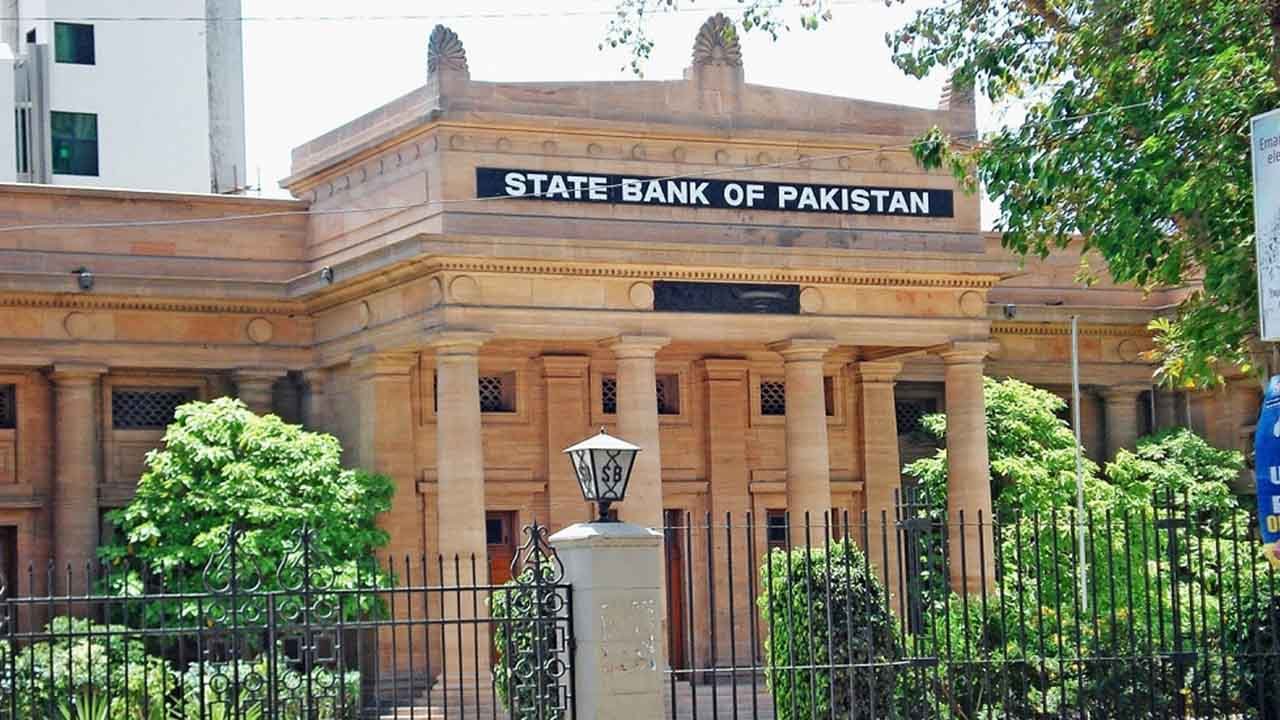
    In January 2024, the total deposits held by scheduled banks in Pakistan experienced a robust year-on-year growth of 21.03 per cent, reaching Rs27.54 trillion.

    This marks a substantial increase from Rs22.75 trillion recorded in January 2023, as revealed by data released by the State Bank of Pakistan (SBP).

    However, on a month-on-month basis, there was a slight dip of 1.08 per cent in bank deposits compared to December 2024, where the total stood at Rs27.84 trillion.

    The data further highlights a positive trend in total advances, which saw a year-on-year increase of 3.74 per cent, reaching Rs12.09 trillion compared to Rs11.66 trillion in the same period last year.

     Conversely, on a monthly basis, advances experienced a marginal decline of 2.08 per cent from their December 2024 value of Rs12.35 trillion.

    The Advances to Deposit Ratio (ADR) exhibited a decrease, standing at 43.92 per cent, indicating a 732 basis points decline on a yearly basis and a 45 basis points decrease on a monthly basis.

    In terms of investments, scheduled banks in Pakistan reported total investments of Rs25.6 trillion in January 2024, reflecting a substantial year-on-year increase of 32.71 per cent from Rs19.29 trillion in January 2023.

    Additionally, there was a month-on-month increase of 1.28 per cent from the Rs25.28 trillion recorded in December 2024.

    The Investment to Deposit Ratio (IDR) witnessed a notable rise of 818 basis points, reaching 92.97 per cent, compared to the figures from January 2023. On a monthly basis, IDR increased by 216 basis points.

    These statistics indicate a significant positive shift in the financial landscape of Pakistan’s banking sector, with notable expansions in both deposits and investments.


  • Indus Motor Company invests Rs3 billion to boost local auto production

    Indus Motor Company invests Rs3 billion to boost local auto production

    In a significant move within Pakistan’s automotive sector, Indus Motor Company Limited (INDU) has greenlit an investment of approximately Rs3 billion (around $10.76 million) aimed at bolstering the localisation of production.

    The company, renowned for being the manufacturer of Toyota-brand vehicles in the country, disclosed this pivotal development in a notice submitted to the Pakistan Stock Exchange (PSX) on Thursday.

    The announcement conveyed, “We are pleased to announce that the Board of Directors, in its meeting held on February 21, 2024, has approved an investment of around Rs3 billion to be made by the company for additional localization of parts and components of various existing vehicles.”

    Indus Motor revealed that this investment aligns with the company’s overarching strategy to continually augment the localization of parts and components of vehicles manufactured within the country.

    This move is poised to curtail the outflow of foreign exchange and foster growth within the local auto industry.

    “The announced investment shall be made towards expenditure in plant and machinery, moulds, dies, equipment, and related expenses for localization of parts and components to be manufactured locally for various existing vehicles,” stated Indus Motor.

    The timeline for this substantial investment is set to conclude by the third quarter of the calendar year 2025.

    Indus Motor has previously indicated its commitment to increasing product localization. Notably, the company introduced its Hybrid Electric Vehicle (HEV) Corolla Cross last year, emphasising that 50 per cent of its value was localized.

    CEO Ali Asghar Jamali highlighted that, after accounting for government taxes, over 50 per cent of the Corolla Cross’s value comprises localised parts, distinguishing it among other assembled hybrids in the country.

  • FBR collects Rs5.15 trillion in taxes in less than eight months

    FBR collects Rs5.15 trillion in taxes in less than eight months

    The Federal Board of Revenue (FBR) has revealed that it has achieved a remarkable milestone by collecting revenue amounting to Rs5.15 trillion from July 2023 to mid-February 2024.

    This represents a substantial 30 per cent increase compared to the same period in the previous fiscal year, according to an official press release.

    The report indicates that the growth in tax revenue is attributed to a comprehensive strategy employed by the FBR, with a keen focus on both domestic and import taxes.

    Tax refunds during this period witnessed a substantial 28 per cent growth, further contributing to the positive financial trajectory.

    A breakdown of the month-wise revenue collection for the period from July 2023 to January 2024 reveals that overall growth in domestic taxes reached an impressive 40 per cent. Concurrently, import duty and related taxes experienced a significant uptick of 16 per cent.

    The surge in revenue collection aligns with the revival of the Gross Domestic Product (GDP) and increased scrutiny of FBR’s collection processes.

    However, growth in import taxes faced challenges, primarily due to downward adjustments in import tariffs over the years and recent restrictions on import licences imposed by the State Bank of Pakistan to address balance of payments concerns amid foreign exchange constraints.

    The report acknowledges that revenue collection from imports incorporates the impact of improvements in import valuations, resulting in an additional Rs151 billion in collections.

    Additionally, the anti-smuggling drive witnessed a substantial 69 per cent growth in the fiscal year compared to the previous year (FY 22–23).

    Despite these achievements, concerns were raised regarding the decline in the growth of import taxes. This decline is attributed to two main factors: the gradual reduction in import tariffs and recent restrictions on import licenses.

    The need for continued efforts in anti-smuggling activities was emphasised, particularly in Baluchistan, where the customs force currently consists of only 378 personnel.

    Strengthening the enforcement efforts by increasing personnel in this region was suggested as a potential solution.

    The report concludes on a positive note, highlighting that the revenue mobilisation from domestic taxes now accounts for over 64 per cent of the total revenues collected in the current financial year.

    Simultaneously, the share of import taxes has decreased to 36 per cent, marking a significant shift from the 50 per cent share observed just three years ago. This indicates a positive trend in the diversification of revenue sources for the FBR.

  • Political instability, IMF loan conditions threaten Pakistan’s economic growth

    Political instability, IMF loan conditions threaten Pakistan’s economic growth

    In January, Pakistan experienced a boost in economic activity, thanks to the financial aid provided by the International Monetary Fund (IMF), as reported by Bloomberg Economics Tracker.

    However, there are three key developments that may impact future economic conditions.

    Firstly, the aftermath of the inconclusive February 8 election has resulted in persistent political instability, presenting a potential obstacle to new investments.

    Secondly, there is a likelihood of more stringent conditions associated with additional IMF loans. Lastly, there is an increasing probability that the State Bank of Pakistan will delay rate cuts.

    Despite the challenges, January saw a positive trend with a 0.9 per cent increase in economic activity compared to December, breaking a four-month contraction streak.

    The injection of IMF loans and eased trade restrictions contributed to this improvement, enabling increased purchases of essential import supplies.

    Looking ahead, the unresolved election outcome may prolong political uncertainty, affecting potential investments.

    The recent hike in gas prices on February 15 will likely drive inflation higher, further reducing the chances of a March rate cut.

    Considering these developments, Bloomberg Economics is considering revising its growth outlook.

    While Bloomberg currently predicts 2.1 per cent GDP growth through June 2024 (up from a 0.2 per cent contraction in the previous fiscal year), the consensus estimate is 2.5 per cent, and the IMF forecasts 2 per cent.

    It’s essential to note that the Bloomberg Economics monthly tracker assesses inflation-adjusted indicators of activity.

  • Govt surpasses petroleum levy collection targets despite declining sales

    Govt surpasses petroleum levy collection targets despite declining sales

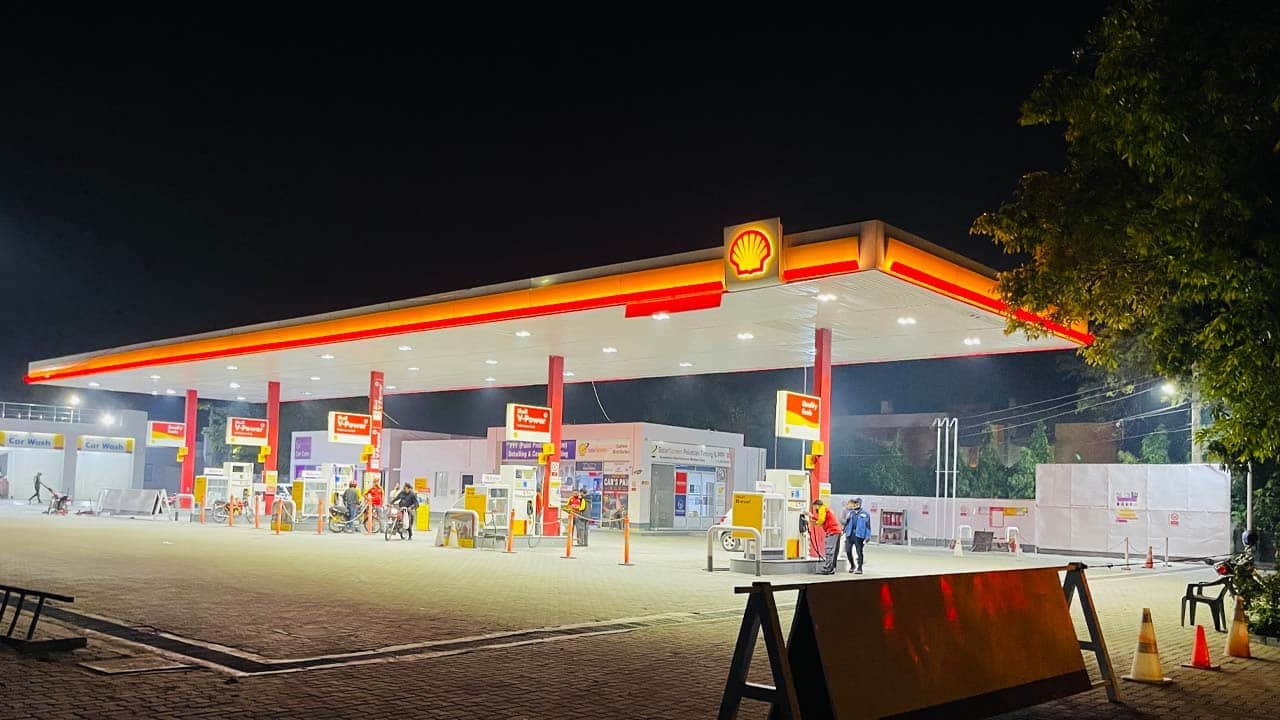
    In the first six months of fiscal year 2023–24, the federal government has exceeded expectations by collecting Rs472.77 billion in petroleum levy (PL), constituting an impressive 54 per cent of the total budgetary estimates for PL on petroleum products for the current fiscal year.

    This collection marks a significant uptick, registering a remarkable 166 per cent increase compared to the same period in the previous fiscal year. The government achieved a substantial PL collection of Rs222 billion in the initial three months of the current fiscal year.

    Originally budgeted at Rs869 billion for PL collection in the fiscal year 2023–24, the government revised its target to Rs918 billion following an increase in PL from Rs50 to Rs60 per litre on petrol and high-speed diesel (HSD). This adjustment aligns with the government’s commitment to the International Monetary Fund (IMF).

    However, against this backdrop of successful revenue generation, the country witnessed a notable 15 per cent decline in the sales of petroleum products in the first six months of the current financial year.

    According to the Oil Companies Advisory Council (OCAC), petroleum product sales dropped to 7.68 million tonnes, a considerable decrease from the 9.03 million tonnes recorded during the same period in the previous fiscal year (July to December).

  • Pakistan’s key industries report 3.63% output increase

    Pakistan’s key industries report 3.63% output increase

    In November 2023, Pakistan’s Large Scale Manufacturing Industries (LSMI) experienced a notable monthly growth of 3.63 per cent, reaching a production index of 114.85, as reported by the Pakistan Bureau of Statistics (PBS).  

    This marks an increase from the October 2023 figure of 110.83. 

    On an annual basis, LSMI output demonstrated a year-on-year rise of 1.59 per cent, contrasting with the November 2022 recorded index of 113.05. 

    However, when considering the cumulative data for the first five months of Fiscal Year 2024 (5MFY24), LSMI exhibited a marginal decline of 0.8 per cent when compared to the corresponding period in the previous year. 

    Various sectors played a significant role in contributing to this overall decline of -0.80 per cent. Notable contributors to the growth include food (0.53), garments (3.18), petroleum products (0.43), chemicals (0.32), pharmaceuticals (1.56), and cement (0.17).  

    Conversely, sectors such as tobacco (-0.80), textiles (-2.48), paper and board (-0.11), iron and steel products (-0.09), electrical equipment (-0.45), automobiles (-1.70), and furniture (-1.65) experienced contractions. 

    The provisional quantum indices of LSMI for November 2023, based on the 2015-16 reference year, have been formulated using the latest data provided by the relevant source agencies. 

  • Pakistan’s exports to China surge to $1223.5 million

    Pakistan’s exports to China surge to $1223.5 million

    In a noteworthy development, Pakistan’s export of goods and services to China experienced a substantial increase of 39.44 per cent during the initial five months of the current fiscal year (2023–24), as reported by the State Bank of Pakistan (SBP).

    According to the latest SBP data, the overall exports to China reached $1223.532 million from July to November (2023–24), marking a significant rise compared to the $877.444 million recorded during the same period last fiscal year.

    On a year-to-year basis, the exports to China showed a remarkable growth of 36.29 per cent, rising from $199.058 million in November 2022 to $271.316 million in November 2023.

    However, on a month-on-month basis, there was a slight decline in exports to China during November 2023, registering a decrease of 14.90 per cent compared to the exports of $318.842 million in October 2023, as per the SBP data.

    Meanwhile, Pakistan’s overall exports to other countries exhibited a commendable increase of 4.99 per cent in the first five months, surging from US $11.915 billion to US $12.510 billion, according to the SBP data.

    In contrast, the imports from China into Pakistan during the reviewed months amounted to US $4741.099 million, reflecting a decline of 6.03 per cent compared to the corresponding period last year (2022–23).

    On a year-on-year basis, imports from China saw a notable increase of 10.71 per cent, rising from US $906.128 million in November 2022 to US $1003.248 million in November 2023.

    On a month-on-month basis, the imports from China recorded a marginal uptick of 0.99 per cent in November 2023 compared to the imports of US $993.401 million in October 2023, according to the data.

    The overall imports into Pakistan witnessed a significant decrease of 16.02 per cent, declining from $25.341 billion to US $21.281 billion, as reported by the data.

  • FBR surpasses Rs1 trillion tax collection milestone in December

    FBR surpasses Rs1 trillion tax collection milestone in December

    In a historic achievement, the Federal Board of Revenue (FBR) announced the unprecedented collection of over Rs1 trillion in December, marking the first instance of such a milestone, as per a press release issued today.

    Furthermore, the FBR has set a new record by collecting Rs4.468 trillion in the initial six months of Fiscal Year 2024, indicating a notable increase of over Rs1 trillion when compared to the Rs3.43 trillion collected during the same period in FY23.

    Remarkably, the FBR has surpassed its targeted collection for the first half of FY24, which was initially set at Rs4.425 trillion. The government’s ambitious projection for the entire fiscal year stands at Rs9.415 trillion.

    Despite challenges such as the issuance of Rs230 billion in refunds, up from Rs177 billion in the corresponding period of the previous year, and sustained import compression, the FBR continues to face obstacles in revenue collection at the import stage.

    Traditionally, the revenue mix at the import stage and domestic taxes had a 50:50 ratio. However, this balance has shifted to 36:64, with the FBR mitigating the impact of import compression by generating more revenue domestically.

    The ratio of direct to indirect taxes has also experienced a shift, with the share of direct taxes increasing to 49 per cent in the first six months.

    Notably, in December alone, direct taxes accounted for 59 per cent, marking a 41 per cent increase in the first six months compared to the previous year.

    Within the category of direct taxes, the FBR has reduced the share of withholding taxes from 70 per cent to 55-58 per cent over the past two years. Remarkably, the share of withholding taxes reached as low as 40 per cent in December 2023.

    It’s worth noting that the FBR had achieved a Rs1 trillion annual collection back in 2007-08, a milestone that took 50 years to accomplish.

    In contrast, the FBR has achieved a comparable feat within a single month after 15 years, underscoring the relentless efforts, unwavering dedication, and hard work demonstrated by the field formations and top leadership of the FBR.

  • World Bank greenlights $350 million for Pakistan’s fiscal reforms

    World Bank greenlights $350 million for Pakistan’s fiscal reforms

    The Board of Executive Directors of the World Bank gave its approval on Wednesday for a financing package of $350 million to support Pakistan’s fiscal and competitiveness reforms.

    This funding is allocated for the Second Resilient Institutions for Sustainable Economy (RISE-II) Operation, with the primary goal of strengthening fiscal management and promoting competitiveness for sustainable and inclusive economic growth, according to a statement from the World Bank.

    Najy Benhassine, the World Bank Country Director for Pakistan, stressed the urgent need for fiscal and structural reforms in Pakistan to restore macroeconomic balance and establish the groundwork for sustainable growth.

    He highlighted that RISE-II builds upon previous phases of tax, energy, and business climate reforms, aiming to generate additional revenues, improve expenditure targeting, and stimulate competition and investment.

    The RISE-II Operation is designed to enhance fiscal management by improving fiscal policy coordination, increasing debt transparency and management, strengthening property taxation, and enhancing the financial viability of the power sector.

    Additionally, the operation seeks to boost growth and competitiveness by reducing the cost of tax compliance, improving financial sector transparency, promoting digital payments, and facilitating exports through reduced import tariffs.

    Derek H. C. Chen, Task Team Leader of the operation, emphasised the crucial opportunity for Pakistan to address long-standing structural distortions in its economy after the upcoming general elections.

    Failing to seize this opportunity, he warned, could lead the country back into stop-and-go economic cycles.

    Recently, the World Bank projected a decrease in remittance flows to Pakistan, estimating a decline to $24 billion in 2023 and a further drop below $22 billion with a 10 per cent decline in 2024.

    The report attributed this trend to growing economic turmoil, a balance of payment crisis, and high debt, resulting in a loss of public confidence and a shift of remittances from formal to informal channels.

    Addressing Pakistan’s economic challenges, Martin Raiser, the World Bank’s Regional Vice President for South Asia, noted difficult situations, floods, and climate change.

    He highlighted that the country is trapped in a low-growth scenario with poor human development outcomes and increasing poverty. Raiser urged Pakistan to make crucial decisions for a brighter future, emphasising the need for difficult but necessary steps.

    In its October report, ‘South Asia Development Update Towards faster, cleaner growth,’ the World Bank projected positive growth for Pakistan in fiscal years 2023–24, albeit at a modest rate of 1.7 per cent.

    The report underscored the country’s dependence on capital inflows to finance substantial fiscal and current account deficits.

  • Pakistan’s trade deficit shrinks by over 30% in November

    Pakistan’s trade deficit shrinks by over 30% in November

    In the initial five months of the fiscal year 2024, Pakistan’s trade performance has witnessed notable enhancements, marking a positive stride towards economic stability, as articulated by Dr Gohar Ejaz, the Federal Minister for Commerce and Industries, in a communication on X (formerly Twitter).

    The minister conveyed his unwavering confidence in Pakistan’s trajectory towards economic recovery, emphasising the commitment to diligent efforts aimed at job creation, economic growth, and the overall betterment of citizens’ lives.

    It is noteworthy that Pakistan’s exports experienced a year-on-year increase of 1.93 per cent, reaching $12.17 billion in the aforementioned five-month period, while imports exhibited a substantial decrease of 17.32 per cent to $21.55 billion.

    Consequently, the trade deficit contracted to $9.38 billion, registering a noteworthy decline of 33.59 per cent compared to the corresponding period in the preceding year.

    Zooming in on November’s performance, Pakistan’s exports demonstrated a robust year-on-year growth of 7.66 per cent, totaling $2.57 billion, whereas imports saw a decline of 13.47 per cent to $4.46 billion.

    This translated into a trade deficit of $1.89 billion for November, marking a notable reduction of 31.72 per cent compared to November 2022.