Tag: economic growth

  • Finance Minister envisions Pakistan’s economy soaring to $2 trillion by 2047 

    Finance Minister envisions Pakistan’s economy soaring to $2 trillion by 2047 

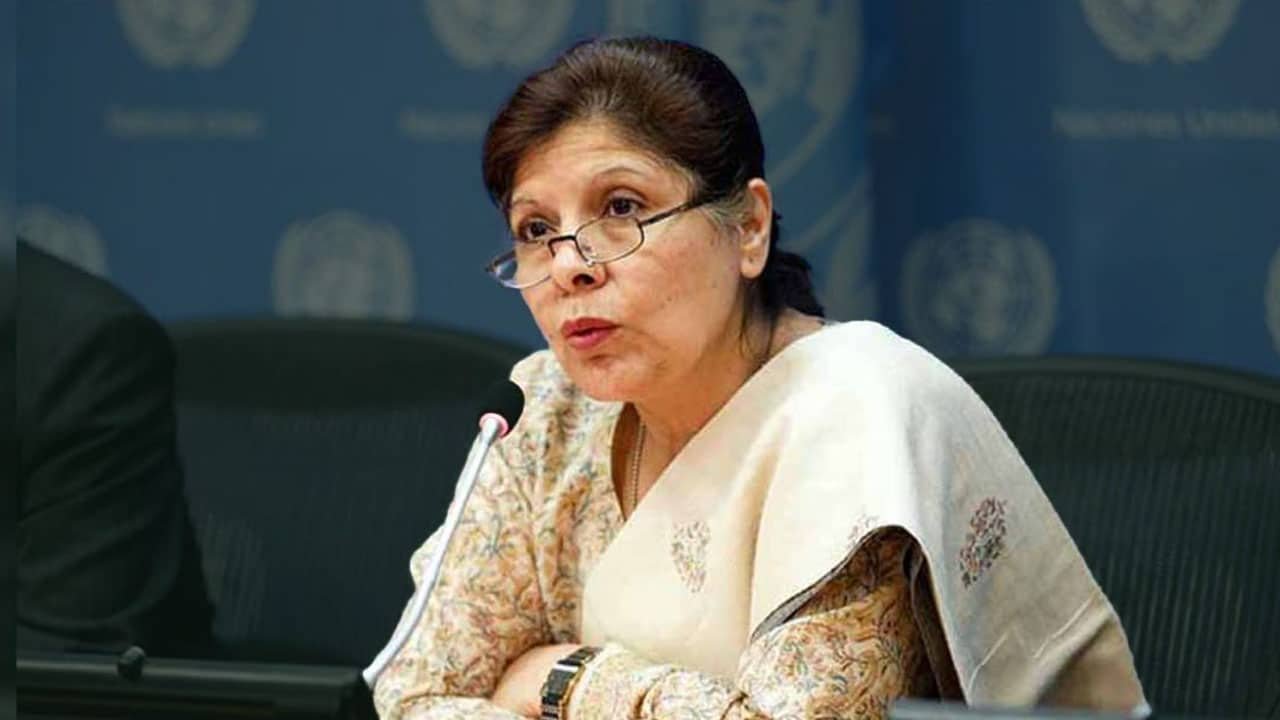
    Dr Shamshad Akhtar, the Caretaker Finance Minister, emphasised Pakistan’s significant economic potential, stating that the country could achieve a $2 trillion economy by 2047, as per a World Bank report.  

    Addressing the Future Summit in Karachi, she underscored the importance of adopting robust economic and sector-specific policies, coupled with a resolute commitment to implementing challenging structural reforms. 

    Dr Akhtar highlighted the need for increased innovation and diversification within the economic framework to ensure sustainable growth.  

    Emphasising the role of Development Finance Institutions (DFIs), she noted that institutions with expertise, efficiency, and flexibility could serve as crucial drivers for the growth and development of the capital market. 

    In a recent meeting with the Chairman of the Securities and Exchange Commission of Pakistan (SECP) and heads of DFIs, Dr Akhtar discussed the progress of establishing a private equity and venture capital (PE and VC) fund.  

    While the DFIs reaffirmed their commitment, they also provided insights into the progress made and challenges encountered in the process. 

    Notably, Pakistan, currently under a caretaker government, successfully reached a staff-level agreement with the International Monetary Fund on the first review of a short-term bailout program.  

    This agreement clears the path for unlocking $700 million, a crucial step in mitigating the looming economic crisis.  

    The caretaker government has implemented various fiscal measures, including an increase in the petrol levy, additional taxes, and significant reforms in the power sector, to address the economic challenges effectively. 
  • Bank deposits in Pakistan hit all-time high, showing 17.80% increase in a day 

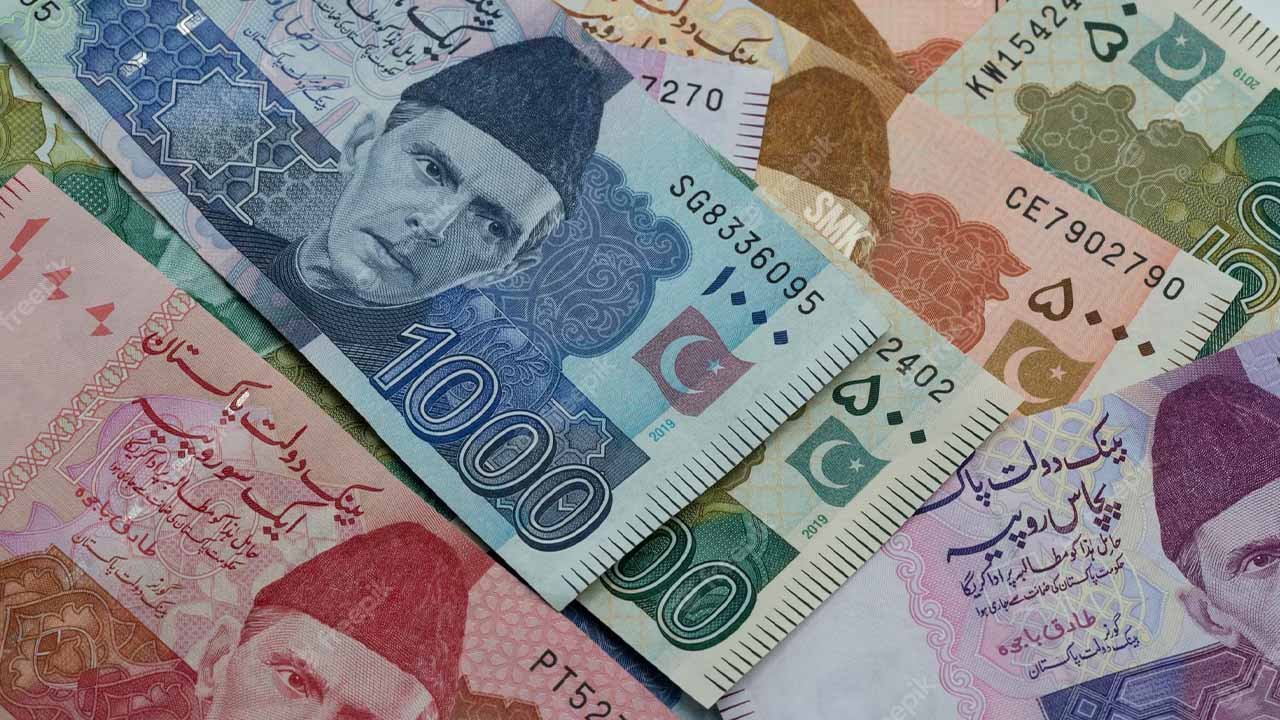
    Bank deposits in Pakistan hit all-time high, showing 17.80% increase in a day 

    In a statement released on Friday, the State Bank of Pakistan (SBP) announced that the country’s bank deposits had reached an all-time high.  

    On October 23, there was a notable increase of 17.80 per cent, amounting to Rs3,986 billion, compared to the figures on October 22. 

    According to the central bank, the total banking deposits for October 2023 reached a historic level of Rs26,000.398 billion. 

    Rupee expected to fall further 

    In other news, a Tresmark report suggests that the Pakistani rupee is anticipated to face pressure against the US dollar in the ongoing week until the completion of the International Monetary Fund’s (IMF) initial review of the country’s $3 billion loan programme.  

    The local currency experienced a depreciation of Rs2 or 0.60 per cent against the US dollar during the week, concluding at Rs287.03 on Friday.  

    It’s worth noting that the foreign exchange market was closed on Thursday due to a public holiday. 

    The IMF’s evaluation of Pakistan’s bailout package began on November 2, with expectations for the review to conclude by December 15. 

  • Agricultural boom: Pakistan’s farm exports surge by more than 70%

    Agricultural boom: Pakistan’s farm exports surge by more than 70%

    In October 2023, Pakistan experienced a notable surge in exports, marking a 13.5 per cent increase to reach $2.7 billion, as reported by the Pakistan Business Forum (PBF).  

    Simultaneously, the trade deficit saw a 4.5 per cent reduction during the same period, indicating positive economic developments. 

    Chaudhry Ahmad Jawad, the Vice President of PBF, highlighted the remarkable 73 per cent growth in the agriculture sector for October.  

    Notably, exports of rice and sesame seeds played a pivotal role in this expansion, showcasing a diversification of the country’s export portfolio and underscoring the robustness of the agricultural industry. 

    Jawad emphasised the imperative for Pakistan to boost its service exports, particularly in information and communication technology (ICT), to address the balance of payment deficit.  

    Drawing a comparison with India, he noted India’s remarkable achievement in ICT exports surpassing $140 billion in fiscal year 2022–23, contrasting with Pakistan’s stagnant growth at $2.6 billion in fiscal year 2021–22.  

    The key differentiator, as Jawad pointed out, is the focus on technology and engineering in India over the years, leading to a skilled labour pool. 

    While acknowledging the challenges in the short to medium term, Jawad expressed optimism about Pakistan’s potential for growth in the ICT sector. He suggested addressing the skills gap by offering crash courses to enhance the capabilities of IT graduates. 

    Jawad further underscored concerns raised by IT companies in Pakistan, stating that despite an abundance of talent, the technology sector faces difficulties due to a lack of demand and challenges in remitting money outside Pakistan.  

    He called for government intervention to tackle these issues, pointing to the State Bank of Pakistan’s efforts in 2020 and emphasising the need for ongoing attention to restore confidence. 

    Finally, a PBF official commended the caretaker IT minister’s goal of increasing ICT exports to $10 billion and bringing renowned payment gateways like PayPal and Stripe to Pakistan.  

    However, he raised concerns about existing limitations on exporters’ remittances, urging the finance division to address this critical issue. 

  • Knitwear tops the list: Pakistan’s exports surge by 25.54%

    In the fiscal year 2023–24, Pakistan’s exports, denominated in rupees, experienced a notable 25.54 per cent increase during the first quarter (Q1) compared to the previous year, as per the Pakistan Bureau of Statistics (PBS).

    Between July and September 2023, exports amounted to Rs2,013,533 million, marking a 25.54 per cent boost from the same period in the previous year, according to PBS’s provisional data.

    Looking at year-on-year figures, September 2023’s exports surged by 31.27 per cent, totaling Rs737,295 million, compared to Rs561,643 million in September 2022.

    On a month-to-month basis, exports grew by 6.06 per cent, reaching Rs737,295 million in August 2023.

    Key export categories in August 2023 included knitwear (Rs103,029 million), readymade garments (Rs74,608 million), bed wear (Rs69,234 million), cotton cloth (Rs51,891 million), oil seeds, nuts, and kernels (Rs46,571 million), cotton yarn (Rs33,815 million), rice and others (Rs32,324 million), towels (Rs25,116 million), rice basmati (Rs19,008 million), and miscellaneous articles, excluding towels and bed wear (Rs16,922 million).

    On the other hand, imports during July to September 2023 (FY2023-24) totaled Rs3,560,763 million, showing a decrease of 2.45 per cent compared to the same period in the previous year.

    In a year-on-year comparison, imports into Pakistan during September 2023 amounted to Rs1,189,167 million, a 2.52 per cent decline from September 2022.

    Month-on-month data indicated a 10.62 per cent increase in imports in September 2023 compared to August 2023.

    Key imported commodities in September 2023 included petroleum products (Rs162,087 million), petroleum crude (Rs146,179 million), liquefied natural gas (Rs75,331 million), palm oil (Rs61,388 million), plastic materials (Rs49,628 million), electric machinery and apparatus (Rs44,699 million), iron and steel (Rs44,191 million), mobile phones (Rs37,093 million), iron and steel scrap (Rs27,299 million), and pulses/leguminous vegetables (Rs22,208 million).

  • Pakistan Stock Exchange breaks six-year record, surpasses 50,000 points 

    Pakistan Stock Exchange breaks six-year record, surpasses 50,000 points 

    The recent surge in the performance of the benchmark KSE-100 Index at the Pakistan Stock Exchange (PSX) can be attributed to the combination of a positive earnings season and notable economic improvements. 

    On Tuesday, the index breached the significant 50,000-point threshold, marking the first time in over six years since June 7, 2017.

    Around 11 am, the benchmark index was trading at 50,017 points, reflecting a gain of 286 points, equivalent to a 0.58 per cent increase. However, it later retracted from this milestone. 

    This momentous achievement was supported by multiple factors, including an enduring upward trend observed in various sectors, such as automobile assemblers, commercial banks, cement, chemical, oil marketing companies, and oil and gas exploration firms.

    The bullish momentum on the Pakistan Stock Exchange has been a consistent theme, extending through 11 consecutive trading sessions. Intra-day trading on Monday nearly brought the KSE-100 Index to the 50,000 level, closing at 49,731.35 points. 

    One significant driver behind this surge has been the strengthening of the Pakistani rupee against the US dollar, with the exchange rate holding steady at around Rs275 in the inter-bank market.

    Additionally, the ongoing earnings season has instilled confidence in the market, with high expectations, especially in the banking sector, for positive financial results. These factors collectively contribute to the robust performance witnessed in the Pakistani stock market.

  • SBP Governor confirms Pakistan’s strong position to achieve IMF targets 

    SBP Governor confirms Pakistan’s strong position to achieve IMF targets 

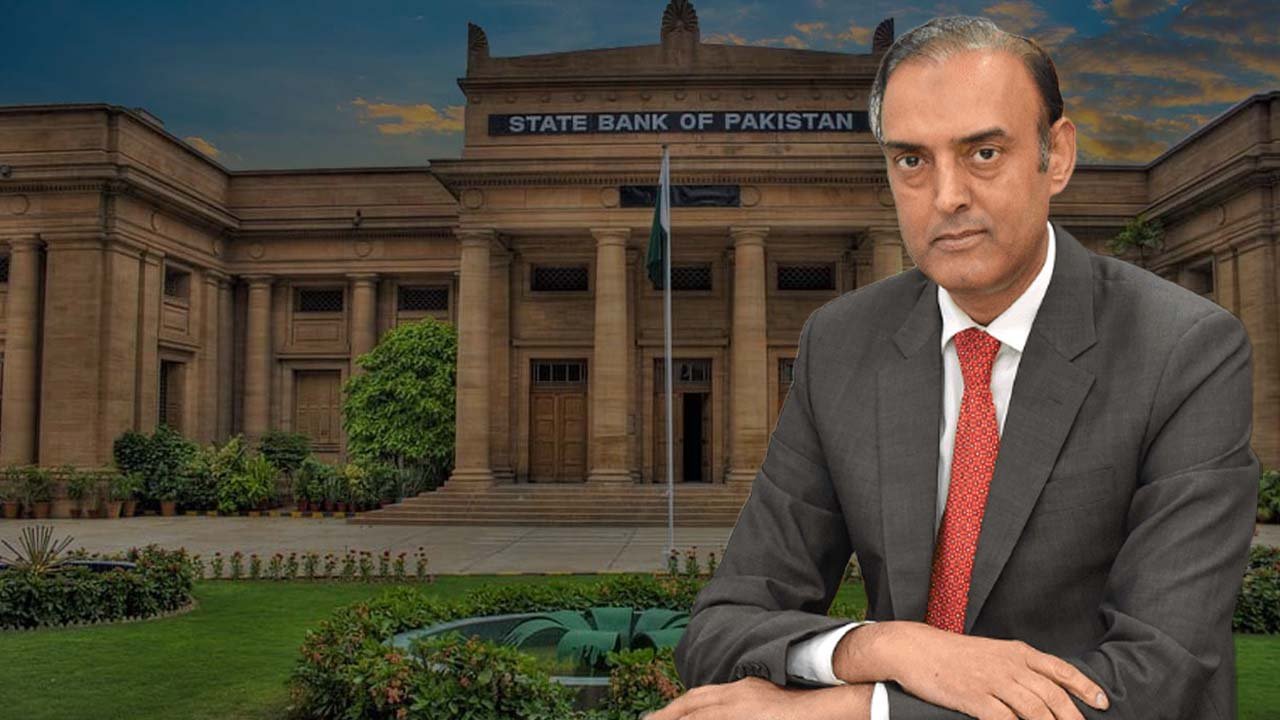
    The Governor of the State Bank of Pakistan (SBP), Jameel Ahmad, provided a reassuring update to investors on Friday, affirming that the nation is well-positioned to meet the International Monetary Fund’s (IMF) end-September targets for net international reserves and net domestic assets. 

    Ahmad said that Pakistan is “very comfortably” placed to meet IMF targets. 

    This declaration was made by Governor SBP during a meeting with prominent international investors held on the sidelines of the IMF-World Bank gatherings in Marrakech, Morocco.  

    The meeting was organised by prominent global banks such as Barclays, JP Morgan, Standard Bank, and Jefferies. 

    According to an official press release from the central bank, investors were apprised of recent macroeconomic developments, the government’s response to prevailing challenges, and the economic outlook of Pakistan and were provided with the opportunity to seek clarification on these matters. 

    Governor Ahmad informed investors that the current policy framework is strategically oriented towards achieving stability by addressing prevailing macroeconomic imbalances. 

    He highlighted that the SBP had taken early measures to tighten monetary policy in response to escalating global inflation. 

    Nevertheless, certain domestic obstacles, such as the 2022 floods, had complicated the SBP’s efforts to combat inflation. 

    The governor noted that these stabilisation measures have begun to yield positive outcomes. Inflation, after reaching a peak of 38.0 per cent in May 2023, decreased to 31.4 per cent in September 2023 and is anticipated to continue on a downward trajectory in the coming months. 

    Furthermore, Pakistan’s external account has exhibited substantial improvements, with foreign exchange reserves being steadily replenished. 

    Governor Ahmad expressed confidence that inflation would significantly decrease in the latter half of the fiscal year. 

    He emphasised that the stand-by arrangement with the IMF is anticipated to provide essential support for ongoing economic stabilisation efforts. 

    In addition, he reported that foreign exchange reserves have improved considerably, marked by an increase from a low of $3.1 billion in January 2023 to $7.6 billion at the end of September 2023. 

    This reserve enhancement was largely bolstered by non-debt-creating inflows amid favourable market conditions. 

    According to Geo, the Governor further revealed that the SBP has successfully met the forward book target of $4.2 billion for end-September 2023, as agreed with the IMF, with a substantial surplus. 

    Likewise, the SBP is confidently poised to fulfil other end-September IMF targets, including net international reserves (NIR) and net domestic assets (NDA). 

    Concluding his statement to investors, Governor Ahmad conveyed that Pakistan is diligently addressing long-standing structural deficiencies.  

    He expressed optimism that, with the support of both multilateral and bilateral partners, the nation is on course to achieve sustainable and inclusive economic growth in the medium term. 

  • Rs5.1 trillion debt threatens energy sector, govt thinking about privatisation of power companies

    Rs5.1 trillion debt threatens energy sector, govt thinking about privatisation of power companies

    The caretaker government is contemplating significant changes in response to mounting circular debt and losses in the power and gas sectors in Pakistan.

    Two key strategies are under consideration: privatising both power generation (Gencos) and distribution companies (Discos) or transferring management control to private entities for a duration of 20 to 25 years.

    This policy shift is driven by the alarming circular debt crisis in the power sector, totaling Rs2.3 trillion, and a staggering Rs2.8 trillion in the gas sector. Combined, this amounts to over $17 billion, endangering sector sustainability.

    Energy Minister Muhammad Ali disclosed that the government is considering transferring management responsibilities for four power generation plants and 10 state-run Discos to private entities under long-term concession agreements. Discussions with the World Bank’s International Finance Corporation (IFC) for such agreements are ongoing.

    The power generation plants under consideration include the Haveli Bahadur Shah and Balloki power plants, the Guddu power plant, and the Nandipur power plant. The government is exploring options such as transferring Discos to provincial governments, complete privatisation, or management delegation to private investors.

    After privatisation or management transfer, uniform tariffs may no longer be mandatory, allowing for varying tariff structures. This move is aimed at reducing government subsidies and losses.

    The government is also considering public listings, but only for profitable entities. This shift towards privatisation is seen as a means to spur economic growth, job creation, and increased tax revenues.

    Regarding gas availability, the situation is expected to be similar to the previous year, with gas load-shedding planned. Gas tariffs are set to increase, particularly for low-income consumers.

    Government-independent power producer (IPP) agreements will be honoured as international investments prevent alterations. Short-term strategies to reduce circular debt include cost reduction measures, extending loan terms, boosting local power generation, and upgrading transmission lines.

    The gas sector’s annual losses of Rs350 billion are a significant concern, primarily due to the reliance on imported liquefied natural gas (LNG) procured at a higher cost than what is sold domestically.

    In summary, the Pakistani government is considering a major overhaul of the power and gas sectors, with privatisation and management transfers as primary options to address circular debt and losses. These reforms aim to reduce financial burdens, encourage efficiency, and stimulate economic growth, all while ensuring essential services remain accessible to consumers.

  • Commerce minister warns of financial loss over proposed early market closure 

    Commerce minister warns of financial loss over proposed early market closure 

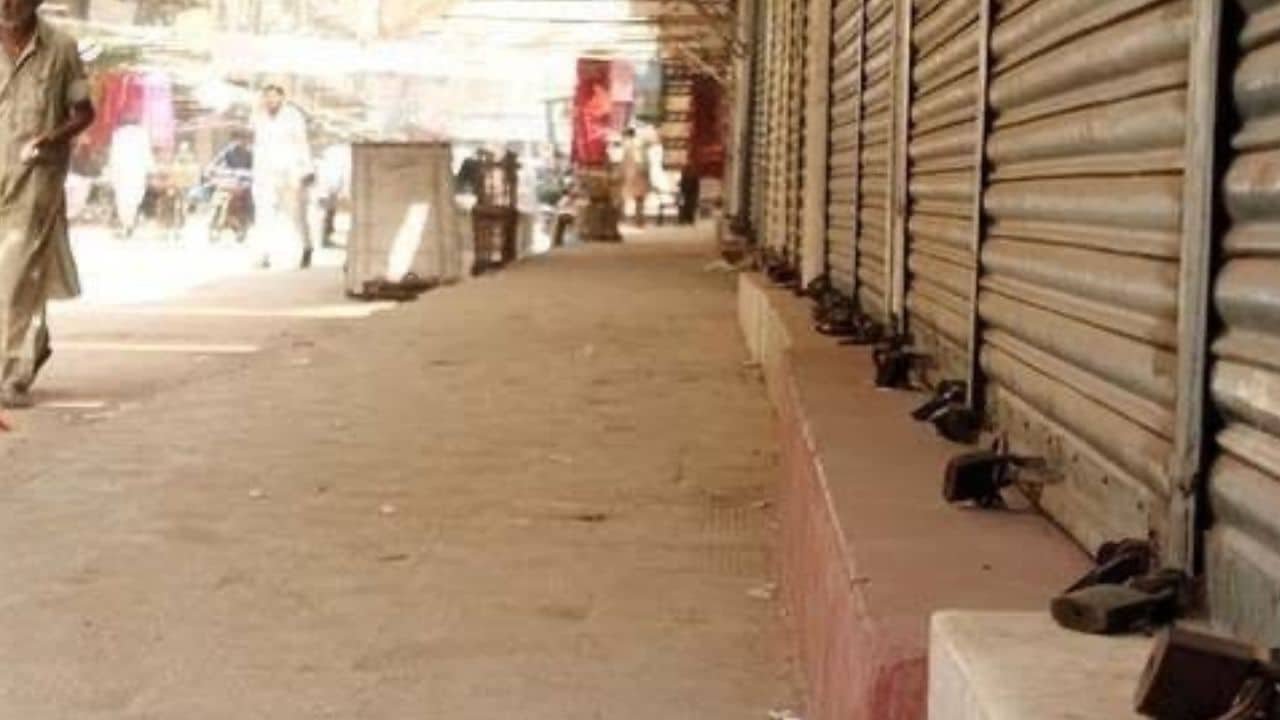
    Caretaker Minister for Commerce, Industries, and Production, Dr Gohar Ejaz, has voiced his opposition to the early market closure proposed as part of the energy conservation plan, expressing concerns over the significant financial losses the government could incur as a result.  

    According to ARY News, Dr Ejaz said that Pakistan currently has a surplus of electricity, making the decision to close markets prematurely economically unfavorable. 

    He revealed that recommendations were sought from all chambers of commerce across the country within a 30-day period. Additionally, Dr Ejaz announced an upcoming anti-gas theft initiative following the anti-power theft operation. He urged traders to be flexible, considering the limited gas resources in the country. 

    Furthermore, he revealed plans to invite 100 international brands to a conference in Pakistan, granting them the status of state guests. Dr Ejaz also mentioned the current exchange rate of the US dollar, which stands at Rs260. 

    To encourage the purchase of electricity from Thar, he directed Sindh and Punjab to do so, promising tax exemptions if they comply. This move aims to make electricity tariffs in these regions more competitive. 

    The caretaker minister stressed the need to boost exports, pointing out that Pakistan’s foreign direct investment is contingent on increased exports. He called for cooperation from business leaders to resolve various issues.  

    Dr Ejaz expressed his commitment to serving the country and previously outlined plans to support industry stakeholders in boosting exports and establishing business parks in major cities to stimulate economic growth. 

  • SBP expected to hike interest rates by at least 150 bps to control inflation

    SBP expected to hike interest rates by at least 150 bps to control inflation

    The State Bank of Pakistan (SBP) is expected to hike interest rates by at least 150 basis points (bps) on Thursday in an effort to curb sky-high inflation and bolster diminished foreign exchange reserves. 

    The central bankas already raised its benchmark rate by 12.25 per cent points to 22 per cent since April 2022, but inflation remains in double digits, at 27.4 per cent in August. The rupee has also depreciated sharply in recent months, reaching an all-time low of 200 rupees per dollar. 

    A Reuters poll of 17 analysts shows that 15 are forecasting a rate hike, with nine predicting an increase of at least 150 bps. The other two analysts expect the rate to remain unchanged. 

    The SBP is under pressure to raise rates in order to cool inflation and attract foreign investment. However, a rate hike could also dampen economic growth, which is already slowing. 

    The central bank is also facing challenges from the International Monetary Fund (IMF), which has set conditions for the release of further tranches of its $3 billion bailout package. One of these conditions is that the SBP must raise interest rates. 

    The SBP is likely to balance these competing considerations when it makes its decision on Thursday. However, it is clear that the bank is under pressure to take action to address the country’s economic challenges. 

    Here are some additional details about the factors that are likely to influence the SBP’s decision: 

    • Inflation: Inflation remains a major concern for the SBP. The latest data shows that inflation fell slightly in August, but it remains in double digits. The SBP has said that it expects inflation to decline over the next 12 months, but it is unclear whether this will happen without further monetary tightening.  
    • Foreign exchange reserves: The SBP’s foreign exchange reserves have been declining in recent months, reaching a critical level of $10.3 billion in August. The SBP needs to bolster its reserves in order to meet its import obligations and avoid a sovereign debt default. A rate hike could help to attract foreign investment and slow the decline in reserves.  
    • IMF conditions: The IMF has set conditions for the release of further tranches of its bailout package. One of these conditions is that the SBP must raise interest rates. The SBP is likely to comply with this condition in order to secure the IMF’s support. 

    The SBP’s decision on Thursday will be closely watched by markets and investors. A rate hike is likely to be welcomed by those who are concerned about inflation, but it could also dampen economic growth. The SBP is facing a difficult balancing act, and its decision will have a significant impact on the country’s economic outlook.