Tag: economic growth

  • Pakistan aiming for $25 billion textile exports in this fiscal year

    Pakistan aiming for $25 billion textile exports in this fiscal year

    Dr Gohar Ejaz, the Caretaker Federal Minister for Commerce, Industries, and Production, has set a bigger target of achieving $25 billion in textile exports for the current fiscal year, a substantial increase from the $16 billion target of the previous year. 

    Speaking at a meeting with the Pakistan Textile Exporters Association, led by Khurram Mukhtiar, Dr Ejaz outlined his strategic vision. He pledged to revitalise dormant industries within the nation within a tight one-month deadline, expressing confidence in surpassing last year’s export figure of $16 billion.

    Assuming the role with a bold $80 billion export objective, Dr Ejaz assured a systematic approach to address impediments hampering industrial operations. He expressed eagerness to directly engage with stakeholders, even offering to visit facilities as a symbol of his dedication to the industrial landscape’s rejuvenation. He requested a comprehensive list of inactive industries and their specific challenges to better tackle the issues.

    Furthermore, the minister vowed to promptly resolve pending financial obligations owed to industries by various departments, including the Federal Board of Revenue (FBR) and customs. 

    He extended an open invitation to associations and business leaders, emphasising his readiness to collaborate and find solutions for their concerns.

    With a focus on swift resolutions for challenges related to gas, electricity, energy, and fund allocation, Dr Ejaz reaffirmed his commitment to fostering a thriving and supportive business environment.


  • Air Link partners with Xiaomi for assembling TVs in Pakistan

    Air Link partners with Xiaomi for assembling TVs in Pakistan

    Air Link Communication Ltd. will start assembling Xiaomi televisions in Pakistan in January 2024. This noteworthy development, reported by Bloomberg, marks a strategic move forward for the company.

    Muzzaffar Hayat Piracha, the Chief Executive Officer (CEO) of Air Link, shared insightful details with the publication. He highlighted the collaborative partnership formed two years ago between Air Link and Xiaomi, focused on distributing mobile phones across Pakistan.

    Importantly, both companies foresee a streamlined investment process, as the assembly lines for the two product lines exhibit notable similarities.

    Bloomberg’s analysis sheds light on Pakistan’s positive economic transformation following a pivotal deal with the International Monetary Fund. This consequential agreement effectively doubled the nation’s foreign exchange reserves, elevating them to an impressive $8 billion. A key requirement of this agreement was the removal of all restrictions on imports, a significant move that has provided relief and opportunities for companies, including Air Link.

    Notably, Air Link’s journey has been one of progress, transitioning from breaking even to achieving profitability over the past six months. This serves as a testament to their resilience and strategic acumen, according to Air Link’s CEO.

    Air Link, which commenced operations as a mobile phone distributor a little over a decade ago, etched its name in history by spearheading Pakistan’s largest private sector initial public offering in 2021.

    Piracha highlighted this milestone while also outlining the company’s ambitious goal to ramp up monthly mobile phone production to an impressive 500,000 units by the end of the year, surpassing the current rate of 300,000 units.

  • Pakistan invites Saudi Arabia to invest in key sectors like agriculture, IT, and energy

    Pakistan invites Saudi Arabia to invest in key sectors like agriculture, IT, and energy

    Prime Minister (PM) Shehbaz Sharif has extended a warm invitation to companies from Saudi Arabia, encouraging them to explore exciting investment prospects in various sectors such as agriculture, mining, technology, energy, and more.

    This friendly call was made during a meeting with Saudi Arabia’s Vice Minister for Foreign Affairs, Waleed Abdulkarim El Khereji, held in Islamabad.

    To boost economic partnerships, PM Shehbaz highlighted the creation of a Special Investment Facilitation Council (SIFC). This council is designed to simplify and speed up potential investments from countries in the Gulf Cooperation Council (GCC), with a special focus on enhancing collaborations with Saudi Arabia.

    PM Shehbaz also expressed heartfelt appreciation for Saudi Arabia’s timely financial support, particularly in the aftermath of natural disasters like floods. He acknowledged the Kingdom’s crucial role in helping Pakistan work towards a stable economy.

    He emphasised the importance of the visit by the Saudi delegation, underscoring the shared interest and eagerness on both sides to elevate their long-standing friendly relations to a practical and mutually beneficial economic partnership.

    In a significant earlier announcement, PM Shehbaz revealed plans to auction gifts from the Toshakhana. The funds generated from this auction will be directed towards the well-being of underprivileged individuals, especially those who are orphaned and vulnerable.

  • Pakistan’s stock market crosses 48,000 mark after two years

    Pakistan’s stock market crosses 48,000 mark after two years

    The Pakistan Stock Exchange’s (PSX) benchmark KSE-100 index soared past the 48,000 mark, reaching a 24-month high, on Monday, as investors responded to recent positive economic developments in the country. Analysts predict that the prevailing positive sentiment is likely to continue in the coming days.

    The bullish trend in the market gained momentum after Pakistan reached a deal with the International Monetary Fund (IMF). The agreement with the IMF has provided investors with renewed confidence in the country’s economic prospects, leading to a surge in market activity.

    Additionally, news on Pakistan’s mineral sector contributed significantly to the market’s gains. The announcement of favorable developments in the country’s mineral sector further boosted investor optimism and drove the benchmark index to reach new heights.

    During intra-day trade, the KSE-100 index saw a significant increase of 1,010.72 points or 2.15 per cent, culminating at 48,062.56 points. This remarkable rise marks a notable increase from the previous close of 47,076.9 points, which itself was a 21-month high.

    The impressive growth of the market has been sustained over time, as evidenced by a remarkable overall gain of more than 6,600 points (+15.9 per cent) since the staff-level agreement was reached with the IMF. The deal, which amounted to a $3 billion Standby Agreement, has been instrumental in driving investor confidence and attracting more capital to the market.

    Financial experts and market observers are optimistic about the future trajectory of the Pakistan Stock Exchange, given the positive economic indicators and recent developments in the country.

    The confidence in the market has sparked interest from both local and international investors, resulting in increased trading volumes and a positive impact on the overall economy.

  • Slow economic growth and inflation challenges persist in Pakistan: ADB Outlook Report

    Slow economic growth and inflation challenges persist in Pakistan: ADB Outlook Report

    During the last fiscal year, Pakistan faced the twin challenges of low economic growth and high inflation, in contrast to other South Asian countries.

    According to the Asian Development Bank (ADB), to foster economic improvement, Pakistan must continue implementing reforms under the new IMF programme.

    However, the ADB’s Outlook Report predicts that the economic growth rate in the upcoming financial year is expected to remain sluggish, similar to the performance observed in the previous fiscal period.

    The primary reasons for the slow economic growth were last year’s floods and the implementation of strict monetary and fiscal policies.

    The ADB’s report also highlights that inflation in Pakistan exceeded expectations during the past year. This inflationary pressure was further exacerbated by increased demand for commodities.

    In comparison, India is projected to experience a growth rate of 6.7 per cent, Sri Lanka 1.3 per cent, and Bangladesh at a rate of 6.5 per cent.

  • Pakistan’s foreign exchange reserves rise to $8.4 billion

    Pakistan’s foreign exchange reserves rise to $8.4 billion

    Foreign exchange reserves held by the State Bank of Pakistan (SBP) have surged by over $4 billion following a deposit of $1.2 billion from the International Monetary Fund (IMF).

    As per data shared by the central bank, Pakistan has also received $1 billion from the UAE and $2 billion from Saudi Arabia, resulting in a significant increase in the SBP’s foreign exchange reserves, which now stand at $8.4 billion.

    During a televised address earlier today, Finance Minister Ishaq Dar stated that Pakistan’s foreign exchange reserves are projected to reach approximately $13-$14 billion by July 14.

    He emphasised that Pakistan is experiencing a resurgence in development and prosperity. Minister Dar acknowledged the instrumental role played by Prime Minister Shehbaz Sharif in reaching an agreement with the IMF, highlighting the unwavering support provided by the economic team throughout the intricate process.

    It is noteworthy that the International Monetary Fund granted approval for a $3 billion loan to Pakistan, subsequent to the signing of a staff-level agreement last month.

  • Govt offers Islamabad International Airport for lease to foreign investors

    Govt offers Islamabad International Airport for lease to foreign investors

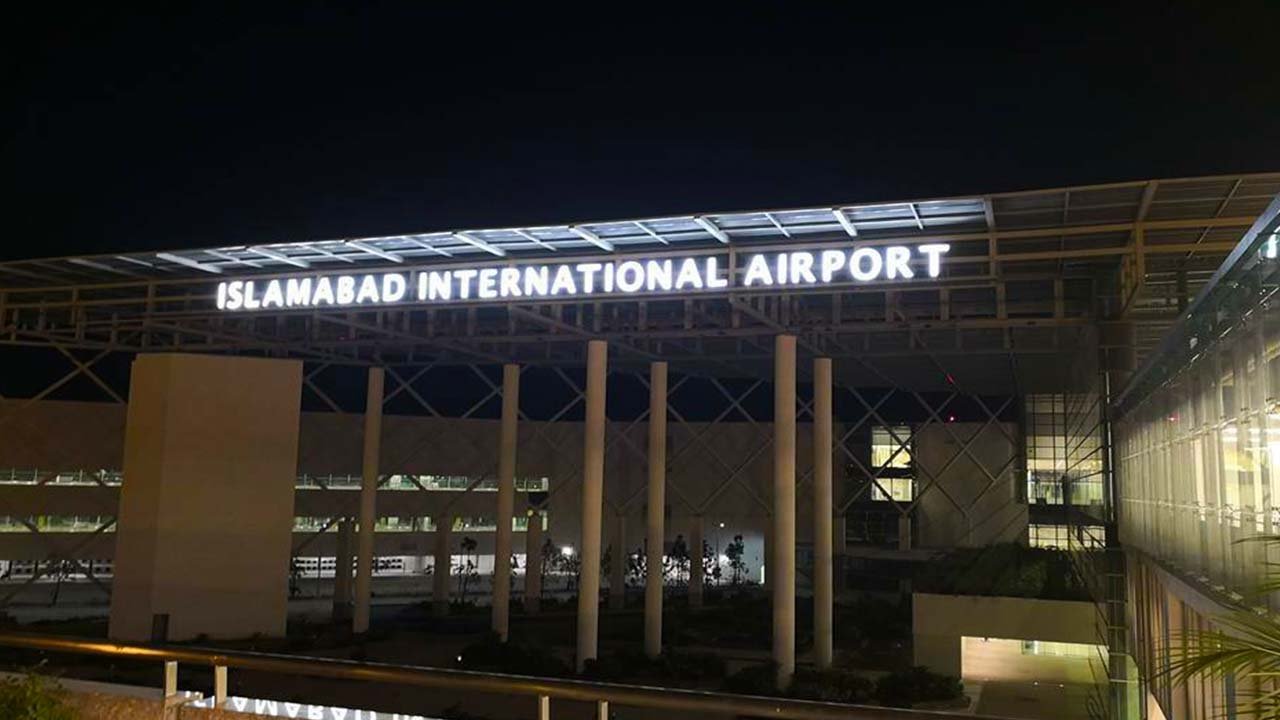
    The government has made the decision to initiate the leasing process of New Islamabad International Airport to international investors in its initial phase. This decision follows the encountered practical difficulties in outsourcing the international airports located in Karachi and Lahore.

    Compared to other airports, the New Islamabad International Airport has been deemed a clean transaction, prompting the government to explore outsourcing options as soon as possible.

    The International Finance Corporation (IFC) has also indicated that there are parties expressing interest in managing the operations of all three airports, as mentioned during a presentation to Minister for Finance Ishaq Dar in the federal capital.

    However, expediting the process will not be easy for the government since no airport outsourcing has been formally advertised thus far. Top official sources confirmed that there are practical issues that must be resolved before handing over the airport to an international party.

    One major concern revolves around the national flag carrier, Pakistan International Airlines (PIA), which has defaulted on various airport facilities. Even if the government were to assume PIA’s past liabilities, the new airport operator would face the challenge of providing free-of-cost facilities to the carrier.

    Furthermore, in Karachi and Lahore, certain sections of the airports are occupied by relevant agencies, necessitating a permanent solution to enable potential investors to utilize the entire airport for commercial purposes. The Airport Security Force (ASF) also poses an obstacle to completing the transaction smoothly.

    It remains to be seen how the government will address these challenges. Sources indicate that the government is exerting all efforts to outsource New Islamabad International Airport before the end of its tenure in the second week of August 2023. However, accomplishing this goal within the given timeframe appears to be a challenging task.

  • UAE-based company to oversee operations and development of Karachi Gateway Terminal for 50 years

    UAE-based company to oversee operations and development of Karachi Gateway Terminal for 50 years

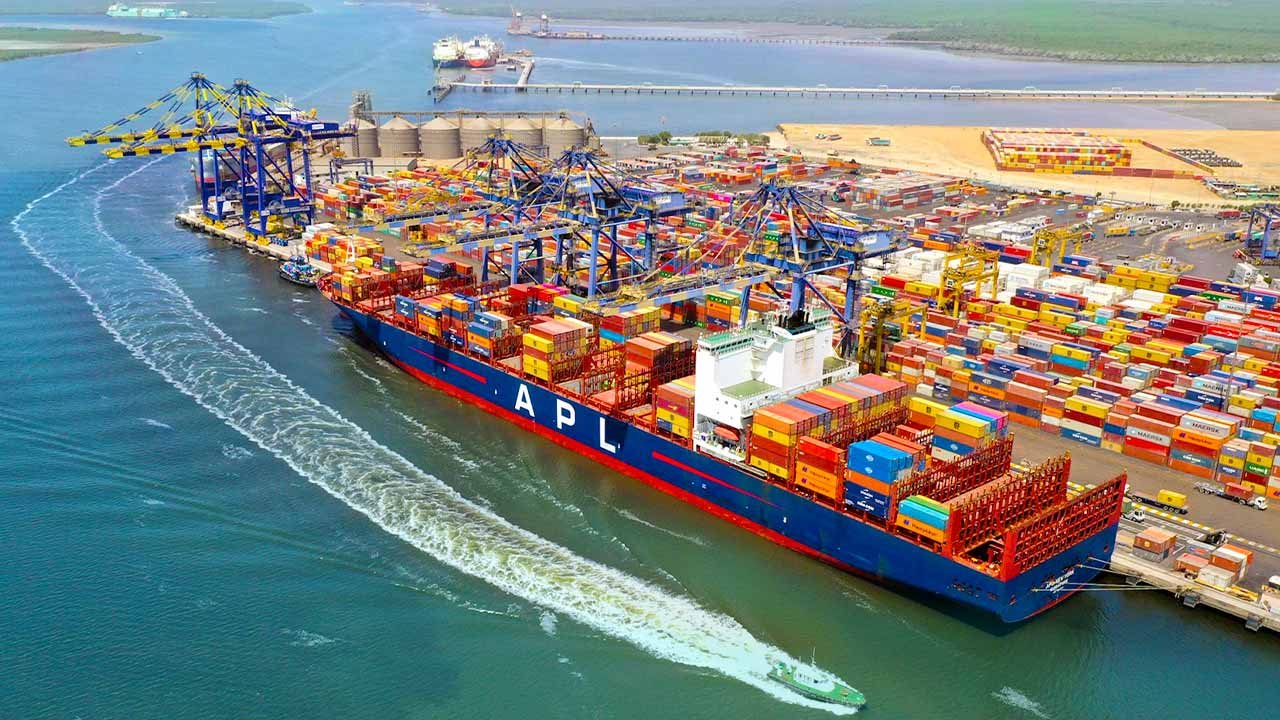
    The AD Ports Group, based in the United Arab Emirates (UAE), has entered into a 50-year concession agreement with the Karachi Port Trust (KPT) to manage and develop the Karachi Gateway Terminal Limited (KGTL).

    The group will invest $220 million in infrastructure development over the first 10 years of the agreement. This agreement is particularly significant as Pakistan seeks external financing to support its struggling economy.

    According to the terms of the agreement, a joint venture has been established between AD Ports Group and Kaheel Terminals, a UAE-based company, with AD Ports Group as the majority shareholder. The joint venture will oversee the management, operation, and development of the KGTL, specifically berths 6-9 at Karachi Port’s East Wharf.

    The infrastructure investment will focus on deepening berths, extending quay walls, and expanding the container storage area. These enhancements will enable the terminal to accommodate larger vessels and increase its annual container capacity from 750,000 to 1 million TEUs.

    Captain Mohamed Juma Al Shamisi, the Managing Director and Group CEO of AD Ports Group, expressed enthusiasm about the concession agreement, stating that it aligns with the group’s strategy of investing in strategic maritime trade routes. He believes that this agreement has the potential to bolster the economies of both the UAE and Pakistan, foster stronger relationships with key trading partners, and drive economic growth and prosperity.

    The terminal’s operations are denominated in US dollars, minimising exposure to fluctuations in the Pakistani rupee. The terminal has historically generated revenues of approximately $55 million and an annual EBIDTA of around $30 million.

    The UAE and Pakistan have a robust trade relationship, with the UAE serving as Pakistan’s leading regional trading partner in 2021. Bilateral trade between the two countries accounted for over 40 per cent of Pakistan’s trade with Arab nations. In 2022, non-oil exports from the UAE to Pakistan amounted to nearly AED 4.8 billion ($1.3 billion), while re-exports from the UAE to Pakistan reached AED 10.6 billion (US$2.9 billion), demonstrating a 7.7 per cent growth compared to 2021.

    According to Geo, the agreement between AD Ports Group and KPT has been hailed as a significant milestone by Syed Syedain Raza Zaidi, Chairman of Karachi Port Trust. Zaidi believes that this collaboration will pave the way for a thriving container terminal, driving efficiency, attracting investment, and stimulating economic development in Karachi.

  • PM Shehbaz urges IMF to release stalled funds, assures compliance with conditions

    PM Shehbaz urges IMF to release stalled funds, assures compliance with conditions

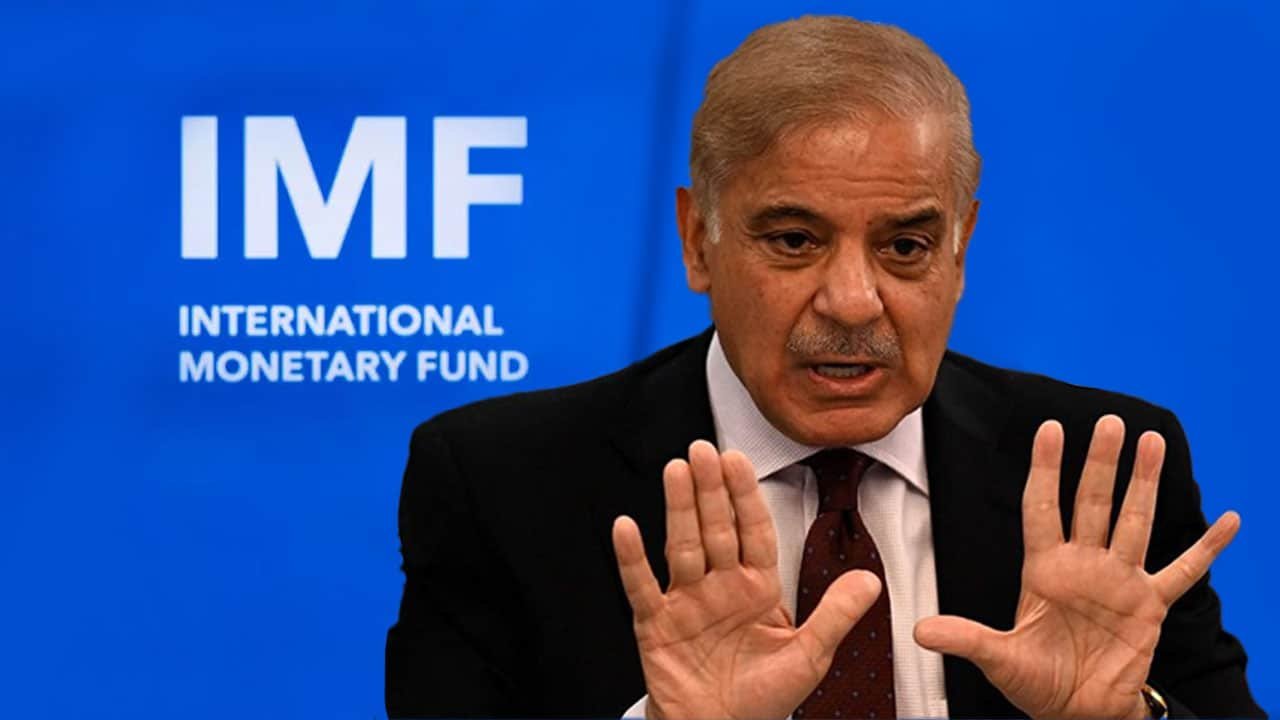
    On Thursday, Prime Minister (PM) Shehbaz Sharif had a meeting with Kristalina Georgieva, the Managing Director of the International Monetary Fund (IMF), where he urged the lender to release the stalled funds for Pakistan. He assured the IMF of Pakistan’s compliance with all the conditions set by the lender.

    The meeting took place during the Summit for a New Global Financial Pact held in Paris, emphasising Pakistan’s commitment to fulfilling its promises.

    During the meeting, the two leaders discussed the ongoing programmes and cooperation between Pakistan and the IMF. The prime minister briefed Georgieva on Pakistan’s economic outlook, highlighting the government’s efforts for economic growth and stability.

    He emphasised that all the necessary actions for the 9th review under the Extended Fund Facility (EFF) had been completed, and Pakistan was fully dedicated to meeting its obligations as agreed with the IMF.

    The prime minister expressed his hope for the timely release of the funds allocated under the EFF, as it would contribute to Pakistan’s ongoing efforts in economic stabilisation and provide relief to the people.

    Georgieva shared the IMF’s perspective on the ongoing review process and acknowledged the meeting as an opportunity to assess the progress made in that context.

    It is crucial to note that Pakistan’s currency reserves are currently sufficient to cover only one month’s worth of imports. The country had expected $1.1 billion of the funds to be released in November, but the IMF has imposed certain conditions before making further disbursements.

    With only one IMF board review remaining before the end of the $6.5 billion EFF programme, Pakistan is expected to present a budget aligned with the programme objectives, restore proper functioning of the foreign exchange market, and bridge the $6 billion gap before the board review.