Tag: economic impact

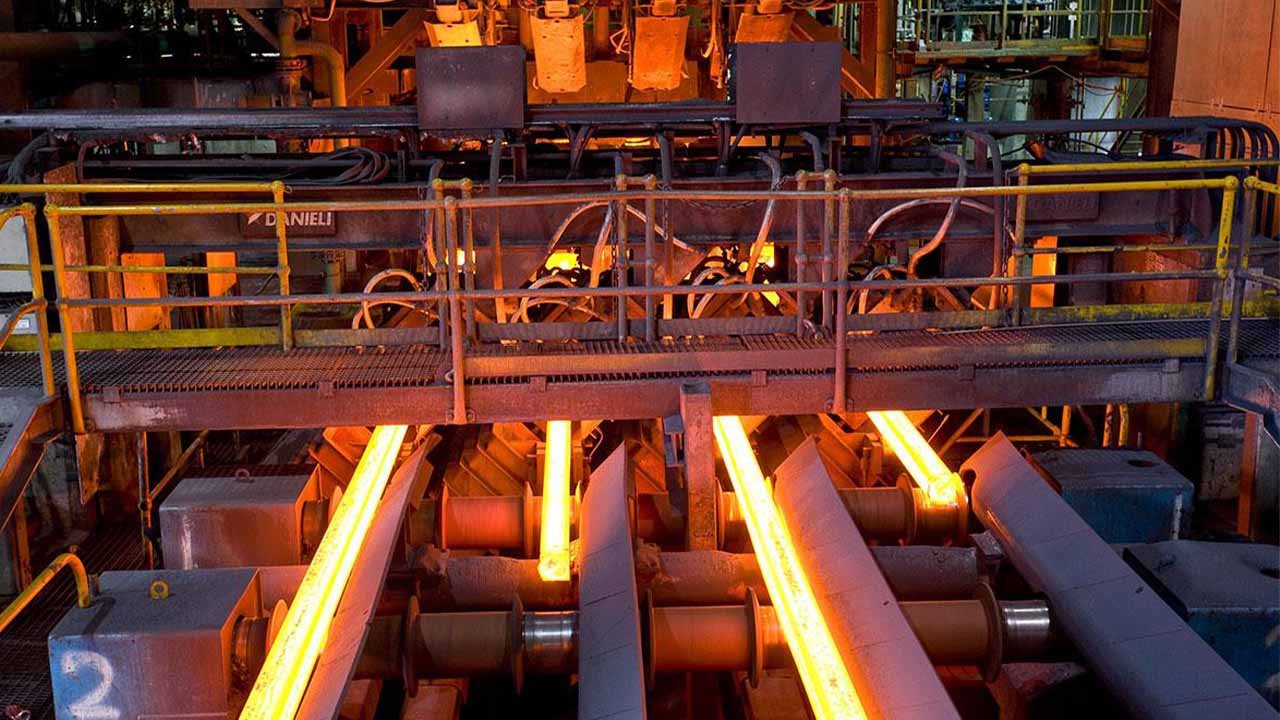
  • Administrative oversights, thefts lead to millions in losses for Pakistan Steel Mills

    Administrative oversights, thefts lead to millions in losses for Pakistan Steel Mills

    In the fiscal year 2020–21, Pakistan Steel Mills (PSM), under state ownership, faced a significant financial setback, recording a staggering loss of Rs164.4 million.  

    The Auditor General of Pakistan (AGP) brought attention to the root causes behind this substantial financial downturn in its recently issued financial report for PSM. 

    Administrative negligence emerged as a primary factor contributing to the massive loss, with Rs164.4 million attributed to this oversight.  

    Furthermore, instances of theft exacerbated the financial strain, with stolen copper, brass, electric instruments, and cable resulting in a cumulative loss exceeding Rs6.49 million for the steel mills. 

    According to ARY News, the AGP’s report highlighted additional incidents of theft, including the disappearance of electricity poles, three high-tension (HT) wires of considerable value, a 132-KV transmission line, and tracks designated for freight trains.  

    The lapses in security arrangements by the PSM administration were underscored as a critical failure contributing to these losses. 

    Compounding the financial challenges, the report revealed that the PSM incurred a Rs5.62 million loss due to the unauthorised hiring of services from retired officers.  

    This improper utilisation of funds further strained the already precarious financial position of the state-owned entity. 

    Moreover, the PSM faced an additional financial setback of Rs4.33 million in terms of insurance services provided by a private company.  

    This multi-faceted financial downturn highlighted various areas where the PSM faced challenges, ranging from administrative oversights to security lapses and questionable financial decisions. 
  • Govt expected to hike petrol price on Thursday

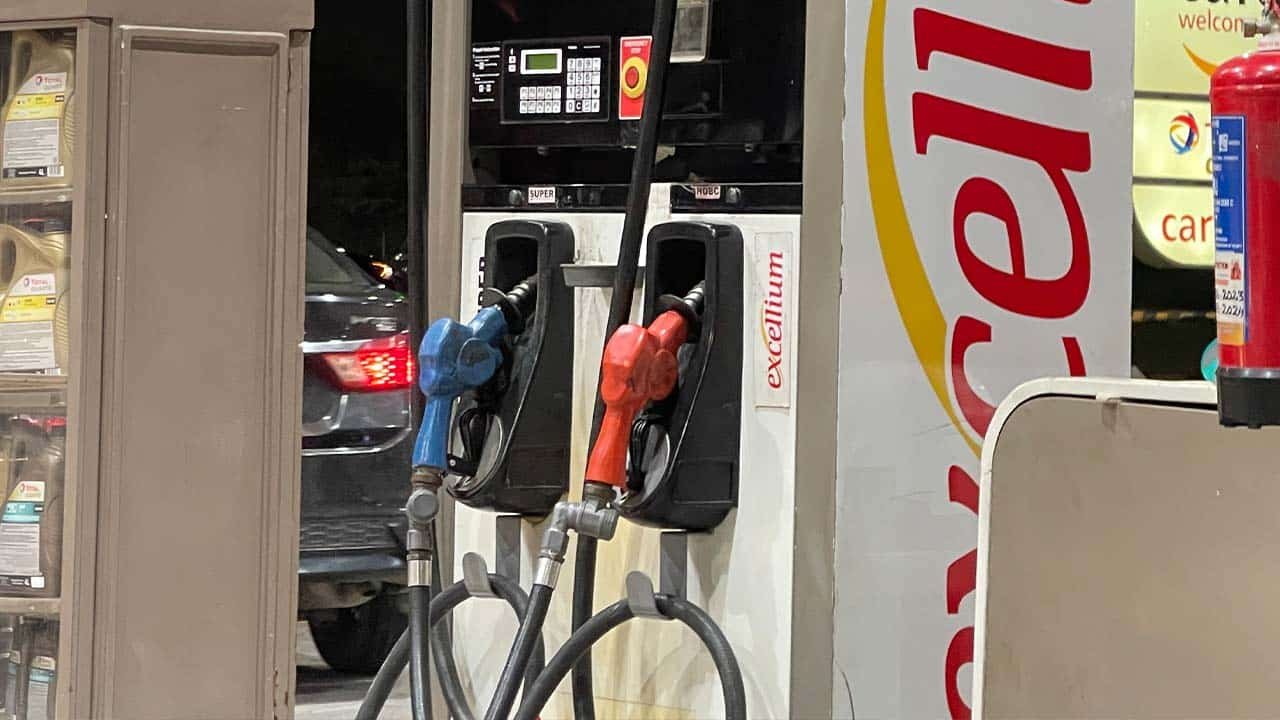
    Govt expected to hike petrol price on Thursday

    In the final fortnight of November 2023, the per litre price of petrol in Pakistan is projected to experience an increase of Rs3.18, while high-speed diesel (HSD) is anticipated to undergo a reduction of Rs8.30 per litre on Thursday, November 16.

    Sources have indicated that the pricing trajectory of petroleum products is poised for a mixed trend in the latter half of the current month of November 2023.

    The price of petrol is forecasted to rise from Rs283.38 per litre to Rs286.56 per litre, marking an uptick of Rs3.18 per litre.

    Correspondingly, the cost of HSD/diesel is expected to decrease by Rs8.30 per litre, moving from Rs303.18 per litre to Rs 294.88 per litre.

    Additionally, the price of kerosene oil is projected to witness a decline of Rs5.61 per litre, transitioning from Rs211.03 per litre to Rs205.42 per litre.

    Furthermore, the price of light diesel oil (LDO) is set to experience a reduction of Rs8.33 per litre, shifting from Rs189.46 per litre to Rs181.13 per litre.

    These price adjustments are calculated based on current government taxes and the prevailing US dollar exchange rate, as per informed sources.

    According to Profit, the government may uphold the price of petrol due to outstanding forex adjustments, while a reduction of Rs10 per litre is expected for diesel (HSD).

    Notably, starting from 1st November 2023, the government has imposed a petroleum levy (PL) of Rs60 per litre on petrol and diesel, alongside receiving an Inland Freight Equalization Margin (IFEM) of Rs7.71 per litre on petrol and Rs0.60 per litre on diesel.

    Additionally, the Dealers’ Margin (inclusive of extra margin) on petrol and diesel presently stands at Rs8.64 per litre.

    Similarly, the margin for Oil Marketing Companies is fixed at Rs7.87 per litre.

    Furthermore, the Distributors’ Margin (inclusive of extra margin) on diesel is currently set at Rs8.12 per litre, and on petrol, it is Rs7.87 per litre, effective from 1st November 2023.

    On 1st November, the government maintained the prices of petrol and diesel at Rs283.38 per litre and Rs303.18 per litre, respectively.

    Simultaneously, the price of kerosene oil witnessed a reduction of Rs3.82 per litre, establishing the new price at Rs211.03 per litre.

    The price of LDO was also decreased by Rs3.40 per litre, fixing the new price of LDO at Rs189.46 per litre for the first half of November 2023.

  • Honda Atlas extends production suspension amid an ongoing parts shortage

    Honda Atlas extends production suspension amid an ongoing parts shortage

    Honda Atlas Cars (Pakistan) Limited, a subsidiary of Honda Motor Co., Ltd. of Japan, has officially announced a temporary plant shutdown due to supply chain disruptions.

    In line with their communication dated October 30, 2023, the company has made the decision to extend the plant closure from November 8, 2023, to November 9, 2023, as disclosed in their notice to the Pakistan Stock Exchange (PSX).

    The automaker further said that any updates to this plan will be duly communicated.

    The automaker had previously communicated the shutdown of its plant from October 24, 2023, to October 31, 2023, and later extended it to November 7, 2023.

    This decision was attributed to significant inventory levels and disruptions in the supply chain, which have severely affected the company’s production capabilities.

    Earlier this year, Honda Atlas Cars also suspended its production activities from March 9 to May 15, citing adverse economic conditions in the country and government-imposed restrictions on Letters of Credit (LC) issuance.

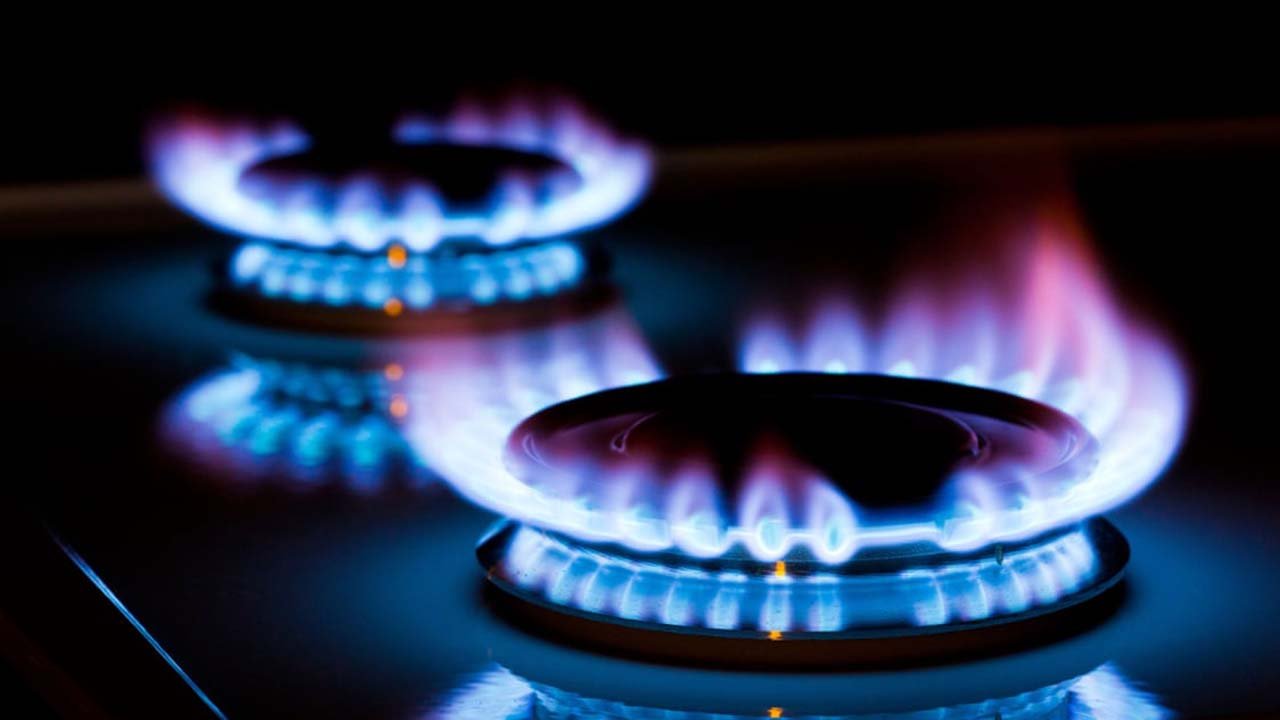
  • Govt implements major gas price hike to tackle circular debt crisis 

    Govt implements major gas price hike to tackle circular debt crisis 

    On Monday night, the interim government made a significant announcement that will have a profound impact on the nation’s economy.  

    The decision involved a substantial increase in gas prices, set to take effect on November 1st, 2023. 

    Under this new pricing structure, non-protected domestic consumers will experience a substantial surge in their gas tariffs.  

    Specifically, rates will surge by a staggering 173 per cent for this category of consumers. Commercial users will see their gas prices climb by 136.4 per cent, while those in the export and non-export industries will face increases of 91 per cent and 83 per cent, respectively. 

    Further elaborating on the specifics of these changes, the revised monthly charges for protected consumers have been elevated from a mere Rs10 to a more substantial Rs400. For non-protected consumers, the monthly charges have surged from Rs460 to Rs1000, and for higher consumption slabs, the charges have escalated to a maximum of Rs2000. 

    In terms of actual consumption, the price per mmbtu will vary depending on usage. Users consuming up to 0.25 cubic metres will be charged Rs121 per mmbtu.  

    Those using up to 0.5 cubic metres will pay Rs150 per mmbtu; users with a monthly consumption of 0.60 cubic metres will incur charges of Rs200 per mmbtu; and those utilising 0.9 cubic metres will see rates set at Rs250 per mmbtu.  

    The steepest increase is witnessed by individuals using 1 cubic metre of gas per month, as their charges have surged from Rs400 per mmbtu to Rs1,000 per mmbtu. Users with gas consumption up to 1.5 cubic metres, previously paying Rs600 per mmbtu, will now be required to pay Rs1,200 per mmbtu starting from November 1st. 

    The changes in gas pricing also extend to small commercial users, such as local tandoors, who will be paying Rs697 per mmbtu from the aforementioned date.  

    The power sector will experience a range of charges, with rates fluctuating between Rs1,050 and Rs3,890 per mmbtu, while the cement industry will be subject to a consistent rate of Rs4,400 per mmbtu. 

    As for the export industry, gas pricing has been set at Rs2,100 to Rs2,400 per mmbtu, while non-export industries will be required to pay between Rs2,200 and Rs2,500 per mmbtu. These significant adjustments have been made to alleviate the burden on the nation’s economy. 

    The Power Division, in an official statement, justified the increase in gas prices by referencing the recommendations of the Oil and Gas Regulatory Authority, which sought to prevent an additional burden of Rs400 billion on the already burgeoning circular debt.  

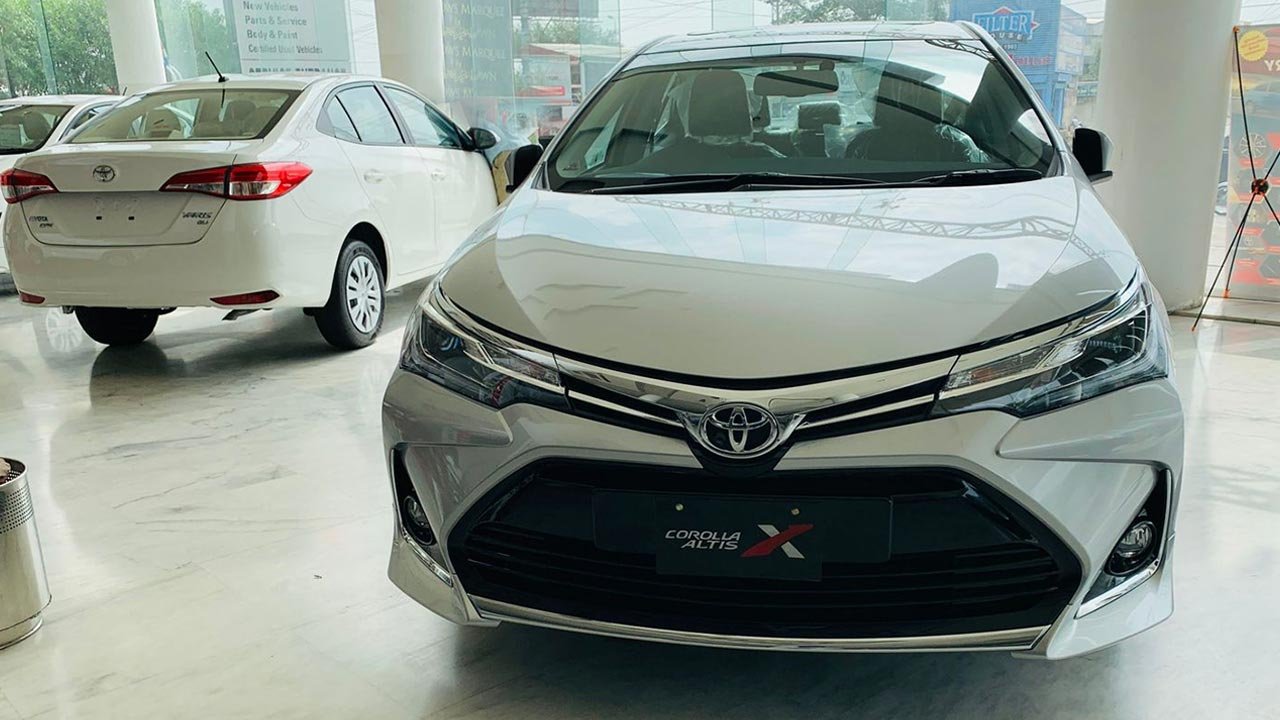
  • Toyota car prices reduced by up to Rs1.3 million in Pakistan

    Toyota car prices reduced by up to Rs1.3 million in Pakistan

    Indus Motor Company, the leading assembler of Toyota-brand vehicles in Pakistan, has made a significant move to benefit its customers. 

    In a recent announcement sent to its dealers on Tuesday, the company revealed a substantial reduction in car prices, effective October 24. This decision was prompted by the recent strengthening of the Pakistani rupee against the US dollar.

    Following this development, the basic Yaris model 1.3MT LO is now more affordable, with a price decrease of Rs100,000, or 2.2 per cent, bringing its new price to Rs4.399 million. 

    Similarly, the top variant, 1.5 CVT Aero, will now be available at Rs5.849 million after a reduction of Rs120,000. 

    The Toyota Corolla’s variant prices have been reduced between Rs200,000 and Rs250,000. Furthermore, Toyota’s pickup Revotrucks are now more budget-friendly, with price reductions ranging from Rs450,000 to Rs790,000.

    One of the most notable changes is seen in the Fortuner G4x2 Petrol STD, which will now be priced at Rs14.499 million after a substantial reduction of Rs1.31 million, or 8.3 per cent.

    This price adjustment follows the footsteps of other major players in the industry, including MG Motors and Lucky Motor Corporation (LMC), both of which have also announced price reductions for their vehicles.

    The automobile sector in Pakistan has faced challenges recently, mainly due to fluctuating exchange rates and restrictions on imports. 

    The rupee experienced a significant depreciation against the dollar, reaching a record low of Rs307.1 on September 5. 

    However, it has since recovered, stabilising around the Rs279–280 level. This positive trend aligns with the efforts of the caretaker government, which took measures against smugglers and hoarders, contributing to the currency’s recovery.

    Apart from currency fluctuations, the auto sector was affected by previous government policies, including import restrictions aimed at preserving foreign exchange reserves. 

    Additionally, higher finance costs and a considerable rise in car prices led to a decrease in consumer demand. In the first quarter of FY24, car sales in Pakistan plummeted to 20,983 units, marking a 40 per cent decline compared to the same period the previous year.

    Here are the latest prices of all Toyota cars in Pakistan:

    Car Model Variant Old Price (Rs.) New Price (Rs.) Price Reduction (Rs.)
    Yaris 1.3 MT LO 4,499,000 4,399,000 100,000
      1.3 CVT LO 4,789,000 4,689,000 100,000
      1.3 MT Hi 4,759,000 4,659,000 100,000
      1.3 CVT Hi 4,999,000 4,899,000 100,000
      1.3 CVT Aero 5,199,000 5,099,000 100,000
      1.5 MT 5,429,000 5,309,000 120,000
      1.5 CVT 5,769,000 5,649,000 120,000
      1.5 CVT Aero 5,969,000 5,849,000 120,000
    Corolla 1.6 MT 6,169,000 5,969,000 200,000
      1.6 CVT 6,769,000 6,559,000 210,000
      1.6 CVT SR 7,429,000 7,189,000 240,000
      1.8 CVT 7,119,000 6,889,000 230,000
      1.8 CVT SR 7,759,000 7,509,000 250,000
      1.8 CVT SR BLK 7,799,000 7,549,000 250,000
    Hilux Revo E 11,439,000 11,039,000 400,000
      G 12,409,000 11,959,000 450,000
      G 13,019,000 12,549,000 470,000
      V AT 2.8 14,389,000 13,849,000 540,000
      V AT Rocco 15,179,000 14,419,000 760,000
      GR S 16,149,000 15,359,000 790,000
    Fortuner 2.7 G Petrol 15,809,000 14,499,000 1,310,000
      2.7 V Petrol 18,099,000 16,999,000 1,100,000
      2.8 Sigma 5 Diesel 19,079,000 17,999,000 1,080,000
      Legender Diesel 20,129,000 18,999,000 1,130,000
      GRS 21,089,000 19,899,000 1,190,000
  • Here’s why Toyota Indus Motor Company is halting car production for one month

    Here’s why Toyota Indus Motor Company is halting car production for one month

    Indus Motor Company (IMC), the leading manufacturer of Toyota vehicles in Pakistan, has announced a temporary production suspension lasting a month due to inventory shortages.

    The company informed the Pakistan Stock Exchange (PSX) of this development.

    Starting on October 17 and concluding on November 17, 2023, Toyota IMC has chosen to halt production in response to insufficient inventory of vehicles and parts stemming from supply chain challenges.

    The company has stated that they will keep stakeholders informed of any adjustments to this plan. This marks the ninth production closure announcement by Indus Motor this year. In the previous month, the company ceased plant operations from September 28 to October 9 due to similar inventory issues.

    In its most recent financial report, Indus Motor recorded a profit-after-tax (PAT) of Rs9.66 billion for FY23, representing a nearly 39 per cent decline compared to the earnings of Rs15.8 billion in the preceding year’s corresponding period.

    The Pakistani auto sector, heavily reliant on imports, has encountered hardships due to government measures to restrict imports and limit LC issuance. Elevated financing costs and substantial car price hikes have also dampened consumer demand.

    In the first quarter of FY24, sales figures reached 20,983 units, reflecting a 40 per cent decrease compared to the same period in the prior year.

    The Pakistani automotive industry is grappling with dwindling demand, primarily attributed to soaring prices, costly auto financing, and increased taxes, all contributing to a year-on-year decline in sales.

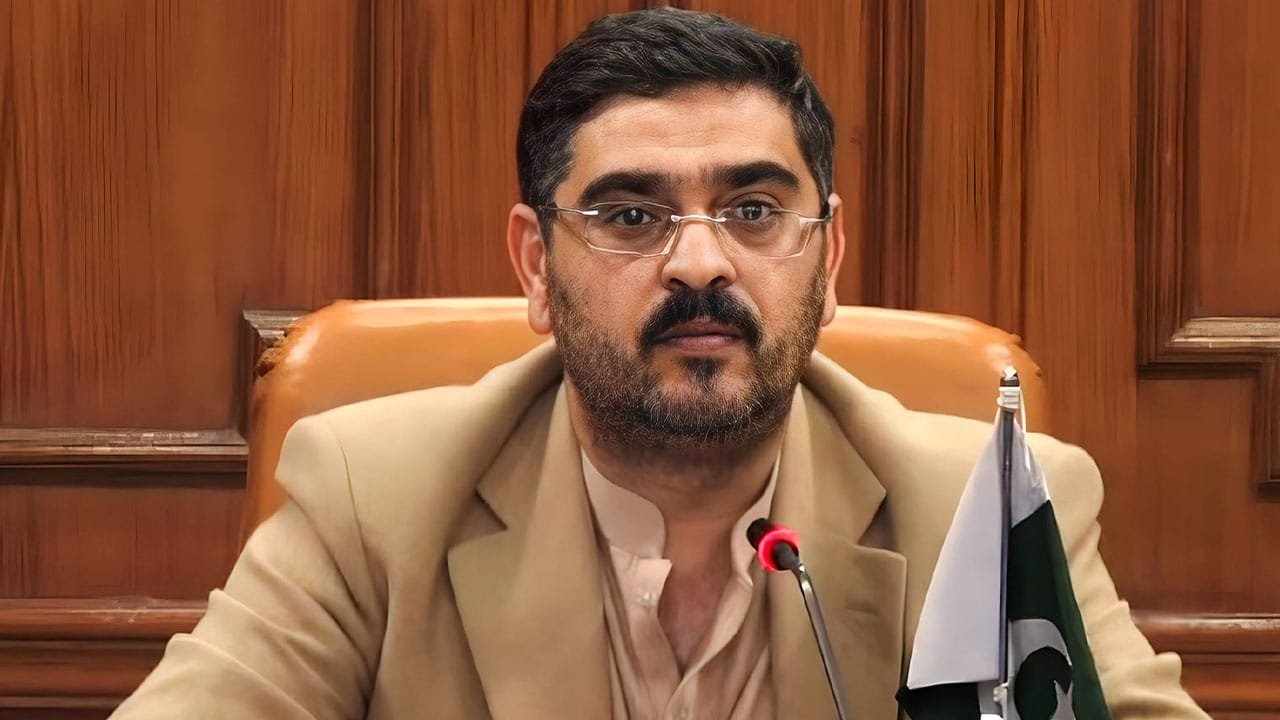
  • PM Kakar calls for reduction in prices of essential items and services after petrol price cut 

    PM Kakar calls for reduction in prices of essential items and services after petrol price cut 

    On Monday, Caretaker Prime Minister (PM) Anwaar ul Haq Kakar called upon the chief ministers to take decisive action in lowering the prices of essential goods and services in response to a significant reduction in fuel costs. 

    In a momentous development, the government has implemented a substantial reduction of Rs40 in the price of petrol. 

    Prime Minister Anwaar ul Haq Kakar issued clear directives at both the federal and provincial levels, urging the implementation of a stringent price control mechanism. 

    PM Kakar stressed that all endeavours must be focused on ensuring that the benefits of reduced petroleum prices are passed on to the citizens of Pakistan. 

    The prime minister emphasised the unwavering enforcement of his directives. 

    Prior to this decision, the cost of petrol had seen a remarkable reduction of Rs40 per litre in Pakistan. 

    As per a notification issued by the Oil and Gas Regulatory Authority, the price of petrol now stands at Rs283.38 per litre, reflecting a reduction of Rs40 per litre

    Meanwhile, the price of high-speed diesel (HSD) has been lowered by Rs15 per litre to reach Rs303.18, while kerosene oil prices have witnessed a reduction of Rs22.43 per litre, now standing at Rs214.85. 

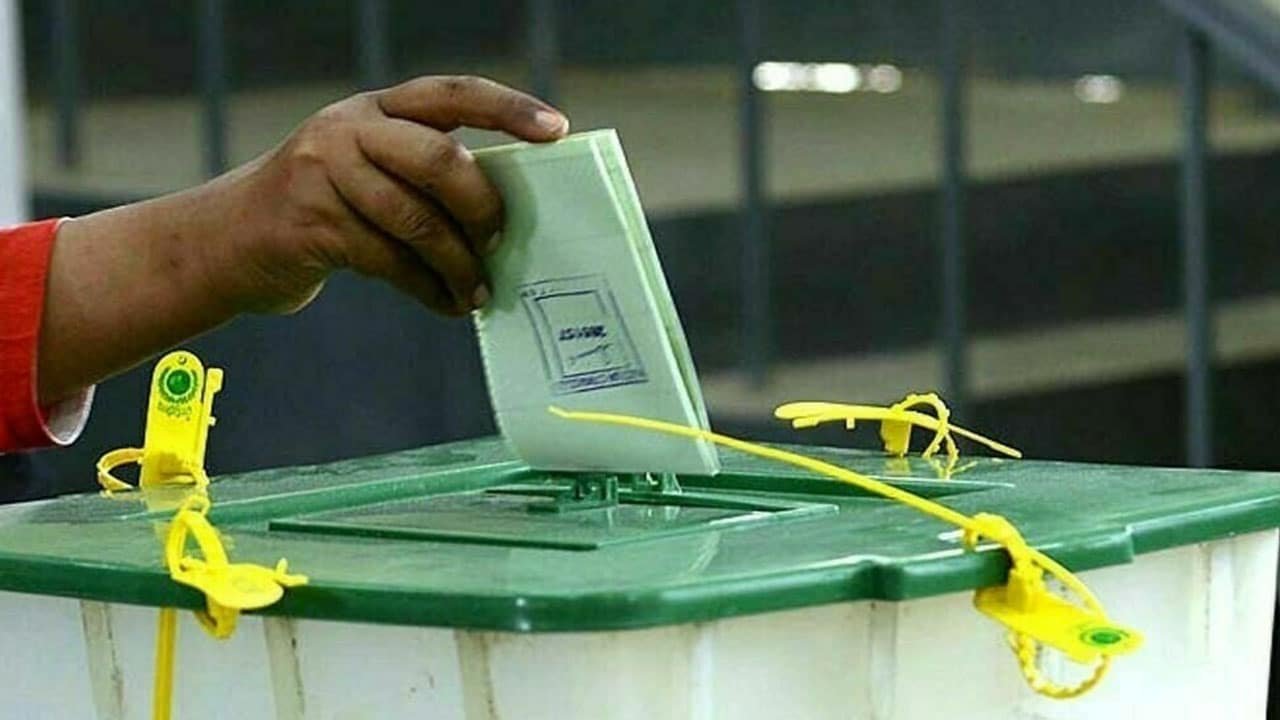
  • Elections in Jan ‘24: How you can register to vote in Pakistan

    Elections in Jan ‘24: How you can register to vote in Pakistan

    The Election Commission of Pakistan (ECP) has set a new date for the general election in January, which is about three months later than originally planned. This decision was made to clear up confusion about when the election would happen and to help the struggling economy. 

    In this article, we will explain how you can sign up to vote in the upcoming election. 

    To register to vote, you need to send in an application along with a copy of your Computerised National Identity Card (CNIC) to the District Election Commissioner (DEC), Registration Officer, or Assistant Registration Officer in the district where you want to vote.

    You can find the necessary forms online on the ECP website or get them for free at the offices of the District Election Commissioner, Registration Officer, Assistant Registration Officer, or Display Centre Incharge. 

    To be eligible to vote, you must meet these criteria: 

    (a) You must be a citizen of Pakistan.  

    (b) You must be at least eighteen years old.  

    (c) You need to have a CNIC issued by the National Database and Registration Authority (NADRA) up until the last day for submitting claims, objections, and applications for updating the voter list.  

    (d) You must not have been declared legally unfit (unsound mind) by a court.  

    (e) You must either live in the area where you want to vote or be considered a resident under section 27. 

    Even if your NADRA ID has expired, it’s still valid for registering to vote or casting your vote in an election. 

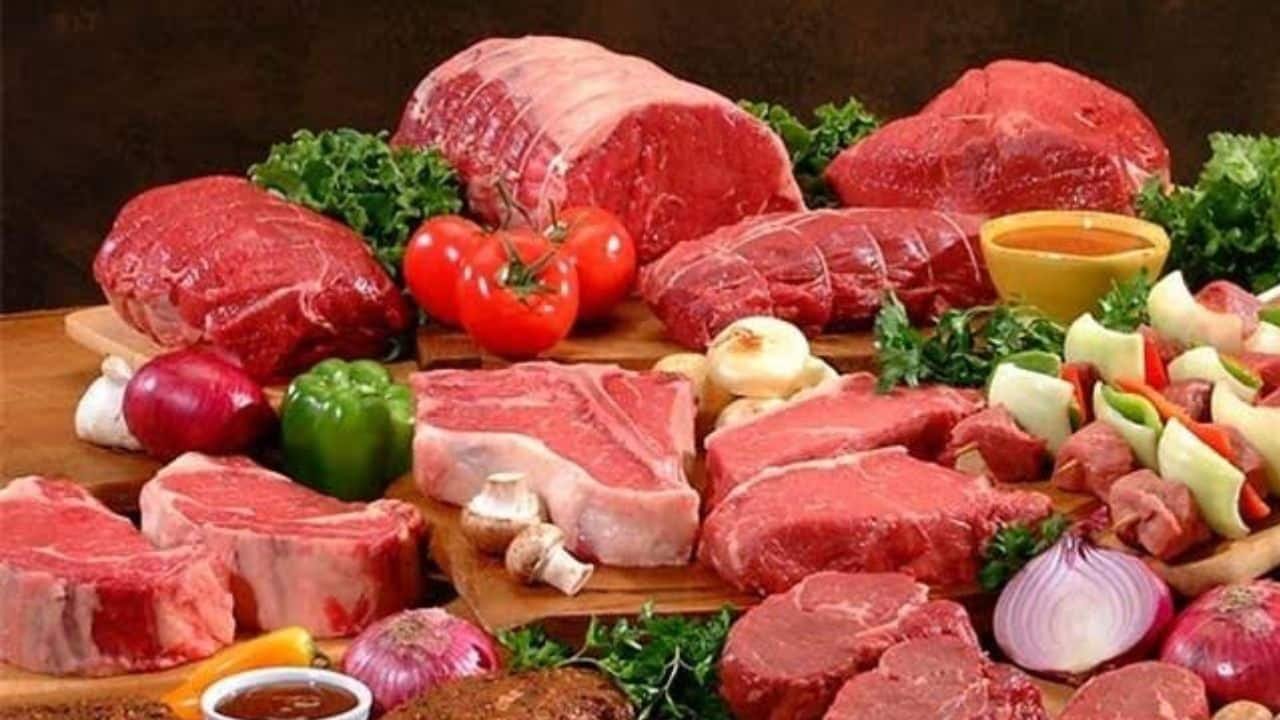
  • Fungus found: UAE bans fresh meat imports from Pakistan

    Fungus found: UAE bans fresh meat imports from Pakistan

    The United Arab Emirates (UAE) has imposed a ban on the importation of fresh meat from Pakistan.

    This decision stems from the discovery of fungal contamination in frozen meat shipments from Pakistan via the sea route.

    As reported by ARY News, the presence of fungus on meat imported by a Karachi-based company prompted the UAE to enact this ban, which will be in effect until October 10.

    It’s worth noting that Pakistan typically exports fresh meat valued at $12 million monthly to the UAE through maritime channels.

    Pakistan primarily directs a significant portion of its meat exports towards the United Arab Emirates, Saudi Arabia, and Bahrain.

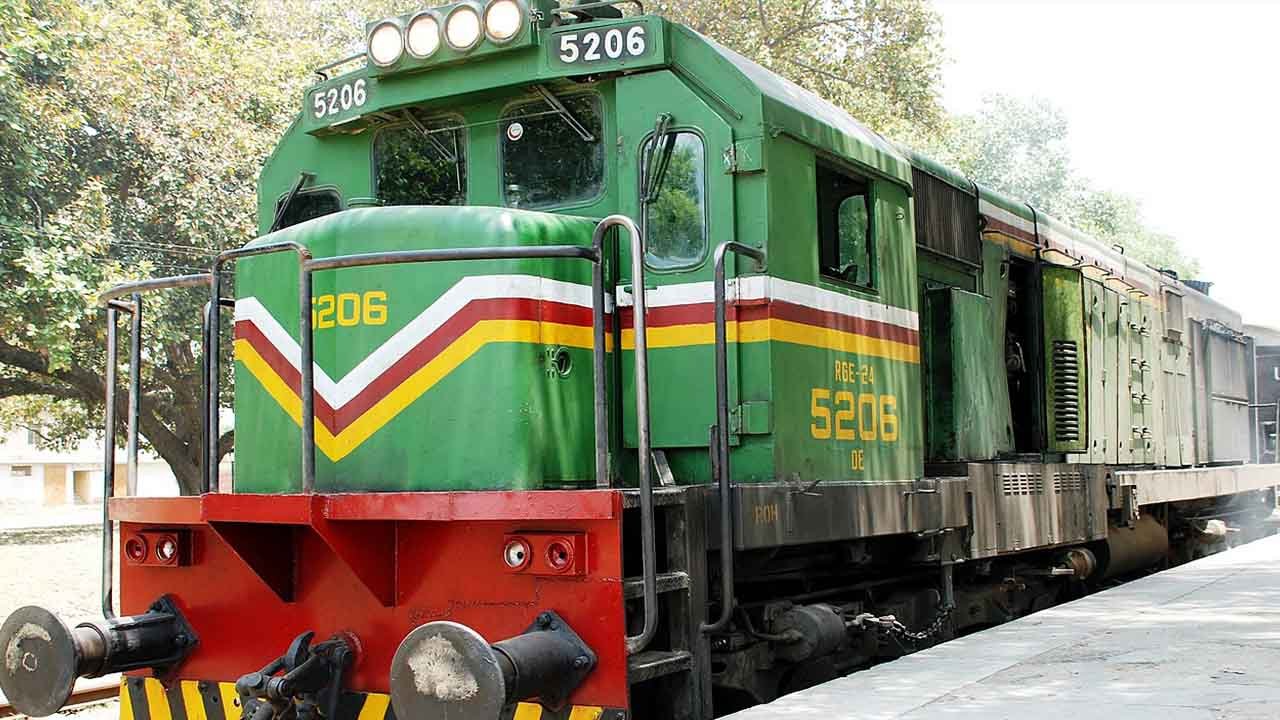
  • Pakistan Railways increases train fares amid record-high fuel prices 

    Pakistan Railways increases train fares amid record-high fuel prices 

    Pakistan Railways has announced a second fare increase this September in response to a significant surge in petrol and diesel prices. 

    According to ARY News, effective tomorrow, September 19th, train fares will see a 5 per cent hike across all categories, encompassing shuttles, passenger trains, express services, and freight. It’s worth noting that this increase excludes shuttle and passenger trains covering distances of 250 kilometres or less. 

    Over the past 1.5 months, the railway ministry has already implemented a cumulative 20 per cent fare increase. The previous increments occurred on August 10th (10 per cent) and September 2nd. 

    This decision by Pakistan Railways closely follows an earlier announcement this month, wherein a 5 per cent fare increase was revealed for all shuttle, passenger, express, and inter-city trains. 

    These adjustments coincide with a recent decision by the caretaker government to raise petroleum product prices by up to Rs14 per litre. This move is seen as contradictory to previous promises of relief to the general populace. 

    Of particular note is the substantial increase in petrol and diesel prices, with petrol rising by Rs26.2 per litre to reach a new price of Rs331.38 per litre and diesel increasing by Rs17.34 per litre, now priced at Rs329.18 per litre. 

    Within the span of just one month, the caretaker government has raised petrol prices by Rs58 per litre and diesel prices by Rs56 per litre, raising concerns among economic experts regarding a potential fresh wave of inflation triggered by these drastic fuel price hikes.