Pakistan is actively exploring alternative measures to prevent a full-fledged eruption of its balance of payment crisis, as the International Monetary Fund (IMF) continues to prolong the revival of the already-delayed $6.5 billion bailout programme.
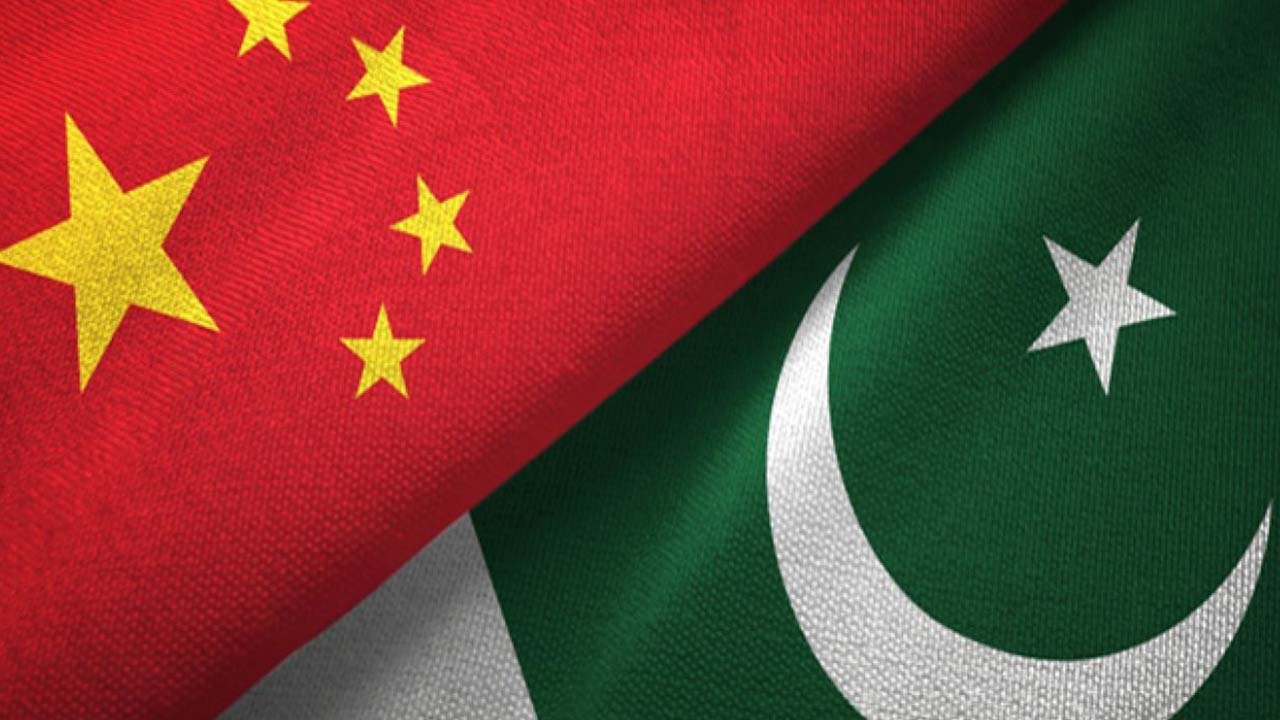
According to The News, Pakistan may have no choice but to turn to China to devise a mechanism for rescuing its ailing economy.
“Amid the deepening political and economic crisis in the country, the IMF has adopted a wait-and-see policy, but this approach cannot be sustained indefinitely,” sources informed the publication. “Either the IMF programme must be revived through the completion of the ninth review, or the programme will be abandoned. We will not share any further data with the IMF until the ninth review is completed,” the sources asserted.
Multiple reports indicate that Pakistan has already urged the Fund staff to conclude the review, warning that the budgetary framework for 2023-24 will not be shared otherwise.
Sources recounted an incident where a diplomat from a Western capital questioned a minister about the expected economic meltdown in Pakistan. “This direct question from the dignitary shocked the minister, who assured the visiting diplomat that Pakistan would never default,” the sources narrated.
It is noteworthy that the diplomatic community has also begun inquiring about “domestic political affairs.”
Considering these developments, independent economists are now recommending that the government make last-ditch efforts to revive the IMF programme or turn to China for a potential bailout to support the struggling economy.
Renowned economist Dr Hafiz A Pasha, a former finance minister, expressed that if the IMF fails to make progress, Pakistan would have no alternative but to request China’s assistance in devising a mechanism to avert a full-fledged crisis. He suggested utilizing the Asian Infrastructure Investment Bank (AIIB) as a potential instrument to aid Islamabad in navigating the balance of payment crisis, acknowledging that it falls outside the AIIB’s mandate but emphasizing the need for an institution to assume the role of an Asian IMF.
When approached, Dr Khaqan Najeeb, a former finance ministry adviser, acknowledged the efforts taken by the country to achieve macro stabilization and pave the way for the completion of the ninth review. However, he pointed out the IMF’s cautious stance due to Pakistan’s weak State Bank reserves, which currently stand at just $4.38 billion, and the precarious balance of payment position. The IMF is taking extra care to ensure that financing needs are more than adequately met, despite efforts by authorities to convince the lender in this regard.
Dr Najeeb also highlighted the relaxation of imports, with the IMF keen for Pakistan to build reserves and ease administrative restrictions. Notably, Pakistan’s imports in April (year-on-year) have been halved to $2.9 billion, as reported by the Pakistan Bureau of Statistics.
“The advisable solution is for the IMF to show consideration, as a staff-level agreement can facilitate commercial and multilateral inflows,” Najeeb commented, adding that Pakistani authorities could do more to ensure a robust financing plan.
He concluded that if an agreement is not reached, the country would have to persist with heightened import restrictions, a constrained economy, and borrowing and rollovers from friendly countries wherever possible. “This is not Pakistan’s preferred option to sustain a thriving economy,” he emphasised.