Tag: economic news

  • Pakistani rupee gains 20 paisa against US dollar

    Pakistani rupee gains 20 paisa against US dollar

    The Pakistani rupee (PKR) extended its positive trajectory against the US dollar for the sixth consecutive session, appreciating by 0.07 per cent in the inter-bank market on Tuesday.

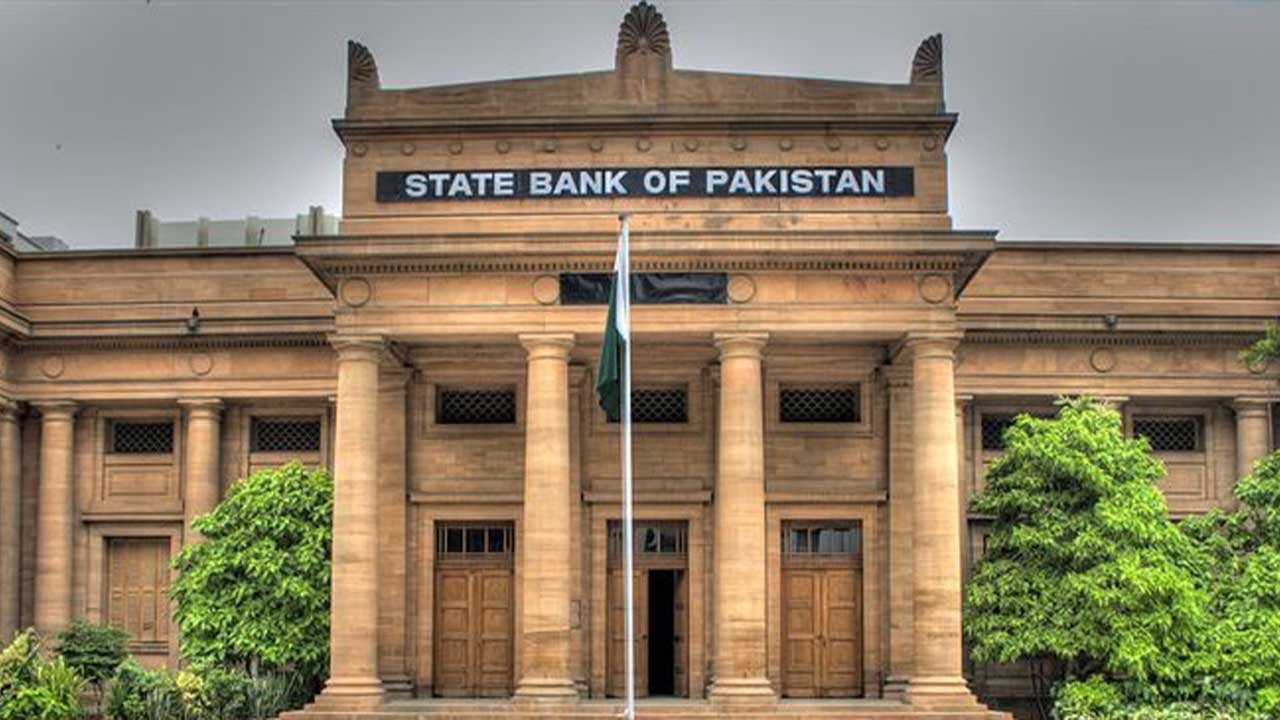
    According to the State Bank of Pakistan (SBP), the rupee concluded at Rs283.01, marking an increase of Re0.20.

    In the previous session, the rupee saw a marginal gain, settling at Rs283.21 against the US dollar.

    Meanwhile, in a noteworthy development, Pakistan secured $4.285 billion from various financing sources in the first five months (July–November) of the current fiscal year 2023–24.

    This represents a decrease from the $5.114 billion borrowed during the corresponding period in 2022–23, as disclosed by data from the Economic Affairs Division (EAD).

    On the global front, the US dollar experienced a 0.3 per cent decline against the yen, maintaining its position close to a four-month high of 140.95 reached last week.

    Additionally, the greenback lingered near approximately five-month lows against the Australian and New Zealand dollars.

    This was attributed to the strength of risk-sensitive currencies, driven by the anticipation that the US Federal Reserve might initiate interest rate adjustments as early as the beginning of next year.

    In the realm of commodities, oil prices stabilised on Tuesday as investors assessed the potential repercussions on oil supply arising from attacks by Yemen’s Iran-aligned Houthi militants on ships in the Red Sea.

    These attacks have disrupted maritime trade, compelling companies to reroute vessels. Notably, crude prices surged nearly 2 per cent on Monday due to concerns about trade disruptions through the Suez Canal, a vital shipping route that accounts for approximately 15 per cent of global shipping traffic.

    Brent crude declined by 12 cents to $77.83 per barrel.

    The US West Texas Intermediate crude for January, set to expire on Tuesday, experienced a decrease of 62 cents, reaching $71.85. In contrast, the more active February contract only incurred a marginal loss of 3 cents.
  • State Bank of Pakistan to announce monetary policy decision on December 12

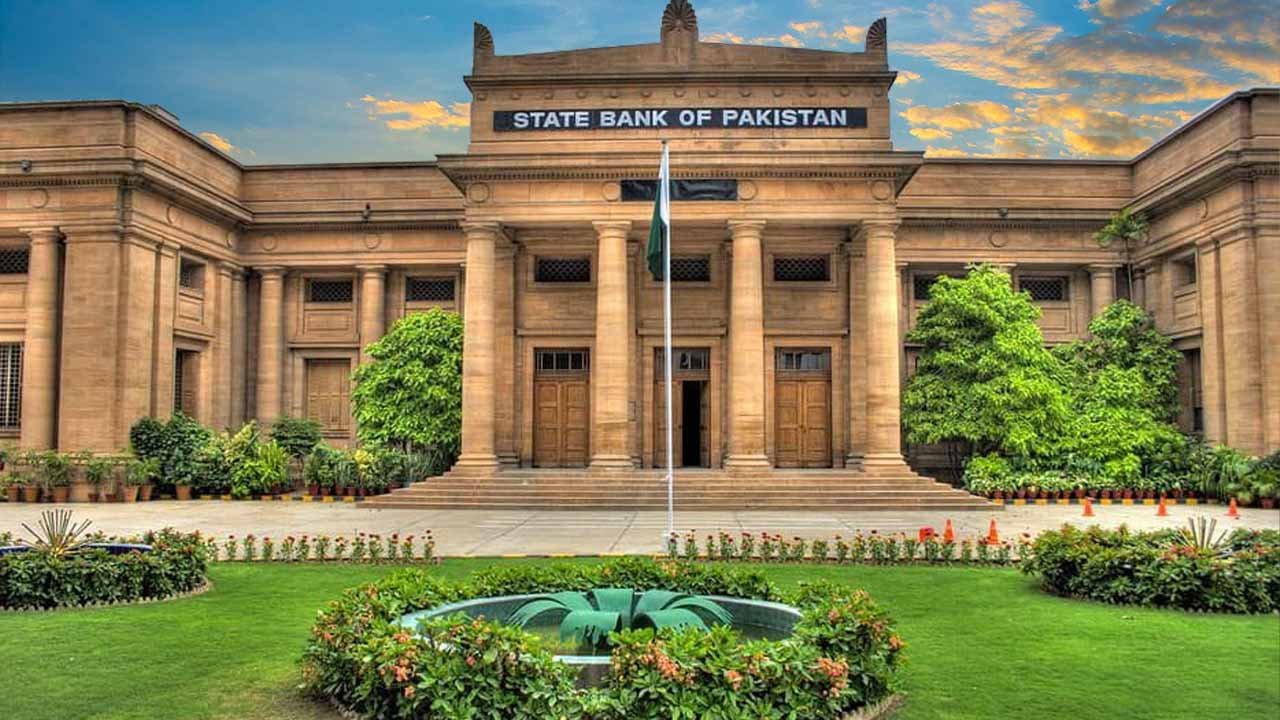
    State Bank of Pakistan to announce monetary policy decision on December 12

    The State Bank of Pakistan (SBP) is set to unveil its monetary policy on Tuesday, December 12. A statement released by the central bank on Friday informed that the Monetary Policy Committee (MPC) of SBP will convene in Karachi on December 12 to deliberate on monetary policy. 

    Subsequently, the central bank will issue the official monetary policy statement. In its preceding meeting on October 30, the MPC judiciously opted to uphold the policy rate at 22%, citing global market volatility. 

    The committee underscored the imperative of persisting with a stringent monetary policy stance to mitigate inflation.

    PKR ends another week in green

    The Pakistani currency is experiencing an upward trend against the US dollar for the past several sessions, concluding the week in positive territory on Friday. 

    According to the SBP, the Pakistani rupee gained 0.09 per cent, closing at Rs283.87 against the US dollar.

  • State Bank of Pakistan’s forex reserves decline to $7.02 billion amidst debt repayments 

    State Bank of Pakistan’s forex reserves decline to $7.02 billion amidst debt repayments 

    During the week ending December 1, 2023, the State Bank of Pakistan (SBP) witnessed a decline of $237 million in its foreign exchange reserves, bringing the total to $7,020.2 million. This reduction is attributed to debt repayments.  

    As of the same date, the country’s overall liquid foreign reserves amounted to $12.1 billion. Commercial banks held net foreign reserves totaling $5.08 billion. 

    Notably, the central bank’s reserves received a boost in July of the current year when Pakistan secured the initial tranche of approximately $1.2 billion from the International Monetary Fund (IMF).  

    This was part of a newly approved $3 billion stand-by arrangement (SBA). Additionally, inflows were received from Saudi Arabia and the UAE. 

    Despite these positive developments, the SBP’s reserves have been under pressure due to ongoing debt repayments, increased import payments following eased restrictions, and a lack of new inflows. 

    In a significant development, the IMF announced last month that a staff-level agreement (SLA) had been reached between its team and Pakistani authorities regarding the first review of the SBA.  

    However, the approval of the IMF Executive Board is required for this agreement to take effect. 

    Upon approval, approximately $700 million (SDR 528 million) will become available, bringing the total disbursements under the programme to almost $1.9 billion. 

    Addressing the media after the SLA with the IMF, Caretaker Finance Minister Dr Shamshad Akhtar expressed confidence that external financing would not be a concern.  

    The government anticipates inflows in December 2023, which are expected to contribute to an increase in foreign exchange reserves. 

  • Govt maintains petrol price at Rs281.34, cuts diesel price by Rs7 per litre 

    Govt maintains petrol price at Rs281.34, cuts diesel price by Rs7 per litre 

    On Thursday, the caretaker government announced its decision to maintain the current petrol price at Rs281.34 per litre while implementing a reduction of Rs7 per litre for high-speed diesel (HSD) for the upcoming two weeks. 

    As per the official notification from the finance ministry, the revised price for high-speed diesel will be Rs289.71 per litre starting on December 1. 

    Additionally, the prices for kerosene and light diesel oil have decreased by Rs3.82 and Rs4.52, respectively. 

    Following these adjustments, kerosene will now be priced at Rs201.16 per litre, and light diesel oil will be available at Rs175.93 per litre. 

    This decision comes in response to factors such as an IMF review and the recent global decline in oil prices. 

    Notably, the postponement of a ministerial meeting by Opec+ (the Organisation of the Petroleum Exporting Countries and allies, including Russia) to November 30 contributed to a midweek tumble in global oil prices. 

    Brent crude futures experienced a 0.4 per cent decline, down 37 cents to $80.21 per barrel, while US West Texas Intermediate (WTI) crude futures lost 0.4 per cent, down 29 cents to $75.25. 

  • PSX hits historic high: KSE-100 index surpasses 59,000 mark for the first time

    PSX hits historic high: KSE-100 index surpasses 59,000 mark for the first time

    The Pakistan Stock Exchange (PSX) extended its impressive performance, achieving a historic milestone as the benchmark KSE-100 Index surpassed the 59,000 mark for the first time ever on Friday.

    At the close of the session, the benchmark index concluded at 59,086.35, registering a gain of 186.51 points, or 0.32 per cent. This marks its highest closing level to date.

    Earlier in the day, the KSE-100 index reached an intra-day peak of 59,502.28. However, profit-taking activities in the second half of the trading session led to a partial retreat from these gains.

    The trading session commenced with widespread buying, particularly in key sectors such as automobile assemblers, cement, chemicals, commercial banks, oil and gas exploration companies, OMCs, and technology and communication, all contributing to a positive market trend.

    In the preceding session on Thursday, bulls maintained control of the bourse, with the benchmark index settling at 58,899.84, marking a substantial increase of 701.08 points, or 1.20 per cent.

    The bullish momentum in the stock market follows the recent staff-level agreement between Pakistani authorities and the International Monetary Fund (IMF) on the first review under the nine-month $3 billion Stand-By Arrangement (SBA).

    Market experts anticipate increased inflows in the coming weeks due to this agreement. However, data released on Thursday revealed a decrease of $217 million in foreign exchange reserves held by the State Bank of Pakistan (SBP) on a weekly basis, reaching $7.2 billion as of November 17.

  • Pakistan’s forex reserves dip by $79 million amidst external debt repayments

    Pakistan’s forex reserves dip by $79 million amidst external debt repayments

    Pakistan’s total liquid foreign exchange reserves declined by $79 million in the past week, primarily due to external debt repayments. 

    According to the State Bank of Pakistan (SBP), as of November 10, 2023, the country’s total reserves amounted to $12.535 billion, down from $12.614 billion on November 3, 2023.

    During the reviewed week, SBP’s reserves decreased by $115 million to $7.397 billion due to debt servicing. Conversely, commercial banks’ net foreign reserves increased by $36 million, reaching $5.139 billion by the end of the week.

    In a significant development, the International Monetary Fund (IMF) announced on Wednesday that a staff-level agreement (SLA) has been reached on the first review of a nine-month stand-by arrangement (SBA) totaling $3 billion with Pakistani authorities.

    Pending approval by the IMF Executive Board, the SLA signifies a milestone, and upon approval, an amount of SDR 528 million, approximately a $700 million loan tranche, will be disbursed to Pakistan. 

    This disbursement will bring the total funds received under the IMF SBA to $1.9 billion.

    These incoming funds are expected to contribute to replenishing the country’s diminishing foreign exchange reserves. 

    The IMF team, led by Nathan Porter, conducted discussions in Pakistan from November 2–15, 2023, culminating in the announcement of the SLA upon the completion of the economic review.

  • Slight relief for consumers: Petrol price dropped by Rs2.04 per litre

    Slight relief for consumers: Petrol price dropped by Rs2.04 per litre

    The government announced a reduction in the prices of petrol and high-speed diesel (HSD) by Rs2.04 and Rs6.47 per litre, respectively, for the upcoming fortnight.

    According to a notification from the Ministry of Finance, the revised prices for petrol and HSD now stand at Rs281.34 and Rs296.71.

    Simultaneously, there was a decrease in the prices of kerosene oil and light-diesel oil by Rs6.05 and Rs9.01 per litre, bringing their new prices to Rs204.98 and Rs180.45, respectively.

    Prior to this decision, officials had anticipated a more substantial decline in the prices of petrol and HSD, ranging from Rs8 to Rs10 per litre.
    This projection was primarily based on the recent drop in international prices.

    However, despite the decrease in global prices for both HSD and petrol over the past two weeks, the rupee experienced depreciation against the dollar in the same period, mitigating the benefit of lower international prices for consumers.

    According to officials, the international prices indicated a reduction of about $9 per barrel on average for HSD, decreasing from approximately $113 to $104 during the week.

    Similarly, the price of petrol saw a decline of one dollar, moving from $91 to $90. Conversely, the rupee depreciated by Rs6 against the dollar, falling from Rs280 to Rs286.

  • Pakistan’s stock market surges above 56,500 for the first time in history

    Pakistan’s stock market surges above 56,500 for the first time in history

    The bullish momentum persisted in the Pakistan stock market today, propelling the key stock gauge to an unprecedented level above 56,000 for the first time in history.

    By the session’s close, the index had reached a historic high of 56,523.58, marking an impressive surge of 1,132.21 points, or 2.04 per cent day-on-day. Notably, the KSE-100 index had experienced a notable gain of 2,268.33 points, or 4.27 per cent, in the preceding week.

    Throughout the day, the index remained in positive territory, achieving an intraday high of 56,583.59 (+1,192.22) and a low of 55,644.68 (+253.31) points. The KSE-100 Index witnessed a total volume of 300.341 million shares traded.

    The prevailing positive sentiment is attributed to the recent PIB auction on November 8, which exhibited a substantial decline in yields.

    This decline may indicate market expectations of an earlier-than-anticipated reduction in interest rates.

    Additionally, investors are anticipating a higher weighting for Pakistan in the upcoming review by global index provider Morgan Stanley Capital International (MSCI), scheduled for tomorrow.

    In today’s session, out of the 100 index companies, 57 closed higher, 23 closed lower, 1 remained unchanged, and 19 were untraded.

    The strength of the KSE-100 index was supported by sectors such as power generation and distribution, fertiliser, commercial banks, cement, and automobile assembly.

    Contributing positively to the index were companies like HUBC, EFERT, MTL, BAHL, and MCB, accumulating significant points.

    On the other hand, the KSE-100 Index faced a downturn primarily due to the refinery sector, Inv. Banks/Inv. Cos./Securities Cos., Transport, Leather & Tanneries, and Automobile Parts & Accessories.

    Companies exerting downward pressure on the index included MEBL, UPFL, KEL, OGDC, and NATF. The intricate dynamics of today’s market underscore the varied performances across different sectors and companies within the KSE-100 Index.