Tag: economic news

  • State Bank of Pakistan set to announce policy rate decision today

    State Bank of Pakistan set to announce policy rate decision today

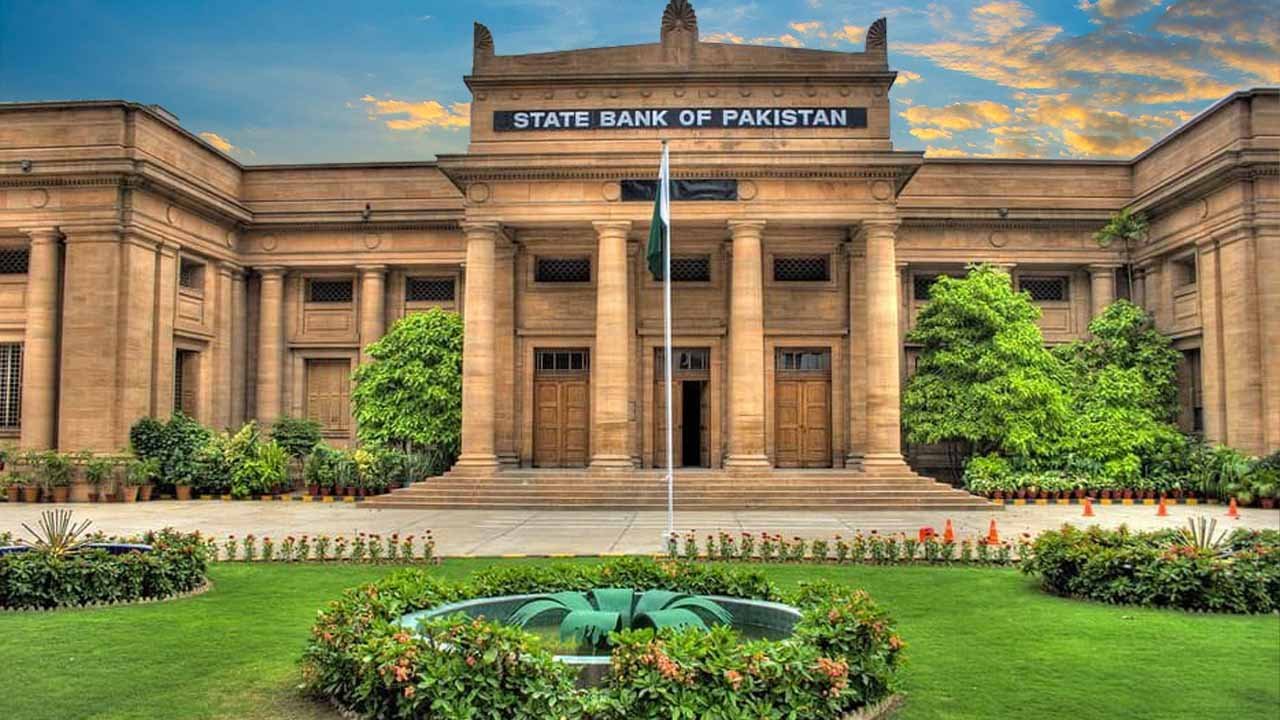
    The State Bank of Pakistan (SBP) will soon unveil its latest monetary policy for the upcoming two months.

    In an official statement, the central bank declared that the Monetary Policy Committee (MPC) of SBP will convene on Monday, October 30, 2023, to determine the monetary policy. SBP will then issue the Monetary Policy Statement via a press release on the same day.

    Currently, the State Bank’s policy rate stands at 22 per cent. Since October 2021, the central bank has increased its policy rate by a cumulative 1,500 basis points in an effort to combat rising inflation and bolster the external balance. This rate has remained unchanged since July 2023.

    The forthcoming policy rate announcement is poised to exert a substantial influence on Pakistan’s industries and inflation rate.

    In the most recent meeting held in July, the State Bank of Pakistan (SBP) resolved to maintain the interest rate at 22 per cent.

    The Monetary Policy Committee of the central bank meticulously assessed economic data and the prevailing inflation situation before opting to retain the interest rate. It’s worth noting that substantial progress has been achieved in the current account, thanks to government initiatives.

    This decision comes against the backdrop of Pakistan contending with a high inflation rate, currently pegged at 29.65 per cent.

  • State Bank of Pakistan’s forex reserves dip by $220 million in weekly report 

    State Bank of Pakistan’s forex reserves dip by $220 million in weekly report 

    The State Bank of Pakistan (SBP) witnessed a notable decline in its foreign exchange reserves, with a weekly reduction of $220 million, bringing the total to $7.5 billion as of October 20th, according to the data released on Thursday. 

    The overall liquid foreign reserves of the country now stand at $12.6 billion, while the commercial banks hold net foreign reserves of $5.1 billion.  

    The decrease in SBP’s reserves was attributed to debt repayments during the week that ended on October 20, 2023, leading to a decrease of $220 million and bringing the total to $7,494.2 million. 

    Last week saw a modest increase of $67 million in Pakistan’s central bank reserves. Notably, Pakistan’s central bank received a significant boost to its reserves in July of this year.  

    This boost was a result of the initial installment of approximately $1.2 billion from the International Monetary Fund (IMF), following the approval of a new $3-billion stand-by arrangement by the IMF. Additionally, Pakistan received inflows from Saudi Arabia and the UAE. 

    Nevertheless, the central bank’s reserves have come under pressure due to a combination of factors, including ongoing debt repayments, increased import payments after the easing of restrictions, and a lack of substantial new inflows. 

  • Here are the latest prices of all Honda cars in Pakistan after reduction

    Here are the latest prices of all Honda cars in Pakistan after reduction

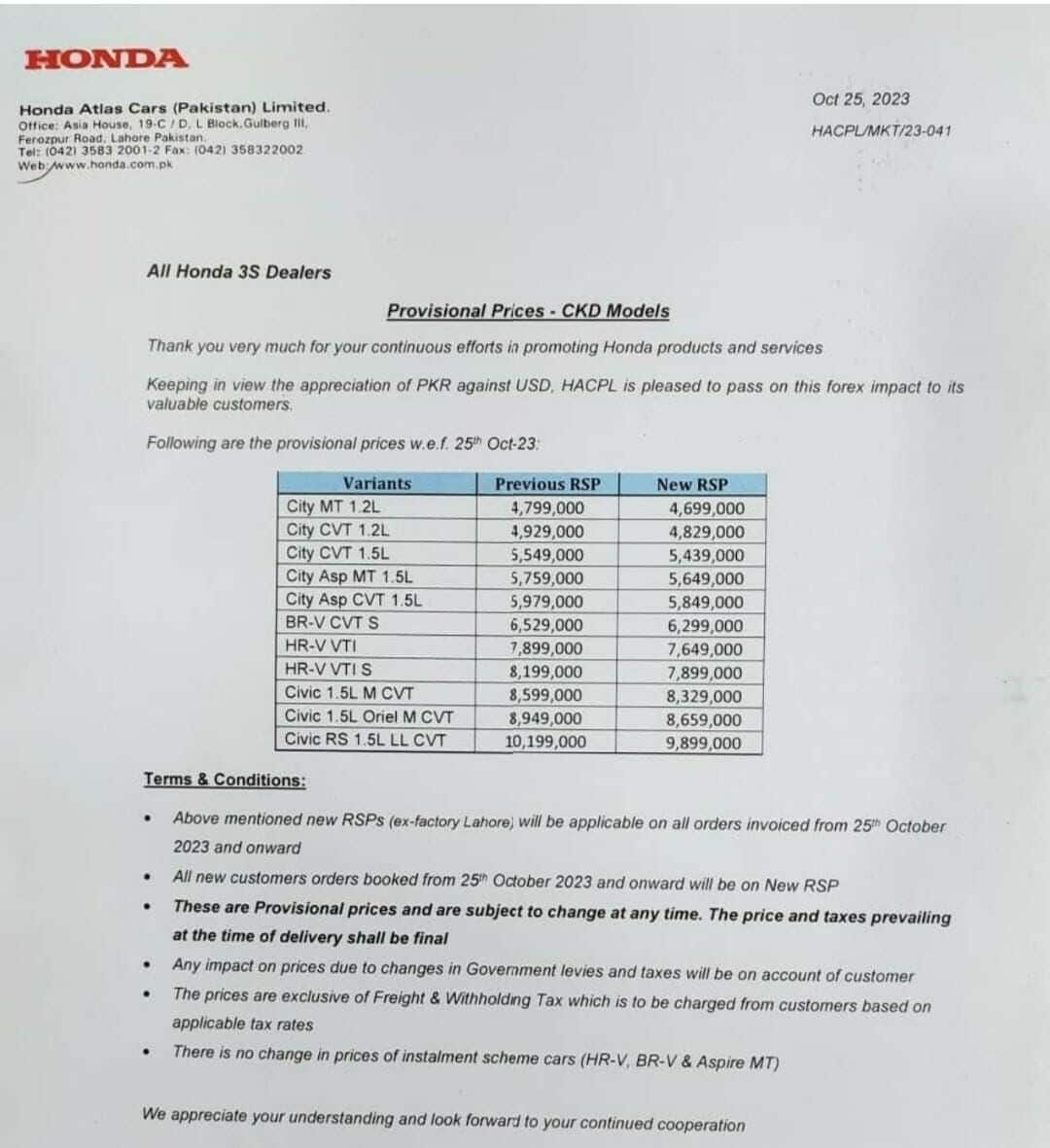
    In a move similar to what Toyota did earlier, Honda Atlas Cars (Pakistan) Limited announced on Wednesday that it is reducing the prices of its vehicles, especially the popular Honda City lineup.

    This decision was made due to the significant strengthening of the Pakistani rupee (PKR) against the US dollar.

    Through an official circular, Honda Pakistan disclosed the updated ex-factory prices for all its car models, reflecting reductions of up to PKR 300,000.

    This substantial price drop is expected to make Honda vehicles more affordable for a broader consumer base.

    After these adjustments, the price of the most budget-friendly Honda car in Pakistan, the City MT 1.2L, now stands at Rs4.699 million following a reduction of Rs100,000.

    Moreover, the top variant, the Aspire CVT 1.5L, is now available for Rs5.849 million after a cut of Rs130,000.

    The most significant price changes have been applied to the popular Honda City lineup, generating excitement among potential buyers.

    Here are the new prices for all Honda cars:

  • IMF team to visit Pakistan next week for crucial $3 billion SBA assessment

    IMF team to visit Pakistan next week for crucial $3 billion SBA assessment

    A delegation from the International Monetary Fund (IMF) is scheduled to visit Pakistan on November 2 to initiate discussions pertaining to the inaugural assessment of the nation’s ongoing $3 billion standby arrangement (SBA). 

    Pakistan is currently navigating a complex journey towards economic recovery, operating under an interim government. 

    This endeavour follows an IMF loan programme sanctioned in July, which was instrumental in averting a potential sovereign debt default. As part of this programme, Pakistan received an initial disbursement of $1.2 billion from the IMF in July.

    Esther Perez Ruiz, the IMF’s resident representative in Pakistan, has disclosed that a delegation led by Mr Nathan Porter from the International Monetary Fund will embark on a mission to Pakistan commencing on November 2, with the primary objective being the evaluation of the current Stand-By Arrangement.

    Additionally, the finance ministry has exerted significant efforts to maintain the budget deficit within the predefined limits agreed upon with the IMF. They issued warnings to the provinces, urging them to curtail their expenditures. Recent provisional estimates indicate that both Punjab and Sindh have made notable strides in this direction.

    However, a notable challenge in the quest to contain the overall fiscal deficit lies in the escalating debt servicing requirements. These obligations are projected to surpass Rs8.3 trillion and reach Rs8.5 trillion for the current fiscal year 2023–24. This surge is attributed to the central bank’s heightened policy rate, a departure from the initial target of Rs7.3 trillion.

  • Winter chills and rising bills: Govt may hike gas tariff by up to 200%

    Winter chills and rising bills: Govt may hike gas tariff by up to 200%

    The interim government is in the process of preparing a significant gas tariff increase proposal, set to be presented to the Economic Coordination Committee (ECC) tomorrow. 

    According to ARY News, the Petroleum Division will lay out a plan for a 200 per cent hike in gas tariffs for various consumer categories, with domestic consumers facing a 172 per cent increase in anticipation of the upcoming winter season.

    The proposal encompasses a broad spectrum of changes, including a 200 per cent price hike for different consumer categories and a staggering 3,900 per cent surge in monthly fixed charges for protected consumers, soaring from Rs10 to Rs400.

     For non-protected consumers, the plan suggests an increment of Rs100 for those using 0.25 cubic metres per month, Rs300 per mmBtu for those using 0.60 cubic metres, and up to Rs1,900 per mmBtu for consumers utilising 300 cubic metres per month.

    Export units may see their rates rise from Rs950 to Rs2,050 per mmBtu, while non-export units might face an increase from Rs1,400 to Rs2,600 per mmBtu. The CNG sector could experience a hike of Rs2,595 per mmBtu.

    For other industries, the suggested rates are Rs2,900 per mmBtu for the cement sector and Rs4,400 per mmBtu for the CNG sector. However, the current rates for power generation units and tandoors are expected to remain unchanged.

    Sources indicate that the caretaker finance minister has called for an ECC session at 4:00 pm on Monday, proposing the implementation of these gas tariff adjustments starting on October 1. 

    Earlier, there were reports from within the finance ministry that the International Monetary Fund (IMF) had urged Pakistan to promptly increase gas tariffs by 100 per cent to address the losses and circular debt in the country’s gas sector.

    The IMF, during a virtual meeting with Pakistan’s finance ministry officials, expressed concerns over the failure to raise gas tariffs on July 1, emphasising that this was a violation of their standby agreement. 

    The IMF further advised the recovery of a Rs46 billion loss incurred by gas companies from July to September. It should be noted that caretaker Finance Minister Dr Shamshad Akhtar is currently in China.

  • Gold price surges by Rs4,900 in a single day, reaches Rs202,000 per tola 

    Gold price surges by Rs4,900 in a single day, reaches Rs202,000 per tola 

    The price of gold in Pakistan has experienced a significant surge following an increase in the global market.  

    According to the All-Pakistan Sarafa Gems and Jewellers Association (APSGJA), the cost of 24-carat gold has risen by Rs4,900, reaching Rs202,000 per tola.  

    Meanwhile, the price of 10-gramme gold has also seen a substantial increase, going up by Rs4,201 to settle at Rs173,182. 

    In the international market, the price of gold saw a notable uptick, with a $46 increase, bringing it to $1,938 per ounce.  

    Concurrently, the US dollar (USD) weakened by Rs5.07 against the Pakistani rupee in the interbank market over the course of this week’s trading. In interbank trading, the USD declined from Rs282.69 to Rs277.62 this week. 

    Furthermore, the American currency witnessed a decrease of Rs4.50 in the open market at the end of the week, closing at Rs277, down from Rs281.50. 

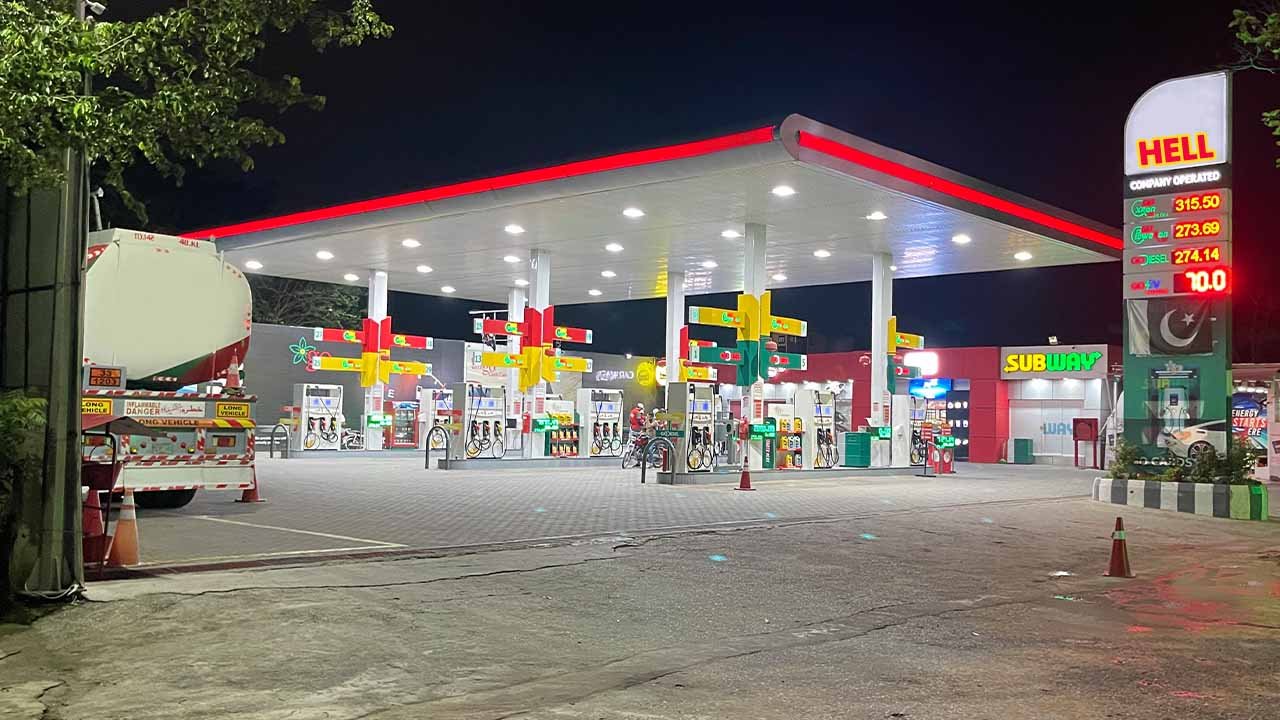
  • Petrol price may drop by Rs41 per litre: AHL

    Petrol price may drop by Rs41 per litre: AHL

    Petroleum prices may decrease in the upcoming announcement due to a significant drop in global oil prices and the strengthening of the Pakistani rupee against the US dollar, according to Arif Habib Limited (AHL), a brokerage house.

    In the next fortnightly pricing cycle starting on October 16, 2023, AHL predicts a reduction of Rs41 per litre for petrol and Rs19 per litre for diesel in local prices.

    AHL’s projection is based on several factors. International oil prices have fallen considerably in the past week due to concerns about demand, a stronger US dollar, inflationary pressures, and increased oil supplies. 

    The prices of WTI, Brent, and Arab Light have dropped by approximately 9 per cent to 11 per cent compared to the previous fortnightly averages. International gasoline (MS) prices have plummeted by 15 per cent to $84.3 per barrel, while high-speed diesel (HSD) prices have dipped by 10 per cent to $110.6 per barrel compared to the previous fortnightly averages.

    Additionally, the Pakistani rupee has appreciated by 2.7 per cent against the US dollar, standing at 283.87 compared to the previous fortnightly average of 291.65. 

    AHL’s calculations, factoring in these price changes and the assumption of stable international prices and currency rates over the next 10 days, suggest that local petrol and diesel prices are expected to decrease by Rs41 per litre and Rs19 per litre starting on October 16, 2023.

    AHL also mentioned that in the previous fortnightly pricing, there was an exchange rate adjustment of Rs11.9 per litre for MS and a negative adjustment of Rs2.8 per litre for HSD. 

    Even assuming similar currency adjustments for MS and no adjustment for HSD in the upcoming fortnightly prices, AHL anticipates that MS and HSD prices will decrease by Rs28.6 per litre and Rs19.3 per litre, respectively.

    In terms of inflation, AHL revised its October CPI inflation estimate to 27.5 per cent. Last week, the interim government announced a reduction of Rs8 per litre for MS and Rs11 per litre for HSD, resulting in new prices of 323.38 and 318.18 per litre for petrol and diesel, respectively, effective from October 1.

  • KIA car prices reduced by up to Rs500,000 in Pakistan

    KIA car prices reduced by up to Rs500,000 in Pakistan

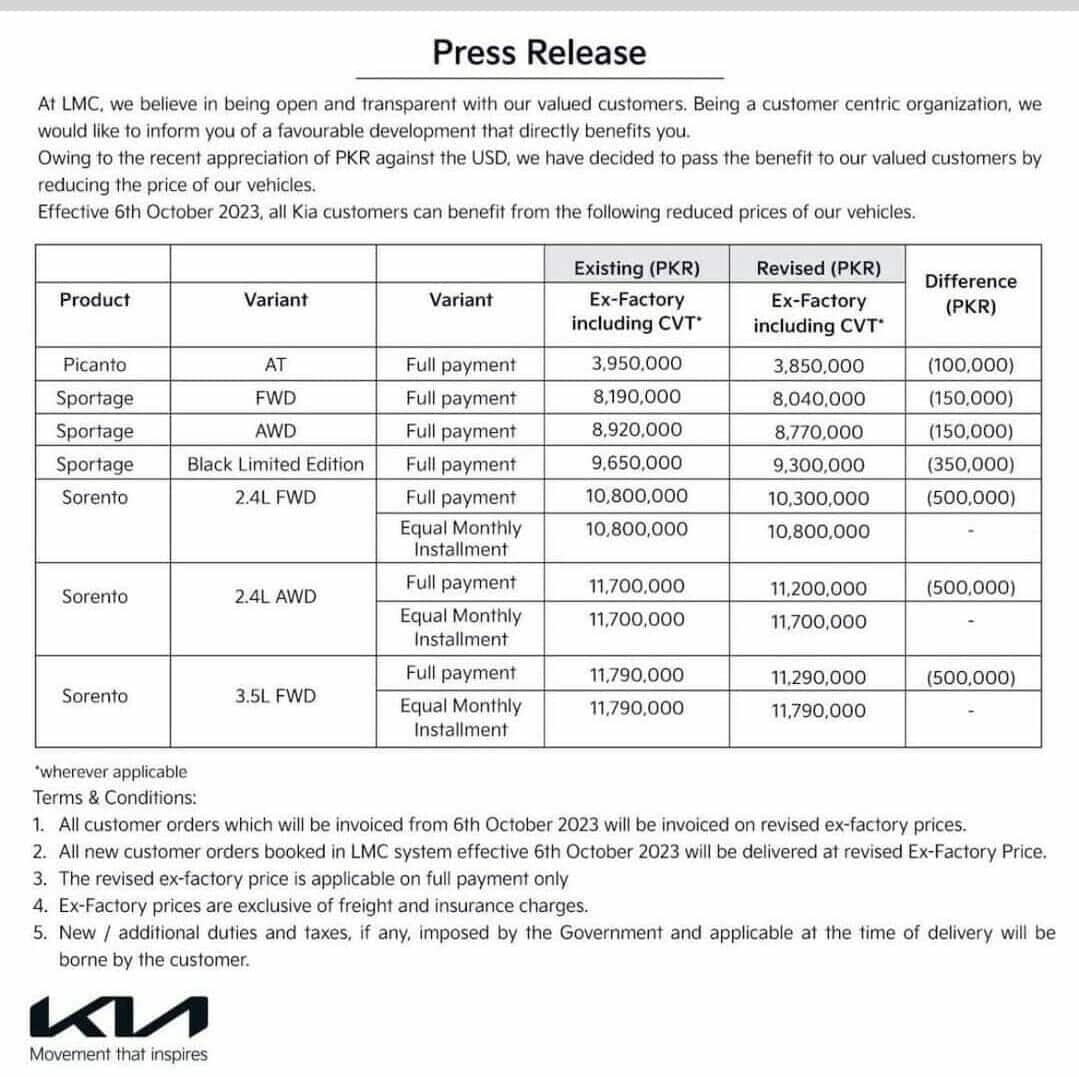
    Lucky Motor Corporation (LMC) has announced a substantial reduction in the prices of its KIA vehicles, with savings of up to Rs500,000 for customers. This decision comes as a result of the recent strengthening of the Pakistani rupee (PKR) against the US dollar. 

    The company stated, ” Owing to the recent appreciation of PKR against the USD, we have decided to pass the benefit to our valued customers by reducing the prices of our vehicles.” 

    Among the models affected, the Sorento variants, including the 3.5L FWD, 2.4L AWD, and 2.4FWD, have seen the most significant price reductions, each receiving a cut of Rs500,000. Their new prices are now Rs11.29 million, Rs11.2 million, and Rs10.3 million, respectively. 

    It’s important to note that these reduced prices apply exclusively to customers choosing the full payment option.  

    KIA cars latest prices in Pakistan (effective October 6, 2023)

    Other KIA models have also seen price reductions, with the Sportage (Black Limited Edition) receiving a discount of Rs350,000, Sportage AWD/FWD models getting a reduction of Rs150,000, and the Picanto AT receiving a Rs100,000 price cut. 

    These new prices will come into effect on October 6, 2023. The company has clarified that any new or additional government-imposed duties and taxes applicable at the time of vehicle delivery will be the responsibility of the customer. 

    This price reduction is particularly significant in light of the recent challenges faced by the auto industry in Pakistan, which has experienced rising car prices due to the rupee’s previous depreciation against the US dollar.  

    However, the rupee has been steadily strengthening, with 21 consecutive sessions of improvement in the inter-bank market. This trend aligns with the caretaker government’s efforts to combat currency smuggling. 

  • Pakistani rupee claims top spot as best-performing currency worldwide 

    Pakistani rupee claims top spot as best-performing currency worldwide 

    Amidst a determined crackdown on smuggling and illegal financial activities, the Pakistani rupee has emerged as the world’s top-performing currency for September. During this remarkable month, the rupee’s value surged from Rs305.54 against the US dollar on August 31st to Rs287.74 on September 28th, a notable increase of Rs17.8 or 6.2 per cent.

    Impressively, this positive trend persisted for 17 consecutive trading sessions, resulting in an overall gain of nearly 7 per cent since hitting its lowest point at 307.1 on September 5th. 

    It’s essential to note that the currency market was closed on Friday, September 29th. In terms of global currency performance, the Mauritian rupee secured the second position with a modest appreciation of 0.7 per cent, while the Hong Kong dollar claimed third place, showing a slight improvement of 0.2 per cent throughout September. These figures are based on data from the brokerage house Arif Habib Limited (AHL), reported on a recent Friday. 

    Financial experts attribute this remarkable rupee surge to a series of government measures aimed at curbing dollar smuggling and currency hoarding. Additionally, during the same month, the State Bank of Pakistan (SBP) introduced structural reforms targeting the Exchange Companies (ECs) sector. These reforms included a directive for commercial banks to establish their own ECs as wholly-owned subsidiaries and an increase in the minimum capital requirement for ECs from Rs200 million to Rs500 million. 

    Notably, the Pakistani rupee recorded substantial gains in the inter-bank market, appreciating by 6-9 per cent against three major currencies – the US dollar, UK Pound, and Euro – over the past few weeks. Even in the open market, the rupee showed a significant upswing of 11-13 per cent, effectively eliminating the premium associated with the open-market rate. This is particularly impressive given that the US Dollar index reached a 10-month high. 

    This strengthening of the rupee aligns with the commitment made by Pakistani authorities in July when they entered into a vital $3 billion Stand-By Arrangement (SBA) with the International Monetary Fund (IMF). This agreement was pivotal in averting a potential sovereign default and required the adoption of a market-based exchange rate, which has now proven to be a pivotal factor in the rupee’s impressive resurgence. 

  • Petroleum prices expected to decline as rupee gains ground against US dollar 

    Petroleum prices expected to decline as rupee gains ground against US dollar 

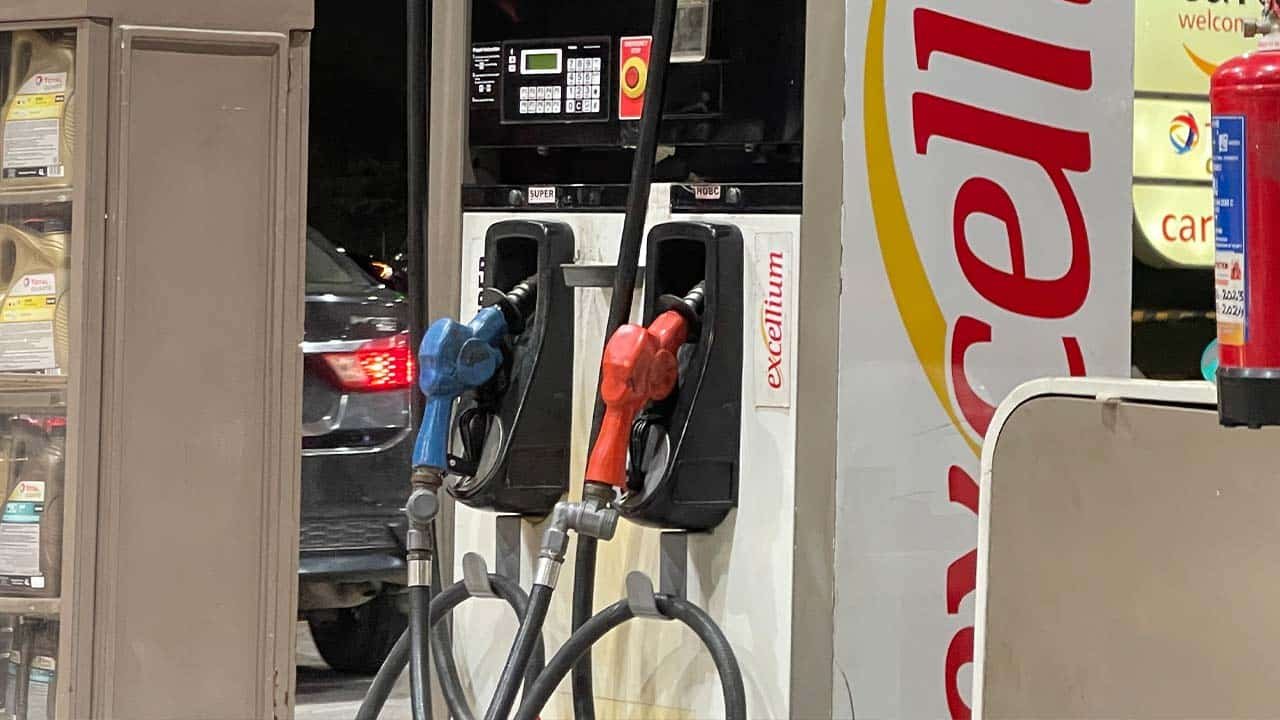
    As reported by Geo News on Saturday, there’s an expectation that starting on October 1st, petroleum prices will see a decrease due to the stability of the Pakistani rupee (PKR) against the US dollar (USD). This shift is also attributed to a decline in international market prices. 

    The final decision on these petroleum prices will be made by the Ministry of Finance following consultations with interim Prime Minister Anwaar-ul-Haq Kakar. 

    In recent news, the Oil and Gas Regulatory Authority (OGRA) cautioned against prematurely speculating about petroleum product pricing. This comes after federal ministers suggested that rates for petroleum, oil, and lubricants (POL) might decrease in the next fortnightly review. 

    Earlier statements by Caretaker Federal Commerce and Industries Minister Gohar Ejaz and Interim Federal Minister for Information and Broadcasting Murtaza Solangi hinted at a potential drop in POL prices, thanks to the recent strengthening of the Pakistani rupee against the US dollar. 

    Over the past two weeks, the Pakistani rupee has gained about Rs19 against the US dollar. This is significant because Pakistan, as a net importer of POL products, conducts transactions in US dollars. 

    In the previous fortnightly review, the caretaker government had raised petrol prices by more than Rs26 per litre and diesel prices by over Rs17 per litre, reaching record highs at Rs331.38 and Rs329.18 per litre, respectively. 

    OGRA emphasised that the pricing of petroleum products in Pakistan depends on international market trends and the exchange rate between the US dollar and the Pakistani rupee. While international petroleum prices have risen recently, the exchange rate between the US dollar and the Pakistani rupee has improved. 

    However, OGRA pointed out that there’s still one week left before the official announcement of new prices. So, any speculations about price changes during this period are speculative and could disrupt the smooth operation of the oil supply chain.