Tag: economic news

  • Pakistani rupee settles at Rs290.86 against US dollar, marking 14th consecutive gain

    Pakistani rupee settles at Rs290.86 against US dollar, marking 14th consecutive gain

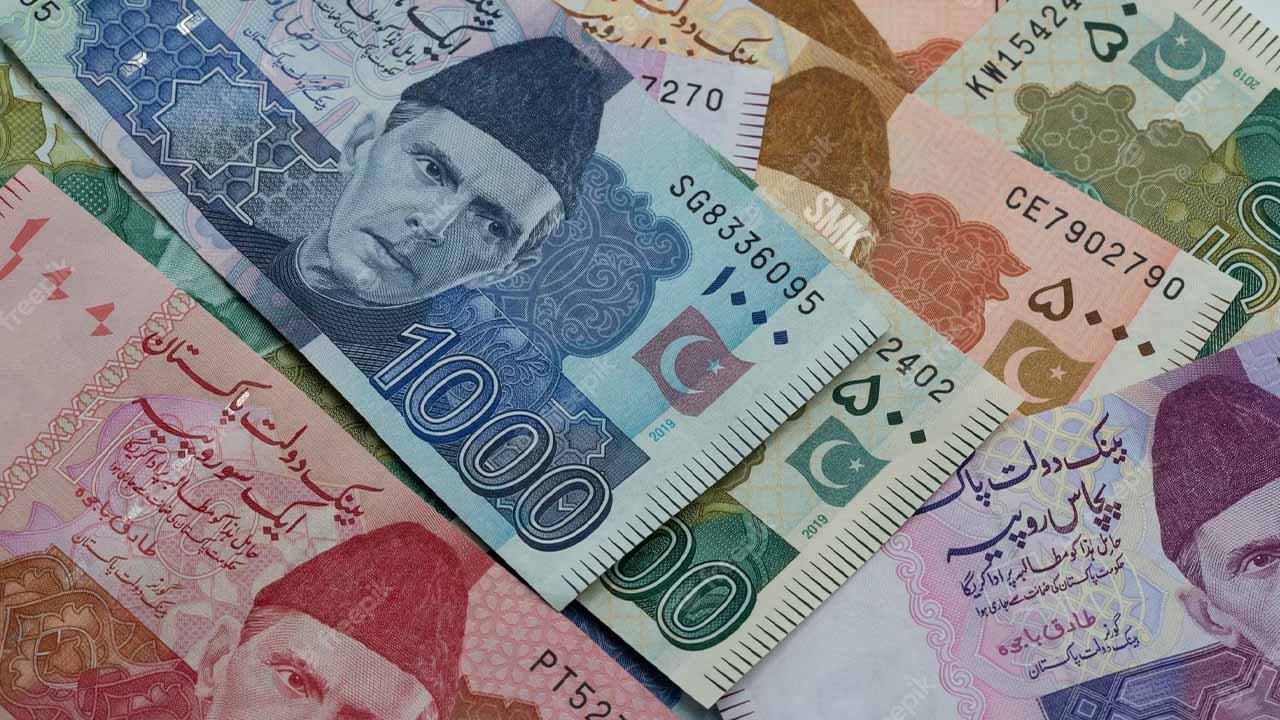
    In continuation of its recent positive streak, the Pakistani rupee extended its upward trajectory against the US dollar for the 14th consecutive session, marking a gain of 0.31 per cent in the interbank market on Monday.

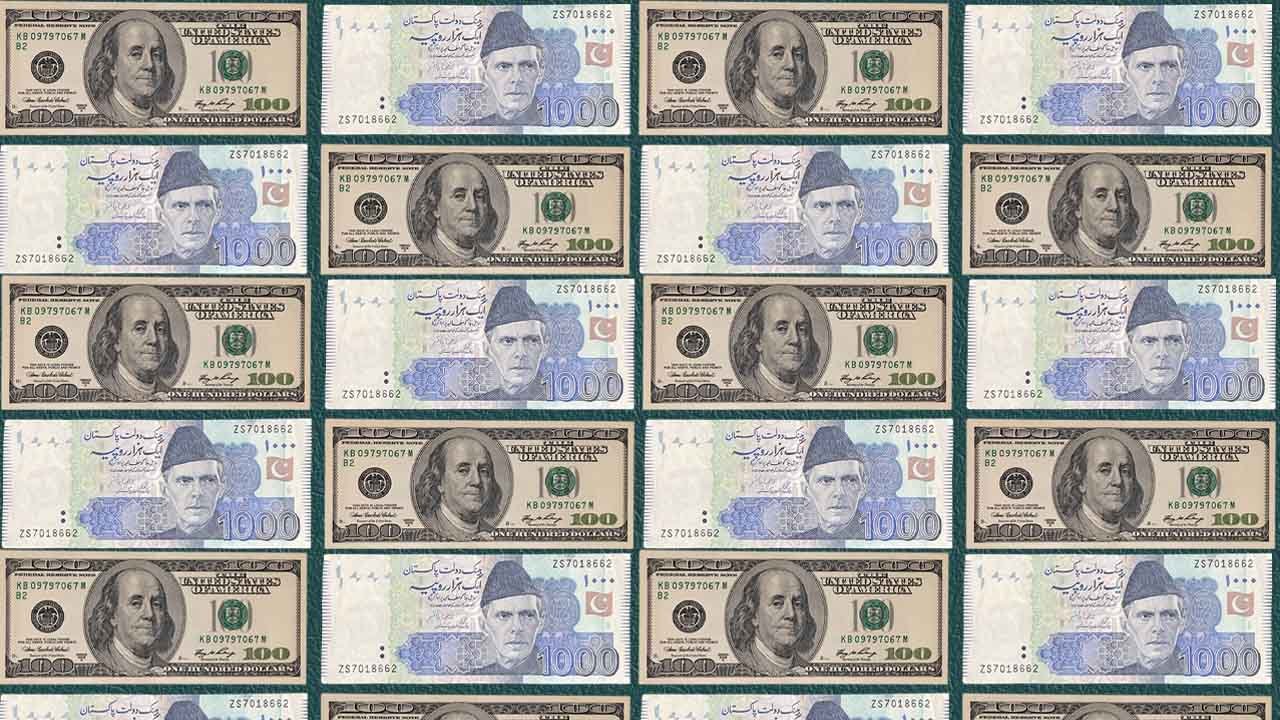
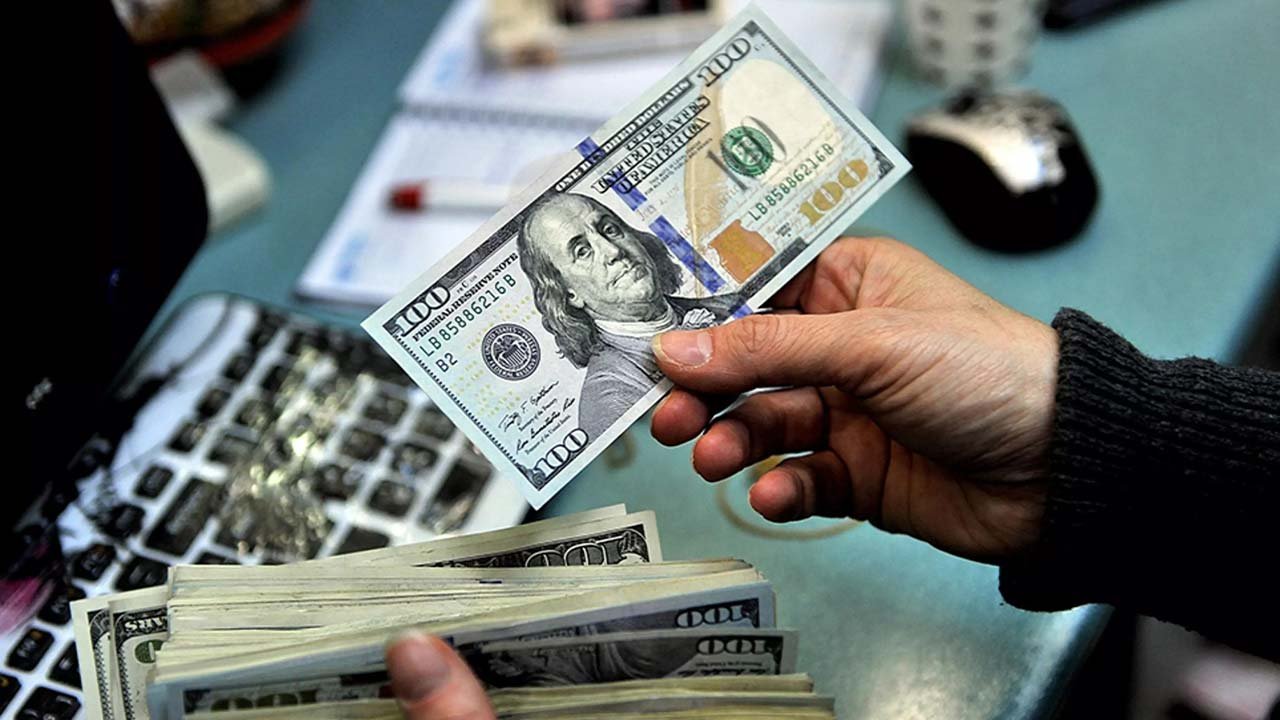
    According to data released by the State Bank of Pakistan (SBP), the rupee closed at Rs290.86, representing a noteworthy increase of Re0.9 in the inter-bank market. This sustained appreciation trend has seen the rupee make significant gains, amounting to 5.28 per cenr, or Rs16.24, since its record low of Rs307.1 against the US dollar on September 5 in the inter-bank market.

    In the previous week, the rupee experienced a further appreciation of 1.74 per cent, concluding positively for all five trading sessions and settling at Rs291.76 against the US dollar in the inter-bank market by the end of the week. Additionally, the rupee’s performance in the open market has strengthened, reducing the ‘premium’ to negligible levels and aligning with the benchmarks established by the International Monetary Fund (IMF).

    While several experts attribute the rupee’s recent gains to administrative and enforcement measures, some argue that these increases reflect the currency’s intrinsic value when speculative influences and negative sentiment are excluded.

  • Govt raises petrol price by Rs26.02 per litre, diesel by Rs17

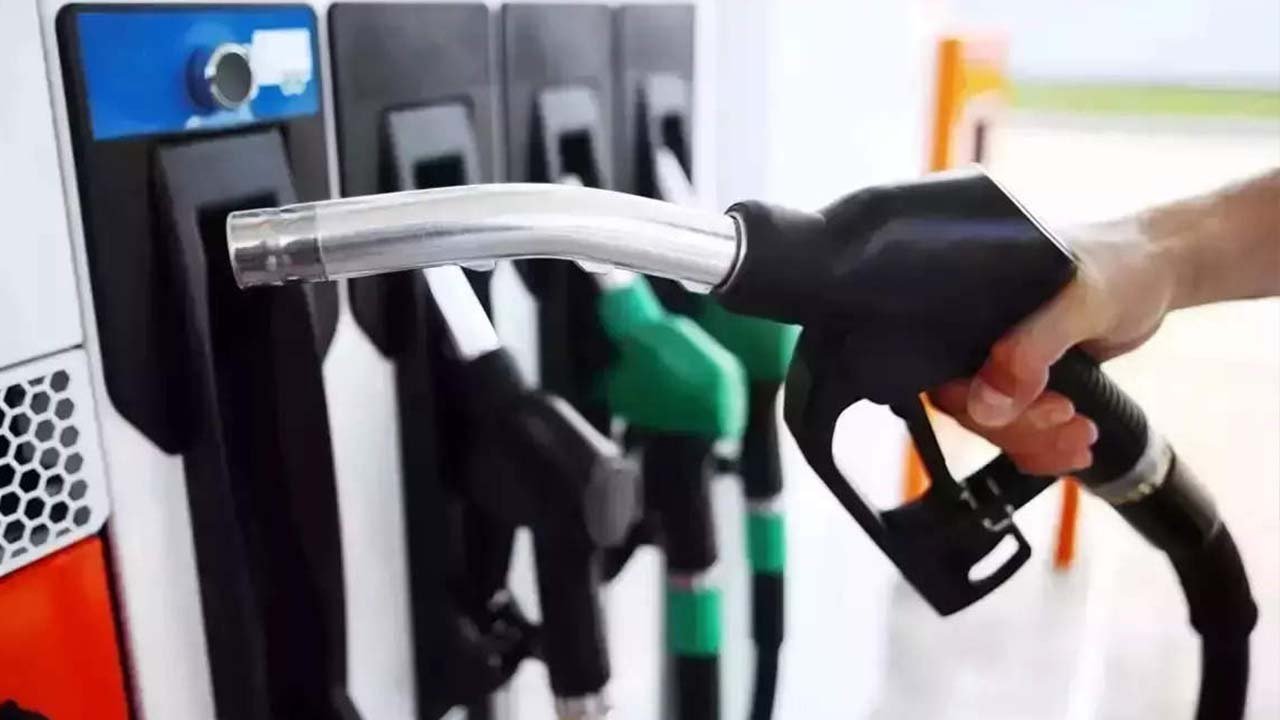
    On Friday night, the interim government implemented a significant adjustment in fuel prices. The cost of petrol rose by Rs26.02 per litre, reaching a new rate of Rs331.38 per litre, while high-speed diesel (HSD) saw an increase of Rs17.34 per litre, settling at Rs329.18 per litre.

    The Ministry of Finance made this announcement via a post on X (formerly known as Twitter) after midnight.

    This decision was driven by the continuous upward trajectory of petroleum prices in the global market. It’s important to note that there were no alterations made to the rates of kerosene or light diesel oil.

    This latest price surge closely follows a substantial hike on September 1, when the interim government elevated fuel prices by up to Rs18 per litre. This increase was preceded by similar adjustments made by the interim government on August 15.

    The rationale behind these price adjustments lies in adherence to existing tax structures and import parity prices. These changes were primarily necessitated by currency fluctuations and a slight uptick in international oil prices.

  • 7th straight win: Pakistani rupee gains 86 paisas, closes at Rs297.96 per US dollar

    7th straight win: Pakistani rupee gains 86 paisas, closes at Rs297.96 per US dollar

    The Pakistani Rupee (PKR) has extended its impressive winning streak against the US dollar for the seventh consecutive session, concluding at PKR 297.96 to the dollar. This marks a gain of 86 paisas when compared to the previous rate of Rs298.82 in the interbank foreign exchange market on Wednesday.

    The PKR’s recent surge follows its all-time low of PKR 307.10 on September 5, 2023. Within this short span, the Pakistani rupee has appreciated by PKR 9.14, equivalent to an impressive 3 percent increase in the interbank foreign exchange market.

    Following a concerted effort by authorities to suppress illicit black market activities in the major cities of Pakistan, the Pakistani rupee continued its upward trajectory against the US dollar, marking a substantial three-point gain in the open market on Thursday.

    The Exchange Companies Association of Pakistan (ECAP) reported a noteworthy recovery of the rupee, which surged to 298 in relation to the greenback, reflecting a significant increase.

    This crackdown on black market operators was initiated earlier in the month in response to a precipitous decline in the rupee’s value, hitting a record low of Rs333.7 on September 5. The impetus for this decisive action stemmed from appeals made to Chief of Army Staff (COAS) Gen. Asim Munir by currency dealers, beseeching him to intervene and stabilise the escalating value of the American currency.

    As a direct outcome of these concerted efforts, the Pakistani currency rebounded to a level below 300 per dollar in the open market earlier this week. This positive shift also saw a substantial influx of tens of millions of dollars back into the country’s interbank and open markets, according to reports from dealers.

  • UK job market: Rise in unemployment, but paychecks soar to new heights

    UK job market: Rise in unemployment, but paychecks soar to new heights

    The United Kingdom’s unemployment rate saw a slight increase to 4.3 per cent during the three months leading up to the end of July, as confirmed by official data released on Tuesday. This marks a marginal rise from the previous quarter’s 4.2 per cent unemployment rate, as reported by the Office for National Statistics (ONS).

    In the same period, average regular earnings, excluding bonuses, exhibited a remarkable annual growth rate of 7.8 per cent, a historic high since comparable records began in 2001, according to the ONS.

    In response to these figures, Finance Minister Jeremy Hunt emphasised the persistence of elevated wage growth, partly attributed to one-time payments to public sector employees. He stressed the importance of adhering to their plan to combat inflation to ensure sustainable real wage growth.

    Prime Minister Rishi Sunak had earlier expressed his intention to halve UK annual inflation, especially when it exceeded 10 per cent, as reported by AFP. However, the current inflation rate remains at 6.8 per cent, surpassing that of other G7 nations.

    The Capital Economics research group’s UK economist, Ashley Webb, observed a gradual relaxation in the labour market’s tightness during July. Nevertheless, the substantial wage growth noted is expected to raise concerns at the Bank of England, potentially leading to an anticipated interest rate hike from the current 5.25 per cent to a peak of 5.5 per cent at the upcoming regular policy meeting.

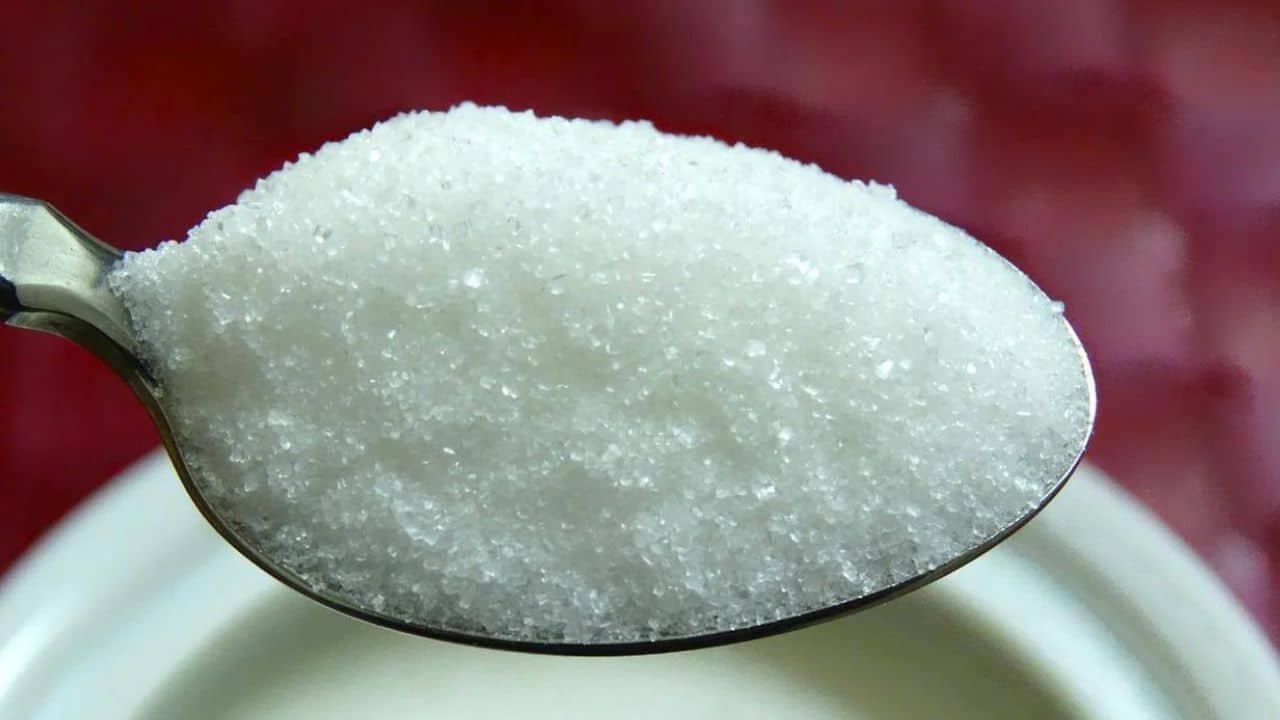
  • Sugar price expected to drop below Rs150 per kg

    Sugar price expected to drop below Rs150 per kg

    The Punjab caretaker government successfully resolved the issue of high sugar prices in the country through negotiations with sugar mill owners. 

    A delegation from the sugar mill owners met with Punjab Caretaker Chief Minister (CM) Mohsin Naqvi. Both sides agreed to start sugarcane crushing on October 28. 

    According to ARY, sugar mill owners agreed to sell sugar to the Punjab government at Rs140 per kilogramme, and the provincial government planned to distribute the sugar stocks through special stalls in model markets.

    CM Naqvi acknowledged the financial difficulties faced by citizens and promised to lower sugar prices to provide relief.

    Despite the commerce ministry denying any sugar shortages, prices had surged to over Rs200 per kilogramme in various cities across the country. 

    This led citizens in Quetta and Sukkur to buy sugar at Rs220 per kg, while Karachi markets sold it for Rs180 to Rs200 per kg. 

    Similarly, sugar prices rose to Rs195 to Rs200/kg in Lahore, Jhang, and Faisalabad.

    Previously, it was reported that sugar prices reached a record high of Rs220 per kg in Balochistan’s retail markets. 

    Authorities initiated an investigation into the price increase and tightened scrutiny on sugar mill owners and dealers in Lahore. The Punjab government planned to take action to reduce the soaring sugar prices.

  • Pakistani currency strengthens amid crackdown on smuggling

    Pakistani currency strengthens amid crackdown on smuggling

    The Pakistani rupee continued its upward trajectory against the US dollar, registering a 0.6 per cent appreciation in the inter-bank market on Monday.

    At precisely 2:15 pm, the rupee was quoted at Rs301.10, marking a notable increase of Rs1.85 within the inter-bank market.

    In the preceding week, the rupee exhibited a 0.83 per cent gain, concluding at 302.95 in its exchange rate against the US dollar within the inter-bank arena. However, this performance is only part of a larger narrative, as the gap between the inter-bank and open market rates underwent a substantial reduction.

    This shift occurred in conjunction with reported measures taken to combat smuggling and speculative activities, leading to a remarkable turnaround for the currency after it had reached a record low just the previous Tuesday.

    The State Bank of Pakistan’s (SBP) initiative to fortify controls over Exchange Companies, coupled with reports of the army chief’s intervention and the deployment of law-enforcement personnel at currency dealer outlets, played pivotal roles in the rupee’s resurgence.

  • SPI index surges to three-week high at 26.41%: Food and energy prices drive inflation

    SPI index surges to three-week high at 26.41%: Food and energy prices drive inflation

    The Sensitive Price Indicator (SPI) index recorded a notable surge, reaching 26.41 per cent for the week ending on September 7, 2023, marking a three-week high. This increase was primarily propelled by the persistent rise in food and energy prices when compared to the same week in the previous year, putting added strain on households’ purchasing power and disposable income.

    Within this week, data from the Pakistan Bureau of Statistics (PBS) revealed that out of 51 items, 32 (62.75 per cent) experienced price increases, 5 (9.80 per cent) saw decreases, while 14 (27.45 per cent) remained unchanged, in contrast to the previous week.

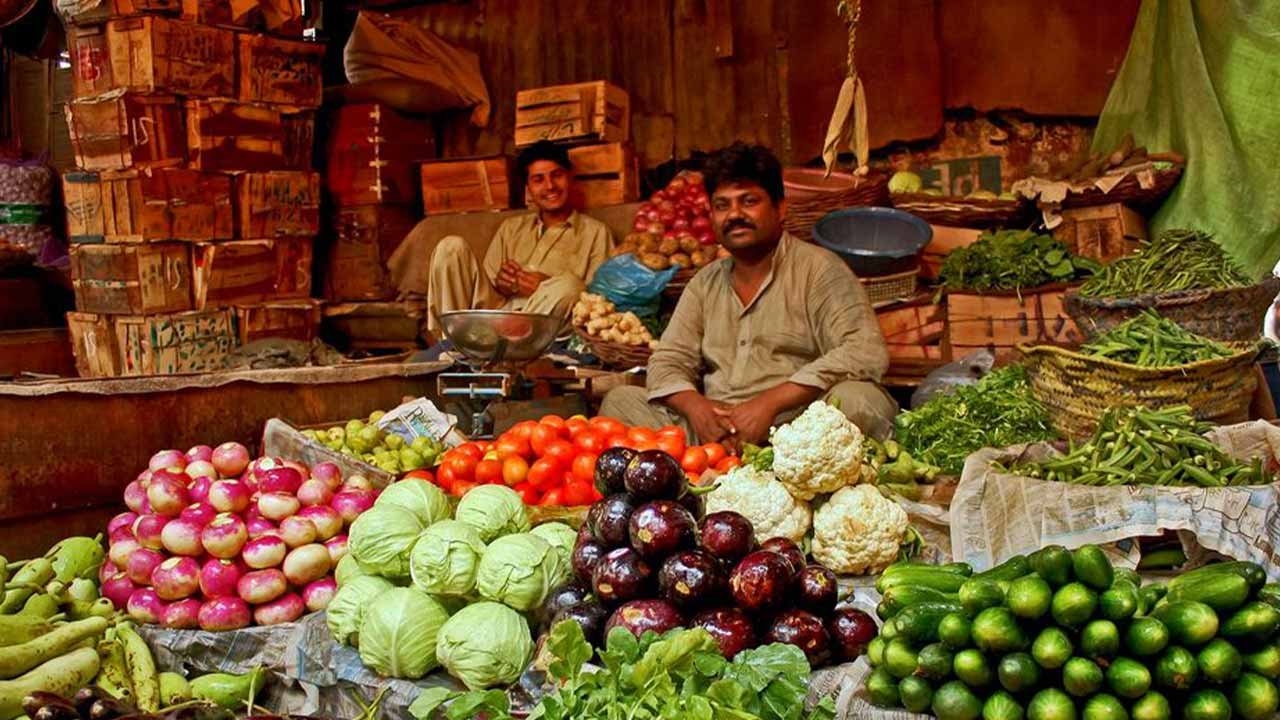
    Food items saw significant price hikes, including a 17 per cent increase in tomato prices, a 10.87 per cent uptick in pulse masoor prices, a 6.73 per cent rise in sugar prices, a 4.66 per cent surge in garlic prices, and a 3.62 per cent uptick in gur prices. Pulse moong prices rose by 3.55 per cent, onions by 3.43 per cent, and pulse gram by 3.25 per cent. Among non-food items, diesel prices soared by 6.28 per cent, LPG (liquefied petroleum gas) increased by 5.19 per cent, and petrol prices rose by 5.12 per cent.

    Conversely, there was a decline in the prices of certain items, including chicken by 3.20 per cent, 5-liter cooking oil by 1.03 per cent, 2.5 kg vegetable ghee by 0.47 per cent, Lipton tea by 0.43 per cent, and 1 kg vegetable ghee by 0.14 per cent, compared to the previous week.

    Looking at the bigger picture, the Consumer Price Index (CPI) revealed that monthly inflation has remained persistently high, averaging 27.8 per cent in the first two months (Jul-Aug) of the current fiscal year 2023-24. This was primarily attributed to recent rupee depreciation, imported inflation, and the continuous ascent of power and petroleum product prices.

    It is anticipated that September’s monthly inflation reading will reach its peak, with experts also suggesting the possibility of the government raising gas prices, further exacerbating inflationary pressures on the economy.

    To combat inflation, the Pakistan central bank is expected to raise its key policy rate by 1.5 to 2 percentage points during its upcoming Monetary Policy Committee (MPC) meeting on September 14. The current policy rate stands at a record high of 22 per cent.

    Topline Research highlighted significant developments since the last MPC meeting on July 31, 2023, including Pakistan posting a current account deficit of $809 million in July after four consecutive months of current account surplus. 

    Additionally, local fuel prices have increased by around 19 per cent, international oil prices in US dollars have risen by 6 per cent, and the rupee has depreciated by 6 per cent against the US dollar. These factors are expected to weigh heavily on the central bank committee’s decision during the upcoming MPC meeting.
  • Open market: PKR gains Rs30 against US dollar in just four days

    Open market: PKR gains Rs30 against US dollar in just four days

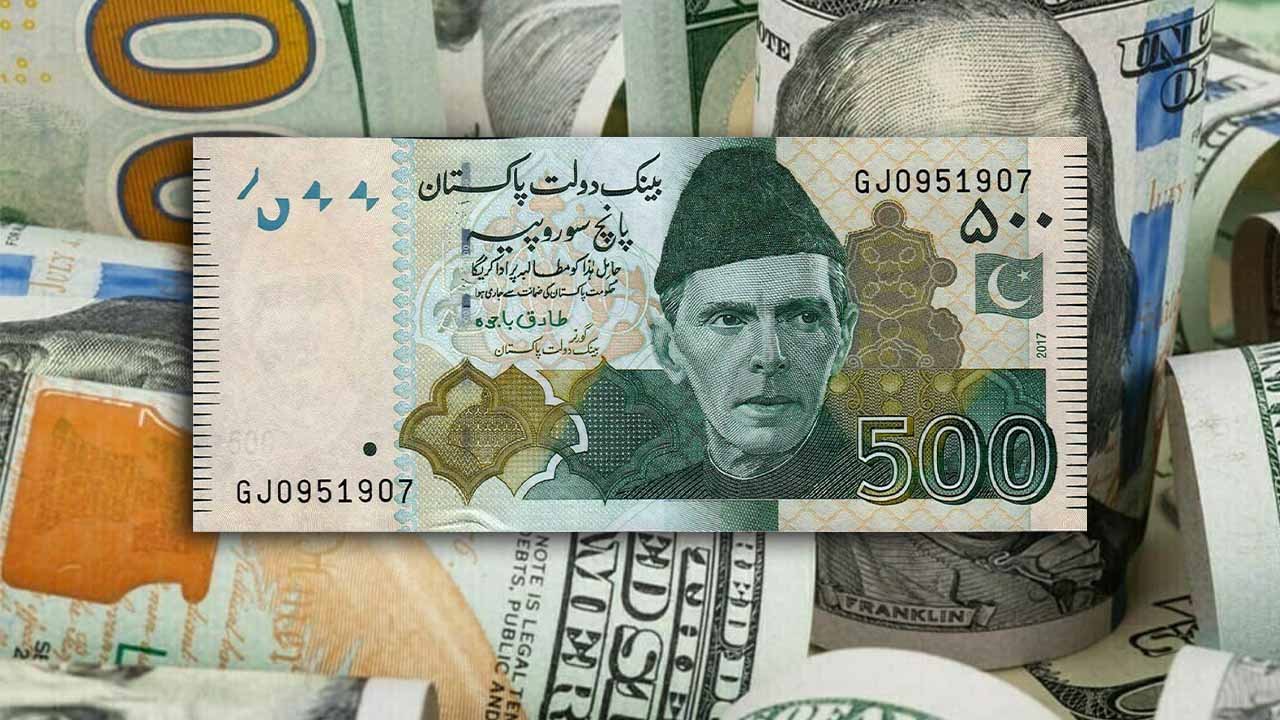
    The Pakistani rupee (PKR) has shown remarkable strength, appreciating by 4 rupees against the US dollar (USD) in the open market, with current quotes at 301/305 around noon. In just four days, the PKR gained an impressive 30 rupees (9.97 per cent), moving from PKR 331 to PKR 301 against the USD.

    Simultaneously, in the interbank market, PKR appreciated by 2 rupees in today’s session, quoted at 302.74/302.84, following a similar gain in the previous interbank session, reducing the gap between the interbank and open market to 0.57 per cent.

    This surge in the local currency is attributed to reforms by the State Bank of Pakistan (SBP) in the exchange companies sector. These reforms aim to consolidate exchange companies into a single category with a well-defined mandate and higher capital requirements, also encouraging banks to establish wholly owned exchange companies.

    An ongoing crackdown against speculators, hoarders, and smugglers has further boosted sentiment, reducing the disparity between the open market and interbank rates below the IMF’s recommended threshold.

    The black market for Hawala/Hundi has also seen a significant decline in dollar rates. Previously, rising demand for dollars due to speculation and smuggling had widened the gap between open market and interbank rates, exceeding IMF recommendations.

    The government’s initiatives effectively curb speculative activities in the open market without interbank intervention. Further improvements are expected if similar measures are taken against gold smuggling, as individuals may opt for smuggled gold investments in the absence of dollar access.

  • ECC approves margin hike for petroleum dealers and OMCs starting September 15

    ECC approves margin hike for petroleum dealers and OMCs starting September 15

    The Economic Coordination Committee (ECC) of the Cabinet, in a significant move, has given its nod to incrementally raise the margins of petroleum dealers and oil marketing companies (OMCs) starting from September 15. This decision followed a detailed review of a proposal submitted by the Ministry of Energy (Petroleum Division).

    The ECC’s decision entails an enhancement of the margins for petroleum dealers handling Motor Spirit (MS) and High-Speed Diesel (HSD) by Rs1.64 per litre. This increment will be implemented through four fortnightly installments of Rs0.41 per litre, effective from September 15, 2023.

    Furthermore, OMCs will also see their margins on MS and HSD increase by Rs1.87 per litre. This increment will likewise be phased in over four installments, each amounting to Rs0.47 per litre, also commencing on September 15, 2023.

    To ensure transparency and efficiency in determining these margins, the ECC has entrusted the responsibility to the Oil and Gas Regulatory Authority (Ogra). Ogra is expected to develop a systematic mechanism for margin calculation, taking into account the operational costs incurred by OMCs and dealers, with specific reference to Pakistan State Oil (PSO).

    In a separate development, the ECC meeting addressed the financial challenges faced by Pakistan International Airlines (PIA). The national carrier had requested a provision of Rs22.9 billion, as well as the deferment of Rs1.3 billion per month to the Federal Bureau of Revenue (FBR), along with loans and markup amounts until the finalization of the restructuring plan.

    However, the ECC decided to reject PIA’s request. It was also agreed upon that the Finance Division and the State Bank of Pakistan would extend their support to PIA once a concrete restructuring plan is developed and submitted to the committee’s satisfaction.

    Additionally, the ECC approved a Technical Supplementary Grant of Rs40 billion to fund various pre-approved projects for defense services and to cover subsidies and miscellaneous expenditures during the fiscal year 2023-24. This funding will be disbursed on a case-by-case basis, aligning with the current budgetary provisions.

    According to The News, The ECC’s decisions reflect the government’s commitment to addressing the financial dynamics of the petroleum sector and the ongoing restructuring efforts within PIA, while maintaining fiscal prudence in budget allocations.

    This latest development is expected to have a significant impact on the energy sector and the national carrier, as stakeholders closely monitor the implementation of the ECC’s decisions in the coming fortnights.

  • Rising debt levels: Pakistan’s national debt surpasses Rs61 trillion

    Rising debt levels: Pakistan’s national debt surpasses Rs61 trillion

    The federal government has witnessed a substantial increase in its total debt, which has surged to nearly Rs62 trillion. This significant escalation is primarily attributed to the government’s strategic borrowing from both domestic and foreign sources, a measure aimed at covering the fiscal deficit.

    According to The News, data from the State Bank of Pakistan (SBP) reveals that as of July 2023, the total debt of the government stands at Rs61.75 trillion. This figure reflects a substantial year-on-year increase of 22.11 per cent, compared to Rs50.57 trillion recorded in July 2022. Furthermore, on a month-on-month basis, the government’s debt exhibited a 1.49 per cent increase from Rs60.84 trillion in June 2023.

    The surge in the debt burden can be predominantly attributed to the government’s reliance on domestic and foreign borrowing mechanisms to address fiscal deficits.

    Breaking down the composition of the debt, data from the central bank highlights that a significant portion of Rs39.02 trillion is domestically sourced, representing a notable year-on-year growth of 24.08 per cent. This domestic debt comprises Rs29.59 trillion in long-term debt and Rs9.29 trillion in short-term debt. The remaining Rs22.73 trillion is external in nature.

    By the close of July 2023, the government’s long-term debt had escalated by 24.44 per cent year-on-year to Rs29.59 trillion when compared to the figure of Rs23.78 trillion recorded in the same period a year earlier. In parallel, short-term debt exhibited a substantial year-on-year increase of 27.14 per cent as opposed to Rs7.31 trillion in July 2022.