Tag: economic outlook

  • Pakistan’s October inflation eases to 26.9%

    Pakistan’s October inflation eases to 26.9%

    In October, Pakistan witnessed a year-on-year headline inflation rate of 26.9 per cent, as reported by the Pakistan Bureau of Statistics (PBS) on Wednesday.  

    This figure represents a notable decrease from the previous month’s reading of 31.4 per cent in September. Additionally, the month-on-month inflation rate for October showed a 1.1 per cent increase. 

    When considering the average inflation from July to October, it amounted to 28.48 per cent, a contrast to the 25.48 per cent recorded during the same period the previous year. 

    In its most recent ‘Monthly Economic Update and Outlook’ report, the Ministry of Finance projected that consumer price index (CPI)-based inflation in Pakistan for October would fall within the range of 27 per cent to 29 per cent.  

    The ministry anticipated that inflation would exhibit a more contained trend compared to the elevated levels observed during the first quarter of fiscal year 2024. 

    The Pakistan Bureau of Statistics further distinguished between urban and rural inflation rates. In urban areas, the year-on-year CPI inflation increased to 25.5 per cent in October 2023, marking a decline from the 29.7 per cent observed in the previous month and the 24.6 per cent recorded in October 2022.  

    On a month-on-month basis, urban inflation experienced a 1.1 per cent increase in October 2023, compared to a 1.7 per cent increase in the previous month and a 4.5 per cent increase in October 2022. 

    Similarly, in rural areas, the year-on-year CPI inflation rose to 28.9 per cent in October 2023, which represented a decrease from the 33.9 per cent recorded in the previous month and the 29.5 per cent in October 2022.  

    On a month-on-month basis, rural inflation increased by 1.1 per cent in October 2023, in contrast to a 2.5 per cent increase in the previous month and a 5.0 per cent increase in October 2022. 

  • State Bank of Pakistan maintains 22% policy rate in line with market consensus

    State Bank of Pakistan maintains 22% policy rate in line with market consensus

    Following the consensus in the broader market, the Monetary Policy Committee (MPC) of the State Bank of Pakistan (SBP) announced on Monday that it would maintain the key policy rate at 22 per cent, as stated in their press release.

    The Committee recognised that headline inflation, as expected, increased in September 2023 but anticipates a decline in October, followed by a sustained decrease, particularly in the latter half of the fiscal year.

    While the MPC acknowledged potential risks to the FY24 inflation outlook and the current account due to recent global oil price volatility and forthcoming gas tariff increases in November 2023, they also identified mitigating factors.

    These factors include targeted fiscal consolidation in the first quarter, enhanced availability of crucial commodities in the market, and the alignment of interbank and open market exchange rates.

    The MPC emphasised that the real policy rate, looking forward over a 12-month horizon, remains significantly positive.

    This is deemed appropriate to achieve the medium-term inflation target of 5-7 per cent by the end of FY25, contingent upon the sustained fiscal consolidation and timely realisation of planned external inflows, as articulated in the MPC statement.

  • SBP Governor confirms Pakistan’s strong position to achieve IMF targets 

    SBP Governor confirms Pakistan’s strong position to achieve IMF targets 

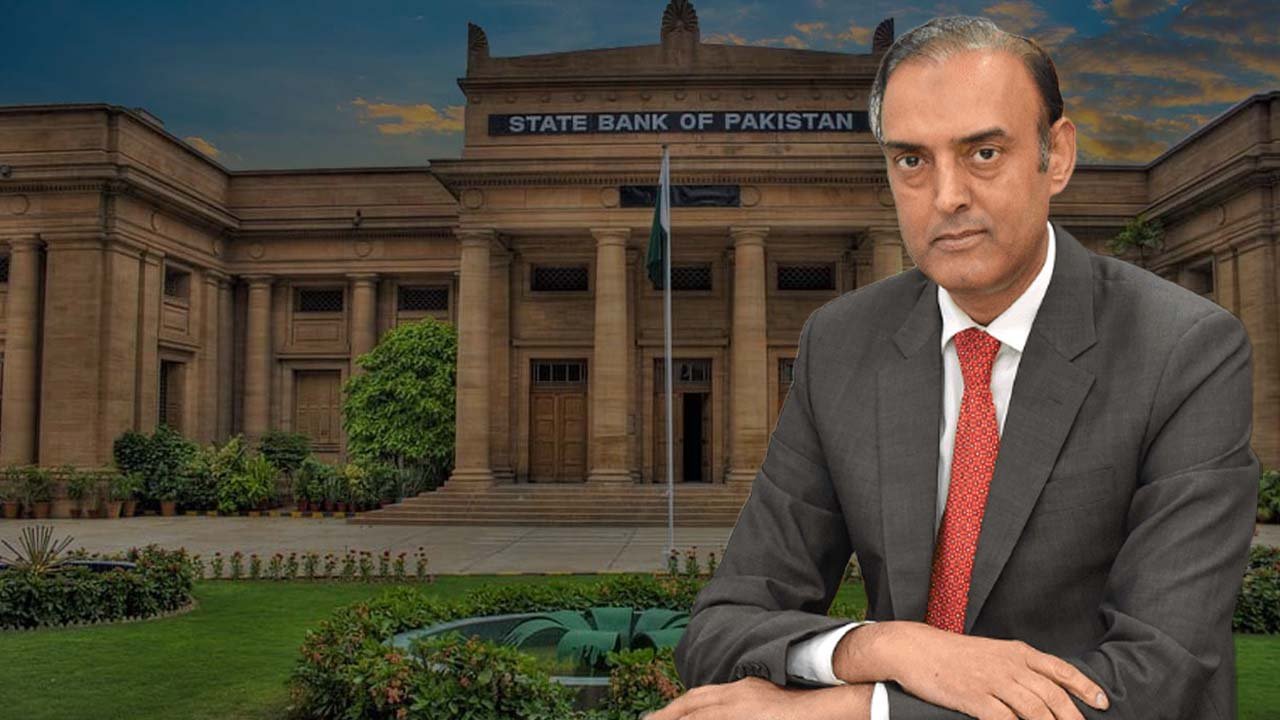
    The Governor of the State Bank of Pakistan (SBP), Jameel Ahmad, provided a reassuring update to investors on Friday, affirming that the nation is well-positioned to meet the International Monetary Fund’s (IMF) end-September targets for net international reserves and net domestic assets. 

    Ahmad said that Pakistan is “very comfortably” placed to meet IMF targets. 

    This declaration was made by Governor SBP during a meeting with prominent international investors held on the sidelines of the IMF-World Bank gatherings in Marrakech, Morocco.  

    The meeting was organised by prominent global banks such as Barclays, JP Morgan, Standard Bank, and Jefferies. 

    According to an official press release from the central bank, investors were apprised of recent macroeconomic developments, the government’s response to prevailing challenges, and the economic outlook of Pakistan and were provided with the opportunity to seek clarification on these matters. 

    Governor Ahmad informed investors that the current policy framework is strategically oriented towards achieving stability by addressing prevailing macroeconomic imbalances. 

    He highlighted that the SBP had taken early measures to tighten monetary policy in response to escalating global inflation. 

    Nevertheless, certain domestic obstacles, such as the 2022 floods, had complicated the SBP’s efforts to combat inflation. 

    The governor noted that these stabilisation measures have begun to yield positive outcomes. Inflation, after reaching a peak of 38.0 per cent in May 2023, decreased to 31.4 per cent in September 2023 and is anticipated to continue on a downward trajectory in the coming months. 

    Furthermore, Pakistan’s external account has exhibited substantial improvements, with foreign exchange reserves being steadily replenished. 

    Governor Ahmad expressed confidence that inflation would significantly decrease in the latter half of the fiscal year. 

    He emphasised that the stand-by arrangement with the IMF is anticipated to provide essential support for ongoing economic stabilisation efforts. 

    In addition, he reported that foreign exchange reserves have improved considerably, marked by an increase from a low of $3.1 billion in January 2023 to $7.6 billion at the end of September 2023. 

    This reserve enhancement was largely bolstered by non-debt-creating inflows amid favourable market conditions. 

    According to Geo, the Governor further revealed that the SBP has successfully met the forward book target of $4.2 billion for end-September 2023, as agreed with the IMF, with a substantial surplus. 

    Likewise, the SBP is confidently poised to fulfil other end-September IMF targets, including net international reserves (NIR) and net domestic assets (NDA). 

    Concluding his statement to investors, Governor Ahmad conveyed that Pakistan is diligently addressing long-standing structural deficiencies.  

    He expressed optimism that, with the support of both multilateral and bilateral partners, the nation is on course to achieve sustainable and inclusive economic growth in the medium term. 

  • Govt hints at major taxation system overhaul in economic revival drive

    Govt hints at major taxation system overhaul in economic revival drive

    The federal government is contemplating significant changes to the tax structure in its economic revitalisation plan, with a particular focus on sectors like retail, agriculture, and real estate. Additionally, the plan includes the introduction of a wealth tax on movable assets. These proposed revisions were outlined in the Ministry of Finance’s September 2023 Economic Update and Outlook report. 

    Underpinning the economic recovery efforts are strategies aimed at enhancing revenue, which include not only tax adjustments but also the restriction of tax exemptions to essential sectors such as food and medicine. To streamline government expenses, the plan also incorporates austerity measures and a review of subsidies and grants. 

    Furthermore, the government is set to scrutinise the development plan and promote public-private partnership (PPP) initiatives. Compliance with quarterly budget targets and agreements with the International Monetary Fund (IMF), encompassing aspects like tax collection and debt management, will be a priority. 

    The plan adopts a 5Es framework—exports, equity, empowerment, environment, and energy—to address socio-economic challenges and stimulate export growth and business facilitation. The digitization of the economy and an expanded tax base through information technology are also on the agenda. 

    According to Business Recorder, state-owned enterprise (SOE) reforms, including the enactment of an SOE policy, are part of the plan. It involves the establishment of a Central Monitoring Unit (CMU) and the preparation of SOE performance reports. The implementation of a Treasury single account (TSA), remittance incentives, energy conservation, and price controls are among the planned actions. 

    Additionally, the Privatisation Commission aims to privatise select public sector enterprises through various methods, including assessing privatisation options for distribution companies (DISCOs) and restructuring options for PIA-CL while conducting unbundling studies for SNGPL and SNGPL. 

    To bolster non-bank finance and promote the capital market, corporate taxes will be reduced. Short-term measures for export enhancement include the implementation of the Weighted Average Cost of Gas (WACOG), the operationalization of the EXIM bank, and expedited sales tax refund processes. 

    Business facilitation and investment promotion will be addressed by the Board of Investment, with initiatives like the Asaan Karobar plan, which involves the establishment of a central e-registry and the development of the Pakistan Business Portal. 

    The plan also outlines measures to boost IT exports, stimulate telecommunications growth with a focus on 5G technology, and revitalise the maritime, railway, and highway sectors. Price reforms, attracting foreign investment, and combating theft are key objectives in the energy sector. 

    Recent administrative actions have already begun to yield positive results in curbing illegal activities in the foreign exchange market and improving the availability of essential food items. The outlook for inflation has improved, albeit with ongoing concerns related to international oil prices and energy costs. 

    On the fiscal front, the fiscal deficit has remained stable, while the primary balance surplus has improved. Notably, federal revenues have seen significant growth, driven by higher non-tax collections and import-related taxes. Reductions in non-markup spending have contributed to this positive fiscal development. 

    The current account deficit has narrowed, primarily due to improvements in the trade balance. Overall, the government’s strategic measures, coupled with prudent economic policies, are expected to attract new investments and stimulate economic growth for fiscal year 2024 and beyond, following the initial steps towards recovery at the beginning of FY2024. 
  • Things will get more expensive amidst soaring petroleum prices: Finance Ministry

    Things will get more expensive amidst soaring petroleum prices: Finance Ministry

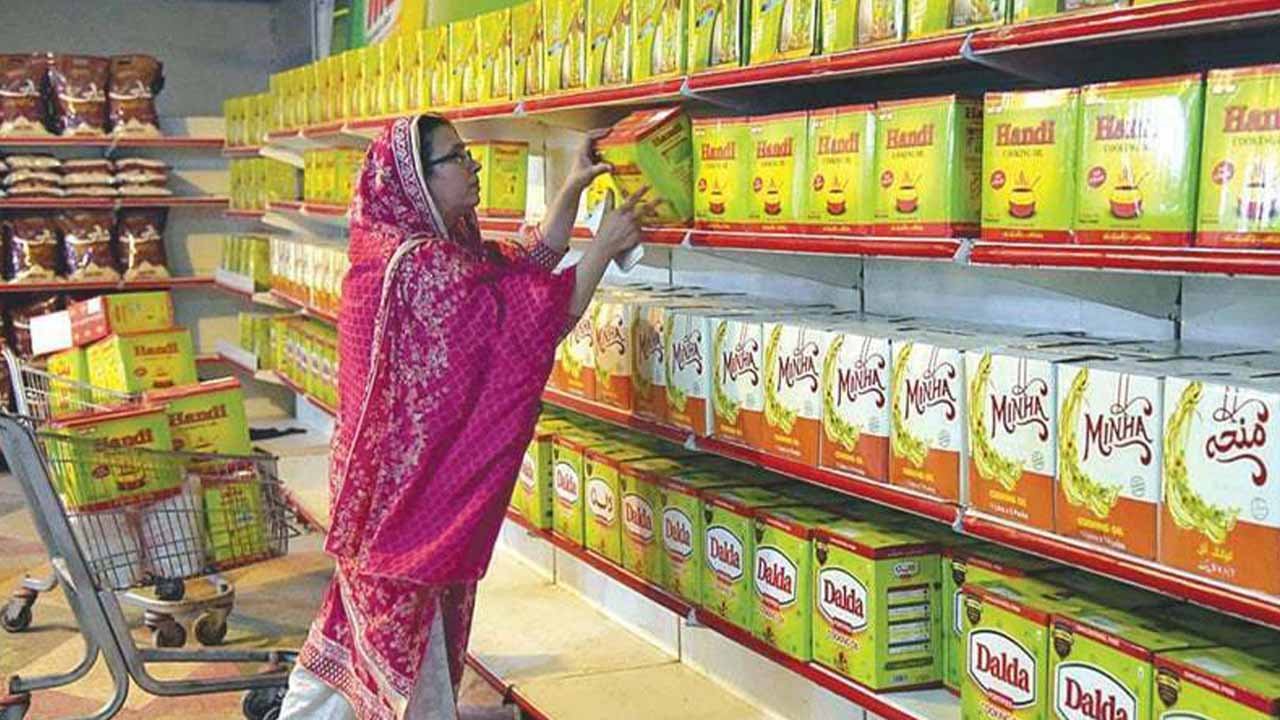
    Due to the persistent escalation in energy and petroleum prices, it is anticipated that inflation will maintain its elevated trajectory in the months ahead.

    In its latest monthly economic update, the Ministry of Finance has presented a forecast indicating that inflation is poised to remain at an elevated level during the upcoming months. The report projects inflation to fall within the range of 29 per cent to 31 per cent for the month of September 2023, primarily attributing this surge to the notable uptick in prices of petroleum products and electricity.

    Furthermore, the report identifies several contributing factors to this inflationary pressure, including the possibility of surging transportation costs, a dearth of essential services and commodities, and the depreciation of the dollar, which has had a mitigating effect on imported inflation.

    In response to these challenges, the finance ministry has implemented rigorous measures to combat illegal currency exchanges and stockpiling activities while actively working to stabilise the exchange rate.

    The report also highlights a global trend of decreasing food grain prices, albeit with notable exceptions such as rice and sugar, whose prices have surged due to the ongoing conflict between Russia and Ukraine.

  • Pakistani rupee settles at Rs290.86 against US dollar, marking 14th consecutive gain

    Pakistani rupee settles at Rs290.86 against US dollar, marking 14th consecutive gain

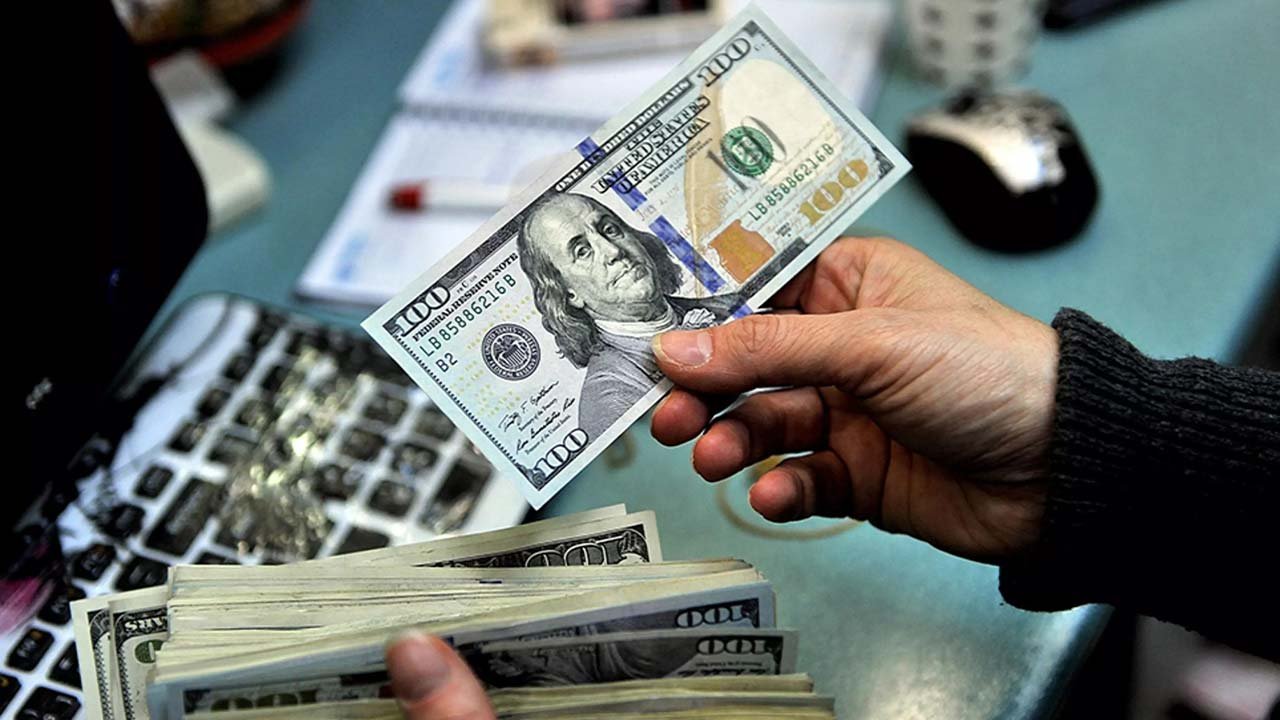
    In continuation of its recent positive streak, the Pakistani rupee extended its upward trajectory against the US dollar for the 14th consecutive session, marking a gain of 0.31 per cent in the interbank market on Monday.

    According to data released by the State Bank of Pakistan (SBP), the rupee closed at Rs290.86, representing a noteworthy increase of Re0.9 in the inter-bank market. This sustained appreciation trend has seen the rupee make significant gains, amounting to 5.28 per cenr, or Rs16.24, since its record low of Rs307.1 against the US dollar on September 5 in the inter-bank market.

    In the previous week, the rupee experienced a further appreciation of 1.74 per cent, concluding positively for all five trading sessions and settling at Rs291.76 against the US dollar in the inter-bank market by the end of the week. Additionally, the rupee’s performance in the open market has strengthened, reducing the ‘premium’ to negligible levels and aligning with the benchmarks established by the International Monetary Fund (IMF).

    While several experts attribute the rupee’s recent gains to administrative and enforcement measures, some argue that these increases reflect the currency’s intrinsic value when speculative influences and negative sentiment are excluded.

  • Dramatic drop: Pakistan Stock Exchange crashes over 1,700 points amid economic concerns

    Dramatic drop: Pakistan Stock Exchange crashes over 1,700 points amid economic concerns

    On Thursday, the Pakistan Stock Exchange (PSX) encountered a challenging session as the primary index witnessed a substantial decline of 3.86 per cent, reflecting a loss of 1,784 points by 2:53 pm. This notable downturn was attributed to growing concerns pertaining to the nation’s economic landscape.

    Investors were worried about the rupee losing value against the dollar. This concern led them to sell off their shares, fearing that the economy could face trouble ahead.

    Right from the start of the trading day, the KSE-100 index saw a big fall of over 1,100 points, taking it below the 46,000 mark. Unfortunately, the index couldn’t bounce back due to low investor confidence.

    By 2:14 PM, the PSX had fallen to 45,139.34 points, a drop of 1,105.21 points compared to the previous day’s close of 46,244.55 points.

    Investors are also keeping an eye on the rupee’s decline, especially since the International Monetary Fund (IMF) won’t review the situation for a few more months. Additionally, there’s uncertainty about investments from the Gulf Cooperation Council (GCC).

    If the market keeps falling, some buyers might return, as the index is currently down 8 per cent from its recent high. But a real recovery would need clear information about politics and the economy.

    According to experts, the PSX is under pressure due to the rupee’s continuous slide.

    This could cause inflation to rise, which could affect the next Monetary Policy Committee (MPC) meeting in September. During that meeting, the central bank might consider raising interest rates again.

    The financial market is worried about public protests against higher power tariffs. If the government tries to please the public with short-term measures, it could complicate talks with the IMF.

    This report serves as an intraday update on the developments in the Pakistan Stock Exchange as of 2:53 pm.

  • Gold price reaches Rs234,000 per tola, nearing new record high

    Gold price reaches Rs234,000 per tola, nearing new record high

    Gold prices in Pakistan continued to rise on Tuesday, influenced by the Pakistani rupee’s decline against the US dollar and an uptick in global prices. 

    According to the All Pakistan Gems and Jewellers Sarafa Association, the cost of 24-carat gold settled at Rs234,500 per tola, marking a substantial increase of Rs4,600. Similarly, the price of 10 grammes of gold rose by Rs3,944 to reach Rs201,046.

    It is expected that the price of gold might reach unprecedented levels due to the relentless and rapid decline of local currency against the greenback.

    The movement of gold prices in Pakistan closely follows the path of the US dollar due to the country’s reliance on gold imports. 

    The Pakistani rupee saw a notable decrease, falling to a new all-time low against the US dollar. It ended at Rs299.01 rupees per dollar, reflecting a decline of Rs1.88, as reported by the State Bank of Pakistan.

    Currency experts attribute the surge in gold prices to the recent depreciation of the rupee. 

    With growing concerns about the country’s economic situation, investors are turning to gold as a safe-haven asset. This shift has resulted in a significant increase of Rs12,700 per tola in just one week.

    Read more: PKR to USD rate

    Notably, the hike in gold prices coincided with political turmoil and a decrease in the local currency’s value, leading to an all-time high valuation of Rs240,000 per tola on May 10, 2023. On the international front, the price of gold saw a $10 increase, reaching $1,901 per ounce on Tuesday.

  • PM Shehbaz urges IMF to release stalled funds, assures compliance with conditions

    PM Shehbaz urges IMF to release stalled funds, assures compliance with conditions

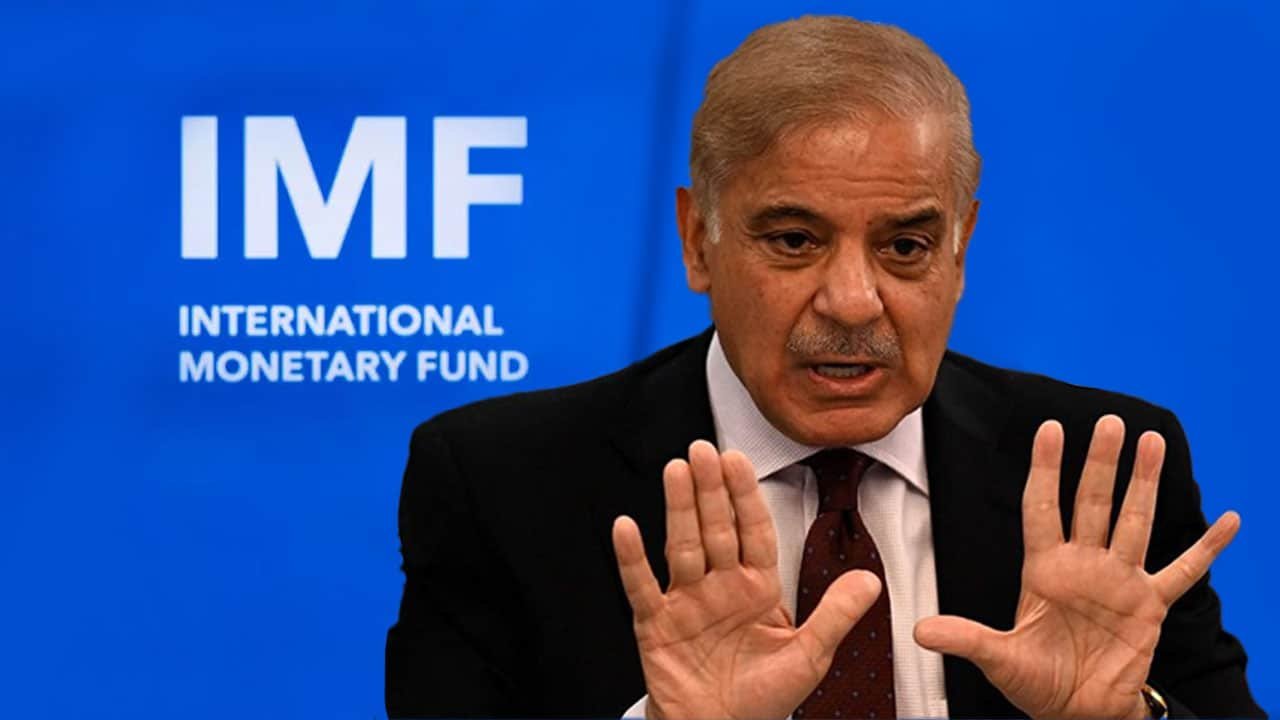
    On Thursday, Prime Minister (PM) Shehbaz Sharif had a meeting with Kristalina Georgieva, the Managing Director of the International Monetary Fund (IMF), where he urged the lender to release the stalled funds for Pakistan. He assured the IMF of Pakistan’s compliance with all the conditions set by the lender.

    The meeting took place during the Summit for a New Global Financial Pact held in Paris, emphasising Pakistan’s commitment to fulfilling its promises.

    During the meeting, the two leaders discussed the ongoing programmes and cooperation between Pakistan and the IMF. The prime minister briefed Georgieva on Pakistan’s economic outlook, highlighting the government’s efforts for economic growth and stability.

    He emphasised that all the necessary actions for the 9th review under the Extended Fund Facility (EFF) had been completed, and Pakistan was fully dedicated to meeting its obligations as agreed with the IMF.

    The prime minister expressed his hope for the timely release of the funds allocated under the EFF, as it would contribute to Pakistan’s ongoing efforts in economic stabilisation and provide relief to the people.

    Georgieva shared the IMF’s perspective on the ongoing review process and acknowledged the meeting as an opportunity to assess the progress made in that context.

    It is crucial to note that Pakistan’s currency reserves are currently sufficient to cover only one month’s worth of imports. The country had expected $1.1 billion of the funds to be released in November, but the IMF has imposed certain conditions before making further disbursements.

    With only one IMF board review remaining before the end of the $6.5 billion EFF programme, Pakistan is expected to present a budget aligned with the programme objectives, restore proper functioning of the foreign exchange market, and bridge the $6 billion gap before the board review.