Tag: Economic Policy

  • Petroleum minister confirms gas prices will remain unchanged, highlights falling inflation

    Petroleum minister confirms gas prices will remain unchanged, highlights falling inflation

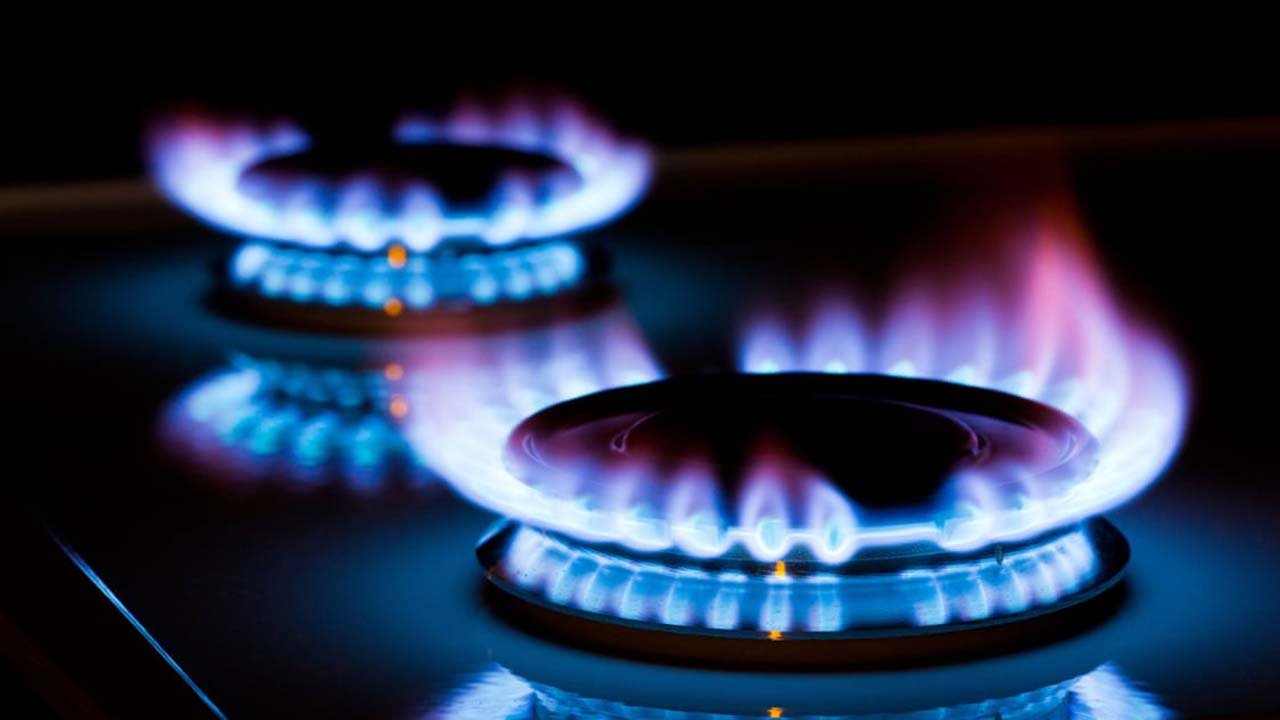
    In a recent press conference, Minister for Petroleum Musadik Malik announced that the federal government has decided to keep gas tariffs unchanged. He confirmed that consumers will not experience any increase in gas prices.

    Malik highlighted that the government’s economic policies are beginning to yield positive results. He reported a substantial reduction in food inflation, which has decreased from 48 per cent to just 2 per cent.

    Overall inflation has also dropped significantly, falling from 38 per cent to 12 per cent, with a continued downward trend anticipated. Malik stated that all economic indicators suggest the country is moving towards greater stability.

    The minister emphasised that the government’s primary objectives are to alleviate poverty, control inflation, and create job opportunities for the youth. He revealed that Prime Minister allocated Rs600 billion in the current federal budget to support the underprivileged.

    Development projects are being prioritised, particularly in underserved areas, to generate local employment. Additionally, Rs50 billion has been earmarked to protect 86 per cent of electricity consumers for the upcoming three months.

    Malik reiterated the government’s commitment to providing further relief to the public by enhancing healthcare facilities, digitising the Federal Board of Revenue (FBR), and pursuing the privatisation of state-owned enterprises.

    Criticising the previous Pakistan Tehreek-e-Insaf (PTI) administration, Malik accused them of distributing $4 billion to the wealthiest individuals during their tenure. He also addressed the issue of terrorism, asserting that while the government is working to combat it, opposition parties are criticising these efforts.

    The minister expressed disappointment with the opposition’s approach, which he described as destructive and confrontational. He specifically criticised the Sunni Ittehad Council (SIC) for its negative campaign against state institutions and its focus on sit-ins without offering viable solutions.

    Furthermore, Malik accused PTI leaders of inconsistency, recalling that they previously claimed their government was overthrown by the US, yet they are now seeking assistance from the same country.
  • SBP gears up for monetary policy meeting amid rate cut speculations

    SBP gears up for monetary policy meeting amid rate cut speculations

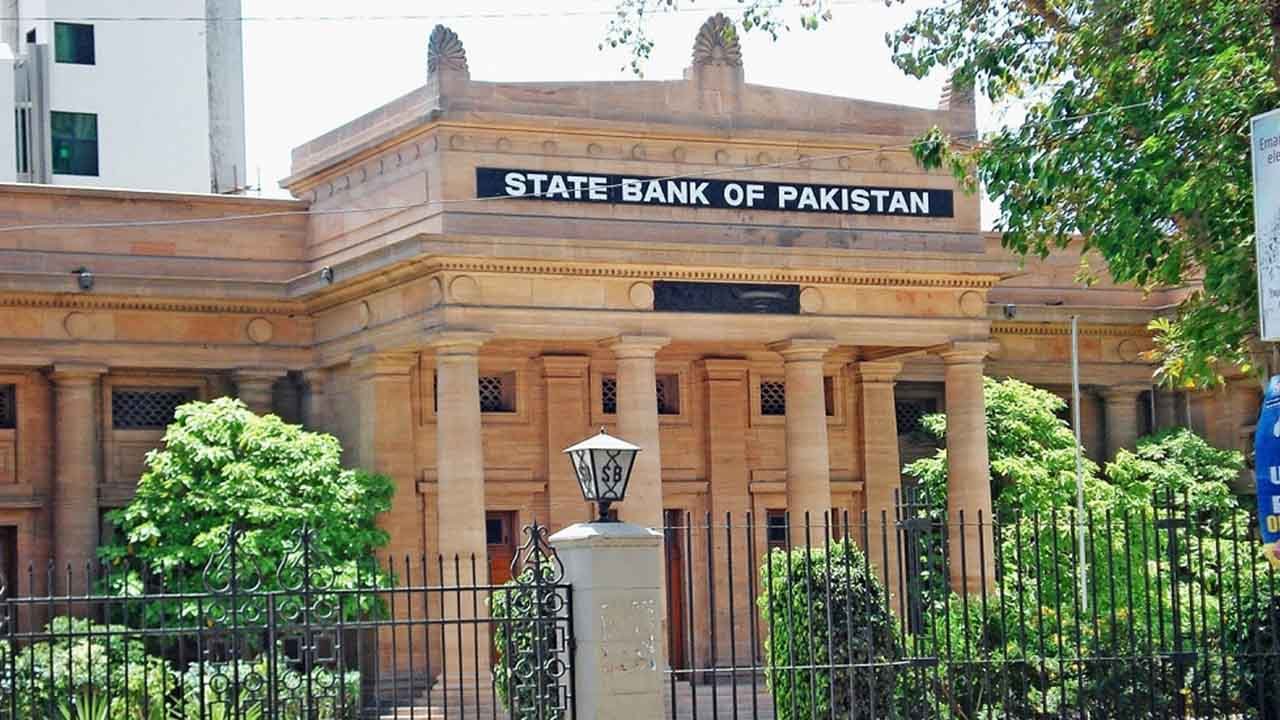
    The State Bank of Pakistan (SBP) has scheduled a meeting of its Monetary Policy Committee (MPC) for Monday, March 18, 2024, to deliberate on the nation’s monetary policy, as announced by the central bank on Friday.

    The SBP intends to release the Monetary Policy Statement on the same day, providing insights into its decision-making process.

    Anticipation looms as a prominent brokerage house foresees a noteworthy chance of the SBP reducing the key policy rate by 100 basis points (bps).

    Currently, the key policy rate stands at a historic high of 22 per cent.

    Arif Habib Limited (AHL) outlined in its recent report the likelihood of the SBP initiating a 100-bps cut in the upcoming policy, potentially marking the commencement of an interest rate reversal cycle.

    Despite Pakistan witnessing a decrease in headline inflation to 23.1 per cent year-on-year in February, as reported by the Pakistan Bureau of Statistics (PBS), down from 28.3 per cent in January, there are calls for cautious action.

  • Petrol and diesel prices predicted to rise in February

    Petrol and diesel prices predicted to rise in February

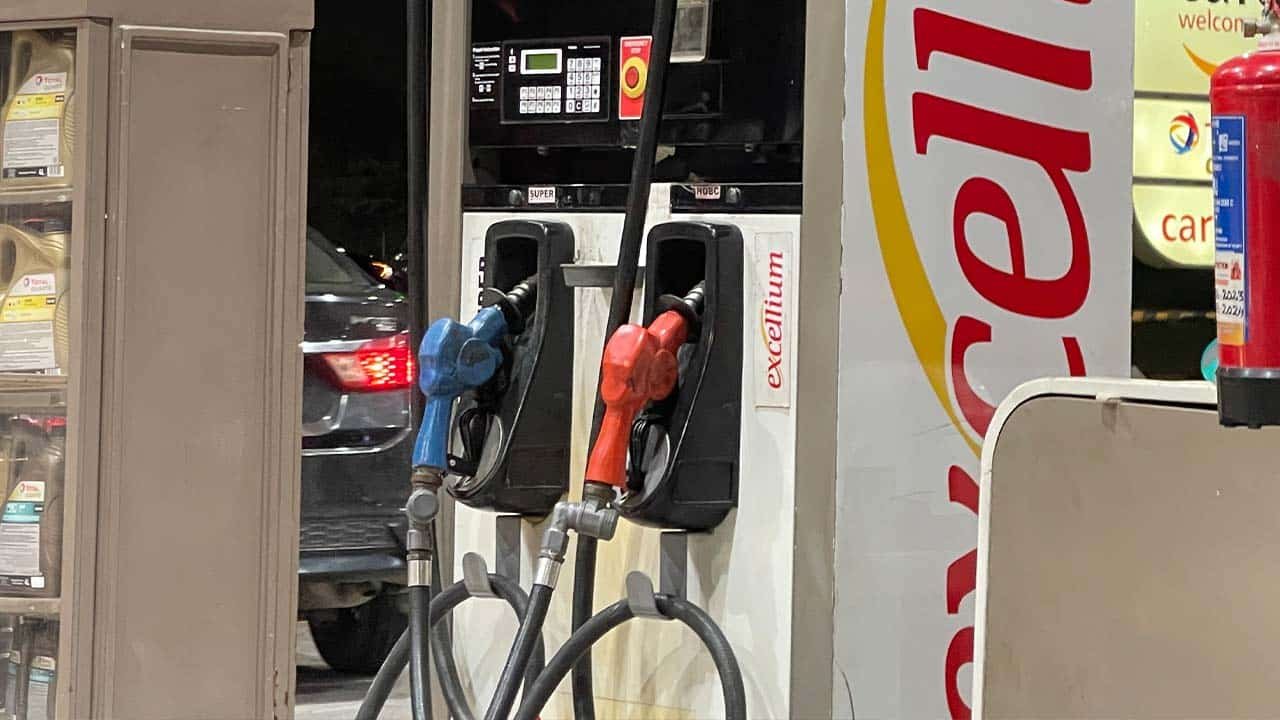
    In response to the recent surge in global oil prices, the government is anticipated to raise petrol and diesel prices by Rs11 and Rs6 per litre, respectively, for the first half of February. 

    The significant 11 per cent and 25 per cent increases in the premium on petrol and diesel contribute to the upward adjustment. 

    Recent pricing estimates until January 26 reveal a 5 per cent rise in finished petroleum prices to $87.7 per barrel and a 1 per cent gain in finished diesel prices to $97.4 per barrel.

    Despite a slight appreciation of the local currency, which stands at a weighted average rate of around PKR 279.87 per USD since the last pricing decision, it remains insufficient to counterbalance the substantial international price hikes. 

    It’s crucial to note that there are three more sessions before the next pricing update, and final prices will be contingent on global market movements and exchange rate fluctuations.

    The government is set to unveil the revised prices at midnight on January 31, 2024, and these adjustments will be effective for the first half of February. 

    Notably, in the previous fortnight, the government reduced petrol prices by Rs8 per litre to Rs259.34 while keeping diesel prices steady at Rs276.21 per litre.

  • Pakistan expected to increase petroleum levy to get IMF loan 

    Pakistan expected to increase petroleum levy to get IMF loan 

    Pakistan has reportedly provided assurances to the International Monetary Fund (IMF) regarding an augmentation of the petroleum levy in the fiscal year 2024–25, aligning with its intentions to embark on a new loan programme. 

    According to documentation cited by sources within the finance ministry, Pakistan has committed to elevating the petroleum levy to Rs1,065 billion in FY2024–25, anticipating a revision of the current levy target from Rs869 billion to Rs918 billion.  

    The attainment of the revised target is contingent upon an uptick in the consumption of petroleum products. 

    The sources additionally revealed that the caretaker government would have implemented a Presidential Ordinance if adjustments were to be made to the current petroleum levy target. 

    Earlier revelations indicate that Pakistan is poised to secure another financial assistance package from the International Monetary Fund (IMF) subsequent to the conclusion of the existing standby agreement. 

    The caretaker government has initiated consultations in preparation for the forthcoming IMF programme. 

    Sources have indicated that talks between the government and the IMF for the new loan programme are likely to commence this month.  

    Finance ministry officials underscored the commitment of the elected government to advance the measures established by the caretaker government. 

  • Govt may cut petrol price by more than Rs10 per litre

    Govt may cut petrol price by more than Rs10 per litre

    The government is poised to provide significant relief by potentially reducing petrol and diesel prices by Rs13 and Rs15 per litre, respectively, in the upcoming fortnightly pricing update.

    This anticipated reduction is attributed to a noteworthy downturn in international petroleum and diesel prices over the past fortnight.

    The stability of the local currency at a weighted average of approximately PKR 284.33 per USD further contributes to this potential relief. 

    Current estimates as of December 2008 reveal a global decline in petrol and diesel prices by 5.44 per cent and 5.6 per cent, reaching $94.95 and $100.05 per barrel, respectively.

    As the next pricing update is still a week away, the future trajectory of these prices hinges on global market movements and exchange rate fluctuations. 

    Notably, in the preceding fortnight, the government maintained the petrol price at Rs281.34 while reducing the HSD price by Rs7 to Rs289.71 per litre.

  • State Bank of Pakistan to announce monetary policy decision on December 12

    State Bank of Pakistan to announce monetary policy decision on December 12

    The State Bank of Pakistan (SBP) is set to unveil its monetary policy on Tuesday, December 12. A statement released by the central bank on Friday informed that the Monetary Policy Committee (MPC) of SBP will convene in Karachi on December 12 to deliberate on monetary policy. 

    Subsequently, the central bank will issue the official monetary policy statement. In its preceding meeting on October 30, the MPC judiciously opted to uphold the policy rate at 22%, citing global market volatility. 

    The committee underscored the imperative of persisting with a stringent monetary policy stance to mitigate inflation.

    PKR ends another week in green

    The Pakistani currency is experiencing an upward trend against the US dollar for the past several sessions, concluding the week in positive territory on Friday. 

    According to the SBP, the Pakistani rupee gained 0.09 per cent, closing at Rs283.87 against the US dollar.

  • Senators propose discontinuation of Rs5,000 currency note to fight corruption

    Senators propose discontinuation of Rs5,000 currency note to fight corruption

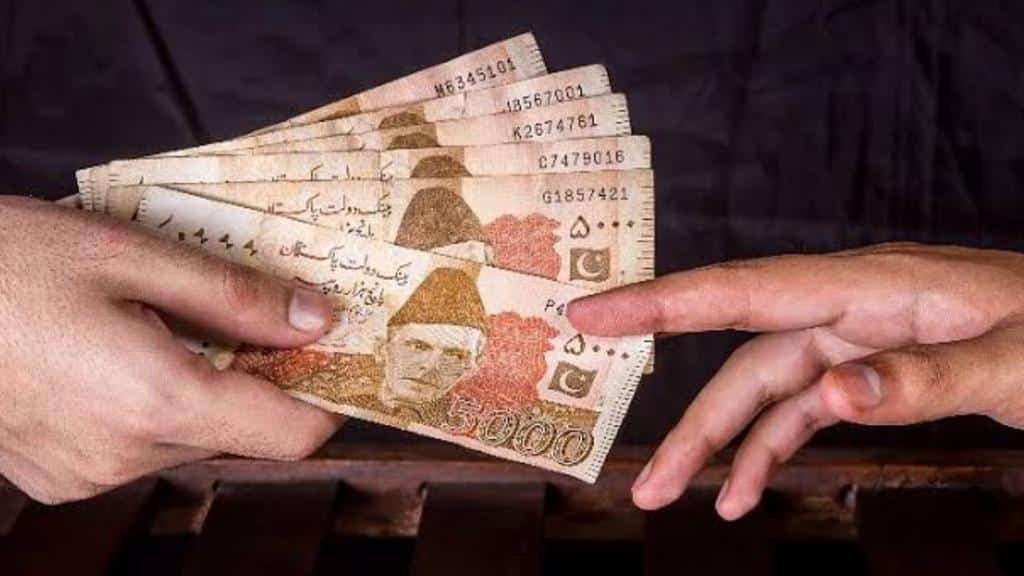
    Pakistan Tehreek-e-Insaf (PTI) senators are advocating for the discontinuation of the Rs5,000 currency note as a strategic move to combat corruption and inflation.

    On Monday, Senator Mohsin Aziz presented a resolution in the Upper House of Parliament urging the prohibition of the highest-denomination currency.

    According to Senator Aziz, the Rs5,000 note is frequently associated with corruption, terrorism, and smuggling.

    Providing details, Senator Aziz revealed that Rs5,000 currency notes totaling Rs3.5 trillion have been issued to date.

    Notably, he emphasised that Rs2 trillion worth of Rs5,000 notes are not currently in circulation but are securely stored in “safe deposit,” which he alleges is linked to money laundering, tax evasion, and smuggling.

    Senator Aziz called for a specific timeframe during which individuals should surrender the highest denomination notes.

    Supporting this initiative, another PTI Senator, Waleed Iqbal, echoed Senator Aziz’s call to discontinue the Rs5,000 currency note.
    He suggested that promoting digital payments would be instrumental in reducing reliance on physical currency.

    Responding to these claims, Caretaker Information Minister Murtaza Solangi stated that Rs5,000 currency notes totaling 905 million have been issued thus far, with Rs4.5 trillion currently in circulation.

    Solangi attributed the autonomy granted to the State Bank of Pakistan (SBP) by the previous government as a contributing factor to the situation. He asserted that the SBP operates within the confines of its laws.

    This isn’t the first time that officials have targeted the highest denomination note for its alleged role in fostering corruption.

    In September of this year, former Federal Board of Revenue (FBR) chief Shabbar Zaidi emphasised the importance of discontinuing Rs5,000 notes and imposing restrictions on the physical movement of dollars as crucial steps in curbing the cash economy in the country.

  • OGRA notifies major gas price hike for November

    OGRA notifies major gas price hike for November

    The caretaker government’s decision to implement a gas price increase of over 172 per cent for non-protected domestic consumers has left many shocked and outraged.  

    Starting on November 1, the revised prices are set to impose a significant financial burden on households already grappling with financial difficulties. 

    According to the notification released by the Oil and Gas Regulatory Authority (OGRA), the new gas prices represent a substantial hike across various consumption levels.  

    For instance, customers consuming 100 cubic metres of gas per month will now be charged Rs1,000, up from the previous rate of Rs400. Those using 150 cubic metres will see their monthly costs rise from Rs600 to Rs1,200. 

    On the other hand, the price for a monthly consumption of 200 mmbtu has increased to Rs1,600 from the previous Rs800, and for users consuming 300 mmbtu monthly, the cost has risen to Rs3,000 from Rs1,100. 

    Moreover, the charge for consuming 400 mmbtu of gas per month has gone up from Rs2,000 to Rs3,500. For those using more than 400 mmbtu per month, the new rate is Rs4,000, up from the earlier Rs3,100. 

    This significant and unexpected price surge is anticipated to have a severe impact on household budgets, especially for low-income families who heavily depend on natural gas for cooking and heating. 

  • Govt decides not to reduce petrol, diesel prices

    Govt decides not to reduce petrol, diesel prices

    The caretaker government announced on Tuesday that petrol and diesel prices would remain unchanged until November 15. 

    Furthermore, the government reduced the prices of kerosene and light-speed diesel by Rs 3.82 and Rs3.40 per litre. Kerosene and light-speed diesel will now be priced at Rs211.03 and Rs189.46 per litre, respectively.

    In the previous review on October 15, the caretaker government had announced a reduction of Rs 40 and Rs15 in petrol and diesel prices, bringing them to Rs283.38 and Rs303.18 per litre, respectively. 

    This adjustment was made in response to the continuous appreciation of the local currency against the greenback and fluctuations in international petroleum product prices.

  • Govt approves massive gas tariff hike, raising concerns of growing financial hardship

    Govt approves massive gas tariff hike, raising concerns of growing financial hardship

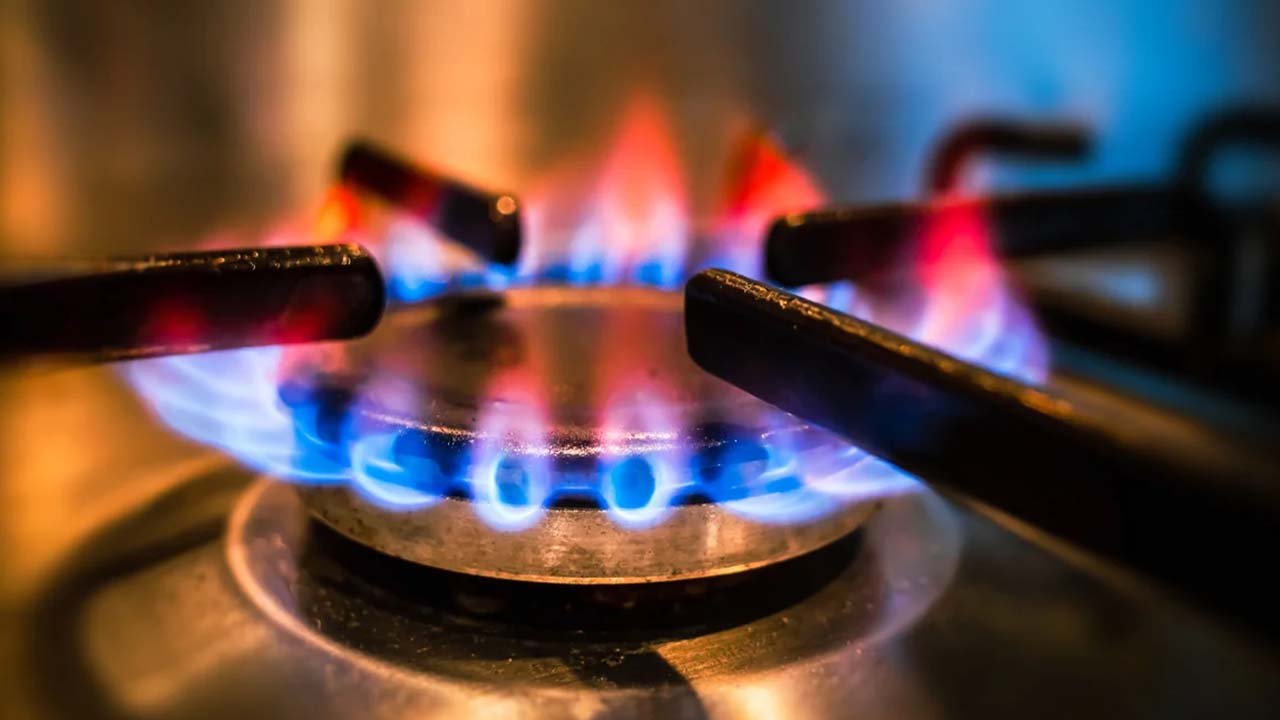
    The government’s recent decision to approve a substantial increase in gas tariffs, set to take effect from November 1, 2023, has significant implications for the public and the country’s economic situation. 

    This decision was made during a meeting of the Economic Coordination Committee (ECC) of the Cabinet, led by Finance Minister Dr Shamshad Akhtar. The gas tariff increase, reaching up to 193 per cent, will have a profound impact on the already inflation-weary masses.

    This decision comes in anticipation of an impending review by the International Monetary Fund (IMF), scheduled for later in the month, which had urged Pakistan to address the escalating circular debt in the energy sector.

    The approved plan involves various changes to gas tariffs. For protected consumers, the fixed monthly charges will increase from Rs10 to Rs400, while non-protected consumers will witness a rise from Rs460 to Rs1,000, with higher slabs potentially reaching up to Rs2,000. 

    Additionally, the government has raised local gas tariffs for different consumer groups, with non-protected domestic consumers facing a 173 per cent increase, commercial users a 136.4 per cent hike, exports an 86.4 per cent increase, and non-export industries a 117 per cent tariff rise. 

    Exporters will experience an 86 per cent tariff increase, effective November 1, 2023. It’s worth noting that the tariff hike was initially proposed to begin on October 1, 2023, but it has now been scheduled for implementation in November 2023.

    The meeting also addressed other significant issues. The Ministry of Industries and Production presented a proposal to meet urea requirements for the Rabi season 2023–24, which was approved by the ECC. The committee also emphasised the need for uninterrupted gas supply to the fertiliser industry and urged provinces to play a more proactive role in sharing the importation cost.

    Additionally, the ECC reviewed a summary from the Earthquake Reconstruction and Rehabilitation Authority (ERRA), which sought approval for a Technical supplementary grant of Rs484 million. 

    This grant aims to cover pay and allowances for 415 contract and project employees from July 2023 onwards. The ECC directed the Ministry of Planning, Development, and Special Initiatives to identify sources for financing ERRA employees’ salaries.

    Lastly, the ECC approved a summary from the Ministry of Finance regarding the establishment of the National Credit Guarantee Company Limited. 

    This company will play a crucial role in supporting credit enhancement for Small and Medium Enterprises (SMEs), contributing to the development of these businesses.

    In summary, the government’s decision to increase gas tariffs significantly will impact various consumer groups and is a response to economic challenges, especially the circular debt issue. 

    The ECC meeting covered multiple important topics, including measures to address urea requirements, financial support for earthquake reconstruction, and initiatives to boost SMEs through the National Credit Guarantee Company.