Tag: economic reforms

  • IMF recommends gas price hike, subsidy cuts for Pakistan

    IMF recommends gas price hike, subsidy cuts for Pakistan

    The International Monetary Fund (IMF) has reportedly urged Pakistan to address the growing concerns surrounding the power sector’s circular debt, which now stands at 4 per cent of the gross domestic product (GDP).

    Despite initial targets for debt reduction not being met, the IMF has not yet made a final decision on its recommendations.

    Sources suggest that the IMF is advocating for an additional hike in gas prices and a reduction in energy sector subsidies, aligning with its persistent calls for such measures.

    It’s noteworthy that no official decision has been reached on these proposals. Simultaneously, Pakistan and the IMF have collaborated on a comprehensive privatisation plan, focusing on state-owned entities (SOEs) that have incurred significant losses.

    This strategic move aims to address the financial challenges faced by these institutions. The Central Monitoring Unit will meticulously evaluate the extent of losses, with findings submitted to the IMF.

    A crucial aspect of the privatization plan involves transferring control of power distribution companies to the private sector. This shift is expected to mitigate losses and improve efficiency in the power sector, aligning with the IMF’s overarching demand for comprehensive reforms in the energy sector.

  • World Bank proposes tax reforms with 3% GDP growth projection for Pakistan

    World Bank proposes tax reforms with 3% GDP growth projection for Pakistan

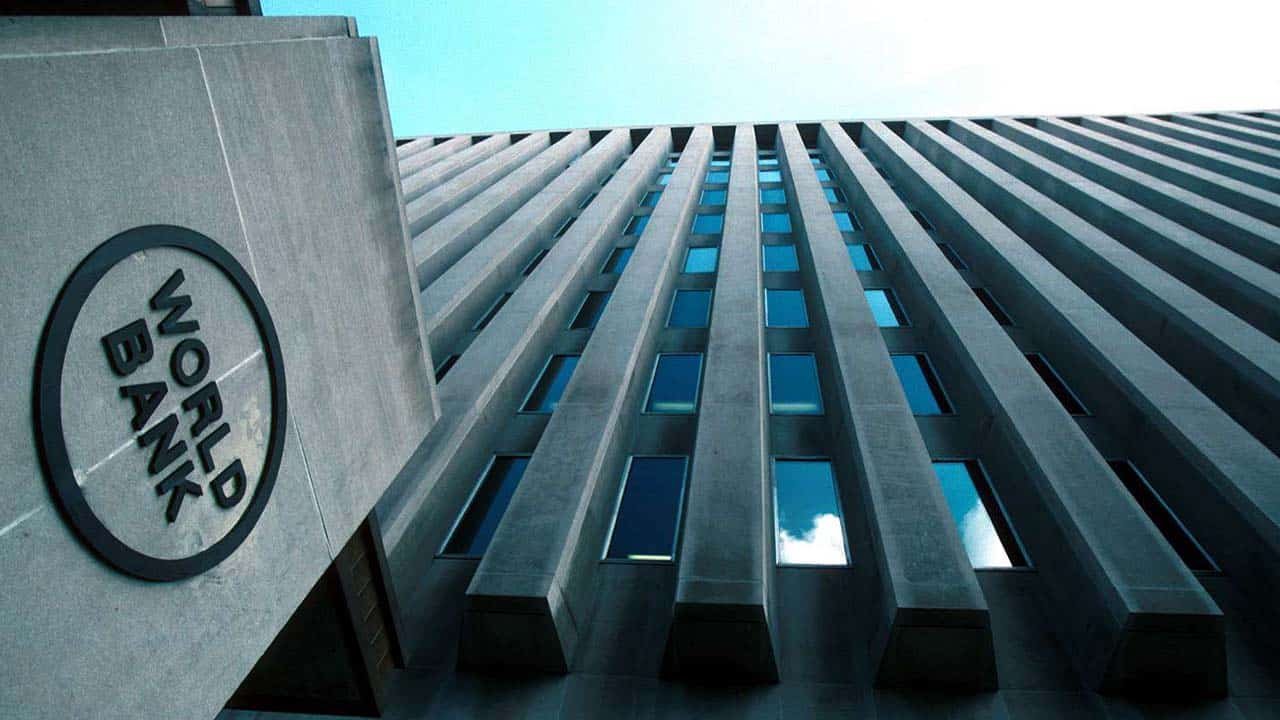
    The World Bank has advised Pakistan to implement taxes on the agricultural and real estate sectors and merge the income thresholds for salaried and non-salaried individuals to create a progressive Personal Income Tax (PIT) system.

    If agriculture income and property taxes are effectively enforced, they could contribute 3 per cent of the GDP annually, totaling over Rs3 trillion. The World Bank is awaiting approval for a $350 million allocation for Pakistan under RISE-II, with the meeting date yet to be confirmed.

    Currently, the annual income threshold for salaried individuals is Rs600,000, and for non-salaried income, it stands at Rs400,000, both exempt from taxes.

    The World Bank emphasises the urgency of Pakistan’s fiscal situation and the need to generate revenue and reduce expenditures, recommending taxing the wealthy while protecting the poor.

    The World Bank proposes simplifying the income tax structure by aligning it for both salaried and non-salaried individuals, ensuring progressivity without suggesting a reduction in the current nominal threshold.

    They acknowledge the importance of considering inflation and labour market changes in recent data when reforming the income tax structure.

    The focus of the recommended tax reforms should fall on higher income brackets and include a comprehensive tax package and expenditure reforms to address unsustainable fiscal deficits.

    These reforms involve cutting down on subsidy expenditures, eliminating regressive tax exemptions, and increasing the taxation of high-income earners, particularly in agriculture, property, and retail sectors, to enhance the progressivity of the tax system.

    Regarding a question about lowering the current exemption threshold for salaried workers earning below Rs50,000 monthly, the World Bank’s lead economist clarified that the bank does not recommend a reduction in the current nominal threshold.

    Instead, the emphasis is on streamlining the income tax structure for both salaried and non-salaried individuals to ensure progressivity while protecting the poor during the reform process.

  • PM Kakar pushes for speedy privatisation of financially troubled state-owned enterprises

    Caretaker Prime Minister (PM) Anwaar-ul-Haq Kakar, in a meeting held on Monday, directed the relevant authorities to expedite the privatisation process of state-owned enterprises (SOEs) that are experiencing financial losses.

    Stressing the importance of this privatisation effort, the Prime Minister emphasised its role in safeguarding the national treasury from further deficits.

    During this meeting, Minister for Privatisation Fawad Hasan Fawad provided a detailed update on the progress made in the privatisation of these enterprises.

    PM Kakar also commended the Special Investment Facilitation Council (SIFC) for its commendable contributions to this endeavor. 

    It’s worth noting that the caretaker Premier had previously issued similar directives to accelerate the privatisation process of Pakistan International Airlines (PIA), a loss-making entity.

    This development comes in response to reports suggesting that unless emergency funding is secured, PIA’s flight operations could face suspension.

    A senior PIA director revealed that the operational fleet had been reduced from 23 to 16 aircraft, resulting in the cancellation of numerous flights.

  • IMF spokesperson urges fair taxation and protection for vulnerable in Pakistan

    IMF spokesperson urges fair taxation and protection for vulnerable in Pakistan

    The International Monetary Fund (IMF) has emphasised that its $3 billion Standby Arrangement (SBA) programme with Pakistan serves as a critical policy framework. This framework addresses both domestic and international economic imbalances while also facilitating financial support from various donors, including the refinancing of outstanding debts.

    According to Geo, during a recent press conference held at the IMF headquarters in Washington, DC, Julie Kozack, the spokesperson for the global lender, fielded questions regarding the IMF’s engagement with Pakistan. These inquiries encompassed Pakistan’s request for relief and permissions within the existing agreement, specifically in relation to rising energy costs, notably electricity bills.

    In response to concerns about potential human rights implications, particularly for minority populations and the vast number of people living below the poverty line (an estimated 92 to 95 million), the IMF spokesperson emphasised that the programme received approval on July 12. It is a nine-month standby arrangement amounting to $3 billion, designed to support the economic stabilisation programme of the Pakistani government.

    The core objectives of this programme revolve around providing a policy framework to address both domestic and external economic imbalances, along with establishing a structure to secure financial support from various donors, both multilateral and bilateral. This includes securing fresh financing and addressing upcoming debt obligations.

    The IMF outlined that policy efforts are focused on implementing the fiscal year 2024 budget, formulating appropriate monetary policies to combat inflation, and continuing reforms to enhance the sustainability of the energy sector.

    These reforms are ultimately geared towards fostering higher, more inclusive, and more resilient economic growth. They also aim to bolster social development and climate resilience by strengthening public financial management, improving tax administration, and enhancing the prioritisation of public investments.

    Furthermore, these efforts are conducted in collaboration with partner institutions, not only the IMF but also the World Bank and the Asian Development Bank, underscoring a collective commitment to Pakistan’s economic stability and development.

    Kozack also highlighted IMF Managing Director Kristalina Georgieva’s strong stance on poverty and inequality. She emphasised the importance of wealthier segments of society bearing a fair tax burden, particularly in a context where Pakistan’s tax-to-GDP ratio is notably low.

    The IMF’s commitment extends to safeguarding the interests of the poor and vulnerable members of society within the programme’s framework, aligning with the goal of achieving a more equitable and inclusive society.

  • World Bank urges urgent economic reforms in Pakistan to tackle rising poverty

    World Bank urges urgent economic reforms in Pakistan to tackle rising poverty

    The World Bank has issued a grave warning regarding Pakistan’s economic state, urging the nation to take swift action. They propose taxing key sectors like agriculture and real estate while reducing wasteful expenditures to stabilise the economy. This endeavour aims for a significant fiscal adjustment, equivalent to over 7 percent of Pakistan’s economic size.

    The World Bank also revealed alarming statistics, with poverty levels surging to 39.4 percent in the last fiscal year, pushing an additional 12.5 million people below the poverty line. Currently, nearly 95 million Pakistanis live in poverty.

    To address these challenges, the World Bank has drafted a set of policy recommendations in collaboration with stakeholders, focusing on low human development, unsustainable fiscal practices, overregulation in the private sector, and issues in the agriculture and energy sectors.

    Immediate measures include raising the tax-to-GDP ratio by 5 percent and reducing expenditures by about 2.7 percent of GDP, primarily targeting previously protected sectors.

    Tobias Haque, the lead country economist at the World Bank, underscores the need for substantial policy changes, given Pakistan’s economic and human development crises.

    According to Express Tribune, the World Bank’s recommendations encompass a range of fiscal reforms, including the removal of tax exemptions, increased taxation on real estate and agriculture, and mandatory use of CNIC for transactions.

    Furthermore, the institution advises cutting energy and commodity subsidies, implementing a single Treasury account, and adopting temporary austerity measures for short-term savings. Medium-term savings entail streamlining federal spending and enhancing the quality of development expenditures.

    Najy Benhassine, the country director for Pakistan at the World Bank, emphasises the importance of political consensus and domestic solutions to address Pakistan’s challenges.

    The World Bank highlights the need to address the human capital crisis, reduce energy subsidies, and promote inclusive, sustainable, and climate-resilient development in Pakistan. These measures are imperative to stabilise the nation’s precarious economic situation and alleviate the growing poverty crisis.

  • Pakistani rupee gains value, now at Rs292.78 per US dollar

    Pakistani rupee gains value, now at Rs292.78 per US dollar

    The Pakistani rupee’s ascent against the US dollar persisted for the 12th consecutive session in the inter-bank market on Thursday, registering a 0.38 per cent gain.

    According to the State Bank of Pakistan (SBP), the rupee settled at 292.78, marking a notable increase of Rs1.1 within the inter-bank market. Just the day before, on Wednesday, the rupee had exhibited a similar upward trend, appreciating by 0.35 per cent and settling at 293.88.

    This remarkable turnaround in the rupee’s value follows a recent period of decline, during which it hit a record low of 307.1 in the inter-bank market on September 5.

    The transformation in its fortune can be attributed to a series of structural reforms introduced by the State Bank of Pakistan (SBP) within the Exchange Companies’ (ECs) sector, along with various administrative measures implemented by authorities to combat currency smuggling and hoarding.

    On the global stage, the US dollar reached new heights on Thursday, notably against the yen, marking its strongest position since November.

    This surge in the dollar’s strength followed a hawkish stance taken by the US Federal Reserve at its recent monetary policy meeting, where it opted to maintain interest rates within the 5.25 per cent–5.50 per cent range.

    The Fed’s decision reflected a growing confidence among officials that their assertive monetary policy approach can effectively combat inflation without causing significant economic disruption or substantial job losses.

    Conversely, oil prices experienced a decline on Thursday, following the previous session’s significant drop, as expectations of US interest rate hikes overshadowed the impact of reduced US crude stockpiles.

  • IMF urges Pakistan to increase taxation on the rich and ‘protect the poor’

    IMF urges Pakistan to increase taxation on the rich and ‘protect the poor’

    International Monetary Fund (IMF) Managing Director (MD) Kristalina Georgieva has urged Pakistan to increase taxation for the rich and safeguard the well-being of the less privileged. She said that these actions align with the desires of the people in Pakistan. 

    According to Geo News, speaking on the sidelines of the 78th United Nations General Assembly (UNGA) session in New York, she stated, “What we are asking in our programme is that you please collect more taxes from the wealthy and please protect the poor people of Pakistan. I do believe this is in line with what people in Pakistan would like to see for the country.”

    In a separate social media post after a meeting with Pakistan’s caretaker prime minister, Anwaar ul Haq Kakar, Georgieva stated, “Very good meeting with Pakistan’s PM today on Pakistan’s economic prospects. We agreed on the vital need for strong policies to ensure stability, foster sustainable and inclusive growth, prioritise revenue collection, and provide protection for the most vulnerable in Pakistan.”

    Furthermore, the Prime Minister’s Office (PMO) released a statement expressing gratitude for the IMF’s approval of a $3 billion stand-by agreement (SBA) to support Pakistan’s economy. The arrangement, approved by the IMF’s Executive Board in July, is set for its second review in November.

    The statement mentioned that Kakar briefed the MD IMF on various measures taken by the Government of Pakistan to stabilise and revive the country’s economy, with a focus on creating a stable environment for sustainable economic growth and investment, particularly for vulnerable segments of society.

    Kristalina Georgieva commended Pakistan’s concerted efforts in implementing policies and reforms to revive the economy and assured continued engagement with Pakistan.

    Read more: UAE bans fresh meat imports from Pakistan 

    In July, Pakistan secured a last-minute SBA with the IMF, providing relief to its economy, which had long grappled with a boom-and-bust cycle due to the absence of meaningful structural reforms. High inflation and a balance-of-payments crisis have led to economic distress, prompting the Asian Development Bank (ADB) to revise its growth outlook for the country.

    Low foreign exchange reserves have resulted in import restrictions as debt payments remained high and avenues for dollar inflows were limited.

    Anwaar-ul-Haq Kakar also called upon the international community to find a lasting solution to the debt issues faced by 59 countries in debt distress, emphasising the need for global and regional cooperation to achieve sustainable development goals. 

    He highlighted the importance of resources for developing countries and reiterated Pakistan’s commitment to supporting the Global Development Initiative. Kakar also noted the significance of China’s Belt and Road Initiative (BRI) and China-Pakistan Economic Corridor (CPEC) in achieving sustainable development goals.

  • Govt gives nod to massive power tariff hike to meet IMF demands

    Govt gives nod to massive power tariff hike to meet IMF demands

    In a recent late-night development, the federal cabinet of Pakistan has given its approval for a significant increase in the electricity base tariff. This decision comes as part of the country’s efforts to meet the conditions set by the International Monetary Fund (IMF).

    According to the information provided by insiders, the federal government has decided to raise the basic power tariff for various consumer categories, with the increase ranging from Rs3 to Rs7.5 per unit.

    The National Electric Power Regulatory Authority (Nepra) played a pivotal role in this decision, as the cabinet approved the tariff hike based on Nepra’s recommendation.

    For non-protected residential consumers who use 1 to 100 units, the proposed increase is Rs3 per unit, which will elevate the current cost from Rs13.48 per unit to Rs16.48 per unit.

    Similarly, residential consumers using above 700 units might see a significant increase of Rs7.5 per unit, raising the existing rate from Rs35.22 per unit to Rs42.72 per unit.

    The government has now referred the matter to Nepra, which will conduct a public hearing to gather input and make a final decision before releasing an official notification. If approved, the new tariff will take effect from July 1.

    It is noteworthy that Nepra had already granted the federal government an increase of Rs4.96 per unit in the base electricity tariff on July 14.

    This move aligns with Prime Minister Shehbaz Sharif’s commitment to IMF Managing Director Kristalina Georgieva, assuring full adherence to the agreement made with the global lender, leaving no room for any violation.

  • Pakistan will not default, reforms underway for economic recovery: Finance Minister

    Pakistan will not default, reforms underway for economic recovery: Finance Minister

    Pakistan’s Finance Minister Ishaq Dar has assured the nation that the government is committed to implementing long-term reforms aimed at improving the country’s economic situation.

    Speaking to the Karachi Chamber of Commerce and Industry, Dar emphasised the need for collective efforts to overcome the current economic challenges. He outlined key areas of focus, including the agricultural sector, the establishment of a sovereign wealth fund, and the development of the IT industry.

    Additionally, he addressed concerns about the delay in the International Monetary Fund (IMF) program, expressing confidence in Pakistan’s assets and downplaying the possibility of default.

    Reforms for Long-Term Improvement: In his address to the Karachi Chamber of Commerce and Industry, Finance Minister Ishaq Dar reiterated the government’s commitment to implementing reforms that would pave the way for long-term improvement.

    He acknowledged the importance of the agricultural sector, emphasising the need for an agricultural revolution to enhance productivity and ensure food security.

    The establishment of a sovereign wealth fund was also highlighted as a means to generate additional revenue and support sustainable economic growth. Furthermore, Dar expressed determination to prioritise the neglected IT sector and capitalise on its potential for job creation and technological advancements.

    No technical reason behind delayed IMF program

     Addressing concerns regarding the delay in the IMF program, Dar reassured the delegation that there was no technical reason behind it. He emphasised that Pakistan, as a sovereign country, possesses valuable assets worth trillions of dollars, thereby implying that default is not a plausible scenario. While external liabilities stand at approximately $100 billion, the finance minister pointed out that Pakistan’s gas infrastructure alone is valued at around 40 to 45 billion dollars, underscoring the country’s significant assets.

    Recognising the vital role of the business community in Pakistan’s economic development, Finance Minister Ishaq Dar called upon them to present reasonable demands for the upcoming budget. He assured the delegation that the government would cooperate with the business community to address their concerns and promote a conducive environment for trade and investment. By fostering a constructive partnership, the government aims to create a business-friendly climate that supports entrepreneurship and economic growth.

    IMF loan requirement and government’s approach

    Amidst recent developments, it was revealed that the IMF rejected Pakistan’s request to lower the requirement of arranging $6 billion in new loans. Minister of State for Finance Dr Aisha Pasha highlighted that returning to the IMF was Pakistan’s only option, stressing the urgency of fulfilling the financing requirement. Pakistan had sought a reduction in the external financing requirement based on new current account deficit data. However, the IMF insisted on the full $6 billion to demonstrate Pakistan’s commitment to implementing necessary economic reforms.

    Finance Minister Ishaq Dar’s reassurances regarding the government’s commitment to long-term reforms and the denial of Pakistan’s possibility of default provide a glimmer of hope amid economic challenges.

    The focus on sectors such as agriculture and IT, the establishment of a sovereign wealth fund, and the emphasis on cooperation with the business community signal the government’s determination to foster economic growth and stability.

    While the IMF’s rejection of Pakistan’s request poses a hurdle, the government remains steadfast in its efforts to revive the deal and secure the necessary financing to support the country’s economic recovery.
  • Pakistan commits to IMF bailout deal without fuel subsidy scheme

    Pakistan commits to IMF bailout deal without fuel subsidy scheme

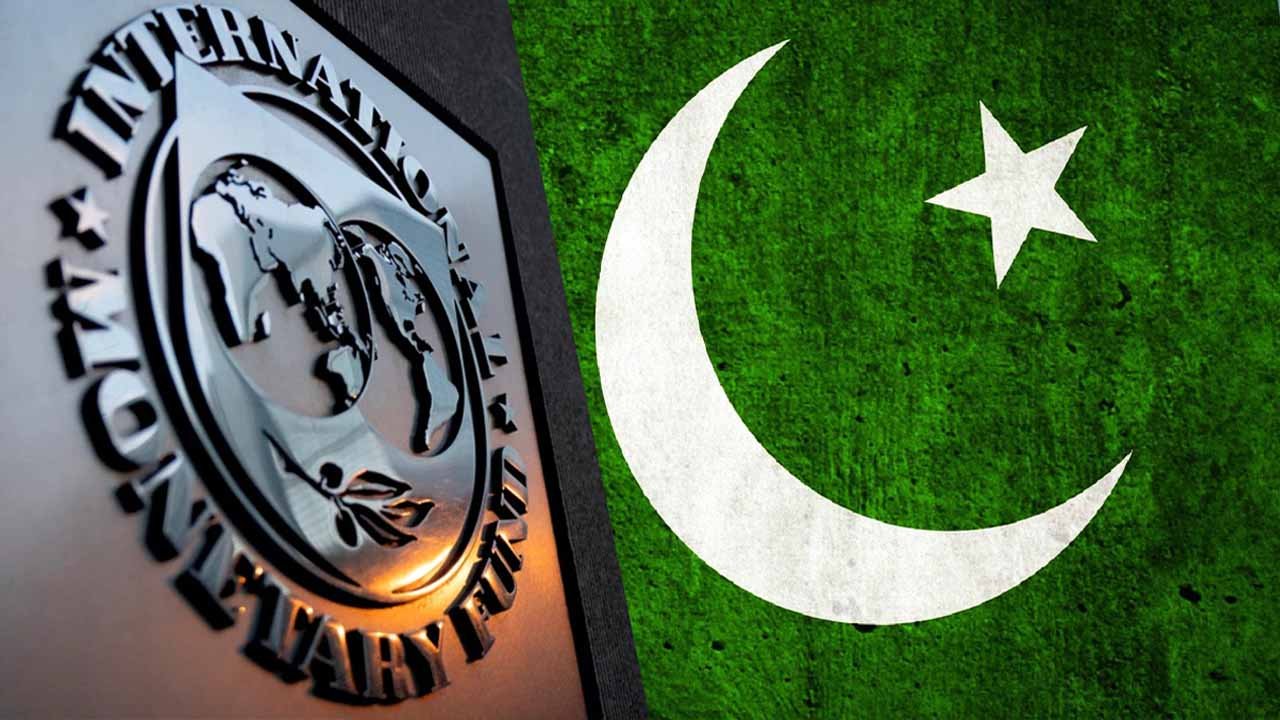
    Pakistan has informed the International Monetary Fund (IMF) that it will not be implementing a fuel subsidy programme during ongoing negotiations for a $1.1 billion bailout for the country.

    The IMF has stated that it will continue to engage with the government on the loan, despite increasing political tensions.

    Prime Minister had previously proposed a fuel subsidy scheme in March, which would charge higher rates to affluent consumers to subsidise prices for the poor who have been hit hard by inflation.

    However, the government has now committed not to implement this programme in the current fiscal year or beyond. Instead, it will not introduce new tax exemptions and will allow a market-based exchange rate for the rupee currency.

    The IMF has said that Pakistan needs significant additional financing to complete the long-delayed ninth review of its bailout package.

    Obtaining commitments of significant additional financing is essential before the IMF approves the release of pending bailout funds that are crucial for Pakistan to resolve an acute balance of payments crisis.

    According to Dawn, the State Bank of Pakistan’s reserves fell to $4.38 billon on Thursday, which is barely a month’s worth of imports. The IMF has emphasised that Pakistan faces stagflation, large financing needs, and has been affected by several shocks, including severe floods.