Tag: economic resilience

  • SBP reports 26% increase in overseas workers’ remittances

    SBP reports 26% increase in overseas workers’ remittances

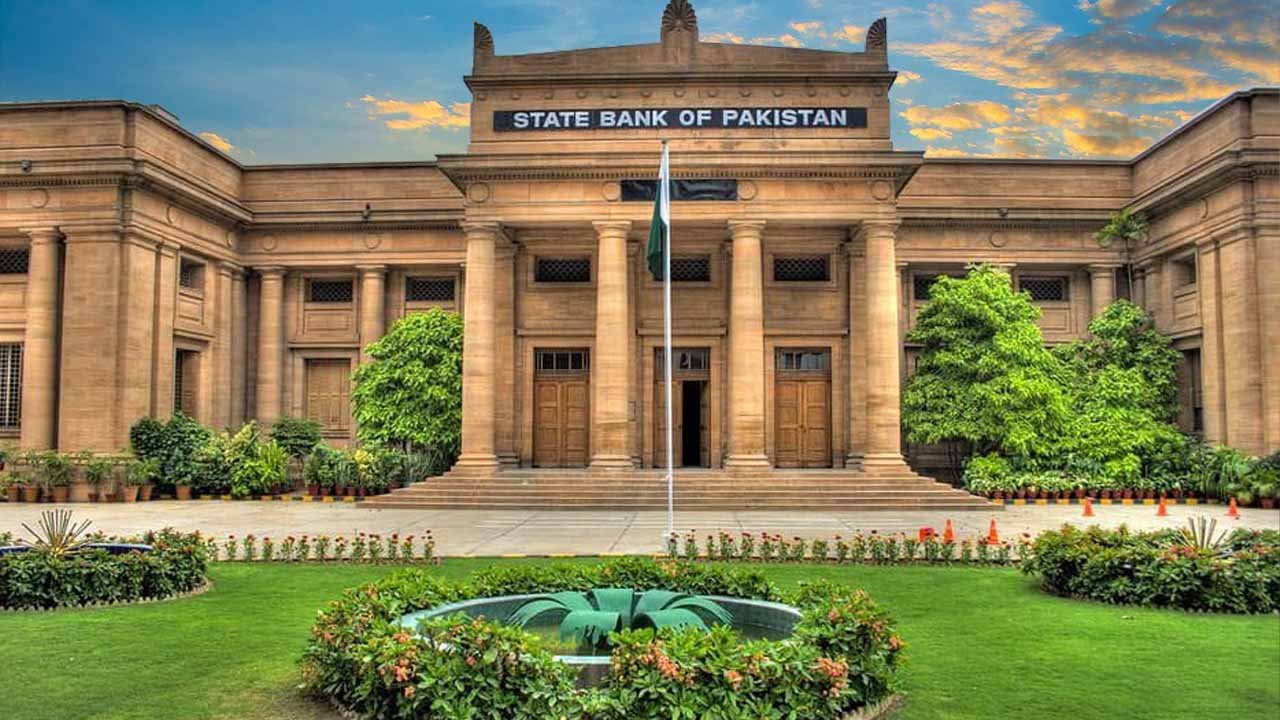
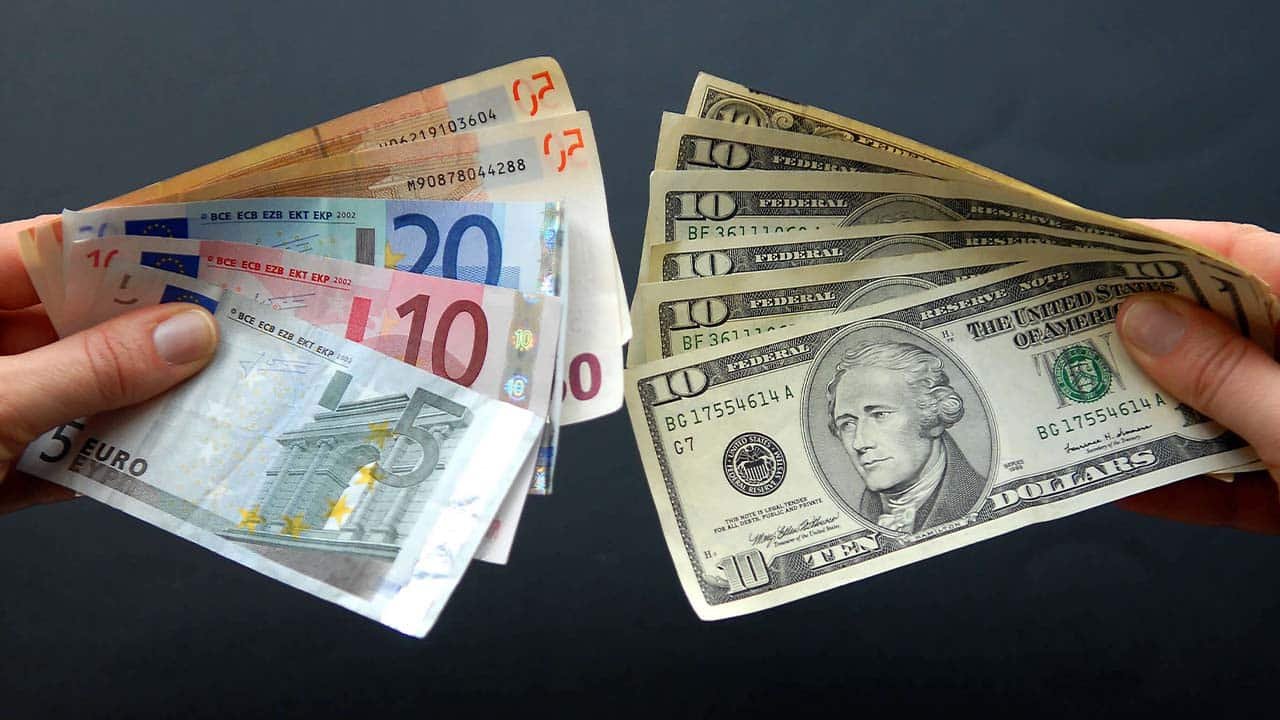
    In January 2024, Pakistan witnessed a notable increase in the inflow of overseas workers’ remittances, reaching $2.4 billion, as revealed by data released by the State Bank of Pakistan (SBP) on Monday. This marks a 1 per cent rise compared to December 2023, where remittances stood at $2.38 billion.

    Year-on-year analysis underscores a substantial surge, with a 26 per cent increase from the same period last year, when remittances totaled $1.9 billion in January.

    The significance of these remittances cannot be understated, as they play a pivotal role in bolstering Pakistan’s external account and fueling economic activity. Additionally, they serve as a vital supplement to the disposable incomes of households dependent on remittances.

    Despite the uptick in January, the cumulative figure for July-January FY24 reflects a 3 per cent decline year-on-year, amounting to $15.83 billion, down by $386 million from the $16.32 billion recorded in the same period of FY23.

    Breaking down the sources of remittances, overseas Pakistanis in Saudi Arabia retained their leading position, contributing $587.3 million in January 2024. This marked a 2 per cent increase from the previous month and a substantial 43 per cent rise from the corresponding period last year.

    Remittances from the United Arab Emirates (UAE) experienced a slight dip of 3 per cent month-on-month, decreasing from $419.2 million in December to $407.6 million in January. However, the yearly comparison reveals a remarkable surge of nearly 51 per cent.

    The United Kingdom witnessed a marginal decline in remittances, with $362.1 million recorded in January, down by 2 per cent from December 2023.

    In contrast, remittances from the European Union saw a significant 20 per cent year-on-year increase and a 2 per cent monthly rise, totaling $290.1 million in January 2024.

    Meanwhile, overseas Pakistanis in the United States contributed $283.4 million in January 2024, marking a notable 32 per cent increase from the same period last year.

    The consistent flow of remittances, despite fluctuations in individual sources, underscores their enduring importance to Pakistan’s economy and the livelihoods of millions of households reliant on them.

  • Govt expected to slash petrol prices for second half of January

    Govt expected to slash petrol prices for second half of January

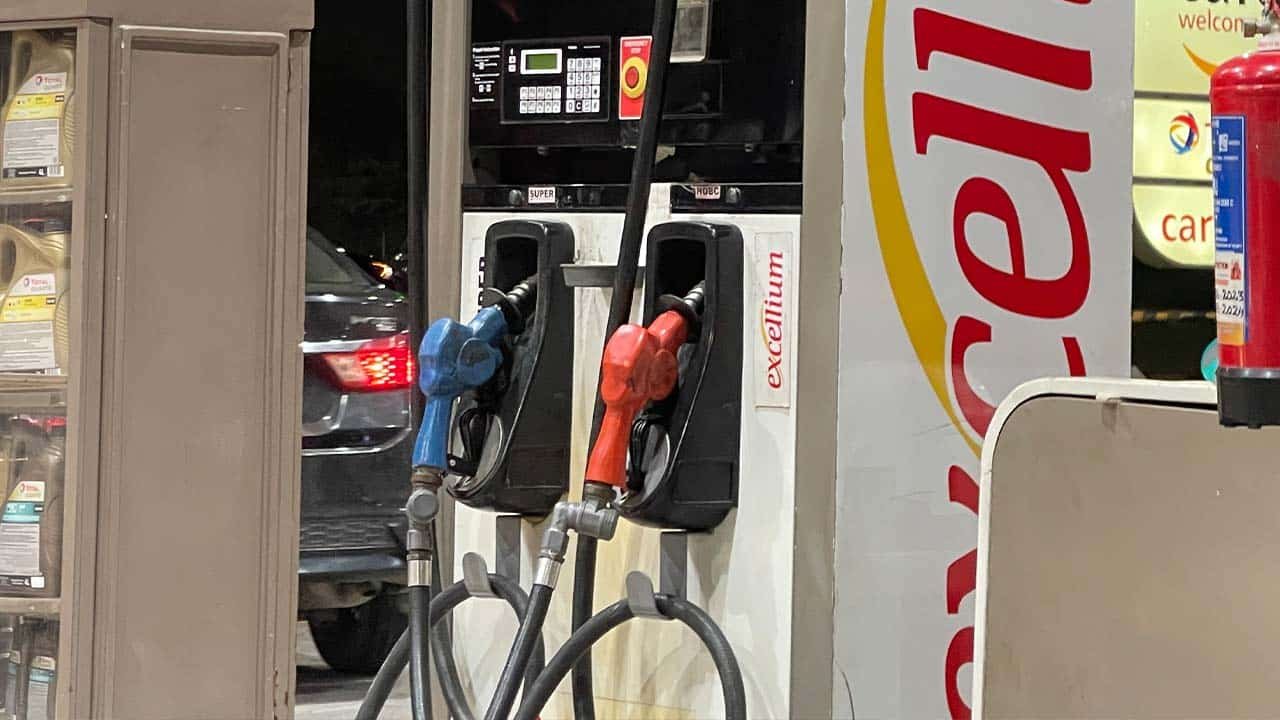
    In a move aimed at providing relief to consumers, the government is expected to reduce petrol prices by more than Rs5 per litre for the second half of January.

    This decision comes as a response to the recent dip in global oil prices, ensuring that the benefits are passed on to the end-users.

    According to the latest pricing estimates until January 12, international petroleum prices have experienced a decline of 1 per cent over the last fortnight. This decrease in global prices may serve as a key factor in the government’s decision to revise the domestic petrol rates.

    On a different note, the price of High-Speed Diesel (HSD) is anticipated to see a slight uptick, with an expected increase of Rs2 per litre. This adjustment is attributed to a modest rise in international diesel prices during the relevant period.

    It’s crucial to highlight that one more session remains before the next pricing update, and the future trajectory of these prices will be contingent on global market movements and exchange rate fluctuations.

    Recalling the decisions from the previous fortnight, the government maintained petrol and diesel prices at Rs267.34 and Rs276.21 per litre, respectively.

    Additionally, there has been a marginal appreciation of the local currency against the USD since the previous fortnight’s pricing decision. The weighted average exchange rate now stands at approximately PKR 281.31 per USD. This development is expected to contribute to the adjustment of petrol prices in the domestic market.

    The official announcement of the revised prices is scheduled for midnight on January 15. The new prices will come into effect immediately and will be applicable for the rest of the month.

  • SBP-held forex reserves surge to $7.76 billion in December

    SBP-held forex reserves surge to $7.76 billion in December

    In the week concluding on December 22, 2023, Pakistan witnessed a substantial increase in its total liquid foreign reserves, reaching a noteworthy $12,855.7 million.

    This surge was reported by the State Bank of Pakistan (SBP), which highlighted that the central bank’s reserves saw a remarkable uptick to $7,757.1 million during the same period.

    The SBP revealed that the surge in reserves, amounting to $852 million, was primarily attributed to official inflows from the Government of Pakistan received during the week under review.

    Simultaneously, commercial banks in the country reported net foreign reserves amounting to $5,098.6 million, further contributing to the overall resilience of Pakistan’s financial position.

    This positive development follows the previous week’s figures, ending on December 15, 2023, where the total liquid foreign reserves were recorded at $12,068.4 million.

    During this period, the central bank held reserves worth $6,904.8 million, with commercial banks reporting net foreign reserves of $5,163.6 million.

    In contrast to the positive financial indicators, Pakistan’s auto industry faced significant challenges in 2023, marked by a sharp decline in car sales of up to 55 per cent. Factories involved in manufacturing car parts also experienced a substantial production cut of 70 per cent.

    The persistent challenges in the auto sector were attributed to the exchange rate crisis, causing a decline in income until the previous year.

    The repercussions of reduced car sales were not limited to impacting the national Treasury; they also resulted in a noticeable decrease in revenue from products.

    An essential factor in this context is the adjustment made by automobile companies following a decrease in the value of the US dollar against the Pakistani rupee.

    In the closing months of 2023, these companies responded by slashing the prices of their units, reflecting the dynamic interplay between economic forces and market conditions.