Tag: Economic stability

  • Pakistan plans to secure $4.5 billion from diverse sources in current fiscal year

    Pakistan plans to secure $4.5 billion from diverse sources in current fiscal year

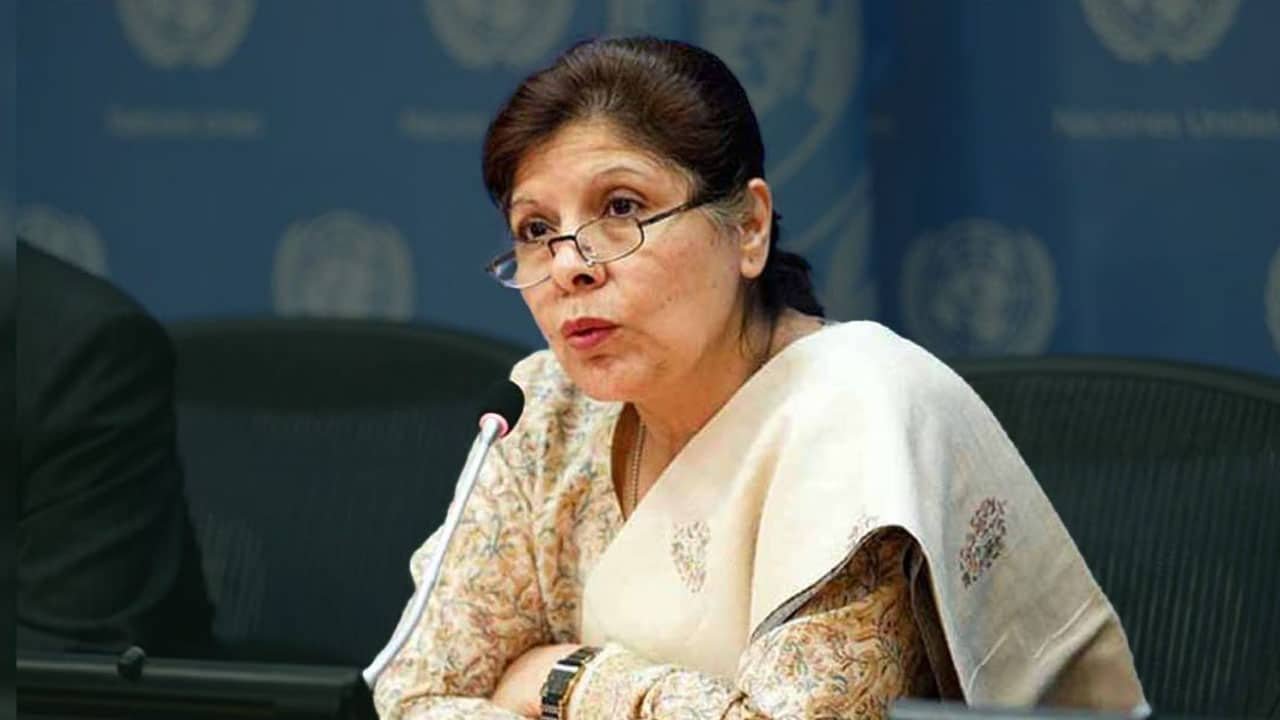
    Caretaker Minister for Finance, Dr Shamshad Akhtar, has outlined Pakistan’s financial projections for the current fiscal year (2023–24), highlighting an anticipated mobilisation of approximately $4.5 billion from both multilateral and bilateral sources, excluding the International Monetary Fund (IMF).

    Minister Akhtar disclosed that the government foresees receiving over $1.6 billion in the second quarter (Q2) from sources such as the Asian Development Bank (ADB), the World Bank, and the Asian Infrastructure Investment Bank (AIIB).

    She clarified that these inflows encompass funds allocated to both project-based and programme-based initiatives.

    Highlighting progress in negotiations, the minister revealed the completion of discussions for certain programme loans, with impending disbursements expected.

    She reassured that Pakistan remains committed to meeting its debt obligations promptly, both currently and in the future.

    Regarding the International Monetary Fund (IMF) programme, Minister Akhtar reported the successful conclusion of the first review of the Standby Agreement, resulting in the attainment of a Staff Level Agreement (SLA).

    Pending approval by the IMF’s Executive Board, this agreement will grant Pakistan access to $700 million.

    Commenting on the prevailing economic situation, Minister Akhtar acknowledged the challenges faced domestically and globally during FY2023.

    Despite these hurdles, she asserted that fiscal and external sector stability have been achieved through the implementation of various stabilisation measures and structural reforms.
  • SNGPL proposes 137.62% hike in gas tariff amidst financial challenges

    SNGPL proposes 137.62% hike in gas tariff amidst financial challenges

    Sui Northern Gas Pipelines Limited (SNGPL) has proposed a substantial 137.62 per cent increase in gas tariffs per Metric Million British Thermal Unit (MMBtu), aiming for implementation in June 2023. 

    This tariff adjustment, seeking Rs1,715 per MMBtu, is intended to address the company’s financial shortfall of Rs181.51 billion projected for the fiscal year 2023–24. 

    The plea to the Oil and Gas Regulatory Authority (OGRA) emphasises the necessity of fixing the gas price at Rs2,961.98 per MMBtu.

    Currently priced at Rs1,246.49 per MMBtu, SNGPL proposes a hike of Rs1,209.14 per MMBtu in arrears, with an additional Rs56.48 per MMBtu attributed to rupee devaluation. OGRA is scheduled to review SNGPL’s plea on December 11.

    In a related context, the caretaker government, led by Finance Minister Dr Shamshad Akhtar, has announced plans to increase gas prices in Pakistan starting in January 2024. 

    Dr Akhtar highlighted that this decision aligns with Pakistan’s commitment to the International Monetary Fund (IMF), aiming for a comprehensive review of power tariffs. 

    The government’s broader economic strategy involves reducing debts, prioritising development initiatives, and implementing governance reforms within government enterprises.

    Upon reaching a staff-level agreement with the IMF, Pakistan anticipates receiving approximately 70 million US dollars, contributing to a total assistance amount of about $1.9 billion under the IMF programme. 

    Dr Akhtar emphasised the need to address the circular debt in the power and gas sectors, which currently exceeds 4 per cent of the Gross National Product (GNP). 

    Immediate measures have been initiated to mitigate this challenge, including adjustments to electricity and gas rates. 

    Dr Akhtar underscored the importance of a market-based exchange rate policy and the augmentation of foreign exchange reserves as key priorities for economic stability.

  • Pakistan’s trade deficit shrinks by over 30% in November

    Pakistan’s trade deficit shrinks by over 30% in November

    In the initial five months of the fiscal year 2024, Pakistan’s trade performance has witnessed notable enhancements, marking a positive stride towards economic stability, as articulated by Dr Gohar Ejaz, the Federal Minister for Commerce and Industries, in a communication on X (formerly Twitter).

    The minister conveyed his unwavering confidence in Pakistan’s trajectory towards economic recovery, emphasising the commitment to diligent efforts aimed at job creation, economic growth, and the overall betterment of citizens’ lives.

    It is noteworthy that Pakistan’s exports experienced a year-on-year increase of 1.93 per cent, reaching $12.17 billion in the aforementioned five-month period, while imports exhibited a substantial decrease of 17.32 per cent to $21.55 billion.

    Consequently, the trade deficit contracted to $9.38 billion, registering a noteworthy decline of 33.59 per cent compared to the corresponding period in the preceding year.

    Zooming in on November’s performance, Pakistan’s exports demonstrated a robust year-on-year growth of 7.66 per cent, totaling $2.57 billion, whereas imports saw a decline of 13.47 per cent to $4.46 billion.

    This translated into a trade deficit of $1.89 billion for November, marking a notable reduction of 31.72 per cent compared to November 2022.

  • Pakistan Stock Exchange may surpass 60,000 level soon

    Pakistan Stock Exchange may surpass 60,000 level soon

    The benchmark index of the Pakistan Stock Exchange (PSX) marked a record-breaking bullish run on Monday, closing just shy of the 60,000 mark without surpassing it. 

    There is an anticipation that, given the current pace, the stock market might breach the 60,000 level soon. 

    According to the PSX website, the KSE-100 index showed marginal gains until noon. However, at 1:11 pm, it experienced a sudden surge that persisted until closing time, reaching 59,811.34, up by 724.99 points (1.23%) from the previous day’s 59,086.35.

    In the preceding Friday session, the KSE-100 index had set a new record at 59,100 points, attributed to strong corporate profits, reduced economic volatility, the successful conclusion of an IMF staff-level deal, expectations of a stable post-poll government, and optimism about an early reversal of monetary tightening. This led to a rapid increase in share prices over the last three months.

    Regarding the current rally, Raza Jafri, head of equity at Intermarket Securities, noted, “The banking sector is driving the rally, aligning with the improving economic outlook.” He emphasised that banks, offering a combination of high dividend yields and attractive valuations, have consistently been favoured by foreign investors.

    Shahbaz Ashraf, chief investment officer at FRIM Ventures, a Karachi-based investment company, attributed the rally to “cheap valuations and an influx of liquidity.”

  • Govt plans to increase gas and electricity prices in January

    Govt plans to increase gas and electricity prices in January

    The interim Finance Minister, Dr Shamshad Akhtar, announced during a press conference that the caretaker government is planning to increase electricity and gas tariffs in January to address the circular debt issue, in line with the International Monetary Fund’s (IMF) Stand-By Arrangement (SBA). 

    The circular debt in the power and gas sectors, currently exceeding 4 per cent of the Gross Domestic Product, requires urgent action for reduction. 

    Dr Akhtar also discussed tariff revisions with the IMF and the potential imposition of additional taxes on sectors like real estate and retail, emphasizing that final decisions are pending. 

    She highlighted the necessity for a new short-term IMF program and anticipated a medium-term program under the Extended Fund Facility (EFF) after the SBA concludes. 

    Regarding the external financing gap, Finance Secretary Imdad Bosal expressed optimism that a successful IMF review would unlock programme and project loans from multilateral lenders. 

    He anticipated approvals in December for loans from the World Bank, Asian Development Bank, Asian Infrastructure Investment Bank, and Islamic Development Bank. 

    Bosal assured that there is no external financing gap, and the improved ratings post-review would attract foreign loans. 

    Dr Akhtar stated that the World Bank is expected to disburse $2 billion during the current fiscal year, contributing to foreign exchange reserves along with the $700 million tranche approval from the IMF, bringing the total disbursement under the SBA to $1.9 billion out of $3 billion. 

    The approval for the second tranche from the IMF’s Executive Board is anticipated within a month.

  • Govt implements major gas price hike to tackle circular debt crisis 

    Govt implements major gas price hike to tackle circular debt crisis 

    On Monday night, the interim government made a significant announcement that will have a profound impact on the nation’s economy.  

    The decision involved a substantial increase in gas prices, set to take effect on November 1st, 2023. 

    Under this new pricing structure, non-protected domestic consumers will experience a substantial surge in their gas tariffs.  

    Specifically, rates will surge by a staggering 173 per cent for this category of consumers. Commercial users will see their gas prices climb by 136.4 per cent, while those in the export and non-export industries will face increases of 91 per cent and 83 per cent, respectively. 

    Further elaborating on the specifics of these changes, the revised monthly charges for protected consumers have been elevated from a mere Rs10 to a more substantial Rs400. For non-protected consumers, the monthly charges have surged from Rs460 to Rs1000, and for higher consumption slabs, the charges have escalated to a maximum of Rs2000. 

    In terms of actual consumption, the price per mmbtu will vary depending on usage. Users consuming up to 0.25 cubic metres will be charged Rs121 per mmbtu.  

    Those using up to 0.5 cubic metres will pay Rs150 per mmbtu; users with a monthly consumption of 0.60 cubic metres will incur charges of Rs200 per mmbtu; and those utilising 0.9 cubic metres will see rates set at Rs250 per mmbtu.  

    The steepest increase is witnessed by individuals using 1 cubic metre of gas per month, as their charges have surged from Rs400 per mmbtu to Rs1,000 per mmbtu. Users with gas consumption up to 1.5 cubic metres, previously paying Rs600 per mmbtu, will now be required to pay Rs1,200 per mmbtu starting from November 1st. 

    The changes in gas pricing also extend to small commercial users, such as local tandoors, who will be paying Rs697 per mmbtu from the aforementioned date.  

    The power sector will experience a range of charges, with rates fluctuating between Rs1,050 and Rs3,890 per mmbtu, while the cement industry will be subject to a consistent rate of Rs4,400 per mmbtu. 

    As for the export industry, gas pricing has been set at Rs2,100 to Rs2,400 per mmbtu, while non-export industries will be required to pay between Rs2,200 and Rs2,500 per mmbtu. These significant adjustments have been made to alleviate the burden on the nation’s economy. 

    The Power Division, in an official statement, justified the increase in gas prices by referencing the recommendations of the Oil and Gas Regulatory Authority, which sought to prevent an additional burden of Rs400 billion on the already burgeoning circular debt.  

  • IMF’s $700 million tranche approval crucial for Pakistani rupee’s recovery

    IMF’s $700 million tranche approval crucial for Pakistani rupee’s recovery

    The Pakistani Rupee (PKR) is expected to rebound against the US dollar this week, with this revival contingent on the approval of the next tranche by the International Monetary Fund (IMF).

    Last week, the PKR weakened by 1.78 rupees (0.6 per cent), closing at Rs280.57 against the US dollar, marking a second consecutive week of decline. On the last trading day, it reached a high of Rs280.5 and a low of Rs280.15 against the greenback.

    In the open market, the rupee depreciated by 50 paisa, closing at Rs279.5 for buying and Rs292.8 for selling, compared to Rs279 and Rs282 a week ago.

    The rupee’s decline is attributed to expectations of the IMF’s approval for the next $700 million tranche of its $3 billion loan. Geopolitical tensions in the Middle East and decreased export receipts have also played a role.

    Despite hopes for recovery post-IMF approval, concerns linger about its long-term stability, with Goldman Sachs predicting a short-lived strong performance.

    The rupee’s fate remains tied to the 280 level until the IMF’s decision. The upcoming weeks and months hold uncertainty amid global economic challenges and geopolitical issues.

    Economists and financial experts are closely watching events, especially the IMF’s decision, which will significantly impact Pakistan’s economic stability as it strives to restore economic health and growth.

  • SBP Governor confirms Pakistan’s strong position to achieve IMF targets 

    SBP Governor confirms Pakistan’s strong position to achieve IMF targets 

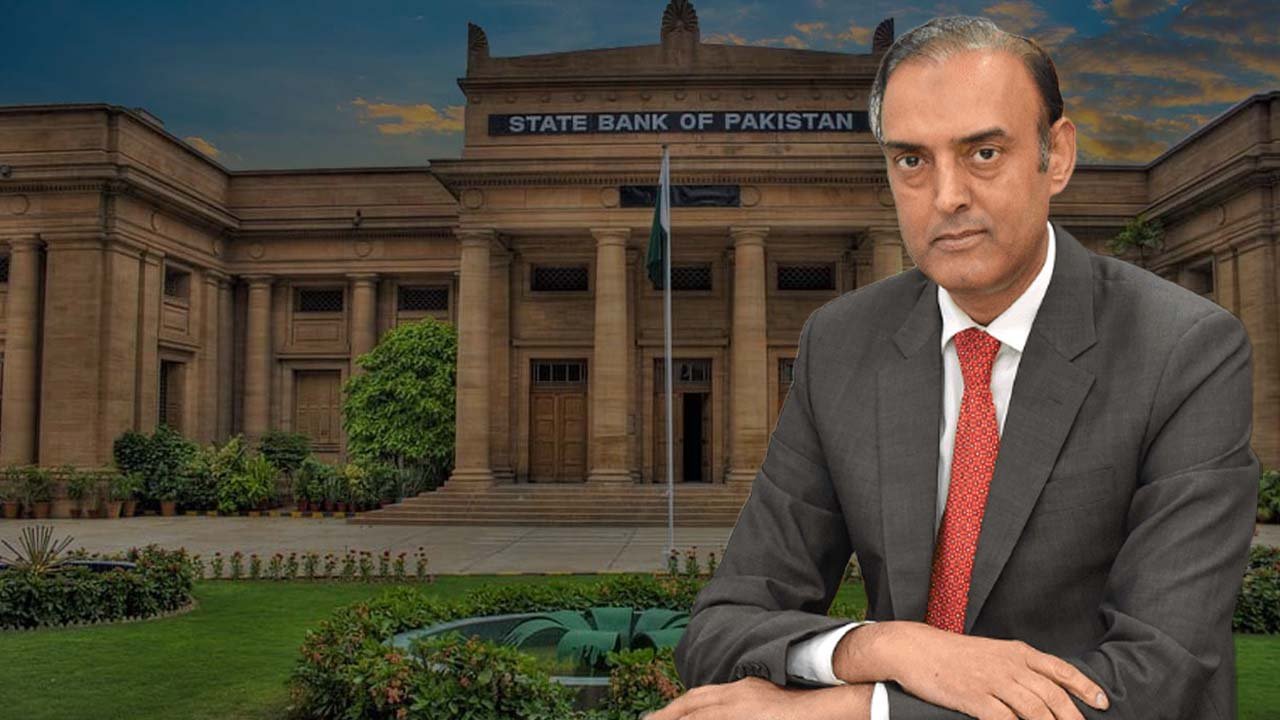
    The Governor of the State Bank of Pakistan (SBP), Jameel Ahmad, provided a reassuring update to investors on Friday, affirming that the nation is well-positioned to meet the International Monetary Fund’s (IMF) end-September targets for net international reserves and net domestic assets. 

    Ahmad said that Pakistan is “very comfortably” placed to meet IMF targets. 

    This declaration was made by Governor SBP during a meeting with prominent international investors held on the sidelines of the IMF-World Bank gatherings in Marrakech, Morocco.  

    The meeting was organised by prominent global banks such as Barclays, JP Morgan, Standard Bank, and Jefferies. 

    According to an official press release from the central bank, investors were apprised of recent macroeconomic developments, the government’s response to prevailing challenges, and the economic outlook of Pakistan and were provided with the opportunity to seek clarification on these matters. 

    Governor Ahmad informed investors that the current policy framework is strategically oriented towards achieving stability by addressing prevailing macroeconomic imbalances. 

    He highlighted that the SBP had taken early measures to tighten monetary policy in response to escalating global inflation. 

    Nevertheless, certain domestic obstacles, such as the 2022 floods, had complicated the SBP’s efforts to combat inflation. 

    The governor noted that these stabilisation measures have begun to yield positive outcomes. Inflation, after reaching a peak of 38.0 per cent in May 2023, decreased to 31.4 per cent in September 2023 and is anticipated to continue on a downward trajectory in the coming months. 

    Furthermore, Pakistan’s external account has exhibited substantial improvements, with foreign exchange reserves being steadily replenished. 

    Governor Ahmad expressed confidence that inflation would significantly decrease in the latter half of the fiscal year. 

    He emphasised that the stand-by arrangement with the IMF is anticipated to provide essential support for ongoing economic stabilisation efforts. 

    In addition, he reported that foreign exchange reserves have improved considerably, marked by an increase from a low of $3.1 billion in January 2023 to $7.6 billion at the end of September 2023. 

    This reserve enhancement was largely bolstered by non-debt-creating inflows amid favourable market conditions. 

    According to Geo, the Governor further revealed that the SBP has successfully met the forward book target of $4.2 billion for end-September 2023, as agreed with the IMF, with a substantial surplus. 

    Likewise, the SBP is confidently poised to fulfil other end-September IMF targets, including net international reserves (NIR) and net domestic assets (NDA). 

    Concluding his statement to investors, Governor Ahmad conveyed that Pakistan is diligently addressing long-standing structural deficiencies.  

    He expressed optimism that, with the support of both multilateral and bilateral partners, the nation is on course to achieve sustainable and inclusive economic growth in the medium term. 

  • IMF spokesperson urges fair taxation and protection for vulnerable in Pakistan

    IMF spokesperson urges fair taxation and protection for vulnerable in Pakistan

    The International Monetary Fund (IMF) has emphasised that its $3 billion Standby Arrangement (SBA) programme with Pakistan serves as a critical policy framework. This framework addresses both domestic and international economic imbalances while also facilitating financial support from various donors, including the refinancing of outstanding debts.

    According to Geo, during a recent press conference held at the IMF headquarters in Washington, DC, Julie Kozack, the spokesperson for the global lender, fielded questions regarding the IMF’s engagement with Pakistan. These inquiries encompassed Pakistan’s request for relief and permissions within the existing agreement, specifically in relation to rising energy costs, notably electricity bills.

    In response to concerns about potential human rights implications, particularly for minority populations and the vast number of people living below the poverty line (an estimated 92 to 95 million), the IMF spokesperson emphasised that the programme received approval on July 12. It is a nine-month standby arrangement amounting to $3 billion, designed to support the economic stabilisation programme of the Pakistani government.

    The core objectives of this programme revolve around providing a policy framework to address both domestic and external economic imbalances, along with establishing a structure to secure financial support from various donors, both multilateral and bilateral. This includes securing fresh financing and addressing upcoming debt obligations.

    The IMF outlined that policy efforts are focused on implementing the fiscal year 2024 budget, formulating appropriate monetary policies to combat inflation, and continuing reforms to enhance the sustainability of the energy sector.

    These reforms are ultimately geared towards fostering higher, more inclusive, and more resilient economic growth. They also aim to bolster social development and climate resilience by strengthening public financial management, improving tax administration, and enhancing the prioritisation of public investments.

    Furthermore, these efforts are conducted in collaboration with partner institutions, not only the IMF but also the World Bank and the Asian Development Bank, underscoring a collective commitment to Pakistan’s economic stability and development.

    Kozack also highlighted IMF Managing Director Kristalina Georgieva’s strong stance on poverty and inequality. She emphasised the importance of wealthier segments of society bearing a fair tax burden, particularly in a context where Pakistan’s tax-to-GDP ratio is notably low.

    The IMF’s commitment extends to safeguarding the interests of the poor and vulnerable members of society within the programme’s framework, aligning with the goal of achieving a more equitable and inclusive society.

  • PIA to be privatised: assets, debt and staff to be transferred

    PIA to be privatised: assets, debt and staff to be transferred

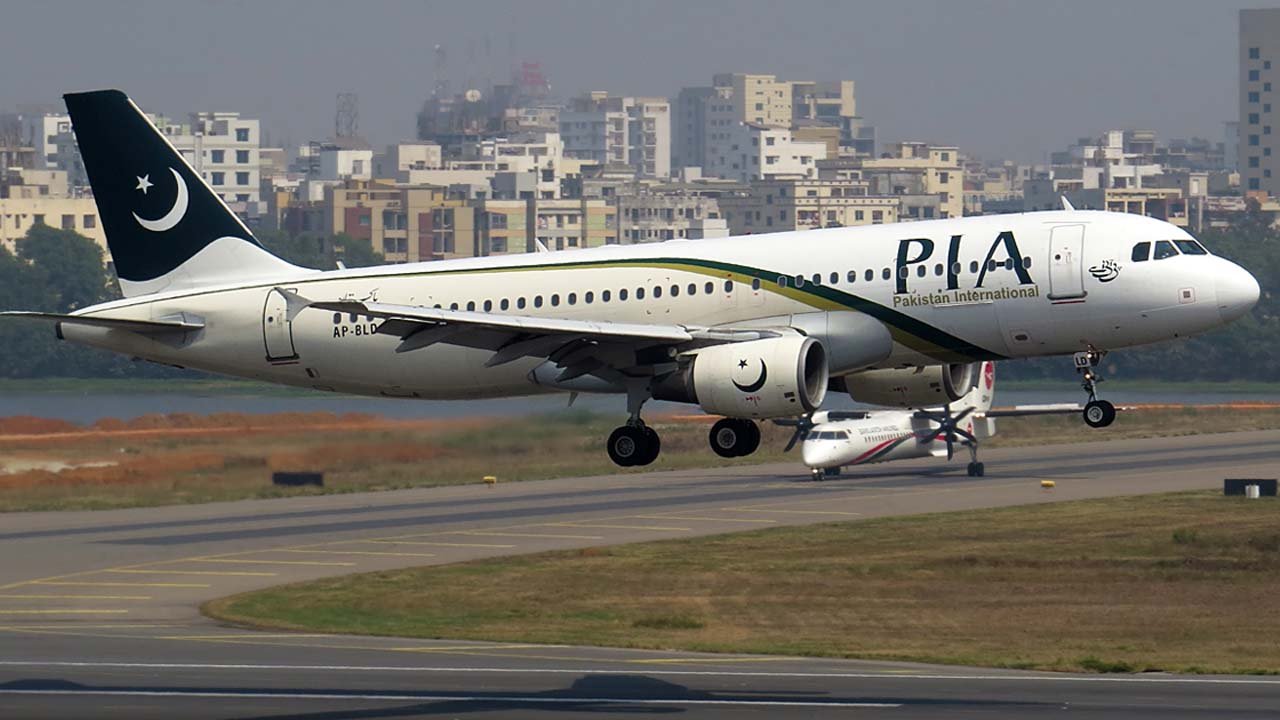
    Pakistan International Airlines (PIA), which has been running at a loss, has unveiled its privatisation plan. Sources indicate that this plan encompasses not only the privatisation of PIA but also the power distribution companies and the revival of Pakistan Steel Mills.

    Furthermore, it has been reported that the process of appointing a financial advisor for PIA’s privatisation is underway. While PIA’s affiliated institution will remain unaffected by privatisation, plans have been solidified to address issues related to PIA’s debt and government guarantees.

    According to ARY News, the Privatisation Commission sources have disclosed that, under the current circumstances, Pakistan Steel Mills cannot be privatised. However, efforts will be made to enhance the mill’s production and capabilities to attract potential investors.

    It’s worth noting that the restructuring plan for the privatisation of Pakistan International Airlines (PIA) is progressing rapidly. The PIA administration has invited applications from legal and corporate firms for assistance in this restructuring plan. The Department of Contract Management has been instructed to forward these applications by October 6.

    The assets of PIA, including properties, debts, aircraft, and employees, will be transferred to the new company, presenting PIA as a debt-free organisation to potential investors.