Tag: Economic stability

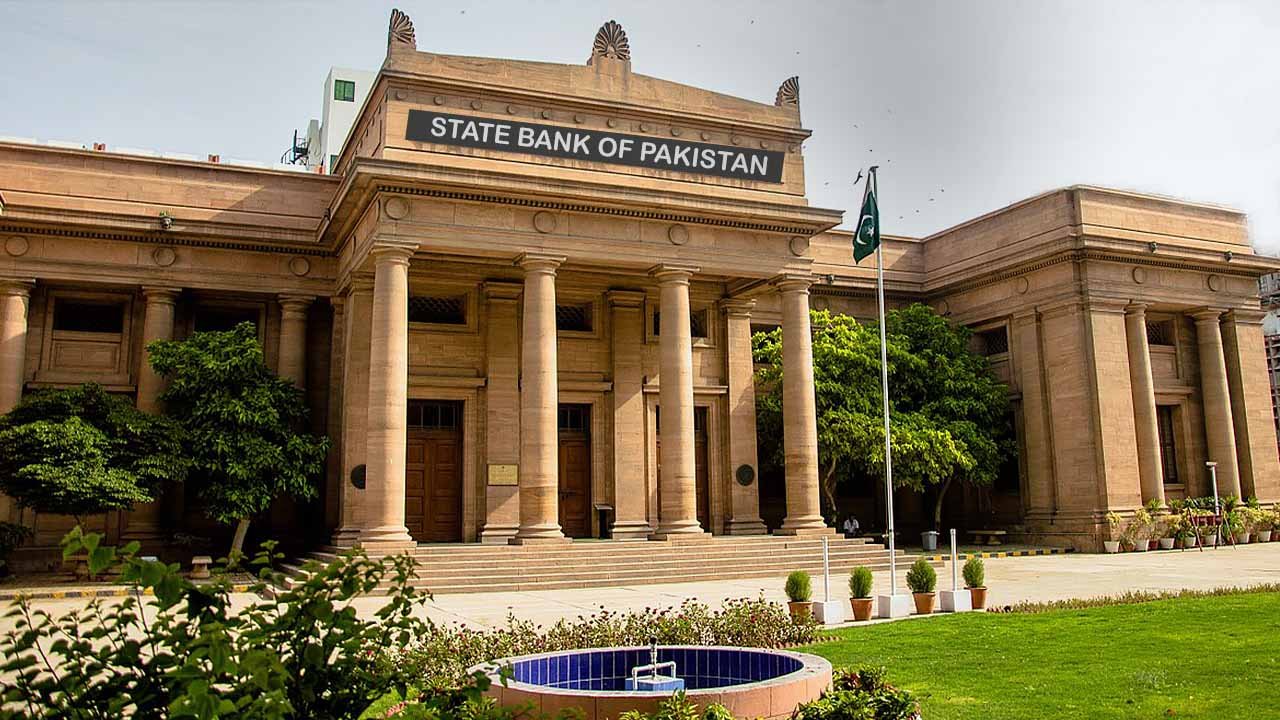
  • Are you a woman looking to start your own business? State Bank of Pakistan has an interest-free loan for you

    Are you a woman looking to start your own business? State Bank of Pakistan has an interest-free loan for you

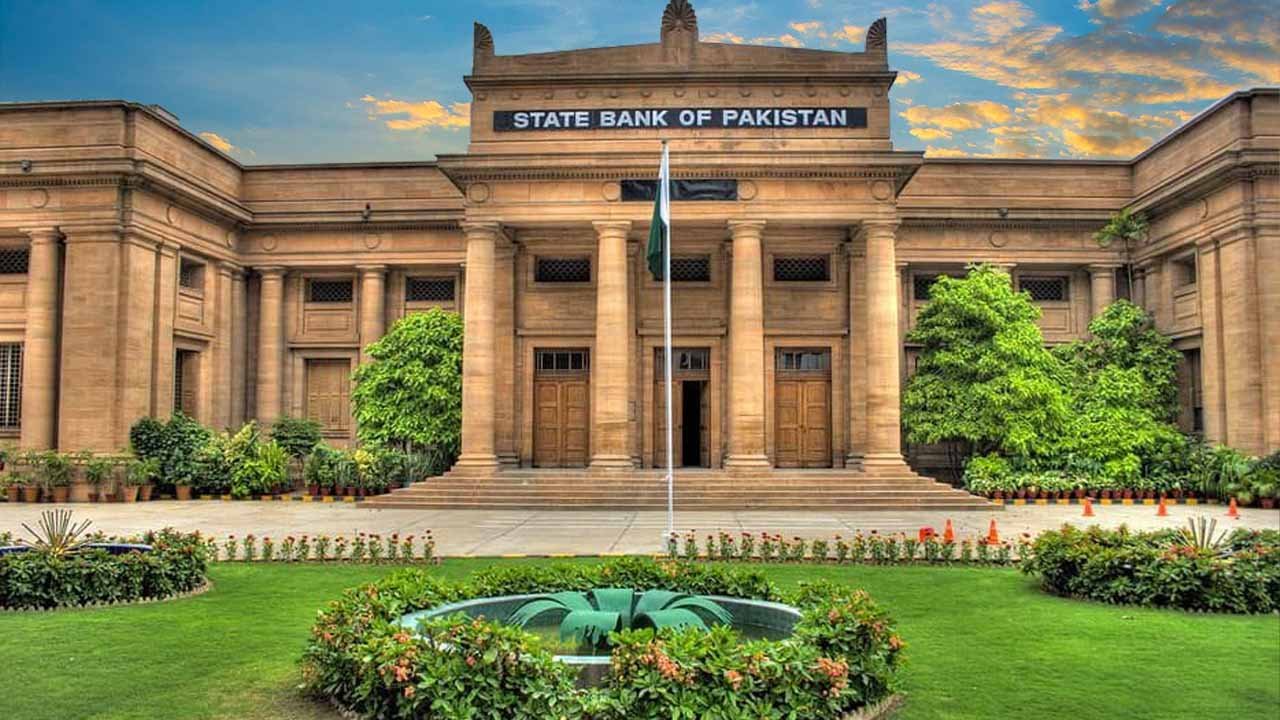
    In pursuit of fostering both economic stability and enhanced female workforce participation, the State Bank of Pakistan (SBP) has initiated a noteworthy endeavor. It involves extending interest-free loans to unemployed women, empowering them to embark on substantial entrepreneurial ventures.

    During a seminar titled ‘Women Bankability and Banking on Equality’ at the Government Polytechnic Institute for Women in Dera Ismail Khan, Fazal Muqeem, Deputy Chief Manager of SBP in Dera Ismail Khan, articulated this pivotal announcement.

    Muqeem underscored that women, through the establishment of their own businesses, would not only be able to provide for their families but also confront the pervasive impact of the current inflationary trends that affect every echelon of society. He highlighted the financial difficulties faced by economically disadvantaged individuals in meeting their daily expenses due to limited income avenues.

    In light of the restricted employment opportunities within the country, the pursuit of self-employment emerges as the most viable option in such circumstances, according to Muqeem. He elucidated that these initiatives are the result of collaborative efforts between the Prime Minister and the central bank, aimed at cultivating productive citizenship among unemployed women.

    These policies have facilitated the opening of bank accounts for unemployed women on an equitable basis with men, thereby enabling them to access interest-free loans of up to Rs0.5 million.

    Muhammad Zubair, Assistant Director, asserted that the contemporary era is characterised by digital mobility, and citizens should harness this resource to their advantage. He encouraged citizens to become income tax filers, which would help them reduce their tax liabilities.

    Sara Khan, Principal of GPI for Women, expressed her gratitude to the SBP for their support and highlighted their institution’s dedication to equipping students with skills that empower them to be self-sufficient and valuable contributors to society.

    According to Geo News, she envisioned that numerous women would benefit from SBP’s policy in the future and hoped that such insightful seminars would continue to be organised, enabling the underprivileged and eligible women of Dera Ismail Khan to reap the benefits.

    The event also saw the presence of key figures such as Muhammad Amir Ejaz, Assistant Chief Manager of SBP in Dera Ismail Khan, Rizwanullah Shah, Zafar Awan, Placement Officer at GPI (Women), and a substantial gathering of teachers and female students.

  • World Bank urges urgent economic reforms in Pakistan to tackle rising poverty

    World Bank urges urgent economic reforms in Pakistan to tackle rising poverty

    The World Bank has issued a grave warning regarding Pakistan’s economic state, urging the nation to take swift action. They propose taxing key sectors like agriculture and real estate while reducing wasteful expenditures to stabilise the economy. This endeavour aims for a significant fiscal adjustment, equivalent to over 7 percent of Pakistan’s economic size.

    The World Bank also revealed alarming statistics, with poverty levels surging to 39.4 percent in the last fiscal year, pushing an additional 12.5 million people below the poverty line. Currently, nearly 95 million Pakistanis live in poverty.

    To address these challenges, the World Bank has drafted a set of policy recommendations in collaboration with stakeholders, focusing on low human development, unsustainable fiscal practices, overregulation in the private sector, and issues in the agriculture and energy sectors.

    Immediate measures include raising the tax-to-GDP ratio by 5 percent and reducing expenditures by about 2.7 percent of GDP, primarily targeting previously protected sectors.

    Tobias Haque, the lead country economist at the World Bank, underscores the need for substantial policy changes, given Pakistan’s economic and human development crises.

    According to Express Tribune, the World Bank’s recommendations encompass a range of fiscal reforms, including the removal of tax exemptions, increased taxation on real estate and agriculture, and mandatory use of CNIC for transactions.

    Furthermore, the institution advises cutting energy and commodity subsidies, implementing a single Treasury account, and adopting temporary austerity measures for short-term savings. Medium-term savings entail streamlining federal spending and enhancing the quality of development expenditures.

    Najy Benhassine, the country director for Pakistan at the World Bank, emphasises the importance of political consensus and domestic solutions to address Pakistan’s challenges.

    The World Bank highlights the need to address the human capital crisis, reduce energy subsidies, and promote inclusive, sustainable, and climate-resilient development in Pakistan. These measures are imperative to stabilise the nation’s precarious economic situation and alleviate the growing poverty crisis.

  • IMF urges Pakistan to increase taxation on the rich and ‘protect the poor’

    IMF urges Pakistan to increase taxation on the rich and ‘protect the poor’

    International Monetary Fund (IMF) Managing Director (MD) Kristalina Georgieva has urged Pakistan to increase taxation for the rich and safeguard the well-being of the less privileged. She said that these actions align with the desires of the people in Pakistan. 

    According to Geo News, speaking on the sidelines of the 78th United Nations General Assembly (UNGA) session in New York, she stated, “What we are asking in our programme is that you please collect more taxes from the wealthy and please protect the poor people of Pakistan. I do believe this is in line with what people in Pakistan would like to see for the country.”

    In a separate social media post after a meeting with Pakistan’s caretaker prime minister, Anwaar ul Haq Kakar, Georgieva stated, “Very good meeting with Pakistan’s PM today on Pakistan’s economic prospects. We agreed on the vital need for strong policies to ensure stability, foster sustainable and inclusive growth, prioritise revenue collection, and provide protection for the most vulnerable in Pakistan.”

    Furthermore, the Prime Minister’s Office (PMO) released a statement expressing gratitude for the IMF’s approval of a $3 billion stand-by agreement (SBA) to support Pakistan’s economy. The arrangement, approved by the IMF’s Executive Board in July, is set for its second review in November.

    The statement mentioned that Kakar briefed the MD IMF on various measures taken by the Government of Pakistan to stabilise and revive the country’s economy, with a focus on creating a stable environment for sustainable economic growth and investment, particularly for vulnerable segments of society.

    Kristalina Georgieva commended Pakistan’s concerted efforts in implementing policies and reforms to revive the economy and assured continued engagement with Pakistan.

    Read more: UAE bans fresh meat imports from Pakistan 

    In July, Pakistan secured a last-minute SBA with the IMF, providing relief to its economy, which had long grappled with a boom-and-bust cycle due to the absence of meaningful structural reforms. High inflation and a balance-of-payments crisis have led to economic distress, prompting the Asian Development Bank (ADB) to revise its growth outlook for the country.

    Low foreign exchange reserves have resulted in import restrictions as debt payments remained high and avenues for dollar inflows were limited.

    Anwaar-ul-Haq Kakar also called upon the international community to find a lasting solution to the debt issues faced by 59 countries in debt distress, emphasising the need for global and regional cooperation to achieve sustainable development goals. 

    He highlighted the importance of resources for developing countries and reiterated Pakistan’s commitment to supporting the Global Development Initiative. Kakar also noted the significance of China’s Belt and Road Initiative (BRI) and China-Pakistan Economic Corridor (CPEC) in achieving sustainable development goals.

  • Pakistan seeks economic stability through multi-billion dollar Gulf investments

    Pakistan seeks economic stability through multi-billion dollar Gulf investments

    Pakistan is engaged in high-stakes negotiations with Gulf nations to secure billions of dollars in investments. These discussions come as Islamabad strives to stabilise its economy by attracting much-needed foreign currency, while the oil-rich Gulf monarchies seek to diversify their economies and extend their influence.

    According to a report by Saeed Shah published on the Wall Street Journal, a significant development on the horizon involves Saudi Arabia’s potential involvement in a massive copper mining project. Canada’s Barrick Gold is spearheading the development of this colossal mine, located in western Pakistan, at an estimated cost of $7 billion. Sources familiar with the project reveal that Saudi officials are in talks about acquiring a stake in this ambitious venture.

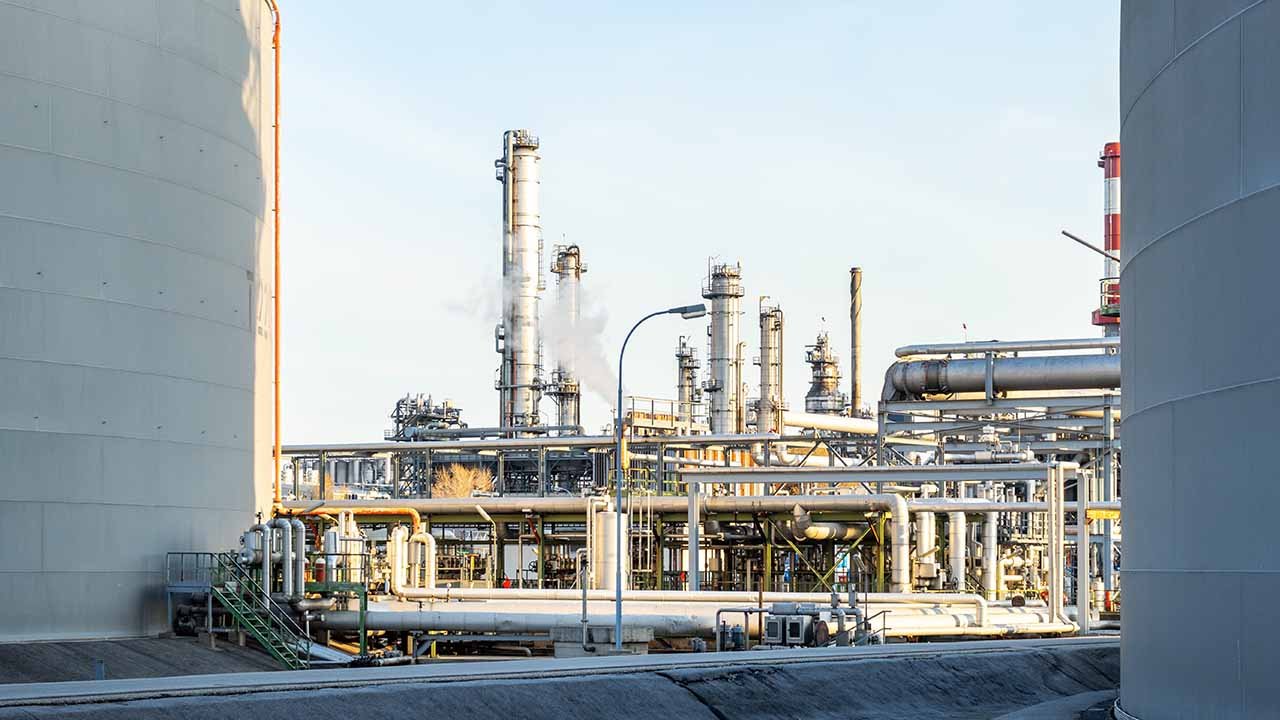
    Furthermore, advanced negotiations are underway for the establishment of a Saudi oil refinery within Pakistan’s borders. This ambitious project, estimated to cost up to $14 billion, has garnered the attention of both Islamabad and Gulf officials.

    This marks a notable shift for the Gulf states, moving away from traditional loans and grants to a strategic focus on acquiring assets to bolster their sovereign wealth funds.

    For Pakistan, these investments come at a critical juncture. The nation, home to a population of 240 million and armed with nuclear capabilities, has been grappling with economic turmoil and political instability. In June, an agreement was reached with the International Monetary Fund for another bailout, reflecting the urgency of the situation.

    To pave the way for these investments, Pakistan’s military, a dominant institution within the country, is taking measures to streamline the deal-making process. This initiative aims to address previous concerns raised by Gulf investors regarding bureaucratic hurdles and political uncertainties.

    The potential investments span a wide range of sectors, including mining, energy infrastructure, farmland, and the privatisation of government businesses. Notably, Pakistan’s newly established Special Investment Facilitation Council, which includes the army chief, has been designed to expedite the bureaucratic procedures associated with Gulf investment.

    Ahsan Iqbal, Pakistan’s outgoing planning minister and head of the executive committee of the Special Investment Facilitation Council, emphasised the strategic positioning of Pakistan as a gateway to growth in Asia. He stressed the importance of providing investors with the assurance of policy continuity for their investments.

    The Saudi deputy mining and foreign ministers have recently visited Islamabad to discuss this significant investment endeavour. These discussions align with Pakistan Prime Minister Shehbaz Sharif’s announcement that parliament will dissolve, potentially paving the way for a nonpolitical caretaker government and facilitating economic decisions.

    Pakistan’s relationship with its military is pivotal, with the army wielding considerable influence in the country. The Gulf has maintained direct ties with Pakistan’s military for decades, underscoring the military’s role as a key facilitator in these negotiations.

    The scope of the potential deals is substantial, with Pakistan hoping to secure around $25 billion in investments. Key areas of interest include solar energy, information technology, and the defence industry. Furthermore, Pakistan is prepared to offer uncultivated government land on long leases for agriculture, aiming to attract diverse investments.

    While concrete figures from the Gulf nations have yet to be disclosed, the prospect of significant investments has generated substantial interest. In this context, the ongoing economic challenges faced by Egypt and Pakistan have presented an opportunity for asset acquisition on favourable terms.

    Efforts to secure investments will likely see competition between Gulf nations, particularly Saudi Arabia and the United Arab Emirates (U.A.E.). Both nations have expressed keen interest in various sectors, including infrastructure and logistics.

    Amidst these negotiations, Islamabad has announced a tender for terminal services at Islamabad airport, a contract that is expected to draw interest from both the U.A.E. and Qatar. Pakistan’s transition to a nonpolitical caretaker government is anticipated to catalyse these investment deals.

    At the heart of the negotiations lies the prospect of a Saudi oil refinery, a deal that is reportedly on the cusp of realisation. The potential partnership with Saudi Aramco for this project underscores Pakistan’s strategic significance in the region.

    The mining sector also offers a lucrative opportunity, particularly in copper, a critical resource for the transition to cleaner energy. The joint venture between Barrick Gold and the Pakistani government in the Reko Diq mine has attracted Saudi interest, with the Saudi sovereign wealth fund, the Public Investment Fund, and Saudi mining company Ma’aden reportedly eyeing a stake in the mine.

    While challenges and security concerns persist, these negotiations mark a pivotal moment for Pakistan. With the potential for substantial investments across various sectors, the country seeks to harness its untapped potential and forge strategic partnerships in the Gulf region.
  • IMF wants Pakistan to implement property and agriculture tax

    IMF wants Pakistan to implement property and agriculture tax

    The International Monetary Fund (IMF) has recently granted Pakistan a $3 billion loan, subject to certain conditions that require a second review.

    According to reports, the Washington-based institution has asked the Pakistani government to devise a plan for implementing taxes on the real estate and agricultural sectors, with the aim of bolstering the country’s revenue generation.

    The IMF perceives a potential for Pakistan to enhance its revenue through taxation of these two sectors.

    Should the plan devised by the Federal Bureau of Revenue (FBR) gain approval from the IMF, it will result in the release of a mini-budget. However, the decision to impose taxes on the property and agriculture sectors ultimately rests with the new government.

    Additionally, sources indicate that assistance will be sought from the World Bank to facilitate the taxation of these sectors.

    It is worth noting that Pakistan recently received the initial disbursement of $1.2 billion from the IMF.

    IMF officials emphasise that Pakistan must fulfill the conditions outlined in the agreement to achieve economic stability.

    Prime Minister Shehbaz Sharif has also assured the IMF Managing Director of the government’s commitment to implementing the agreement in its entirety.

  • Pakistan receives $1.2 billion deposit from IMF

    Pakistan receives $1.2 billion deposit from IMF

    The State Bank of Pakistan (SBP) has received a substantial deposit of $1.2 billion from the International Monetary Fund (IMF), offering a glimmer of hope to the economically strained nation that has been on the verge of default for an extended period.

    This deposit follows the approval by the IMF’s executive board, during a late-night session, of a nine-month programme under a $3 billion Stand-By Agreement (SBA). The agreement, reached after arduous negotiations over fiscal discipline lasting eight months, marks a significant milestone for Pakistan.

    Last month, Pakistan successfully reached a staff-level agreement with the IMF, securing a short-term pact that exceeded expectations in terms of funding for the country, which is home to 230 million people. This achievement is of particular importance given the acute balance of payments crisis that Pakistan faced, with its central bank reserves barely sufficient to cover a month’s worth of controlled imports.

    During a televised address from Islamabad, Finance Minister Ishaq Dar expressed that Pakistan will receive the remaining balance of the agreed amount following two reviews. The first review is scheduled for November, while the second review will take place in February.

    These reviews are crucial milestones that need to be met to ensure the disbursement of the funds by the IMF, thus supporting Pakistan’s pursuit of economic stability.

  • State Bank of Pakistan’s foreign exchange reserves surge to $4.46 billion with $393 million increase

    State Bank of Pakistan’s foreign exchange reserves surge to $4.46 billion with $393 million increase

    The State Bank of Pakistan (SBP) has announced an increase of $393 million in its foreign exchange reserves, bringing the total to $4.46 billion. In an official statement, the central bank stated that this rise occurred on June 30, 2023. The boost in reserves is seen as a positive development for the country’s economy.

    At the same time, the overall liquid foreign reserves held by Pakistan now stand at $9.74 billion, with commercial banks accounting for $5.28 billion of that amount. These figures reflect the country’s efforts to stabilise its foreign reserves and strengthen its financial position.

    This increase in foreign exchange reserves is largely attributed to Pakistan’s recent agreement with the International Monetary Fund (IMF). The country signed a staff-level agreement with the IMF, amounting to $3 billion, for a duration of 9 months. The IMF’s “Stand-By Arrangement” with Pakistan has been successfully concluded, signaling a positive outlook for the nation’s economic stability.

    Nathan Porter, the IMF Mission Chief, commended Pakistan for its commitment to achieving its economic goals and acknowledged the parliament’s crucial role in this accomplishment. He emphasised that the staff-level agreement under the Stand-By Arrangement is a significant milestone.

    The agreement is now awaiting final approval from the IMF’s executive board, which is anticipated to occur in mid-July. Once approved, Pakistan will be eligible to receive the $3 billion loan from the IMF.

    In his remarks, Porter highlighted the parliament’s efforts to enhance tax revenues, an essential component of Pakistan’s economic growth. The parliament has taken noteworthy steps to increase funds allocated to the Benazir Income Support Programme and has also limited tax exemptions.

    These measures are expected to lead to an increase in tax revenues, which, in turn, could result in a primary surplus of 0.4 per cent for Pakistan’s economy. The additional funds generated through these increased tax revenues can then be directed towards crucial social sectors.

    Overall, the increase in foreign exchange reserves for the State Bank of Pakistan is an encouraging sign for the country’s economic stability. With the IMF agreement on the horizon and the parliament’s dedication to boosting tax revenues, Pakistan is poised to make significant strides in its economic development.

    The final approval of the agreement by the IMF’s executive board will mark a crucial milestone in Pakistan’s journey towards a more prosperous future.

  • Pakistan commits to boost foreign exchange reserves to $11.7 billion by 2024

    Pakistan commits to boost foreign exchange reserves to $11.7 billion by 2024

    Pakistan has made a commitment to the International Monetary Fund (IMF) to significantly increase its gross foreign exchange reserves by $7.65 billion. The goal is to raise the reserves to $11.7 billion by the end of the financial year 2024, up from the current level of $4.056 billion in the financial year 2023. This move is aimed at building a buffer of foreign exchange reserves to protect the national economy from external shocks.

    The assurance was given through a Letter of Intent (LoI) signed by Finance Minister Ishaq Dar and State Bank of Pakistan (SBP) Governor Jameel Ahmed. Under a $3 billion stand-by arrangement (SBA) for nine months, Pakistan assured the IMF and its executive board of its commitment to bolster its foreign exchange reserves.

    If the gross foreign exchange reserves reach $11.7 billion by the end of June 2024, they will be sufficient to meet the country’s import requirements for goods and services for approximately 1.8 months.

    The balance of payment (BoP) chart, agreed upon by the IMF and Pakistan, indicates that projected disbursements of foreign loans during the current financial year 2023-24 are expected to amount to $15.01 billion from multilateral and bilateral creditors. This financial year started on July 1, 2023, and will end on June 30, 2024.

    The analysis of the BoP data suggests that Pakistan needs to secure external financing from multilateral and bilateral creditors during the current fiscal year. Additionally, Pakistan is seeking an additional deposit of $2 billion from the Kingdom of Saudi Arabia and $1 billion from the United Arab Emirates (UAE). The Islamic Development Bank (IsDB) has agreed to provide a $1 billion loan program.

    Furthermore, Pakistan is actively working on program loans and project financing from the World Bank, Asian Development Bank, and Asian Infrastructure Investment Bank (AIIB) to secure a total disbursement of $15 billion from all multilateral and bilateral sources.

    To further strengthen its reserves, Pakistan intends to engage with bilateral partners, especially China, Saudi Arabia, and the UAE, to extend the maturity of their existing deposits, which amount to $2 billion, $3 billion, and approximately $2 billion, respectively, in the current financial year.

    The IMF executive board is scheduled to convene on July 12, 2023, in Washington DC, to review and consider Pakistan’s request for approval of a $3 billion short-term bailout package, including a $1 billion tranche release. Upon approval by the executive board, the $1 billion tranche will be disbursed within a few days.

    The IMF staff has already circulated copies of the Letter of Intent among the executive board members. In this document, Finance Minister Ishaq Dar and the SBP governor have provided assurances regarding the implementation of crucial fiscal and energy reforms to address fiscal challenges. Islamabad has also committed to tackling issues in the energy sector, including measures to control the circular debt problem.

    To address energy sector concerns, the government plans to raise power and gas tariffs in line with the determinations made by the regulators. The National Electric Power Regulatory Authority (NEPRA) will finalise the power tariff, while the facts regarding gas tariffs are being ascertained by relevant officials.

    The Oil and Gas Regulatory Authority (OGRA) has already recommended increasing gas tariffs by 45 per cent and 50 per cent for two major gas utilities. The government has a 40-day timeframe to make a decision on this matter, after which the recommendations will be notified in the second week of July 2023.

    Under the nine-month SBA program, it is anticipated that there will be two reviews conducted by the IMF mission in September and December 2023. Each review is expected to lead to the disbursement of a $1 billion installment.

    Overall, Pakistan is taking significant measures to strengthen its foreign exchange reserves, seek external financing, and implement necessary reforms in order to address its economic challenges and ensure stability.

  • Pakistan’s foreign exchange reserves get a boost as China rolls over $1 billion loan

    Pakistan’s foreign exchange reserves get a boost as China rolls over $1 billion loan

    In a significant development, China has rolled over a $1 billion loan to Pakistan, bolstering the country’s foreign exchange reserves held by the State Bank of Pakistan (SBP). This move comes as a much-needed relief for cash-strapped Pakistan, which has been grappling with a severe liquidity crunch and the looming expiration of its International Monetary Fund (IMF) programme.

    Pakistan’s Finance Minister Ishaq Dar said that the $1 billion loan from China would be received on Monday. Additionally, negotiations are underway with the Bank of China for a loan amounting to $300 million. Pakistan is also set to benefit from the dollars obtained through its swap agreement with China.

    Prior to this infusion of funds, the SBP and commercial banks jointly held foreign exchange reserves amounting to $9.4 billion as of June 9. With the $1 billion loan, the reserves will rise to $10.4 billion, providing some stability to Pakistan’s economic situation.

    The IMF has made external financing a prerequisite for Pakistan, emphasising the importance of securing additional funds. In an effort to address its financial challenges, Pakistan had approached China to refinance commercial loans worth $1.3 billion. However, without the revival of the IMF programme, the SBP’s foreign exchange reserves were at risk of plummeting to less than $3 billion.

    Despite these positive developments with China, Pakistan is still struggling to secure external financing in a timely manner, primarily due to ongoing political instability. The country’s fragile economy, valued at $350 billion, continues to be in turmoil, with financial woes exacerbating the situation. The delayed agreement with the IMF has further compounded the need for crucial funding to avoid the risk of default.

    Negotiations between the Pakistani government and the IMF have been ongoing since the end of January to resume the $1.1 billion loan tranche that has been on hold since November. This loan is part of a larger $6.5 billion Extended Fund Facility agreed upon in 2019. The impending challenge lies in repaying $900 million to multilateral creditors, which includes both principal and mark-up repayments, by the end of June 2023.

    Pakistan remains hopeful that these recent developments with China will provide some respite in the face of its economic challenges. However, the government must continue its efforts to secure external financing and navigate through the political instability to ensure long-term stability and growth for the country’s economy.