
Tag: Economic Strategy

  • Pakistan hires Chinese adviser to facilitate Panda Bond issuance

    Pakistan hires Chinese adviser to facilitate Panda Bond issuance

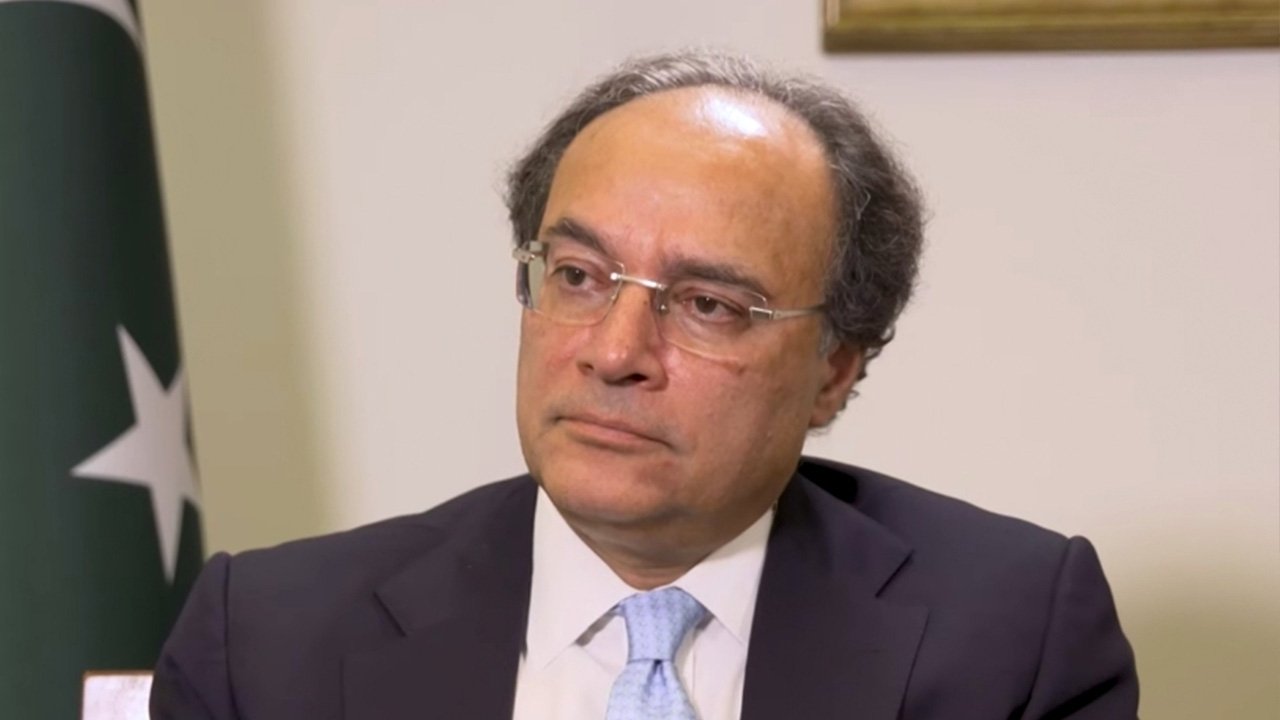
    In a strategic effort to reintegrate into the international capital markets, Pakistan has appointed a Chinese adviser to aid in the issuance of Panda Bonds, Finance Minister Muhammad Aurangzeb announced during a press briefing following a Senate Standing Committee on Finance meeting.

    The move follows reports of interest from five Chinese banks in participating in the issuance of these bonds. Finance Minister Aurangzeb had previously indicated a strong interest in attracting Chinese investors, with plans to issue up to $300 million in Panda Bonds within the year.

    During the briefing, Minister Aurangzeb also addressed Pakistan’s current economic situation, revealing a financing gap of between $3 and $5 billion that needs to be addressed under the ongoing IMF programme.

    The government is actively seeking to bridge this gap while avoiding high-interest loans from international commercial banks, which could place a significant burden on the country’s finances.

    Regarding the extended IMF programme, Aurangzeb confirmed that he is maintaining regular communications with the global lender, with the IMF Executive Board meeting scheduled for the end of the month.
  • Pakistan working to secure foreign investment and extend existing loans: Finance Minister

    Pakistan working to secure foreign investment and extend existing loans: Finance Minister

    Pakistan is working to secure foreign investment and extend existing loans to meet its external financing needs, as it prepares to implement a new $7 billion deal with the International Monetary Fund (IMF). Finance Minister Muhammad Aurangzeb shared these plans with Reuters on Friday.

    The new 37-month IMF agreement requires Pakistan to enforce tough measures, including higher taxes on agriculture and increased electricity prices. These changes have raised concerns about their impact on the country’s poorer and middle-class citizens, who are already struggling with inflation.

    Historically, Pakistan has frequently relied on IMF programmes to avoid financial crises, sometimes coming close to default. The country has also depended on financial support from allies like the United Arab Emirates (UAE) and Saudi Arabia to meet its IMF targets.

    Aurangzeb highlighted that while external financing remains essential, the government is now focusing on sustainable solutions, such as attracting foreign direct investment and securing climate finance. “We expect loan rollovers to continue and have requested extensions for loan maturities,” he said.

    Past support from Saudi Arabia, the UAE, and China, along with IMF backing, has been crucial for Pakistan’s financial stability. The IMF has stated that the new Extended Fund Facility programme requires approval from its Executive Board and confirmation of necessary financing from Pakistan’s development and bilateral partners.

    Aurangzeb is optimistic about managing the external financing gap, describing it as “manageable and doable.” He emphasized a shift towards foreign direct investment, particularly in the Reko Diq copper and gold mine. The finance minister also noted that his government is working on projects to attract investment from Saudi Arabia and the UAE.

    Pakistan, currently the IMF’s fifth-largest debtor with $6.28 billion owed as of 11 July 2024, is also expecting a significant investment from the World Bank’s International Finance Corporation (IFC) in the Reko Diq project. Aurangzeb plans to discuss further reforms with China during a visit by the end of July.

  • PM Shehbaz transfers ECC chairmanship to Finance Minister Aurangzeb

    PM Shehbaz transfers ECC chairmanship to Finance Minister Aurangzeb

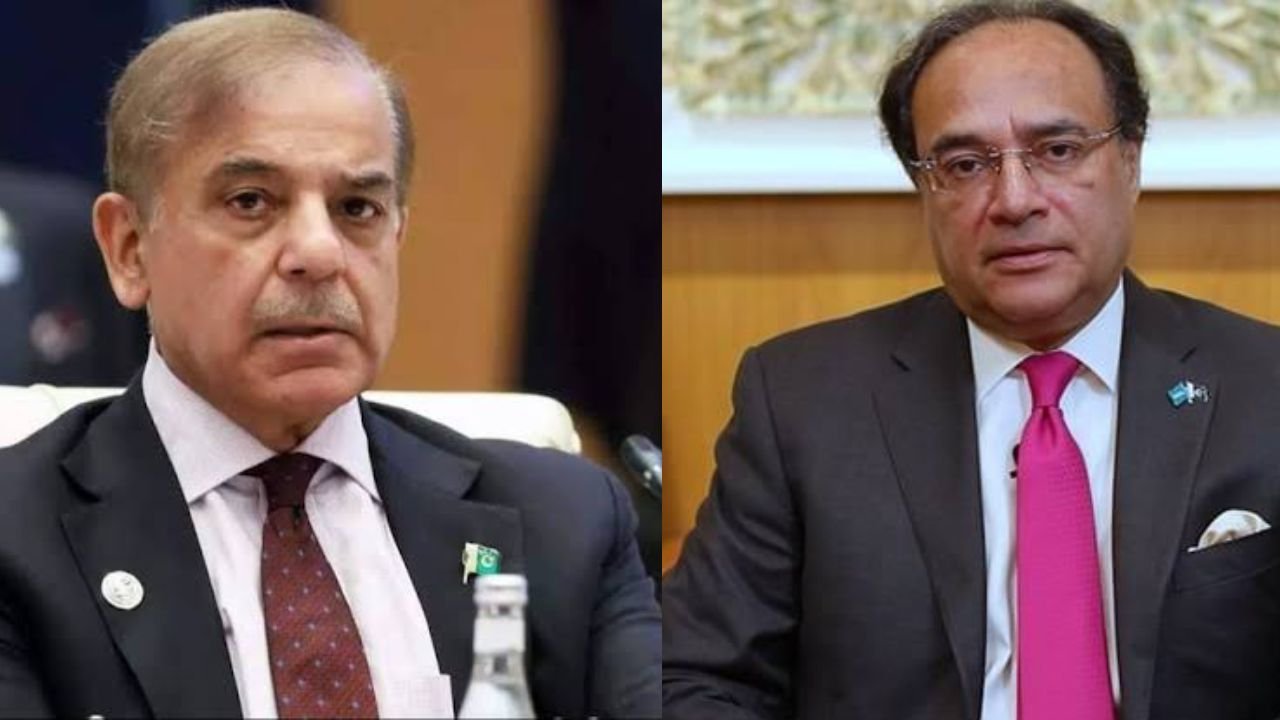
    Prime Minister (PM) Shehbaz Sharif, in a reversal of his earlier decision, has transferred the chairmanship of the Economic Coordination Committee (ECC) to Finance Minister Muhammad Aurangzeb.

    According to a notification, the ECC will now be led by the finance minister, with ministers of economic affairs, planning, commerce, power, and petroleum being integral members of the committee.

    Previously, PM Shehbaz had announced himself as the chair of the ECC when unveiling the composition of seven major committees. This move had drawn criticism for potentially limiting the authority of the new finance minister. 

    Furthermore, the premier had initially chosen to preside over the Cabinet Committee on Energy (CCoE).

    Similarly, the Cabinet Committee on State-Owned Enterprises (CCoSOEs) was formed earlier under the chairmanship of the finance minister. Accordinng to Aaj News, the Minister for Finance will head the CCoSOEs, with ministers of Maritime Affairs, Economic Affairs Division, Science and Technology, and Housing and Works serving as its members.

    In a report by APP, PM Shehbaz emphasised the government’s commitment to implementing tough economic measures to navigate the country out of crisis while ensuring the protection of the underprivileged segments of society. 

    He stressed that the brunt of these measures would primarily be borne by the affluent, with mechanisms in place to safeguard the interests of the poor and vulnerable.

    Speaking at the meeting of the Apex Committee of the Special Investment Facilitation Council (SIFC), the prime minister disclosed that the International Monetary Fund (IMF) had completed the review for the disbursement of the last tranche of US$1.1 billion, expected to be received next month.