Tag: Economic Update

  • Inflation eases to 9.6% in August, first single-digit rate since October 2021

    Inflation eases to 9.6% in August, first single-digit rate since October 2021

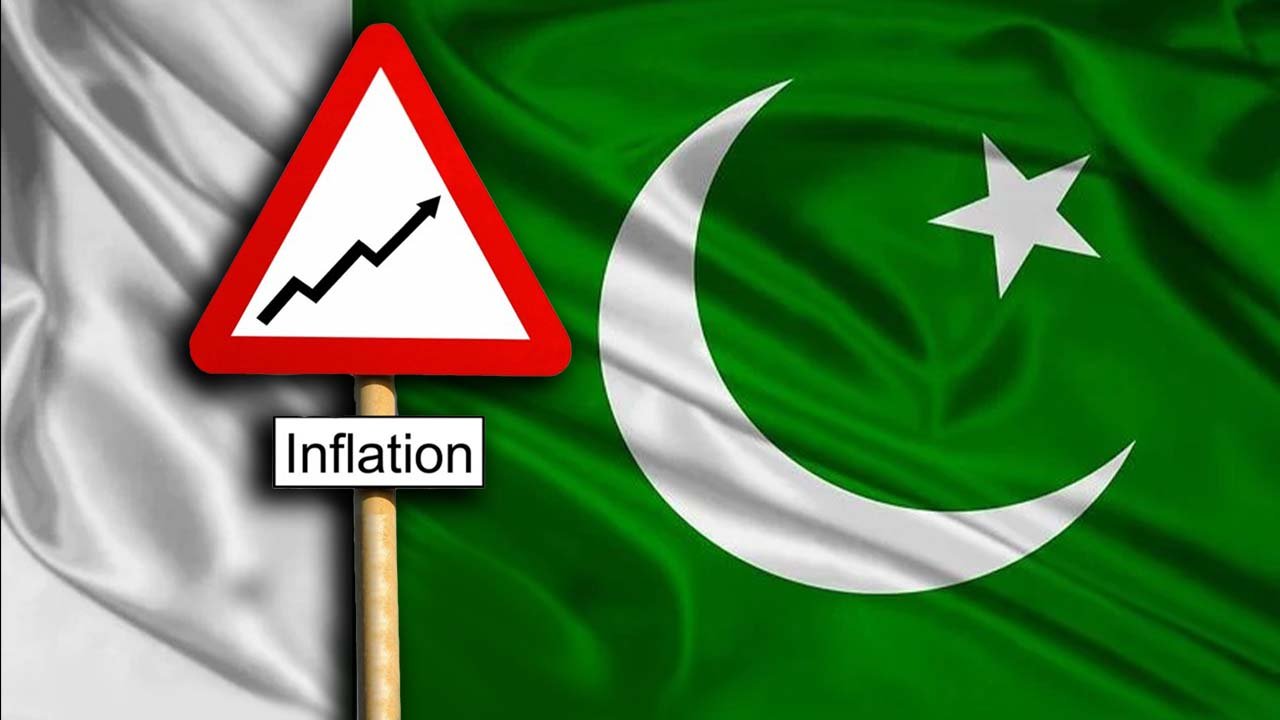
    Pakistan’s inflation rate dropped to 9.6 per cent in August 2024, a significant decrease from the 11.1 per cent recorded in July 2024, according to data from the Pakistan Bureau of Statistics (PBS).

    This marks the first time in three years that inflation has returned to single digits, with the last instance being in October 2021 when it stood at 9.2 per cent.

    On a month-to-month basis, the Consumer Price Index (CPI) saw a modest rise of 0.4 per cent in August 2024, compared to a 2.1 per cent increase in July 2024 and a 1.7 per cent rise in August 2023.

    This slowdown in monthly inflation aligns with the predictions of the Ministry of Finance, which had anticipated inflation to fall between 9.5 per cent and 10.5 per cent in its recent economic outlook.

    The Finance Ministry also suggested that if the current economic stability continues, inflation could drop further to between 9 per cent and 10 per cent by September 2024.

    This decline in inflation follows the State Bank of Pakistan’s (SBP) decision to reduce the key policy rate by 100 basis points to 19.5 per cent in July.

    The SBP had warned of potential inflation risks due to fiscal issues and sudden changes in energy prices, but the recent figures show a positive trend.

    Inflation has been a major issue for Pakistan, especially after hitting a record high of 38 per cent in May 2023. However, it has been steadily decreasing since then.

    The recent inflation data also matched projections from various financial institutions. JS Global, a brokerage firm, had predicted a 9.3 per cent inflation rate, noting that this would be the first time in three years that inflation dropped into single digits.

    They believe this trend could lead to further interest rate cuts, with the policy rate possibly dropping to 18 per cent in September 2024.
  • Pakistan’s inflation eases with further decline expected in coming months

    Pakistan’s inflation eases with further decline expected in coming months

    Pakistan’s headline inflation is expected to range between 18.5 per cent and 19.5 per cent in April 2024, with further deceleration projected in the coming months.

    The Finance Division’s ‘Monthly Economic Update and Outlook’ attributes the downward trend to a favourable base effect, improved domestic supply chains, and administrative measures.

    In March, headline inflation stood at 20.7 per cent, down from 23.1 per cent in February. Despite this easing, the government faces challenges, such as rising crude oil prices on the international market, leading to increased domestic gasoline prices. To offset this, the government has lowered wheat flour prices and imposed stricter controls.

    The Finance Division notes moderate recovery during the first nine months of the fiscal year, with growth in agriculture, a decrease in inflationary pressures, and stability in external accounts. The large-scale manufacturing (LSM) sector also shows positive signs, thanks to improved agricultural output and export demand.

    However, the report acknowledges challenges in fiscal management due to rising expenditure pressures from higher markup payments. To maintain stability, fiscal consolidation is required.

    The State Bank of Pakistan’s Monetary Policy Committee (MPC) recently kept the key policy rate at 22 per cent, citing ongoing risks to inflation from global oil prices and anticipated budget measures. The MPC’s goal is to bring inflation down to 5-7 per cent by September 2025.

    Pakistan’s broader economic struggles include pressure on external accounts and low foreign exchange reserves.

    The International Monetary Fund’s (IMF) $3-billion Stand-By Arrangement (SBA) has provided some relief, but Pakistan is seeking a longer-term programme with the IMF for economic stability and growth.

  • OGRA announces ‘reduction’ of Rs0.81 per kg in LPG price

    OGRA announces ‘reduction’ of Rs0.81 per kg in LPG price

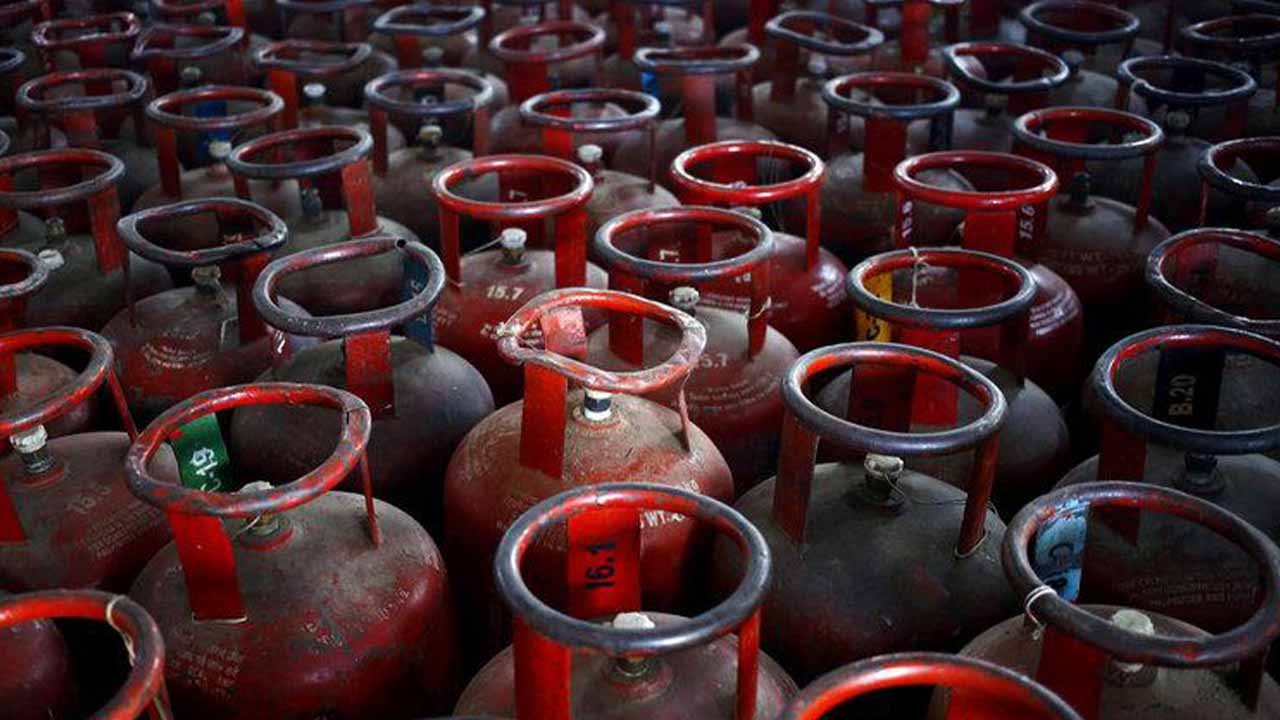
    The Oil and Gas Regulatory Authority (OGRA) has implemented a modest reduction in the price of Liquefied Petroleum Gas (LPG) by Rs0.81 per kg, effective from March 01, 2024.

    The previous consumer price for LPG stood at approximately Rs257.59 per kg. With the latest adjustment, consumers can now avail themselves of LPG at the revised rate of Rs216.79 per kg, indicating a notable decrease.

    For consumers relying on an 11.8 kg LPG cylinder, the cost has been adjusted to Rs3,030.12. This represents a decrease of Rs9.51 per cylinder from the previous price of Rs3,039.63, providing some relief to households and businesses alike.

    The move by OGRA to reduce LPG prices aims to alleviate the financial burden on consumers amid fluctuating economic conditions.

    This adjustment reflects the Authority’s commitment to ensuring fair pricing and accessibility of essential commodities for the public.

    Consumers are encouraged to verify and adopt the new rates, as OGRA continues its efforts to maintain transparency and affordability in the energy sector.

  • Govt expected to increase petrol price by Rs3.5 for first half of March

    Govt expected to increase petrol price by Rs3.5 for first half of March

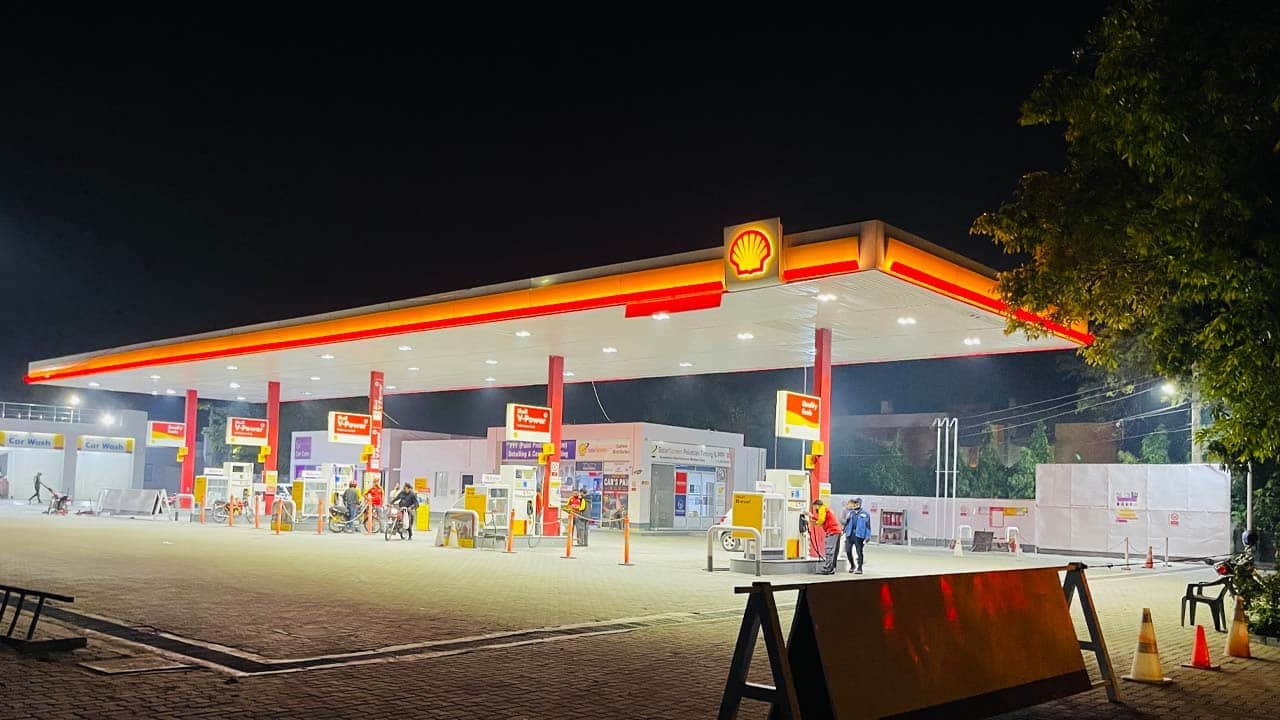
    In a possible move that could impact consumers, the government is considering a hike in petrol prices by Rs3.5 per litre for the initial half of March 2024.

    As of the latest estimates until February 27, 2024, the ex-refinery price of petroleum has seen a noticeable rise, reaching Rs195.75 per litre. This reflects an increase of approximately Rs3.58 compared to the preceding fortnight’s price of Rs192.17 per litre.

    Contrary to petrol, there might be no significant adjustment in the price of high-speed diesel (HSD), with the government likely to maintain the current rate due to marginal changes in its pricing structure.

    The national currency has experienced a modest appreciation against the USD since the previous fortnight’s decision, settling at a weighted average rate of approximately PKR 279.37 per USD.

    It is crucial to highlight that, with two more sessions pending before the next pricing update, the final prices will be subject to global market fluctuations and exchange rate variations.

    The official announcement revealing the new prices is scheduled for midnight on February 29, 2024. If approved, these adjustments will remain effective for the first half of March. 

  • Gold price jumps by Rs1,100 per tola, reaching Rs214,300

    Gold price jumps by Rs1,100 per tola, reaching Rs214,300

    The gold prices in Pakistan continued their upward trajectory, building on gains from the last session of the previous week. On Monday, the price of 24-karat gold surged by Rs1,100 per tola, reaching Rs214,300 per tola.

    According to the Karachi Sarafa Association, the price of 10-gramme 24-karat gold stood at Rs183,728, marking an increase of Rs943 compared to the previous session. Additionally, the price of 10-gramme 22-karat gold rose to Rs168,417.

    In contrast, silver prices remained stable, with 24-karat silver being sold at Rs2,580 per tola and 10-gramme silver trading at Rs2,211.93.

    It is noteworthy that domestic gold ended last week in the red zone due to a decline in international prices. The ongoing uncertainty surrounding the delay in election results also failed to stimulate demand for this safe-haven asset.

    Internationally, spot gold has extended its rally for the third consecutive session, currently trading at $2,021.8. This rebound follows last week’s release of hotter-than-anticipated US inflation data, which initially pushed gold below the $2,000 mark for the first time in two months.

    Given the influence of domestic currency fluctuations on the domestic gold rate, it is crucial to mention that the Pakistani rupee (PKR) concluded its 13-week-long historic winning streak against the US dollar. Last week, the PKR experienced a marginal drop of 8 paisa.

    Since gold is denominated in US dollars, a depreciation of the PKR against the US dollar results in an increase in the value of PKR-denominated gold. The market remains attentive to both global and domestic factors influencing these shifts in precious metal prices.

  • Govt surpasses petroleum levy collection targets despite declining sales

    Govt surpasses petroleum levy collection targets despite declining sales

    In the first six months of fiscal year 2023–24, the federal government has exceeded expectations by collecting Rs472.77 billion in petroleum levy (PL), constituting an impressive 54 per cent of the total budgetary estimates for PL on petroleum products for the current fiscal year.

    This collection marks a significant uptick, registering a remarkable 166 per cent increase compared to the same period in the previous fiscal year. The government achieved a substantial PL collection of Rs222 billion in the initial three months of the current fiscal year.

    Originally budgeted at Rs869 billion for PL collection in the fiscal year 2023–24, the government revised its target to Rs918 billion following an increase in PL from Rs50 to Rs60 per litre on petrol and high-speed diesel (HSD). This adjustment aligns with the government’s commitment to the International Monetary Fund (IMF).

    However, against this backdrop of successful revenue generation, the country witnessed a notable 15 per cent decline in the sales of petroleum products in the first six months of the current financial year.

    According to the Oil Companies Advisory Council (OCAC), petroleum product sales dropped to 7.68 million tonnes, a considerable decrease from the 9.03 million tonnes recorded during the same period in the previous fiscal year (July to December).

  • Pakistan’s inflation eases slightly to 28.3% in January 2024

    Pakistan’s inflation eases slightly to 28.3% in January 2024

    The Pakistan Bureau of Statistics (PBS) reported that the country’s headline inflation for January stood at 28.3 per cent on a year-on-year basis, marking a slight decrease from the December figure of 29.7 per cent. The month-on-month reading recorded a 1.8 per cent increase.

    This latest data brings the average inflation for the period of July to January to 28.73 per cent, up from 25.40 per cent in the corresponding period of the previous year. Despite this surge, the inflation rate aligns with the government’s expectations.

    The Ministry of Finance, in its ‘Monthly Economic Update and Outlook’ report released on Wednesday, projected a CPI-based inflation rate of 27.5-28.5 per cent for January 2024. The report attributed the inflationary pressure to elevated prices of perishables and vegetables, along with increased utility costs for electricity and gas.

    A contributing factor to the rising prices has been a surge in onion export orders following the Indian ban, straining local supply and causing domestic prices to escalate.

    Severe weather disruptions led to supply shortages of tomatoes, resulting in price hikes, while reduced chicken supply, especially from controlled sheds facing higher input costs, contributed to increased chicken prices.

    JS Global, in a report from last week, anticipated that inflation would remain elevated, particularly in the food segment. The report predicted a 1.8 per cent month-on-month uptick in food prices, resulting in an overall January 2024 YoY CPI estimate of 27.9 per cent.

    The brokerage house noted that the CPI inflation in the coming months is expected to remain on the lower side amid the decline in local fuel prices and the high base effect of last year.

    Breaking down the inflation figures, urban areas recorded a year-on-year CPI inflation of 30.2 per cent in January 2024, slightly lower than the previous month’s 30.9 per cent and higher than January 2023’s 24.4 per cent. On a month-on-month basis, urban inflation increased by 1.8 per cent in January 2024.

    In rural areas, year-on-year CPI inflation for January 2024 was 25.7 per cent, down from the previous month’s 27.9 per cent but higher than January 2023’s 32.3 per cent. On a month-on-month basis, rural inflation increased by 1.9 per cent in January 2024.

    The PBS data indicates a nuanced inflationary landscape in Pakistan, with both urban and rural areas experiencing fluctuations in prices across various commodities. The government’s focus on addressing these challenges remains critical as it navigates the economic impact of inflation on citizens and businesses.

  • State Bank of Pakistan’s reserves soar to $8.27 billion, highest level since July 2023

    State Bank of Pakistan’s reserves soar to $8.27 billion, highest level since July 2023

    In the latest report, the State Bank of Pakistan (SBP) announced a significant rise of $243.1 million, or 3.03 per cent week-on-week, in foreign exchange reserves, reaching $8.27 billion as of January 19, 2024. 

    This boost is credited to the reception of the second installment of SDR 528 million, equivalent to $705.6 million, from the International Monetary Fund (IMF). 

    After settling government external debt repayments, the net increase for the week stands at $243.1 million, marking the highest level for SBP’s reserves since July 14, 2023.

    Furthermore, the total reserves of the country witnessed an increase of $196.3 million, or 1.49 per cent, totaling $13.34 billion during the same week. 

    In contrast, commercial banks experienced a decline in reserves, dropping by $46.8 million, or 0.91 per cent, to $5.07 billion week-on-week.

    It is noteworthy that in the current fiscal year, total liquid foreign reserves have shown a substantial growth of $4.18 billion, reflecting a 45.65 per cent increase. 

    Similarly, the ongoing calendar year has seen a rise of $0.12 billion, marking a 0.91 per cent increase in the nation’s reserves.