Tag: Economic Update

  • Pakistan’s debt burden increases by Rs86.28 billion within seven days

    Pakistan’s debt burden increases by Rs86.28 billion within seven days

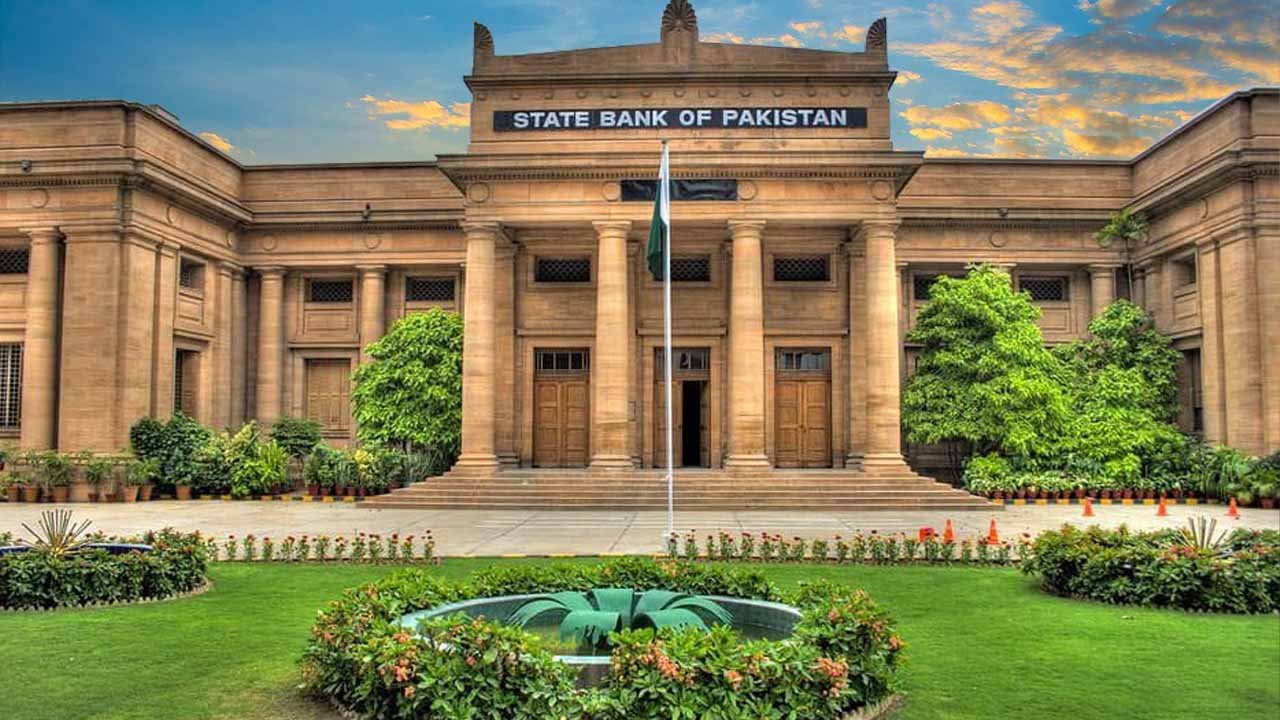
    In the week ending January 12, the government of Pakistan increased its debt burden by Rs86.28 billion, bringing the total net borrowing for the ongoing fiscal year 2024 to Rs2.57 trillion, as per the latest estimates from the State Bank of Pakistan (SBP).

    The government’s borrowings fall into three main categories: budgetary support, commodity operations, and others.

    The breakdown of the weekly net borrowing reveals that Rs87.7 billion was allocated for budgetary support, while Rs1.37 billion went towards retiring commodity operations.

    Additionally, Rs48.4 million was used for other purposes during the week.

    Cumulatively, this brings the borrowing figures for the fiscal year 2024 to Rs2.77 trillion for budgetary support, Rs193.72 billion for retiring commodity operations, and Rs1.1 billion for other purposes.

    The primary sources of financing for budgetary support are the State Bank of Pakistan and the Scheduled Banks. In the ongoing fiscal year, the government has repaid a net sum of Rs1.05 trillion to the central bank.

    The Federal Government accounted for Rs954.56 billion of this repayment, while the Provincial Government, AJK Government, and GB Government contributed Rs77.73 billion, Rs11.17 billion, and Rs2.05 billion, respectively.

    On the other hand, scheduled banks have extended a net total of Rs3.81 trillion in loans. The Federal Government borrowed Rs3.9 trillion, while the Provincial Government repaid Rs90.41 billion during this period.
  • Local gold prices drop by Rs1,900 per tola

    Local gold prices drop by Rs1,900 per tola

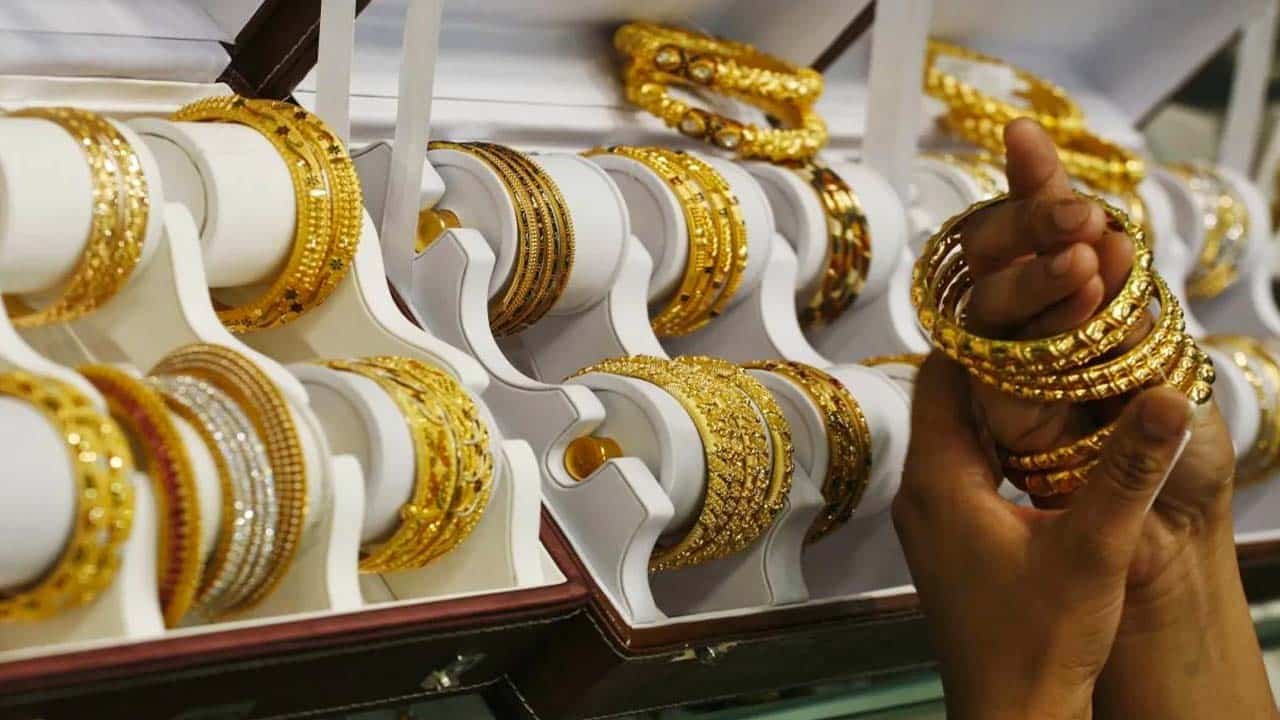
    On Monday, gold prices in Pakistan experienced a decline in alignment with the global market trend. 

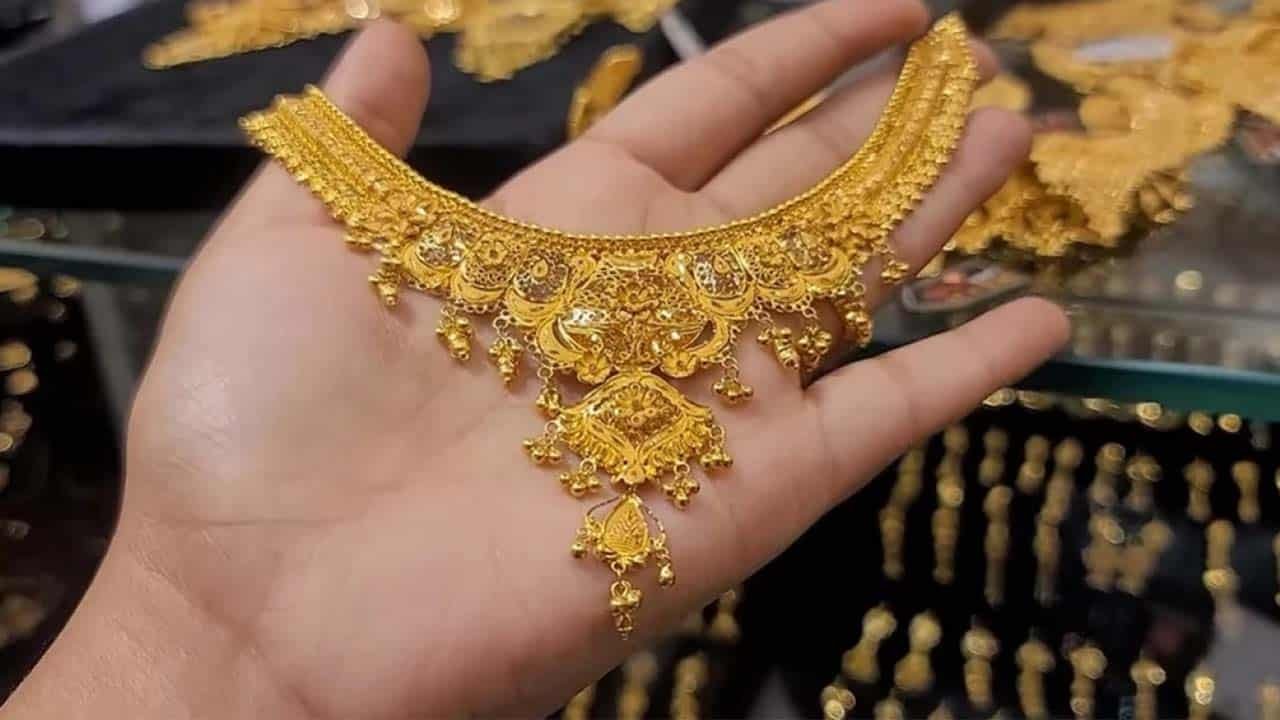
    The local market recorded the yellow metal at Rs216,100 per tola, marking a decrease of Rs1,900 throughout the day.

    The 10-gram gold was traded at Rs185,271, reflecting a reduction of Rs1,629, as reported by the All Pakistan Gems and Jewellers Sarafa Association (APGJSA).

    Contrastingly, on the preceding Saturday, gold prices had surged by Rs1,000 per tola in Pakistan.

    The international gold rate exhibited a $20 premium, reaching $2,047 per ounce on Monday, following an $18 dip in the global market, according to APGJSA.

    In parallel, silver rates remained steadfast at Rs 2,660 per tola during this period.

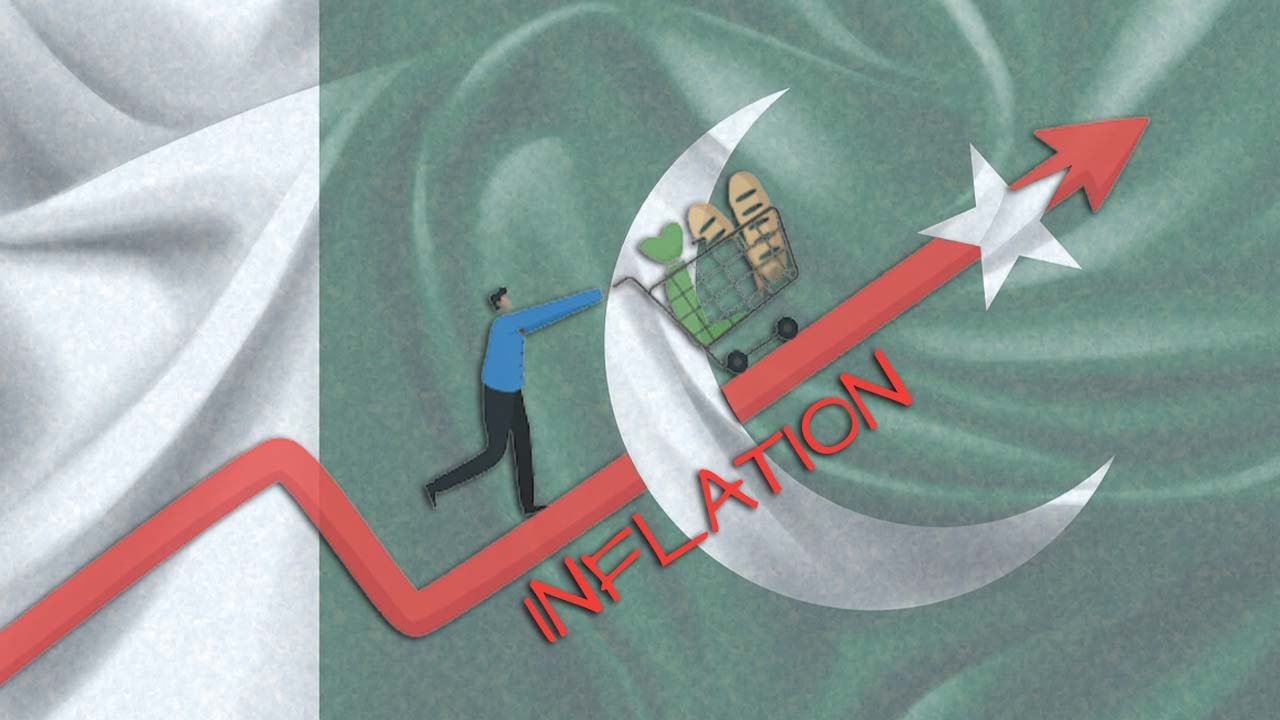
  • Cost of living rises in Pakistan: Weekly inflation jumps by 0.81%

    Cost of living rises in Pakistan: Weekly inflation jumps by 0.81%

    In a recent report by the Pakistan Bureau of Statistics (PBS), the Weekly Sensitive Price Indicator (SPI) for the Combined Group witnessed a marginal increase of 0.81 per cent Week on Week (WoW), concluding on January 04, 2024.

    The SPI also exhibited a substantial 42.86 per cent Year on Year (YoY) surge when compared to the corresponding period from the previous year.

    The Combined Index, reflecting the overall price movement, stood at 313.66 as of January 04, 2024, compared to 311.14 on December 28, 2023. In contrast, a year ago on January 05, 2023, the index was reported at 219.56.

    Out of the 51 items considered, the average prices of 19 items experienced an increase, 09 items observed a decrease, and 23 items remained stable throughout the week.

    During this period, notable price hikes were observed in tomatoes (16.04 per cent), chicken (13.98 per cent), eggs (3.20 per cent), onions (3.04 per cent), and bananas (2.13 per cent).

    Moreover, significant decreases were noted in the prices of potatoes (8.68 per cent), tea Lipton (1.29 per cent), garlic (0.68 per cent), and cooking oil 5 litre & vegetable ghee 2.5 kg (0.54 per cent) each.

    Analysing the weekly SPI percentage change across income groups revealed a universal increase ranging from 0.79 per cent to 0.84 per cent. The Lowest Income Group experienced a rise of 0.81 per cent, while the highest income group recorded a slightly lower increase of 0.8 per cent.

    On a yearly basis, the SPI change across different income segments exhibited a general increase ranging from 35.33 per cent to 46.38 per cent. The Lowest Income Group saw a yearly rise of 35.33 per cent, while the highest income group recorded an increase of 41.35 per cent.

    Noteworthy price points in the market included Sona urea, with an average price of Rs4,618 per 50 kg bag, marking a 0.02 per cent increase from the previous week and a substantial 72.45 per cent surge compared to the previous year.

    In contrast, the average Cement price recorded at Rs1,226 per 50 kg bag showed a 0.47 per cent decrease from the previous week but stood 17.43 per cent higher than prices observed last year.

    These fluctuations in the SPI underscore the dynamic nature of the market, reflecting both short-term variations and longer-term economic trends.

    As consumers and businesses navigate these changes, analysts are closely monitoring the SPI for insights into broader economic patterns.

  • SBP-held forex reserves surge to $7.76 billion in December

    SBP-held forex reserves surge to $7.76 billion in December

    In the week concluding on December 22, 2023, Pakistan witnessed a substantial increase in its total liquid foreign reserves, reaching a noteworthy $12,855.7 million.

    This surge was reported by the State Bank of Pakistan (SBP), which highlighted that the central bank’s reserves saw a remarkable uptick to $7,757.1 million during the same period.

    The SBP revealed that the surge in reserves, amounting to $852 million, was primarily attributed to official inflows from the Government of Pakistan received during the week under review.

    Simultaneously, commercial banks in the country reported net foreign reserves amounting to $5,098.6 million, further contributing to the overall resilience of Pakistan’s financial position.

    This positive development follows the previous week’s figures, ending on December 15, 2023, where the total liquid foreign reserves were recorded at $12,068.4 million.

    During this period, the central bank held reserves worth $6,904.8 million, with commercial banks reporting net foreign reserves of $5,163.6 million.

    In contrast to the positive financial indicators, Pakistan’s auto industry faced significant challenges in 2023, marked by a sharp decline in car sales of up to 55 per cent. Factories involved in manufacturing car parts also experienced a substantial production cut of 70 per cent.

    The persistent challenges in the auto sector were attributed to the exchange rate crisis, causing a decline in income until the previous year.

    The repercussions of reduced car sales were not limited to impacting the national Treasury; they also resulted in a noticeable decrease in revenue from products.

    An essential factor in this context is the adjustment made by automobile companies following a decrease in the value of the US dollar against the Pakistani rupee.

    In the closing months of 2023, these companies responded by slashing the prices of their units, reflecting the dynamic interplay between economic forces and market conditions.

  • PKR appreciates 15.82 paisa to close at Rs282.37 against USD

    PKR appreciates 15.82 paisa to close at Rs282.37 against USD

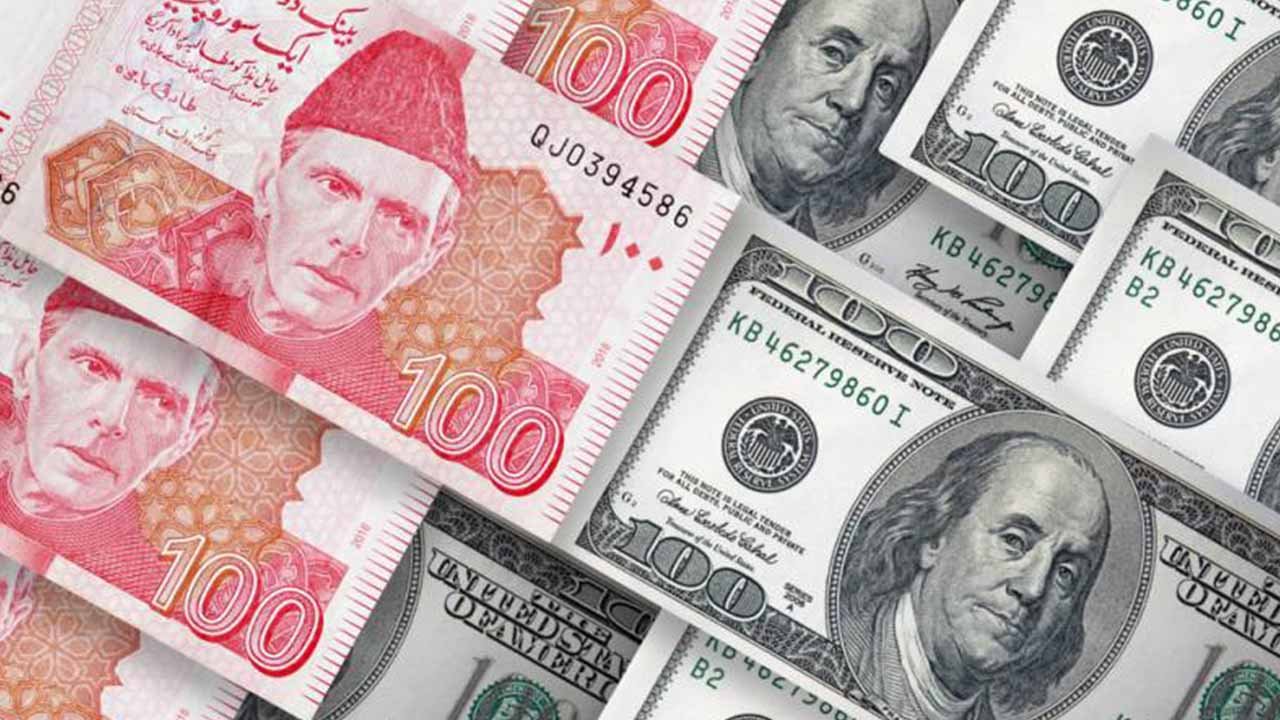
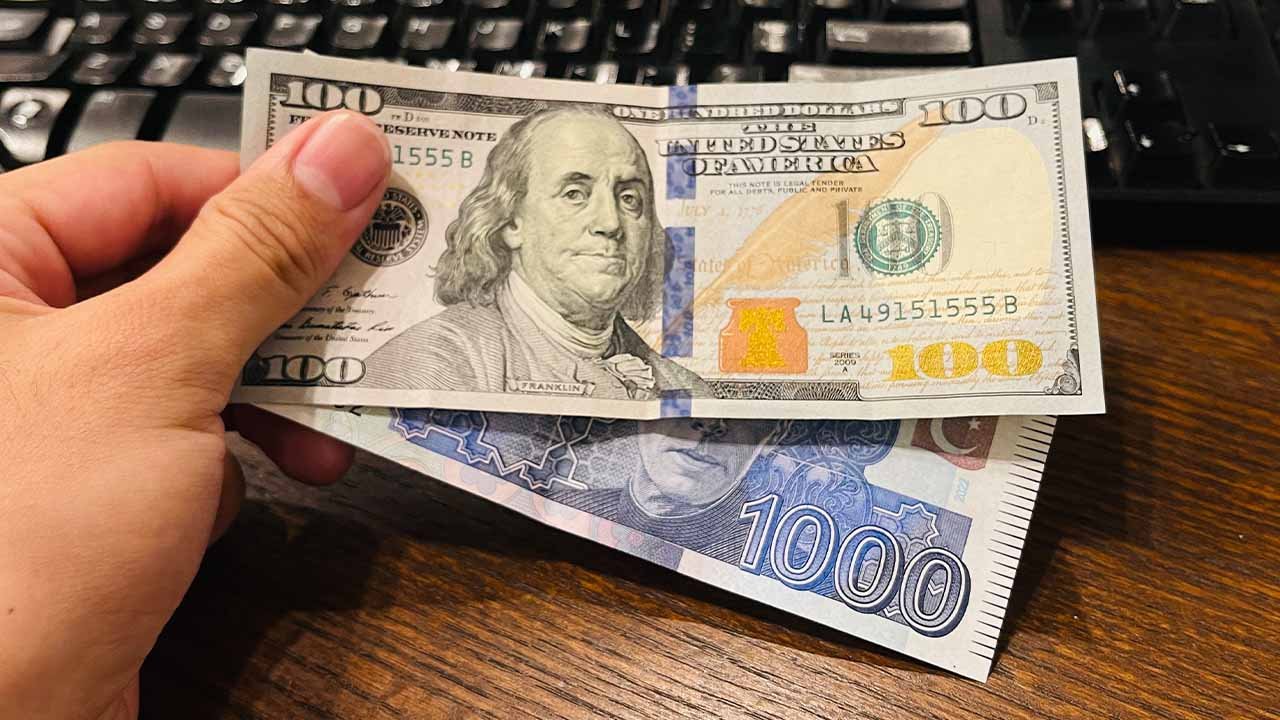
    In Tuesday’s interbank session, the Pakistani rupee (PKR) strengthened by 15.82 paisa against the US dollar (USD), concluding the trade at PKR 282.37 per USD—improved from the previous closing of PKR 282.53 per USD. 

    The Pakistani currency experienced intraday fluctuations, reaching a high bid of Rs282.8 and a low ask of Rs282.4.

    Within the open market, Exchange Companies quoted the dollar at Rs282 for buying and Rs284.8 for selling. 

    Against major currencies, the PKR depreciated by 46.13 paisa against the Euro, closing at Rs311.27, compared to the prior value of Rs310.81. 

    The British Pound became more affordable by 17.27 paisa, closing at Rs358.48, in contrast to Rs358.66 from the preceding day.

    The Swiss franc demonstrated gains of 4.63 paisa, concluding at Rs329.89, a slight increase from Rs329.84 in the previous session. 

    Against the Japanese Yen, the PKR gained 0.23 paisa, settling at Rs1.9841 as opposed to Rs1.9864 a day ago. 

    The Chinese Yuan experienced a decline of 3.37 paisa, closing at Rs39.52 compared to Rs39.55 in the previous session.

    The Saudi Riyal concluded at Rs75.27, indicating a loss of 4.32 paisa from its previous value of Rs75.31. 

    Simultaneously, the UAE Dirham decreased by 4.73 paisa, transitioning from Rs76.89 a day ago to Rs76.93.

  • Gold prices in Pakistan see weekend dip, reflecting global trend

    Gold prices in Pakistan see weekend dip, reflecting global trend

    On Saturday, gold prices in Pakistan experienced a decline, aligning with the global trend.

    The cost of one tola of gold in domestic market dropped by Rs500, settling at Rs219,300. 

    Similarly, the 10-gramme gold rate decreased by Rs429, reaching Rs188,014, as reported by the All Pakistan Gems and Jewellers Sarafa Association (APGJSA).

    Contrastingly, the previous day witnessed a surge in gold prices by Rs1,800, concluding at Rs219,800 per tola in Pakistan. 

    The international gold rate, despite a $2 decrease, stood at $2,072 per ounce, maintaining a $20 premium, as indicated by APGJSA.

    In the midst of these fluctuations, silver rates remained unchanged at Rs2,650 per tola.

  • 7th consecutive gain: Pakistani rupee closes at Rs282.9 against US dollar

    7th consecutive gain: Pakistani rupee closes at Rs282.9 against US dollar

    In a persistent surge, the Pakistani rupee (PKR) continued its upward trend against the US dollar (USD) for the seventh consecutive session, appreciating by 0.04 per cent in the inter-bank market on Wednesday.

    According to the State Bank of Pakistan (SBP), the PKR concluded at Rs282.9, marking an increase of Rs0.11.

    In the open market scenario, the PKR experienced a decline of 25 paisa for both buying and selling against the USD, settling at Rs281.50 and Rs284.50, respectively.

    Conversely, against the Euro, the PKR maintained stability for both buying and selling, closing at Rs307.00 and Rs310.00, respectively.

    Against the UAE dirham, the PKR held steady for both buying and selling, concluding at Rs77.30 and Rs78.00, respectively.

    In comparison, against the Saudi Riyal, the PKR saw a gain of 10 paisa for both buying and selling, closing at Rs75.20 and Rs75.90, respectively.

    This positive trend follows Tuesday’s marginal gain, where the rupee settled at Rs283.01 against the US dollar.

    The dollar index, which experienced a slight dip on Tuesday, maintaining a mostly flat position at 102.20, had previously reached a four-month low of 101.76 last week.

    In the backdrop of global trade concerns and heightened geopolitical tensions in the Middle East, with Yemen’s Iran-aligned Houthi forces conducting attacks on ships in the Red Sea, oil prices surged past $80 a barrel on Wednesday.

    Brent crude futures observed an 89-cent increase, or 1.1 per cent, reaching $80.12 a barrel by 1101 GMT, while US West Texas Intermediate crude climbed 93 cents, or 1.3 per cent, to $74.87 a barrel.

  • Pakistani rupee appreciates 0.02% against US dollar to close at Rs283.21

    Pakistani rupee appreciates 0.02% against US dollar to close at Rs283.21

    In a continuing upward trend, the Pakistani rupee demonstrated resilience in the inter-bank market by securing gains against the US dollar for the fifth consecutive session, appreciating by 0.02 per cent on Monday.

    According to the State Bank of Pakistan (SBP), the rupee closed at Rs283.21, marking an increase of Re0.05.

    Throughout the preceding week, the rupee exhibited a noteworthy appreciation, gaining Re0.61 or 0.21 per cent to settle at Rs283.26 against the US dollar in the inter-bank market.

    This marks the fifth consecutive week of the rupee’s advancement against the dollar, a momentum attributed to the recent announcement of a staff-level agreement (SLA) between Pakistan and the International Monetary Fund (IMF) concerning the first review of the $3 billion Stand-by Arrangement (SBA).

    Since the revelation of the SLA on November 15, the local currency has strengthened by Rs4.88, or 1.7 per cent, against the greenback.

    Meanwhile, on a global scale, currencies commenced the week with caution following significant fluctuations in the previous week, driven by various central bank meetings, including rate decisions from the Federal Reserve, the European Central Bank (ECB), and the Bank of England (BoE).

    The greenback, which had been bolstered throughout most of 2022 and 2023 by aggressive rate hikes from the Fed and expectations of prolonged higher rates, experienced a notable decline of approximately 1.3 per cent against a basket of currencies last week in response to the outcomes of the Fed’s policy meeting.

  • Gold price in Pakistan drops to Rs215,400 per tola 

    Gold price in Pakistan drops to Rs215,400 per tola 

    The price of 24-karat gold per tola witnessed a decrease of Rs200, settling at Rs215,400 on Monday. This marked a decline from its previous closing at Rs215,600 on the last trading day.  

    Simultaneously, the cost of 10 grammes of 24-karat gold saw a reduction of Rs171, reaching Rs184,671 from its earlier value of Rs184,842.  

    In the case of 10 grammes of 22-karat gold, the price dropped to Rs169,282 from Rs169,439, as reported by the All Sindh Sarafa Jewellers Association. 

    The rates for silver, however, remained unchanged, with the per-tola and ten-gramme prices standing at Rs2,600 and Rs2,229.08, respectively.  

    Additionally, in the international market, the cost of gold experienced a $6 decrease, reaching $2,018 from $2,024, according to the Association. 

    Meanwhile, the recent trend of the Pakistani rupee’s appreciation against the US dollar came to a halt as the currency witnessed a marginal 0.01 per cent dip in the interbank market on Monday.  

    The State Bank of Pakistan (SBP) reported that the rupee settled at 283.90, reflecting a decrease of Re0.03. 

  • Pakistan to receive $1.5 billion from international lenders following IMF approval

    Pakistan to receive $1.5 billion from international lenders following IMF approval

    Pakistan is poised to secure funds amounting to $1.5 billion from global lenders, contingent on the approval of the loan tranche under the $3 billion Stand-By Arrangement (SBA) by the International Monetary Fund (IMF), as highlighted by Dr Shamshad Akhtar, the caretaker finance minister, in a recent interview with a local news channel.

    It’s noteworthy that the IMF granted preliminary approval on November 15, 2023, for the disbursement of the upcoming loan tranche within the programme.

    Upon receiving approval, Pakistan will gain access to SDR 528 million, equivalent to approximately $700 million. This will contribute to the cumulative disbursements under the program reaching almost $1.9 billion.

    The agreement underscores the authorities’ commitment to advancing planned fiscal consolidation, expediting cost-reducing reforms in the energy sector, completing the transition to a market-determined exchange rate, and pursuing reforms in state-owned enterprises and governance.

    These measures aim to attract investment, support job creation, and simultaneously enhance social assistance.

    Nathan Porter remarked, “Anchored by the stabilization policies under the SBA, a nascent recovery is underway, supported by international partners and indications of improved confidence.”

    He added that the steadfast execution of the FY24 budget, ongoing adjustments of energy prices, and renewed inflows into the foreign exchange (FX) market have alleviated fiscal and external pressures.