Tag: Economic Update

  • Global market impact: Gold price in Pakistan drops by Rs2,400 per tola

    Global market impact: Gold price in Pakistan drops by Rs2,400 per tola

    On Thursday, gold prices in Pakistan experienced a decline, mirroring the global market trend.

    The value of the yellow metal reached Rs211,800 per tola, marking a decrease of Rs2,400. 

    The 10-gram gold was traded at Rs181,584, reflecting a Rs2,058 drop, as reported by the All Pakistan Gems and Jewellers Sarafa Association (APGJSA). 

    In the preceding session, gold prices had risen by Rs200, settling at Rs214,200 per tola.

    The international gold rate, accompanied by a $20 premium, was established at $1,968 on Thursday, indicating a $20 reduction in the global market, according to APGJSA. 

    In the midst of these changes, silver rates remained steady at Rs2,580 per tola in Pakistan.
  • Cost of living rises: SPI records increase in weekly inflation 

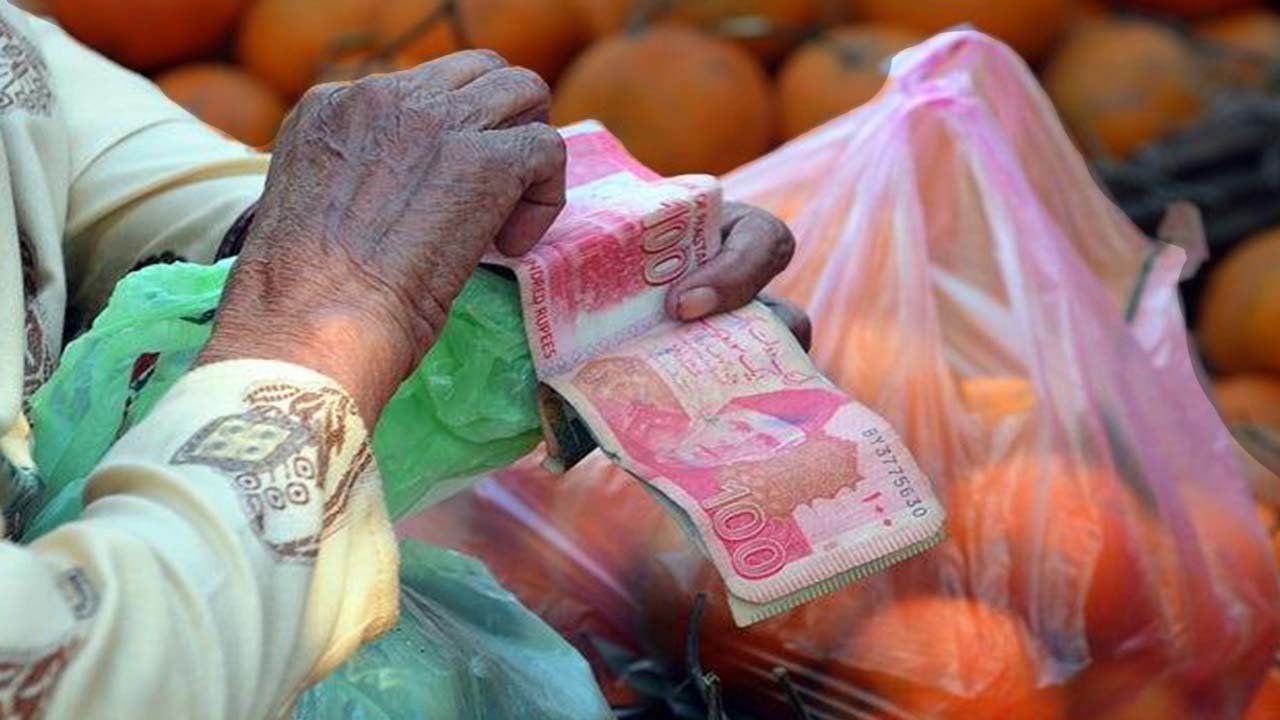
    Cost of living rises: SPI records increase in weekly inflation 

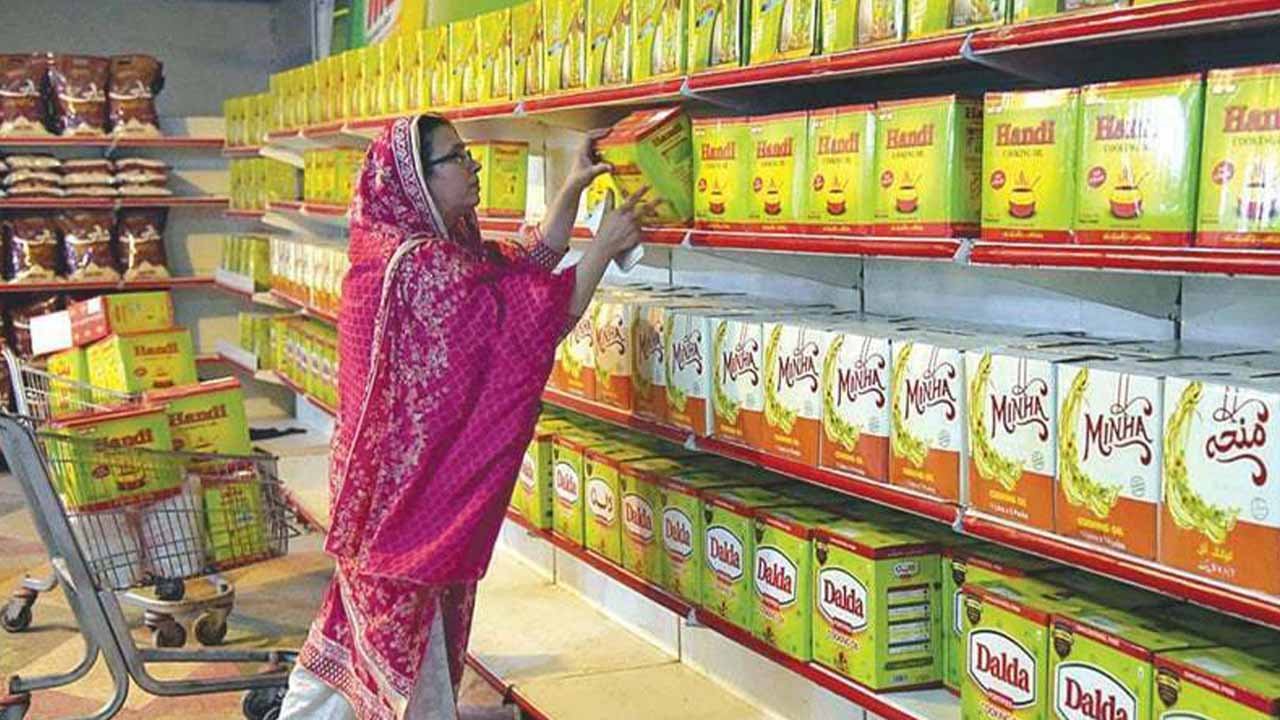
    The Sensitive Price Indicator (SPI) recorded a slight increase of 0.71 per cent for the week ending November 3, 2023, compared to the previous week.

    According to data from the Pakistan Bureau of Statistics (PBS), the combined index stood at 279.08 on November 3, 2023, up from 277.11 on October 26, 2023, and significantly higher than the index of 214.88 recorded a year ago on November 3, 2022.

    Out of 51 items, the prices of 12 items increased, 14 items decreased, and 25 items remained stable. 

    The most notable price increases were seen in tomatoes (25.58 per cent), onions (25.25 per cent), chicken (10.79 per cent), potatoes (1.61 per cent), Lipton tea (1.58 per cent), eggs (1.30 per cent), garlic (0.50 per cent), basmati broken rice (0.19 per cent), georgette (0.28 per cent), and firewood (0.05 per cent).

    Conversely, significant price decreases were observed in gur (2.66 per cent), bananas (1.78 per cent), 5-litre cooking oil (1.62 per cent), 1 kg vegetable ghee (1.23 per cent), LPG cylinders (1.05 per cent), masoor pulse (0.93 per cent), wheat flour (0.62 per cent), washing soap (0.41 per cent), and mustard oil (0.32 per cent).

    The weekly SPI percentage change across different income groups revealed an increase in SPI for all quantiles, ranging from 0.64 per cent to 0.86 per cent.

  • Pakistan’s October inflation eases to 26.9%

    Pakistan’s October inflation eases to 26.9%

    In October, Pakistan witnessed a year-on-year headline inflation rate of 26.9 per cent, as reported by the Pakistan Bureau of Statistics (PBS) on Wednesday.  

    This figure represents a notable decrease from the previous month’s reading of 31.4 per cent in September. Additionally, the month-on-month inflation rate for October showed a 1.1 per cent increase. 

    When considering the average inflation from July to October, it amounted to 28.48 per cent, a contrast to the 25.48 per cent recorded during the same period the previous year. 

    In its most recent ‘Monthly Economic Update and Outlook’ report, the Ministry of Finance projected that consumer price index (CPI)-based inflation in Pakistan for October would fall within the range of 27 per cent to 29 per cent.  

    The ministry anticipated that inflation would exhibit a more contained trend compared to the elevated levels observed during the first quarter of fiscal year 2024. 

    The Pakistan Bureau of Statistics further distinguished between urban and rural inflation rates. In urban areas, the year-on-year CPI inflation increased to 25.5 per cent in October 2023, marking a decline from the 29.7 per cent observed in the previous month and the 24.6 per cent recorded in October 2022.  

    On a month-on-month basis, urban inflation experienced a 1.1 per cent increase in October 2023, compared to a 1.7 per cent increase in the previous month and a 4.5 per cent increase in October 2022. 

    Similarly, in rural areas, the year-on-year CPI inflation rose to 28.9 per cent in October 2023, which represented a decrease from the 33.9 per cent recorded in the previous month and the 29.5 per cent in October 2022.  

    On a month-on-month basis, rural inflation increased by 1.1 per cent in October 2023, in contrast to a 2.5 per cent increase in the previous month and a 5.0 per cent increase in October 2022. 

  • Pakistan Stock Exchange surpasses 50,500 points after more than six years

    Pakistan Stock Exchange surpasses 50,500 points after more than six years

    On Friday, the KSE-100 benchmark index of the Pakistan Stock Exchange surpassed the 50,500-point mark, a level last witnessed in May 2017 when it reached 50,592 points. 

    The Karachi Stock Exchange (KSE-100) index has advanced by 207 points and is presently at 50,572 points.

    Yesterday marked a significant milestone for the Pakistan Stock Exchange as its benchmark KSE-100 index crossed the 50,000-point threshold, an achievement that experts have noted took six years to accomplish. 

    During intraday trading, the benchmark Karachi Stock Exchange (KSE) 100 Index surged by 600 points, settling at 50,025 points, a level not seen since June 7, 2017.

    Concurrently, the Pakistani rupee exhibited a recovery against the US dollar in the interbank market on Thursday. After experiencing a Rs1 gain against the PKR in interbank trading on Wednesday, the US dollar depreciated by Rs1.96 in early Thursday afternoon trading. 

    As of the latest data, the Pakistani rupee has gained Rs1.96 against the US dollar, now trading at Rs278.30 in the interbank market, according to forex dealers. 

    In the open market, banks are selling the greenback to importers at Rs278.80, while the US currency has also experienced a Rs1 loss against the local currency.

  • Pakistani rupee finally ends 28-day winning streak, loses against US dollar

    Pakistani rupee finally ends 28-day winning streak, loses against US dollar

    The Pakistani rupee’s remarkable 28-day winning streak against the US dollar came to an end today, as it recorded losses following an initial trade opening at Rs278.5 in the interbank market.

    In the morning, the rupee had steadied, maintaining a level of Rs276 against the greenback. Subsequently, between 1:00 PM and 2:35 PM, the interbank rate dipped to Rs278 before settling at Rs277 for the rest of the day. 

    Open market rates, observed across various currency exchange counters, ranged from Rs277 to Rs279 throughout the day.

    At the close of the trading day, the PKR experienced a depreciation of 0.07 per cent, concluding at Rs277.03 after losing 20 paisas against the US dollar.

    Despite today’s setback, it is noteworthy that the disparity between interbank and open market rates has significantly decreased by Rs60 since September 4th. The rates have fluctuated between as low as Rs277 and sporadic spikes up to Rs280 today.

  • Pakistan’s foreign exchange reserves increase by $31 million, reaching $7.64 billion

    Pakistan’s foreign exchange reserves increase by $31 million, reaching $7.64 billion

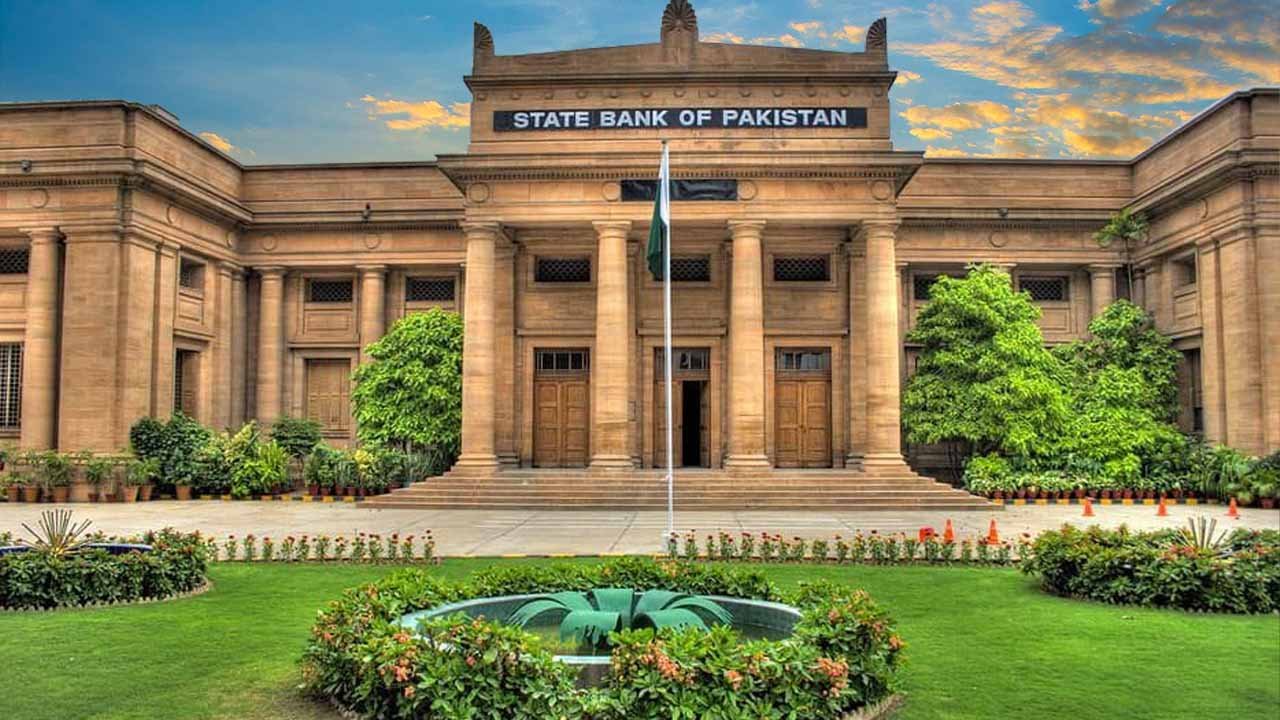
    The State Bank of Pakistan (SBP) reported an increase of $31 million in its foreign exchange reserves on a weekly basis, reaching a total of $7.64 billion as of October 6, according to data released on Thursday.

    The overall liquid foreign reserves of the country amounted to $13.03 billion, with commercial banks holding net foreign reserves of $5.39 billion.

    The central bank did not provide a specific explanation for the increase in reserves.

    In its report, the SBP stated, “During the week ending on October 6, 2023, the SBP’s reserves rose by $31 million, reaching $7,646.7 million.”

    Notably, the previous week witnessed a decrease of $21 million in Pakistan’s central bank reserves.

    In July of this year, the SBP’s reserves received a significant boost when Pakistan received the first tranche of approximately $1.2 billion from the International Monetary Fund (IMF) after the approval of a new $3-billion stand-by arrangement. Additionally, inflows from Saudi Arabia and the UAE contributed to the growth of reserves.

    However, it’s worth mentioning that the central bank’s reserves have been under pressure due to ongoing debt repayments, an increase in import expenditures following the relaxation of restrictions, and a lack of fresh inflows.

  • State Bank of Pakistan reports $21 million decline in forex reserves

    State Bank of Pakistan reports $21 million decline in forex reserves

    Pakistan’s total liquid foreign reserves reached a sum of $13,030.8 million, with the central bank holding reserves amounting to $7,615.4 million, as reported by the State Bank of Pakistan (SBP). 

    According to a statement released by the State Bank of Pakistan on Thursday, during the week ending on September 28, 2023, SBP’s reserves experienced a decrease of $21 million, resulting in a total of US$ 7,615.4 million. Concurrently, commercial banks held net foreign reserves totaling $5,415.4 million. 

    In the preceding week, ending on September 22, 2023, the country’s total liquid foreign reserves were reported at US$ 13.162 billion. Among these, the central bank held foreign reserves amounting to $7.636 billion, while commercial banks held net foreign reserves of $5.525 billion. 

    As of September 29, the total liquid foreign reserves of Pakistan stood at US$ 13.18 billion, with the central bank’s reserves totaling $7,636.7 million. The State Bank of Pakistan (SBP) spokesperson attributed the decrease in SBP’s reserves by $59 million to debt repayments during the week ending on September 22, 2023. Net foreign reserves held by commercial banks amounted to $5,525.1 million. 

    In the week ending on September 15, 2023, the country’s total liquid foreign reserves were recorded at $13.186 billion. Among these, the central bank held foreign reserves amounting to $7.695 billion, while commercial banks held net foreign reserves totaling $5.491 billion. 

  • Petrol price reduced by Rs8 to Rs323.38 per litre for two weeks

    Petrol price reduced by Rs8 to Rs323.38 per litre for two weeks

    In a noteworthy development aimed at alleviating concerns over inflation, the interim government has decided to implement a reduction in the prices of petroleum products for the upcoming two weeks.  

    As of October 1, 2023, the price of petrol will see a substantial decrease of Rs8 per litre, resulting in a new rate of Rs323.38. Additionally, a price reduction of Rs11 per litre has been announced for diesel, bringing the revised rate to Rs318.18 per litre. 

    This decision has been prompted by the strengthening of the Pakistani rupee and a global decrease in petroleum prices, as indicated by the Ministry of Finance in an official statement.  

    The Ministry stated, “In the wake of variations in international prices of petroleum products and the improvement in the exchange rate, the Government of Pakistan has decided to revise the consumer prices of petroleum products.” 

    Furthermore, the government has taken steps to lower the cost of kerosene oil by Rs7.53 per litre, establishing a new rate of 237.28, while light diesel oil will witness a reduction of Rs7.77 per litre, resulting in a price of 212.45 per litre. 

  • Things will get more expensive amidst soaring petroleum prices: Finance Ministry

    Things will get more expensive amidst soaring petroleum prices: Finance Ministry

    Due to the persistent escalation in energy and petroleum prices, it is anticipated that inflation will maintain its elevated trajectory in the months ahead.

    In its latest monthly economic update, the Ministry of Finance has presented a forecast indicating that inflation is poised to remain at an elevated level during the upcoming months. The report projects inflation to fall within the range of 29 per cent to 31 per cent for the month of September 2023, primarily attributing this surge to the notable uptick in prices of petroleum products and electricity.

    Furthermore, the report identifies several contributing factors to this inflationary pressure, including the possibility of surging transportation costs, a dearth of essential services and commodities, and the depreciation of the dollar, which has had a mitigating effect on imported inflation.

    In response to these challenges, the finance ministry has implemented rigorous measures to combat illegal currency exchanges and stockpiling activities while actively working to stabilise the exchange rate.

    The report also highlights a global trend of decreasing food grain prices, albeit with notable exceptions such as rice and sugar, whose prices have surged due to the ongoing conflict between Russia and Ukraine.

  • Pakistan’s exports surge by 22.45% in FY23-24’s first two months, crossing Rs1.27 trillion mark

    Pakistan’s export sector has demonstrated remarkable growth, achieving a substantial 22.45 per cent increase, reaching the noteworthy milestone of Rs1.27 trillion during the initial two months of the fiscal year 2023-24 (FY23-24).

    According to data released by the Pakistan Bureau of Statistics (PBS), exports from July to August 2023 stood at Rs1.27 trillion, marking a remarkable 22.45 per cent surge compared to the Rs1.04 trillion recorded during the corresponding period the previous year.

    In a year-on-year analysis, exports in August 2023 surged by an impressive 26.75 per cent, reaching Rs695.1 billion, as opposed to the Rs548.4 billion recorded in August 2022. Furthermore, on a month-to-month basis, exports surged by 19.62 per cent when juxtaposed with the Rs581.1 billion recorded in July 2023. The textile and knitwear sector emerged as the most substantial export contributor, accounting for an impressive Rs117.8 billion.

    In contrast, imports during July and August of the fiscal year 2023-24 experienced a modest decline of 2.42 per cent, totaling Rs2.3 trillion. This is in contrast to the imports recorded at Rs2.4 trillion during the corresponding period the previous year. Of note, Pakistan’s imports in August 2023 included Rs180.6 billion worth of petroleum products, followed by crude oil and liquefied natural gas (LNG) valued at Rs119.4 billion and Rs89.8 billion, respectively.

    When analyzed on a year-on-year basis, imports into Pakistan in August 2023 displayed a marginal 0.5 per cent decrease when compared to August 2022. On a month-on-month basis, imports into the country saw a significant uptick of 27.79 per cent in August 2023 when compared to the Rs1.04 trillion worth of imports in July 2023.

    According to Geo, this surge in exports is indeed promising as it holds the potential to bolster Pakistan’s diminishing foreign exchange reserves, a much-needed development in light of the challenging economic situation stemming from the depreciation of the Pakistani rupee