Tag: economy

  • All hail the economic expert; PM drops British economist for Ishaq Dar

    All hail the economic expert; PM drops British economist for Ishaq Dar

    In a major plot twist, Prime Minister Shehbaz Sharif, “unimpressed” with British economist Stefan Dercon’s work on a new economic agenda, has delegated the responsibility of developing the new agenda to PML-N’s all-weather economic tsar, Ishaq Dar.

    Previously, the PM sought the British economist’s expertise overseeing the government’s new economic agenda for the next five years.

    It was reported that the PM would announce the agenda on August 14, Pakistan’s Independence Day; however, this wasn’t the case.

    According to a notification, the premier has constituted a seven-member ministerial committee, chaired by Dar, to review the draft of the Dercon Plan.

    Interestingly, Shehbaz Sharif came under intense criticism from experts for his decision to hire a foreign economist.

    Express Tribune reported that the Deron plan essentially reiterated ideas already known to the public and experts.

    “There is nothing new or extraordinary in Stefan Dercon’s plan,” a senior cabinet member remarked.

    Ishaq Dar is currently heading nearly two dozen committees, mainly dealing with economic issues and managing relations with political allies.

  • Inflation increases again after short respite

    Inflation increases again after short respite

    The weekly inflation rate in the country has risen again, according to the Bureau of Statistics.

    Data indicates that the inflation rate has increased by 0.30 per cent, raising the annual inflation rate to 17.96 per cent.

    The report shows that prices for 23 items rose, while prices for seven items fell during the week, and 21 items remained stable.

    Increase in prices:

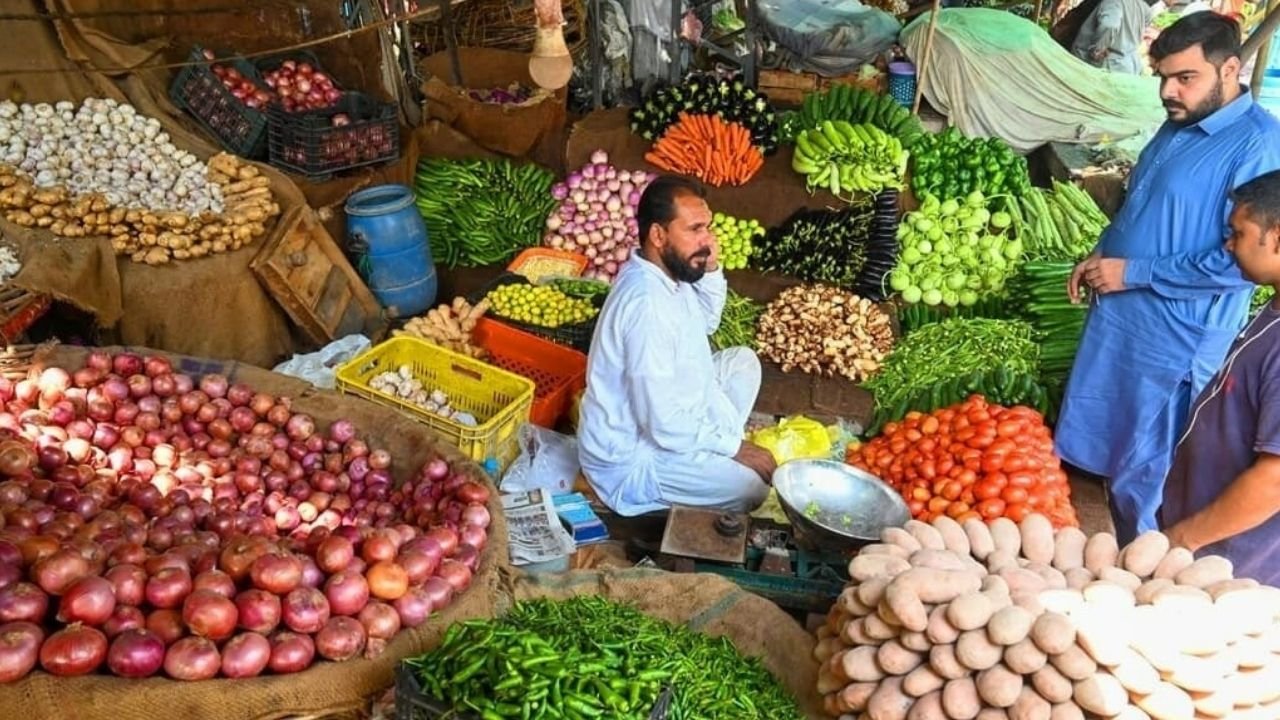
    • Onions increased by 32.23 % in one week.
    • Eggs rose by 4.28%
    • Garlic by 3.23%
    • LPG by 1.73%.

    Other items with rising prices this week include dal mash, dal moong, and potatoes.

    In contrast, the price of tomatoes decreased by 19.12% over the week, while bananas became cheaper by 1.55% and wheat flour by 1.39%.

    It is worth noting that there was a slight decrease of 0.12% in the weekly inflation rate last week.

  • Bird strikes increase at domestic airports; PIA faces crores in losses

    Bird strikes increase at domestic airports; PIA faces crores in losses

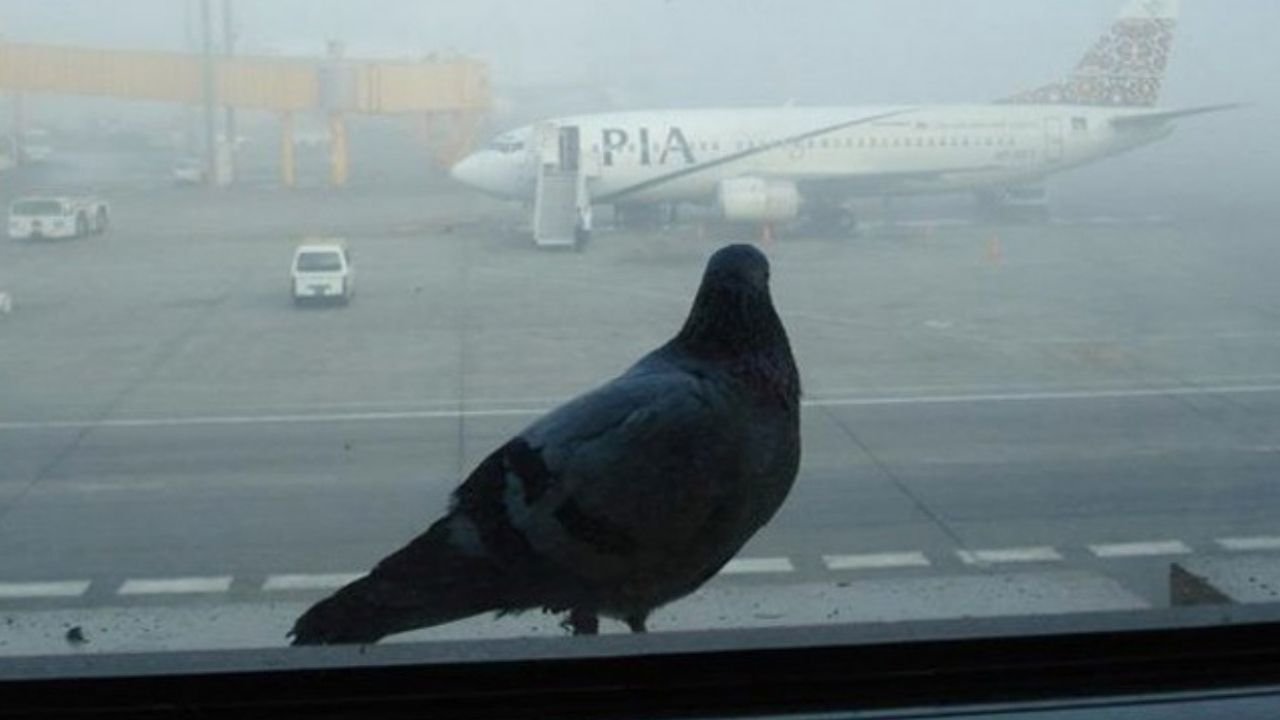
    Bird collisions with planes at domestic airports have increased as national carrier PIA reports that the airline has incurred losses amounting to crores of rupees as a consequence of these collisions.

    PIA reported 38 bird strike incidents involving its planes from January to June this year.

    The majority of these collisions occurred at Lahore Airport, with 14 incidents, and Karachi Airport, with eight incidents, over the past six months. Additionally, seven cases were reported at other locations. Four incidents were reported at Multan Airport and one each at Sukkur, Faisalabad, and Gilgit Airports.

    The incidents primarily occurred during landing and take-off, resulting in additional expenses of crores of rupees for PIA.

    The Civil Aviation Authority is responsible for keeping birds away from airports, but the necessary systems have not been installed.

  • No immediate relief in sight for high electricity costs, experts warn

    No immediate relief in sight for high electricity costs, experts warn

    Experts have little hope for a reduction in Pakistan’s high electricity prices. The government has turned electricity and petroleum products into revenue sources, and Independent Power Producers (IPPs) face no performance checks or contract revisions, they said, adding that it gives the generators unchecked freedom.

    Experts discussed the issues with DAWN at a seminar titled Pakistan Energy Crisis and IPPs: How Overbilling Impacts Quality of Life and Pathways to Solution, held at the Applied Economics Research Centre (AERC), University of Karachi on Thursday.

    Experts highlighted that over-billing and high electricity costs have become a crisis, adversely impacting poor and middle-income households. This crisis affects their spending on health, education, food, and transport.

    AERC Assistant Professor Dr. Aamir Siddiqui stated that electricity charges are unlikely to decrease soon because the government uses petrol and electricity as revenue sources. With around 100 IPPs and numerous suppliers in the country, electricity prices should at least be stable, but they continue to rise.

    He also noted that Pakistan generates more power than needed, yet load shedding persists. Despite this, the government is not addressing the quality and services of IPPs or revising their contracts, even though payments are made in dollars or equivalent exchange rates.

    Dr. Muhammad Saber, Principal Economist at the Social Policy and Development Center in Karachi, stated that electricity rates will not decrease until the government prioritises public welfare over its own interests. He pointed out that many contracts with IPPs were signed without considering public benefit, and even IPPs not supplying electricity receive timely and full payments.

    AERC Assistant Professor Dr. Fauzia Sohail mentioned that the residential sector is the largest consumer of electricity, followed by the industrial sector. Low and middle-income households are particularly affected by over-billing. Rising electricity charges force people to cut spending on essentials like health, education, food, transport, and housing. This not only adversely impacts these amenities but also drives some low-income individuals below the poverty line, especially in Karachi.

  • Vegetable, fruit prices soar by 150 per cent amid strikes, sit-ins

    Vegetable, fruit prices soar by 150 per cent amid strikes, sit-ins

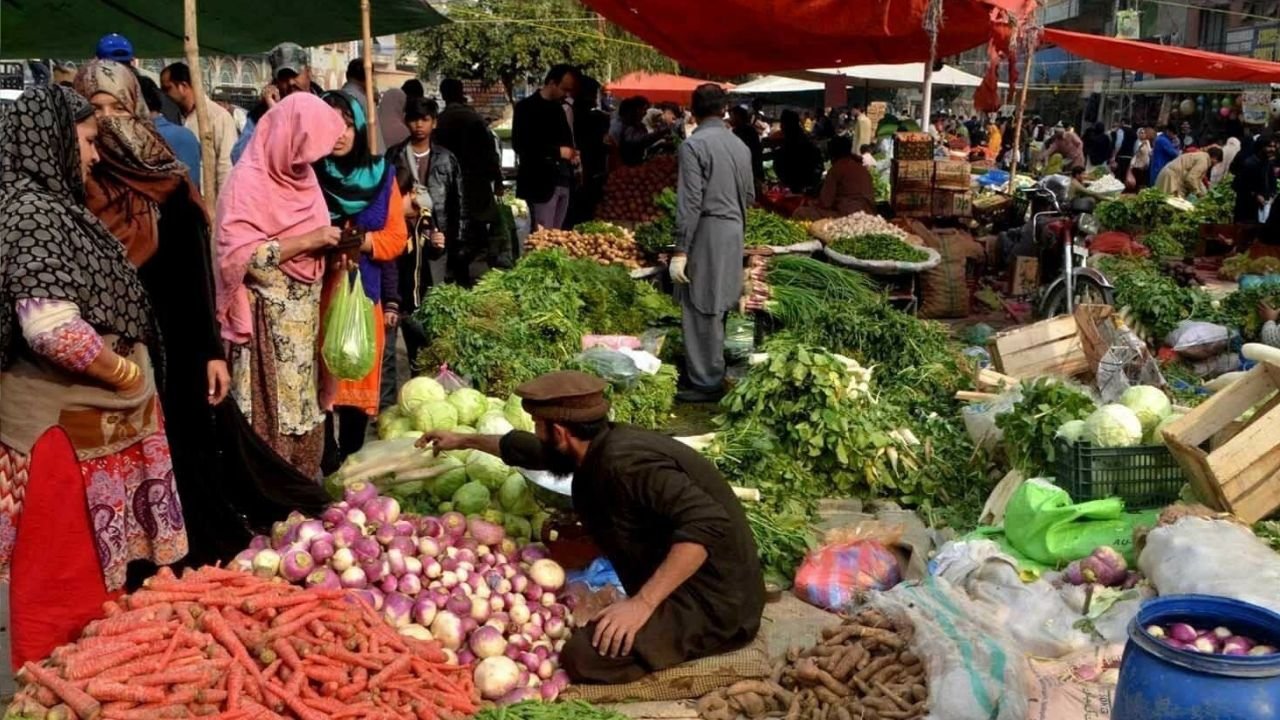
    The prices of vegetables and fruits have increased by 150 per cent as strikes by trade organisations and sit-ins by political parties in the country take hold.

    Roads in Balochistan have been closed since the past four days to impede the Baloch Yakjehti Council from holding a large gathering in Gwadar, hindering goods-carrying vehicles. Consequentially, the prices of vegetables and fruits in Quetta has risen by 100 to 150 rupees per kilogram.

    Okra, previously retailing for Rs 150 per kilogram, has risen to Rs 400, tomatoes have increased from Rs 80 per kilogram to Rs 140, pumpkin has risen from Rs 120 to Rs 200 per kilogram, while peaches have increased from Rs 100 to Rs 250 per kilogram, and apples have also seen a price increase of Rs 100 per kilogram.

    On the other hand, despite the end of the transporters’ strike across Punjab, traders have been exploiting the situation, driving up food prices even further. Shopkeepers, however, are now reportedly selling spices at more reasonable rates.

    According to citizens, rice and pulse prices have increased by 20 per cent in the market due to the strike. They are calling on the government to reduce food prices.

  • Consumers not receiving electricity units at basic rate: Court hears petition

    Consumers not receiving electricity units at basic rate: Court hears petition

    The Lahore High Court has issued a written order for the previous hearing of a petition filed against the imposition of protective and non-protective tariffs on electricity consumers.

    The Supreme Court ordered the public prosecutor to appear with instructions at the next hearing.

    The written order said that according to the petitioner, tariffs related to electricity units have been imposed on the consumers.

    In the written order of the Lahore High Court, it has been said that according to the petitioner, electricity units are not being given to consumers as per the basic rate.

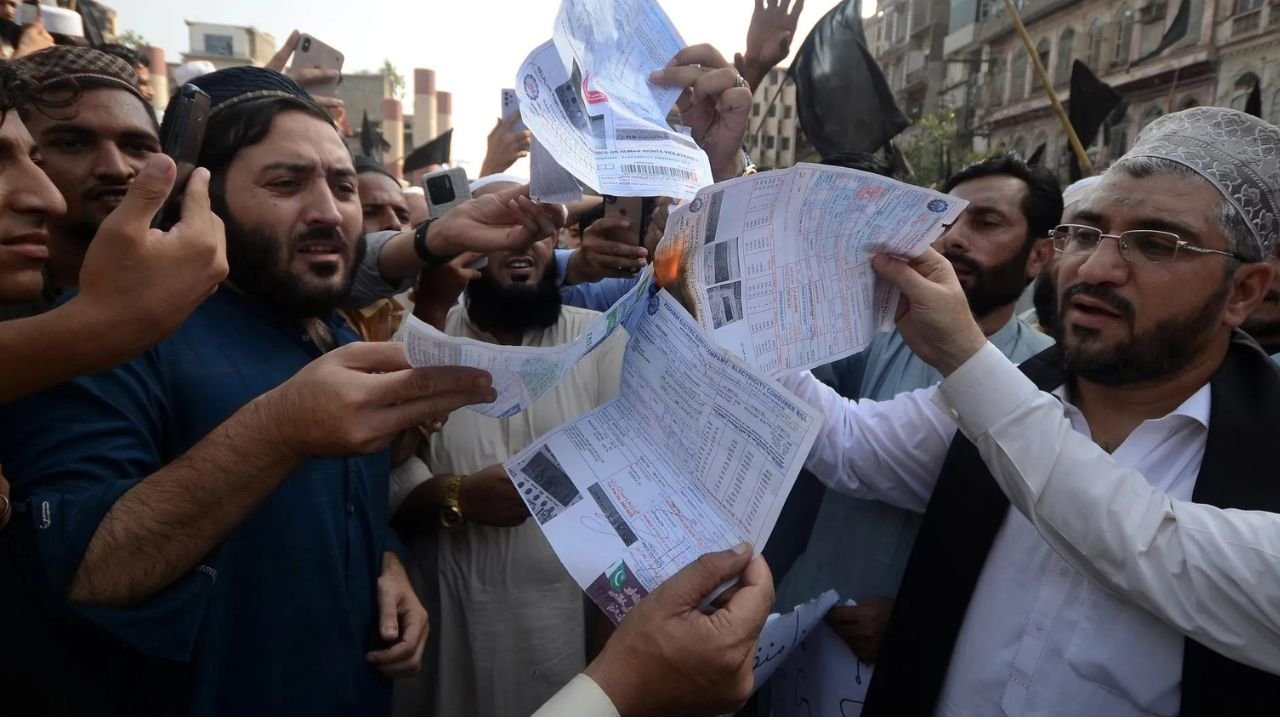
    Yesterday, the Lahore High Court issued a notice to National Electric Power Regulatory Authority (NEPRA) on the petition against the exorbitant increase in the electricity bills of more than 200 units on the basis of protective and non-protective tariffs and sought its response at the next hearing.

    Justice Risal Hasan Syed further questioned on what basis the prices of electricity have been increased.

  • Petroleum dealers strike as OGRA directs oil companies to keep pumps open

    Petroleum dealers strike as OGRA directs oil companies to keep pumps open

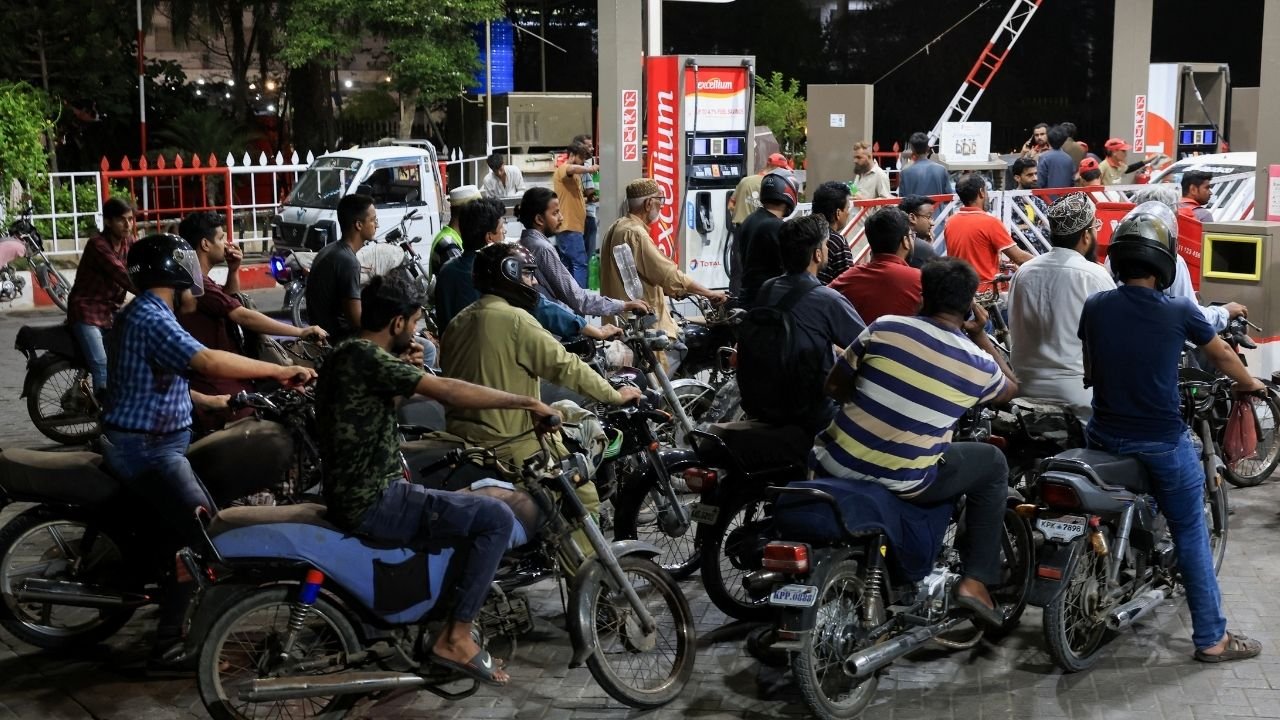
    The Oil and Gas Regulatory Authority (OGRA) and the Petroleum Division have issued a joint statement following the strike announced by the Petroleum Dealers Association, stating that petroleum products will be available nationwide.

    The statement directed oil marketing companies to keep pumps open and ensure continuous supply.

    According to the joint statement, the country has abundant petroleum products, and they will remain available throughout the nation.

    Earlier, the Petroleum Dealers Association had declared a nationwide strike starting on July 5.

    Abdul Sami Khan, Chairman of the Petroleum Dealers Association, announced the strike, emphasising that businesses cannot sustain operations with such high taxes. He warned that pumps across the country will begin to run dry tonight and stated that negotiations will not resume until the government accepts their demands.

  • Petrol pumps going on nationwide strike from July 5

    Petrol pumps going on nationwide strike from July 5

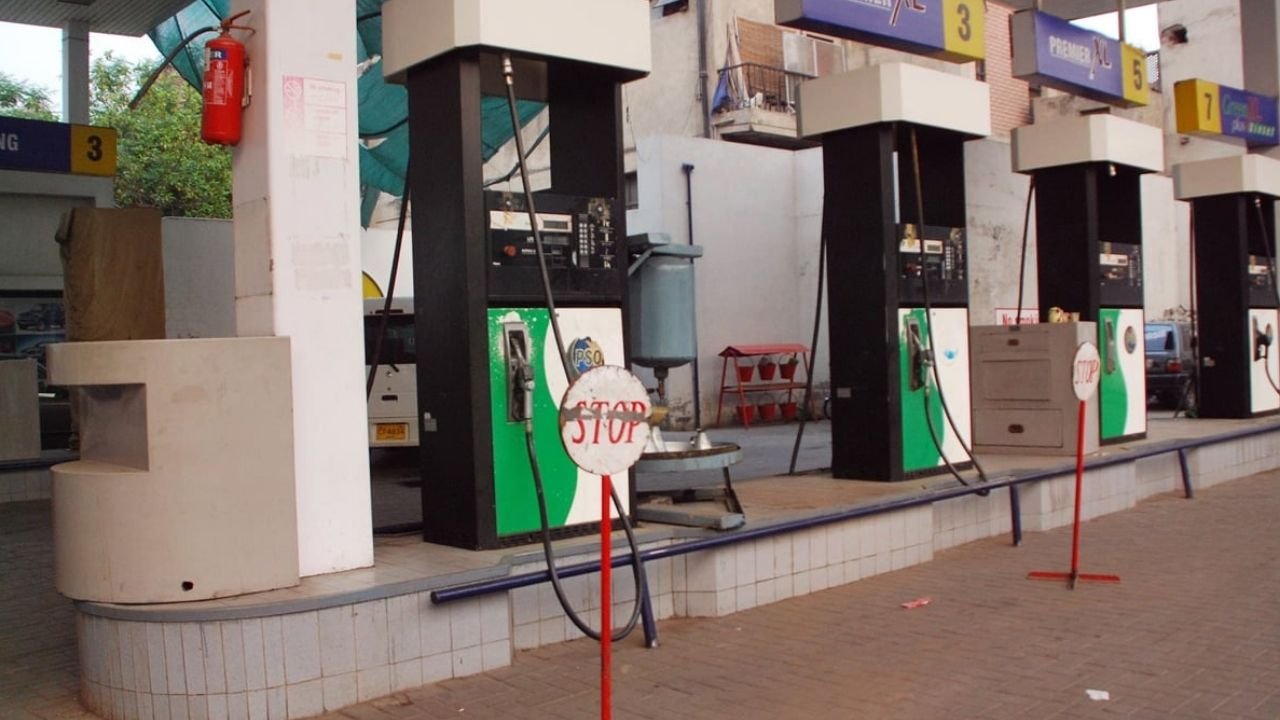
    The Pakistan Petroleum Dealers Association has decided to close petrol pumps across the country starting from 6 am on Friday, July 5.

    The strike was announced after negotiations between the Association and the government fell apart.

    A delegation from the Pakistan Petroleum Dealers Association held meetings with the Finance Minister, Chairman of FBR, and Chairman of OGRA.

    Abdul Sami Khan, President of the Petroleum Dealers Association, stated that the strike may last for more than one day, according to an Aaj News report.

    People have been advised to keep petrol tanks filled until July 4, as pumps across the country will begin to run dry tomorrow night.

    He also mentioned that negotiations will not resume until the government reverses its decision. Fourteen thousand dealers across the country will shut down their pumps starting July 5.

    On the other hand, the Pakistan Oil Tankers Association has declared that it will not be part of the strike.

    Shams Shahwani, Chairman of the Oil Tankers Association, stated that petrol and diesel supplies will continue uninterrupted throughout the country. He believes that given the current circumstances, stopping the supply is not an option, and he wants to prevent inconvenience to customers.

  • Pakistan aims for more than $6 billion IMF bailout, targets agreement this month

    Pakistan aims for more than $6 billion IMF bailout, targets agreement this month

    Pakistan is on track to finalise a staff-level agreement with the International Monetary Fund (IMF) for a bailout exceeding $6 billion by the end of this month, announced Junior Finance Minister Ali Pervaiz Malik on Wednesday.

    The country, grappling with escalating domestic dissent over new tax measures, has set ambitious revenue targets in its latest budget, aimed at securing IMF approval to avert an economic crisis.

    “We hope to conclude this IMF process within the next three to four weeks,” Malik stated, highlighting the urgency to reach a staff-level agreement before the IMF board’s recess. While estimating the bailout package to exceed $6 billion, Malik underscored that the IMF’s endorsement remains paramount at this juncture.

    Pakistan’s fiscal blueprint for the fiscal year starting July 1 includes a daunting tax revenue target of 13 trillion rupees ($47 billion), marking a nearly 40 per cent surge from the previous year.

    Concurrently, the government aims to slash the fiscal deficit to 5.9 per cent of the Gross Domestic Product (GDP) from 7.4 per cent in the preceding year.

    Malik defended the stringent budgetary measures, asserting that they were essential to pave the way for an IMF programme, which he claimed the lender had acknowledged positively during discussions. However, the anticipated budget approval from the IMF could exacerbate public discontent, analysts warn.

    “While these budget reforms may strain the local economy, the IMF programme prioritises economic stabilisation,” Malik affirmed.

    Economist Sakib Sherani, from the private firm Macro Economic Insights, highlighted the urgency of sealing a swift deal with the IMF to mitigate pressure on Pakistan’s foreign exchange reserves and currency, given impending debt repayments and the unwinding effects of earlier capital and import controls.

    “If delays persist, the central bank may need to temporarily reinstate import and capital controls, leading to a period of uncertainty with potential implications for equity markets,” Sherani cautioned.

    In conclusion, Pakistan’s pursuit of an IMF bailout underscores its efforts to stabilise its economy amidst mounting challenges, balancing economic imperatives with public sentiment.

  • No relief for babies: Heavy tax on formula milk

    No relief for babies: Heavy tax on formula milk

    The budget for 2024-25 was unveiled this Wednesday, on June 12, by Finance Minister Muhammad Aurangzeb.

    As the government depends on the International Monetary Fund’s (IMF) bailout package, citizens were further burdened with heavy taxes as per the administration’s commitments to the lender. Milk products for infants, a necessary item for many families, will now carry an 18 per cent tax.

    But why is this issue noteworthy?

    On January 21, 2022, the Finance (Supplementary) Bill—a ‘mini budget’—was passed by the National Assembly following extensive debate over the proposed taxes by the Pakistan Tehreek Pakistan (PTI) government. Among the contentious proposals was a 17 per cent sales tax on locally produced infant formula milk, classified as a “luxury product.”

    This classification sparked heavy criticism from both the public and the opposition, who argued that labelling a basic necessity for children as a luxury was unjust. In response, the-then Finance Minister Shaukat Tarin promised to push for the exclusion of children’s milk products from the Bill.

    However, two years later, heavy taxes are being imposed on infant milk products once again.

    According to Statista, a German data-centric platform, the Baby Milk & Infant Formula Market in Pakistan is projected to grow by 0.76 per cent from 2024 to 2029. This trend indicates increasing reliance on infant milk products due to various reasons.

    Traditionally, in South Asian countries like Pakistan, reliance on infant milk products is frowned upon, with a cultural preference for breastfeeding. However, several factors can make breastfeeding unfeasible.

    Certain health conditions, such as infections or breast surgeries, can prevent mothers from breastfeeding. Additionally, some mothers can not produce enough milk due to lactation insufficiency. In other cases, babies are born with conditions like galactosemia, which prevents them from digesting breast milk. Furthermore, specific nutritional deficiencies can not be addressed by breast milk alone and require formula milk supplementation.

    Moreover, not every mother is comfortable with breastfeeding, and many prefer to use formula milk to feed their children. Working mothers, in particular, may not have the flexibility to breastfeed and thus rely on formula milk.