Tag: economy

  • Honda Pakistan reports 90% drop in profits, reflecting struggling state of auto industry

    Honda Pakistan reports 90% drop in profits, reflecting struggling state of auto industry

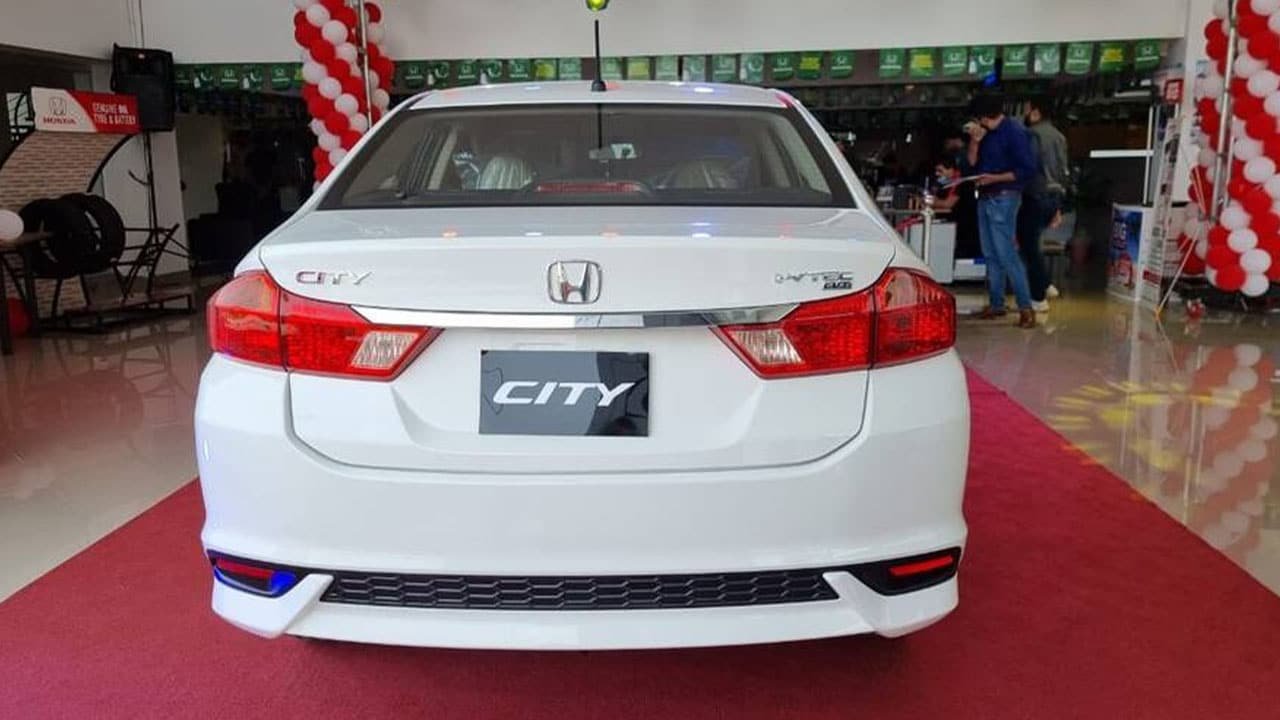
    Honda Atlas Cars Pakistan Limited (HACPL), one of the leading car manufacturers in the country, reported a significant decline of 90 per cent in its annual net profit due to rising expenses, reflecting the struggling state of the auto industry and the country’s economy.

    The company’s net profit for the fiscal year ending on March 31 was reported to be Rs260.141 million, a sharp decrease from Rs2.509 billion in the previous year.

    Consequently, the company did not distribute any dividends for that period. Earnings per share also witnessed a decline, coming in at Rs1.82/share compared to Rs17.58/share in the previous year.

    Honda Atlas Cars stated that its revenue for the year dropped to Rs95.087 billion, down from Rs108.047 billion the previous year. The cost of sales remained relatively stable at Rs87.926 billion compared to Rs102.515 billion during the same period last year. On the other hand, the company’s other income increased to Rs2.321 billion, compared to Rs2.004 billion in the previous year.

    However, the company experienced a surge in other expenses, which rose to Rs4.929 billion from Rs984.045 million, adversely impacting profit margins.

    Arif Habib Ltd, a brokerage firm, attributed the significant decline in profit to lower volumetric sales and increased finance costs, which rose by 6.5 times on a year-on-year basis. The auto industry, which heavily relies on imports, has been severely affected by the country’s economic conditions.

    Honda was among the manufacturers that had announced plant closures. However, on May 16, it was reported that Honda Atlas Cars planned to resume production activities after a months-long halt. The decision was made following an improvement in the accessibility of trade finance facilities for the supply chain.

    The government of Pakistan, facing low foreign exchange reserves, implemented stringent measures, including restrictions on letters of credit (LCs) for the import of completely knocked down (CKD) units and raw materials used by the auto industry.

    According to Geo, Honda stated that with the company’s consistent efforts and the slight improvement in trade finance accessibility, they are now preparing to gradually resume production in the coming weeks.

    Since March 9, the company had suspended its production activities. The auto industry has encountered significant setbacks due to non-production days, reduced consumer affordability resulting from higher interest rates and vehicle prices, currency devaluation, and escalating petrol prices. These plant shutdowns have also led to layoffs in the industry.

  • Pakistan reaffirms commitment to $6.5 billion IMF bailout, dismissing rumors of retraction

    Pakistan reaffirms commitment to $6.5 billion IMF bailout, dismissing rumors of retraction

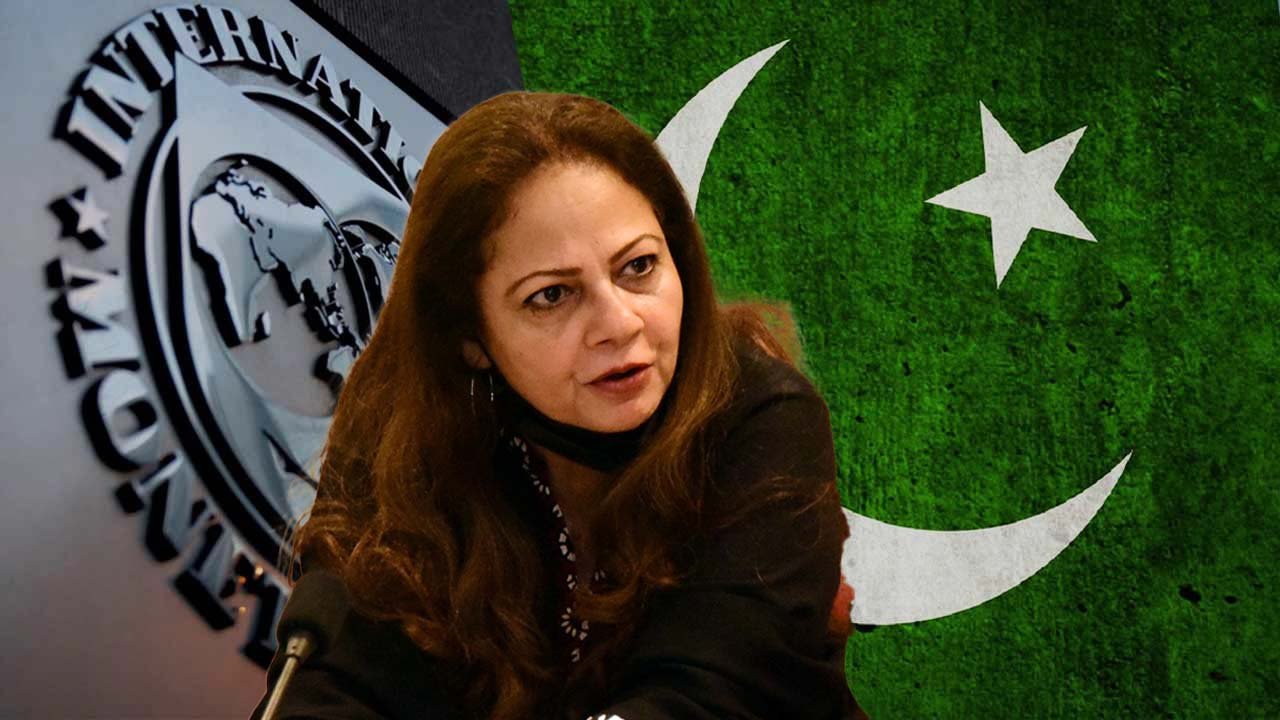
    On Wednesday, Minister of State for Finance and Revenue, Dr Aisha Ghaus Pasha, dismissed rumours of Pakistan retracting from the anticipated $6.5 billion bailout programme with the International Monetary Fund (IMF).

    According to Geo, Pasha clarified that discussions were ongoing between the Federal Board of Revenue (FBR) and the Finance Division, emphasising that Pakistan remained engaged with the IMF. Speculation arose when reports suggested that Pakistan had taken a firm stance against the IMF and refused to share details of the upcoming budget.

    This led to concerns that the financially strained nation was reneging on the deal originally agreed upon by the Imran Khan-led Pakistan Tehreek-e-Insaf (PTI) government.

    Pasha expressed the government’s commitment to continuing the IMF programme, acknowledging the political sacrifices made by the coalition government to meet the Fund’s conditions. Negotiations with the IMF have been aimed at restarting the $6.5 billion bailout programme, which is crucial for Pakistan to avert default.

    During a meeting with journalists after the Senate Standing Committee on Finance, Pasha revealed that the coalition government would present its second budget in the first week of June, marking the second year since assuming power in April. The Finance Bill 2023-24 is scheduled to be presented in the National Assembly on June 9, while the Economic Survey 2022-23 will be released on June 8, according to sources.

    Assuring the public during the briefing, Pasha affirmed that the government would strive to alleviate the burden on the masses amidst these challenging times, as the budget figures were being finalized. However, she cautioned that the situation would remain difficult until the tax-to-GDP ratio reached double digits, emphasizing the necessity of expanding the tax base.

    The state minister disclosed the Ministry of Finance’s plan to transition from indirect taxes to direct taxes, stating that such a shift would reduce the burden on the general population. She reiterated the government’s intention to introduce direct taxes in the upcoming budget for the fiscal year 2023-24, expressing concern over the negative impact of tax concessions on the economy.

    Meanwhile, FBR Chairman Asim Ahmed briefed the committee on the capital value tax, disclosing that the revenue generated from this tax during the current financial year amounted to Rs9 billion.

    Addressing the concerns of senators regarding the implementation of capital valuation tax on domestic and foreign assets, Ahmed clarified that this measure aimed to include the wealthier individuals in the tax net. He also noted that the revenue board was registering new individuals with foreign assets while maintaining records of those already registered.

  • Gold price increases to Rs240,000 per tola amid political turmoil and IMF loan delay

    Gold price increases to Rs240,000 per tola amid political turmoil and IMF loan delay

    On Wednesday, the price of gold surged massively in Pakistan due to political turmoil following the arrest of the former prime minister and Pakistan Tehreek-e-Insaf (PTI) Chairman, Imran Khan.

    According to the All Pakistan Sarafa Gems and Jewellers Association (APSGJA), the price of gold (24 carats) rose by Rs9,900 per tola and Rs8,487 per 10 grams to reach Rs240,000 and Rs205,761, respectively.

    However, there was no increase in the international market price, which remained at $2,031 per ounce. The primary reason for the increase in gold’s price is the latest political storm that has caused violent protests across the country and led to the army’s deployment in three provinces.

    People in Pakistan are purchasing gold to protect themselves against inflation and currency depreciation, as the economy is already in dire straits. Furthermore, the delay in the revival of the International Monetary Fund (IMF) program, which negatively impacts the currency market, is bolstering the demand for gold.

    According to Brecorder, the rupee also fell to a fresh low of Rs290.22 against the US dollar in the interbank market on Wednesday, after losing Rs5.38 or 1.89 per cent. The APSGJA also reported that the price of silver reached a new high, rising by Rs100 per tola and Rs85.75 per 10 grams to settle at Rs3,100 and Rs2,657.7, respectively.

  • FBR officers request leave until June to protest against low salary amid soaring inflation

    The Federal Board of Revenue (FBR) is in the midst of a predicament as its officers have apparently requested leave until June in order to protest against the rising inflation that is affecting their ability to make ends meet.

    In a letter addressed to the FBR Chairman Asim Ahmed, 117 Income Tax officers ranging from grades 17 to 19 have expressed their discontent with a meagre pay scale.

    “Due to low pay, we are unable to meet the expenses of coming to the office in this era of skyrocketing inflation,” the letter stated.

    This issue is extremely worrisome as the absence of these officers during the crucial budgeting process could have grave consequences for the country’s economy since the FBR is accountable for collecting taxes and revenue for the government.

    According to ARY News, the FBR Chairman has promised to raise the matter of the officers’ salary scale with Prime Minister Shehbaz Sharif. Additionally, he mentioned that the tax officers’ performance allowance has been withheld since 2015.

    It’s worth noting that an FBR officer made a peculiar request in a separate incident. In a letter addressed to Prime Minister Shehbaz Sharif, the officer requested permission to engage in corrupt activities in order to cover domestic expenses in the face of soaring inflation.

  • Pakistan to pay for Russian oil in Chinese yuan, shipping expected in June

    Pakistan to pay for Russian oil in Chinese yuan, shipping expected in June

    According to a senior official from Pakistan’s Ministry of Energy, the country is expected to pay for a test cargo of 750,000 barrels of Russian oil in Chinese Yuan. The cargo is set to dock in Pakistan in June, with a possibility of arrival by the end of May.

    It has been suggested that the Bank of China will play a role in the transactions. However, the exact mode of payment and discount offered have not been made public to avoid backlash from other countries purchasing Russian oil directly from Moscow.

    The test cargo will likely contain URAL crude, which will be refined by Pakistan Refinery Limited. Commercial analysis of Russian crude has been conducted in favour of Pakistan’s economy, but will be further assessed after refining. The estimated shipping cost of the Russian oil is around $15 per barrel, which will be confirmed upon arrival at the Pakistani port.

    Pakistan has reportedly settled on a per barrel price of $50-52, lower than the cap price of G7 countries at $60 per barrel. Pakistani refineries currently import 80 per cent of crude under long-term agreements with ADNOC and Saudi Aramco. However, the remaining 20 per cent provides a cushion to purchase Russian oil under GtG on a long-term agreement to some extent. The government plans to keep some cushion for purchasing crude from the international market, as crude prices can fluctuate.

    Pakistan had initially hoped to obtain Russian crude at a discount close to $50 per barrel, $10 per barrel below the cap price imposed by G7 countries in response to the Ukraine conflict. However, a top official from the coalition government has expressed concern that importing Russian crude at a 30 per cent discount under the GtG agreement may not provide sufficient relief.

  • Pakistan’s history of IMF bailouts: A look at 75 years of economic challenges

    Pakistan’s history of IMF bailouts: A look at 75 years of economic challenges

    Pakistan is currently facing yet another economic crisis, a recurring issue that has caused the country to repeatedly seek help from the International Monetary Fund (IMF) for financial assistance.

    Unfortunately, most of the previous 13 bailouts granted since the late 1980s were left unfinished, as Pakistan failed to implement any meaningful structural changes to rein in government spending or boost revenue.

    The country’s current government, led by Prime Minister Shehbaz Sharif, is currently in talks to revive its latest $6.5 billion loan programme as a result of the ongoing economic downturn, exacerbated by last year’s devastating floods and continued political instability. However, the implementation of the necessary belt-tightening measures may prove to be challenging, given the upcoming national elections planned for later this year.

    Pakistan and the IMF had agreed to a $6 billion bailout program in 2019, but disputes over monetary policies have prevented the release of over $1 billion. Furthermore, donors and lenders have demanded structural reforms before providing any further financial aid to Pakistan.

    Pakistan’s traditional partners have made it clear that their assistance is conditional upon the revival of the IMF program and the successful implementation of reforms, including the expansion of tax collection.

    Based on the prevailing Special Drawing Rights (SDR), also known as XDR, rates, the International Monetary Fund (IMF) has approved loans totaling $31.629 billion for Pakistan.

    It is worth noting, however, that not all of the approved funds have been disbursed, with only one out of 22 loans having been fully transferred to Pakistan. This highlights the complex political and economic dynamics that underlie IMF programs.

    Pakistan’s history of borrowing from the IMF

    Pakistan has a history of borrowing from the International Monetary Fund (IMF), which can be divided into four distinct periods. The early years of borrowing spanned from 1950 to 1988, followed by the Benazir and Nawaz Sharif era from 1988 to 1999. The third period was marked by the Musharraf and Zardari administrations from 2000 to 2013. The current period is led by Nawaz Sharif and Imran Khan.

    During these periods, each government worked with the IMF differently, especially in the past two decades. While the Benazir and Nawaz Sharif administrations alternated in seeking IMF programs in the 1990s, the Musharraf government, despite experiencing substantial foreign currency inflows, also had to turn to Washington for financial assistance.

    The Zardari administration, on the other hand, abandoned the largest-ever IMF program when it deemed it expedient to do so. This trend illustrates how Pakistan’s borrowing from the IMF has been characterised by inconsistency and shifting priorities.

    2013-2022

    Pakistan’s recent history of borrowing from the IMF has been marked by different governments seeking assistance in their own unique ways. While the Imran Khan government initially refused to seek assistance from the IMF, it eventually sought an Extended Fund Facility (EFF) loan worth SDR4.268 billion in July 2019. This was due to the country’s financial deterioration and instability, which had eroded the stability gains made since late 2016.

    Under Imran Khan’s government, the IMF disbursed a total of SDR3,159.5 million to Pakistan in four tranches. However, talks for the fourth tranche proved challenging and the government sought help from the US Assistant Secretary of State Donald Lu. Despite receiving SDR750 million in February 2022, then-Prime Minister Imran Khan announced a subsidy on petrol and diesel, effectively breaking the agreement with the IMF. As a result, the IMF suspended Pakistan’s $6 billion loan programme in March 2022.

    Negotiations for the revival of the fund facility did not commence until May, when Shehbaz Sharif of the PML-N took over the government. Talks on reviving the fund facility were concluded in late June, but only after the government took some harsh decisions, including withdrawing tax relief for salaried individuals. The next tranche will only be released after the IMF Executive Board takes up the combined 7th and 8th reviews.

    2000-2013

    During Pervez Musharraf’s government, Pakistan received significant foreign aid in the form of military and civil assistance, resulting in a low reliance on IMF loans for financial support. However, Pakistan did receive two IMF loans in the first two years of Musharraf’s regime, totaling SDR520 million. The first loan was a stand-by arrangement of SDR465 million, of which SDR150 million were disbursed, and the second was an extended credit facility of SDR1.033 billion, of which only SDR315 million were disbursed. Pakistan did not require IMF assistance from 2001 to 2008, as foreign aid prevented a balance of payment crisis.

    However, the aid failed to boost Pakistan’s forex reserves, which experienced a sharp decline between 2006 and 2008. In 2008, the Pakistan Peoples Party government negotiated with the IMF for the largest-ever loan of SDR7.235 billion, also the largest stand-by arrangement. Only SDR5.2 billion were disbursed between 2008 and 2010 in three tranches. Afterward, the PPP government did not complete the program as it received funds under the Kerry-Lugar program until 2013, when the United States ceased funding. The PPP government was unable to implement tough reforms demanded by the IMF due to impending elections.

    1989-1999

    During the 1990s, Benazir Bhutto and Nawaz Sharif sought eight bailouts from the IMF due to the consequences of the Soviet-Afghan war and political instability in Pakistan. In 1988, Bhutto signed up for two IMF packages, totaling SDR655 million. The IMF made two payments of SDR122.4 million and SDR189.5 million in 1991 and 1992. In 1993, Nawaz Sharif negotiated a loan of SDR265.4 million, with the IMF paying SDR88 million that year.

    Bhutto’s government signed three IMF programs of SDR379 million, SDR606 million, and SDR562 million between 1994 and 1995, with lower disbursements of SDR123 million, SDR133 million, and SDR107 million before being removed in 1996. Sharif then negotiated two loans in 1997 of SDR682.4 million and SDR454.9 million, respectively, with SDR250 million disbursed before his government was toppled in 1999. Bhutto negotiated a total of five programs of SDR2.2 billion, receiving SDR676.26 million, while Sharif signed up for three programs of SDR1.4 billion, with Pakistan receiving only SDR608 million. The instability of the government prevented the implementation of IMF reforms, which often led to increased tariffs and taxes, causing a negative perception of the IMF in the country.

    1958-1988

    The Zia-ul-Haq government received the largest amount of foreign aid from the International Monetary Fund in Pakistan’s history, surpassing the sum of all seven previous programs approved since 1958. In 1980, the IMF granted SDR1.268 billion to the government, followed by another program of SDR919 million in 1981. The Zia-ul-Haq administration received SDR1.079 billion out of the total SDR2.187 billion approved by the IMF.

    Before that, Zulfikar Ali Bhutto signed four loan programs with the IMF between 1972 and 1977 for a total of SDR330 million, of which SDR314 million was withdrawn. In 1958, Ayub Khan initiated Pakistan’s first loan from the IMF, seeking only SDR25 million, and in 1968 and 1969, two more programs of SDR37.5 million and SDR75 million were approved, respectively. The Ayub government received SDR112 million of the total SDR137.5 million approved.

    Pakistan has received a total of SDR23.656 billion in IMF-approved programs, of which SDR14.189 billion was disbursed. Pakistan was offered three long-term Extended Credit Facilities, five medium-term Extended Fund Facilities, at least 12 short-term Standby Arrangement loans, and one Structural Adjustment Facility over 63 years.

    This news story was created by compiling information from various news platforms as well as the IMF website.
  • Delayed IMF deal, depreciating rupee push gold price to Rs219,500 per tola

    Delayed IMF deal, depreciating rupee push gold price to Rs219,500 per tola

    As the economic crisis in Pakistan persists and the International Monetary Fund (IMF) programme remains in limbo, the price of gold has surged to new heights. The All Pakistan Sarafa Gems and Jewellers Association (APSGJA) reports that the rate of gold (24 carats) has increased by Rs800 per tola and Rs686 per 10 grams, reaching a settlement of Rs219,500 and Rs188,186, respectively. Similarly, the international market witnessed a $6 increase in the price of gold, bringing it to $1,990 per ounce.

    This steady uptrend in gold prices can be attributed to the weakening of economic fundamentals, the depreciation of the rupee, and the record-high inflation rates. During times of economic uncertainty, individuals often turn to precious metals like gold to protect themselves against inflation and currency depreciation.

    The delay in the IMF agreement has further exacerbated the economic crisis, leading to a negative impact on the currency market and increased demand for gold. Without a much-needed economic bailout, the country risks defaulting, adding to the already tense economic situation.

    While the price of silver remains stable at Rs2,600 per tola and Rs2,229.08 per 10 grams, the rise in gold prices highlights the growing economic concerns in Pakistan.

  • Pakistan’s economic stability remains fragile despite increase in forex reserves

    Pakistan’s economic stability remains fragile despite increase in forex reserves

    As the country tries to find ways to secure external financing and keep itself afloat, the State Bank of Pakistan (SBP)-held foreign exchange reserves recorded a meagre rise. The SBP, in its weekly bulletin, mentioned its reserves have jumped by $30 million to $4.46 billion as of April 20, which will provide an import cover of less than a month — a position that has been the same for several months now.

    The net foreign reserves held by commercial banks stand at $5.56 billion, $1.1 billion more than the SBP, taking the total liquid foreign reserves to $10.02 billion. Although the central bank did not specify the reason behind the increase, there was a $300 million rise in the reserves last week — which was due to the loan provided by the Industrial and Commercial Bank of China.

    The $350 billion economy is in turmoil amid financial woes and the delay in an agreement with the International Monetary Fund (IMF) that would release much-needed funding crucial to avoid the risk of default.

    The government has been in talks with the Washington-based lender since end-January to resume the $1.1 billion loan tranche that has been on hold since November, part of a $6.5 billion Extended Fund Facility (EFF) agreed upon in 2019. A deal with the IMF will also unlock other bilateral and multilateral financing avenues for Pakistan to shore up its foreign exchange reserves.

    Finance Minister Ishaq Dar said earlier this week that Pakistan has “fulfilled all the conditions” of the IMF and hoped that the Fund would soon sign the staff-level agreement. Speaking to Geo News, Dar said both Saudi Arabia and the United Arab Emirates (UAE) have informed the IMF about their commitments to provide $3 billion to Pakistan.

    Riyadh will provide $2 billion while Abu Dhabi has promised $1 billion to Pakistan, Dar said, adding that the Washington-based lender has also been informed in this regard.

    The finance minister said all the conditions for the staff-level agreement between Pakistan and IMF have been fulfilled. “Pakistan is hopeful that IMF will soon sign the SLA and get it approved by its Executive Board,” Ishaq Dar added.

  • Alarming decline in Pakistan’s manufacturing sector, latest data reveals

    Alarming decline in Pakistan’s manufacturing sector, latest data reveals

    The manufacturing industry in Pakistan, which is responsible for about 20 per cent of the country’s economic growth, has experienced its eighth consecutive month of decline. This is a major cause for concern as it could have negative impacts on the overall economy.

    In February, the rate of decline was particularly severe, with a contraction of 11.59 per cent compared to the same period in the previous year, according to data from the Pakistan Bureau of Statistics.

    This decline will impact Pakistan’s overall economic growth, with the gross domestic product (GDP) also expected to suffer a significant blow this fiscal year.

    The negative growth of the sector is due to both domestic and global factors, including high energy costs, rupee devaluation, and the government’s tightening of monetary and fiscal policies. Industrial output fell by 5.56 per cent in the first eight months (July-February) of the ongoing fiscal year, compared to the same period last year.

    The global economic slowdown has further worsened the situation, with many businesses scaling back operations or reducing operating hours, while others have shut down their plants. The LSM sector has witnessed a decline in production from August 2022 to February 2023.

    All major and small sectors’ output contracted in February, including textile, food, coke and petroleum products, chemicals, automobile, pharmaceuticals, cement, fertilisers, iron and steel, furniture, leather products, electrical equipment, and non-metallic mineral products.

    To combat soaring inflation, the State Bank of Pakistan (SBP) also raised the discount rate to 21 per cent, hindering industrial activities by making bank financing more expensive.

  • Pakistan moves closer to finalising oil deal with Russia as team arrives in Karachi

    Pakistan has taken a step forward in its efforts to secure a loan deal with Russia, as a delegation has arrived in Karachi to finalise a crude oil deal with Pakistan State Oil (PSO). However, the Energy Ministry has not yet revealed the payment method or the discount rate for the crude oil prices, keeping it confidential for now.

    Technical teams from the Operational Services Centre held talks with the PSO team last month, but progress was not made on the constitution of a Special Purpose Vehicle responsible for importing crude and making payments. The Russian delegation is now in Pakistan to finalise the government-to-government agreement, including the mode of payment. Pakistan wants to pay in rupee, while Russia is asking for payment in China’s Yuan or Ruble. Once the deal is done, Pakistan will place an order with Russia for crude oil purchase.

    According to sources, the Russian ship will arrive in mid-May, and the current Brent price in the international market is $85.16 per barrel, while Russian oil is available at $47-48 per barrel. The State Bank of Pakistan (SBP) is asking local banks to open letters of credit for importing Russian oil, but they are hesitant to do so mainly because of the G7 countries’ regulations of following the price cap of $60 per barrel or below it and making payments under Society for Worldwide Interbank Financial Telecommunications (SWIFT) arrangement.

    PSO has never imported crude oil before, and refineries have been importing crude under long-term agreements from ADNOC and Saudi Aramco. However, in the case of Russian crude, refineries will not be involved in the import, but it will be an SPV with representatives from PSO and PSC. Pakistan may get Russian crude price with a discount close to $50 per barrel, $10 per barrel below the cap price imposed by G7 countries on Russian oil in the wake of the war on Ukraine.

    One of the top officials in the coalition government suggests that the decision to import Russian crude under the government-to-government agreement at a 30 per cent discount may not provide the required relief as shipping and refining costs will erode the maximum discount. Additionally, Pakistan refineries will only be able to extract 10 per cent MS out of Ural crude and 50 per cent furnace oil.

    The government needs to conduct a commercial analysis to determine if importing Russian oil will benefit Pakistan’s economy and to what extent. Industrial sources suggest that the government should evaluate the economic benefits of importing Russian oil carefully.