Tag: economy

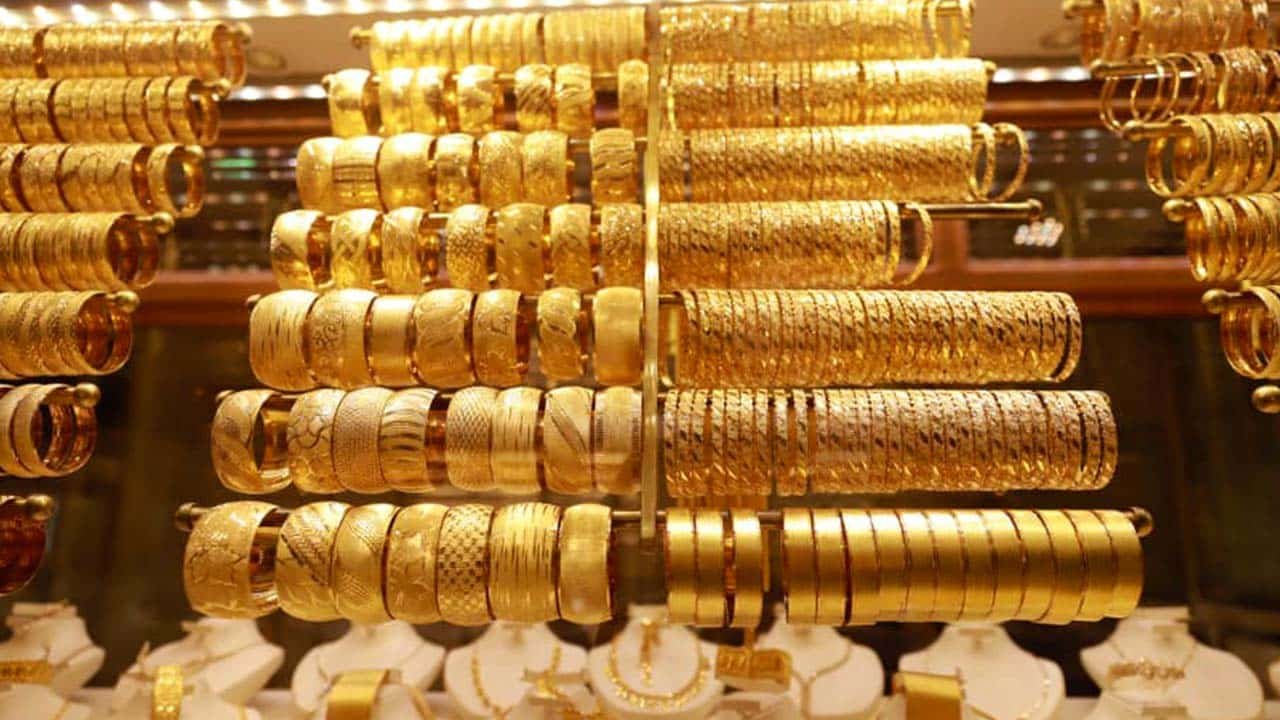
  • Gold price soars to an all-time high of Rs217,700 per tola amid economic tensions

    Gold price soars to an all-time high of Rs217,700 per tola amid economic tensions

    The price of gold has soared to an all-time high following a significant slump in the rupee against the dollar, with the country struggling to secure external financing. The data released by the All-Pakistan Sarafa Gems and Jewellers Association (APSGJA) shows that the price of gold (24 carats) has spiked by Rs3,100 per tola and Rs2,656 per 10 grammes, settling at Rs217,700 and Rs186,643 respectively.

    The gold rush is in line with the movement of the rupee, which has fallen 2.44 or 0.85 per cent against the US dollar in the interbank market, and an increase in weekly inflation. Inflation has shot up 0.92 per cent week-on-week and 44.49 per cent year-on-year during the seven-day period that ended on April 6th. Prices of sugar and chicken have surged due to Ramzan, and hoarding has caused a likely uptick in inflation.

    Gold is often seen as a hedge against inflation, increasing in value as the purchasing power of the dollar declines. Plus, it’s the season of Ramzan, which brings with it a surge in demand for the precious metal. Investors’ attention has shifted towards gold as economic tensions continue to rise, with the International Monetary Fund (IMF) reviewing external financing commitments from friendly countries before it releases bailout funds. The delay in the revival of the program has negatively impacted the currency market, which is boosting demand for gold.

    The APSGJA also noted that the price of gold in Pakistan is Rs5,000 per tola “undercost” compared to the Dubai market. Thus, the Pakistani gold market is cheaper than the global market. Meanwhile, silver prices in the domestic market have also jumped to historic highs, increasing by Rs30 per tola and Rs25.72 per 10 grams to settle at Rs2,480 and Rs2,126.20, respectively.

    In the international market, the price of gold dropped $6 per ounce, settling at $2,002. Nevertheless, gold’s rise in Pakistan is set to bring a lot of excitement to the local market.
  • Pakistan records 17% increase in exports to Afghanistan, SBP data shows

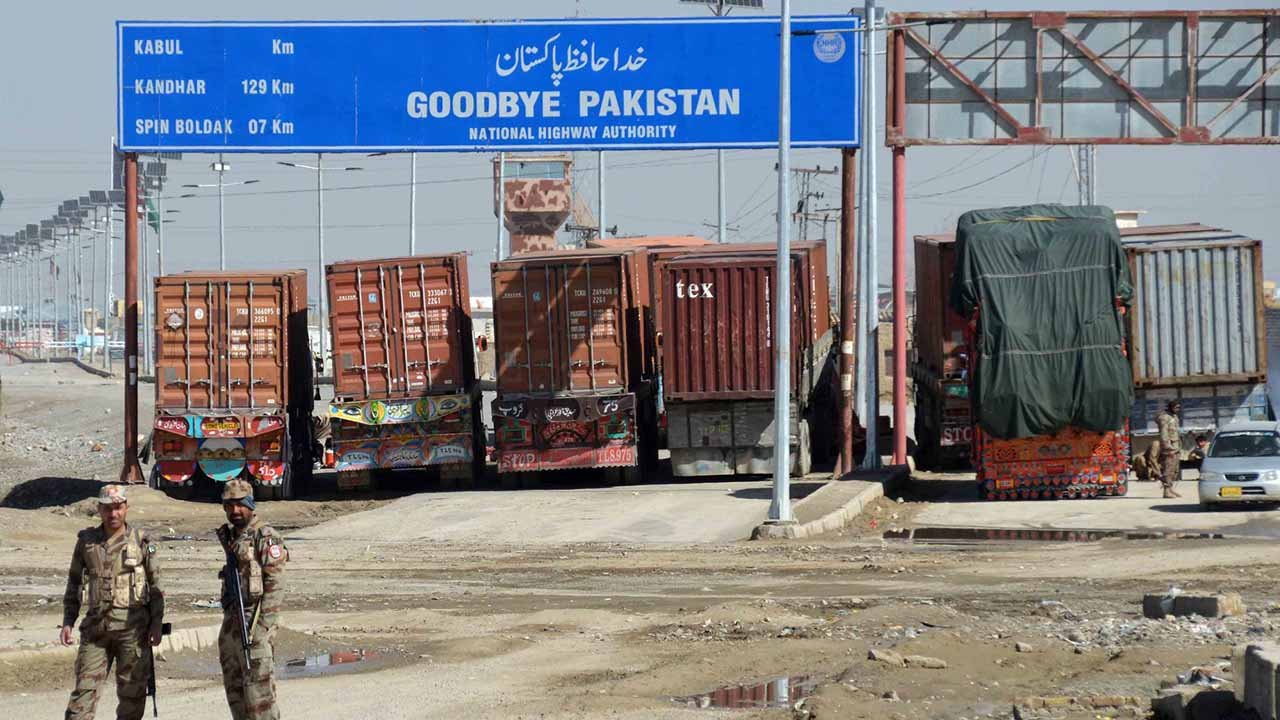
    Pakistan records 17% increase in exports to Afghanistan, SBP data shows

    According to a report by the State Bank of Pakistan (SBP), Pakistan’s export of goods and services to Afghanistan has increased by 17.02 per cent during the first eight months of the current fiscal year (2022-23) compared to the corresponding period of the previous year.

    From July-February (2022-23), overall exports to Afghanistan reached US $346.522 million, while during the same period last year, exports were recorded at US $296.109 million, showing a growth of 17.02 per cent.

    Furthermore, the year-to-year basis also showed an increase of 60.49 per cent in exports to Afghanistan, rising from US $38.222 million in February 2022 to US $61.345 million in February 2023. Meanwhile, on a month-on-month basis, exports to Afghanistan also rose by 82.58 per cent during February 2023, reaching US $61.345 million, compared to US $33.598 million in January 2022.

    In contrast, Pakistan’s exports to other countries decreased by 9.65 per cent during the eight months, dropping from US $20.632 billion to US $18.639 billion, according to SBP data.

    The imports from Afghanistan into Pakistan during the period under review were recorded at US $13.540 million, which was a significant decrease of 88.65 per cent compared to last year’s US $119.328 million in July-February (2021-22).

    Year-on-year, imports from Afghanistan also dropped by 98.89 per cent, from US $13.723 million in February 2022 to US $0.151 million in February 2023. However, on a month-on-month basis, imports from Afghanistan increased by 11.02 per cent during February 2023, reaching US $0.136 million, compared to US $0.122 million in January 2022.

    Overall, the imports into Pakistan also witnessed a decrease of 21.02 per cent, from US $47.336 billion to US $37.388 billion, according to SBP data. Based on the trade figures, the trade of goods and services with Afghanistan witnessed an 88.35 per cent increase in surplus during the period under review compared to the previous year, with a recorded surplus of US $332.982 million against US $176.781 million during the last year.

  • World Bank lowers Pakistan’s growth forecast tighter financial conditions

    World Bank lowers Pakistan’s growth forecast tighter financial conditions

    Pakistan’s current-year growth forecast has been significantly reduced by the World Bank due to tighter financial conditions and limited fiscal space. The country’s economy is now expected to grow only 0.4 per cent in the current year, compared to the October 2022 forecast of 2 per cent growth.

    This bleaker forecast assumes that an agreement is reached with the International Monetary Fund for bailout funds. Pakistan’s fiscal year runs from July to June, and the country expects its economy to grow 2 per cent in FY23, although the country’s central bank chief has warned that this forecast could face downward pressure.

    Pakistan has been in economic turmoil for months, with an acute balance of payments crisis. Talks with the IMF to secure $1.1 billion in funding as part of a $6.5 billion bailout agreed upon in 2019 have not yet yielded fruit. Lower economic output and high prices in Pakistan have led to stampedes and looting at flour distribution centres set up across the country. The World Bank attributed the greater food insecurity for South Asia’s poor to elevated global and domestic food prices.

    The World Bank also lowered its 2023 regional growth forecast to 5.6 per cent from 6.1 per cent in October, citing rising interest rates and uncertainty in financial markets as putting downward pressure on the region’s economies. Most countries have raised interest rates at a rapid pace since the war in Ukraine last year led to choking supply chains and stoked inflation globally.

    Sri Lanka’s economy is forecast to contract by 4.3 per cent this year, reflecting the lasting impact of the macro debt crisis, with future growth prospects heavily dependent on debt restructuring and structural reforms. In January, President Ranil Wickremesinghe said Sri Lanka’s economy could contract by 3.5 per cent or 4.0 per cent in 2023 after shrinking by 11 per cent last year.

    The World Bank also lowered its forecast for India’s economic growth in the current fiscal year to 6.3 per cent from 6.6 per cent, due to the expected negative impact of higher borrowing costs on consumption. The current fiscal year began on April 1.

  • Ishaq Dar to attend IMF, World Bank meetings in US

    Ishaq Dar to attend IMF, World Bank meetings in US

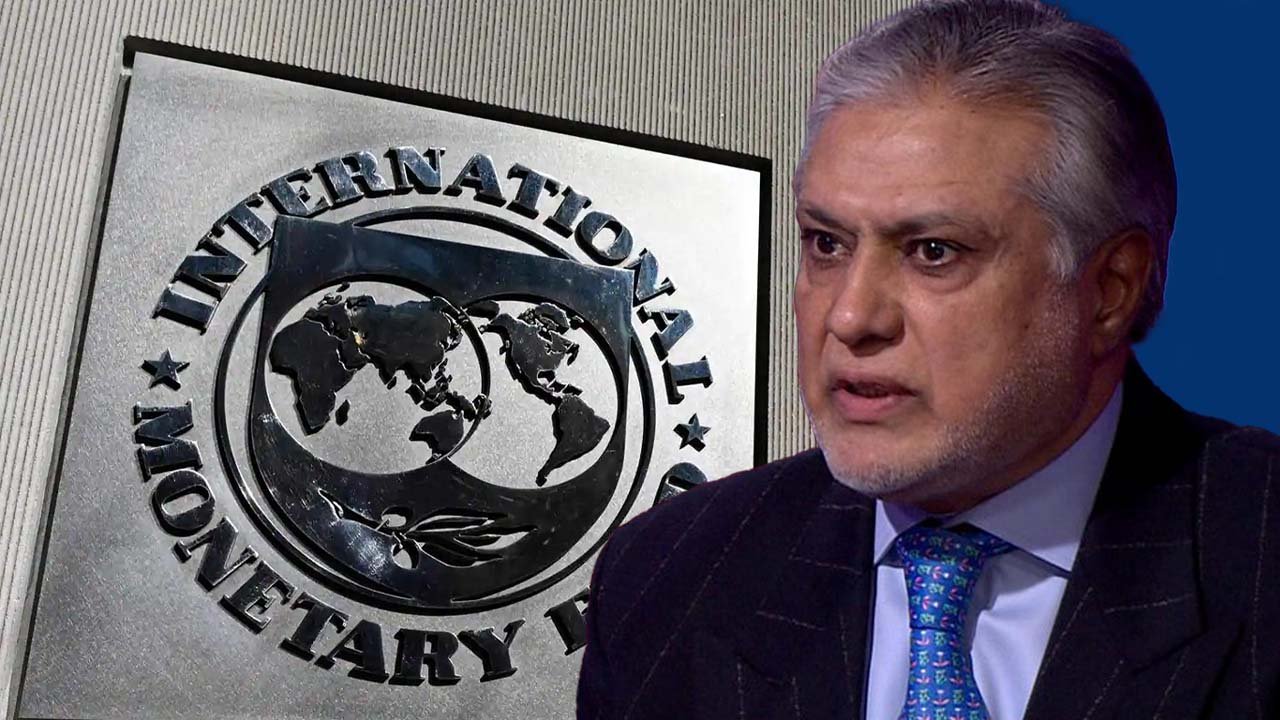
    Finance Minister of Pakistan, Ishaq Dar, will lead a delegation to the United States to attend the annual spring meeting of the Breton Wood Institutions (BWIs), comprising the International Monetary Fund (IMF) and World Bank, from April 10 to 16.

    The delegation includes officials from the Finance and Economic Affairs Division and the State Bank of Pakistan (SBP) governor. The delegation is expected to present new proposals to the IMF and World Bank for the provision of dollar inflows.

    IMF and Pakistan will also discuss the possibility of combining the remaining 10th and 11th reviews under the Extended Fund Facility (EFF) program, worth $6.5 billion, if the pending 9th review is completed. The EFF program, signed in 2019, is set to expire on June 30, 2023, and cannot be extended beyond the deadline.

    The delay in the 9th Review’s completion, scheduled for December 2022, has resulted in the delay of the 10th Review, which was to start in February 2023. The 11th Review was scheduled to begin on May 3. The delay in the 9th Review will increase the cost of correcting the situation.

    The government of Pakistan has taken difficult decisions to revive the IMF program, but there is no easy solution to the country’s ailing economy. The IMF is seeking verification from Pakistan’s bilateral friends, including Saudi Arabia, the UAE, and Qatar, to provide additional assistance of $6 billion until the end of June 2023.

    SBP’s foreign exchange reserves currently stand at $4.2 billion, which is insufficient to meet obligations related to foreign debt servicing, including principal and markup. It remains to be seen how the completion of the bailout program will proceed, given the delay in the 10th Review.

  • Pakistan’s inflation rate surges to an all-time high, reaching 38.9% in rural areas

    Pakistan’s inflation rate surges to an all-time high, reaching 38.9% in rural areas

    According to recent reports, the finance ministry’s expectations of high inflation were met due to market frictions caused by the relative demand and supply gap of essential items, exchange rate depreciation, and recent upward adjustment of administered prices of petrol and diesel. However, there was a monthly decline in the inflation rate, which dropped to 3.7 per cent in March compared to February.

    Despite this, the inflation situation has worsened significantly over the months, causing mass distress due to the high prices of almost every edible item. The core inflation rate, which excludes volatile energy and food prices, increased in March to 18.6 per cent in urban areas and 23.1 per cent in rural areas. Experts believe that Pakistan is now heading towards hyperinflation, where prices are out of control and expected to surge by 50 per cent.

    The Pakistan Bureau of Statistics (PBS) reported that the inflation rate in rural areas reached 38.9 per cent, while it surged to 33 per cent in the cities. Food inflation rose sharply to 50.2 per cent in rural areas and increased to 47.1 per cent in urban areas last month. Supply chain disruptions and weak checks have led to a substantial rise in the food inflation rate.

    Unfortunately, both the federal and provincial governments are unable to provide steady essential food supplies, and the prices of most consumer goods remain out of reach for the people. This surge in prices coincides with a significant economic slowdown, and poverty and unemployment levels are rising.

    A majority of the surge in prices was seen in rural areas where income levels were already low. The food group prices rose by 47.15 per cent in March compared to the same month last year. Both perishable and non-perishable food items witnessed unprecedented increases in prices.

    The Wholesale Price Index (WPI), which monitors prices in the wholesale market, also rose sharply to 37.5 per cent in March compared to 23.8 per cent in the same month last year. The inflation rate has remained above 20 per cent since June after the coalition government curtailed imports.

    The overall inflation rate recorded an increase in both urban and rural areas, with urban areas surging to 33 per cent in March, while rural areas soared to 38.9 per cent over the same month last year. In March last year, the inflation rate in urban areas was 11.9 per cent, while in rural areas, it stood at 13.9 per cent.

    The non-food inflation rate increased to 24.1 per cent in urban areas and 28.5 per cent in rural areas compared to 10.4 per cent and 12.5 per cent in the same month last year. Prices of non-perishable food items surged by 46.44 per cent on an annualized basis, and the prices of perishable goods surged by 51.81 per cent year-on-year.

  • About 830,000 Pakistanis left the country in 2022 in search of better jobs

    About 830,000 Pakistanis left the country in 2022 in search of better jobs

    The Bureau of Immigration and Overseas Employment (BE&OE) has reported a historic surge in emigrants seeking overseas employment in 2022, with a staggering 829,549 individuals registering for job opportunities abroad. Syed Agha Rafiullah, Parliamentary Secretary for Overseas Pakistanis and Human Resource Development (OPHRD), presented this data to the National Assembly on Wednesday, shedding light on the nation’s growing interest in international job markets.

    Rafiullah went on to explain that although 12.45 million Pakistani workers had registered for overseas employment opportunities since 1971, the COVID-19 pandemic had significantly impacted emigration numbers in 2020 and 2021. Only 224,705 and 286,648 Pakistani emigrants had been recorded in those years, respectively.

    To combat this decline, the government is actively pursuing a diversification strategy, seeking new international employment markets for its workforce. In this regard, the government has already established statements of intent on migration and mobility with Greece and the United Kingdom, and is hopeful of signing a similar agreement with Germany soon.

    Moreover, the ministry is currently in talks with 12 nations, including Denmark, Belgium, Germany, Greece, Italy, Iran, Lebanon, Kuwait, Libya, Romania, Portugal, and Uzbekistan, to sign memorandums of understanding (MoUs) on personnel export. In addition, 24 social welfare attachés have been deployed to 16 countries to explore new opportunities for Pakistani labor.

    The government is committed to providing Pakistani emigrants with the necessary training in line with the host country’s labor market requirements, as determined by the host country’s Labour Market Analysis (LMA). These measures reflect the government’s proactive approach in promoting overseas employment and ensuring its workforce’s sustainable livelihood.

  • Suzuki Swift experiences price increase of over Rs1.8 million since March 2022

    Suzuki Swift experiences price increase of over Rs1.8 million since March 2022

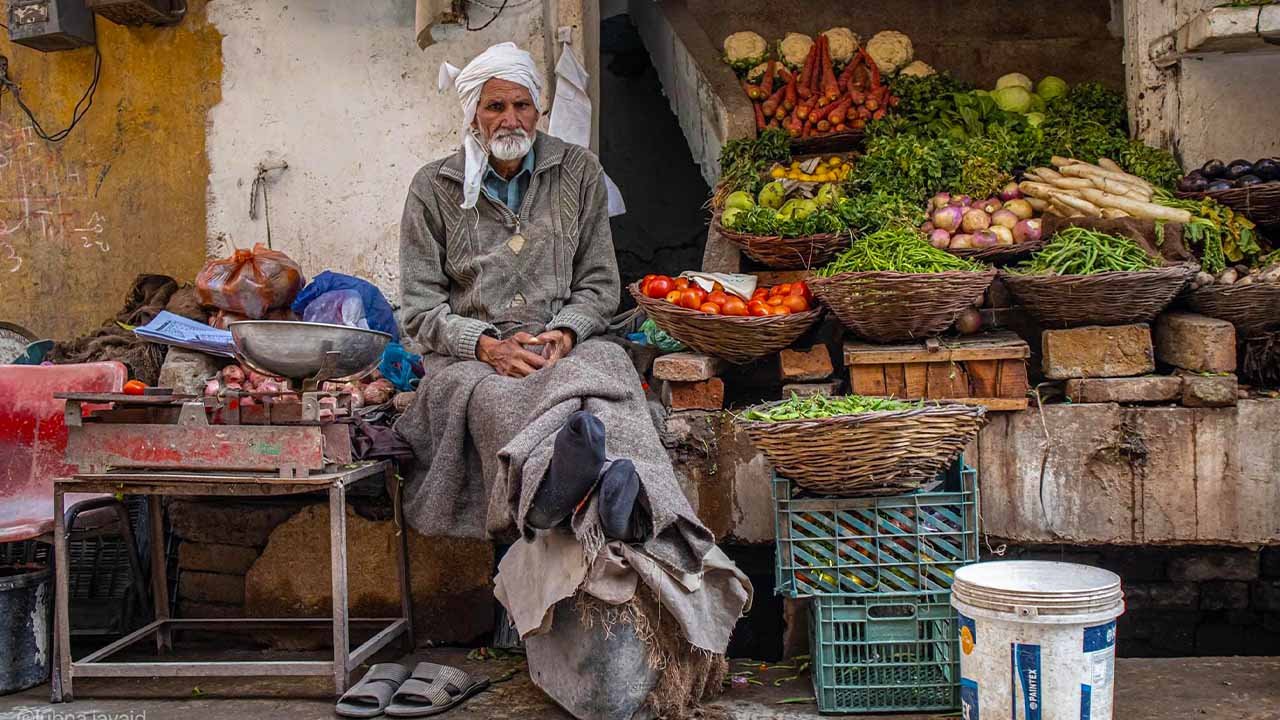
    In a little under a year, the price of cars in Pakistan has risen dramatically. Car companies across the country have announced successive price hikes since last year. Even the most affordable models, such as the Suzuki Alto, have become prohibitively expensive, with prices that the average salaried worker can scarcely afford.

    These price hikes can be attributed to a number of factors, including the depreciation of the Pakistani rupee against the US dollar and an increase in the cost of production. Unfortunately, this has resulted in even basic car models becoming unaffordable luxuries for many people in Pakistan.

    For instance, consider the Suzuki Swift – one of the country’s most popular cars. In March 2022, the base model of the Swift, known as the Suzuki Swift GL with manual transmission, was priced at Rs2,499,000. By March 2023, the same car jumped to Rs4,052,000 – an increase of Rs1,553,000.

    Those looking for a more advanced version of the Swift are in for an even bigger shock. The mid-variant, the Suzuki Swift GL CVT with automatic transmission, was priced at Rs2,699,000 just a year ago. Today, that same model will set you back an astounding Rs4,355,000 – an increase of Rs1,656,000.

    Furthermore, the top-of-the-line model, the Suzuki Swift GLX, has seen a significant price increase. One year ago, the GLX variant was priced at Rs2,899,000. Today, it costs an incredible Rs4,725,000 – a difference of Rs1,826,000.

    Overall, the sharp rise in car prices in Pakistan has made car ownership an unattainable dream for many people. It remains to be seen whether anything will be done to alleviate the financial burden of car ownership in the country.

    To provide a clear comparison, here is a table showcasing the prices of the three variants of the Suzuki Swift from March 2022 to March 2023:

    Model March 2022 Price March 2023 Price Difference
    Swift GL Manual Rs2,499,000 Rs4,052,000 Rs1,553,000
    Swift GL CVT Rs2,699,000 Rs4,355,000 Rs1,656,000
    Swift GLX Rs2,899,000 Rs4,725,000 Rs1,826,000
  • Ishaq Dar assures govt is taking all possible measures to overcome economic challenges

    Ishaq Dar assures govt is taking all possible measures to overcome economic challenges

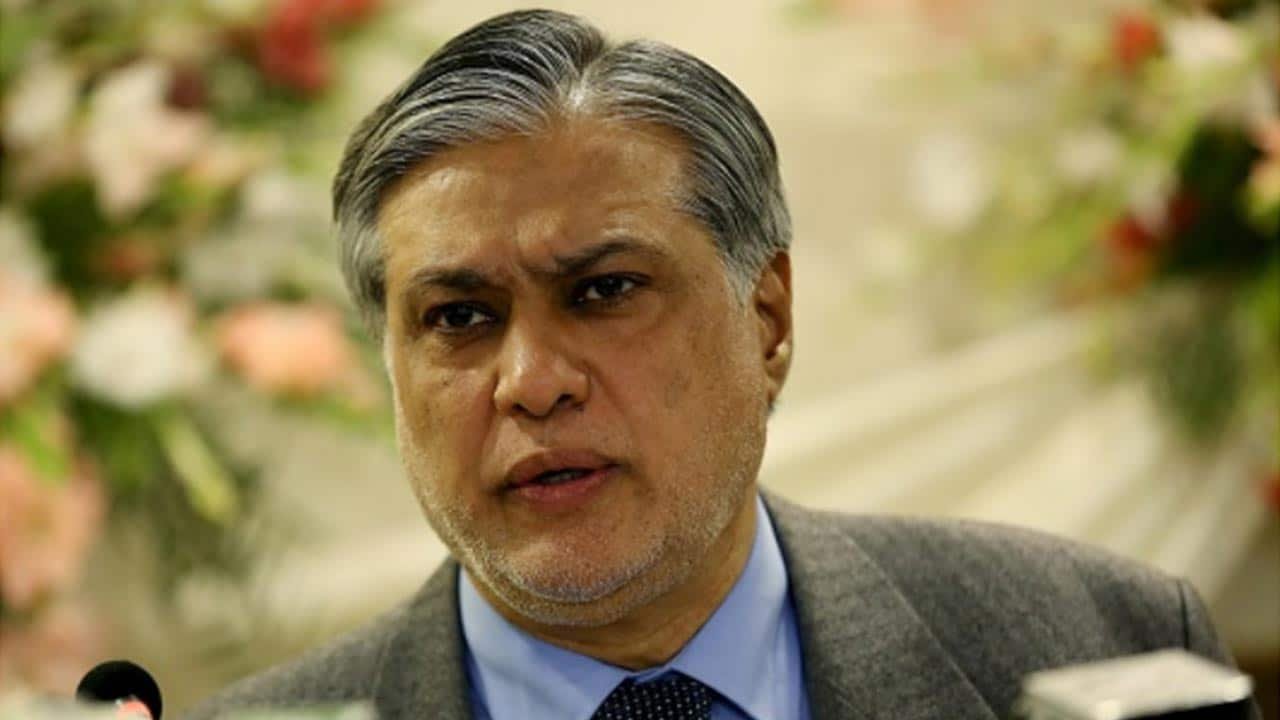
    The Finance Minister of Pakistan, Ishaq Dar, has stated that the federal government is working diligently to steer the country out of its current economic challenges and towards sustainable growth.

    Speaking at an Iftar dinner hosted by the Islamabad Chamber of Commerce and Industry (ICCI) in honor of foreign diplomats, Dar urged friendly countries to fulfill their commitments to Pakistan to pave the way for a deal with the International Monetary Fund (IMF) and the revival of the economy.

    Dar highlighted that Pakistan was expected to become the world’s 18th-strongest economy in 2016 but is now facing serious economic challenges. He reassured attendees that Pakistan would not default and that the government is doing everything in its power to overcome the difficulties.

    The President of ICC, Ahsan Zafar Bakhtawari, called on the government to ensure consistency in economic policies to boost investor confidence. He encouraged diplomats to invest in Pakistan, emphasizing the country’s large market with over 220 million consumers and opportunities in various sectors of its economy.

    Bakhtawari expressed hope that a deal with the IMF would soon be concluded and urged the government to work towards ending the country’s reliance on foreign loans and becoming self-sufficient. He assured attendees that the business community would fully support the government in achieving this goal.

    According to APP, the Iftar dinner was attended by diplomats from various countries, including Turkmenistan, Kazakhstan, Azerbaijan, Kyrgyzstan, Turkey, Indonesia, Syria, Saudi Arabia, Australia, Malaysia, Poland, Sri Lanka, Nepal, and the Republic of Turkish Northern Cyprus, who commended the ICCI for hosting the event.

  • Chinese bank to provide Pakistan with another $500 million loan soon

    Chinese bank to provide Pakistan with another $500 million loan soon

    A Chinese bank has committed to provide Pakistan with another refinanced $500 million loan within the next few days. This brings the total of commercial loans to $1.7 billion out of the committed amount of $2 billion.

    Pakistani authorities are currently seeking 100 per cent confirmation from friendly donor countries and multilateral creditors before moving towards an agreement with the International Monetary Fund (IMF). The IMF has set an unwritten condition that Pakistan must secure refinancing of commercial loans and a rollover on deposits from China during the program period, which is set to expire in June 2023.

    A top official from the Finance Division confirmed that another $500 million commercial loan from a Chinese bank is on its way and will be completed soon. Chinese banks have already provided refinancing of $1.2 billion in commercial loans in the past few weeks, and Beijing has given assurance on another $500 million in loan refinancing in the next few days. Pakistan has also requested a rollover on the Chinese SAFE deposit of $2 billion within the ongoing month.

    All these factors are prerequisites for moving towards the signing of a staff-level agreement between the IMF and Pakistan. The Pakistani authorities are waiting for confirmation from Saudi Arabia, UAE, and Qatar, as well as from the World Bank and the Asian Infrastructure Investment Bank, to fulfill the external financing needs of $6 billion until the end of June 2023. The guarantees for securing external financing are crucial for the sustainability of the IMF program.

    Brent crude and WTI are both down in the international market, which is good news for Pakistan’s economy. However, the IMF has secretly launched “Inclusive growth in the MENA region” at NUST. The IMF high-ups argued that state-owned enterprises (SOEs) possessing a major footprint resulted in the crowding out of the private sector. Pakistan’s budget makers have also assured the IMF that they will prepare gender-based budgeting in the next financial year.

    To meet the IMF’s demands, the CPI-based and SPI-based inflations have risen to unprecedented levels of 31.5 per cent every month and 42.3 per cent every week. The development budget of the federal government, known as the Public Sector Development Program (PSDP), has been slashed by 50 per cent for the current fiscal year in line with the Fund’s demand to curtail the budget deficit target.

  • Govt hikes petrol price by Rs5 to Rs272 per litre to match global market changes

    Govt hikes petrol price by Rs5 to Rs272 per litre to match global market changes

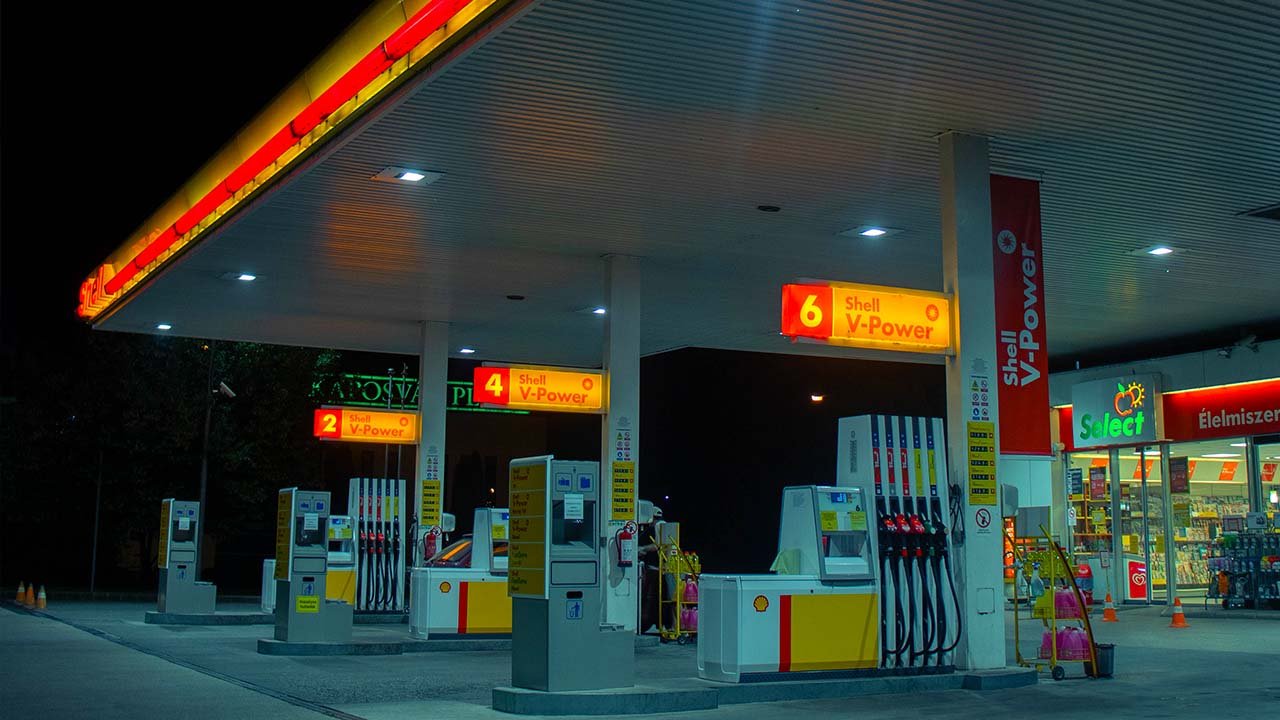
    As per a press release from the Finance Division, the government has decided to raise the price of petrol by Rs5 per litre to Rs272 per litre for the next two weeks, effective from March 16 (Thursday).

    The statement noted that the increase was due to the rise in Platts Singapore prices over the past two weeks and the depreciation of the Pak Rupee, resulting in a hike in petroleum, oil, and lubricant (POL) products in Pakistan.

    The notification further disclosed that the price of high-speed diesel has been increased by Rs13 per litre to Rs293 per litre, and kerosene has been raised by Rs2.56 per litre to Rs190.29 per litre by reducing government dues on them. However, the price of light diesel oil has been kept constant at Rs184.68 per litre by adjusting government dues.

    It’s worth mentioning that Finance Minister Ishaq Dar had previously announced a reduction in petrol prices by Rs5 per litre on February 28.