Tag: economy

  • Monitoring committee takes action against use of luxury cars by officials to cut expenses

    Monitoring committee takes action against use of luxury cars by officials to cut expenses

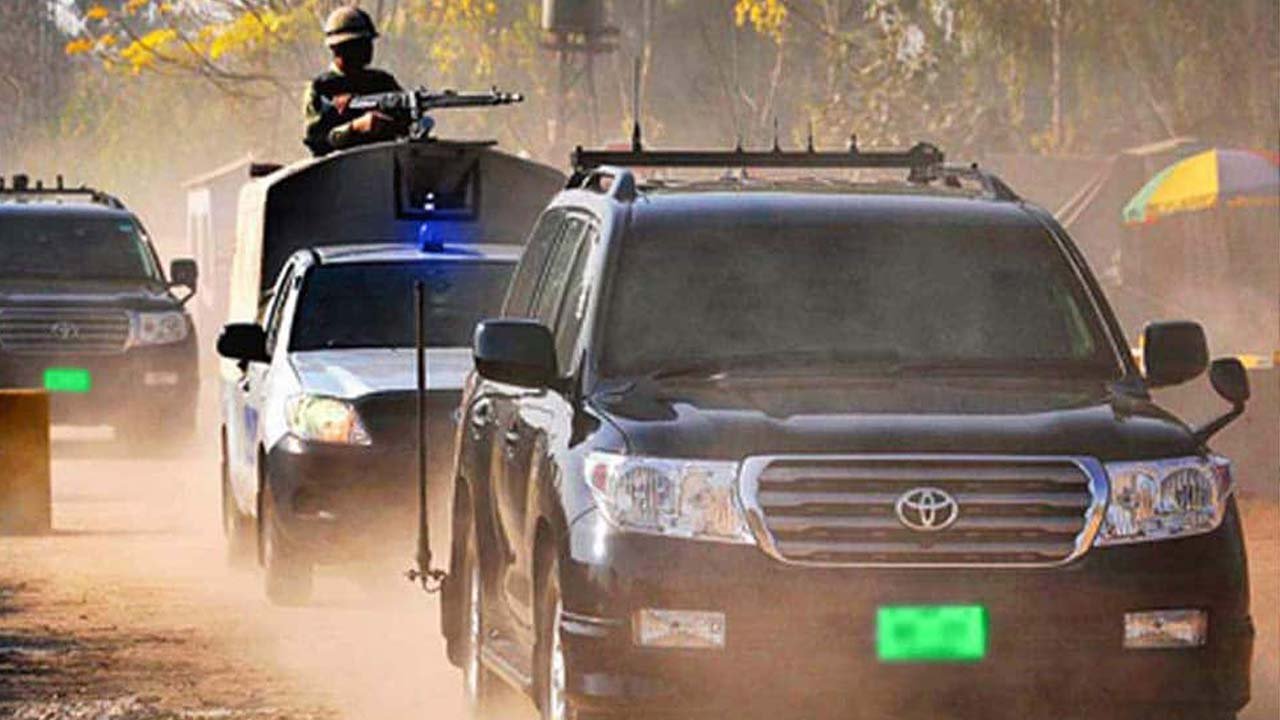
    State-run Radio Pakistan has reported that the monitoring committee responsible for overseeing the implementation of austerity measures has expressed serious concerns about some officers using vehicles above 1,800cc.

    The committee, chaired by Finance Minister Ishaq Dar, met in Islamabad on Monday to review the implementation of the decisions made at its first meeting regarding austerity measures. As part of an austerity drive to save the government Rs200 billion ($766 million) a year, Prime Minister Shehbaz Sharif had asked ministers and advisers to fly economy class and forgo luxury cars and their salaries.

    These cuts were made as Pakistan, facing a balance of payment crisis, negotiates with the International Monetary Fund (IMF) to secure $1 billion in funds that have been pending since late last year over policy issues.

    The meeting today was updated on the status of the use of luxury vehicles and was informed that a majority of the allocated vehicles have been returned by cabinet members. However, the committee expressed concerns over the non-return of the remaining luxury vehicles and directed the Cabinet Division to strictly implement the decision and retrieve the luxury vehicles within three days. The committee also discussed the withdrawal of the use of security vehicles and decided to implement the decision.

    Furthermore, the Ministry of Law and Justice was tasked with suggesting the implementation of austerity measures in the judiciary to the superior judiciary and approaching the Senate chairman and National Assembly speaker to suggest the use of teleconferences for all meetings to save time and expenditure. The Ministry of Inter-Provincial Coordination has also approached provincial governments to suggest the implementation of similar austerity measures.

    The committee also deliberated on working timings and decided that the new timing for office work will be 7:30 am to 2:30 pm, and up to 12:30 pm on Fridays, starting from the first of Ramzan and will be followed in the summer season, as per the cabinet’s decision. A notification will be issued accordingly. The finance minister, speaking at the occasion, directed all to expedite the implementation of austerity measures with sincerity and true spirit without any exception. These cuts are part of an effort to prevent an economic meltdown as Pakistan’s foreign exchange reserves have fallen below a month’s import cover.
  • Toyota IMC records worst sales in three years, selling less than 2,000 cars in February

    Toyota IMC records worst sales in three years, selling less than 2,000 cars in February

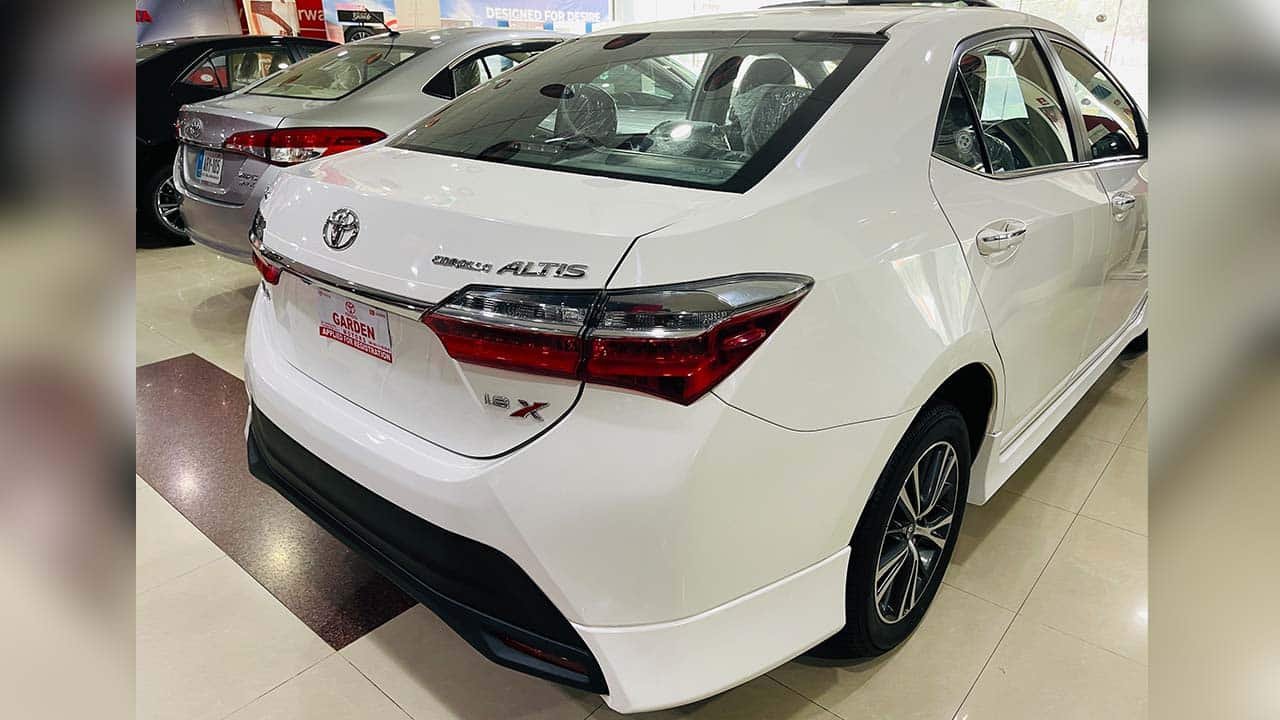
    Toyota Indus Motor Company (IMC), a leading automaker renowned for offering the country’s best-selling sedan, has reported a significant decline in sales in February 2023, marking the worst sales month since the onset of the Covid-19 pandemic.

    Having previously sold over 7,100 units in March 2022, the company’s sales have now plummeted to a meager 1,803 vehicles in February 2023, according to Autojournal.

    It is pertinent to note that this represents the lowest sales figures for Toyota in the past three years, since the outbreak of the Covid-19 pandemic and subsequent lockdowns.

    Toyota is not the only company experiencing this phenomenon, as Pak Suzuki Motor Company has also reported a massive decline in sales, selling only 544 units in February 2023, despite having sold over 6,000 units of Suzuki Alto in a single month previously.

    Pakistan’s auto industry is currently facing significant challenges due to production halts, resulting from a lack of availability of auto parts and restrictions on imports.

    As a result, car manufacturers are facing difficulties in meeting consumer demands, leading to decreased sales figures for many companies, including Toyota and Suzuki.

  • Another IMF condition met as Pakistan imposes 25% sales tax on luxury items

    On Tuesday, the federal cabinet led by Prime Minister Shehbaz Sharif approved the imposition of a 25 per cent sales tax on luxury items, fulfilling a condition set by the International Monetary Fund (IMF) for the revival of the $7 billion Extended Fund Facility (EFF) that had been stalled for months.

    The cabinet approved the 25 per cent general sales tax (GST) on luxury items through a circulation summary. The Federal Board of Revenue will issue a formal notification in the coming days, and the new rate will be applicable from March 1.

    The list of items subject to the 25 per cent GST includes aerated water and juices, imported cars, mobile phones, pet food, sanitary and bathroom wares, carpets (excluding Afghanistan), chandeliers and lighting devices or equipment, chocolates, cigarettes, confectionery items, corn flakes, cosmetics, shaving items, tissue papers, crockery, decorative devices, doors and window frames, fish, footwear, fruits and dry fruits, furniture, home appliances (CBU), luxury leather jackets and apparel, mattress and sleeping bags, frozen or processed meat, musical instruments, arms and ammunition, shampoos, sunglasses, tomato ketchup and sauces, and travel bags and suitcases.

    The federal government also imposed a 25 per cent GST rate on locally manufactured luxury vehicles of 1,400cc and above. The FBR has estimated that it will collect an additional Rs15 billion in taxes through the enhanced GST rate of 25 per cent in the four-month period.

    According to sources, Pakistan and IMF held virtual negotiations on Monday to revive the loan program that had been stalled for months. During the meeting, the lender expressed satisfaction with the country’s measures, while Pakistan insisted on early finalization of the staff-level agreement.

    The negotiations were moving positively as the Fund did not place any new demands during the virtual session. The State Bank of Pakistan (SBP) informed IMF representatives about the estimated collection of foreign exchange reserves of $10 billion until June, and sources claimed that Pakistan had achieved future targets before the staff-level agreement.

    It is worth mentioning that the government has expedited the implementation of IMF demands to unlock the loan tranche for the country’s economic recovery.

  • Weekly inflation in Pakistan jumps to 41.07% due to edible oil, sugar prices

    Weekly inflation in Pakistan jumps to 41.07% due to edible oil, sugar prices

    According to data provided by the Pakistan Bureau of Statistics (PBS) on Friday, edible oil, sugar, and vegetables helped drive the weekly inflation up to 41.07 percent on an annual basis.

    Sensitive Price Index (SPI) measurements of short-term inflation were still on the high side and would go up much more once customers start to feel the full effects of increased electricity tariffs.

    The cost of bananas, chicken, sugar, cooking oil, gas, and cigarettes increased for the week ending March 2, despite a 0.30 percent weekly decline in inflation.

    Of the 51 items, 32 saw price increases, nine saw price decreases, and 10 witnessed no change in price.

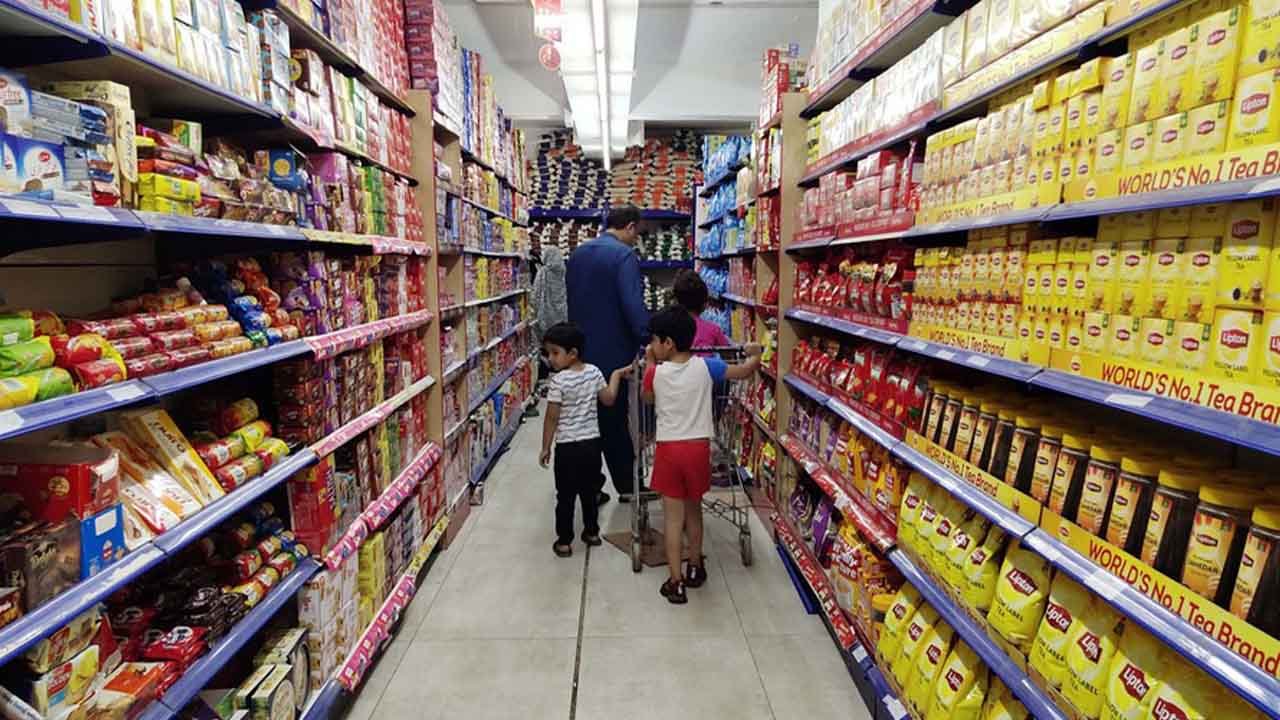
    The items whose prices rose the greatest during the reviewed week in comparison to the same week last year were: onions (311.17 per cent), cigarettes (165.86 per cent), gas charges for Q1 (108.38 per cent), diesel (93.82 per cent), petrol (77.89 per cent), eggs (77.83 per cent), rice irri-6/9 (76.96 per cent), rice basmati broken (75.55 per cent), pulse moong (73.30 per cent), bananas (72.66 per cent), chicken (64.70 per cent) and tea Lipton (64.53 per cent).

    Moreover, the highest year-on-year fall was recorded in the prices of tomatoes (56.29 per cent), chillies powdered (7.42 per cent).

    The prices of bananas (7.34 per cent), long cloth (3.44 per cent), energy saver (3.33 per cent), 1Kg vegetable ghee (2.48 per cent), gur (2.03 per cent), cooked daal (1.87 per cent), Lipton tea (1.79 per cent), match box (1.66 per cent), lawn printed (1.52 per cent), 5-litre cooking oil (1.45 per cent), and sugar (1.07 per cent) experienced the biggest week-on-week increase.

    On the other hand, the prices of onions (13.24 per cent), eggs (6.11 per cent), garlic (4.24 per cent), chicken (2.00 per cent), tomatoes (0.59 per cent), gram pulse (0.38 per cent), and potatoes (0.33 per cent) decreased compared to the previous week. However, LPG (1.84 per cent) and petrol (1.80 per cent) saw an increase in prices.

    The government, under the IMF’s conditions, has been implementing strict measures to cool the economy and curb inflation. The policy rate increase and the general sales tax increase from 17 per cent to 18 per cent are expected to further increase the retail price of consumer goods.

    To generate revenue and bridge the fiscal deficit, the government has already taken several measures, including adopting a market-based exchange rate, increasing fuel and power tariffs, withdrawing subsidies, and imposing more taxes.

    As a result of these measures, the government has revised its annual inflation rate projection from 26 per cent to 31 per cent.

  • Atlas Honda announces second price hike within 20 days due to depreciation of Pakistani rupee

    Atlas Honda announces second price hike within 20 days due to depreciation of Pakistani rupee

    Atlas Honda has announced its second price increase in the last 20 days, attributing it to the substantial depreciation of the Pakistani rupee against the US dollar, which had also led to their earlier bike price hike on February 15, 2023.

    According to the company’s notification, Honda bike prices will be as follows:

    Honda CD70

    The Honda CD70 will now cost Rs144,900, an increase of Rs7,000 from the previous price of Rs137,900.

    Honda CD 70 Dream

    The Honda CD 70 Dream will now cost Rs155,500, an increase of Rs8,600 from the previous price of Rs147,500.

    Honda Pridor

    The new price of the Honda Pridor is Rs190,500, an increase of Rs9,000 from the previous price of Rs181,500.

    Honda CG 125

    The Honda CG 125 will now cost Rs214,900, an increase of Rs9,000 from the previous price of Rs205,900.

    Honda CG 125 SE

    The Honda CG 125 SE will now cost Rs255,900, an increase of Rs12,000 from the previous price of Rs243,900.

    Honda CB 125F

    The Honda CB 125F will now cost Rs350,900, an increase of Rs20,000 from the previous price of Rs330,900.

    Honda CB 150F

    The Honda CB 150F will now cost Rs443,900, an increase of Rs25,000 from the previous price of Rs418,900.

    Honda CB 150F SE

    The Honda CB 150F SE will now cost Rs447,900, an increase of Rs25,000 from the previous price of Rs422,900.

    This is the second price hike within the last 20 days, which has further eroded the purchasing power of the middle class that is already struggling due to inflation. With car and bike prices on the rise, the common person is finding it increasingly difficult to afford their daily means of transportation.

  • Inflation in Pakistan reaches nearly 50-year high, raising concerns for citizens

    Inflation in Pakistan reaches nearly 50-year high, raising concerns for citizens

    Pakistan’s inflation, as measured by the consumer price index (CPI), surged to a record-breaking 31.5 per cent in February, largely driven by steep price hikes in food, housing, and transportation groups. This concerning development was recently reported by the Pakistan Bureau of Statistics (PBS), and has heightened expectations of an increase in interest rates during the upcoming monetary policy committee (MPC) meeting, which the central bank has scheduled for March 2.

    The February inflation rate marks the highest figure since available data dating back to July 1965, surpassing the previous record of slightly over 29 per cent in April 1975. The unexpected pace of price increases has surpassed the finance ministry’s expectations, who had projected an inflation range of 28 per cent to 30 per cent just a day before the report.

    According to Geo, the monthly inflation rate surged by 4.3 per cent in February compared to January, primarily due to increased average prices of food items such as poultry, fruits, pulses, oil, vegetables, ghee, LPG, gas charges, and domestic petroleum products.

    The inflation reading raises concerns that the government will need to review its strategy to secure the critical $1.1 loan tranche from the International Monetary Fund (IMF). Despite repeated efforts, the government has been unable to regain lost ground with the IMF and is continually delivering financial shocks to the people.

    According to PBS, the inflation rate rose in both urban and rural areas. Urban inflation increased to 28.8 per cent in February, while rural inflation soared to 35.6 per cent compared to the same month last year. In February of the previous year, urban inflation was recorded at 11.5 per cent, while rural inflation was at 13.3 per cent.

  • Pakistan’s finance ministry predicts high inflation to persist

    Pakistan’s finance ministry predicts high inflation to persist

    As per the Finance Ministry’s monthly economic update and outlook for February, inflation is projected to range from 28 per cent to 30 per cent in the near future, before gradually subsiding. The report cites several reasons for this, including an uncertain political and economic environment, currency depreciation, a recent increase in energy prices, and higher administered prices.

    The report notes that interest payments will contribute to total expenditures, constraining the fiscal space available for normal operations, investments, and social and structural policies.

    While the State Bank of Pakistan (SBP) has been implementing a contractionary monetary policy, it is expected that inflationary pressures will take some time to ease. The federal government, in collaboration with provincial governments, is closely monitoring the demand-supply gap of essential commodities and taking necessary measures to stabilise prices.

    The resumption of an economic stabilization program will aid in achieving economic and exchange rate stability and provide an opportunity to benefit from falling international commodity prices. This will also help control cost-push inflation and allow the government to pass on lower commodity prices to domestic consumers.

    The report notes that favorable weather and the use of inputs by farmers should help meet the 28.4 million-ton wheat target, while disbursements under the Kissan package should positively impact agricultural productivity and overall economic activity. The cyclical pattern of large-scale manufacturing (LSM) in Pakistan is positively correlated with the cyclical position of the country’s main trading partners. In December 2022, LSM activity was as expected, with no unexpected shocks observed in that month.

    However, the international economic environment remains uncertain, as evidenced by the Composite Leading Indicators (CLI) in Pakistan’s main export areas, which were somewhat negative compared to historical standards.

    The ministry anticipates that LSM will increase in January compared to the previous month, partly due to seasonal factors. The ministry forecasts that LSM output may marginally decline on a YoY basis, mainly due to the high base effect in the reference period

  • Gas and cigarette prices push Pakistan’s weekly inflation to 41%

    Gas and cigarette prices push Pakistan’s weekly inflation to 41%

    According to official data released by the Pakistan Bureau of Statistics (PBS), Pakistan’s weekly inflation has remained high, with an increase of 2.78 per cent week-on-week and 41.54 per cent year-on-year for the seven-day period that ended on February 23.

    The latest figures of the Sensitive Price Index (SPI) reveal that the rise is due to an increase in gas prices for Q1 (108.38 per cent), cigarettes (76.45 per cent), bananas (6.67 per cent), chicken (5.27 per cent), sugar (3.37 per cent), cooking oil 5 litre (3.07 per cent), vegetable ghee 2.5kg (2.79 per cent), vegetable ghee 1kg (2.20 per cent) and prepared tea (1.09 per cent).

    The government of Pakistan almost doubled the gas charges for up to 3.3719 mmBtu to secure the International Monetary Fund’s (IMF) approval for the $1.1 billion tranche out of the $6.5 billion bailout package under the Extended Fund Facility. Previously, the rate was Rs147.57, which now stands at Rs295.

    The PBS attributes the YoY increase in SPI to the rise in prices of onions (372.03 per cent), cigarettes (164.71 per cent), gas charges for Q1 (108.38 per cent), chicken (85.65 per cent), diesel (81.36 per cent), eggs (75.81 per cent), rice irri-6/9 (75.41 per cent), rice basmati broken (74.16 per cent), bananas (72.22 per cent), pulse moong (70.39 per cent), petrol (69.87 per cent), tea (62.76 per cent), pulse gram (57.02 per cent), bread (55.36 per cent), pulse mash (53.90 per cent) and LPG (52.59 per cent). However, there was a decrease in the prices of tomatoes (67.93 per cent), chilli powder (7.42 per cent) and electricity charges for Q1 (6.64 per cent).

    Analysts had predicted that inflationary pressures would intensify due to tax measures and adjustments in electricity, petroleum and gas prices made by the government to unlock the IMF programme.

    Consumers have been facing the burden of rising prices of essential kitchen items, particularly edibles. The average price of 1kg broiler chicken was Rs469.81 during the week under review compared to Rs446.29 last week. For the groups spending up to Rs17,732; Rs17,733-22,888; Rs22,889-29,517; Rs29,518-44,175; and above Rs44,175; WoW SPI increased 2.42, 2.86, 2.32, 2.18, and 3.10 per cent respectively.

    The YoY SPI for the expenditure groups went up 37.81, 39.80, 40.95, 41.94, and 42.98 per cent respectively. For the week under review, SPI was recorded at 241.29 points against 234.77 points registered last week and 170.47 points recorded during the week ended February 24, 2022.

  • SBP-held forex reserves increase by $66 million as Pakistan seeks critical IMF loan tranche

    SBP-held forex reserves increase by $66 million as Pakistan seeks critical IMF loan tranche

    The State Bank of Pakistan (SBP) has reported a minor increase in its foreign exchange reserves, as the nation desperately seeks to unlock a critical tranche of funding from the International Monetary Fund (IMF).

    The central bank stated that its reserves had risen by $66 million to $3,258.5 million as of the week ended February 17, providing an import cover of around three weeks. The net foreign reserves held by commercial banks were reported to stand at $5,468.0 million, $2,209.5 million more than the SBP, taking the total liquid foreign reserves to $8,726.5 million.

    China development bank approves $700 million facility for Pakistan

    Finance Minister Ishaq Dar has announced that the forex reserves are expected to receive a significant boost in the coming week, as the Board of China Development Bank has approved a $700 million facility for Pakistan. The funds could be deposited into the SBP’s account this week.

    Pakistan takes austerity measures in a bid to resume IMF programme

    In a bid to resume the delayed IMF programme and avoid default, the Pakistani government has taken a series of steps in the past two months. These measures include adding new taxes, increasing energy prices, and loosening its control on the rupee.

    Parliament approved a supplementary finance bill that increases sales tax from 17 per cent to 25 per cent on imports ranging from cars and household appliances to chocolates and cosmetics. People will also have to pay more for business-class air travel, wedding halls, mobile phones, and sunglasses. A general sales tax was raised from 17 per cent to 18 per cent.

    Prime Minister Shehbaz Sharif also unveiled cost-cutting measures to save $764 million annually, stating that austerity, simplicity, and sacrifice are the need of the hour.

    Concerns over Pakistan’s debt and dollar crunch

    Fitch Ratings, a global credit ratings agency, has downgraded Pakistan’s $350 billion economy twice in four months, citing dwindling foreign reserves. Bloomberg data shows that Pakistan has coupon repayments of $542.5 million this year.

    In all, the country has $8 billion in dollar bonds debt due by 2051, with the next payment of $1 billion due in April of next year. Most of the nation’s external debt of about $100 billion is sourced from concessional multilateral and bilateral sources.

    Pakistan also faces a dollar crunch that tests its external stability, and supply disruptions caused by flooding, food shortages, and IMF preconditions for rescue may push inflation above 30 per cent for the first time on record, according to Bloomberg Economics.

  • No luxury cars, no five-star hotels, federal cabinet’s perks and salaries cut amid economic crisis

    Prime Minister (PM) Shehbaz Sharif has announced major cuts in perks and facilities that were being given to the federal cabinet as the economic crisis worsens.

    Addressing a press conference on Wednesday in Islamabad, the Premier, flanked by members of the federal cabinet, said that ministers, state ministers and special advisers had decided “willingly” to forego their salaries and perks. He said that all ministers would now pay their own telephone, electricity, water and gas bills.

    The premier further said that federal ministers would also travel in economy class and will not stay in five-star hotels during foreign trips.

    He asserted that no cabinet member or government officer will use a luxury car, adding that “Until June 2024, there will be a complete ban on purchasing all types of new cars.”

    The head of government also said that “to conserve gas and electricity, advice for opening offices at 7:30am during summer has been accepted.”

    Shehbaz Sharif said that it has also been decided that government employees will not be allotted more than one plot, saying that this would be implemented from tomorrow.

    He said that in terms of food, only a single dish would be allowed at government events.

    Talking about the Toshakhana, the premier said that the federal cabinet has decided that no one will be allowed to retain state gifts worth more than $300 (approx. Rs70,000). He also added that the government has decided to make the Toshakhana record public.

    Responding to a question from a reporter, PM Shehbaz said that the measures would save Rs200 billion annually.

    He said that matters with the International Monetary Fund (IMF) are at the “last stage” and hoped that everything will go well.

    The development has taken place while Pakistan is eyeing a staff-level agreement with the International Monetary Fund (IMF) this week as the country reels under a foreign reserve shortage.

    Earlier this week, the National Assembly passed the IMF-dictated Finance (Supplementary) Bill 2023, seeking to impose an additional Rs170 billion in taxes.