Tag: economy

  • ‘Not a Banana republic’: Ahsan Iqbal hits out at people saying that Pakistan is going to default

    ‘Not a Banana republic’: Ahsan Iqbal hits out at people saying that Pakistan is going to default

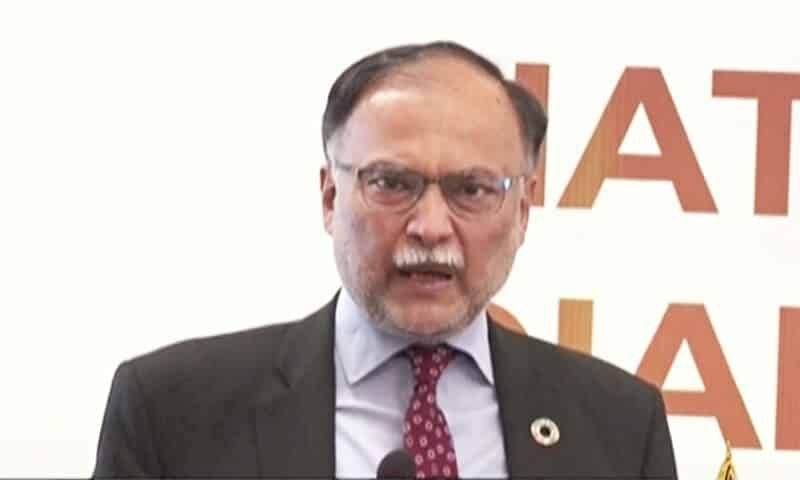
    Federal Minister for Planning Ahsan Iqbal has hit out at speculation that Pakistan is going to default.

    Talking to Geo News’ programme ‘Aaj Shahzeb Khanzada kay Sath‘, he said, “Pakistan is not Africa’s banana republic. We have a large economy. Voices saying that the country is heading towards default shouldn’t come from inside of Pakistan.”

    The federal minister said that when people were saying Pakistan is going to default in two weeks, the coalition government took tough decisions to pull the country out of danger.

    He also took a jibe at the rival party— Pakistan Tehreek-e-Insaf (PTI)— accusing the former ruling party of building the narrative that Pakistan is going to default.

    “Even India is not speculating about Pakistan’s financial crisis but PTI and Imran Khan have launched a war against the country,” he pointed out.

    The federal minister also claimed that 80 per cent of Pakistan’s total debt was taken during Imran Khan’s tenure, which the current government has to handle now.

    He reiterated his government’s commitment to the International Monetary Fund (IMF) programme but added that the administration is trying to minimise the burden on people as inflation is already at a historic high and Pakistan has just suffered a natural disaster that caused damages worth $30 billion.

  • Chalo jee, roti, naan expected to be Rs16, Rs25 in Lahore

    Chalo jee, roti, naan expected to be Rs16, Rs25 in Lahore

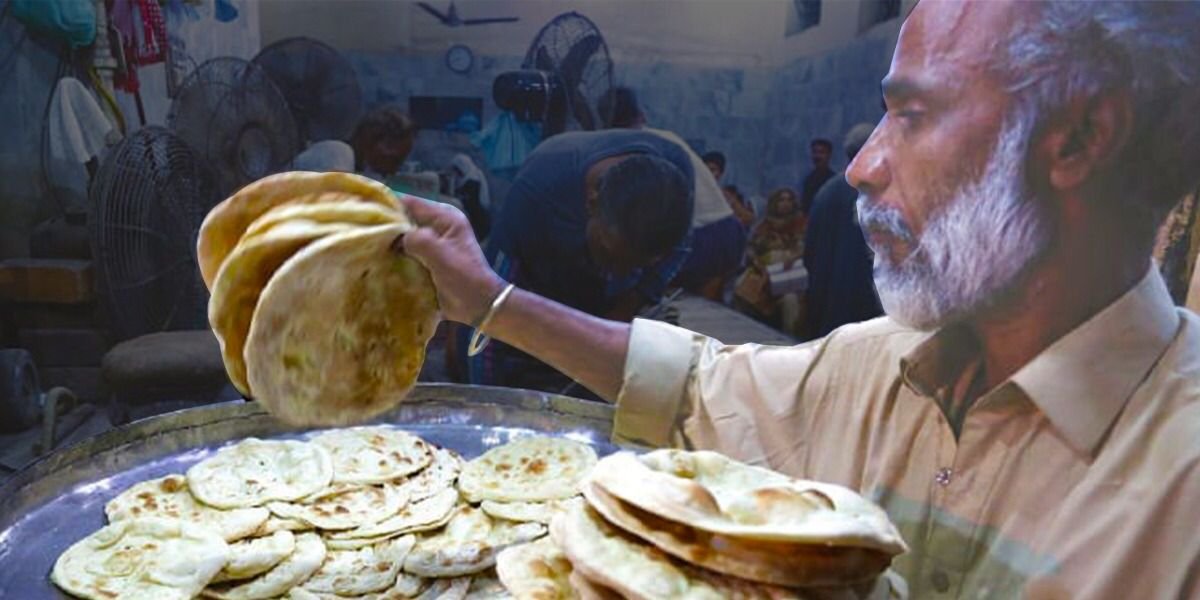
    The Nanbai Association in Punjab’s capital city has hinted at increasing the price of naan and roti in the city, calling a meeting to determine the price.

    The prices of Roti and Naan are expected to increase by Rs2 to Rs3.

    According to details, Aftab Gul, the President of the Association, has said that the increase in the price of roti and naan has been proposed because of the increase in price of wheat in the market. In addition, he said that non-availability of gas, wood and expensive LPG are among reasons behind the expected increase.

    Aftab Gul also said that the price of a 15 kg bag of wheat has increased from Rs1400 to Rs1775, while a bag of fine flour has increased from Rs8500 to Rs9500.

  • No one is ready to invest in Pakistan, says Imran Khan

    No one is ready to invest in Pakistan, says Imran Khan

    Imran Khan, Chairman of the Pakistan Tehreek-e-Insaf (PTI), addressed his supporters on Monday about the alarming economic crisis in the country.

    He started off by clarifying that he was not only addressing the nation but was also speaking to the institutions as economic deterioration would affect the entire country.

    Khan said that amid the ongoing economic downturn, small and large-scale businesses are the most affected. He added that exports are also declining gradually.

    “This might be the biggest economic crisis that this country has ever witnessed,” the PTI chief said.

    Moreover, he urged the business community to speak up. “I want to tell all of you that you will be responsible for the destruction of the country if you do not speak up,” he said.

    He pointed out that no one is ready to invest in Pakistan as they have lost trust in the country’s economy.

    Khan, concluding the address, said that the only solution to the crisis is free and fair elections.

    The former Prime Minister has been asking for early general elections, however, the government has said that polls will take place on their scheduled time in October 2023.

  • Number of Pakistanis who think the country’s economy will become worse reduces by 20 per cent

    Number of Pakistanis who think the country’s economy will become worse reduces by 20 per cent

    About 57 per cent of Pakistanis currently hold the opinion that the country’s economic situation will continue to worsen in the future, down from 77 per cent in September. This is a 20 per cent decrease in the percentage of people who think this would happen.

    This information was provided in the quarterly report of the IPSOS Pakistan study 2022 on Consumers Confidence Survey, which included responses from over a thousand participants. In 2022, the survey was carried out between November 29 and December 4th.

    According to The News, for the first time since the PDM-led government took office, the respondents expressed optimism about the improvement of the nation’s economic and general circumstances.

    According to the survey, the per centage of people who believe that the economy will improve in the future has climbed from 10 per cent to 17 per cent, while the per centage of people who hold a moderate view has gone from 10 per cent to 26 per cent.

    Additionally, the per centage of people who are dissatisfied with the country’s present economic position has decreased from 61 per cent to 55 per cent, while the per centage of people who describe it as stable has climbed from 1 per cent to 4 per cent. In the most recent study, the per centage of people who have a moderate opinion of the economic condition in the nation has climbed by 5 per cent to reach 41.

    The IPSOS survey shows that for the first time since the PDM took office, the per centage of Pakistanis who believe their country is heading in the wrong direction has decreased by 2 per cent to 86 per cent, while the per centage who think it is heading in the right direction has increased by 2 per cent to 14 per cent.

    According to the research report, 74 per cent of Pakistanis thought the country was headed in the right direction during the 2018 elections, but the trend continued to drop following the elections.

  • Bangladesh’s GDP is expected to reach $1 trillion by 2040 due to a fast-growing consumer market

    Bangladesh’s GDP is expected to reach $1 trillion by 2040 due to a fast-growing consumer market

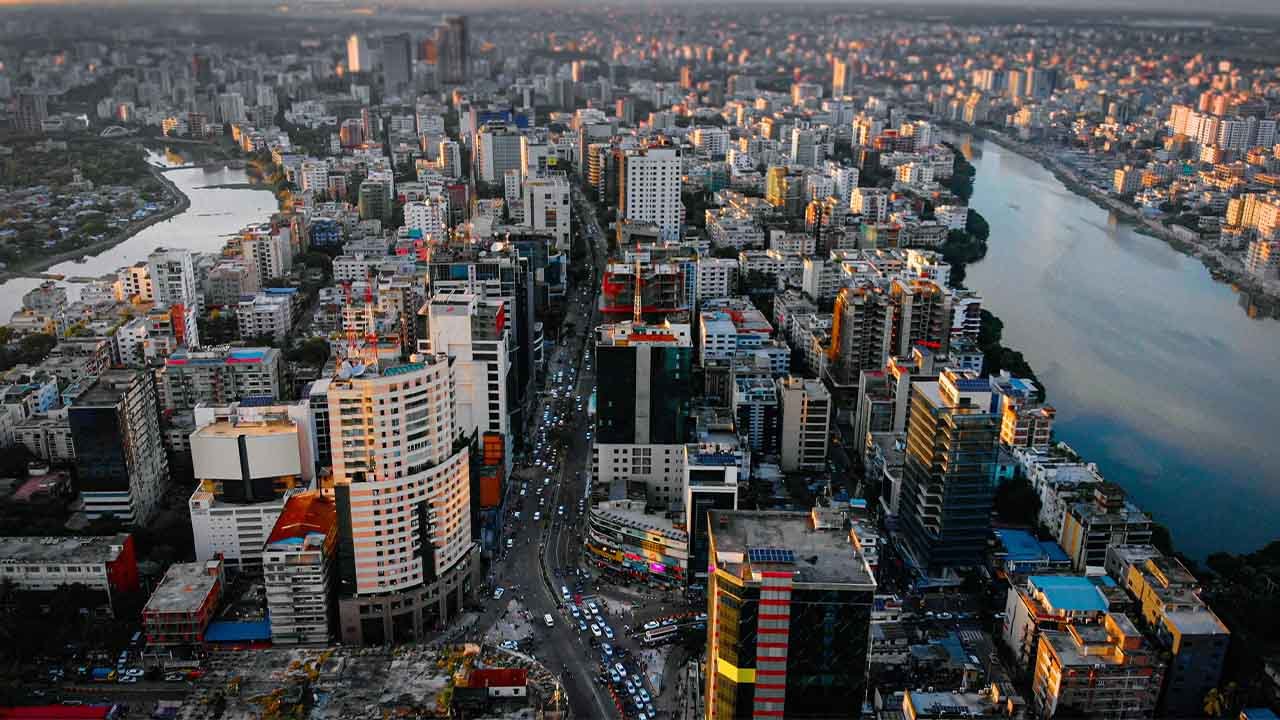
    Bangladesh is on track to have a $1 trillion economy by 2040, owing to consumer confidence, innovation in growing economic sectors, and a young, energetic workforce.

    According to a Boston Consulting Group (BCG) analysis released on Friday, the South Asian country has beaten rivals including India, Indonesia, Vietnam, Philippines, and Thailand with average annual growth of 6.4 per cent between 2016 and 2021.

    The domestic consumer market in Bangladesh is expected to expand to be the ninth-largest in the world. The survey also noted that between 2020 and 2025, a quickly growing middle class and wealthy class are expected to increase significantly, with a thriving gig economy supporting a workforce where the average age is only 28, according to Bloomberg.

    “The country could have easily been overshadowed by its neighbor to the northeast — China — or its continental cousin to the west — India — but in this region of economic powerhouses, Bangladesh stands tall,” BCG wrote.

    In 2015, Bangladesh moved up the income scale from poor to lower-middle income. Bangladesh’s GDP per capita is already larger than its neighbour, even though it is five years later than India. By 2031, the country hopes to reach upper middle income status.

    Some obstacles still exist. According to BCG, recent liquidity problems, as well as pressures from foreign exchange and inflation, could shorten growth. However, Bangladesh has made steps to prepare its $416 billion economy for a prosperous few decades, provided it keeps its average growth rate around 5 per cent.

    According to a BCG survey study, 57 per cent of respondents “continue to feel that, especially as the nation shifts to a skill-based economy, the next generation would have better lifestyles than themselves.”

    “Though the economy faces some near-term volatility, we are confident that this highly resilient economy will continue to demonstrate robust growth in the long term,” the report said.

  • Pakistan’s petroleum sales decline by 12% due to high fuel prices and limited car sales

    Pakistan’s petroleum sales decline by 12% due to high fuel prices and limited car sales

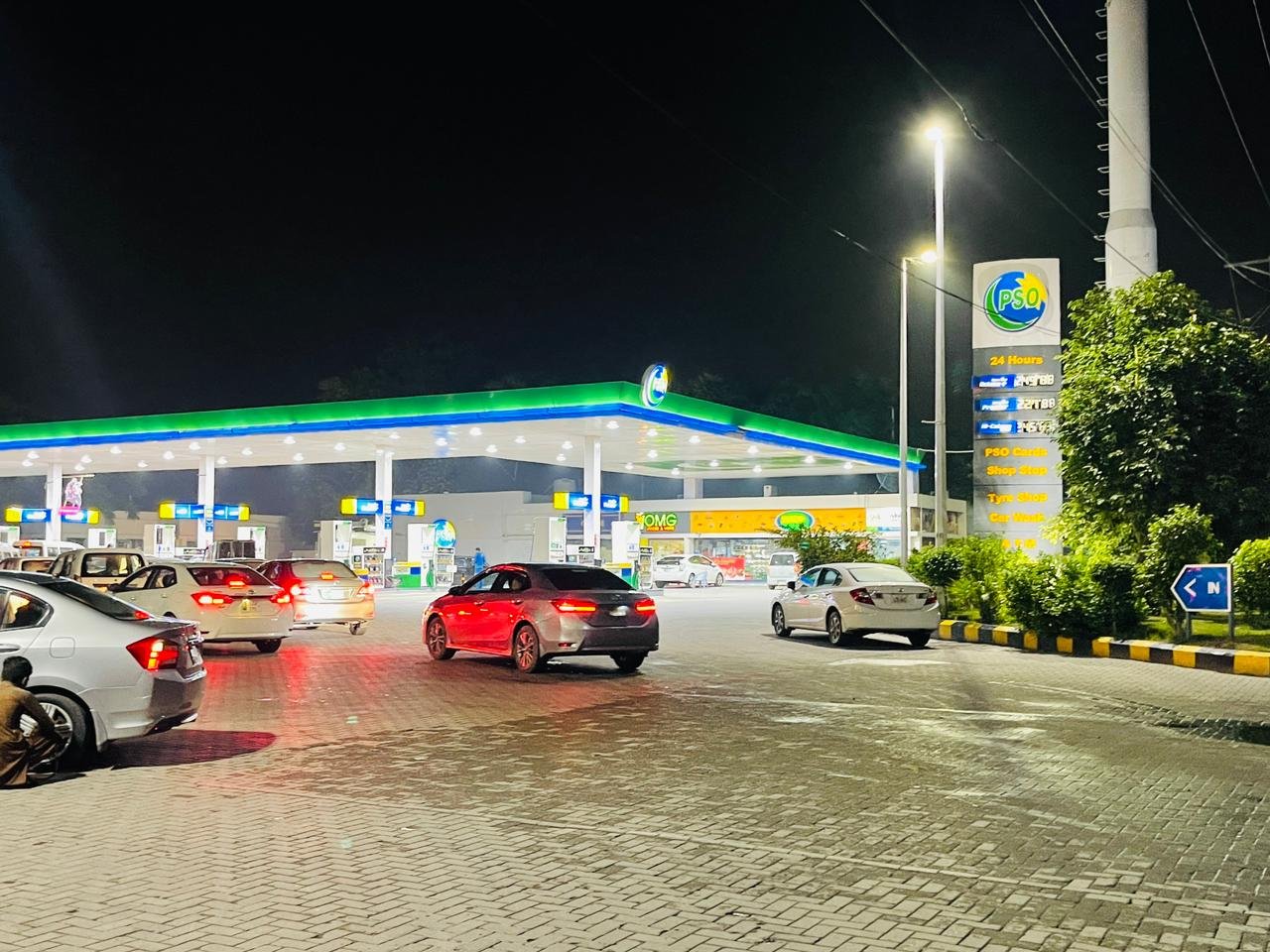
    Sales of Pakistan’s oil marketing companies (OMCs) dropped in November 2022 by 12 percent YoY and 7 percent MoM to 1.55 million metric tonnes (MT), down from 1.66 MT in October 2022 and 1.99 MT in November 2021. This decline was caused by higher petroleum prices, lower power generation, and a decline in car sales.

    Product-wise, sales of Motor Spirit (MS) declined by 3 per cent YoY to reach 0.67 million tonnes, while sales of High Speed Diesel (HSD) decreased by 18 per cent YoY to reach 0.67 million in November 2022. In the meantime, FO sales volumes fell by 22 per cent YoY to 0.14 million tonnes.

    Volumes of MS, HSD, and FO decreased on a monthly basis by 1 per cent, 6 per cent, and 33 per cent MoM, respectively.

    Overall, OMC sales decreased by 20 per cent YoY to 7.70 MTs in 5MFY23 from 9.60 MTs in 5MFY22, a 20 per cent drop. When compared to the same period previous year, the sales of MS, HSD, and FO fell by 16 per cent YoY, 24 per cent YoY, and 26 per cent YoY, respectively.

    As per company-level analysis, Attock Petroleum (APL) saw sales increase by 21 per cent YoY and 4 per cent MoM to 0.13MTs during the review period, while Pakistan State Oil (PSO) saw sales decline by 2 per cent YoY and 5 per cent MoM to 0.81MTs.

    In the meantime, sales at Shell Pakistan (SHEL) fell by 10 per cent MoM and 21 per cent YoY during the review period, to 0.11MTs.

    In November 2022, HASCOL’s sales plummeted by 30 per cent MoM and 16 per cent YoY, respectively, to reach 0.021MTs.
    PSO, APL, SHEL, and HASCOL’s combined sales for 5MFY23 were 4.02MT, 0.71MT, 0.57MT, and 0.13MT, respectively, representing declines of 18 per cent YoY, 21 per cent YoY, 23 per cent YoY, and 2 per cent YoY.

  • SBP raises key interest rate to 16% amid economic difficulties to combat inflation

    SBP raises key interest rate to 16% amid economic difficulties to combat inflation

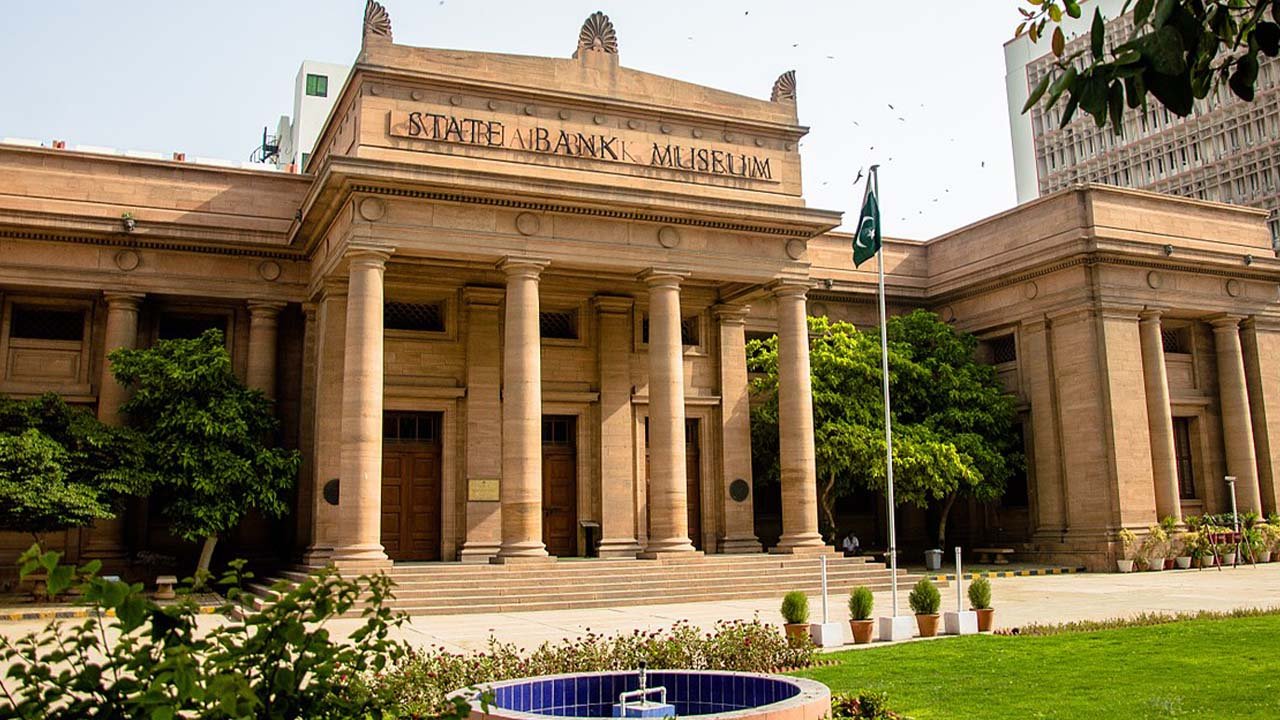
    The State Bank of Pakistan’s Monetary Policy Committee (MPC) increased the key policy rate by 100 basis points to 16 per cent on Friday, the highest level since 1999.

    The decision, according to the central bank, reflects the MPC’s belief that inflationary pressures have proven to be higher and more persistent than anticipated, according to a statement released following the meeting.

    “This decision is aimed at ensuring that elevated inflation does not become entrenched and that risks to financial stability are contained, thus paving the way for higher growth on a more sustainable basis,” the MPC said.

    The SBP stated that, notwithstanding the continuous slowing in the economy, supply shocks both domestically and globally are increasingly responsible for inflation.

    “In turn, these shocks are spilling over into broader prices and wages, which could de-anchor inflation expectations and undermine medium-term growth,” the statement read, adding that consequently the rise in cost-push inflation cannot be overlooked and necessitates a monetary policy response.

    The MPC also pointed out that the immediate costs of fighting inflation are less than the long-term consequences of letting it persist. In the meanwhile, reducing food inflation through administrative steps to clear supply-chain snags and any required imports continues to be a top focus.

    From September 2021 to November 2022, the central bank raised the interest rate by a total of 900 basis points, bringing it to 16 per cent.

    However, the committee noted that core inflation and rising food costs are now anticipated to raise average inflation for FY23 to 21-23 per cent.

  • Pakistan to receive $13 billion in financial assistance from China and Saudi Arabia

    Pakistan to receive $13 billion in financial assistance from China and Saudi Arabia

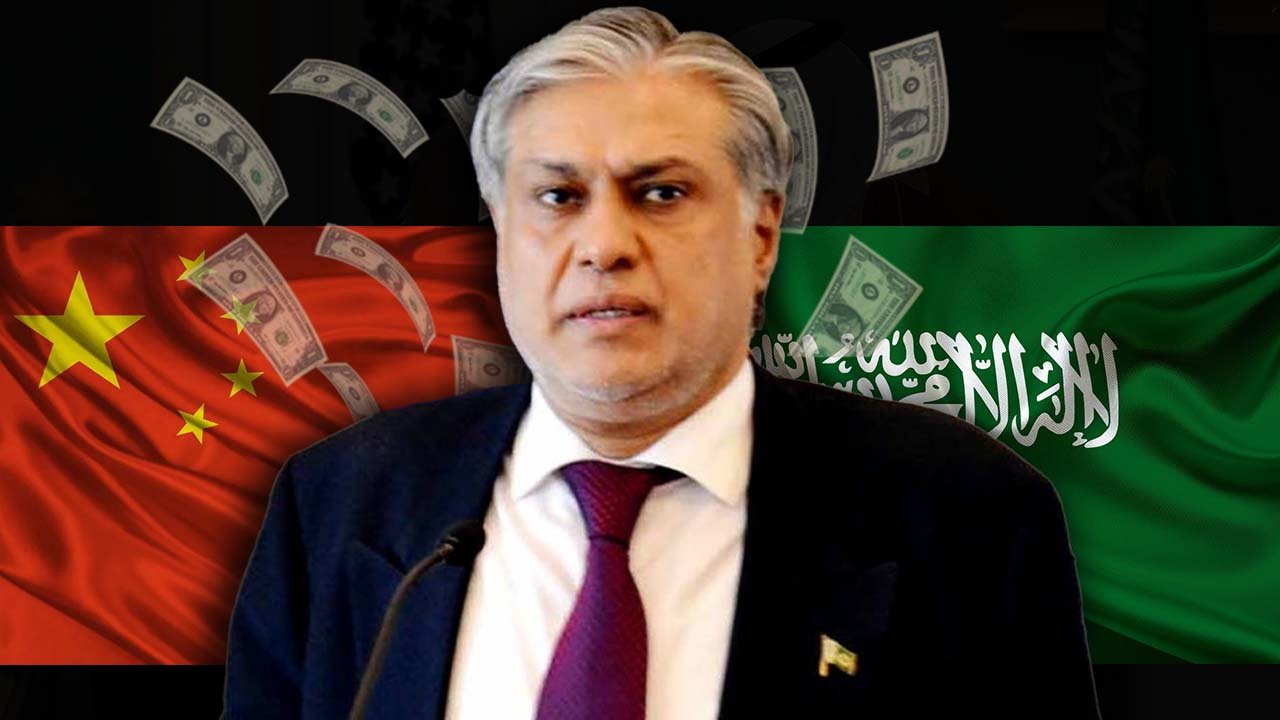
    Ishaq Dar, Federal Minister of Finance, has said that Pakistan’s two closest friends, China and Saudi Arabia, will contribute a multibillion-dollar financial package to assist Pakistan with its shaky economy.

    According to the Finance Minister, both countries will grant Pakistan a $13 billion package.

    According to The News, Dar went on to say that China intends to contribute $8.8 billion in assistance, including loan rollovers, during the current fiscal year, and that it will also roll over $4 billion in deposit returns.

    In addition, Ishaq Dar indicated that it will provide $3.3 billion in commercial loans and $1.45 billion in additional financing.

    Meanwhile, Saudi Arabia is expected to contribute an extra $4.2 billion in aid, including $3 billion in new reserves and a delayed payment oil facility, according to the Finance Minister. He declared that the Kingdom would construct a petrochemical facility in Gwadar.

    Furthermore, the Minister stated that both countries have guaranteed Pakistan’s Prime Minister (PM), Shehbaz Sharif, of their support and will continue to do so till June 2023.

    Furthermore, China has promised that construction on CPEC’s key railway projects, Main Line 1 (ML-1) and Karachi Circular Railway (KCR), will begin shortly.

  • Pakistan’s removal from FATF grey list to help with its reputation and IMF’s next review

    Pakistan’s removal from FATF grey list to help with its reputation and IMF’s next review

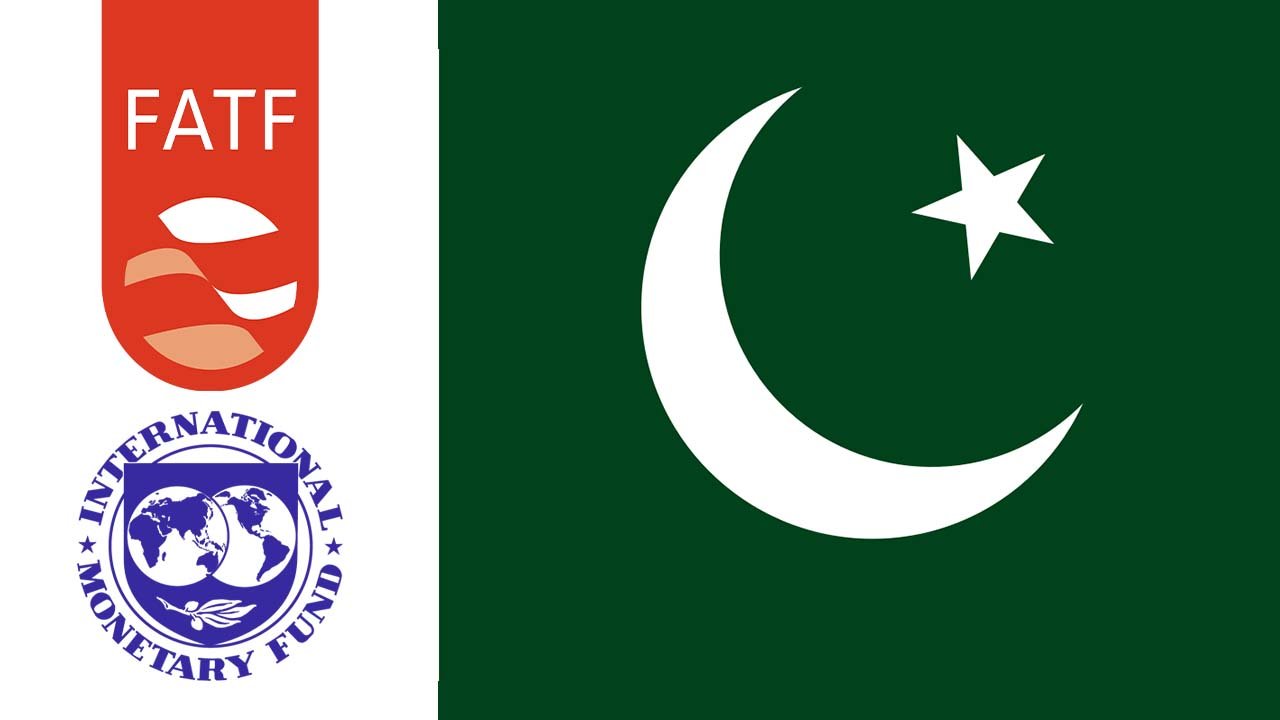
    Experts predict that the country’s reputation would recover and it would get a credit rating upgrade from international agencies as Pakistan was taken off the Financial Action Task Force (FATF) list of nations under increased monitoring.

    According to Geo, the removal will allow Pakistan to smoothly complete the forthcoming review of the IMF’s Extended Fund Facility since the International Monetary Fund (IMF) used the execution of FATF action plans as a structural benchmark.

    Pakistan has been removed off the FATF’s “grey list,” as was to be expected, but the nation will continue to cooperate with the organisation and the Asia Pacific Group to strengthen its anti-money laundering (AML) and counter-terrorist financing (CFT) framework. FATF made this announcement following the conclusion of its two-day meeting in Paris on Friday.

    Fitch downgrades Pakistan’s rating to CCC+

    Yet on the other side, Fitch Ratings lowered Pakistan’s Long-Term Foreign-Currency Issuer Default Rating (IDR) to “CCC+” from “B-” on Friday, which experts believe is bad news for the nation’s recovery from the mega floods. The reversal comes as the country’s fragile economy continues to face challenges from all directions.

    The company claims that sovereign states with a grade of “CCC+” or lower do not normally receive outlooks. The primary factors that contributed to a downgrading, according to the agency, were increasing liquidity and policy concerns.

    “The downgrade reflects further deterioration in Pakistan’s external liquidity and funding conditions, and the decline of foreign exchange reserves,” Fitch Ratings said. “This is partly a result of widespread floods, which will undermine Pakistan’s efforts to rein in twin fiscal and current account deficits.”

  • IMF lowers growth prediction for FY23, cautions ‘the worst is yet to come’

    IMF lowers growth prediction for FY23, cautions ‘the worst is yet to come’

    The International Monetary Fund (IMF) on Tuesday warned that the worst was yet to come as it further cut its projection for global economic growth to minus 2 per cent amid persistently increasing inflation.

    According to Dawn, the global lender of last resort projected Pakistan’s GDP growth rate at 3.5 per cent and inflation at about 20 per cent in its World Economic Outlook (WEO) 2023 – Countering the Cost-of-Living Crisis with the caveat that “the 2022 projections for Pakistan are based on information available as of the end of August and do not include the impact of the recent floods.”

    The fund forecasted Pakistan’s current account deficit at 2.5 per cent of GDP for the current fiscal year, down from 4.6 per cent last year, and the unemployment rate at 6.4 per cent on the same basis. Therefore, all of these projections are based on dated information that has drastically changed over the past two weeks.

    The Asian Development Bank estimated Pakistan’s growth rate to be 3.5 per cent late last month, compared to the World Bank’s projection of 2 per cent last week.

    According to the IMF, its projections call for global growth to decline from 6 per cent in 2021 to 3.2 per cent in 2022 and then further to 2.7 per cent in 2023, which is 0.2 per cent below the July forecast, with a 25 per cent chance that it will dip below 2 per cent.

    The three greatest economies—the United States, the European Union, and China—will continue to stagnate, while more than one-third of the world economy will contract this year or the following year. It said that Russia’s invasion of Ukraine was still seriously destabilising the world economy and that “in short, the worst is yet to come.”

    The fund urged international decision-makers to maintain their composure while storm clouds formed. It blamed the lasting consequences of three strong forces—the Russian invasion of Ukraine, a cost-of-living crisis brought on by persistent and expanding inflation pressures, and the downturn in China—for the severe economic challenges the world economy is currently facing.

    According to the WEO, worldwide inflation would increase from 4.7 per cent in 2021 to 8.8 per cent in 2022 before falling to 6.5 per cent in 2023 and 4.1 per cent by 2024. With more variation in emerging markets and developing nations, upside inflation shocks have been most common in advanced economies.

    The fund recommended emerging market officials to batten down the hatches right away. IMF access to preventative instruments should be urgently considered by eligible nations with strong policies who want to increase their liquidity reserves.

    As too many low-income countries were in or on the verge of debt distress, the countries should also try to reduce the effects of upcoming financial instability by a combination of preventative macroprudential and capital flow measures, where appropriate.

    The IMF stated that in order to prevent a wave of sovereign debt crises, the Group of Twenty’s Common Framework’s progress toward orderly debt restructurings for the most impacted was urgently required. Time could be rapidly running out.