Tag: economy

  • Turkey: Food prices surged by 89 per cent, transportation costs increased by 106 per cent

    Turkey: Food prices surged by 89 per cent, transportation costs increased by 106 per cent

    Turkey’s inflation rate skyrocketed to almost 70 per cent last month, creating a substantial challenge for President Recep Tayyip Erdogan, whose unusual economic strategies are frequently blamed for the country’s economic woes.

    Erdogan, defying economic conventional wisdom, insists that major interest rate cuts are essential to reduce spiralling consumer costs.

    Turkey’s consumer price index (CPI) climbed by 69.97 per cent on a year-on-year (YoY) basis in April 2022, compared to 61.14 per cent in March 2022, according to the national statistics agency, indicating a massive increase.

    The transportation industry saw the largest price rises in April, up 105.9 per cent, while food and non-alcoholic drinks cost increased by 89.1 per cent.

    Likewise, lira’s depreciation has quadrupled the cost of energy imports, and international investors are progressively fleeing the formerly emerging economy. Energy price hikes and production constraints have been worsened by Russia’s invasion of Ukraine and the coronavirus outbreak.

    According to economists, Turkey’s yearly inflation rate – the highest since Erdogan’s ruling AKP party took office in 2002 – is entirely due to Erdogan’s unusual economic thinking.

    Read more: Transporters continue to overcharge ahead of Eid-ul-Fitr

    Erdogan has pushed the supposedly independent central bank to reduce interest rates. Despite strong inflation, the bank maintained its benchmark interest rate for the fourth month in a row in April, yielding to criticism.
  • PKR continues losing streak against US dollar, sheds Rs1.48

    PKR continues losing streak against US dollar, sheds Rs1.48

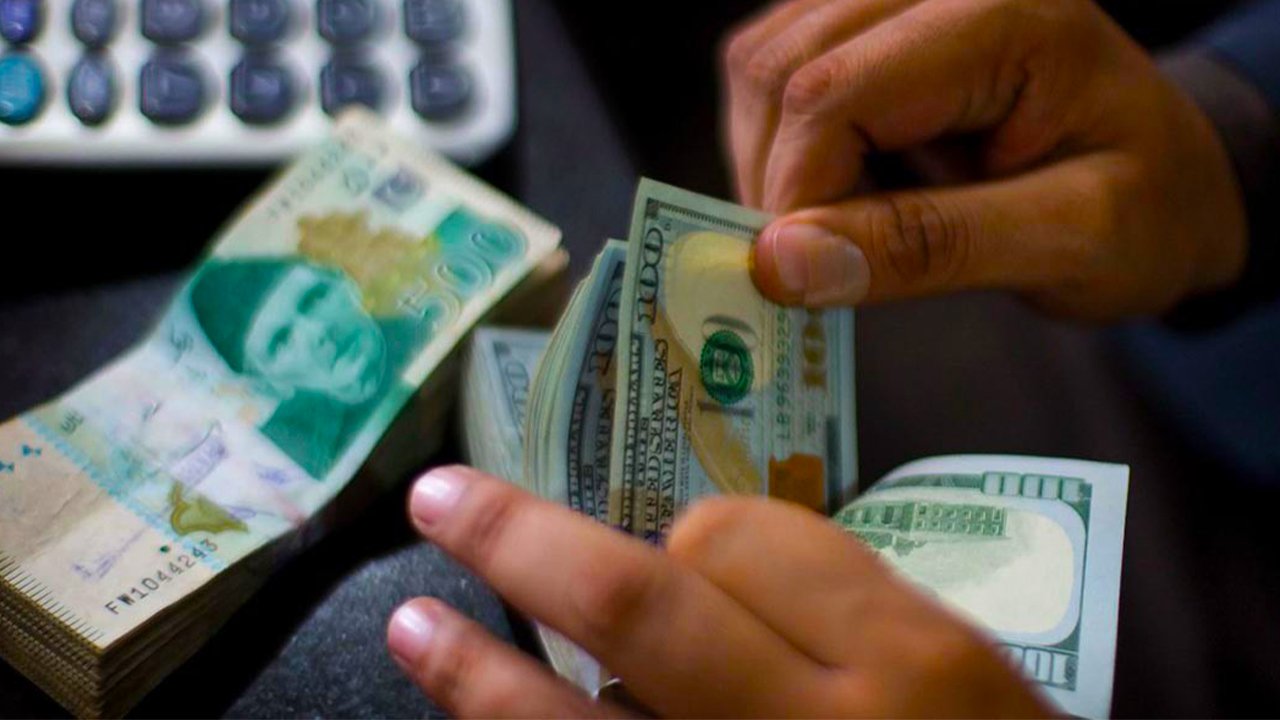
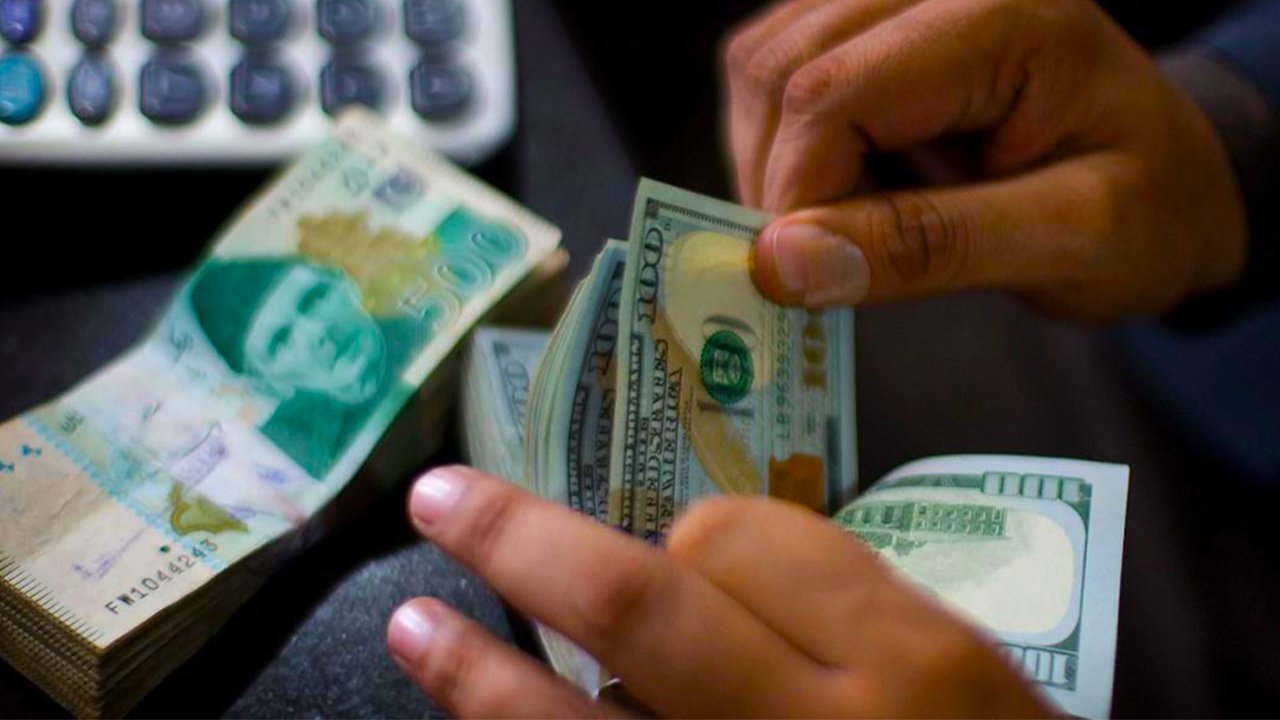
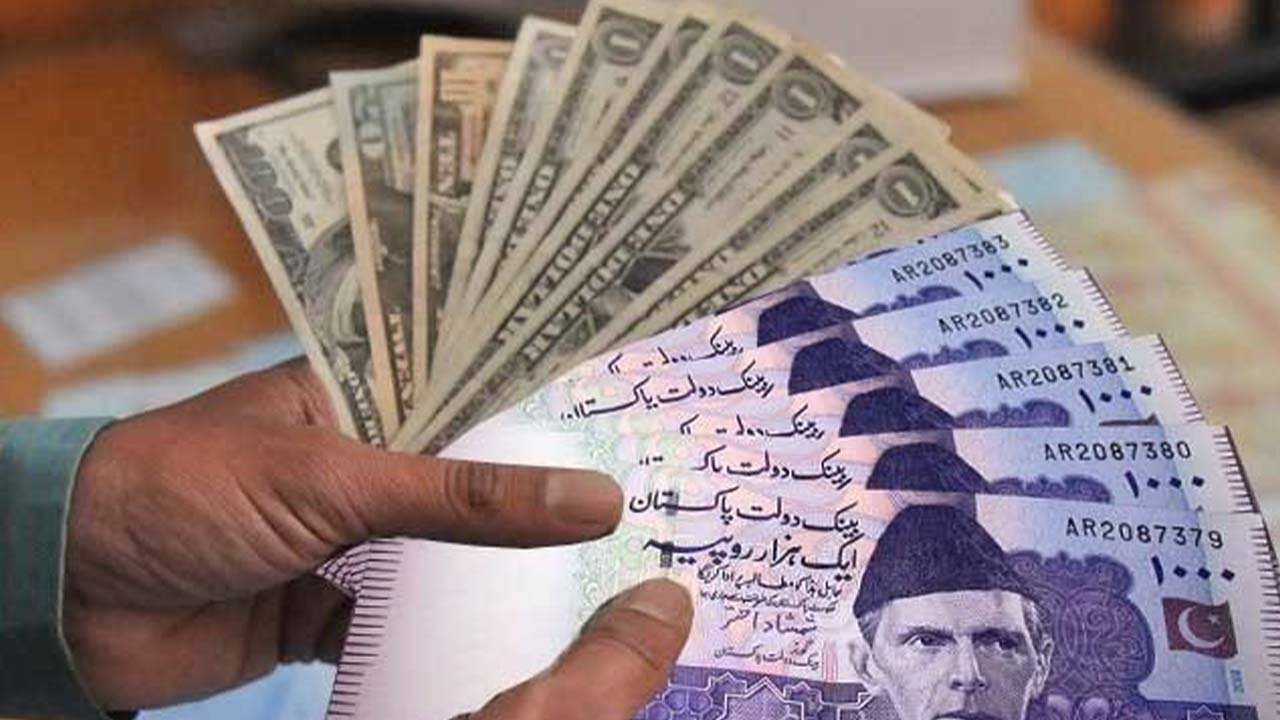
    The Pakistani currency plummeted further against the US Dollar (USD) on April 20, with losses reported on the interbank exchange. At the completion of today’s session, the Pakistani rupee (PKR) lost Rs1.48 versus the US dollar.

    It declined by 0.80 per cent versus the greenback, closing at Rs185.92, after shedding Rs1.90 in the interbank market on Tuesday, April 19th, and concluding at Rs184.44. During today’s open market session, the Indian rupee (INR) fell to an intraday low of Rs185.95 over the US dollar.

    The local currency weakened against the dollar as businesses remained under pressure amid the ongoing dialogue between Pakistan and the International Monetary Fund (IMF). The Pakistani government is likely to undertake certain difficult and problematic steps in order to revive the local economy.

    Read more: PKR declines against US Dollar after winning for a week

    Oil prices rallied following steep losses the previous day as concerns about tighter supply from Russia and Libya arose, although industry data showed a decline in US crude inventories in the previous week.

  • Another hike of Rs4.9 per unit approved in power tariff

    Another hike of Rs4.9 per unit approved in power tariff

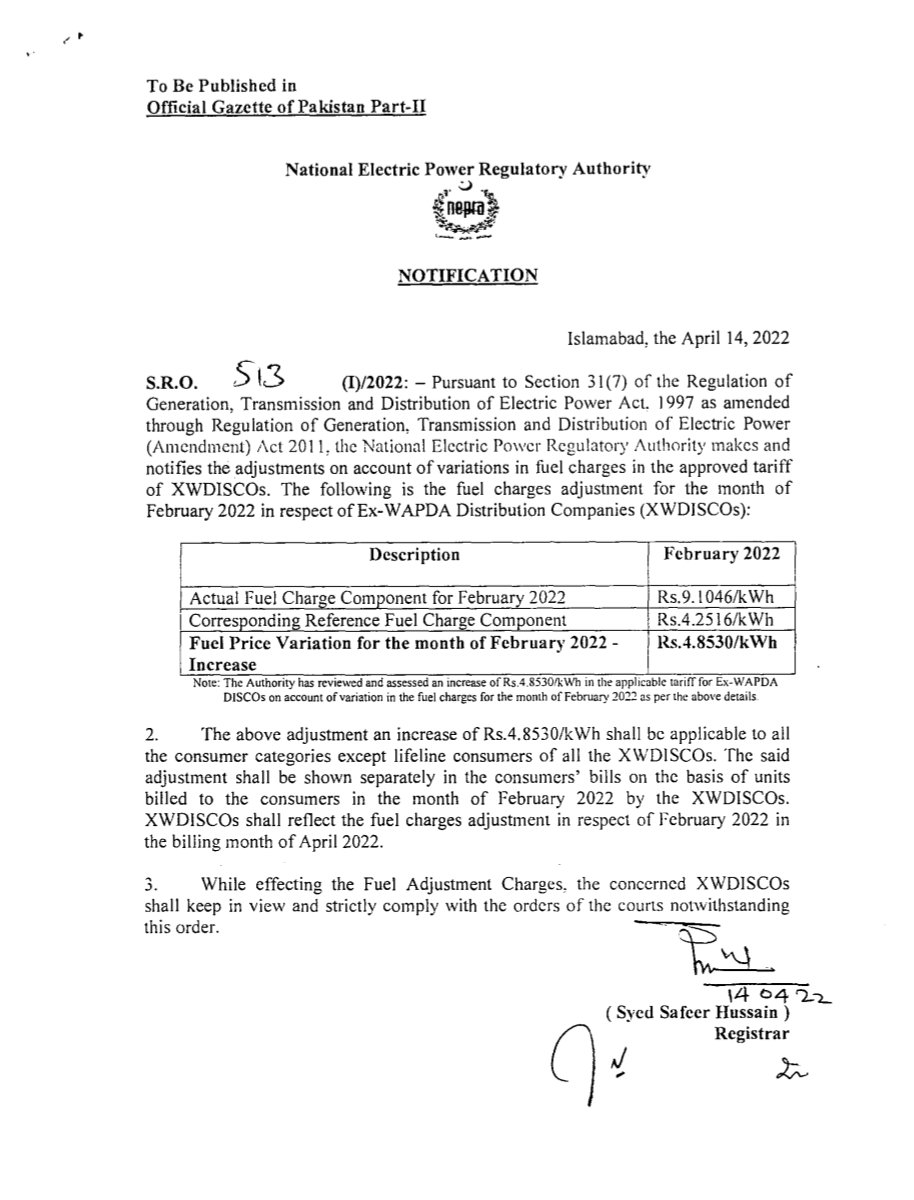
    Owing to the monthly Fuel Cost Adjustment (FCA) for February, the National Electric Power Regulatory Authority (NEPRA) on April 15 increased the price of electricity by Rs4.85 per unit.

    It has also announced an increase in the price of power, stating that the power output in February was more expensive than the previously set fuel price.

    According to the notice, the power distribution companies (DISCOs) will collect the amount from electricity consumers in the April bill. In addition, consumers will be hit with a charge of Rs37.7 billion, excluding general sales tax (GST). However, K-Electric and lifeline customers will be exempt from the hike.

    On March 31, the NEPRA held a hearing to determine the FCA but did not make a decision. The Central Power Purchasing Agency (CPPA) requested that the cost per unit be increased to Rs4.94 by the NEPRA.

    Following the monthly FCA, which only operates for one month, the administration had already hiked the power price to Rs5.95 per unit for the month of January.

    As per NEPRA’s data, the most expensive energy production sources, including High-Speed Diesel (HSD) and Residual Fuel Oil (RFO), were used more than average in the prior months, raising the overall cost of production.

  • State Bank of Pakistan hikes interest rate to 12.25% in an emergency meeting

    State Bank of Pakistan hikes interest rate to 12.25% in an emergency meeting

    Following an emergency meeting, the State Bank of Pakistan (SBP) raised interest rates by 250 basis points, as mounting political uncertainty and rising worldwide oil prices threaten to drive the country into a full-fledged economic catastrophe.

    The key rate is now 12.25 per cent, as per the latest statement released by the central bank on Thursday. According to the report, this makes the real rate “mildly positive” and will assist maintain external and price stability.

    The judgment came a few hours before the Supreme Court was due to rule on the constitutionality of Prime Minister Imran Khan’s disputed move to dissolve parliament and hold new elections. Pakistan may find it difficult to persuade the International Monetary Fund (IMF) to grant a much-needed loan tranche due to the political limbo.

    At the recent briefing, SBP governor, Reza Baqir, said, “We thought it’s important to take decisive action”.  He added that the body does not intend to do anything else.

    The central bank claimed that intensified domestic political turmoil contributed to the rupee’s 5 per cent loss and caused a jump in local bond rates, as well as Pakistan’s Eurobond yields and Credit Default Swap (CDS) spreads. Oil prices are likely to remain elevated, and the Federal Reserve of the United States is expected to compress sooner than expected, according to the report.

    The PKR broke all records on Thursday, selling at more than Rs189 per dollar in intraday trading in the interbank market, continuing a slump that has witnessed its decline of more than 10 per cent since March 4.

    Read more: Pakistan to import 32.7 million barrels of oil to cover petroleum needs

    Pakistan’s political instability, in addition to money from the IMF, is causing delays in a planned $1 billion green bond offering. A refinancing from China is also expected; the repayment in recent weeks caused Pakistan’s foreign-exchange reserves to plummet to their lowest level since records began in 2010.

    In a meeting last month, SBP cautioned that it might convene earlier than planned to avoid a crisis. It revised its average inflation prediction for the fiscal year ending in June from 9 per cent to little more than 11 per cent.

  • PKR closed at 184.09 against USD, the lowest level in history

    PKR closed at 184.09 against USD, the lowest level in history

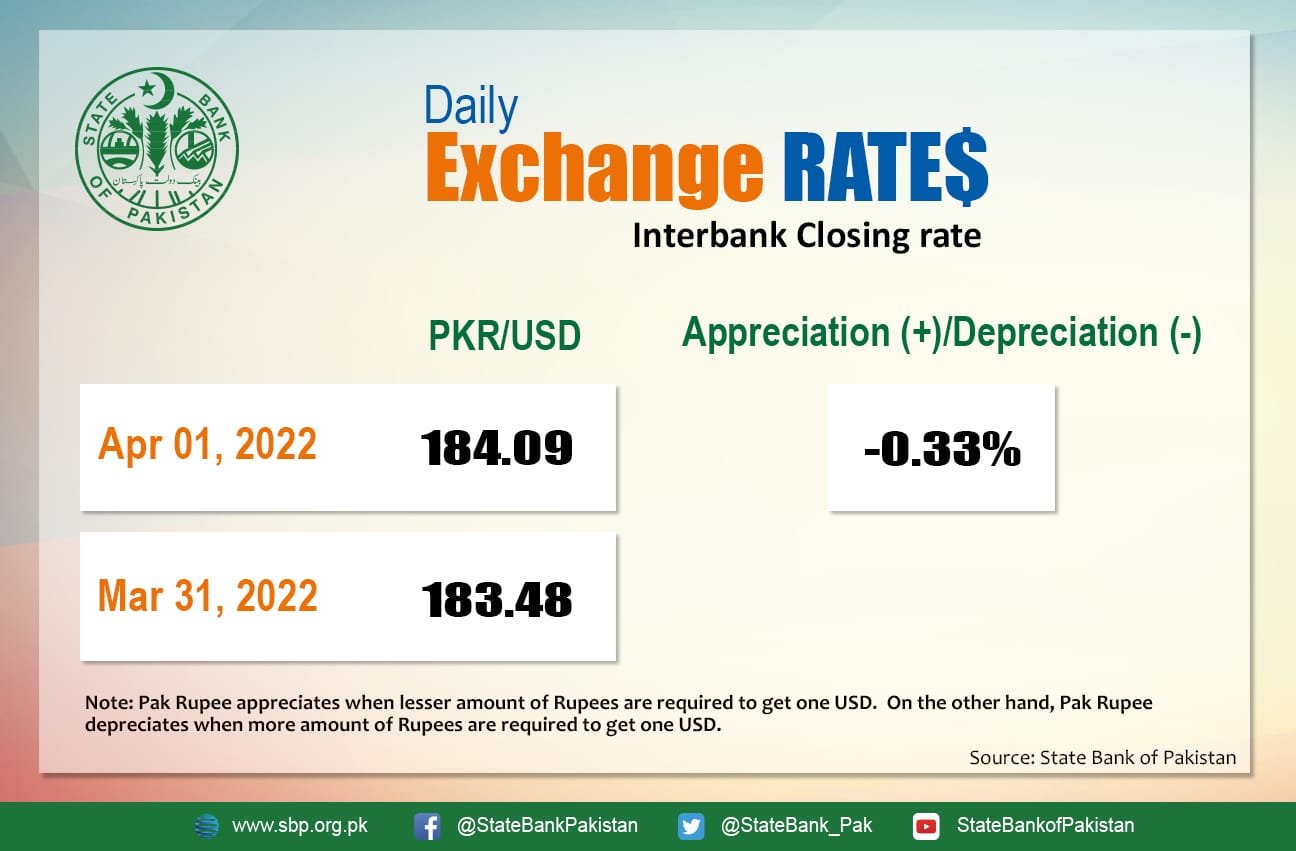
    A substantial decline in foreign exchange reserves, persistent political instability, and hefty petroleum costs dragged Pakistan’s currency (PKR) to new lows on Friday, with the rupee closing over the 184 level for the first time against the US dollar following a 0.33 per cent drop in the interbank market. 

    After a day-on-day devaluation of 61 paisas, the PKR closed at 184.09, its lowest level recorded, according to the State Bank of Pakistan (SBP).

    Since its most recent peak in May of last year, the PKR has lost over 17 per cent, while the local currency has devalued by over 14 per cent in the fiscal year to date (FYTD).

    The last time the PKR rose versus the US dollar (during its most recent weakening run) was on March 11. It has dropped in 13 sessions since that while staying stable in the remaining.

    Moreover, the State Bank of Pakistan’s (SBP) reserves also fell by $2.915 billion, to $12.05 billion, according to figures issued by the central bank on Thursday.

  • Pakistani rupee continues its record-breaking decline against the US Dollar

    Pakistani rupee continues its record-breaking decline against the US Dollar

    The Pakistani Rupee (PKR) continued its decline against the US Dollar (USD) today, reporting losses in the interbank market. At the close of the session today, the local currency lost 30 paisas against the US dollar.

    It fell 0.16 percent against the US dollar, closing at Rs182.64 after losing 30 paisas and closing at Rs182.34 in the interbank market on Tuesday, March 29.

    Pakistan’s ongoing political volatility and economic problems continue to weaken currency reserves as the country attempts to remove obstacles toward financial relief.

    After global oil prices surged on Monday, the PKR maintained its downward trend against the greenback.

    The rupee has lost about 17 per cent of its value since its last peak in May 2021. To date, the local currency has lost more than 13.6 per cent of its value.

    It is worth noting that the Pakistani currency depreciated 30.5 per cent against the US dollar in the last three years under the government of Prime Minister (PM) Imran Khan.

  • Khyber Pakhtunkhwa cabinet approves Rs2.5 billion subsidy under Ramzan package

    The Khyber Pakhtunkhwa (KP) cabinet on March 29 okayed a subsidy package of Rs2.5 billion for the upcoming holy month of Ramzan, to ensure an uninterrupted supply of edible items at lesser rates.

    KP Chief Minister Mahmood Khan presided over the meeting, which was attended by ministers, chief minister’s advisers, and administrative secretaries.

    Following the meeting, government spokesman Barrister Mohammad Ali Saif revealed that 2,800 points had been set up around the KP to sell 20kg bags of wheat flour for Rs800 instead of the customary Rs1100 during Ramzan, while 10kg bags would be sold for Rs400.

    During Ramzan, the cabinet also decided to set up 83 sasta bazaars, 123 Ramazan facilitation centers, 42 mobile utility stores, and 96 Ramzan dastarkhwans.

    All of these points will be supervised by monitoring units led by respective secretaries and deputy commissioners to prevent price hikes and shortages of vital commodities on the market.

  • Pak-China trade to resume through Khunjerab pass after 2-year hiatus

    A lucrative trade route connecting Pakistan and China, the Khunjerab Pass will finally reopen for trade activities on April 1, 2022 after more than a 2-year hiatus. The pass was closed in November 2019 as a preventive measure against the spread of COVID-19.

    As per a credible resource, Chinese authorities sent Pakistan a letter requesting the reopening of the border, in reference to the agreement made in May 2013 between the neighboring countries.

    Port authorities on the Chinese side have been advised to take all preventive measures related to the COVID-19 outbreak.

    Likewise, the Pakistani border authorities have also been instructed to take all necessary precautions to prevent the spread of coronavirus spread.

    The Khunjerab Pass was temporarily opened for less than two weeks from July 29, 2020 to August 10, 2020 to allow the passage of stranded containers filled with goods. The prolonged closure of Khunjerab Pass had caused severe financial hardships to the local business community.

  • World Bank surprised by Pakistan’s growth

    World Bank surprised by Pakistan’s growth

    The World Bank has released its Global Economic Prospects report 2022. In the report The World Bank analysed the effects of the coronavirus pandemic on economies around the world. The World Bank said it was surprised by Pakistan’s growth in the year 2021, citing record-high remittances and an accommodative monetary policy as the main reasons.

    “Growth in Pakistan surprised on the upside last year supported by improving domestic demand, record-high remittance inflows, a narrow targeting of lockdowns, and accommodative monetary policy — real interest rates dropped precipitously during 2020 and remained negative throughout most of 2021,” the report read.

    According to the report, Pakistan’s economy will grow by 3.4 per cent this fiscal year and by 4 per cent in 2022-23, owing to structural reforms that will improve export competitiveness and the financial viability of the power sector.

    However, the report stated that global economic growth will slow down to 4.1 per cent in 2022 from an estimated 5.5 per cent in 2021. The report also added a warning that “Omicron-related economic disruptions could substantially reduce growth” to as low as 3.4 per cent.

  • What can the govt do, will have to go to IMF again if exports don’t increase, says PM Khan

    What can the govt do, will have to go to IMF again if exports don’t increase, says PM Khan

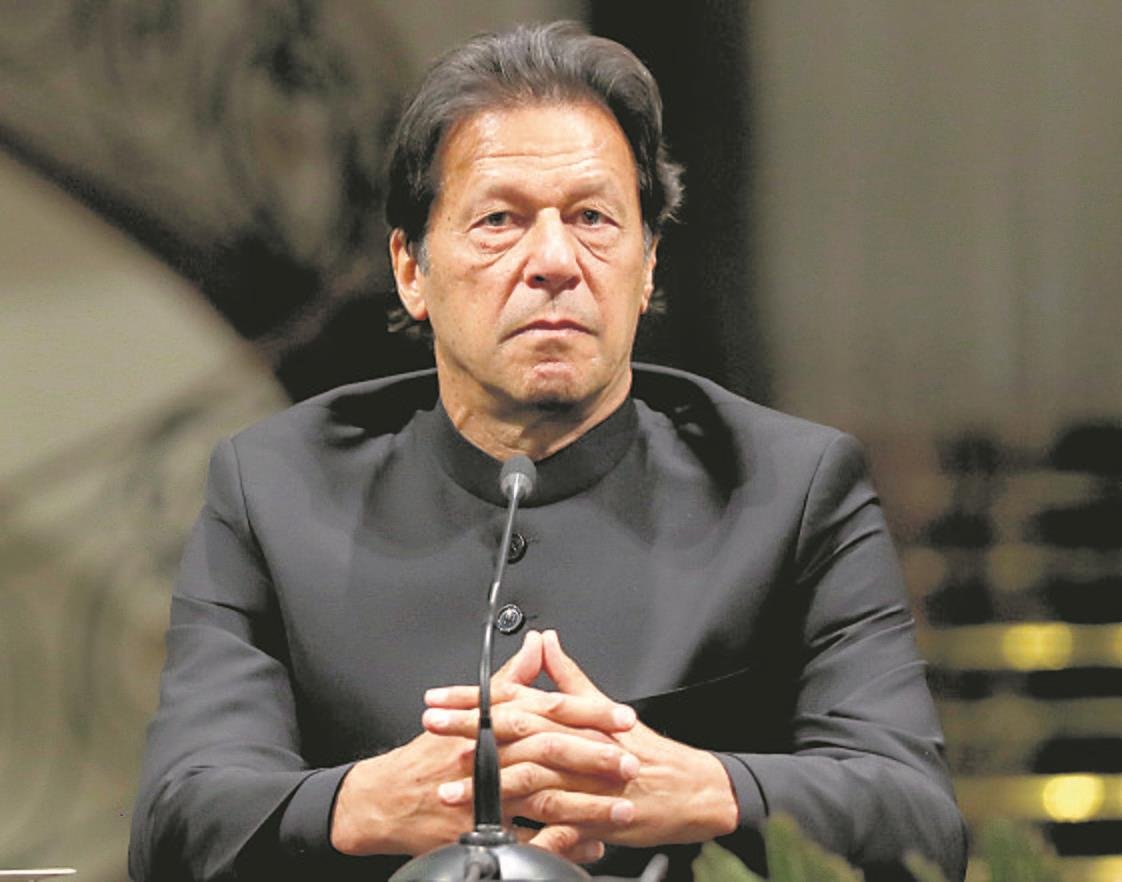
    Prime Minister (PM) Imran Khan while addressing the inaugural ceremony of the 14th International Chambers Summit 2022 organised by the Rawalpindi Chamber of Commerce and Industry said that tax collection and exports are the main drivers of boosting the economy.

    Saying that Pakistan has an “improving economy”, PM Khan said that all economic indicators were showing upward trends despite inherited economic crunch and the impact of Covid-19.

    “Will have to go to the International Monetary Fund (IMF) again if we do not enhance our exports,” said PM Khan.

    “In the past, no attention was paid to these sectors of the economy which are vital for wealth creation. The exports sector was stagnant in the past, but the incumbent government is providing all facilitation to the exporters,” he said.

    “We realise that people are worried, there is imported inflation in our country, dollar rate has gone up due to smuggling of dollar to Afghanistan, still Pakistan is a cheap country, US President Joe Biden has also been criticised by Donald Trump on inflation in the country.”

    PM Khan said commodity prices have increased all over the world and Pakistan also imported inflation which hurt its people badly but asked what the government could do in the circumstances.

    Claiming that the steps taken by his government to combat coronavirus and keep businesses open were being followed by United Kingdom’s Prime Minister Boris Johnson. “We did not let people die due to Covid-19 and lockdowns,” he added.

    The prime minister said corruption would assume the role of cancer. “Corruption is a symptom of lack of rule of law in society. Our fight is for the rule of law in Pakistan. It is a difficult one because of different cartels and mafias which do not want the rule of law,” he said, terming it a jihad against the mafias to secure the future of the country.

    Contrary to the claims, Pakistan lost $250m worth of textile exports in December 2021 when the gas supply was suspended for 15 days in the Punjab textile sector. Executive Director of All Pakistan Textile Mills Association (APTMA), Shahid Sattar also confirmed the loss of millions of dollars by saying that it will “never be recovered.”