Tag: economy

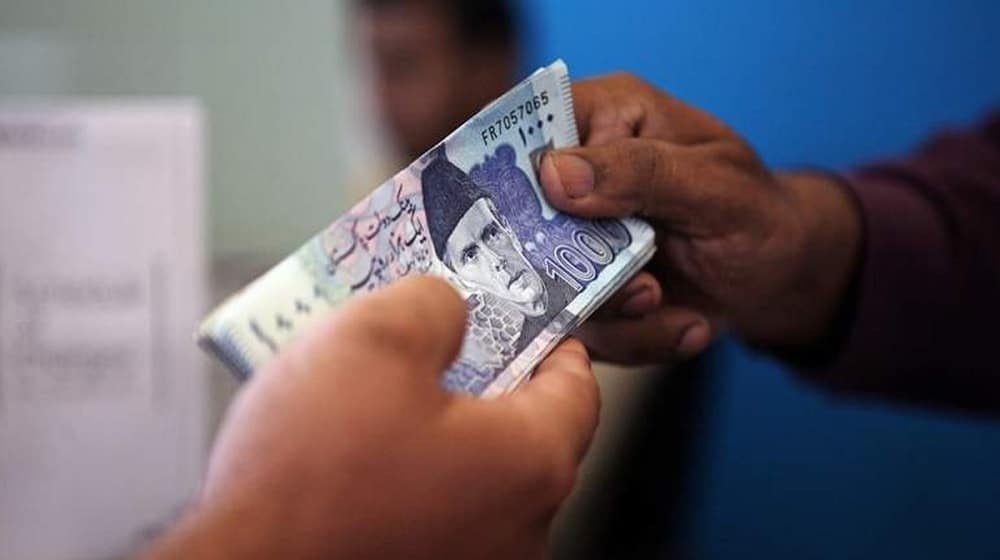
  • Oil prices likely to increase by Rs 20 per litre in budget

    Oil prices likely to increase by Rs 20 per litre in budget

    Despite a global decrease in petroleum product prices, Pakistanis should not expect any relief.

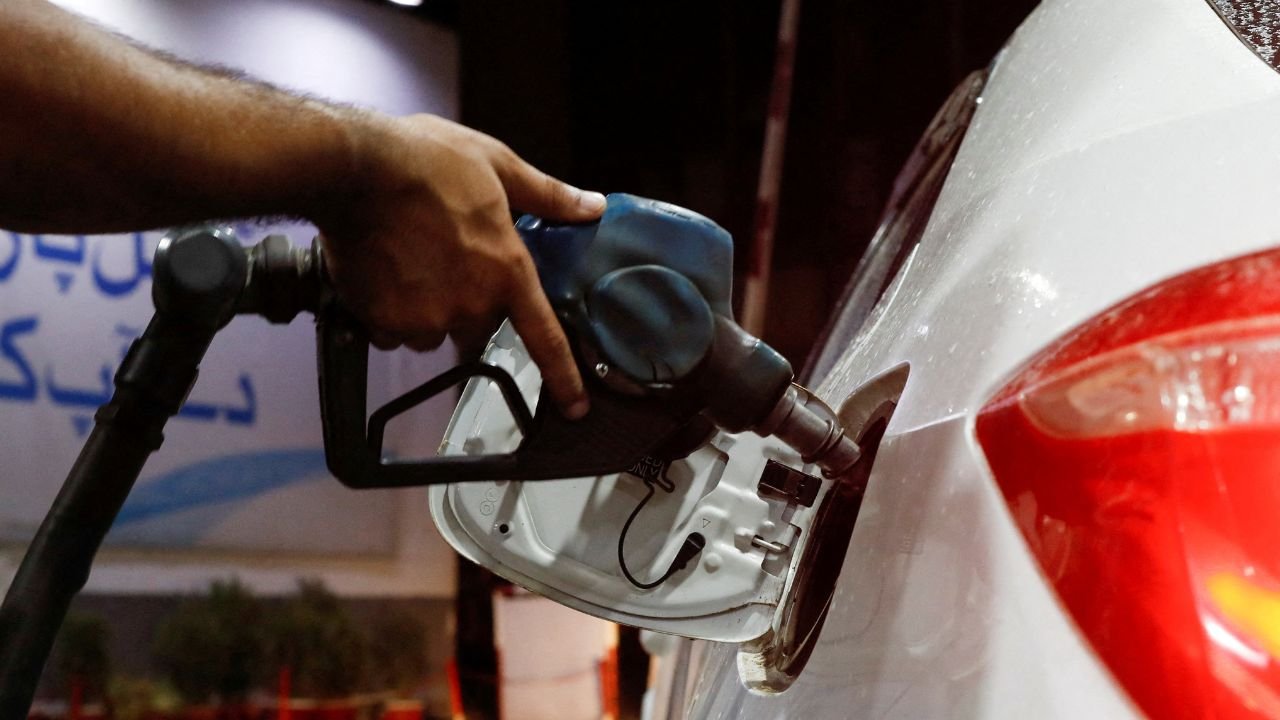
    For the federal budget of 2024-25, government is considering an increase in levy sales tax on petroleum products and the petroleum levy in the upcoming financial year. Media reports suggest the possibility of increasing the petroleum levy by up to 20 rupees per litre to boost federal income.

    Additionally, it has been proposed that sales tax be imposed on petroleum products in the next financial year.

    Reportedly, the levy could be raised from Rs. 60 to Rs. 80 per litre.

    Currently, the government is already receiving a petroleum levy of Rs. 60 per litre on both petrol and diesel, in line with commitments made to the International Monetary Fund (IMF) on petroleum products during the current financial year. A target of collecting 869 billion rupees has been set.

  • Pakistan’s forex reserves decline by $63.3 million to $9.09 billion

    Pakistan’s forex reserves decline by $63.3 million to $9.09 billion

    The State Bank of Pakistan (SBP) has reported a marginal decline in the nation’s foreign exchange reserves, indicating a decrease of $63.3 million or 0.69 per cent week over week (WoW) to $9.09 billion, according to data released on Thursday.

    The central bank attributed this downturn primarily to debt repayments. In a statement issued by the SBP, it was highlighted that during the week ending May 24, 2024, SBP reserves experienced a $63 million decrease to reach $9.09 billion, primarily due to external debt repayments.

    Similarly, Pakistan’s overall reserves witnessed a decrease of $270 million or 1.85 per cent WoW, amounting to $14.32 billion. Furthermore, commercial banks saw a decline in reserves by $206.7 million or 3.81 per cent WoW, totaling $5.22 billion.

    Despite these fluctuations, the current fiscal year has seen a remarkable increase in SBP-held reserves, amounting to $4.63 billion or 103.6 per cent.

    This surge follows Pakistan’s attainment of the International Monetary Fund’s (IMF) Stand-By Arrangement (SBA) of approximately $3 billion by the end of June last year.

    This arrangement not only bolstered the nation’s reserves but also facilitated access to additional multilateral and bilateral funding.

    Furthermore, the ongoing calendar year has witnessed a notable increase of $872.5 million or 10.61 per cent in reserves, reflecting continued efforts to stabilise and strengthen Pakistan’s economic position.

  • Government officials likely to get a raise in upcoming budget 2024-2025

    Government officials likely to get a raise in upcoming budget 2024-2025

    The federal government is currently considering salary increases for government employees in the range of 10 percent to 15 percent in the upcoming budget for 2024-2025, Geo News reported.

    The government intends to increase revenue generation to strike a successful deal with the International Monetary Fund (IMF) under Extended Fund Facility (EFF) at a range of $6 billion.

    The Ministry of Finance wants to raise the salary by just 10 percent and there is another consideration to increase the monetization of cars by 20 percent to 25 percent for higher grade officers like grades 20, 21, and 22.

    The monetary policy was introduced in 2012 for the basic purpose of reducing the burden on government expenditure, which was “in line with the observance of austerity measures and to eliminate misuse of official vehicles.”

    The government is also considering pension reforms in the next budget including putting tax on pensioners who withdraw over Rs 100,000 per month.

  • Train fares reduced by more than 50 per cent

    Train fares reduced by more than 50 per cent

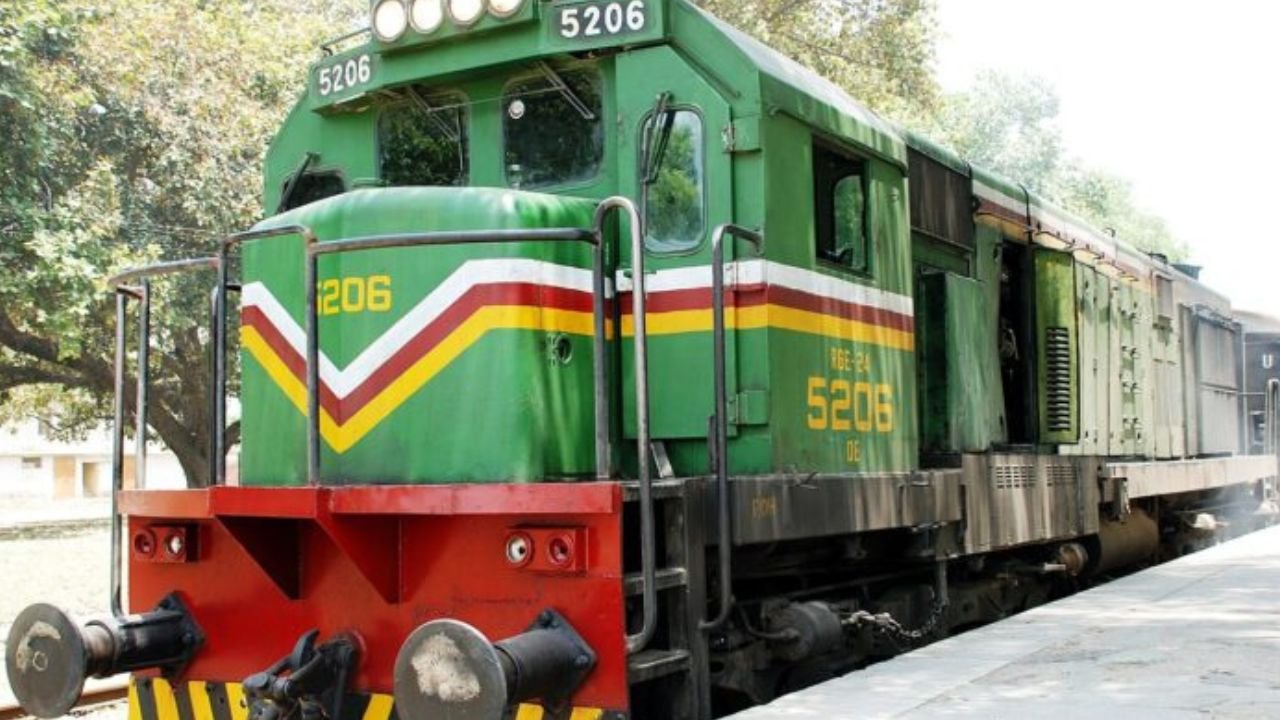
    Railway authorities have reportedly reduced train fares from one kilometer to 200 kilometers following the decrease in price of diesel.

    According to the notification, the fares of all classes of trains have been reduced.

    Prices for economy class of some trains have been reduced by up to 54 per cent; whereas the AC class fares have been reduced by 40 per cent.

    The minimum fare of the train railcar economy class running between Lahore to Rawalpindi route was 250 rupees, which has now been reduced to 100 rupees.

    Similarly, the fare of Khyber Mail Train economy class from 1 km to 130 km was also Rs 250 which has been reduced to Rs 100.

    The decision has been taken to facilitate passengers traveling in trains on short duration routes.

    The new lease came into effect today, May 21.

  • Punjab: Naanbais announce strike from tomorrow

    Punjab: Naanbais announce strike from tomorrow

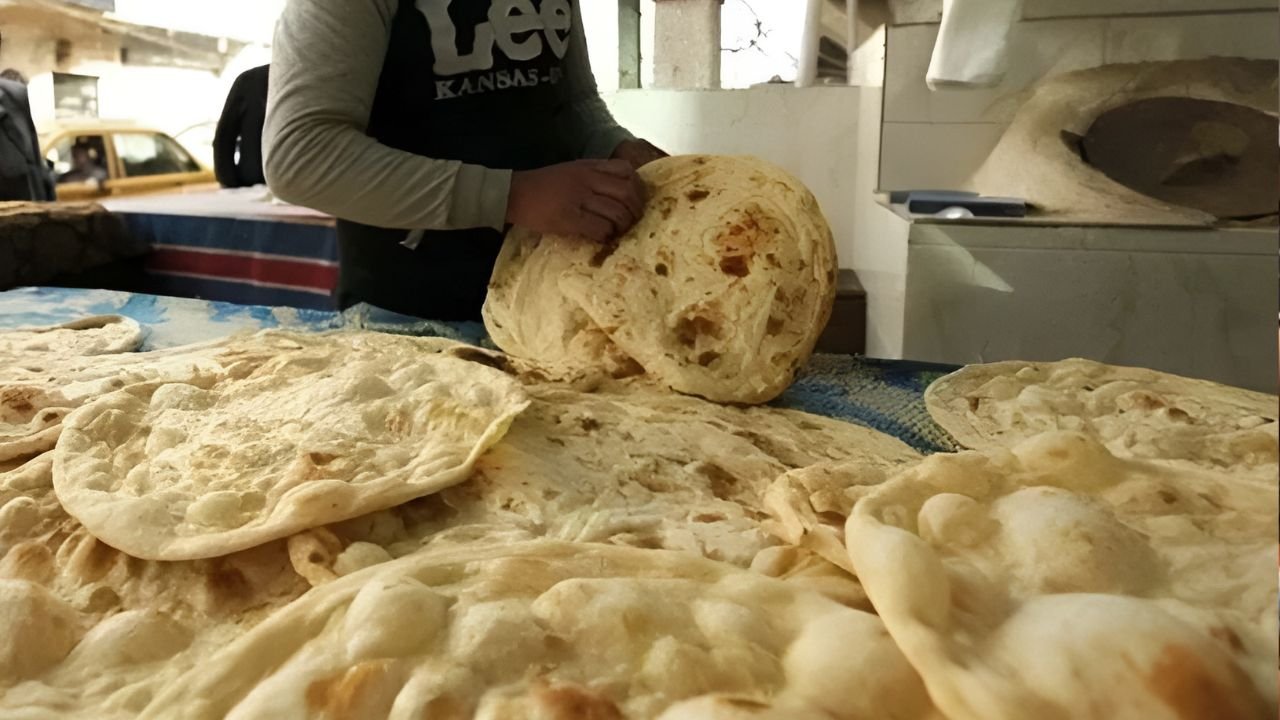
    The Naanbai Association has announced a strike, starting tomorrow, across Punjab including Lahore.

    According to the Association, the district administration of Lahore is silent on their demands.

    During the strike, tandoors across the province will be closed down.

    The demand is to issue a new notification on the price of roti and naan.

    The Association has also demanded that the price of naan be kept open while wheat flour be supplied as per demand of cheaper rotis.

  • Sanaullah says party cannot keep promises to people because ‘they didn’t give us majority’

    Sanaullah says party cannot keep promises to people because ‘they didn’t give us majority’

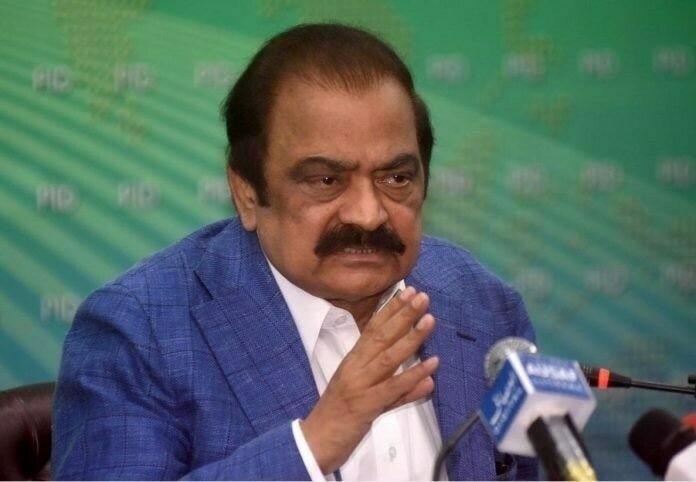
    In a talk show on Public News, anchorperson Iqrah Haris asked former Interior Minister Rana Sanaullah given the promises the Pakistan Muslim League-Nawaz (PML-N) made during its election campaigns, would it be ready to suffer the consequences if the government is unable to deliver.

    Rana Sanaullah remarked that the N-League would not be responsible for any promises made to the public simply because it is a coalition government.

    “We are not making any promises now, the promises we made were dependent on us getting a simple majority and PML-N making its own government under the leadership of Mian Nawaz Sharif.”

    The PML-N’s senior leader asserted that had the government been granted a majority, it would have borne the responsibility of steering the country out of this economic turmoil.

  • Defence Minister wants us to stop eating pakoras

    Defence Minister wants us to stop eating pakoras

    Defence Minister of Pakistan Khawaja Asif took to X, formerly Twitter, to post an interesting thing about Pakistan’s economy or rather ‘pakora economy’. It described how the country could save $9.5 million a month if people avoid pakoras in Ramadan.

    The Minister’s post got some very passionate responses from the people, to say the least.

    A user on X quoted his post and said, “RAW has assassinated 20 high-profile targets in Pakistan. Meanwhile our defense minister.”

    Another user wrote, “Defence Minister Khawaja Asif issuing important messages to the nation while performing Umrah.”

    The Minister’s post said, “Pakora Economy: A standard 13 gram Pakora absorbs 3 grams of oil during frying. Let’s say 50million people at home have at least 1 pakora for Iftar. This translates to 150 tons of oil/day. Oil is Rs600/ltr. So its Rs 90 Million or $316 K/day of oil, $9.5 million a month. Avoid Pakora and save $9.5 million a month.”

    It also said at the end, “O believers, fasting is compulsory not pakoras.”

    We think Khwaja Asif was joking, but who knows, he may actually be serious.

  • World food prices rise for first time in seven months: FAO

    Global food prices rose in March, the first increase since July, pulled higher by cooking oil prices despite the cost of grains continuing to ease, the UN’s Food and Agricultural Organization said Friday.

    The FAO’s overall Food Price Index climbed 1.1 percent over the month to stand at 118.3 points in March 2024. On an annual comparison it was 7.7 percent lower.

    The sub-index for vegetable oils jumped by 8.0 percent over the month to reach a one-year high. The FAO said prices for palm, soy, sunflower and rapeseed oils all climbed higher.

    Rising palm oil prices were driven by seasonal drops in output in leading producing nations that coincided with strong demand in Southeast Asia, while demand from the biofuel sector pulled up soy oil prices.

    Dairy prices rose by 2.9 percent in March on a monthly basis, while meat prices climbed 1.7 percent.

    Meanwhile, cereals prices slid 2.6 percent on a monthly basis, while sugar prices fell 5.4 percent.

    Food prices reached a record high after Russia invaded agricultural power Ukraine in February 2022 but have dropped since then.

    Last month’s uptick comes as inflation has slowed dramatically in many countries but a recent rebound in global oil prices has sparked concern it may persist at a level that could discourage central banks from cutting interest rates.

  • Inflation in Pakistan dips to 20.7% in March

    Inflation in Pakistan dips to 20.7% in March

    Pakistan witnessed a significant downturn in headline inflation as it dipped to 20.7 per cent year-on-year in March, according to the latest data released by the Pakistan Bureau of Statistics (PBS) on Monday.

    This marks a notable decline from February’s figure of 23.1 per cent. Additionally, on a month-on-month basis, inflation rose by 1.7 per cent.

    Notably, this is the lowest inflation reading since May 2022, when it stood at 13.8 per cent, as reported by JS Global.

    It also signifies a remarkable milestone, being the first time in over three years that the Consumer Price Index (CPI)-based inflation figure has fallen below the crucial policy rate, which presently sits at 22 per cent.

    The July-March average inflation now stands at 27.22 per cent, slightly higher than the same period last year at 27.19 per cent.

    The inflation figure, coming in lower than the government’s projections, adds weight to the anticipation of a reduction in the key interest rate.

    In its ‘Monthly Economic Update and Outlook’ report released on Friday, the Ministry of Finance forecasted CPI-based inflation to range between 22.5-23.5 per cent for March 2024.

    Despite the recent upward revision of petrol prices and the onset of Ramadan, inflation in March has been perceived at a moderate level, according to the ministry.

    The government’s announcement of a relief package for Ramadan, with an increased allocation from Rs7.5 billion to Rs12.5 billion, is expected to mitigate the impact of heightened demand during the religious festival.

    Moreover, the moderation of inflationary pressures is attributed partially to the phenomenon of the high base effect, as highlighted in the outlook report.

    Global factors have also played a role in shaping inflation dynamics, as noted by brokerage house Arif Habib Limited (AHL). AHL’s report predicts a further decline in inflation, estimating a year-on-year headline inflation rate of 20.2 per cent for March 2024.

    Similarly, IGI Securities projects the national CPI to grow at a year-on-year rate of 20.3 per cent, with a monthly growth of +1.4 per cent compared to February 2024.

    Despite the government’s recent increase in gasoline prices, experts anticipate inflation to remain below 20 per cent in the upcoming months, primarily due to the high base effect.

    This development fuels speculation regarding potential monetary policy adjustments in the near future.
  • Pakistan’s CPI-based inflation predicted to decline to 20%

    Pakistan’s CPI-based inflation predicted to decline to 20%

    Consumer Price Index (CPI)-based inflation in Pakistan is forecasted to witness a further decline, potentially settling at approximately 20 per cent on a year-on-year (YoY) basis for March.

    This projection marks a decrease from the 23.1 per cent recorded in February, as indicated by a report from Arif Habib Limited (AHL) released on Thursday.

    The anticipated headline inflation rate for March 2024 is projected to stand at 20.2 per cent YoY, reflecting a notable downturn from the preceding month’s figure of 23.1 per cent YoY.

    AHL’s report also highlights a substantial drop compared to the same period in the previous year, March 2023, when the YoY inflation rate was registered at 35.4 per cent.

    Consequently, it is envisaged that the average CPI for the first nine months of the fiscal year 2023-24 will hover around a 27.2 per cent YoY level, consistent with the figures observed during the same period last year (SPLY), according to the brokerage house.

    On a monthly basis, AHL’s projections for March 2024 suggest a modest increase of 1.3 per cent, contrasting with the average month-on-month (MoM) rise of 1.7 per cent recorded over the first eight months of the fiscal year.

    This upturn in monthly inflation is primarily attributed to rises in key indices, notably the food index (+1.3 per cent MoM), transport index (+1.5 per cent MoM), and housing index (+2.9 per cent MoM), the report stated.

    The brokerage house attributed the increase in the food index to the impending Ramadan season, foreseeing a month-on-month surge in prices of fresh fruits, potatoes, onions, and tomatoes.

    Meanwhile, the housing index is expected to see an uptick primarily due to increases in gas tariffs and LPG prices.

    Additionally, the transport index is anticipated to remain elevated owing to a month-on-month rise in petroleum product prices, according to AHL.