Tag: economy

  • Saudi opens first alcohol store for diplomats in move seen as necessary for societal change: BBC report

    Saudi opens first alcohol store for diplomats in move seen as necessary for societal change: BBC report

    Saudi Arabia has taken a major step with the opening of an alcohol store catering to diplomats – breaking of a 70-year-long national ban on alcohol.

    BBC spoke to Kristian Ulrichsen, who explores economic trends in the Middle East and works for Rice University’s Baker Institute for Public Policy in Texas, in the U.S.

    “Key elements of Vision 2030 are tourism, entertainment, and hospitality. And Mohammed bin Salman, the Crown Prince, has set very ambitious targets of attracting more than 100 million visits a year by 2030.” he says.

    Ulrichsen points at the necessity of societal shifts to accommodate the influx of visitors and residents essential for the success of Saudi Arabia’s ambitious development projects.

    Moreover, Saudi Arabia is in competition with Dubai, which is why this latest move mirrors similar actions taken by UAE to maintain an advantage in the region.

    “The Saudi move is very controlled,” Ulrichsen adds.

    Starting with controlled enclaves before possibly expanding access to alcohol in designated areas or larger projects over time, he explains.

    While access in larger society remains limited for now, future developments, such as the planned mid-2020s offshore island projects in the Red Sea, may see increased availability as public acceptance grows.

  • Pakistan’s currency in circulation surges by Rs252.98 billion

    Pakistan’s currency in circulation surges by Rs252.98 billion

    The State Bank of Pakistan (SBP) has released provisional figures on Monetary Aggregates, revealing notable shifts in the country’s monetary landscape.

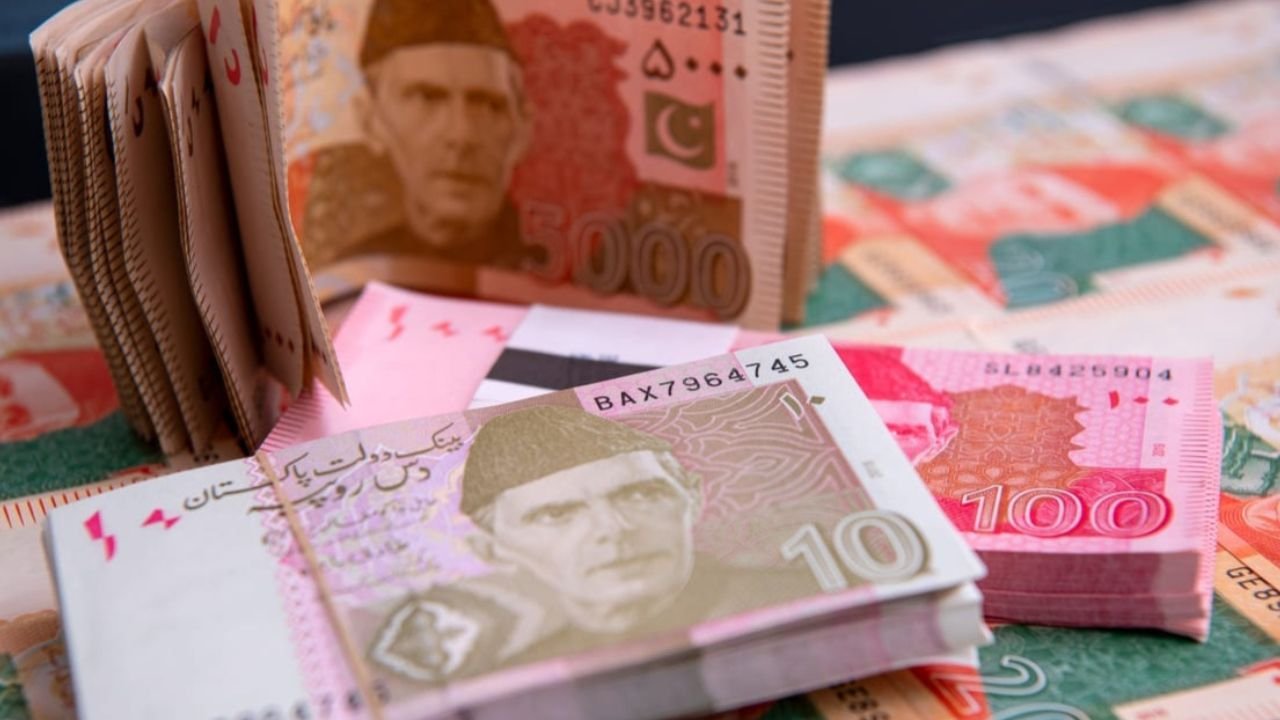
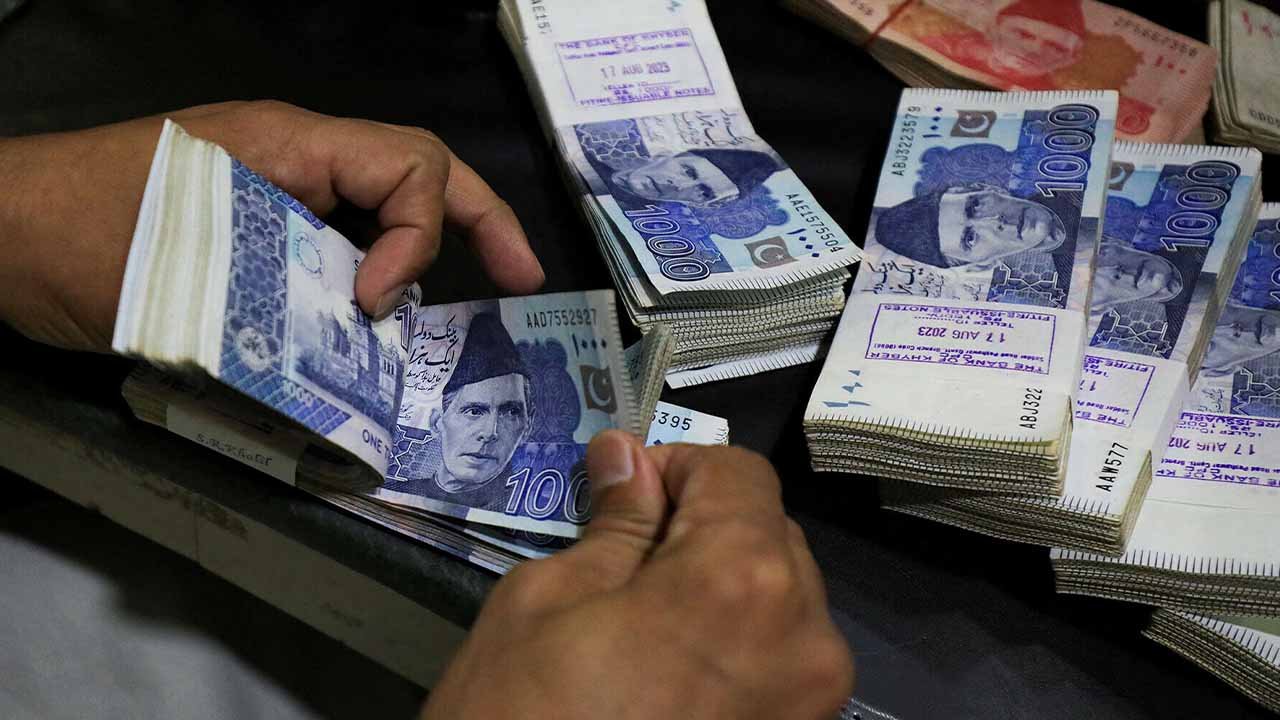
    As of March 8, 2024, the currency in circulation has seen a significant weekly increase, climbing by Rs252.98 billion to reach Rs8.66 trillion. This marks a substantial change within a short span.

    In contrast, the overall trend for the current fiscal year indicates a decrease in currency circulation, with a drop of Rs485.71 billion compared to the figure recorded at the end of June 2023, which stood at Rs9.15 trillion.

    Turning to broad money (M2), a key indicator of money supply in Pakistan, there has been a noteworthy decline of Rs206.59 billion week-on-week, bringing the total to Rs32.48 trillion by March 8, 2024.

    However, when juxtaposed with June 2023, M2 has experienced a significant increase, rising by Rs957.18 billion from the previous fiscal year’s end balance of Rs31.52 trillion.

    The ratio of currency in circulation to M2, a crucial metric for understanding liquidity dynamics, stood at 26.67%, indicating a slight uptick compared to the previous week’s 25.73% and a decrease from the June 2023 figure of 29.02%.

    Meanwhile, total deposits held with banks have shown mixed trends. The latest data reveals a weekly decrease of Rs468.69 billion, amounting to Rs23.69 trillion.

    However, on a fiscal year-to-date basis, there has been an overall increase of Rs1.43 trillion.

    It’s important to note that these deposit figures exclude certain categories such as inter-bank deposits, government deposits, and those from foreign entities.

    Currency in circulation encompasses the total value of banknotes and coins held by both the general public and financial institutions.

    In Pakistan, M2 serves as the primary measure of broad money, encompassing various forms of currency and deposits.

    From a liability perspective, M2 comprises currency in circulation, total non-government sector deposits (including resident foreign currency deposits), and other deposits held with the SBP.

    On the asset side, M2 includes the net domestic assets and net foreign assets of the banking system, incorporating both the SBP and scheduled banks.

  • Significant increase in mobile phone imports in eight months

    Significant increase in mobile phone imports in eight months

    Imports of mobile phones have recorded a significant year-on-year increase in the first eight months of the current financial year.

    According to statistics released by Pakistan Bureau of Statistics, during the period from July to February 2024, 1.148 billion dollars was spent on the imports of mobile phones, which is 156 per cent more than the 448 million dollars of the same period of the previous financial year.

    According to the data, 161 million dollars was spent on the imports of mobile phones in February, which is 387 per cent more than February of last year.

    Compared to January, there was a decrease of eight per cent in imports of mobile phones in February on a monthly basis — 195 million dollars were spent on the imports of mobile phones in January.

  • Plastic currency coming soon in Pakistan?

    Plastic currency coming soon in Pakistan?

    Negotiations between Pakistan and the IMF mission for the next instalment of a vital loan will continue to proceed today.

    According to sources quoted by Geo news, IMF officials will be briefed on FBR reforms, tax collection and other issues, as well as more immediate measures to increase tax collection in the current financial year.

    Sources say that State Bank officials will brief the IMF delegation on the plan to issue new plastic notes to prevent fake currency.

    Such currency notes are being used in Far Eastern countries and Switzerland.

    The IMF will also be briefed on reports issued under the United Nations Anti-Corruption Convention.

    The IMF had set a condition for Pakistan to prepare a report from experts on the efficiency of anti-corruption institutions.

    This condition has to be implemented by the Ministry of Interior and Ministry of Law.

    The IMF will also be briefed on improving the efficiency of government institutions and privatisation.

  • Toyota Yaris prices reduced by up to Rs133,000

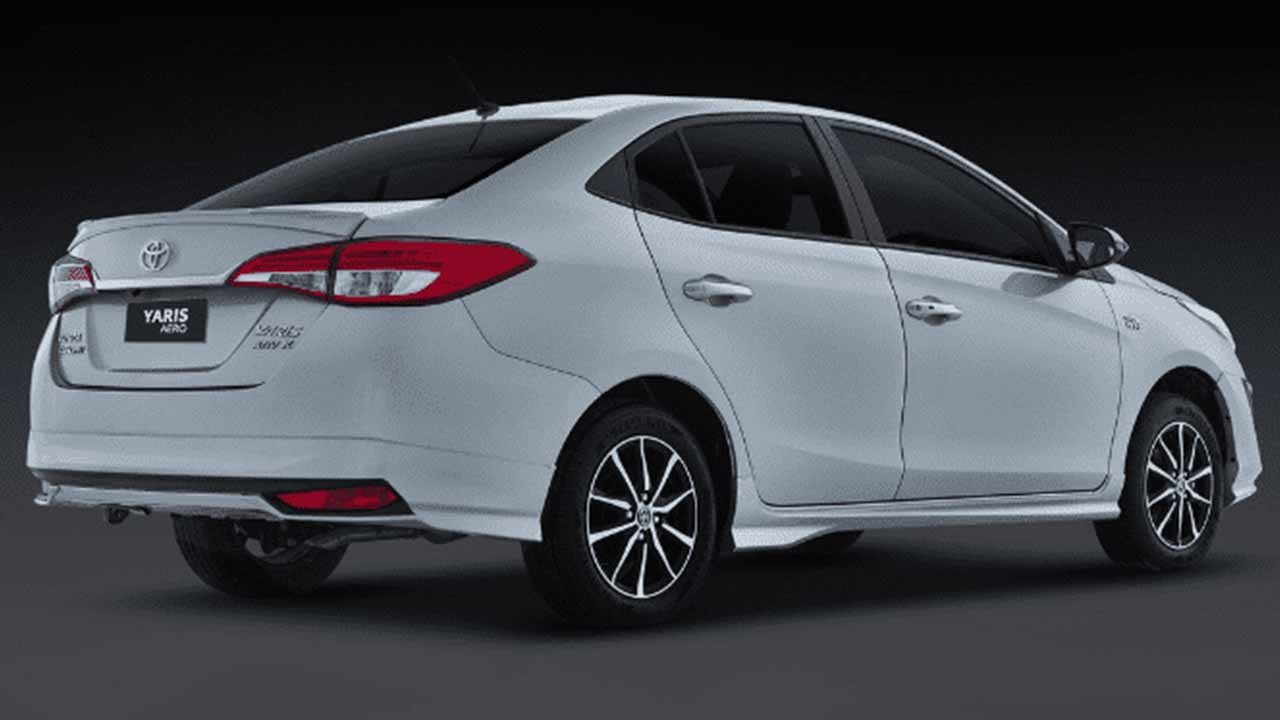
    Toyota Yaris prices reduced by up to Rs133,000

    Indus Motor Company, the manufacturer of Toyota vehicles in Pakistan, has announced a significant price adjustment for its Yaris sedan range.

    This adjustment, effective from Thursday, reflects a reduction in prices ranging from Rs73,000 to Rs133,000.

    The revised pricing structure for the Yaris lineup is as follows: the 1.3 MT LO, 1.3 CVT LO, and 1.3 MT Hi variants will now be priced at Rs4.326 million, Rs4.616 million, and Rs4.586 million, respectively, representing a reduction of Rs73,000 for each model.

    Additionally, the price of the Yaris CVT Hi has been lowered by Rs133,000 and is now priced at Rs4.766 million.

    According to Business Recorder, this decision comes in response to the recent imposition of a 25 per cent sales tax on vehicles priced above Rs4 million.

    By implementing these price cuts, Indus Motor Company aims to ensure that the Yaris remains within the 18 per cent sales tax bracket.

    Initially, the government’s decision to raise the sales tax was targeted at vehicles with engine sizes of 1,400 cc and above, as well as those priced above Rs4 million.

    However, it later extended to include SUVs below the 1,400cc threshold, prompting manufacturers to advocate for a Rs4 million price cap.

    As a consequence of this tax adjustment, certain models from Toyota, Honda, and Suzuki are now subject to the increased sales tax regime.

  • Optimism among Pakistanis increases by 10 per cent

    Optimism among Pakistanis increases by 10 per cent

    The number of people in Pakistan expecting financial conditions to improve in the country has increased by 10 per cent compared to the previous quarter.

    A survey conducted by Ipsos Pakistan’s Consumer Confidence Survey – a global market research and public opinion specialist – laid out the latest figures.

    The survey revealed that 35 per cent of Pakistanis expressed hope for improvement in their own financial conditions in the future as the financial conditions in the country improve.

    On the other hand, 35 per cent of Pakistanis are disappointed and believe that the financial conditions will become weaker.

    The rate of Pakistanis expressing disappointment has reportedly increased by two per cent i.e. 43 per cent.

    Pakistanis also expressed concern regarding the overall economic situation of the country. This ratio, however, remains at the same level as of November 2023.

    On the other hand, 88 per cent believe that the country is heading towards a wrong direction, while 60 per cent of Pakistanis said the current state of the country’s economy is weak.

    The percentage of Pakistanis who expect the country’s economy to improve in the future has decreased by six per cent i.e. to 27 per cent.

  • Car sales increase in Pakistan despite high prices, economic challenges

    Car sales increase in Pakistan despite high prices, economic challenges

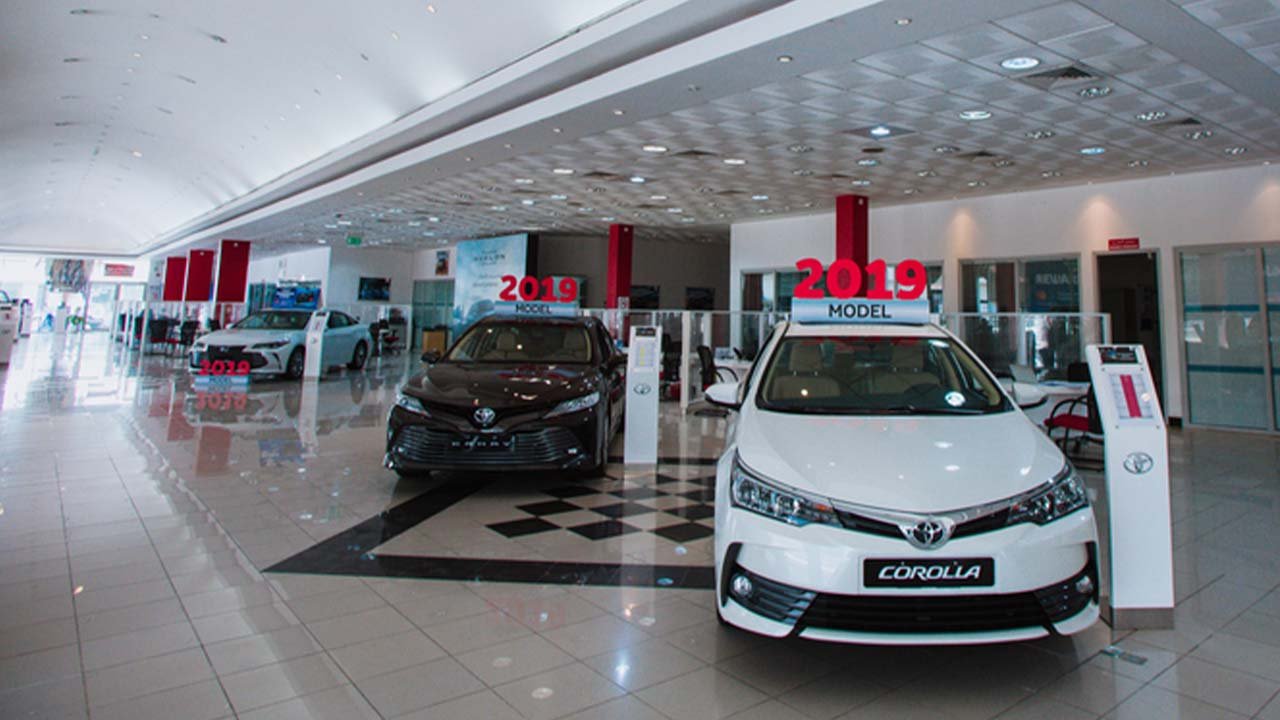
    In a surprising turn of events, the soaring prices of cars in Pakistan have not deterred buyers, as car sales experienced a notable uptick in February 2024.

    According to data released by the Pakistan Automotive Manufacturers Association (PAMA), car sales edged up by 1.94 per cent, reaching 7,953 units, compared to 7,802 units recorded in January 2024.

    This positive momentum follows a robust performance in the preceding month, where car sales hit their highest mark since December 2022.

    Analysts attribute this continued growth to the momentum generated by the new year, which has carried over into February.

    Year-on-year comparisons reveal a substantial increase, with car sales spiking by 2.18 times compared to February 2023, when only 3,642 units were sold.

    However, despite this recent surge, cumulative sales for the first eight months of fiscal year 2024 stand at 46,417 units, marking a 40.93 per cent decline from the same period last year.

    Similarly, the production of passenger cars has witnessed a significant downturn, with 8MFY24 recording 48,402 units, reflecting a 40.84 per cent decrease compared to the previous fiscal year.

    In February alone, production plummeted by 16.77 per cent month-on-month, totaling 8,002 units, down from 9,614 units in January 2023.

    Nonetheless, on a year-on-year basis, production saw a remarkable surge of 69.97 per cent, indicating a shift in manufacturing trends.

    Despite these fluctuations, the automotive landscape faces challenges, notably with Pak Suzuki Motor Company announcing two price hikes within a span of ten days in response to increased sales tax.

    The repercussions of these adjustments on sales are anticipated to unfold in the coming weeks, as the market adapts to the new pricing structure.

  • Inflation edges higher as weekly SPI indicates increase in prices

    Inflation edges higher as weekly SPI indicates increase in prices

    According to the Weekly Sensitive Price Indicator (SPI) released by the Pakistan Bureau of Statistics (PBS), the Combined Group’s SPI increased by 0.04 per cent during the week ending February 22, 2024.

    Additionally, the SPI surged by 30.68 per cent YoY compared to the same period last year.

    As of February 22, 2024, the Combined Index stood at 315.31, a slight uptick from 315.18 on February 15, 2024. A year ago, on February 23, 2023, the index was significantly lower at 241.29.

    Analysing the data for 51 items, it was found that the average prices of 23 items increased, 8 items decreased, and 20 items remained stable.

    Notable increases during the week were observed in the prices of tomatoes (22.71 per cent), bananas (7.40 per cent), diesel (3.02 per cent), chicken (1.22 per cent), and petrol (1.00 per cent).

    Conversely, onions (14.42 per cent), eggs (11.19 per cent), LPG (1.82 per cent), cooking oil (5 litres) (0.75 per cent), and wheat flour (0.36 per cent) experienced significant decreases.

    Breaking down the SPI percentage change by income groups, it was noted that SPI decreased across all 3 quantiles while increasing across 2 quantiles. The lowest-income group saw a weekly decline of -0.08 per cent, while the highest-income group recorded a rise of 0.09 per cent.

    On a yearly basis, the SPI change across different income segments revealed an increase ranging between 25.53 per cent and 35.39 per cent. The lowest-income group witnessed a 25.53 per cent increase, while the highest-income group recorded a 28.22 per cent rise.

    Specifically, the average price of Sona urea reached Rs4,928 per 50 kg bag, reflecting a 9.19 per cent increase from the previous week and a substantial 69.14 per cent surge compared to the same period last year.

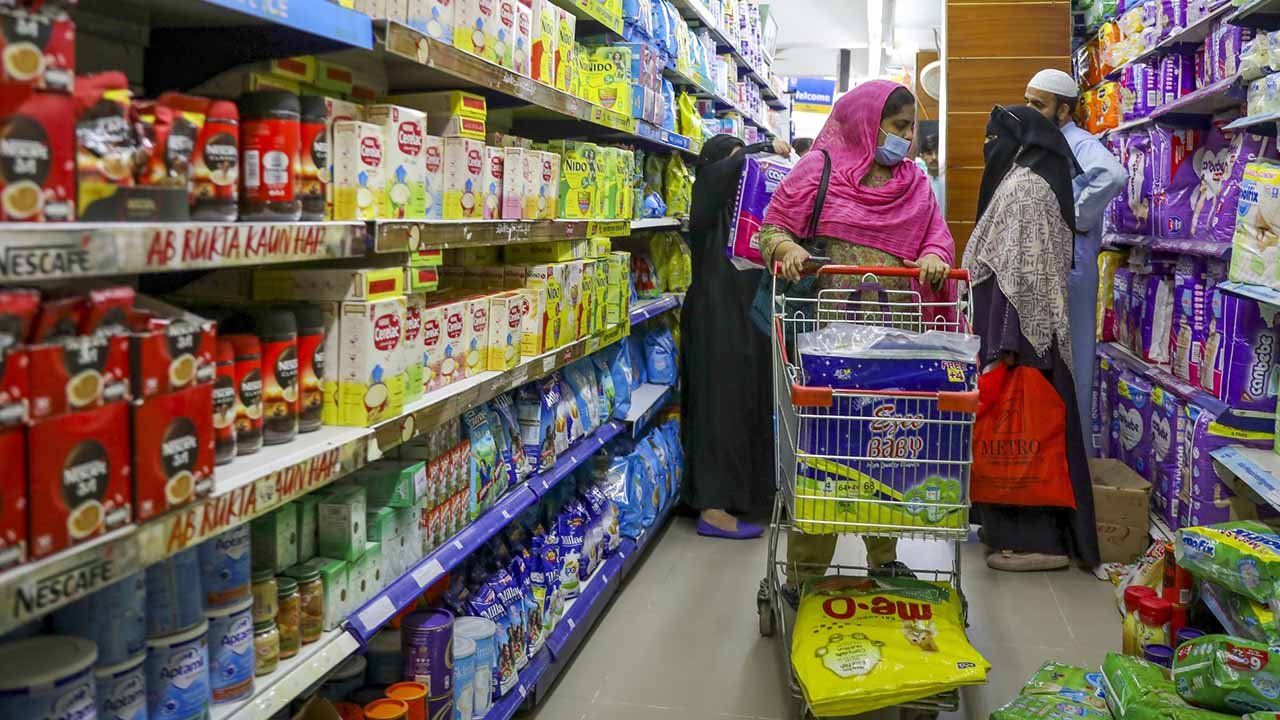
    The surge in prices, especially for essential items, poses a challenge for the general populace, particularly those in lower-income groups.

    Authorities and policymakers are likely to face increasing pressure to address and mitigate the impact of inflation on the economy and the daily lives of people.

  • Pakistan may enter fresh IMF loan programme, stricter conditions expected

    Pakistan may enter fresh IMF loan programme, stricter conditions expected

    In the wake of the completion of its current loan programme, Pakistan is poised to sign a new loan agreement with the International Monetary Fund (IMF), reports indicate. 

    The forthcoming Extended Fund Facility programme, anticipated to span three years, will see Islamabad share budget proposals for FY 2024–25 with the IMF. 

    Sources suggest that before finalising the agreement, Pakistan will provide assurances to the IMF regarding further increases in electricity and gas prices, as well as a commitment to reduce subsidies. 

    Finance ministry sources have disclosed that the conditions for the new loan programme are expected to be more stringent compared to the current Standby Agreement (SBA) programme. 

    Earlier discussions hinted at Pakistan securing another loan package from the IMF following the conclusion of the ongoing standby agreement. 

    The caretaker government has commenced consultations for the upcoming IMF programme, with talks expected to commence this month. 

    Officials from the finance ministry have indicated that the measures initiated by the caretaker government will be continued by the elected government in discussions with the IMF.

  • Pakistan’s inflation eases slightly to 28.3% in January 2024

    Pakistan’s inflation eases slightly to 28.3% in January 2024

    The Pakistan Bureau of Statistics (PBS) reported that the country’s headline inflation for January stood at 28.3 per cent on a year-on-year basis, marking a slight decrease from the December figure of 29.7 per cent. The month-on-month reading recorded a 1.8 per cent increase.

    This latest data brings the average inflation for the period of July to January to 28.73 per cent, up from 25.40 per cent in the corresponding period of the previous year. Despite this surge, the inflation rate aligns with the government’s expectations.

    The Ministry of Finance, in its ‘Monthly Economic Update and Outlook’ report released on Wednesday, projected a CPI-based inflation rate of 27.5-28.5 per cent for January 2024. The report attributed the inflationary pressure to elevated prices of perishables and vegetables, along with increased utility costs for electricity and gas.

    A contributing factor to the rising prices has been a surge in onion export orders following the Indian ban, straining local supply and causing domestic prices to escalate.

    Severe weather disruptions led to supply shortages of tomatoes, resulting in price hikes, while reduced chicken supply, especially from controlled sheds facing higher input costs, contributed to increased chicken prices.

    JS Global, in a report from last week, anticipated that inflation would remain elevated, particularly in the food segment. The report predicted a 1.8 per cent month-on-month uptick in food prices, resulting in an overall January 2024 YoY CPI estimate of 27.9 per cent.

    The brokerage house noted that the CPI inflation in the coming months is expected to remain on the lower side amid the decline in local fuel prices and the high base effect of last year.

    Breaking down the inflation figures, urban areas recorded a year-on-year CPI inflation of 30.2 per cent in January 2024, slightly lower than the previous month’s 30.9 per cent and higher than January 2023’s 24.4 per cent. On a month-on-month basis, urban inflation increased by 1.8 per cent in January 2024.

    In rural areas, year-on-year CPI inflation for January 2024 was 25.7 per cent, down from the previous month’s 27.9 per cent but higher than January 2023’s 32.3 per cent. On a month-on-month basis, rural inflation increased by 1.9 per cent in January 2024.

    The PBS data indicates a nuanced inflationary landscape in Pakistan, with both urban and rural areas experiencing fluctuations in prices across various commodities. The government’s focus on addressing these challenges remains critical as it navigates the economic impact of inflation on citizens and businesses.