Tag: economy

  • Survey: Imran Khan emerges as top choice for financial experts to revive Pakistan’s economy

    Survey: Imran Khan emerges as top choice for financial experts to revive Pakistan’s economy

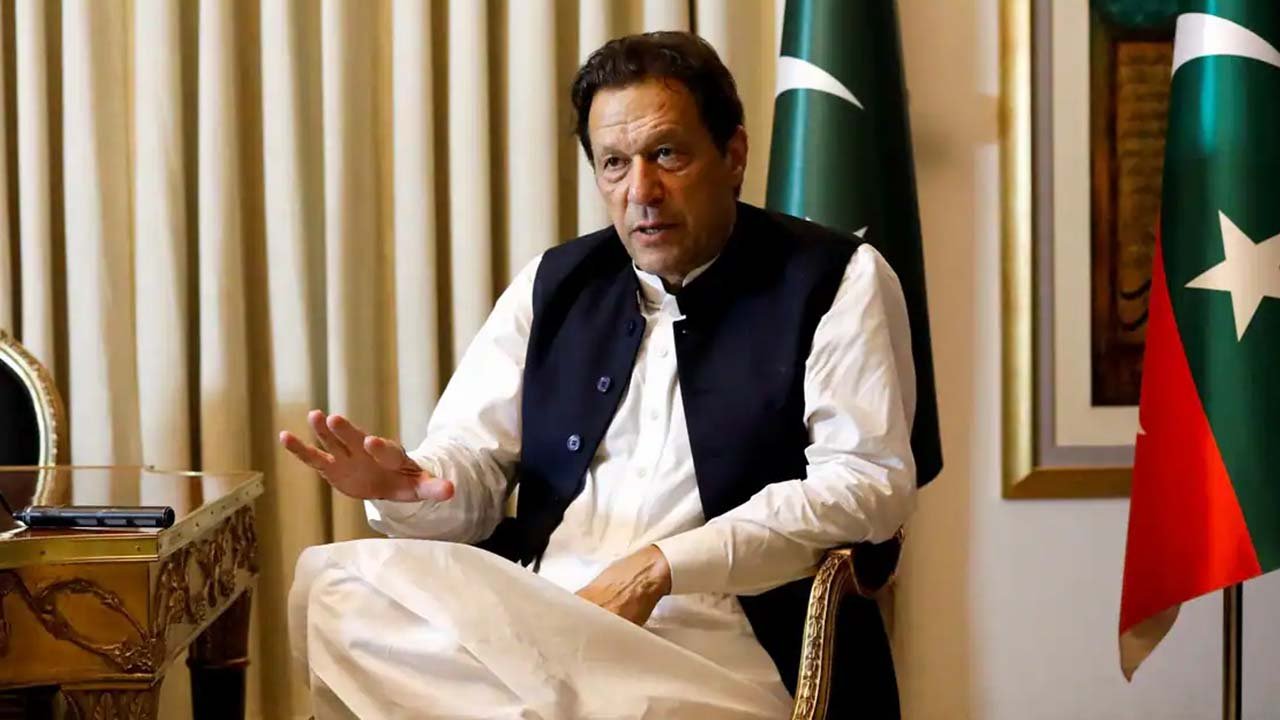
    In a recent Bloomberg survey conducted among Pakistani finance professionals, incarcerated former Prime Minister Imran Khan emerged as the leading choice to oversee the country’s economic recovery.

    Despite being barred from contesting the upcoming February 8 election, Khan’s enduring popularity was cited as a crucial factor by respondents, who believe he could implement market-focused reforms in the long term.

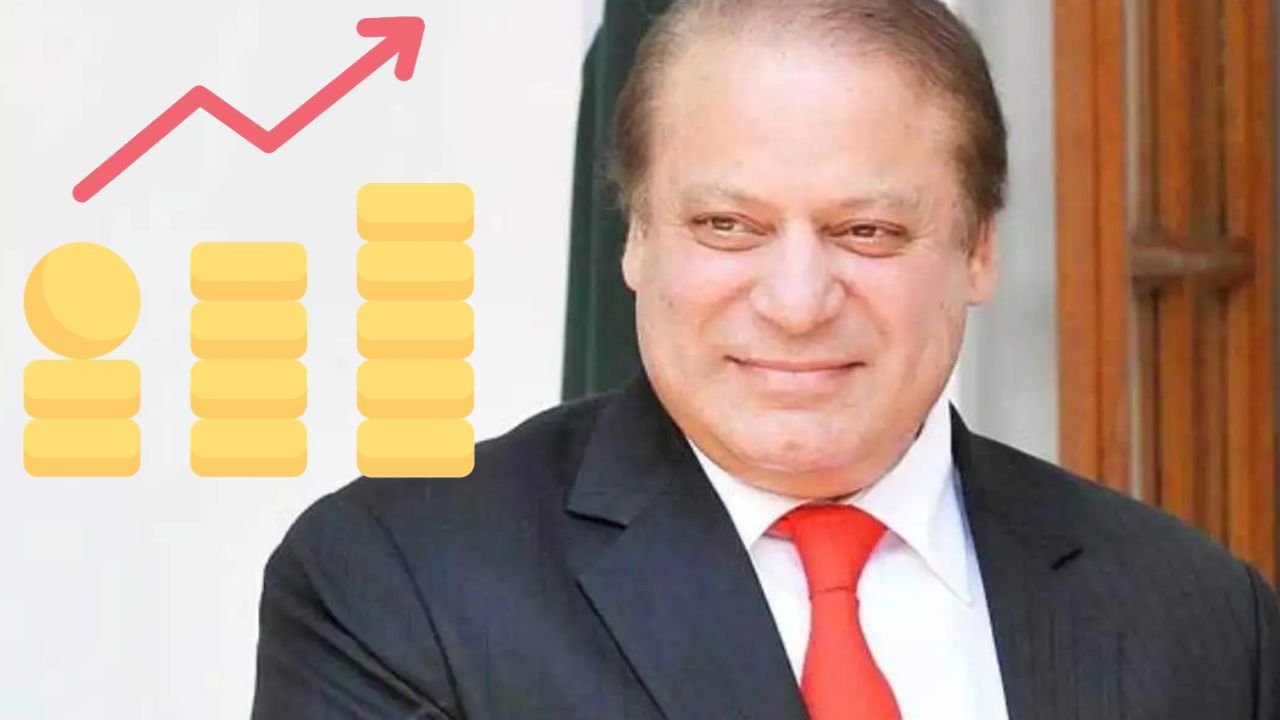
    The survey, which included 12 traders, economists, and analysts from major brokerages, placed three-time former premier Nawaz Sharif in the second position. Respondents acknowledged Sharif’s experience in government and speculated that his alignment with the powerful military contributed to his standing.

    Bilawal Bhutto Zardari, a member of the influential Bhutto clan, secured a distant third place, with some survey participants expressing reservations about dynastic politics.

    Bloomberg Economics conducted an analysis of Pakistan’s misery index, combining inflation and unemployment rates, revealing that Sharif’s party had a better track record in managing the economy over the past three decades compared to rivals, including Khan.

    Despite Khan’s three court convictions and election disqualification, questions about the legitimacy of the upcoming polls are surfacing among independent observers and voters.

    With almost 129 million eligible voters set to cast their ballots, concerns are growing about the electoral system’s integrity in the absence of the country’s most popular politician.

    Pakistan’s National Assembly has completed a full term only three times in its 76-year history, and political observers note rising discontent with the electoral system in Khan’s absence.

    Khan, convicted of graft in August, received another jail sentence on Tuesday for his involvement in publicising a classified diplomatic cable. On Wednesday, he and his wife, Bushra Bibi, were sentenced to 14 years in jail for a case related to the illegal selling of state gifts.

    As Khan faces legal challenges, Sharif and his Pakistan Muslim League-Nawaz are gaining support from voters. Sharif’s return from exile last year, widely seen as a deal with the military, has boosted his popularity, particularly in Punjab, Pakistan’s most populous province.

    The respondents to the Bloomberg survey unanimously agreed that Pakistan’s economic survival hinges on a new International Monetary Fund (IMF) loan. Half of them believe the country can withstand six months without a bailout, while the ongoing nine-month IMF programme is set to conclude in March, with about $1 billion in dollar-denominated debt due in April.

    Key findings from the January survey include expectations of 2.65 per cent economic growth in the fiscal year starting July, the government’s estimate of 2 per cent to 2.5 per cent expansion in the current fiscal year, a forecasted moderation of inflation to 25.05 per cent by the fiscal year ending June (currently at about 30 per cent), and a consensus that Pakistan cannot survive for more than a year without an IMF bailout.

  • ‘Pakistan’s economy performed best under Nawaz Sharif’: Bloomberg

    ‘Pakistan’s economy performed best under Nawaz Sharif’: Bloomberg

    An analysis by Bloomberg Economics reveals that Pakistan’s economy witnessed its best performance in the past three decades under the leadership of Nawaz Sharif, who served as Prime Minister thrice.

    The report compares economic indicators during Sharif’s tenure with those of his rivals, including Imran Khan’s Pakistan Tehreek-e-Insaf (PTI) and Bilawal Bhutto Zardari’s Pakistan Peoples Party (PPP), using a misery index that combines inflation and unemployment rates.

    According to Bloomberg Economics, the analysis utilized an average of the misery index values over the years when each major political party ruled Pakistan since 1990.

    The results indicate that Sharif’s Pakistan Muslim League (PML-N) outperformed both PTI and PPP in managing economic challenges.

    With general elections scheduled for February 8, Bloomberg suggests that Nawaz Sharif seems poised to return to power for the fourth time, especially as Imran Khan faces legal issues and incarceration.

    Despite Khan’s popularity, with a 57% approval rating according to a recent Gallup poll, Sharif has experienced a surge in popularity from 36% to 52% in the past six months.

    The past three decades saw the PML-N rule Pakistan four times under Sharif and his younger brother Shehbaz Sharif. The PPP under the Bhutto dynasty has held power three times, while Khan was in office for a four-year term ending in April 2022 when he was ousted from power in a parliamentary no-trust vote.

    “Bloomberg Economics used an average of the index values over the respective years when each of the major political parties ruled the country since 1990. A higher value indicates more economic hardship for citizens,” the publication said, explaining its conclusions.

    Bloomberg Economics Misery Index Results for Pakistan showed the Pakistan Muslim League scored 14.5 percent, Pakistan Tehreek-e-Insaf 16.1 percent, and the Pakistan Peoples Party 17.2 percent.

    Pakistan is currently grappling with economic challenges, including seeking a financial bailout from the International Monetary Fund (IMF).

    Inflation is close to 30 percent in Pakistan, the currency was Asia’s worst performer last year and foreign exchange reserves have slumped.

    The incoming government, as per IMF conditions, will need to implement potentially unpopular policies such as withdrawing subsidies and raising taxes. The IMF forecasts a 2% growth in Pakistan’s economy for the current fiscal year after experiencing a contraction in the previous year.

    Despite the positive economic indicators during Sharif’s governance, the report underscores the formidable tasks awaiting the new government in addressing the country’s economic hardships.

  • Pakistan-Afghan Border Crossing Reopens After Negotiations

    Pakistan-Afghan Border Crossing Reopens After Negotiations

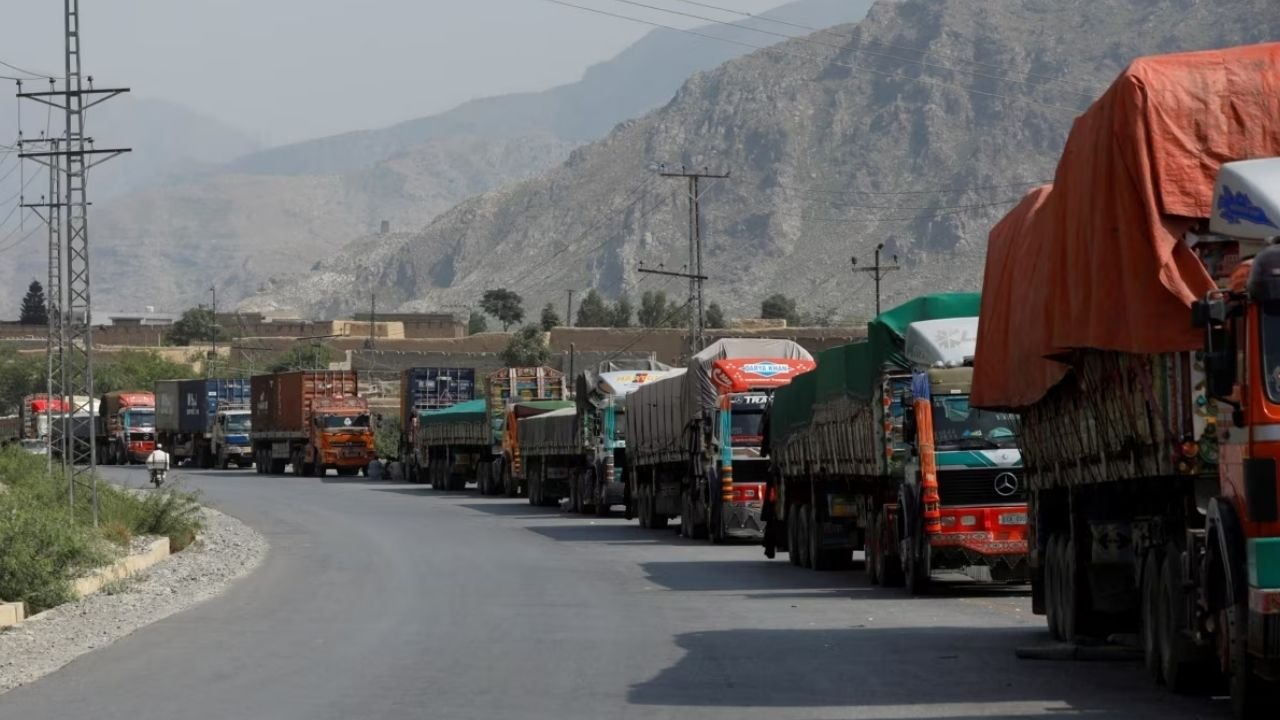
    Pakistan and Afghanistan reopened a key trade crossing on Tuesday, officials on both sides said, after a row over travel papers as Islamabad cracks down on cross-border movements.

    The Torkham border closure since 12 January came after Islamabad imposed tighter controls requiring drivers from both sides to have visas and passports — documents many Afghans do not have.

    Ties between the two countries have increasingly frayed in recent months, with Islamabad accusing the Taliban government of failing to root out militants staging attacks in Pakistan from their soil.

    Kabul has always rejected the allegations.

    A Pakistan border official, who asked not to be named, confirmed the reopening to AFP after negotiations between Islamabad and Kabul, allowing hundreds of waiting trucks to cross.

    “It was agreed during the discussions that until 31 March, Pakistani and Afghan drivers can cross the border without a visa and passport,” he said.

    “However, starting on 1 April, both a visa and passport will be mandatory.”

    Afghan Torkham official Abdul Jabbar Hikmat confirmed lorries were allowed to cross again on Tuesday “without the need for passports and visas”.

    Pakistan’s casualties from armed groups hit a six-year high in 2023 with more than 1,500 civilians, security forces and militants killed, according to Islamabad’s Center for Research and Security Studies.

    The biggest militant threat to Pakistan is its domestic chapter of the Taliban movement, known as Tehreek-e-Taliban Pakistan (TTP).

    Pakistan officials said tighter restrictions on trade and on-off border closures are a pressure tactic to get the Taliban government to work with Pakistan on security.

    “Pakistan desires Afghanistan to adopt a tough stance against the TTP,” a senior provincial government official in Peshawar city who asked not to be named told AFP.

    “If they do not, the trade route will be intermittently closed for various reasons.”

    Islamabad has also recently forced out hundreds of thousands of undocumented Afghans living in Pakistan.

    More than 500,000 Afghans fled in the four months since Islamabad imposed a deadline ordering 1.7 million Afghans it says are living in the country illegally to leave or risk arrest and deportation.

    Millions of Afghans escaping conflict poured into Pakistan in past decades, including around 600,000 since the Taliban ousted the US-backed government and imposed its harsh interpretation of Islamic law.

    Some of the Afghans crossing into Afghanistan as a result of Islamabad’s eviction scheme were entering the country for the first time, having lived their whole lives in Pakistan.

    Upon arrival, migrants have received only modest assistance from the government and NGOs in a country contending with one of the worst humanitarian crises in the world.

  • Pakistan’s exports surpass Rs4,300 billion, up by 35.33% in six months

    Pakistan’s exports surpass Rs4,300 billion, up by 35.33% in six months

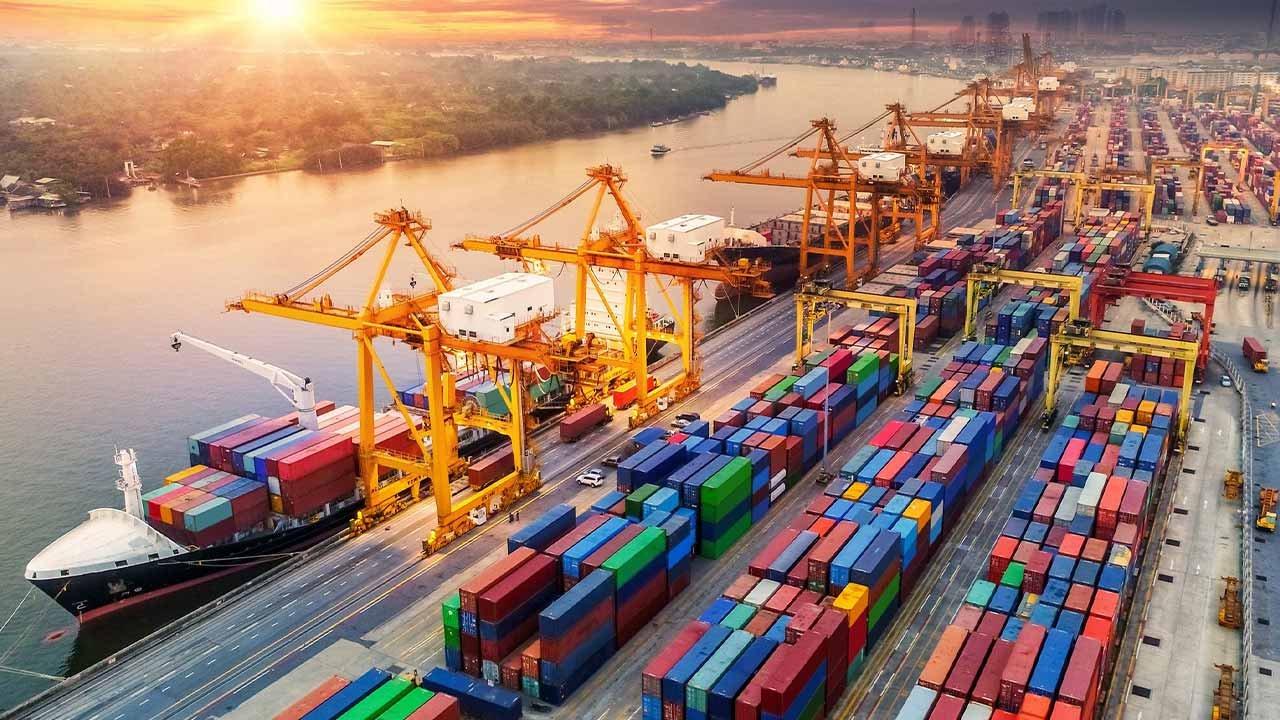
    The Pakistan Bureau of Statistics (PBS) has reported a substantial increase of 35.33 per cent in the country’s exports in rupee terms during the first half of the current fiscal year, as compared to the corresponding period of the previous year.

    According to provisional data released by PBS, exports from July to December 2023 amounted to Rs4,300,752 million, a significant rise from Rs3,177,893 million recorded during the same period last year.

    On a year-on-year basis, exports for December 2023 witnessed a remarkable surge of 54.59 per cent, reaching Rs799,588 million, compared to Rs517,240 million in October 2022.

    Additionally, on a month-on-month basis, exports increased by 8.86 per cent when compared to the figure of Rs734,541 million reported in November 2023.

    The key commodities contributing to this growth in December 2023 were rice other than basmati (Rs124,040 million), knitwear (Rs103,898 million), readymade garments (Rs84,569 million), bedwear (Rs64,119 million), cotton cloth (Rs40,678 million), cotton yarn (Rs26,984 million), towels (Rs24,814 million), rice basmati (Rs22,888 million), articles excluding towels and bedwear (Rs16,991 million), and meat and meat preparations (Rs12,472 million).

    In contrast, imports during July–December 2023–24 amounted to Rs7,533,700 million, showing an increase of 8.20 per cent compared to Rs6,962,865 million during the corresponding period last year.

    On a year-on-year basis, December 2023 imports totaled Rs1,317,463 million, reflecting a 13.94 per cent increase from December 2022. Moreover, on a month-on-month basis, imports increased by 1.66 per cent in December 2023 compared to Rs1,295,968 million in November 2023.

    The main commodities of imports during December 2023 were petroleum crude (Rs158,260 million), petroleum products (Rs150,888 million), natural gas, liquified (Rs109,516 million), electric machinery & apparatus (Rs63,667 million), palm oil (Rs60,316 million), plastic materials (Rs52,218 million), mobile phones (Rs49,887 million), iron & steel (Rs41,654 million), iron and steel scrap (Rs30,426 million), and motor cars (Rs29,543 million).

    This surge in exports, coupled with a measured rise in imports, signifies a positive trend in Pakistan’s trade balance, reflecting the resilience and competitiveness of the country’s export sector.

  • Pakistan navigates economic turbulence in 2023: A year of challenges and resilience 

    Pakistan navigates economic turbulence in 2023: A year of challenges and resilience 

    2023 posed significant challenges for Pakistan’s economy, characterised by a sharp slowdown, escalating inflation, and a near-default situation. However, amidst the turbulence, glimpses of progress emerged, suggesting a potential path towards recovery. 

    To meet International Monetary Fund (IMF) conditions, the government undertook stringent fiscal reforms, such as raising taxes and cutting subsidies. Despite being unpopular, these measures were deemed necessary to control the budget deficit and rein in inflation. 

    The latter part of the year witnessed positive indicators. Inflation, though still elevated, began to exhibit a downward trend. The agricultural sector experienced a robust comeback, particularly in cotton and rice production, while large-scale manufacturing showed a modest improvement. 

    Despite these positive developments, Pakistan’s economic recovery remains precarious. The global economic slowdown and geopolitical tensions continue to pose external challenges. Internal factors, such as political uncertainty and ongoing security issues, further contribute to the risks. 

    Throughout 2023, Pakistan consistently made headlines, grappling with economic crises, food shortages, mass protests, political arrests, and election-related upheavals. Here’s a recap of the key events in Pakistan during the year: 

    In 2023, Pakistan faced new lows, with the Pakistani rupee hitting an all-time low, surpassing the PKR 300 mark against the US dollar in August. Foreign reserves with the State Bank of Pakistan (SBP) dwindled to a concerning $3.1 billion in January 2023. 

    The country struggled to secure funding from the IMF, leading the SBP to raise interest rates by 300 basis points to 20 per cent, the highest since October 1996. Additional taxes were introduced, accompanied by increases in gas and electricity prices. Despite occasional reductions, petrol prices remained above Rs250 per litre. 

    The Consumer Price Index (CPI) reached an unprecedented 38.0 per cent YoY in May 2023, as per the CEIC database. Although it moderated to 26.9 per cent YoY in October, essential items like milk and onions became prohibitively expensive. 

    To combat inflation, Pakistan launched a free flour scheme, particularly in Punjab, under the Ramzan package. However, a tragic stampede in Karachi in April-March resulted in over 10 casualties at a free food distribution centre. 

    In a significant development, Pakistan secured a staff-level agreement with the IMF for a $3 billion, nine-month standby arrangement (SBA). The IMF executive board is set to convene on January 11, 2024, to consider final approval for the next $700 million tranche. 

    Summing up 2023 for Pakistan, the year was marked by elevated bank credit costs, volatile energy supplies, import restrictions, political instability, and weakened law and order. While some sectors, such as sugar, fertilisers, cement, and IT services, performed relatively well, others, like textiles, automotive, and pharmaceuticals, faced considerable distress. 

    Entrepreneurs faced unprecedented challenges, with a myriad of crises affecting the business landscape. Experts described the first six months as particularly challenging, citing uncertainty, a balance of payments crisis, and a shortage of foreign exchange. 

    The latter half of the year saw some alignment of factors, but challenges persisted, including inflation, unemployment, and continued monetary policy tightening. Despite these, there was improvement in donor relationships, credit rollovers, and foreign exchange inflows. 

    The automotive industry faced an extremely challenging year with import restrictions and demand suppression contracting the market. Despite absorbing the impact, optimism prevails for long-term gains from the envisioned economic restructuring. 

    For sustainable economic growth, Pakistan must commit to fiscal prudence, structural reforms, and export diversification. Investments in human capital, especially in education and healthcare, are crucial for long-term success. 

    In the backdrop of Pakistan’s economic challenges, its relations with neighbouring countries, particularly Afghanistan and India, continue to play a pivotal role in shaping the economic landscape.

    Islamabad’s interactions with Kabul and New Delhi remain tense, adding another layer of complexity to the existing economic challenges.

    Pakistan faces persistent challenges in its relationship with Afghanistan, characterized by sporadic skirmishes along the Afghanistan-Pakistan border.

    These clashes, involving Pakistani and Taliban forces, result in temporary cross-border closures and gunfire exchanges.

    In September 2023, a key closure led to an estimated $1 million loss over one week. Diplomatic efforts to curb cross-border attacks and pressure the Taliban demonstrate the evolving nature of these regional ties.

    Furthermore, Pakistan’s implementation of the Illegal Foreigners Repatriation Plan in late 2023 triggered widespread public unrest, particularly impacting nearly 2 million undocumented Afghan refugees.

    The policy raised concerns about its implications for cross-border trade and travel, leading to protest campaigns along the Chaman-Spin Boldak border.

    Unlike the Russia-Ukraine war, the ongoing Israel-Palestine conflict has had a limited economic impact on Pakistan. The main consequence is an increased cost, which, fortunately, has remained around six per cent thus far.

    Officials in the planning ministry and the State Bank closely monitor Middle East developments, formulating strategies to mitigate potential adverse impacts on the economy.

    While the likelihood of an Arab oil embargo is low, vigilance is crucial, especially for a country with a fragile economy. Contingency plans should be in place to address various possible scenarios, considering the potential for disruptions in global markets and supply chains.

    Global conflicts and economic stability

    Conflicts worldwide, including the Russia-Ukraine war, have demonstrated the potential for disruptions in fuel and food prices. Middle East nations, as key global oil suppliers, significantly influence Pakistan’s economy.

    The intensifying Middle East conflict poses challenges, impacting oil prices, currency fragility, and potential cost escalations in goods and services.

    Given Pakistan’s historical ties with Western countries, including FDI, the conflict raises concerns about the stability of the economy. The textile industry emphasises the necessity for early elections and a stable elected government to effectively address challenges arising from the conflict.

    Business organisations, such as the Federation of Pakistan Chamber of Commerce and Industry (FPCCI), view the situation as evolving and refrain from taking a stance at this point.

    The president of Pakistan’s textile industry advocates for early elections and a stable government to address challenges effectively.

    Economists highlight Pakistan’s susceptibility to oil price fluctuations and the potential impact of the Gulf crisis on remittance inflows.

    While some businesses anticipate no major shift in consumer preferences regarding Western brands, concerns linger about negative sentiments affecting certain brands. Calls to boycott Western brands may arise, although consistent follow-through remains uncertain.

    In the midst of these regional and global challenges, Pakistan’s economic resilience is being tested. Successful navigation through these complexities requires strategic planning, continued reforms, and a steadfast commitment to stability and prosperity.
  • Pakistani rupee predicted to decline to Rs350 against US dollar in 2024

    Pakistani rupee predicted to decline to Rs350 against US dollar in 2024

    According to BMI, a Fitch Solutions Company, the Pakistani rupee is expected to depreciate to as low as Rs350 against the US dollar by the end of 2024. Similarly, Topline Securities Ltd., a brokerage firm, predicts a fall to Rs324. 

    Despite government efforts to combat smuggling and speculation, the local currency has already experienced a 20 per cent devaluation against the dollar, with analysts predicting a continued decline, as reported by Bloomberg

    John Ashbourne, a global economist at BMI in London, remarked, “This appears to be a currency that is set to adjust downwards.” 

    “It will be very hard in the long term to convince people to use the official rate if parallel markets offer more value for a dollar,” added Ashbourne. 

    He further stated, “The authorities can push against the tide for a certain amount of time, but they are not able to do that sustainably.” 

    As of Tuesday, the local unit closed at Rs285.52 against the dollar in the interbank market. 

    According to experts, Pakistan’s currency is poised to conclude 2023 as Asia’s worst-performing country in terms of currency performance. 

    In a temporary recovery effort in September, when the rupee was at a record low of Rs300, the caretaker set-up initiated aggressive measures against the illegal purchase and sale of the greenback at a premium exchange rate. 

    However, experts caution that this recovery is expected to be short-lived. 

  • Hajjis to get mobile sims and free internet

    Hajjis to get mobile sims and free internet

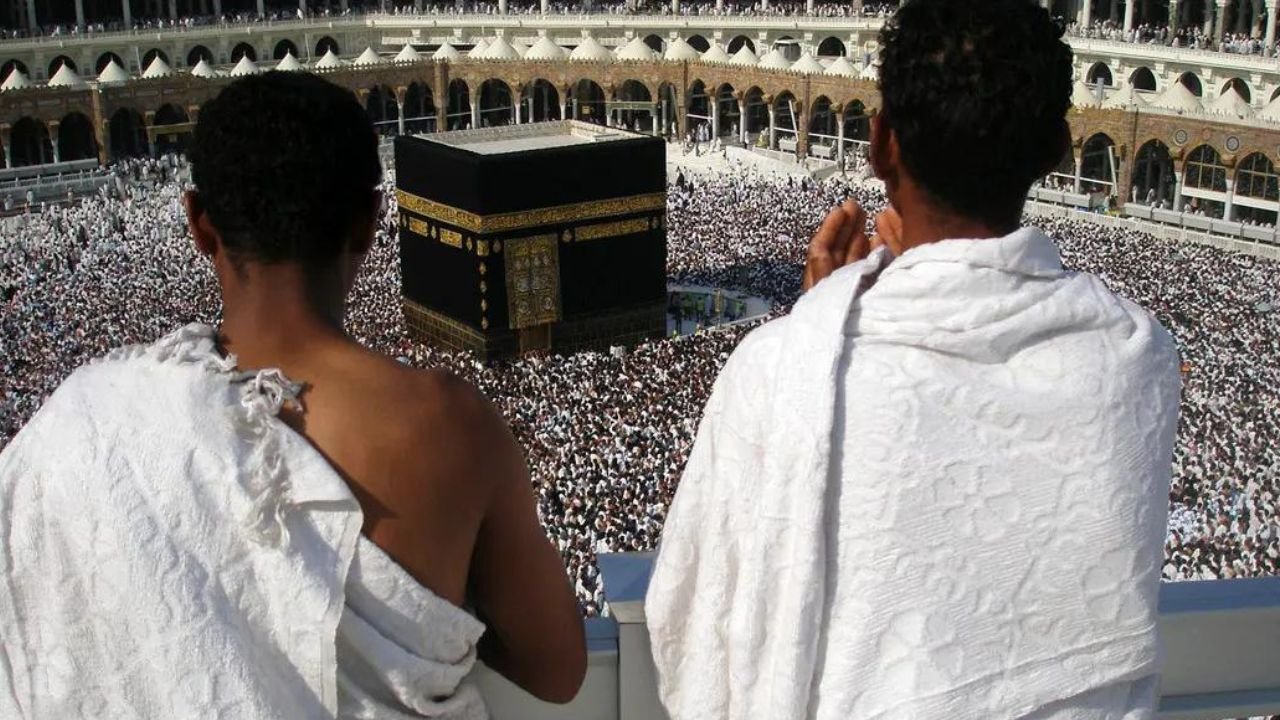
    Caretaker Minister for Religious Affairs and Inter-faith Harmony Aneeq Ahmed has said that the government will provide free-of-cost mobile SIMs with roaming internet packages for pilgrims, on Tuesday.

    He further stated that female abayas having a Pakistani flag on the backside and 13 Kg suitcases will also be provided to pilgrims performing hajj this year.

    The minister said that it was a historic step that the caretaker government has declared a significant reduction of one lac in government Hajj expenses, adding that a further Rs50,000 will also be reduced in the coming few days after which Hajjaj will get back their money in their accounts.

    He further revealed that a new mobile application has been designed to assist pilgrims, which will provide navigation support and enable constant communication between pilgrims and relevant officials.

    Initially available in English and Urdu, the application will later incorporate various regional languages, he said, adding that, the app will also provide digital training programs to every pilgrim.

    The minister also disclosed a project that the Ministry of Hajj in collaboration with the Ministry of Education has planned to convert city mosques into schools to enroll out-of-school children where the Imam of mosques will play a leading role.

    Minister said that mosques will play their role as community centers in every city area, adding that imams will resolve community issues as well after offering prayers.

    He said that the Ministry of Hajj is taking all four provinces on board and enhancing the connectivity of mosques.

    While describing another project, minister for religious affairs said that his ministry with the collaboration of health ministry has another project in which medical clinics will also be part of mosques.

    Lady health workers and other essential staff of doctors will also be provided in all masajid where they will facilitate to citizens visiting inside the masque of areas, he added.

  • More Pakistanis hopeful about economy: survey

    More Pakistanis hopeful about economy: survey

    A survey conducted by IPSOS has revealed that there is an increase in the number of Pakistanis who are hopeful that the economic situation of the country will improve in the next six years.

    The results also show that the fear of losing jobs or work has decreased.

    The survey, based on 1,000 participants across Pakistan, was conducted between October 31 and November 3, 2023.

    There has been an increase from 11 per cent to 25 per cent in people’s optimism of improving their financial conditions in the next six months while pessimism and disappointment has gone down from 60 per cent to 49 per cent.

    No difference has been noted among the people with moderate stance as 26 per cent are neither hopeful nor despondent about their financial situation in the future.

    According to IPSOS, 95 per cent of Pakistanis feared losing employment in the previous survey, but now the number has come down to 88 per cent, indicating an increase in optimism by seven per cent.

    Additionally, the rate of Pakistanis who expressed an inability to save and invest to meet future needs decreased by four per cent, while 92 per cent said they were not able to save.

    Only one in 10 Pakistanis believe that the country is headed in the right direction among whom men are four times more likely to be more optimistic than women.

  • Pakistan forms new body led my three-star military general to expand tax base

    Pakistan forms new body led my three-star military general to expand tax base

    The government has established a new committee, led by a three-star military general, to oversee data integration efforts aimed at expanding the tax base.

    This move precedes the imminent arrival of a technical mission from the International Monetary Fund (IMF), tasked with assessing Pakistan’s tax system.

    Lieutenant General Muhammad Munir Afsar Chairman of the National Database and Registration Authority (NADRA), will head the technical committee, as notified by the Federal Board of Revenue (FBR).

    The newly formed committee will devise proposals for data integration to expand the tax base and formulate an IT infrastructure transformation plan.

    The eight-member committee, consisting of three senior FBR members, has been tasked with crafting a comprehensive plan for data integration. Their primary objective is to significantly increase the number of income tax return filers, aiming to elevate last year’s count of 4.9 million to 6.5 million within the next eight months, as outlined in an official notification.

    As reported by Express Tribune, Pakistan has shared an FBR restructuring plan with the IMF, outlining the integration of 145 entities into the FBR network to expand the tax base. However, the Prime Minister has withheld approval, instructing further refinement to address ambiguities and contradictions in the proposed restructuring plan.

    This strategic initiative aligns with the impending visit of an IMF technical mission to Pakistan, scheduled to commence next week.

    The mission will conduct a thorough review of the country’s tax laws and FBR’s administrative structure, ultimately delivering recommendations within two months. These suggestions may serve as a foundation for the upcoming IMF program.

  • FBR restructuring: Govt plans to separate Customs and revenue collection system

    FBR restructuring: Govt plans to separate Customs and revenue collection system

    Caretaker Finance Minister Dr Shamshad Akhtar has announced that the government is implementing significant restructuring measures within the Federal Board of Revenue (FBR) to eliminate apparent conflicts of interest in tax collection and enhance overall performance. 

    Speaking at the Future Summit organised by the Nutshell Group, she outlined the action plan for restructuring Pakistan’s tax administration, emphasising the crucial aspect of strengthening the internal governance of the FBR. 

    One notable decision involves separating customs from the revenue collection mechanism. Customs will focus on tracking smuggling and related activities, while revenue collection will remain the exclusive mandate of the FBR. 

    Akhtar noted that a formal notification for this change will be issued next week, with additional notifications expected for further FBR restructuring initiatives. 

    Discussing FBR reforms, Akhtar highlighted the adoption of innovative digital technologies to broaden the tax base, minimise the tax policy and compliance gap, and increase tax collection. 

    The government aims to reduce the share of the shadow economy by more effectively identifying non-filers and those under-reporting incomes or business activities. 

    Furthermore, Akhtar revealed plans to separate the tax policy and revenue division, making it an independent entity reporting directly to the Minister of Finance. 

    According to Brecorder, this move aims to eliminate perceived conflicts of interest in tax collection, emphasising the need for fair, equitable, and productive tax policy design. 

    Collaboration with the National Database and Registration Authority (NADRA) is also underway to upgrade data systems, with a technical committee chaired by NADRA and FBR chairpersons established for this purpose. 

    The overall objective is comprehensive tax administrative reforms and increased efficiency in revenue collection.