Tag: economy

  • Finance Minister envisions Pakistan’s economy soaring to $2 trillion by 2047 

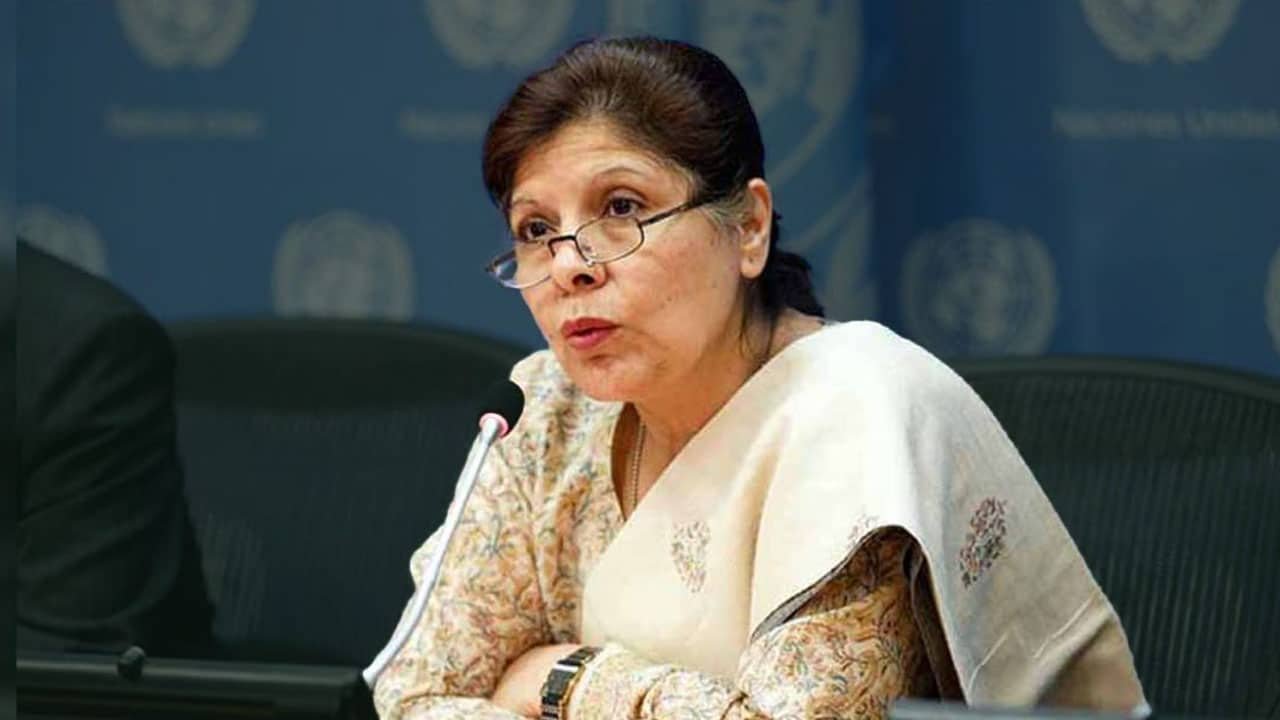
    Finance Minister envisions Pakistan’s economy soaring to $2 trillion by 2047 

    Dr Shamshad Akhtar, the Caretaker Finance Minister, emphasised Pakistan’s significant economic potential, stating that the country could achieve a $2 trillion economy by 2047, as per a World Bank report.  

    Addressing the Future Summit in Karachi, she underscored the importance of adopting robust economic and sector-specific policies, coupled with a resolute commitment to implementing challenging structural reforms. 

    Dr Akhtar highlighted the need for increased innovation and diversification within the economic framework to ensure sustainable growth.  

    Emphasising the role of Development Finance Institutions (DFIs), she noted that institutions with expertise, efficiency, and flexibility could serve as crucial drivers for the growth and development of the capital market. 

    In a recent meeting with the Chairman of the Securities and Exchange Commission of Pakistan (SECP) and heads of DFIs, Dr Akhtar discussed the progress of establishing a private equity and venture capital (PE and VC) fund.  

    While the DFIs reaffirmed their commitment, they also provided insights into the progress made and challenges encountered in the process. 

    Notably, Pakistan, currently under a caretaker government, successfully reached a staff-level agreement with the International Monetary Fund on the first review of a short-term bailout program.  

    This agreement clears the path for unlocking $700 million, a crucial step in mitigating the looming economic crisis.  

    The caretaker government has implemented various fiscal measures, including an increase in the petrol levy, additional taxes, and significant reforms in the power sector, to address the economic challenges effectively. 
  • Saudi Arabia will not use oil as a weapon to achieve ceasefire in Gaza

    Saudi Arabia will not use oil as a weapon to achieve ceasefire in Gaza

    Right before the October 7 attacks by Hamas on Israel followed by Israel’s declaration of war against the Palestinians resulting in a death toll of 10,5000+, Saudi Arabia and Israel were steering towards the establishment of ties despite their conflict of views over the Palestine issue.

    Saudi Crown Prince Mohammad bin Salman (MbS) reportedly asked the US for “security guarantees and access to civilian nuclear technology and advanced weapons in exchange for a deal.”

    Moreover, Saudi diplomats asserted that Israel must concur with the establishment of a Palestinian state as defined in the 2002 Saudi Peace Initiative. And while this particular demand was rejected by Israeli Prime Minister Benjamin Netanyahu and Jewish ministers in his government, a deal was almost at hand between the two countries.

    However, after October 7, people in support of Palestine across the world, particularly the Muslim world, have demanded from Saudi Arabia to take a stand against the atrocities committed by Israel on Palestinian soil — to use their power to put an end to the attacks.

    However, their concerns seem to have fallen on deaf ears.

    The Saudi Minister of Investment, Khalid bin Abdulaziz al-Falih, has remarked that the Kingdom is still willing to consider normalising relations with Israel, depending on a peaceful solution to the Palestinian issue.

    During a discussion session at the Bloomberg New Economy Forum held in Singapore, Falih responded to a question in regard to normalisation of ties between the two countries: “This matter was on the table, and it is still on the table, and it is clear that the recent withdrawal (from the talks) explains why Saudi Arabia is so determined to make a solution to the Palestinian conflict part of broader normalisation in [West Asia].”

    When asked if Saudi Arabia would use economic devices like oil to push for a ceasefire in the Gaza Strip, he reportedly laughed and replied: “This is not on the table today. Saudi Arabia is trying to achieve peace through talks that seek peace.”

    Falih also offered details of the three summits that Saudi Arabia is expected to host in the coming days which will be attended by Arab, African and Islamic countries, an effort to promote a “peaceful solution to the Israeli-Palestinian conflict”.

    In 1973, Saudi Arabia imposed an oil embargo on the United States and other countries for their support of Israel in the Yom Kippur War against Egypt and Syria.

  • Are you interested in newsletters?

    Are you interested in newsletters?

    Newsletters are the best way to get your daily update on news, events, sales, and more.

    Fill out this survey and help us make a newsletter that you need!

  • More imports, less exports: Pakistan’s trade gap grows in October

    More imports, less exports: Pakistan’s trade gap grows in October

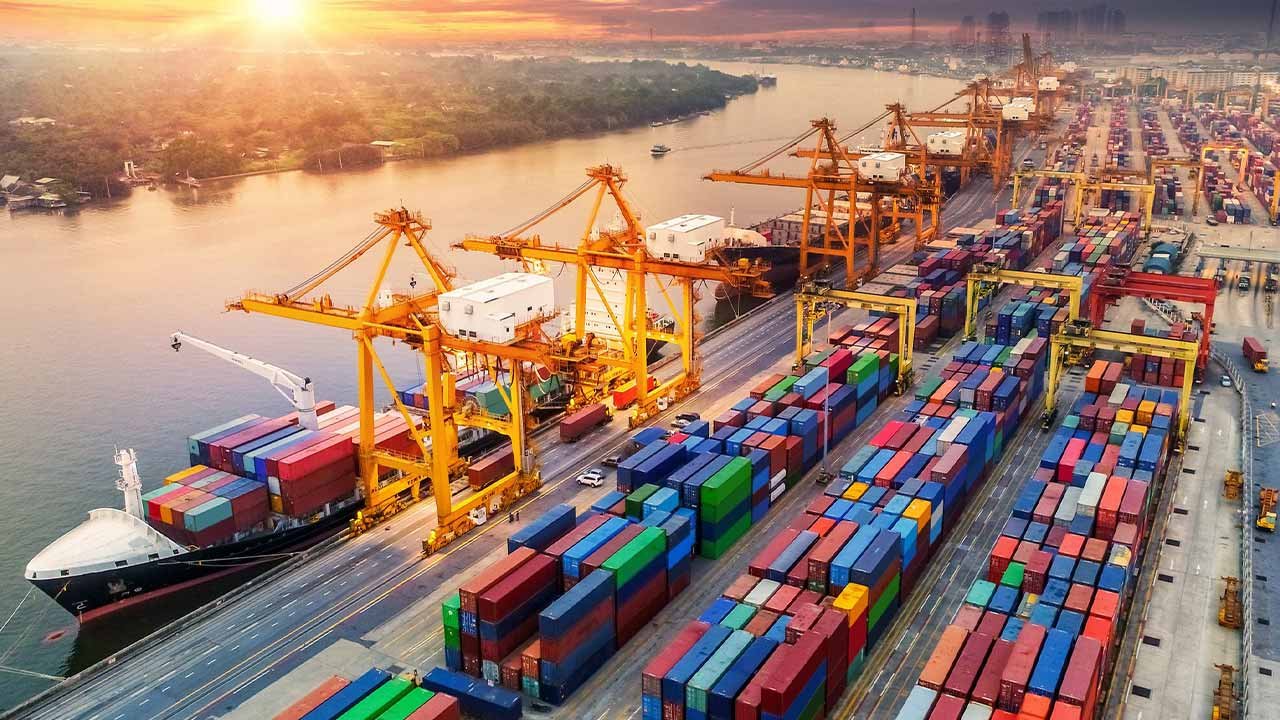
    Recent trade data for Pakistan reveals a monthly trade deficit increase of $0.6 billion, primarily driven by an $0.8 billion surge in imports.

    However, on an annual basis, the trade deficit is gradually shrinking at a modest rate of 4 per cent.

    This is not necessarily negative news, as import restrictions have been lifted as part of the İnternational Monetary Fund (IMF) programme while the economy is experiencing an uptick in demand.

    The encouraging aspect lies in the positive signs displayed by the export sector. The Pakistani rupee (PKR) has depreciated by approximately 35 per cent year-on-year, falling from PKR 220/USD to PKR 280/USD.

    Last year, exporters faced challenges in importing raw materials, machinery, and intermediate goods.

    Consequently, the 14 per cent year-on-year growth in exports, rising from $2.4 billion to $2.7 billion, is a heartening development, provided this trajectory continues.

    Recent measures by the State Bank of Pakistan (SBP) aimed at promoting exports, including competitive gas rates for exporters, reflect a positive intent.

    While industries reliant on gas may require more regionally competitive energy rates, the direction is favorable.

    Moreover, the alignment of open market and interbank exchange rates may encourage a shift from official channels.

    To address Pakistan’s economic challenges, two key corrections are imperative, among many others: increasing tax revenues and enhancing value-added exports.

    Depreciation of the currency alone cannot serve as the sole remedy for stimulating growth.

    To achieve a comprehensive economic framework, it is essential to boost the exports-to-GDP ratio beyond the current 8 per cent.

    This should encourage capitalists to prioritise exports and foreign direct investment (FDI) over property, fixed income, currency, and trading, ensuring sustained double-digit growth over the next five years.

  • World Bank projects only 1.7% growth for Pakistan in FY 2023-24 amid economic challenges

    World Bank projects only 1.7% growth for Pakistan in FY 2023-24 amid economic challenges

    The World Bank has issued a cautious outlook for Pakistan’s economy in the fiscal year 2023–24, projecting a modest growth rate of 1.7 per cent.

    The report, titled “South Asia Development Update Towards faster, cleaner growth,” highlights the fragile economic situation in Pakistan.

    Several factors have contributed to this fragility. The US dollar value of imports decreased by 26 per cent in August 2023 due to low demand and import controls, resulting in input shortages and a 15 per cent decline in industrial production by June 2023.

    Additionally, the economy shrank by 0.6 per cent in the fiscal year 2022–23 due to the impact of 2022 floods, high inflation, and balance of payments challenges.

    Import controls, initially aimed at reducing the trade deficit, hindered the supply of industrial materials and stifled growth.

    While these controls have been removed as part of an IMF lending programme, Pakistan still faces inflationary pressures, tight fiscal policies, and extensive flood damage. Foreign exchange reserves remain low, leaving the country vulnerable to external shocks.

    Pakistan is not alone in its economic struggles. Bangladesh, Pakistan, and Sri Lanka are all facing acute crises with ongoing balance-of-payments issues. These countries have begun implementing IMF-supported policies to address capital outflows and debt sustainability.

    Global factors, such as rising prices due to the end of the pandemic and Russia’s invasion of Ukraine, have exacerbated the challenges faced by these nations, leading to increased current account deficits and currency depreciations. To combat this, import controls have been imposed.

    In Pakistan, consumer price inflation stood at 27 per cent in August, down from a peak of 38 per cent in May, thanks to a stabilised exchange rate and a decline in food prices caused by the previous year’s floods. To address high inflation, the central bank raised its benchmark interest rate to 22 per cent in June.

    Pakistan and Sri Lanka are experiencing severe financial stresses, with low foreign reserve coverage and weak asset quality in both banking and non-banking sectors. The report also highlights the need for investment reforms in several South Asian countries to encourage growth.

    Restrictive import measures in Bangladesh, Pakistan, and Sri Lanka, although aimed at stabilising the external sector, have led to import shortages and economic downturns. Lowering these barriers to trade and capital flows could help boost long-term productivity.

    Lastly, despite adopting debt ceilings and deficit targets, many South Asian countries have high government debt-to-GDP ratios, with Pakistan experiencing fluctuations in government spending during election years.

    In summary, the World Bank’s report paints a cautious picture of Pakistan’s economic prospects, emphasising the need for sustained reforms and addressing various challenges to achieve stable and sustainable growth.

  • Pakistani rupee appreciates by Rs5.07 against US dollar in five days 

    Pakistani rupee appreciates by Rs5.07 against US dollar in five days 

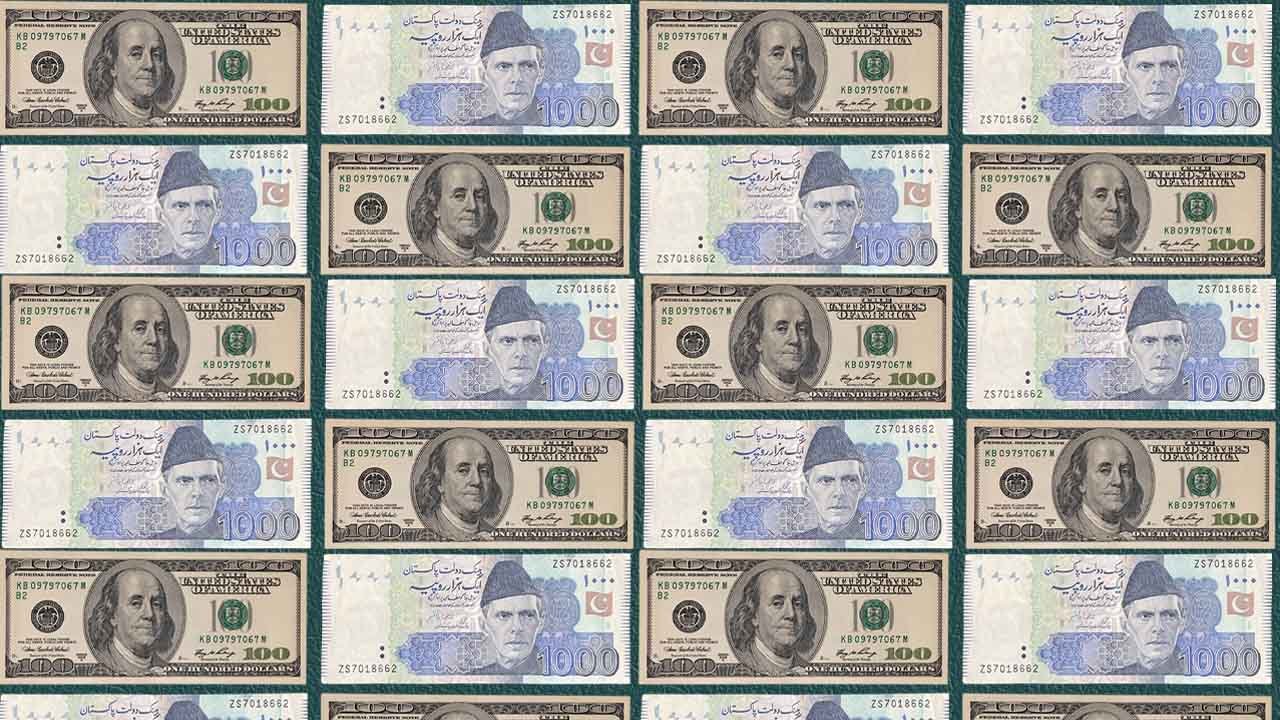
    The Pakistani rupee (PKR) showed a notable increase in value against the US dollar (USD), appreciating by 5.07 PKR in five days to reach a closing rate of 277.62 PKR per USD on Friday. This stands in contrast to the previous week’s closing rate of 282.69 PKR per USD.

    In today’s interbank trading session, the local currency exhibited a gain of 96 paisa. It reached an intraday high (bid) of 278.5 PKR and a low (ask) of 287.55 PKR.

    In the open market, exchange companies adjusted their rates, with the rupee strengthening by 1 PKR. These companies quoted the dollar at 274 PKR for buying and 277 PKR for selling, as opposed to the prior rates of 275 PKR for buying and 278 PKR for selling.

    This increase in the value of the rupee can be attributed to several factors. Notably, there has been a concerted effort, backed by the military, to curtail illegal outflows of US dollars from the country.

    Additionally, the government has implemented various measures aimed at bolstering the local currency.

    Addressing concerns related to Afghan transit trade, Pakistan’s Ministry of Commerce recently took a significant step by imposing a ban on 212 items that were previously imported into Afghanistan through Pakistan under the Afghan transit trade agreement.

    This move, enacted through a Statutory Regulatory Order (SRO) issued on October 3, was executed in accordance with the authority granted by the Imports and Exports (Control) Act of 1950.

    Furthermore, the Federal Board of Revenue (FBR) has imposed a 10% processing fee on five key categories of Afghan transit commercial goods imported into Afghanistan via Pakistan.

    In parallel, the State Bank of Pakistan has introduced recent reforms aimed at consolidating and redefining various types of exchange companies into a single category. These changes come with well-defined mandates and higher capital requirements, ultimately contributing to a more transparent financial landscape.

  • 40% children in Pakistan suffer from malnutrition

    40% children in Pakistan suffer from malnutrition

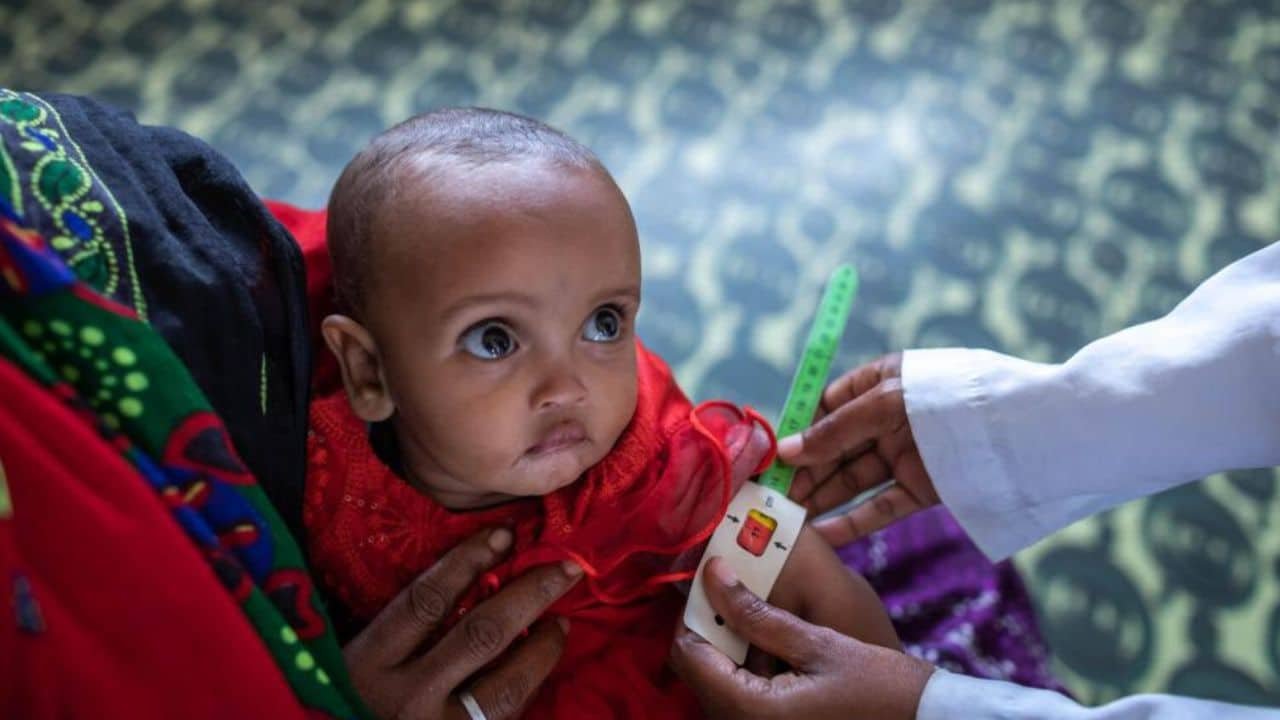
    A recent report by the World Bank has revealed that 40 per cent of children in Pakistan are suffering from food insecurity, adding that most children under the age of five do not have access to clean water and do not have toilet facilities.

    The report also highlights the significance of the first 1000 days after birth that are very important for the mental health of the child because 80 per cent of the child’s mind is formed during this period.

    45 per cent of the Pakistani children who die under five years of age are due to lack of food.

    Additionally, while many children are raised with livestock animals, those who are malnutritioned consume dirt containing livestock waste.

    The World Bank report also reveals that about 50 per cent of the drinking water of Sindh contains bacteria while mothers working with livestock feed their children without washing their hands due to lack of hygiene.

    The World Bank said that comprehensive data on child malnutrition in Pakistan needs to be collected, and programs on child nutrition need to start on an urgent basis.

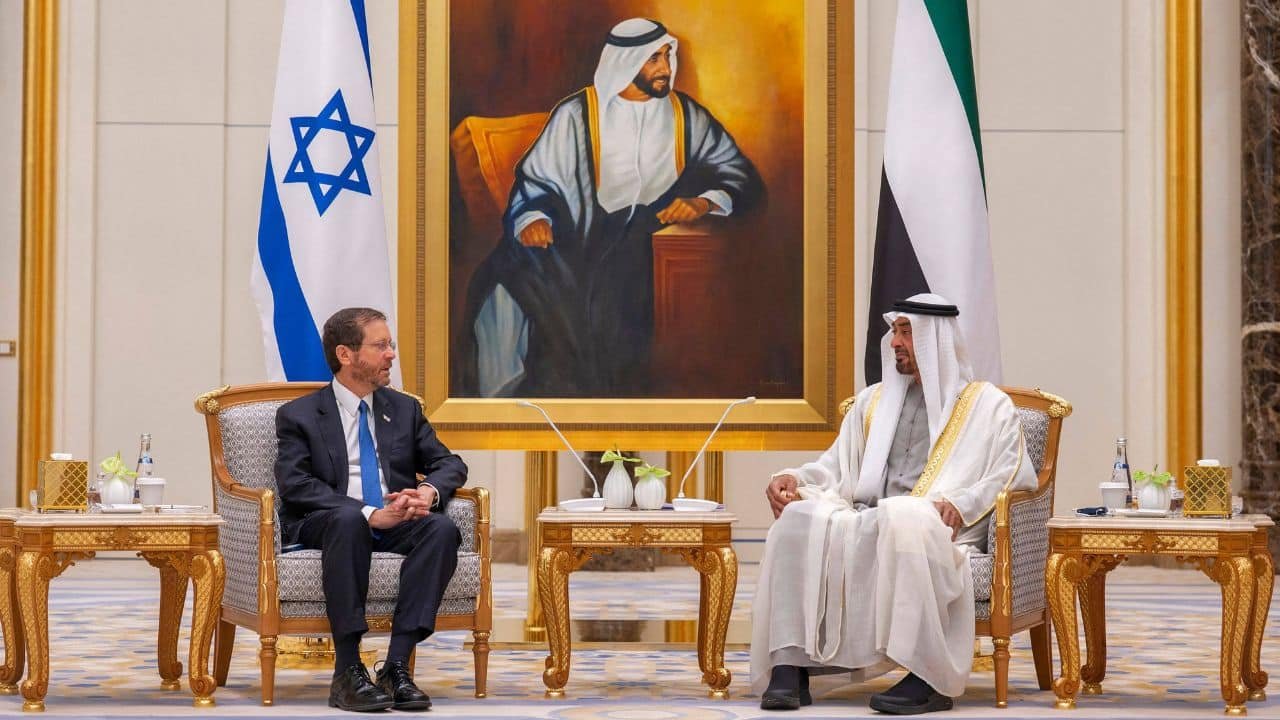
  • Israel-Palestine war will not affect any economic agreements, UAE

    Israel-Palestine war will not affect any economic agreements, UAE

    The trade minister of the United Arab Emirates has clarified that the Israel war on Gaza will not affect any economic agreements.

    “We don’t mix economy and trade with politics,” Thani al Zeyoudi told reporters in Dubai on Tuesday.

    Amidst the decades long pro-Palestine policy of the Arab world, UAE was the first Gulf country to establish relations with Israel in 2020. Is also the first Arab state to have a free trade agreement with Israel as in March, as the two countries signed the Comprehensive Economic Partnership Agreement (CEPA).

    The recent claim is followed by a statement issued by UAE on October 8, 2023, in which the country strongly condemned Hamas attacks on Israelis, stating that, “attacks by Hamas against Israeli towns and villages near the Gaza strip, including the firing of thousands of rockets at population centers, are a serious and grave escalation.”

    The ministry of foreign affairs was “appalled” by the reports of the abduction of Israeli civilians, calling for the protection of civilians on both sides

    “The UAE remains in close contact with all regional and international partners to swiftly de-escalate the situation and restore calm in Israel and the OPT and a return to negotiations for a final settlement within the parameters of the two state solution for Palestinians and Israelis, who deserve to live in peace and dignity.”, the statement concluded.

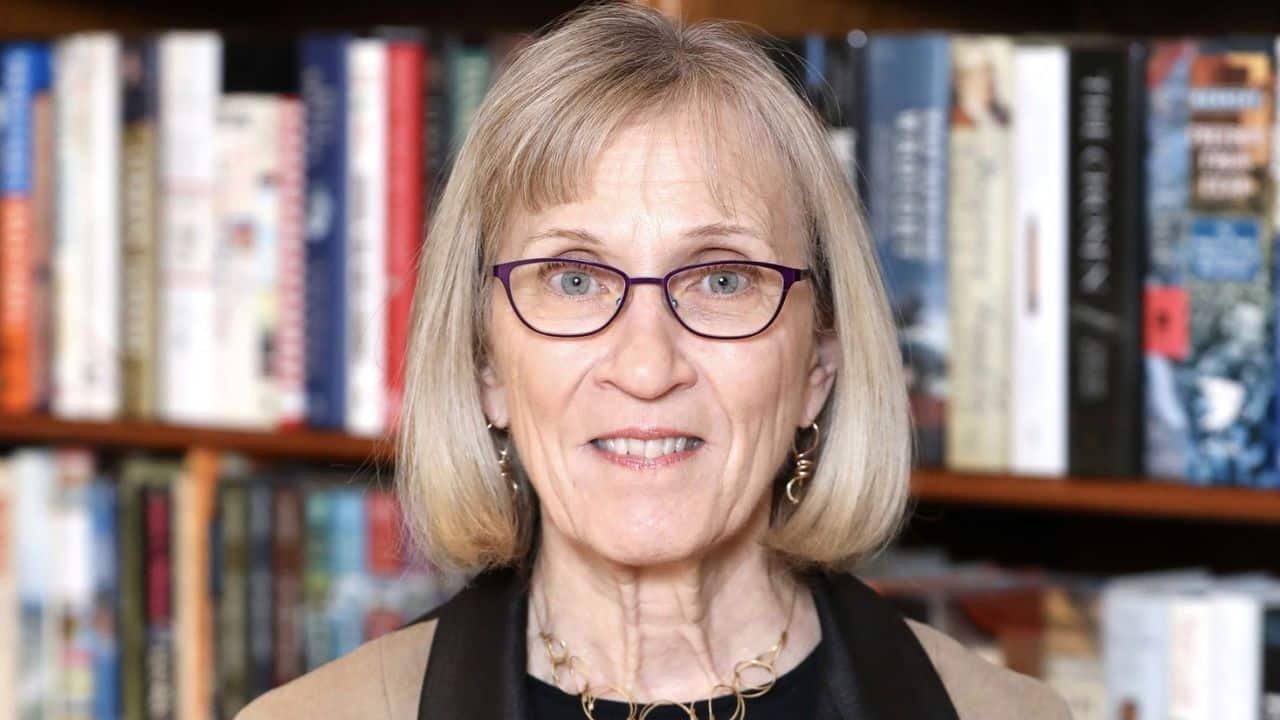
  • Claudia Goldin wins Nobel economics prize for work on women’s pay

    Claudia Goldin wins Nobel economics prize for work on women’s pay

    An economic historian and Harvard professor, Claudia Goldin, has been awarded with the Nobel Prize in economics for her work examining the gender pay gap.

    Goldin’s unprecedented research highlights the fact that women, despite their higher academic qualifications, are paid less than men; and that mostly this difference arises after childbirth.

    “This year’s Laureate in the Economic Sciences, Claudia Goldin, provided the first comprehensive account of women’s earnings and labour market participation through the centuries,” the Royal Swedish Academy of Sciences said on Monday.

    “Her research reveals the causes of change, as well as the main sources of the remaining gender gap.”

    After Elinor Ostrom in 2009 and Esther Duflo in 2019, Goldin is the third woman to be awarded the Nobel Prize in economics — a category with the lowest number of female laureates.

    Goldin’s research examines data tracing 200 years of women’s participation in the workforce in the United States.

    As per her research, a woman’s role in the job market and her pay are, in part, decided by individual decisions, including educational choices, as well as broad social and economic changes.

    The prize committee highlights that while much of the earnings gap historically could be explained by differences in education and occupational choices, Goldin “has shown that the bulk of this earnings difference is now between men and women in the same occupation, and that it largely arises with the birth of the first child”.