Tag: economy

  • PIA’s privatisation plan gets nod from Cabinet Committee

    PIA’s privatisation plan gets nod from Cabinet Committee

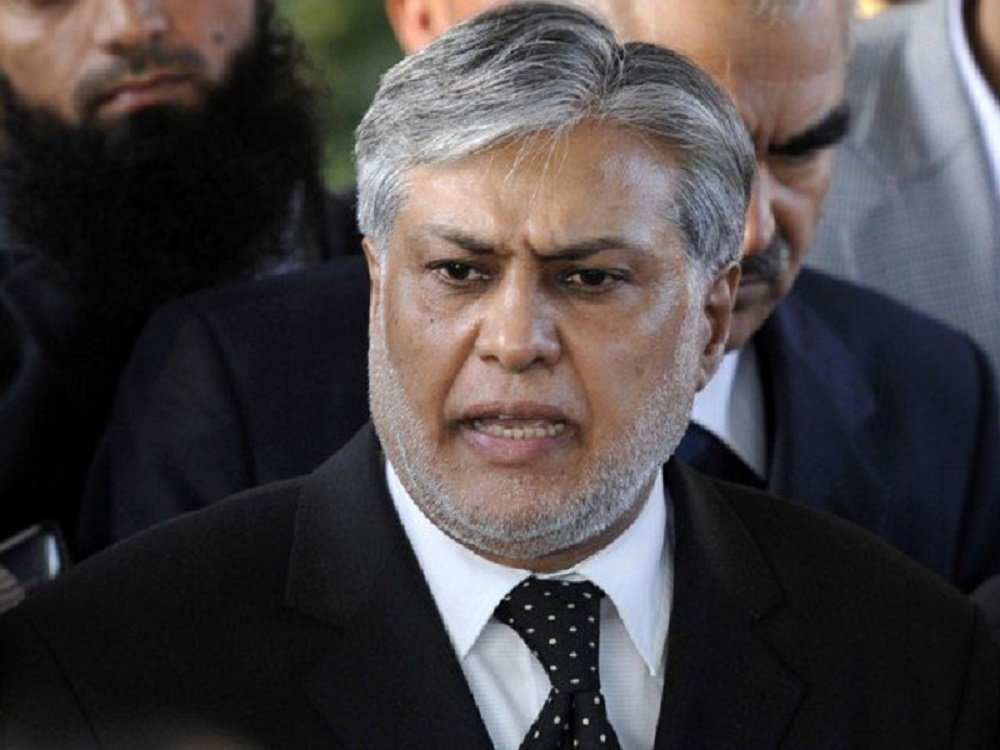
    In a significant development aimed at reviving the fortunes of Pakistan International Airlines (PIA), the Cabinet Committee on Privatisation (CCoP) has given its unanimous approval for the privatisation of the national carrier. The decision was reached during a recent session of the Cabinet Committee on Privatisation, chaired by Finance Minister Senator Ishaq Dar.

    The meeting deliberated on a proposal presented by the Privatisation Commission, advocating for the inclusion of Pakistan International Airlines Co. Ltd. (PIACL) in the ongoing privatisation programme. After thorough consideration and following a crucial amendment in the parliamentary law, the CCoP decided to formally incorporate Pakistan International Airlines Co. Ltd. (PIA) into the list of active privatisation projects.

    A significant aspect of the meeting’s agenda was the Privatisation Division’s detailed presentation on the progress of the Roosevelt Hotel’s privatisation. The Cabinet Committee on Privatisation engaged in an extensive discussion and subsequently granted its consent to the Privatisation Commission’s plan to appoint a Financial Adviser. This Financial Adviser will play a pivotal role in structuring and facilitating transactions related to the Roosevelt Hotel in New York, an asset owned by PIA Investment Limited (PIA-IL).

    Highlighting the urgent need for corrective action, Aviation Minister Khawaja Saad Rafique had previously issued a stark warning regarding PIA’s financial trajectory. If immediate measures were not undertaken, the airline could potentially incur staggering losses amounting to Rs259 billion by the year 2030. Minister Rafique stressed that the transfer of administrative control to the private sector, along with the injection of Foreign Direct Investment (FDI), was essential to mitigate these looming financial challenges.

    In pursuit of this objective, Minister Rafique tabled “The Pakistan International Airlines Corporation (Conversion) (Amendment) Bill, 2023” before the Senate. The proposed amendment to Section 3 of the bill seeks to redefine the ownership and privileges of the company’s shareholders. Additionally, the bill empowers the Federal Government to issue fresh shares or cancel existing ones, further facilitating the necessary structural changes.

    Despite the bold vision presented by Minister Rafique, the bill encountered resistance within the Senate. While emphasising the potential benefits of FDI and private sector involvement, the bill’s proponents faced opposition from certain Senators. In light of these differing perspectives, the Senate Chairman has referred the matter to the relevant standing committee for further deliberation.

    As Pakistan International Airlines embarks on this transformative journey towards privatisation, the nation awaits the outcome of these critical discussions, cognizant of the substantial implications for both the airline industry and the country’s economic landscape.
  • Sharp rise in petrol price drives weekly inflation up, worsening daily struggles for Pakistanis

    Sharp rise in petrol price drives weekly inflation up, worsening daily struggles for Pakistanis

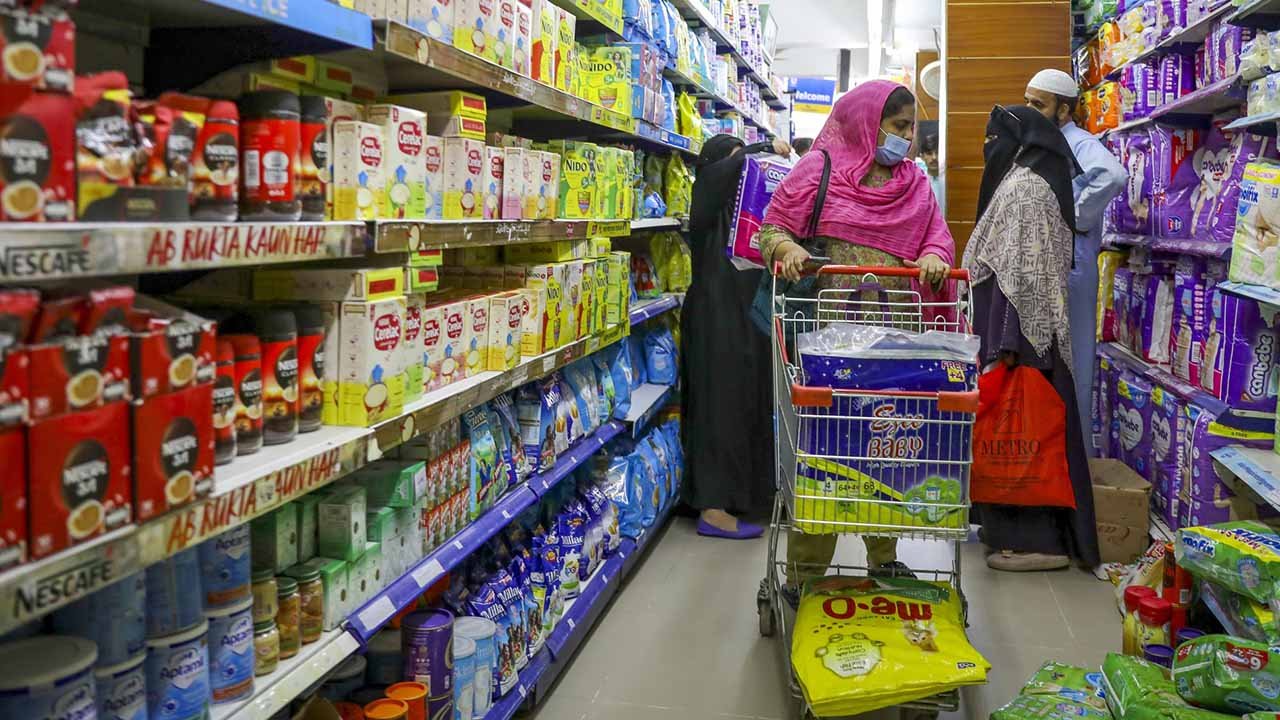
    The Sensitive Price Index (SPI) in Pakistan has risen by 1.30 per cent compared to the previous week, intensifying the financial burden on the already struggling population. The nation is grappling with ever-depreciating financial resources as it faces a sharp increase in petroleum prices and food inflation.

    One of the major contributors to the rising costs is the persistent increase in petroleum and oil prices over the past year-and-a-half. This increase directly affects commuters who have to bear the brunt of higher transportation costs, making it more challenging for them to manage their daily expenses, particularly when it comes to purchasing essential goods like food items.

    Although the SPI has seen a significant decline since reaching its highest level of 48.35 per cent on May 4, the overall inflation remains a concern. The International Monetary Fund (IMF) predicts the Consumer Price Index (CPI) for the current fiscal year to be 25.9 per cent, which is still high despite being lower than the 29.6 per cent recorded in 2022-23.

    According to the latest data released by the Pakistan Bureau of Statistics, the SPI has witnessed a staggering 29.83 per cent jump compared to the same week last year. This increase followed the government’s decision to hike petrol and high-speed diesel prices by Rs19.95 and Rs19.90 per litre, as well as a substantial increase in the rate of liquefied petroleum gas (LPG).

    The outgoing government, whose constitutional term is about to expire on Aug 12, defended the decision to increase fuel prices, citing the recently reached $3 billion IMF deal as being in the national interest.

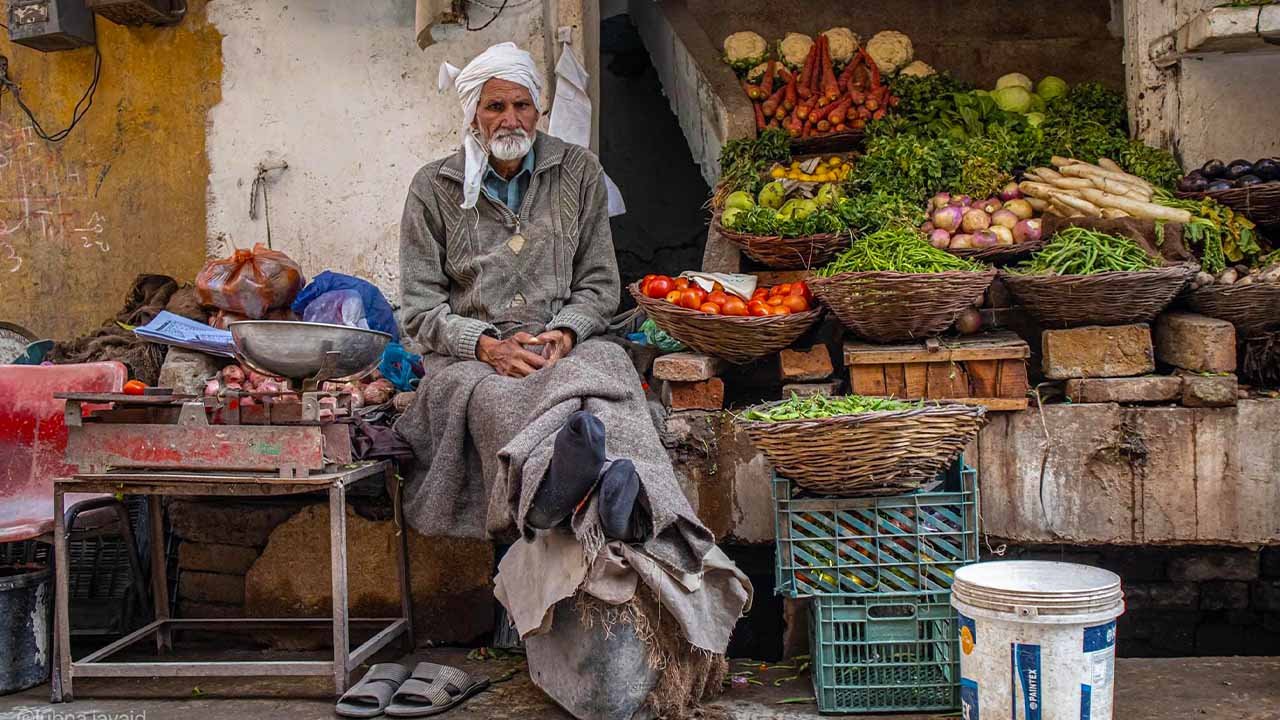
    The SPI, which covers 51 essential items, has seen prices of 23 items go up, 7 items go down, and 21 items remaining unchanged compared to the previous week. The largest week-on-week rise was observed in the prices of tomatoes, increasing by 16.85 per cent, followed by chillies powder (7.58 per cent), garlic (5.71 per cent), onions (5.50 per cent), powdered milk (5.17 per cent), eggs (3.86 per cent), and rice basmati broken (2.06 per cent).

    Looking at the year-on-year comparison, the prices of wheat flour have surged by a staggering 131.40 per cent, while rice basmati broken and rice Irri-6/9 have increased by 82.86 per cent and 72.73 per cent, respectively. This is alarming as wheat flour and rice are staple foods for the majority of the population, and such steep price hikes can exacerbate the existing nutritional deficiencies and lack of protein in the daily diet.

    Adding to the concern is the rising cost of pulses, lentils, chicken, eggs, potatoes, and other vegetables, which are crucial components of the daily diet. This trend points towards a looming food insecurity crisis in Pakistan.

    The situation is expected to worsen as Pakistan must implement the harsh IMF conditions, which revolve around higher prices of utilities and fuel. This will make it even more challenging for the inflation-hit people to sustain the required food intake, leading to further hardship for the already struggling population.

  • Pakistan’s stock market crosses 48,000 mark after two years

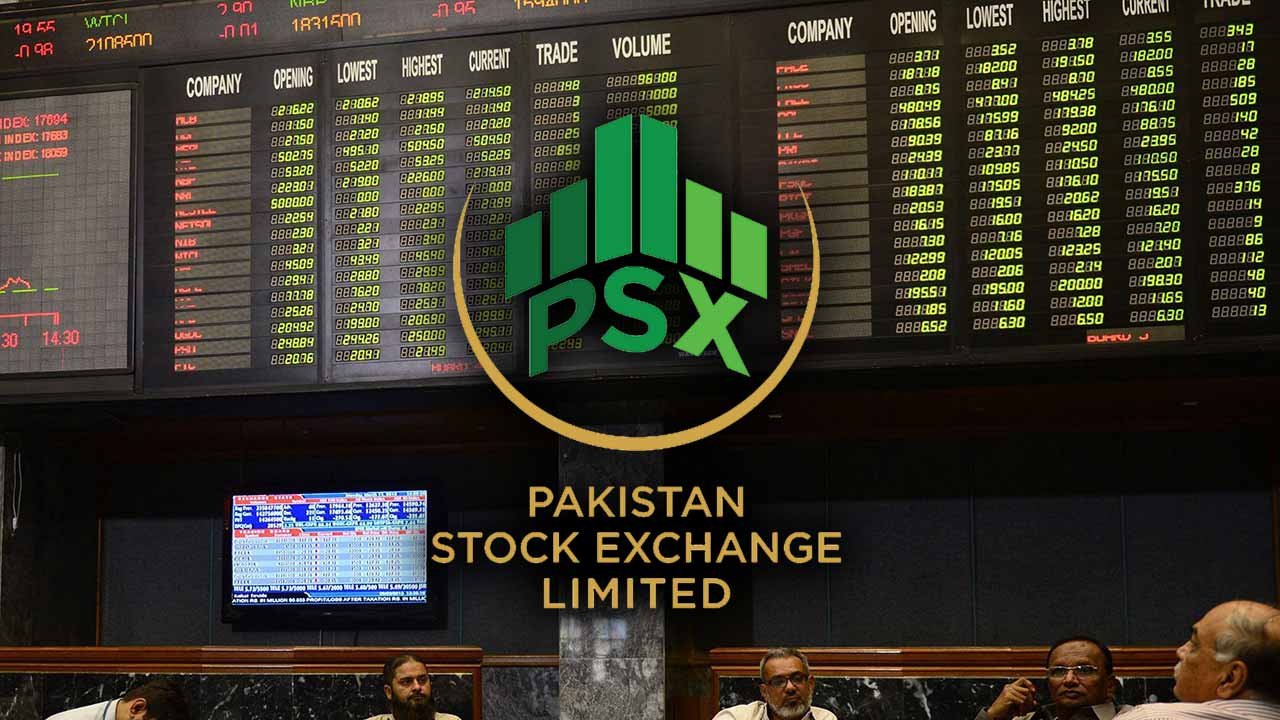
    Pakistan’s stock market crosses 48,000 mark after two years

    The Pakistan Stock Exchange’s (PSX) benchmark KSE-100 index soared past the 48,000 mark, reaching a 24-month high, on Monday, as investors responded to recent positive economic developments in the country. Analysts predict that the prevailing positive sentiment is likely to continue in the coming days.

    The bullish trend in the market gained momentum after Pakistan reached a deal with the International Monetary Fund (IMF). The agreement with the IMF has provided investors with renewed confidence in the country’s economic prospects, leading to a surge in market activity.

    Additionally, news on Pakistan’s mineral sector contributed significantly to the market’s gains. The announcement of favorable developments in the country’s mineral sector further boosted investor optimism and drove the benchmark index to reach new heights.

    During intra-day trade, the KSE-100 index saw a significant increase of 1,010.72 points or 2.15 per cent, culminating at 48,062.56 points. This remarkable rise marks a notable increase from the previous close of 47,076.9 points, which itself was a 21-month high.

    The impressive growth of the market has been sustained over time, as evidenced by a remarkable overall gain of more than 6,600 points (+15.9 per cent) since the staff-level agreement was reached with the IMF. The deal, which amounted to a $3 billion Standby Agreement, has been instrumental in driving investor confidence and attracting more capital to the market.

    Financial experts and market observers are optimistic about the future trajectory of the Pakistan Stock Exchange, given the positive economic indicators and recent developments in the country.

    The confidence in the market has sparked interest from both local and international investors, resulting in increased trading volumes and a positive impact on the overall economy.

  • We’re not shocked: Salaried class pays 200% more tax than exporters, retailers

    We’re not shocked: Salaried class pays 200% more tax than exporters, retailers

    In the fiscal year 2022-23, Pakistan’s salaried class emerged as the leading contributor to the nation’s income tax, making a substantial contribution of Rs264.3 billion. Astonishingly, this amount was nearly 200 per cent higher than the combined income tax paid by the country’s exporters and largely undertaxed retailers.

    Data collected and released by the Federal Board of Revenue (FBR) unveiled that salaried individuals paid a total of Rs264.3 billion in taxes during the fiscal year, marking an impressive increase of over Rs75 billion or 40 per cent compared to the previous year. This rise was attributed to the imposition of up to a 35 per cent tax rate on their earnings.

    Ranked as the fourth-largest contributor to withholding taxes, following contractors, bank depositors, and importers, the salaried class has faced increased taxation in the latest budget. Despite grappling with this added burden alongside historically high inflation rates, the government once again raised taxes on salaried individuals earning more than Rs200,000 per month in the recent budget. In a surprising move, around 5,000 retailers were relieved from stricter registration conditions.

    It is noteworthy that during the preceding fiscal year, the FBR managed to collect over Rs2 trillion through withholding taxes, accounting for 61 per cent of the total income tax generated in the same period. However, concerns were raised over the ease of collecting withholding taxes, especially from non-filers at double rates, which has become a reliable revenue source for the FBR.

    The Salaried Class Alliance expressed apprehension over the prioritisation of additional taxation on existing taxpayers while allowing the informal sector to thrive. The highest income tax collections came from contractors, savings account holders, importers, salaried individuals, non-filers’ electricity bills, telephone & mobile phone users, and dividend income. According to Express Tribune, other significant contributors included taxes on property transactions, exports, foreign income fees, brokerage commissions, and car registrations.

    Comparatively, provisional figures revealed that exporters and retailers combined paid Rs175 billion less in taxes compared to the salaried class. Despite earning $27.7 billion during the last fiscal year, exporters contributed only Rs74 billion in taxes. Although their tax contribution increased by 17.4 per cent from the previous year, it did not match the rise in their income in rupee terms. Retailers, subject to a 0.5 per cent advance tax on sales, contributed a mere Rs15.6 billion, reflecting the lowest contribution among income groups. Surprisingly, despite accounting for approximately 19 per cent of the economy, retailers and wholesalers only contributed 0.4 per cent to the total income tax collection.

    The approach of the International Monetary Fund (IMF) came under criticism for disproportionately burdening the salaried class, which lacks representation in the corridors of power, unlike exporters and retailers.

    Lastly, tax collection from contractors and service providers reached an impressive Rs391 billion in the last fiscal year, marking the largest single-income tax collection head over which the FBR has no control. Additionally, profits on debt witnessed a remarkable 106 per cent increase, amounting to Rs320 billion, reflecting higher interest rates and increased savings. Importers also contributed significantly, paying Rs290 billion in income tax on various types of imports, ranking as the third-largest contributor to withholding taxes.

  • Slow economic growth and inflation challenges persist in Pakistan: ADB Outlook Report

    Slow economic growth and inflation challenges persist in Pakistan: ADB Outlook Report

    During the last fiscal year, Pakistan faced the twin challenges of low economic growth and high inflation, in contrast to other South Asian countries.

    According to the Asian Development Bank (ADB), to foster economic improvement, Pakistan must continue implementing reforms under the new IMF programme.

    However, the ADB’s Outlook Report predicts that the economic growth rate in the upcoming financial year is expected to remain sluggish, similar to the performance observed in the previous fiscal period.

    The primary reasons for the slow economic growth were last year’s floods and the implementation of strict monetary and fiscal policies.

    The ADB’s report also highlights that inflation in Pakistan exceeded expectations during the past year. This inflationary pressure was further exacerbated by increased demand for commodities.

    In comparison, India is projected to experience a growth rate of 6.7 per cent, Sri Lanka 1.3 per cent, and Bangladesh at a rate of 6.5 per cent.

  • Pakistan’s weekly inflation reaches lowest point at 28.6% since October 2022

    Pakistan’s weekly inflation reaches lowest point at 28.6% since October 2022

    The Sensitive Price Indicator (SPI) recorded a weekly inflation increase of 0.70 per cent, reaching 28.55 per cent on a year-on-year basis for the week ending June 6.

    This represents the lowest rate since October 20, 2022, when SPI inflation stood at 27.1 per cent. Furthermore, short-term inflation surged to an all-time high of 48.35 per cent for the period ending on May 4.

    During the week, a total of 51 items were monitored, and their price movements were analysed. Out of these items, 24 (47.06 per cent) experienced price increases, 10 (19.61 per cent) witnessed price decreases, and 17 (33.33 per cent) remained stable.

    This table showcases the items that recorded either an increase or decrease in their average prices during the specified week:

    Item Increase/Decrease
    Tomatoes Increase (42.25%)
    Onions Increase (8.70%)
    Potatoes Increase (4.79%)
    Wheat flour bag 20 kg Increase (4.05%)
    Gur Increase (4.01%)
    Sugar Increase (3.48%)
    Shirting Increase (3.02%)
    Hi-speed diesel Increase (2.95%)
    Garlic Increase (1.90%)
    Matchbox each Increase (1.66%)
    Curd Increase (1.43%)
    Pulse mash Increase (1.29%)
    Fresh milk Increase (1.20%)
    Rice irri-6/9 Increase (0.74%)
    Rice basmati broken Increase (0.67%)
    Mustard oil Increase (0.59%)
    Prepared tea Increase (0.56%)
    Long cloth 57″ Gul Ahmed/Al Karam Increase (0.51%)
    Mutton Increase (0.40%)
    Beef with bone Increase (0.39%)
    Toilet soap Increase (0.24%)
    Powdered milk Nido 390 gm polybag each Increase (0.13%)
    Georgette Increase (0.08%)
    Cooked daal Increase (0.04%)
    Bananas Decrease (7.51%)
    Chicken Decrease (2.80%)
    Eggs Decrease (1.17%)
    LPG Decrease (0.96%)
    Vegetable ghee Dalda/Habib 2.5 kg tin each Decrease (0.74%)
    Cooking oil Dalda or other similar brands, 5L Decrease (0.72%)
    Vegetable ghee Dalda/Habib or other superior quality, 1 kg pouch each Decrease (0.81%)
    Pulse masoor Decrease (0.47%)
    Pulse moong Decrease (0.31%)
    Pulse gram Decrease (0.24%)
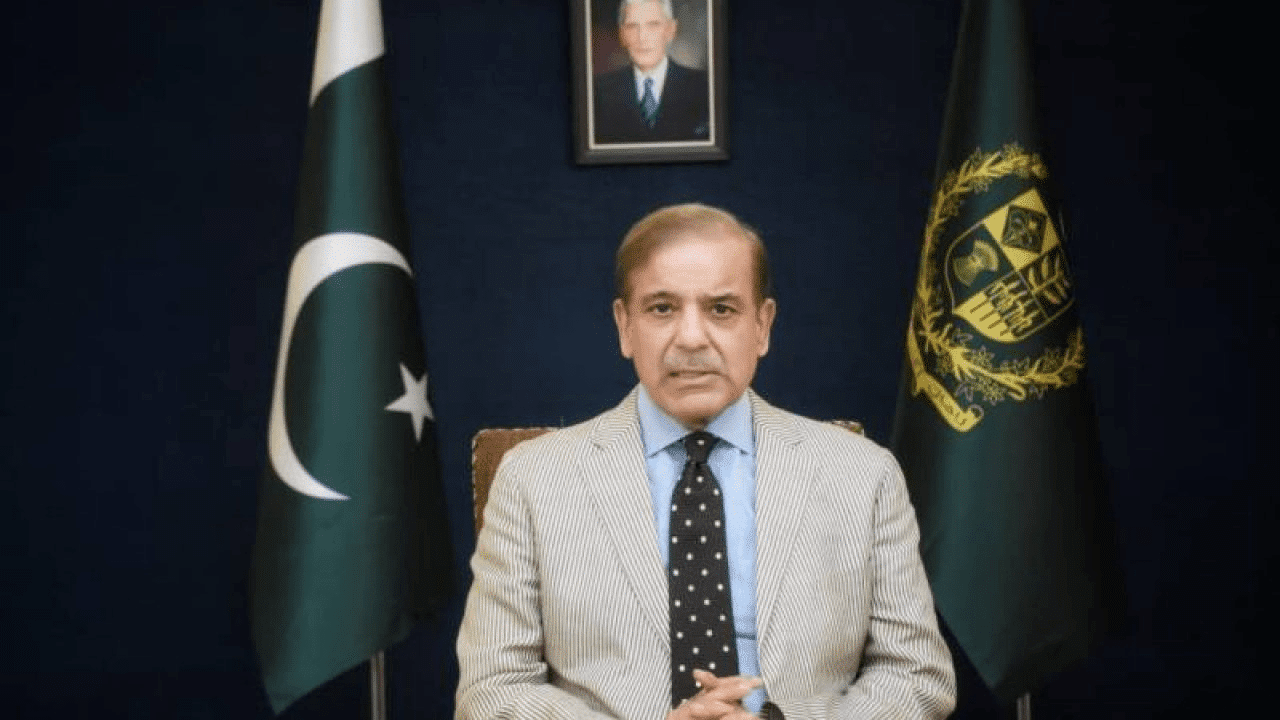
  • The journey of economic progress will pick up pace: PM Shehbaz

    The journey of economic progress will pick up pace: PM Shehbaz

    Prime Minister Shehbaz Sharif congratulated the nation and the business community on the start of business activities with a remarkable flow of 2231 points in the stock exchange on the first day of the week.

    In a statement, the PM said that the country’s economic recovery has started, crediting it to the continuous hard work and effective policies of the government.

    The PM said that the journey of economic development, reduction in inflation, and progress in Pakistan is going to restart again. Shehbaz Sharif further said that the country is again on the track of development.

    He congratulated the nation, saying a new light of hope had emerged after severe disappointments, after the staff-level agreement with the International Monetary Fund (IMF).

    He further said that the country will continue the journey of economic development and stability with the same hard work and passion.

    The PM also said that the journey of progress will pick up pace in multiple sectors like agriculture, Information Technology (IT), and industry.

  • Army Chief to be member of govt’s Special Investment Council

    Army Chief to be member of govt’s Special Investment Council

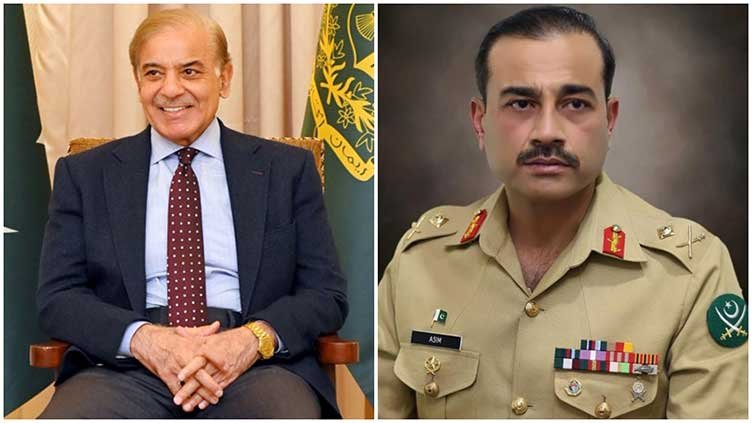
    The Chief of Army Staff (COAS) will be a member of the government’s Special Investment Facilitation Council (SIFC) tasked to find untapped potential and attract foreign investment during the economic crisis.

    The military will play a key role in SIFC as a coordinator and Army Chief will be the member of SIFC, Arab News has reported.
    Pakistan is facing one of its worst economic crisis due to delay in securing funding from the International Monetary Fund (IMF) while inflation reached historic highs.

    “Employing a whole-of-the-the-government approach, the coalition government has decided to set up a Special Investment Facilitation Council (SIFC) with a mandate to frame economic policies that ensure policy predictability, continuity & effective implementation to revive the economy,” Prime Minister Shehbaz Sharif said on Twitter.

    The main purpose of the plan is utilizing Pakistan’s untapped potential in major industries including energy, minerals and mining, agriculture and livestock, IT and defense production through both domestic development and foreign investments.
    The military will have a significant presence in SIFC, with the army chief as a member of its apex committee. The director general of the body’s implementation committee will also be an army official.
    Shehbaz Sharif said that the key goal of SIFC is attracting investment from friendly countries. He further added that “collective wisdom” is essential to tackle economic challenges.

  • ‘Apologise to the nation for record-high 38% inflation’: PTI wants Dar to resign

    ‘Apologise to the nation for record-high 38% inflation’: PTI wants Dar to resign

    A spokesperson for Pakistan Tehreek-e-Insaf (PTI) in a statement on Friday said that they want Finance Minister Ishaq Dar to resign and apologise to citizens for taking the country to the brink of default and unleashing 38 percent inflation.

    The PTI spokesperson further said that the Economic Survey FY2023 “paints a truly dismal picture of the economy”.

    “The epic failure of the PDM government has led to a ‘never-seen-before’ crisis with eight million workers becoming unemployed in FY2023, the unemployment rate rising to 10%, and causing nearly 18 million households to fall below the poverty line.”

    “The epic failure of his ‘Dar peg’ policy has showcased again why we believe he is unfit for this job, with a complete lack of basic understanding of markets and economic policy. This policy has brought the economy to the brink of a default, with SBP reserves now standing at only $3.9bn, not even enough to finance one month of imports. They were $10.5 billion at the time of the VONC,” the statement added.

    Amidst the economic crisis, the coalition government presented an expansionary budget for fiscal year 2023-24 on Friday.

  • Consumer suffering intensifies: Pakistan’s weekly inflation skyrockets to 42.67%

    Consumer suffering intensifies: Pakistan’s weekly inflation skyrockets to 42.67%

    Inflation in Pakistan continues to surge as the Sensitive Price Indicator (SPI) recorded a significant increase, jumping to 42.67 per cent on a year-on-year basis for the week ending on June 1, according to official data released by the Pakistan Bureau of Statistics (PBS). The weekly inflation showed a marginal increase of 0.03 per cent compared to the previous week.

    The short-term inflation, measured by the SPI, reached an all-time high of 48.35 per cent for the period ending on May 4, highlighting the ongoing challenges faced by the economy. The Combined Index, a comprehensive measure of inflation, stood at 254.13 compared to 254.05 on May 25, 2023, and marked a significant increase from 178.12 recorded on June 2, 2022.

    The PBS report revealed that out of the 51 monitored items, the average prices of 19 items increased, 14 items witnessed a decrease, while 18 items remained unchanged during the week under review. This data indicates the volatile nature of prices in the current market.

    Analyzing the SPI change across different income groups, the weekly percentage change showed a mixed trend, ranging between -0.1 per cent and 0.12 per cent. However, on a yearly basis, the SPI increased across all quantiles, ranging between 40.2 per cent and 43.49 per cent, suggesting the broad impact of inflation across various income segments.

    Additionally, the statistics bureau reported that Pakistan’s annual inflation rose to 37.97 per cent year-on-year in May, further confirming the country’s highest-ever inflationary period. The Consumer Price Index (CPI) recorded 36.4 per cent in April, which at the time was already the highest level according to the bureau’s historical records.

    Furthermore, the month-on-month rise in May was reported to be 1.58 per cent, with the bureau highlighting significant increases in the prices of vegetables, pulses, and chicken. These factors contribute to the overall rise in the cost of living and put additional strain on households and businesses alike.

    The continuous surge in inflation poses significant challenges to the economy, affecting consumers’ purchasing power and increasing the cost of doing business. The government and relevant authorities are urged to take immediate measures to stabilize prices, address supply chain issues, and implement effective policies to alleviate the impact of rising inflation on the population.

    As the situation unfolds, policymakers and economists will closely monitor the inflationary trends, devising strategies to bring stability and mitigate the adverse effects on the economy and the welfare of the people.