Tag: Edible oil

  • Weekly inflation in Pakistan jumps to 41.07% due to edible oil, sugar prices

    Weekly inflation in Pakistan jumps to 41.07% due to edible oil, sugar prices

    According to data provided by the Pakistan Bureau of Statistics (PBS) on Friday, edible oil, sugar, and vegetables helped drive the weekly inflation up to 41.07 percent on an annual basis.

    Sensitive Price Index (SPI) measurements of short-term inflation were still on the high side and would go up much more once customers start to feel the full effects of increased electricity tariffs.

    The cost of bananas, chicken, sugar, cooking oil, gas, and cigarettes increased for the week ending March 2, despite a 0.30 percent weekly decline in inflation.

    Of the 51 items, 32 saw price increases, nine saw price decreases, and 10 witnessed no change in price.

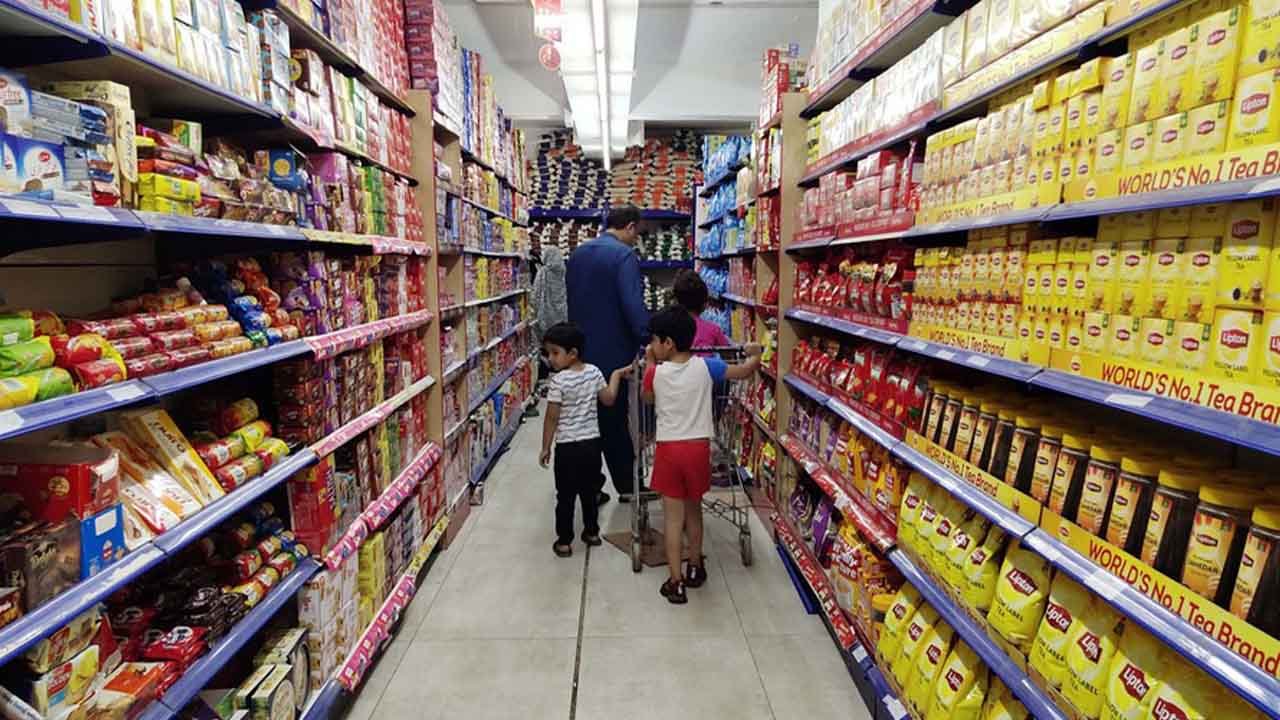
    The items whose prices rose the greatest during the reviewed week in comparison to the same week last year were: onions (311.17 per cent), cigarettes (165.86 per cent), gas charges for Q1 (108.38 per cent), diesel (93.82 per cent), petrol (77.89 per cent), eggs (77.83 per cent), rice irri-6/9 (76.96 per cent), rice basmati broken (75.55 per cent), pulse moong (73.30 per cent), bananas (72.66 per cent), chicken (64.70 per cent) and tea Lipton (64.53 per cent).

    Moreover, the highest year-on-year fall was recorded in the prices of tomatoes (56.29 per cent), chillies powdered (7.42 per cent).

    The prices of bananas (7.34 per cent), long cloth (3.44 per cent), energy saver (3.33 per cent), 1Kg vegetable ghee (2.48 per cent), gur (2.03 per cent), cooked daal (1.87 per cent), Lipton tea (1.79 per cent), match box (1.66 per cent), lawn printed (1.52 per cent), 5-litre cooking oil (1.45 per cent), and sugar (1.07 per cent) experienced the biggest week-on-week increase.

    On the other hand, the prices of onions (13.24 per cent), eggs (6.11 per cent), garlic (4.24 per cent), chicken (2.00 per cent), tomatoes (0.59 per cent), gram pulse (0.38 per cent), and potatoes (0.33 per cent) decreased compared to the previous week. However, LPG (1.84 per cent) and petrol (1.80 per cent) saw an increase in prices.

    The government, under the IMF’s conditions, has been implementing strict measures to cool the economy and curb inflation. The policy rate increase and the general sales tax increase from 17 per cent to 18 per cent are expected to further increase the retail price of consumer goods.

    To generate revenue and bridge the fiscal deficit, the government has already taken several measures, including adopting a market-based exchange rate, increasing fuel and power tariffs, withdrawing subsidies, and imposing more taxes.

    As a result of these measures, the government has revised its annual inflation rate projection from 26 per cent to 31 per cent.

  • Here’s how chicken prices surpassed beef prices for the first time in Pakistan

    Here’s how chicken prices surpassed beef prices for the first time in Pakistan

    Owing to a major shipment that has been stuck at Port Qasim in Karachi for several months, chicken prices have sharply increased and surpassed beef prices (with bones) for the first time in thirty years.

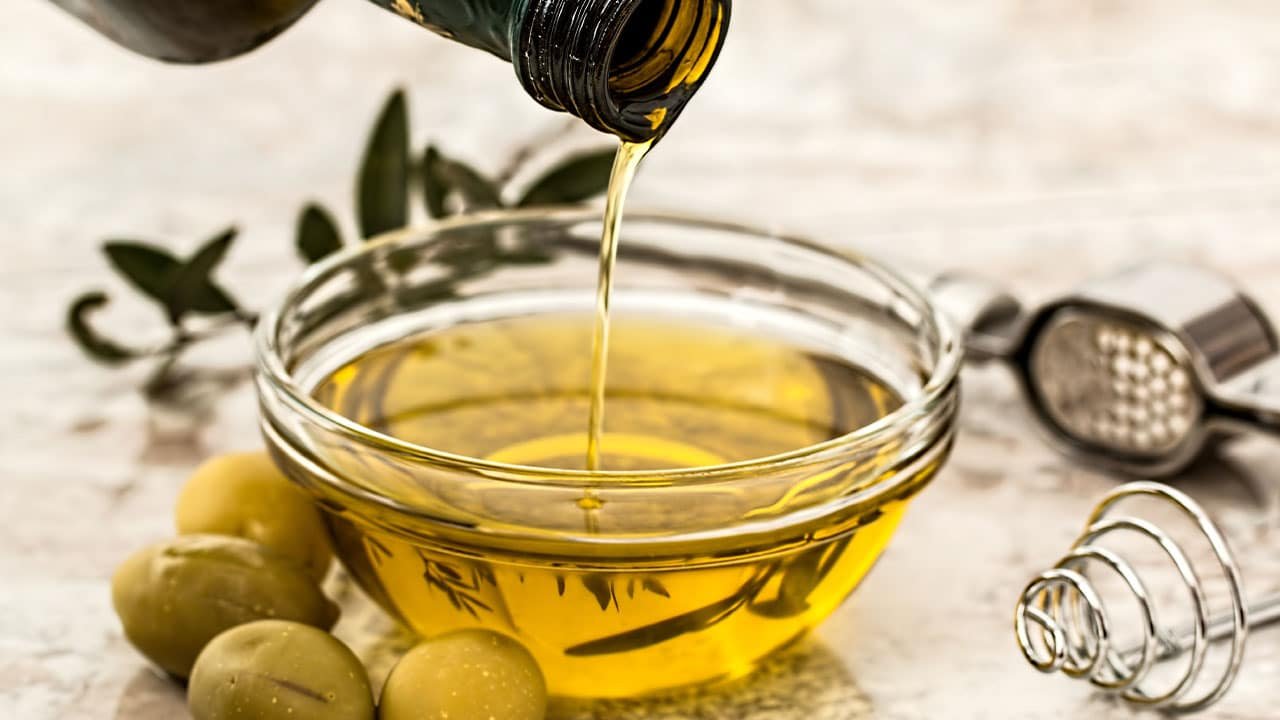
    A shipment of soybean seeds worth $100 million was halted in October 2022 at Port Qasim in Karachi. These oilseeds were designed to be crushed rather than planted. One of the main components of the edible oil used in Pakistan is the liquid that is produced when the seeds are pressed.

    Being one of the biggest importers of palm seeds, soybeans, and other oilseeds from nations like Malaysia, Pakistan is heavily dependent on these oilseeds to meet its demands for edible oil. But because they are also used as cattle feed, these oilseeds serve yet another crucial role in the food chain.

    The solid parts of the seeds are left behind when oilseeds like soybeans are pressed to produce edible oil. Then, “oil cakes” made from this fiber- and protein-rich material are fed to cattle and birds as food.

    The majority of these livestock’s “meals” up until 2015–16 were made from locally obtained cotton seeds. Since they are more nutritive than cotton seeds, soybean meals have gained popularity in recent years. Pakistan consumes 2 to 2.8 million tonnes of these meals each year.

    This indicated that when the soybean shipments were stopped at the port, the poultry business was also shocked in addition to the edible oil industry. Feed for chickens was suddenly unavailable, and prices began to soar.

    Since Pakistan is a signatory to the Cartagena Protocol for Biosafety, the environmental ministry was authorised to halt the exports of genetically modified soybean seeds at the port.

    Several issues arose with this. First of all, despite widespread scaremongering, GMOs have never been proven to be dangerous for human consumption. Second, these oilseeds weren’t intended to be planted solely for the purpose of extracting edible oil and as a component in the poultry industry.

    One of the worries was that since hens were being fed with these GMO oilseeds, the ‘harmful consequences’ from these GMOs would eventually move into the chickens and reach the populace, according to Food Security Minister Tariq Bashir Cheema.

    This argument has a flaw in that Pakistani poultry has been fed oilseed diets made from GMOs since at least 2005. Cottonseed meals, which are generated by genetic modification in Pakistan, are a significant component of the poultry diet.

    As things stand, a sizable portion of the population no longer has access to one of its main sources of protein because of the skyrocketing price of chicken. Mutton and beef prices have risen faster than the Consumer Price Index (CPI) during the last few decades.

    According to Profit, only chicken costs increased more slowly than the CPI during this entire period, making it the only protein source. With chicken now costing more than beef on the open market, the population’s nutritional impact might be affected in the long run.

  • Edible oil and ghee prices may decrease soon: Miftah Ismail

    Edible oil and ghee prices may decrease soon: Miftah Ismail

    The price of edible oil and ghee has decreased, according to Finance Minister Miftah Ismail, who expressed hope that the reduced costs will result in a reduction of Rs100 to Rs150 in the price of edible oil in the local market.

    The finance minister expressed optimism about lower petroleum product prices in the near future while speaking at a press conference alongside Bilal Kayani, a member of the Ministry of Finance’s Privatization Committee.

    He claimed that because the price of crude on the international market had dropped to $100, Pakistan’s citizens would “benefit” from lower prices at the “right time.”

    Miftah noted that lower pricing will also result in lower import costs for Pakistan.

    The finance minister continued to criticise the Pakistan Tehreek-e-Insaf (PTI) administration, stating that the previous administration had left an economic minefield but that despite difficulties, the economy was now stabilising and foreign exchange reserves were increasing.

    Imran’s administration left behind a “record trade deficit,” Miftah continued. The finance minister explained the $6 billion loan package for Pakistan from the International Monetary Fund (IMF) and expressed optimism that any outstanding concerns will be handled quickly so that the nation may get the next instalment.

    Additionally, he stated that because wheat prices were stabilising on the global market and that tenders will soon be opened, flour prices would decrease on the local market.

    Due to the fact that Russia and Ukraine are two of the world’s top producers of wheat, wheat prices reached historic highs at the commencement of the Russo-Ukrainian War in February of this year.

    The country’s persistent power shortage was also brought up by the finance minister, who noted that current generation levels are below the necessary 30,000, but expressed optimism that the problem would be resolved in the upcoming weeks.

    He claimed that the PTI government failed to release LNG tenders in a timely manner, which is why there is currently a shortage of liquified gas, and blamed the Imran-led government for the power problem.

    Major LNG producers throughout the world are now supplying Europe with LNG as a result of the continent’s reduction in its reliance on Russian gas, and fuel is in short supply for other consumers.

    The government is vigorously supporting the use of solar energy, Miftah continued, and a nuclear power plant will soon be put into operation.