Tag: editorial

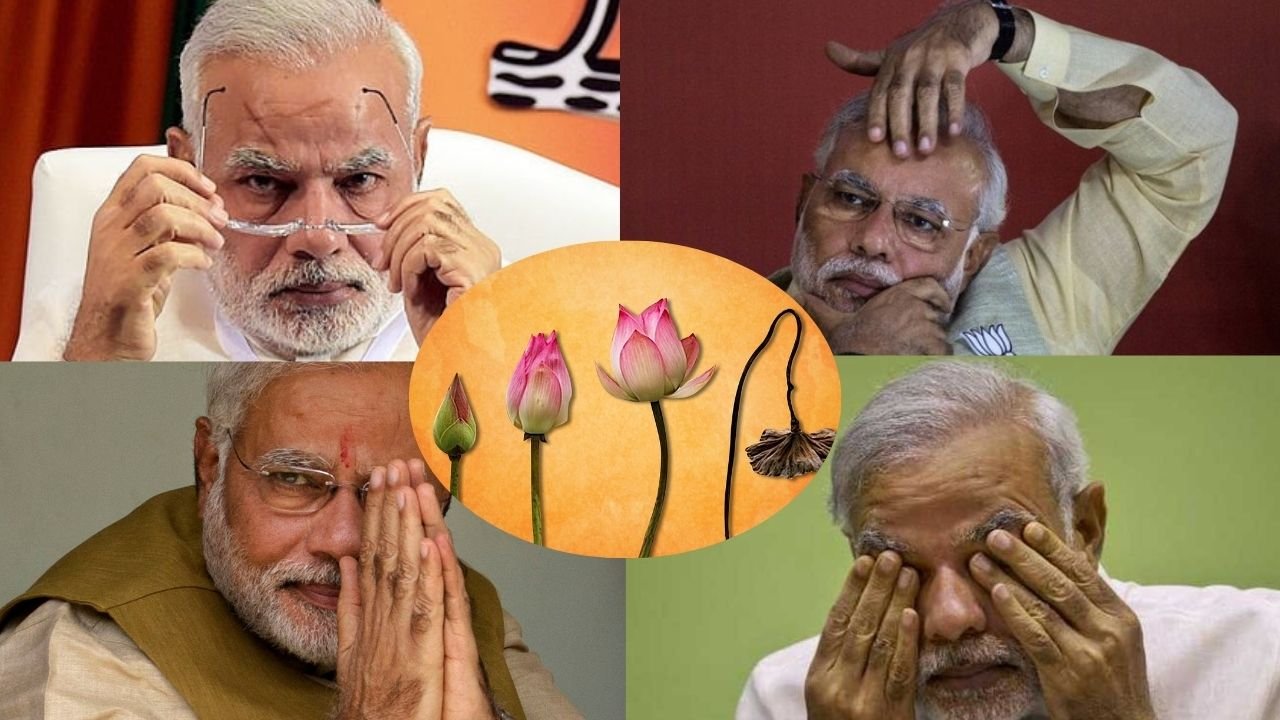
  • Ab ki baar, 400 nahin hua paar; Why did Modi falter in Indian elections?

    Ab ki baar, 400 nahin hua paar; Why did Modi falter in Indian elections?

    Elections in 2024 are surprising, to say the least. Many polls across the globe have given a jolt to political pandits, dismantling their expectations. Be it in Pakistan or in neighbouring India; the results sent a shock wave among observers. In India, particularly, the result defied exit polls and set a precedent of what is called the power of vote.

    While the expected Leader of the Opposition, Rahul Gandhi, was on a country-wide tour titled “Bharat Joro Yatra,” Prime Minister Narendra Modi and the leading party, BJP, were conniving for a change in the constitution.  Campaigning for a third time in the office, “400 paar” was the slogan Modi chanted all along. With more than 65 percent voter turnout and a six-week-long grueling process of polls amid the heatwave, the climax showcased the fruit of the exhaustive exercise. The total number of seats won by the ruling party was 240, far behind the magic number of 272, and it lost 63 seats compared to the election of 2019. Economist and author Parakala Prabhakar called this “a very clear tight slap on PM’s face,” but what led to the results?  

     In the span of the last five years, the BJP government led by Narendra Modi outrightly showed hate against minorities, especially Muslims, and promoted the saffron-tainted movement of Hindutva. It started off with the revocation of the Special Status of Kashmir, followed by the Citizen Amendment Act, and culminated with the inauguration of Ram Mandir. 

    303 seats in 2019 enabled BJP to strip Kashmiris of their statehood on August 5, 2019, because it was seen as the biggest hurdle in the drive for development in the region. However, in the garb of this modernization, the aim was to alter the disputed area’s demographics eventually.  

    With CAA, the Modi government further pushed Muslims to the periphery. This “fundamentally discriminatory” piece of law endangered the citizenship of a large number of Muslims in the country. It declared them illegal immigrants, but the Modi government remained unfazed in the face of all criticism. 

    The mishandling of the pandemic, coupled with the high unemployment rate of eight percent, proved to be a catalyst, but it was the largest farmer’s protest in Punjab that turned out to be a major blow. Millions on the road, the police crackdown on protestors, and the rigidity of the government made headlines all across the globe. Resultantly, Congress dominated the polls in Punjab with a high voter turnout of 62.80 percent.

    Islamophobic rhetoric, anti-Dalit sentiment, a spiraling economy, and unconstitutional motives of the sitting government resulted in the BJP’s defeat in Uttar Pradesh and Maharashtra, the two most significant states. 

    The party of “saffron parakeets” kept on ignoring the pulse of the nation and inaugurated Ram Mandir with glitz and glamour in Ayodhya, above the ruins of the demolished Babri Masjid. Modi proudly claimed that the Mandir will be a “temple of national consciousness”. The voters ironically consciously rejected him. Though the BJP will again form the government under the umbrella of the National Democratic Alliance, this will be a coalition government, weak at its core and unable to execute the idea of changing the system of governance from Parliamentary to Presidential.

    Although it is true to democratic traditions, the credit for this stupendous result goes to the voices of reason, who relentlessly stood in the way of Modi’s aim to establish his “taana shahi”.  YouTuber Dhruv Rathee, who has been named by renowned publications as one of the “factors,” made it his mission to create awareness of all the inconsistencies in the election process, scandals in Modi’s governance, and the wildly objectionable things Modi has said and done. His videos were watched by a whooping number of 476 million people, got screened in some areas while he flexed as the “power of the common man”. Some journalists like Rana Ayuub and Karan Thapar and writers like Arundhati Roy chose to call a spade a spade and will go down in history for being on the right side. 

    With the coalition government in place, will there be a new more introspective Modi or a rather aggressive one? It is yet to be seen, but he surely wouldn’t be the same as he was in the last five years.
  • Racist Pakistan, now an apparent reality

    Afghan deportation under the Illegal Foreigners Repatriation Plan launched by the caretaker setup has instigated a huge humanitarian crisis in the country. As people who have called Pakistan home for decades leave unwillingly, their children strapped to their pitiful belongings in small trucks, three sets of views have become prevalent in the country.

    The first is propounded by the government: the situation of unrest and civil war has quelled in Afghanistan so it’s time for these refugees to go back. Because the land they come from is contributing to rising terrorism in Pakistan, their exit is inevitable. This narrative is deeply rooted in a superiority complex coming from hosting Afghans for decades, as is evident by the affirmative statements said as a foreword to every such explanation.

    The second is the humanitarian stance where it is claimed that people who have lived here for years are not alien anymore, giving them refuge has brought aid of millions of dollars to Pakistan, and that this forceful expulsion is against the rights of refugees.

    The third point of view stems from the ground realities. It is about the reality and not the narrative. This view is not just looking at the expulsion of Afghans, it is also seeing latent racism, poor execution of the plan, the rush in which it has been carried out, and the fatal flaws it carries. This view sees that the deportation is being carried out by an unelected government, blind raids are being conducted where people with legal documents are getting arrested, contrary to the claims of the government that only illegal foreigners will be arrested. It also shows video documents of the Pashtun community being targeted, even if they are Pakistani – picked up by the police and deported to foreign lands only because they look like, or talk like, them. It sees families getting harassed, and children being separated from parents even though these guardians are desperately proving their Pakistaniat. It displays the human tragedy that is unfolding before our eyes without any media coverage.

    Some experts believe that the policy is part of a broader retaliation for the Afghan Taliban’s failure to rein in the Tehreek-i-Taliban Pakistan (TTP), even as the militant group orchestrates attack upon attack on Pakistani soil.

    Videos have emerged where parents are showing the birth certificates of children who do not hold a CNIC yet are sent to the Chaman border for the journey to Afghanistan. Anas, a 16-year-old boy, managed to call his father, pleading with him to save him from being deported while the SHO in front of the holding centre nonchalantly said that people sent by mistake are not going to be reproduced by the authorities. Media presence is already banned in the holding centres and there is no way to question this. The mainstream media is also not giving the matter due attention.

    The government is turning a blind eye to the suffering of four million Afghan refugees forced to leave on the brink of a hard winter to a land foreign to them since they were born here.

    The government does not need to emulate any country when it is itself setting an unprecedented level of cruelty.

    Siding with xenophobia is a xenophobic act in itself.

  • What’s the point of helping them now?

    What’s the point of helping them now?

    This week started off with the commemoration of Pakistan’s 76th year of Independence. Despite the current political uncertainty and economic instability, the flag was hoisted high by the president; the national anthem was recited; and as per tradition, the lit roads were taken over by youth dressed in green and white.

    And while passionate speeches were made praising the sacrifices of those who fought for the freedom of Pakistan, somewhere in the district of Faisalabad, an inaudible alarm of impending destruction rang through.

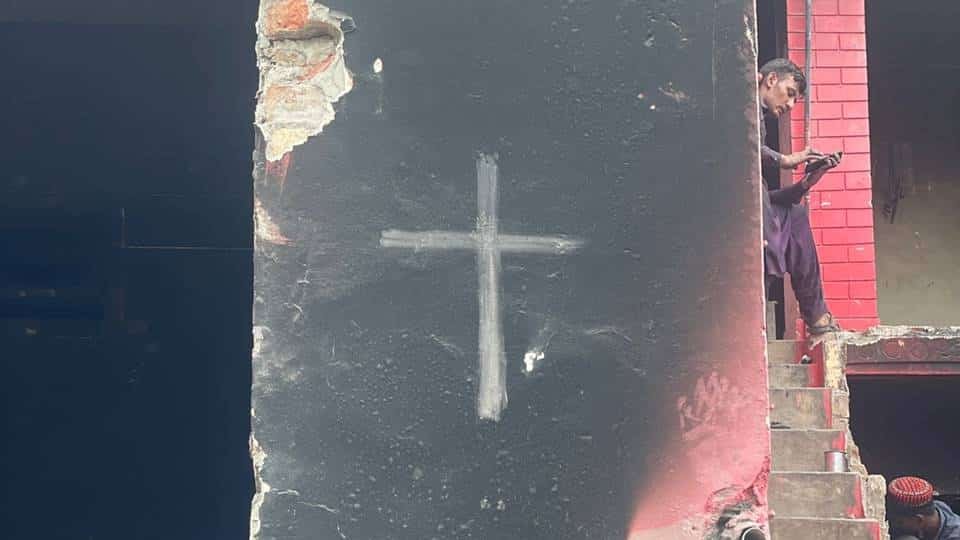
    On August 16, a mob of hundreds of people attacked the Christian community in Jaranwala over alleged blasphemy allegations against two Christian residents. By night, the Christians in Jaranwala were homeless in their own hometown. Even the churches, burnt and destroyed, could not accommodate its people in need.

    Members of our team visited Jaranwala yesterday and came back emotionally dazed after witnessing the helplessness and hopelessness of the Christian community. “What is the point of helping us now? Everything has been ruined,” one woman cried to us. And we could do nothing, say nothing to make her feel better.

    The people in that mob who wrecked an entire community are inheritors of the same freedom that is signalled to us on national television with pride. It is the freedom that was equally granted to Christians, Hindus, Ahmadis, and Sikhs along with Muslims. But somewhere along the way, it became the right of only one. Somewhere along the way, freedom became sectarian violence. Somewhere along the way, freedom became intolerance. And somewhere along the way, our freedom divided us.

    And so, today we mourn and deplore the horrors of mob violence for the umpteenth time.

    We continue to steer forward through blood and debris without minding the rotting smell of state’s conscience.

    Perhaps it is time to redefine ‘freedom’ in Pakistan. Like privilege, it only serves a few and obliterates the rest. Like hope, it is a yearning; but elusive as a mirage. Like tragedy, it has become our nightmare amidst all that could have been.

  • The Weight of a Life

    The Weight of a Life

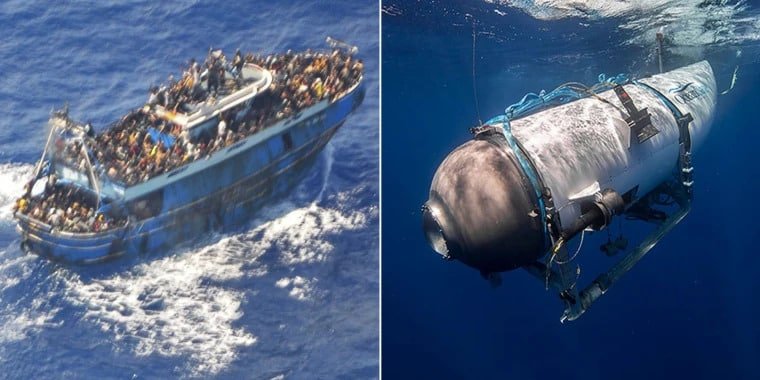
    In the last week alone, the world has been witness to two immense tragedies that played out at sea. Tragic as both events were, the public seems to be divided on which party to extend their empathy and/or sympathy toward: the 300+ Pakistani migrants that drowned after a trawler capsized off the south coast of Greece, or the Pakistani billionaire and his 19 year old son that died in an implosion thousands of metres below the surface of the North Atlantic Ocean?

    One only need to peruse through the comments under The Current’s reporting on the tragedies to understand what the two sides believe in. On the one hand, individuals are calling out the difference in response to both calamities and suggesting that Shahzada Dawood, Vice-Chairman of Engro Corporation, made a choice to die when he paid $500,000 for him and his son to travel to see the Titanic’s wreckage. Yet, this side maintains, the migrants aboard the trawler had ‘no choice’ but to embark on such a perilous journey to better fortune. 

    On the other hand, people are shocked by the Pakistani public’s ability to extend and withdraw empathy on the basis of an individual’s wealth – or lack thereof. The Dawoods were renowned philanthropists in the country, donating millions of their wealth to education and healthcare (notwithstanding the argument that, admittedly, it’s probably because they had those millions to spare). Should empathy not be extended to the wealthy that donated vast amounts to projects providing higher-education opportunities to Pakistanis? Should empathy only be extended if the wealthy are charitable?

    What is perhaps most interesting – and also practically self-evident – is the anger drawn from the media coverage of both tragedies. The OceanGate submersible was dominating global headlines the second it was announced ‘missing’, up until the moment they realised there was no hope. Meanwhile, the Greek migrant boat tragedy only saw a couple days of reporting – even though there is currently an ongoing investigation concerning the complicity or negligence of both Greek authorities and border authority Frontex on the discrepancies found in communication. 

    While there is more than plenty to criticise in regards to the stark difference with which both calamities were responded to, it is hugely counterintuitive to compare the loss of lives. It is indeed likely that the migrants were condemned to their deaths by the authorities. In transcripts published by AlarmPhone, and analyses of vessels in the area around the time the trawler sent out an alarm signal, discrepancies in official statements made by the European authorities are enough to merit investigations. Moreover, accusations have abounded regarding the Greek coast guard’s role in the eventual capsize. Pakistani survivors of the wreck reported that the boat only capsized after the Greek coast guard started towing it. 

    Of course, anger is bound to arise when one compares that scenario to a full-blown military-scale search for the five individuals onboard the missing submersible. However, the people offering no sympathy to Shahzada and his young son Suleman,  simply because they paid a lot of money to be in that position, are largely misplacing their anger. The tragic plight of migrants and refugees is not new to us: they were not simply left to their deaths only because they are poor as compared to the Dawoods. 

    Anti-immigrant sentiment is on the rise in Europe. Far-right parties with anti-immigrant policies have risen in popularity and have become quite verbose on how unwelcome immigrants are. Within such a growing sentiment – while it by no means justifies the tragedy – one simply cannot expect the same level of frantic search. It isn’t because those lives were not worth the search: it’s because those lives, in the clinical eyes of the Europeans, simply meant a burden on their existing economy and resources. 

    So yes, we should be angry. We should be absolutely livid at such blatant disregard for life. But to redirect that anger to two completely innocent Pakistanis who also encountered a tragic fate, simply because they’re rich, is quite unfounded. It could have made sense if the two incidents were correlated beyond just their occurrence in the sea – say, if the authorities meant to search for the migrants were redirected to the submersible. 

    At the end of the day, the families of the migrants have seen their entire world shatter, much like the Dawood family. To weigh the worth of lives on such a material basis such as wealth is counterintuitive to the anger felt by the loss of them. And to compare such tragedies distracts us from the larger, more pertinent structural issues that led to the worst migrant boat disaster in recent history. 

  • It’s time to close the zoos in Pakistan

    It’s time to close the zoos in Pakistan

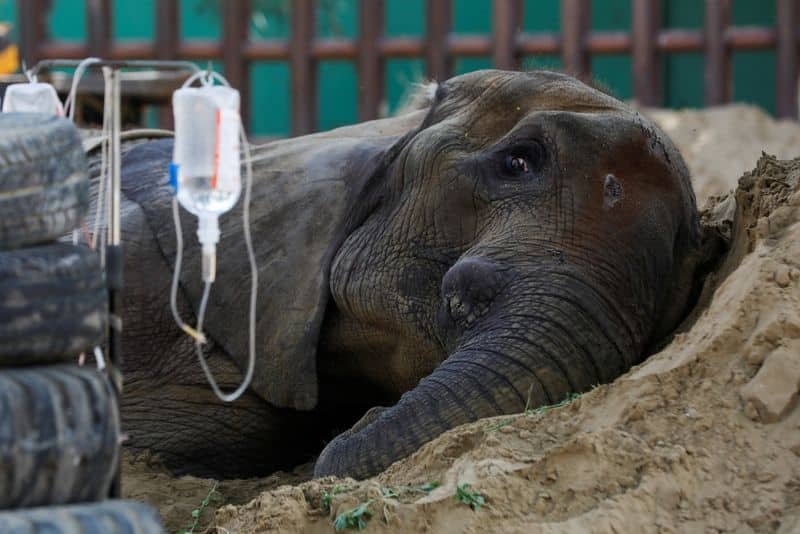
    Noor Jehan, an elephant in Karachi Zoo, is critically ill after the 17-year-old fell in a pond in a small enclosure. She has since been lying visibly weak with limited motion on a mound of sand, propped up against the only tree inside the enclosure. Noor Jehan’s condition is a reminder that we have imprisoned animals in cages for the entertainment of the people. We humans are the reason that the animals suffer and bear so much torture and pain.

    Wild animals are unlikely to survive or live happily in an artificial environment like the ones we provide them at the zoos. Moving them from their natural habitat and from their community puts them under great stress. It is no secret that animals in Pakistani zoos are kept in poor conditions.

    The wildlife parks and zoos of Pakistan are characterised by a weak governance system. The animals lying in the zoos and wildlife parks of Pakistan are ignored with regard to their physical and mental well-being. They are not properly provided with adequate nutritional food and are seldom treated effectively for their physical ailments. There are about 10 public zoos, 25 private zoos and 28 wildlife parks in Pakistan. Neither of these are authorised by any recognised association of zoos and aquariums. The animals kept in these zoos are often neglected. Not only is their food and nutrition ignored but several other environmental issues thwart their well-being. Several zoos lack veterinary professionals, owing to which the animals do not get ample medical help whenever required. Some animals die due to lack of adequate required treatment adding to the plight of the zoos of Pakistan.

    This brutality towards animals has been there because of continuous negligence being directed towards them. This isn’t the first time we are witnessing the suffering of animals at zoos and this definitely doesn’t seem to be the last time either. In 2020, American singer Cher arrived in Pakistan to send off Kaavan, an elephant in Islamabad Zoo she had spent years trying to free, before his move to a Cambodian sanctuary. Animal rights advocates had campaigned for the 36-year-old Asian elephant to be rescued from grim conditions.

    Minister for Climate Change, Sherry Rehman, has said that there is a no-zoo Islamabad model of rescue and rehab centre and transition sanctuary, in the federal capital. The Islamabad zoo where the bears and the elephant were kept have now been closed. Pakistan should stand firmly against any kind of animal cruelty and take timely action to stop it.

    We all need to stand up for the animals and treat them right. It took one Noor Jehan to make us realise that zoo animals suffer from continued neglect and will continue to die and go through pain if our policies don’t change. So if, we cannot take care of our animals, we should close the zoos and free the animals. We Pakistanis don’t deserve them.

  • Pakistan is the cradle of rape culture and sexism: are you surprised?

    Pakistan is the cradle of rape culture and sexism: are you surprised?

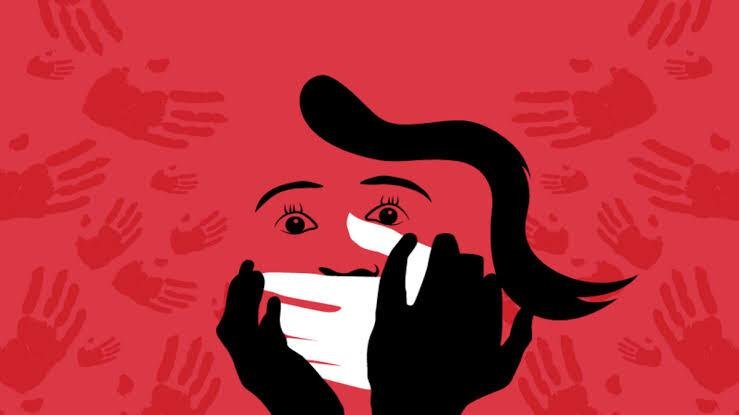
    The shocking rape of a 14-year-old girl, who was allegedly raped by her father and brother, has once again proven that there is no safe space for women in Pakistan. The girl, a resident of Azad Kashmir, was taken to a hospital by her mother after she complained of stomachache. Doctors discovered that the girl was pregnant and about to give birth. Investigation revealed that the victim’s brother and father raped her several times during the last few months. The DNA of the baby she birthed matches that of her brother’s.  Imagine the horror and fear of the girl who was not safe in her own house and where her own father and brother were her rapists and tormentors.

    Pakistan has staggering statistics that expose the rape epidemic in the country. In October last year, almost 21,900 women were reported to have been raped in Pakistan from 2017 to 2021. This meant that approximately 12 women were raped every day, or one every two hours, throughout the country. According to media reports, approximately 350 rape instances were recorded in Punjab, between May 2022 and August 2022. The Current records the tally of rape cases that are reported in news outlets on a daily basis to highlight the alarming situation. And not a single day goes by when rape isn’t reported in any city but that too doesn’t represent the actual figures because not all rape cases are reported. It’s hard to imagine what the real figures must be. Women around the country are raped, abused, and harassed every day, enduring it incessantly because the state and society has failed to ensure their safety. Occasionally, a rape case emerges in the media that elicits particular fury and ignites massive protests, while exposing the culpability of our society; the cradle for rape culture, the breeding ground that lets rapists get away by promoting victim-blaming.

    Everything about this incident tells the the horrifying story of impunity with which Pakistani men commit crimes, without an ounce of remorse. And then there are men like Pakistan People’s Party’s (PPP) Nabil Gabol, who have the audacity to pass disgusting comments about rape. In a recent interview, Gabol casually remarked: “When rape is inevitable, just enjoy it.” How can one be so heartless to say such sickening words? Gabol’s words garnered massive backlash, and rightly so. Pakistanis were angry, and outraged at the politician’s lack of sensitivity. The PPP politician apologised for his remarks later, saying that he regretted if his words had hurt women. But then he went on to blame Pakistan Tehreek-e-Insaf (PTI) supporters for launching a social media campaign against him. After issuing an apology for his misogynistic remarks, Nabil Gabol decided to defend his statement with a screenshot of PTI Chairman Imran Khan’s interview with Time Magazine. Gabol wrote that Aurat March organisers or journalists had not called Khan out for his past problematic statements. Gabol further said if he lost weight and looked handsome like Khan, then the backlash wouldn’t have happened. This non-apology and attack on women who raise their voice for victims of abuse shows that Gabol only apologised because of the backlash on social media but didn’t mean it. As if his non-apology was not enough, Gabol’s son Nadir came out to defend his father’s thoughtlessness and said that his father had intended to say: “Pain is inevitable, suffering is optional.” It is shocking that even today men have the audacity to utter such nauseating words.

    And yet, we question and pass comments on the severity of the situation. To the hopelessness and rage that fills our hearts, may women find security, protectiveness and justice in this country. Will this ever stop, is a question we ask ourselves often. Our society and justice system have failed the women of Pakistan. It is because of these attitudes that Pakistan ranks as the second-worst country on the gender gap index. Are you surprised?

  • Pakistani teens need to understand that bullying, violence isn’t cool

    Pakistani teens need to understand that bullying, violence isn’t cool

    A 35-member violent gang of boys enrolled in different private schools in Lahore is operating in the city under the name ‘102’. According to the police, one of the gang members reportedly tortured a young boy in a snooker club, taped the assault and uploaded the video on social media. This is not the first time we are hearing about teenagers in private schools indulging in bullying and harassing other young students. Last month, a video surfaced where three girls were forcing their classmate to the ground and then sitting on her back. One of the girls could be seen pulling the victim’s hair and swearing at her while making her apologise.

    These incidents are triggering, but what is more alarming is to witness the behaviour of these teenagers. What is it that they are learning? Why are these kids indulging in violence? How are parents so unaware of their kids’ whereabouts and what are they doing? What is even more concerning is how these kids have normalised bullying, harassment and violence.

    Parents need to teach their children what is right and wrong. They need to be extra vigilant to know what their children are consuming online. Teenagers, too, need to realise that if they are given freedom, it doesn’t mean they can hurt others in the name of being cool and resort to violence. Nothing justifies violence and bullying. The schools where such children are studying also need to be vigilant and watchful of how students are treating each other.

    With every passing day, violence is increasing in children. Have we ever wondered what are the reasons for this increase in violence? Maybe it’s the content children are consuming online or maybe violent video games that they play makes violence just another act of being cool to them.

    We have seen how gun culture is prevailing and how children are taking lives of their own peers. Actions have consequences. Parents, teachers and elders need to be careful and watchful towards their young children. These young minds need to be protected and taken care of. Negligence and ignorance can lead to serious problems as the kids grow up. What we are witnessing with the behaviour of these young children is rather an appalling sight. We hope our children do better and learn better. This evilness, and unkind behaviour needs to stop.

  • Punish the victim, protect the rapist. Will Pakistan change?

    Punish the victim, protect the rapist. Will Pakistan change?

    In a shocking incident, a young woman was raped by two armed men at the F-9 Park in Islamabad on February 2. According to the 24-year-old victim, she was visiting the F-9 Park along with a male companion around 8pm when two armed stopped them at gunpoint, separated them and then took her towards a thicket and raped her. They also threatened her to remain silent or they would call “more friends” to rape her. After raping her, she was told by the rapists that she should not have been in the park at night. A police complaint at Margalla police station mentioned that the woman had marks of torture on her legs and face. “I was slapped. My hair was pulled and I was thrown on the floor,” the woman’s statement to the police read.

    People in Pakistan have expressed anger over the country’s “rape epidemic” and also slammed negligence over such cases of violence against women. Hundreds of protesters gathered in the F-9 park slamming the law enforcement’s response to the assault as they tied their dupattas to the railings in solidarity with the rape victims and survivors.

    It was also quite shocking that the Islamabad Police asked people after this incident to only visit well-lit areas in the park when the rapists took the girl to a thicket to rape her at gunpoint. Instead of taking responsibility and providing security to citizens, the police want to restrict people’s movement. As anger and rage engulfed Pakistan over the issue of women’s safety, we still look for answers to whether this will ever end and whether women will find happiness, security and peace in Pakistan. Will victim-blaming ever stop? Will there ever come a time when society and the lawmakers all unanimously stand as one with the victims and survivors? Will the predators of such heinous crimes be punished? Will the war on women ever come to an end?

    To the hopelessness and rage that fills our hearts, may women find security, protectiveness and justice in this country. Will Pakistan ever stand with its women? The women are angry, and rightly so as they have been betrayed by their own system, society and law-enforcers.

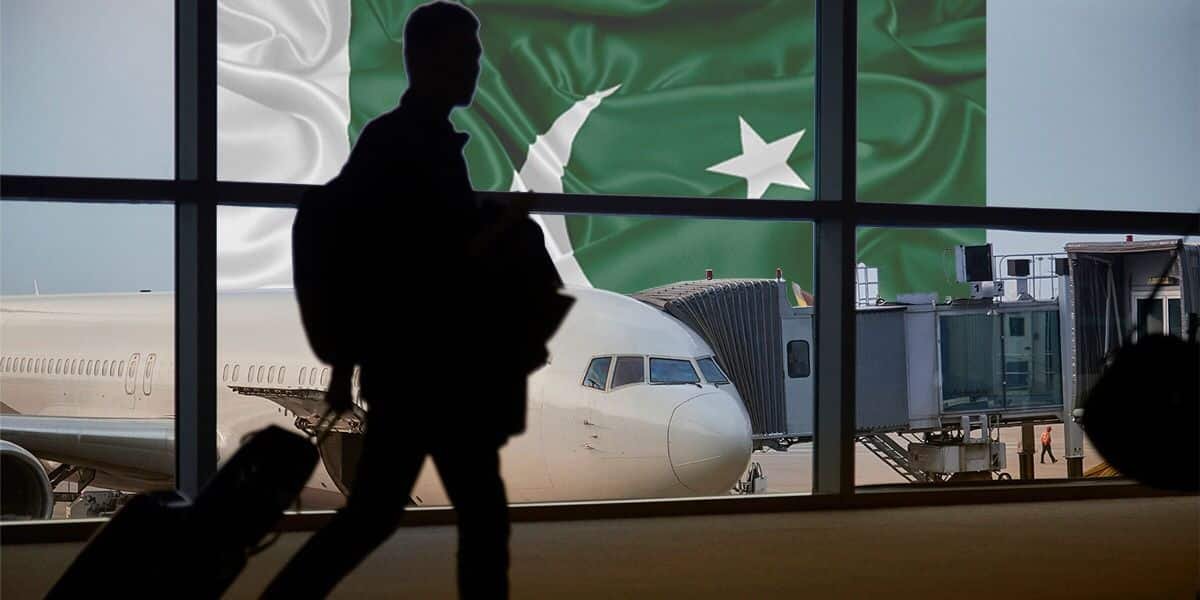
  • Why do you want to leave Pakistan?

    Why do you want to leave Pakistan?

    The Pakistan Institute of Development Economics (PIDE) found that 62 per cent of the male population of Pakistan aged between 15 to 24 years wants to leave the country. The survey reveals that slightly more people in urban Pakistan (40 per cent) than in rural Pakistan (36 per cent) desire to leave the country.

    The question we need to ask is: why do these young men have a desperate urge to leave Pakistan?

    The thing which is most striking in this scenario is that they are young boys and have a full life ahead of them. Yet the need to leave? The only thing that might make sense is that these young individuals want a better lifestyle and for that they need better opportunities. They want a better chance at life itself. Unfortunately in Pakistan, there are hardly any opportunities available for our younger generation. With a struggling economy, these educated youngsters with college and university degrees are unable to either find jobs in the first place and if they do, those jobs hardly pay well. With rising inflation, it is already difficult to make ends meet for most people but with no jobs in the market, the younger generation’s disillusionment and disappointment with the country is understandable.

    Life in Pakistan is a struggle for everyone now. People want to leave the country to carve out a better financial future for their families. They choose to be away from family, leave their comfort and not live in their own homeland just to ensure that their next generation’s future is secure.

    Pakistan takes pride in its men and women. Yet there is so little the governments have done to improve the quality and standard of the people’s lives. How hard will it be to provide a place filled with opportunity, a strong education system and a strong economy. Is the youth asking too much for survival? Or is it just the bare minimum? From what we see, it’s the bare minimum. Our governments and leaders have an obligation towards the youth. To provide and nurture them. To give them the belief that their motherland holds them near and dear, so that they can grow and become successful in life.

    Despite trying, we are failing the youth. Maybe the problem lies somewhere else. The younger generation deserves leaders who are genuinely willing to invest in their people. We hope the future is better for the young men and women. May they always choose their country above anything else in life. May Pakistan not let the dreams of the young shatter.

  • Wake up State, yeh hum sub ka masla hai

    Data has revealed that 2,211 children were sexually abused in Pakistan in 2022 from January to June. This horrifying number comes to approximately 12 children who are abused each day according to Sahil, an NGO that works against child sexual abuse. At least 1,207 girls and 1,004 boys were reported to be victims of sexual abuse according to the report.

    Earlier this week, a 10-year-old boy was allegedly raped by the Imam of a mosque in Lahore. As per media reports, the child had gone to offer Fajr prayers in the mosque where the accused, Abbas, took him to the basement and allegedly raped him. Then there was a case where a 16-year-old girl, a grade 9 student, was working as a translator for a Chinese national on a monthly pay of Rs15,000 since May 2021. She was raped by a man for months, who threatened her with dire consequences if she resisted.

    Statistics reveal how bad and ugly it is but what is being done? Answer: nothing. These are just the official numbers or cases that have been reported. There is a growing concern that most cases of rape, sexual abuse, and other such forms of violent abuse against children and young girls are not reported due to societal taboos. Despite laws in place that address these issues, not many victims have found justice. And the way our society reacts to such crimes, by blaming the survivors makes it all the more difficult for people to come forward and report these crimes. With each passing day, a child is raped, a minor girl somewhere in Pakistan is forced to get married, and somewhere someone gets abducted. The silence of the state on matters that need the most attention is rather appalling. For how long will people keep suffering? What are our policymakers doing to make the lives of people in Pakistan better? With all the abuse, harassment, sexual assault, domestic violence, and rapes being reported, where are we headed as a society? Has humanity died completely? Imagine the pain of the children and the families who have been victims and survivors of these horrific crimes. This needs to stop and the state needs to wake up from its slumber.

    For our part, The Current has been following up on rape cases for almost two years since the Motorway rape incident which happened in October 2020. As of yet, a total of 1584 cases have been recorded from what we found in news outlets. The number is likely way more than this since these are only the ones we found in the news.

    The state also needs to raise more awareness about such crimes. We need to teach our children from a very young age about these sensitive issues. We cannot hide away from these crimes that take place on a regular basis just because our society casts aspersions. If there is justice for the survivors, then more people will find the courage to report these crimes. We cannot let our children down.