Tag: education

  • Pro-Palestinian students camp out at Mexico’s largest university

    Pro-Palestinian students camp out at Mexico’s largest university

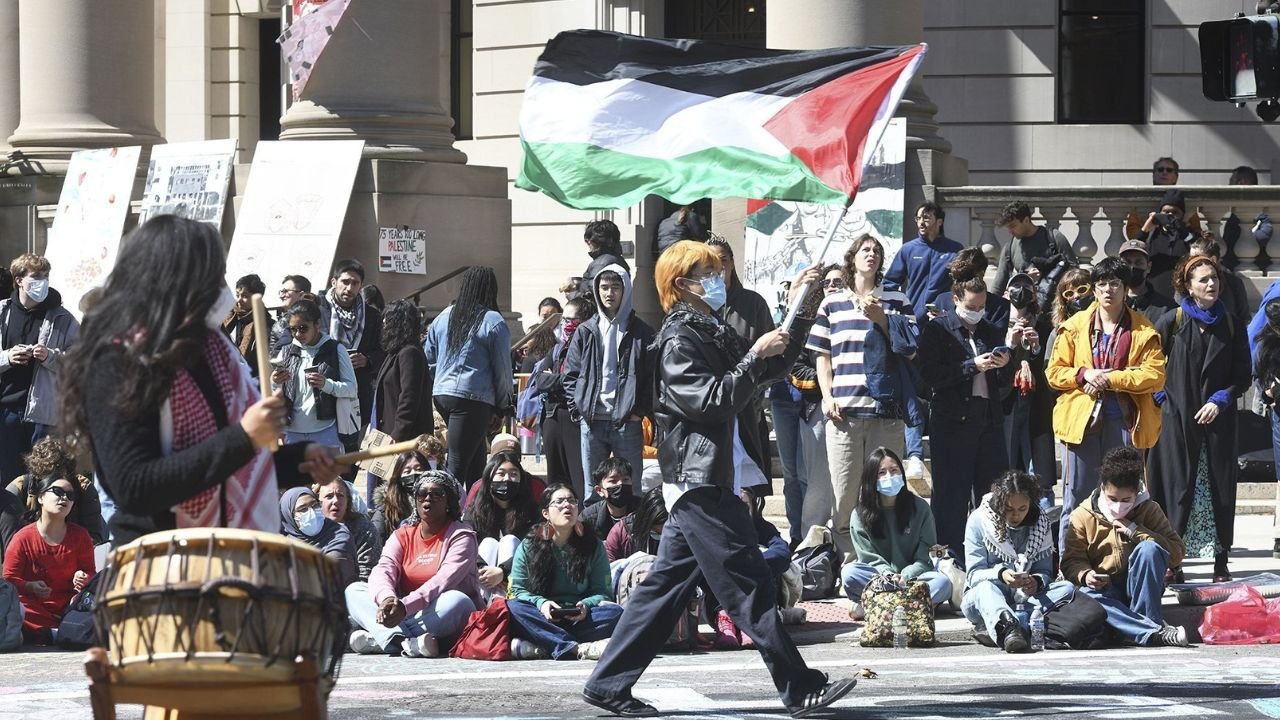
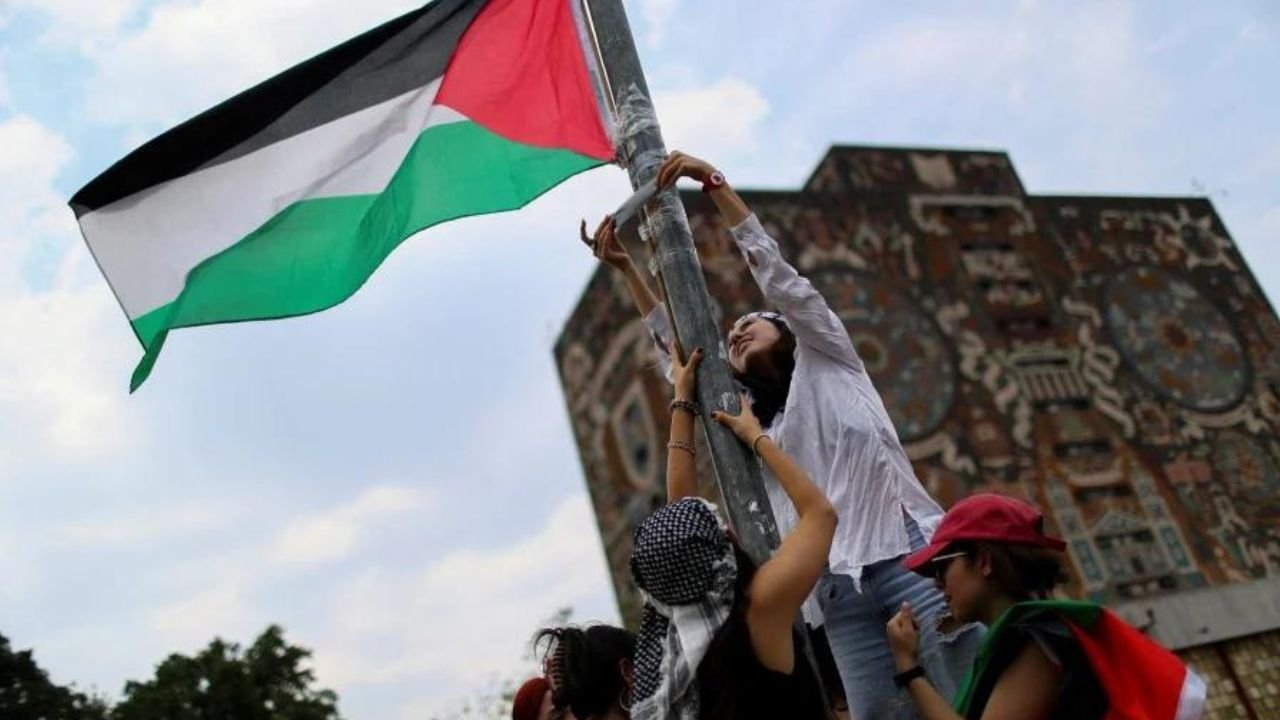
    Mexico City (AFP) – Dozens of pro-Palestinian students from Mexico’s largest university camped out Thursday in solidarity with similar protests that have swept colleges in the United States.

    Mounting flags and chanting “Long live free Palestine,” the protesters set up tents in front of the National Autonomous University of Mexico’s (UNAM) head office in Mexico City.

    The students called on the Mexican government to break diplomatic and commercial ties with Israel.

    “We are here to support Palestine, the people who are in Palestine, and the student camps in the United States,” said Valentino Pino, a 19-year-old philosophy student.

    Jimena Rosas, 21, said she hoped the protest would have a domino effect and spread to other universities in the country.

    “Once people see that UNAM is beginning to mobilize, other universities should start as well,” she said.

    Dozens of universities in the United States have seen pro-Palestinian demonstrations in recent weeks, leading to clashes with police and counter-protests.

    Israeli genocide against Palestinians since October 8 has killed more than 34,500 people in Gaza, mostly women and children, according to the territory’s health ministry.

  • Brown University reaches deal with student protesters

    Brown University reaches deal with student protesters

    Brown University on Tuesday reached an agreement with students protesting the genocide in Gaza that would see them remove their encampment from school grounds in exchange for the institution considering divesting from Israel.

    The move represents a first major concession from an elite American university amid student protests that have taken over campuses across the country, divided public opinion and led to hundreds of arrests.

    In a statement, Brown President Christina Paxson said students had agreed to end their protests and clear their camp by 5:00 pm local time Tuesday and “refrain from further actions that would violate Brown’s conduct code through the end of the academic year.”

    In turn, “five students will be invited to meet with five members of the Corporation of Brown University in May to present their arguments to divest Brown’s endowment from ‘companies enabling and profiting from the genocide in Gaza’.”

    The board will vote on the proposal in October.

    Student protesters jumped for joy upon hearing the news of the deal and chanted “with love not fear, divestment is getting near” before beginning to remove their tents.

    “We are ending (the encampment) knowing that we made a huge victory for divestment at Brown, for this international movement and a victory for the people of Palestine,” said Brown student Leo Corzo-Clark.

    The university, located in Providence, Rhode Island, “has come to the table to listen to our demands and to listen to its students and to consider divesting from war, divesting from death, divesting from occupation,” said Sam Theoharis, another student protester.

    In her statement, Paxson said “the devastation and loss of life in the Middle East has prompted many to call for meaningful change, while also raising real issues about how best to accomplish this.”

    But she added: “I have been concerned about the escalation in inflammatory rhetoric that we have seen recently, and the increase in tensions at campuses across the country.”

  • Student demonstrations against Gaza genocide take world by storm

    Student demonstrations against Gaza genocide take world by storm

    Anti-Zionist students in the US have taken to their campuses to call out the blatant atrocities being committed by Israel in the besieged strip and the West Bank, and asking the universities to divest from investing in Israel.

    The demonstrations have now expanded beyond US borders.

    French police broke up a pro-Palestinian protest by dozens of university students in Paris, officials said Thursday, as Israel’s bombardment of Gaza sparks a wave of anger across college campuses in the United States.

    AFP reports that according to witnesses, the protesters were demanding that Sciences Po university “cut its ties with universities and companies that are complicit in the genocide in Gaza” and “end the repression of pro-Palestinian voices on campus”.

    Similarly, students in Sydney, Australia, have also set up a camp at Sydney University and carried out demonstrations.

    Background:

    The mass protests started from Columbia University on April 17 which then spread across colleges and universities in America.

    The US has been openly supporting and financing Israeli genocide against the Palestinians in Gaza. And while many people have lost their jobs and students have been expelled due to their support for Gaza, the demonstrations on university campuses are getting bigger by the day.

    Top universities such as Yale, NYU, and Columbia are facing heightened tensions as pro-Palestinian demonstrators are being arrested amid escalating conflicts between the two sides of the genocides.

    Columbia granted students protesters an extension to disassemble their encampments twice, citing ongoing negotiations aimed at resolving the tense situation. All classes will be conducted virtually on Monday due to mounting tension.

    On Monday, 60 individuals at Yale, including 47 student protesters, were arrested for trespassing after blocking traffic around the campus. Additionally, several protesters were also arrested at NYU.

    Other American colleges and universities with Gaza encampments include Emerson College, MIT, Tufts, Michigan, Vanderbilt, Brown, Rice, and more.

    It is a big moment in the midst of a genocide, a point in time where we all must decide to stand on the right side of history.

  • Hey Pakistani students: is your university among the top 1,000 in the world?

    Hey Pakistani students: is your university among the top 1,000 in the world?

    The Quacquarelli Symonds (QS) World University Rankings by subject released its list for 2024 and 14 universities from Pakistan have made it in the top 1,000.

    It consists of more than 16,300 academic programmes, with an addition of over 600 in comparison to the previous year.

    The 2024 list consists of 55 separate subjects under five broad areas. In total, 1,559 institutions are included, with 64 universities being added for the first time.

    From Pakistan, the university programmes have qualified for Arts and Humanities, Engineering and Technology, Life Sciences and Medicine, Natural Sciences and Social Sciences and Management.

    These have been ranked through various metrics, including academic reputation, employer reputation and the International Research Network (IRN) Index.

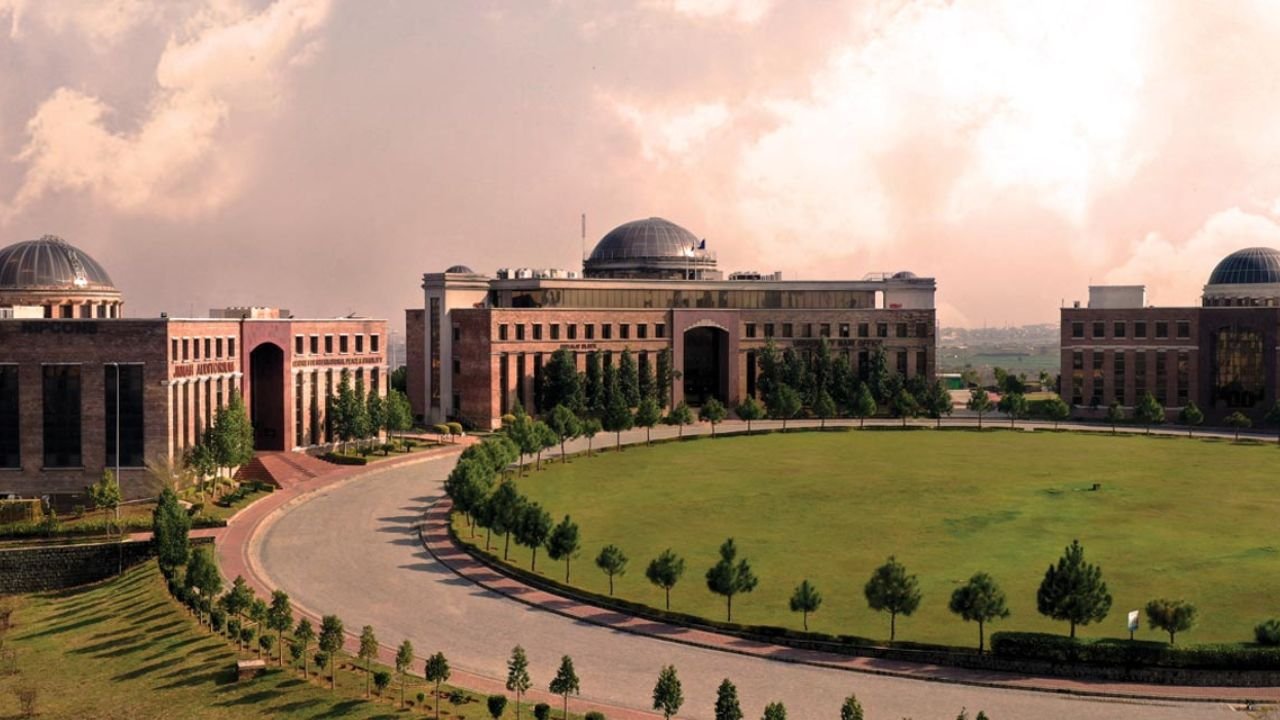
    The Pakistani universities among the top 1,000 universities are COMSATS University Islamabad, National University of Sciences and Technology, University of the Punjab, Bahria University, International Islamic University, Lahore University of Management Sciences, University of Karachi, University of Peshawar, Aga Khan University, The Islamia University of Bahawalpur, Abdul Wali Khan University Mardan, University of Veterinary and Animal Sciences, Government College University Faisalabad and University of Malakand.

  • Tensions flare at US universities over Gaza protests

    Tensions flare at US universities over Gaza protests

    New York, United States – Tensions flared between pro-Palestinian student protesters and school administrators at several US universities Monday, as in-person classes were cancelled and demonstrators arrested.

    The protests, which began last week at Columbia University with a large group of demonstrators establishing a “Gaza Solidarity Encampment” on school grounds, have spread to other campuses, including Yale, MIT and others.

    Some Jewish students at Columbia have reported intimidation and anti-Semitism amid the days-long protest, which is calling for the prestigious New York institution to divest from companies with ties to Israel.

    Classes were moved online Monday, with university president Nemat Shafik calling for a “reset” in an open letter to the school community.

    “Over the past days, there have been too many examples of intimidating and harassing behavior on our campus,” she said.

    “Anti-Semitic language, like any other language that is used to hurt and frighten people, is unacceptable and appropriate action will be taken.

    “To deescalate the rancor and give us all a chance to consider next steps, I am announcing that all classes will be held virtually on Monday,” she added.

    Last week, more than 100 protesters were arrested after university authorities called the police onto the private campus Thursday, a move that seemingly escalated tensions and sparked a greater turnout over the weekend.

    Mimi Elias, a social work student who was arrested, told AFP on Monday: “We are going to stay until they talk to us and listen to our demands.”

    “We don’t want anti-Semitism or Islamophobia. We are here for the liberation of all,” Elias said.

    Joseph Howley, an associate professor of classics at Columbia, said the university had reached for the “wrong tool” by involving police, which had attracted “more radical elements that are not part of our student protests.”

    “You can’t discipline and punish your way out of prejudice and community disagreement,” Howley told AFP.

    Disciplinary action

    As the holiday of Passover began Monday night, social media images appeared to show pro-Palestinian Jewish students holding traditional seder meals inside the protest areas on multiple campuses, including at Columbia.

    Further downtown, police began detaining protesters who had set up their own encampment at New York University at around 8:30 pm, the New York Times reported, after the school called the students’ behavior “disorderly, disruptive, and antagonizing.”

    There were also demonstrations at MIT, the University of Michigan and Yale, where at least 47 people had been arrested on Monday after refusing requests to disperse.

    “The university made the decision to arrest those individuals who would not leave the plaza with the safety and security of the entire Yale community in mind,” the Ivy League university said in a statement.

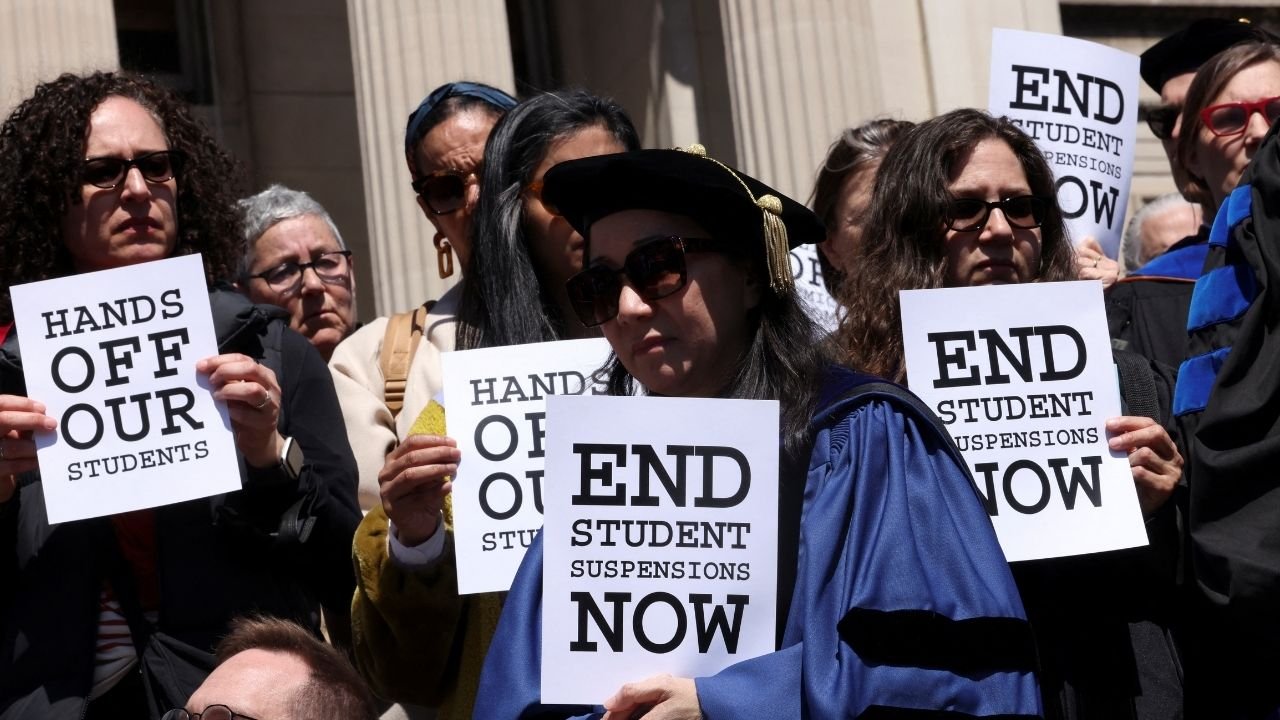
    At Harvard, university officials on Monday suspended the Palestinian Solidarity Committee, the student group said on Instagram.

    They were ordered to “cease all organizational activities” for the rest of the term, or risk permanent expulsion after holding an unregistered demonstration last week, student newspaper the Harvard Crimson reported, citing an email to the group.

    Universities have become the focus of intense cultural debate in the United States since Hamas’s October 7 attack and Israel’s overwhelming military response, as a humanitarian crisis grips the Palestinian territory of Gaza.

    President Joe Biden on Monday said he condemned “the anti-Semitic protests.”

    “I also condemn those who don’t understand what’s going on with the Palestinians,” he told reporters, without further details.

    hg/amz/bjt/des/caw/mtp

    © Agence France-Presse

  • No freedom of speech in American universities

    No freedom of speech in American universities

    Many people have lost jobs for views that contradict mainstream US approach towards Israel and Palestine, despite a strong movement of solidarity with Palestine.

    Palestinian solidarity activists faced monitoring and restricted mobility on campus as administrators heightened security measures. Many felt unwelcome, with reports of harassment against Muslim women, including spitting and hijab removal.

    Students for Justice in Palestine, the leading pro-Palestinian campus group, has been suspended from several universities, including Columbia, Brandeis, George Washington, and Rutgers since October 7. Accusations against the group include alleged support for Hamas, disruption of classes, and intimidation of other students. None of the charges have been proved.

    In late October, the chancellor of the State University System of Florida issued a letter to school presidents, directing them to “deactivate” chapters of Students for Justice in Palestine across the state. Civil rights groups assert that this directive blatantly violates the First Amendment.

    At Brandeis University, known for its public endorsement of free speech, a pro-Palestinian student group was prohibited from campus due to statements made by its national leadership.

    Meanwhile, at the University of Vermont, plans for a Palestinian poet Mohammed el-Kurd to speak were canceled after students raised concerns about alleged antisemitism, prompting the school to withdraw the venue.

    The board of the Harvard Law Review in mid-Nomber, 2023, decided against publishing an article by Rabea Eghbariah – Palestinian scholar and human rights lawyer – who had asserted that the situation in Gaza should be considered under the framework of genocide as laid down by the United Nations.

    At the University of Pennsylvania, the progressive Jewish student group Penn Chavurah planned to screen the documentary “Israelism” since July but postponed it in October due to proximity to a Hamas attack. The film, made by American Jews reevaluating their views on Israel after visiting the country, has sparked controversy on campuses. Although initially denied approval for a late November screening, the group attempted to secure space through the university’s Middle East Center. However, administrators warned of potential disciplinary action if they proceeded with the screening of “Israelism.”

    Hunter College too, cancelled the screening.

    In December 2023, University of Pennsylvania President M. Elizabeth Magill stepped down following a widely criticized congressional hearing.

    Magill, along with her counterparts from MIT and Harvard, consistently emphasized that their response would be contingent on the “context.” However, they faced criticism for failing to outright condemn any expressions advocating for the genocide of Jews.

    Students at Harvard have reportedly expressed their concern of the consequences of speaking out for Palestinians – even if it is expressing their views in class.no freedom of speech in maerican unis etc.

  • Maryam Nawaz announces transgender schools in each division while they exist since PTI times

    Maryam Nawaz announces transgender schools in each division while they exist since PTI times

    Chief Minister Punjab Maryam Nawaz has announced the establishment of transgender schools at the division level. Additionally, she directed the relevant officials to provide educational facilities to special children in at least one government school in each district.

    Dawn reports that these decisions were ta­­ken at a meeting held to re­­­view proposed school education reforms in the province.

    While chairing the revi­­ew meeting, CM Nawaz said: “Schools for trans­ge­nder [community] will be established at divisional level.”

    PTI-initiated Transgender schools

    Nine of the 11 divisions in Punjab already have schools for the transgender community. The initiative was taken by the previous PTI government under the supervision of the then Punjab Minister for School Education Murad Raas.

    Trans Educational School Sys­t­­em, Multan, Principal Ali­sha Sherazi told Dawn that no one from the government had contacted them for the establishment of transgender schools, as such schools already exis­ted in different cities of Punjab like D.G. Khan, Gujran­wala, Rawalpindi, Sargo­dha, Faisalabad, Gujrat, Multan and Bahawalpur. Only the one established in Lahore was later closed, she added.

    Transgender schools

    Alisha Sherazi, a trans­gender and a former cons­u­ltant of UNDP who did her MPhil in Education, Planning and Manage­m­ent from Burhanuddin Za­­kariya University, expl­ai­ned that three of the scho­ols including D.G. Khan, Multan and Bahawalpur were giving vocational tr­­a­ining to members of the transgender community. Four labs for IT, stitching, cooking and make-up classes were established in those schools, while other schools were focusing on academics, according to the principal.

    The government did not have the exact figures of transgender community’s population in the Punjab, Alisha added.

    At the meeting, CM Maryam Nawaz directed relevant authorities to implement a new comprehensive procedure.

  • Two out of five Yemeni children out of school: aid group

    Two out of five Yemeni children out of school: aid group

    Dubai: Nearly a decade into Yemen’s brutal war, some 4.5 million of its children are not attending school, the charity Save the Children said Monday.

    The figure underlines how precarious daily life remains in the Arabian Peninsula’s poorest country, despite relative calm since an April 2022 ceasefire.

    “Two in five children, or 4.5 million, are out of school, with displaced children twice as likely to drop out than their peers,” the group said in a report.

    “One third of families surveyed in Yemen have at least one child who has dropped out of school in the past two years despite the UN-brokered truce,” it added.

    The conflict in Yemen began when Iran-backed Houthi rebels seized the capital Sanaa in September 2014, prompting Saudi Arabia to lead a coalition to prop up the internationally recognized government months later.

    Economic insecurity amid the war has plunged two thirds of Yemen’s 33 million inhabitants below the poverty line, the charity said, while also displacing about 4.5 million people.

    “Displaced children are twice as vulnerable to school dropouts,” Save the Children said.

    “Nine years into this forgotten conflict, we are confronting an education emergency like never before,” said Mohammed Manna, Save the Children’s interim country director in Yemen.

    “Our latest findings must be a wake-up call and we must act now to protect these children and their future.”

    The report said 14 percent of families interviewed by the aid group pointed to insecurity as the reason behind their children dropping out.

    But a larger majority — some 44 percent — pointed to economic reasons, in particular the need to support family incomes. Some 20 percent said they were unable to afford regular school costs.

    “The impact of the education crisis on Yemen’s children and their future is profound,” the charity said.

    “Without immediate intervention, an entire generation risks being left behind.”

  • Afghan schools restart, with girls barred for third year running

    Afghan schools restart, with girls barred for third year running

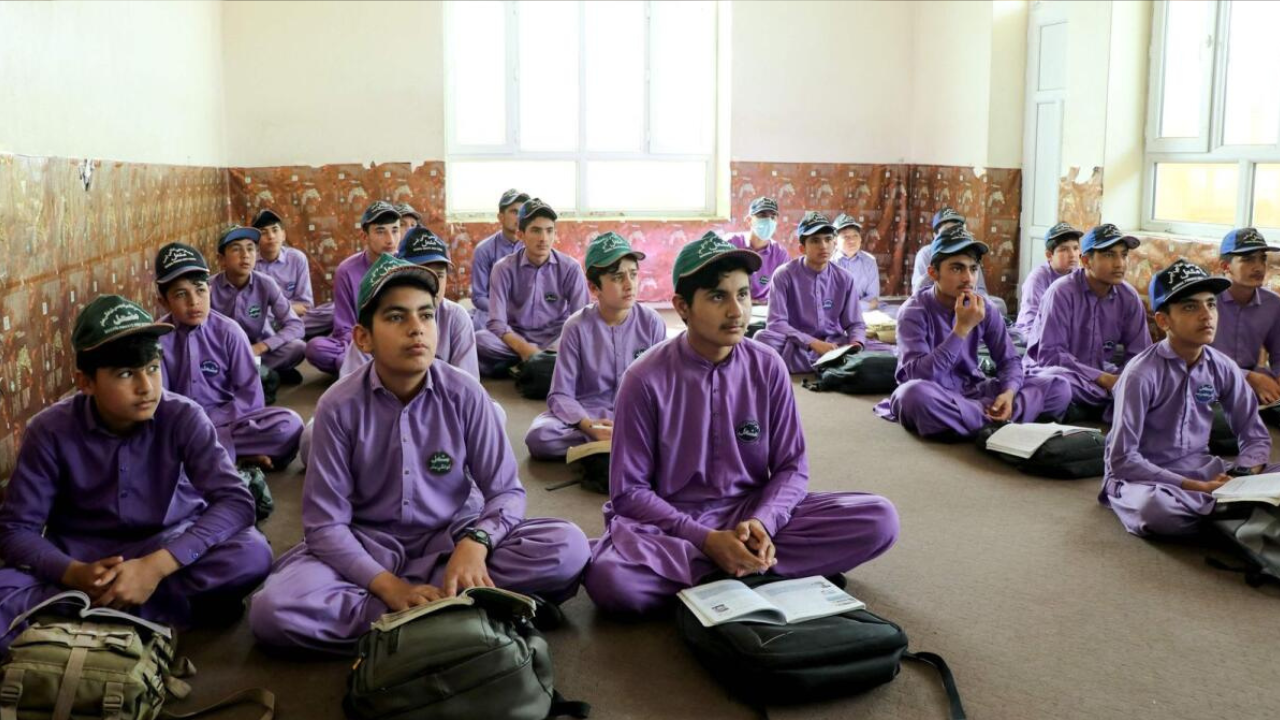
    Kabul, Afghanistan – Schools in Afghanistan opened for the new academic year on Wednesday, with girls lamenting being banned from joining secondary-level classes for a third year in a row.

    Taliban authorities barred girls from secondary school in March 2022, after surging back to power in 2021 and imposing an austere vision of Islam with curbs the United Nations labels “gender apartheid”.

    On Wednesday morning, uniformed boys carried black and white Taliban flags as they lined the entrance of Kabul’s Amani school, where local officials arrived for the ceremonial start of the school year.

    But 18-year-old Kabul resident Zuhal Shirzad had to stay home when the school bell rang.

    “Every year when my brother went to school, I felt very disappointed,” she told AFP.

    “I was happy for him and sad for myself,” she said.

    “This winter, my brother was studying and preparing for the university entrance exam,” she added.

    “I looked at him desperately and said that if I had been allowed to go to school, I would also be preparing for the university entrance exam now.”

    Afghanistan is the only country where girls’ education has been banned after elementary school.

    “None of the girls like me can continue our education and studies, and it is excruciating that boys can continue,” said 18-year-old Asma Alkozai, from the western city of Herat.

    “When there are barriers to education in society, such societies can never progress,” she told AFP.

    Online classes have sprung up in response to restrictions but a dearth of computers and internet, as well as the isolation of learning via screen, makes them a poor substitute for in-person learning, students and teachers say.

    Education ‘essential’

    The education ministry announced the new school year on Tuesday, a day before the start of the Afghan calendar’s new year, in a media invitation that expressly forbade women journalists from covering the ceremony at the Amani school.

    At the ceremony, Taliban government Deputy Prime Minister Abdul Salam Hanafi praised education, saying, “A nation without education will always be dependent on others”, local media reported.

    Universities also recently started the new academic year, but women have been blocked from attending since December 2022.

    Under the Taliban authorities, women have been excluded from many spheres of public life. Beauty salons have been shuttered and women have been barred from parks, funfairs and gyms.

    Women’s rights remain a key obstacle to international recognition of the Taliban government, which has not yet been recognised by any country.

    The United Nations mission in Afghanistan (UNAMA) called on the authorities to “end this unjustifiable and damaging ban”.

    “Education for all is essential for peace & prosperity,” the agency said in a post on social media platform X.

    ‘Half of society’

    Taliban authorities have insisted since girls were barred from secondary school that they are working on establishing a system that aligns with their interpretation of Islamic law.

    Thirteen-year-old Mudasir in eastern Khost province said girls and women should be given their rights to education “in the Islamic framework”.

    “They can go to school wearing Islamic hijab (covering),” he told AFP.

    “They must be given their rights, because if a sister is educated, she can be the reason for the whole family to be educated.”

    Faiz Ahmad Nohmani, who started secondary school at a private institution in Herat on Wednesday, was excited to start the new academic year but said he was “very sorry” that girls were not also returning.

    “Today, when I came to school, I wanted our sisters to come as well because they are half of society,” the 15-year-old told AFP. “They should study like us.”

    Ali Ahmad Mohammadi, an 18-year-old student in his final year of secondary school, also in Herat, said he’s aware of the chance he has to study.

    “Literacy helps us progress, it saves society,” said the teenager, who hopes to go on to university.  “An illiterate society will always face stagnation.”

    qb-sw/ssy

    © Agence France-Presse
  • Khyber Medical University prohibits ‘intimate relationship’ between faculty, students to counter sexual harassment on campus

    Khyber Medical University prohibits ‘intimate relationship’ between faculty, students to counter sexual harassment on campus

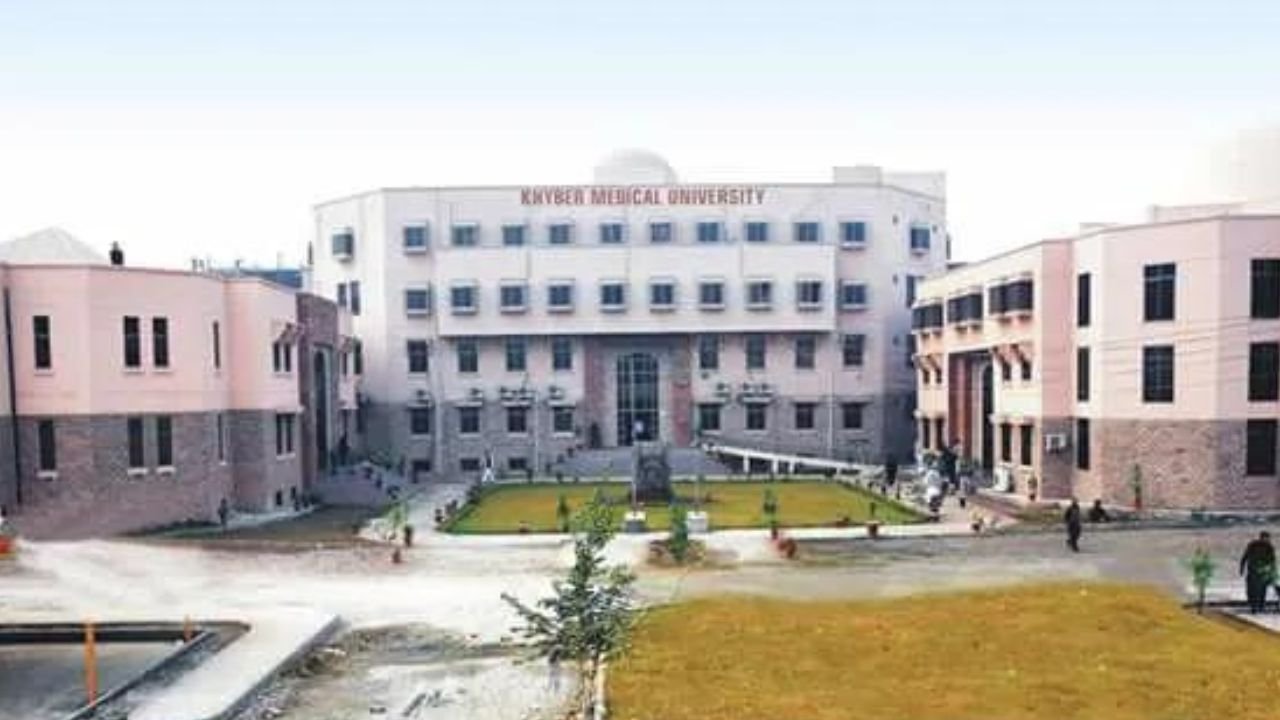
    Khyber Medical University (KMU) has officially prohibited ‘intimate relationship’ between members of staff and students in accordance with the Higher Education Commission to put an end to harassment on campuses.

    Dr Brekhna Jamil, the chairperson of KMU’s harassment inquiry committee, issued the notification, stating that severe penalties will be implemented if the policy is violated along with a possible oral or written “reprimand, dismissal, suspension, expulsion, disciplinary probation, imposition of fine, withholding of degree, cancellation of professional licence, inclusion of decision in personal file and other related sanctions as deemed appropriate,” reports Dawn.

    “These relationships pose conflicts of interest, compromise professional judgment, and risk the credibility of the institution. The individuals involved in such relationships should declare it,” the notification read — titled ‘Prohibition of intimate or romantic relationships between faculty members, staff and students as per HEC’s policy on protection against sexual harassment in higher education institutions 2020,’ .