Tag: education

  • 17 Pakistani universities listed among world’s best institutions

    17 Pakistani universities listed among world’s best institutions

    As many as 17 Pakistani universities have been listed among the best global universities for 2022.

    According to the ranking published by US News, Quaid-e-Azam University (QAU) Islamabad has been ranked 461 in the World Ranking for 2022. Aga Khan University, Karachi and COMSATS University Islamabad are following the QAU in the ranking respectively.

    Apart from these institutions, more universities have made to the list, such as the National University of Sciences and Technology (NUST) which is placed at 922, the University of Peshawar, at 933, University of Agriculture Faisalabad at 954, Government College (GC) University Faisalabad at 1,149, University of Punjab at1,242, Bahauddin Zakariya University at 1,368 and University of Engineering and Technology (UET) Lahore have been placed at 1,458th position.

    Following the news, the Vice-Chancellor (VS) of QAU Prof Dr Muhammad Ali Shah congratulated the faculty, students, staff, and alumni on the official website of the university.

  • Private students in Punjab will soon be able to take FSc exams

    Punjab’s Higher Education Department (HED) has decided to make another alteration to the intermediate test guidelines to facilitate private students in the province.

    Private students will now be eligible to sit at the FSc yearly examinations, according to reports, with the latest modification due to take effect in the academic year 2023.

    However, the students will be required to submit certificates to confirm their appearance in practical exams before taking the annual exams.

    The students will be able to obtain these certificates from any college affiliated with any of the eight boards of secondary and intermediate education.

    This change is undoubtedly great news for private candidates who wanted to enroll in sciences. Previously, private students were bound to choose between humanities and commerce.

  • Has Punjab banned co-education in private colleges? Here is what’s going on

    Has Punjab banned co-education in private colleges? Here is what’s going on

    News reports of the Punjab Higher Education Commission (PHEC) banning co-education in private colleges for the BS (Hons) programmes have been circulating on social media since Wednesday night.

    However, Azhar Mashwani, the Punjab chief minister’s focal person for digital media has said that the news reports are fake, and no such decision has been made. He also shared the screenshots of the “false” news.

    Moreover, Punjab Minister for Higher Education and Information Technology Raja Yassir Humayun Sarfraz has also denied the reports.

    “Higher Education Department hasn’t issued any notification about Co-Education in Colleges. Plz, stop spreading fake news on Media,” his tweet read.

    Journalist Benzair Shah while talking to The Current said that the news is “not accurate.” She added that the director of public instruction colleges Punjab also confirmed that the notification circulating is from 2010.

    However, a checklist for BS Four year degree programme is available on the website of the Higher Education Department and serial number 25 of the document says, “Affidavit for No Co-Education.”

    In addition, serial number 28 of a document available with The Current regarding the checklist of ADP ( Associate Degree Programme) states, “Separate Boys and Girls Block. Affidavit for no Co-Education according to sample available in the booklet on stamp paper duly attested by Oath commissioner.”

    Serial number 19 of the document says only male staff members are allowed to teach in male colleges and only female staff members are allowed to teach in female colleges. As per our sources, the document is “apparently new”.

    As per sources of The Current, the government will issue a clarification on the matter and the checklist has always been there since 2008.

    A notification issued by the Directorate of Public Instruction (Coleges) says, “It is to inform that there is no condition of submitting an Affidavit of NO CO-EDUCATION from private colleges to launch BS4YDP, AFP, DPT, Pharma-D and LLB Programs.”

    The notification further says, “The information may be conveyed to all the Private Colleges to submit an application according to New Updated proforma (which is available on HEC website.)”

  • 2,290 Students graduate from PepsiCo supported youth education program

    2,290 Students graduate from PepsiCo supported youth education program

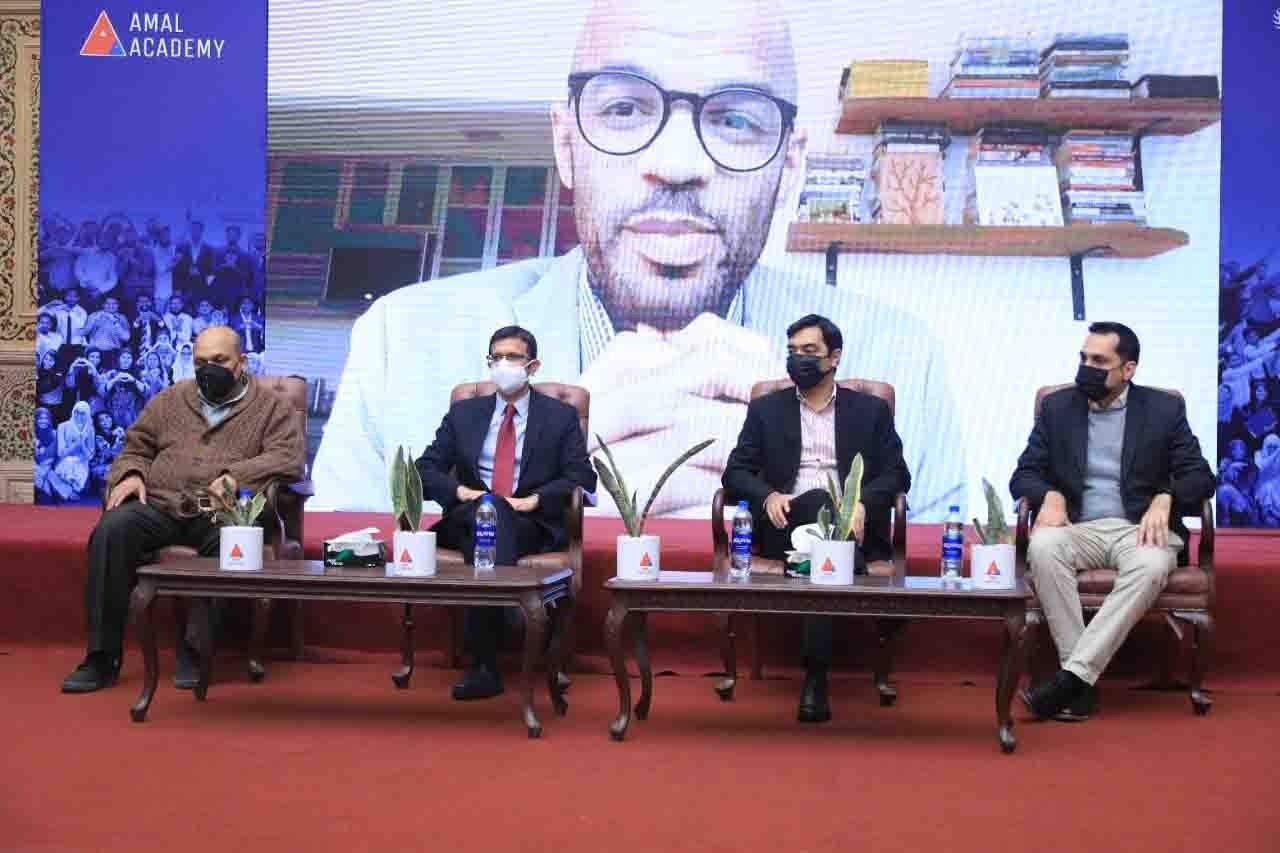
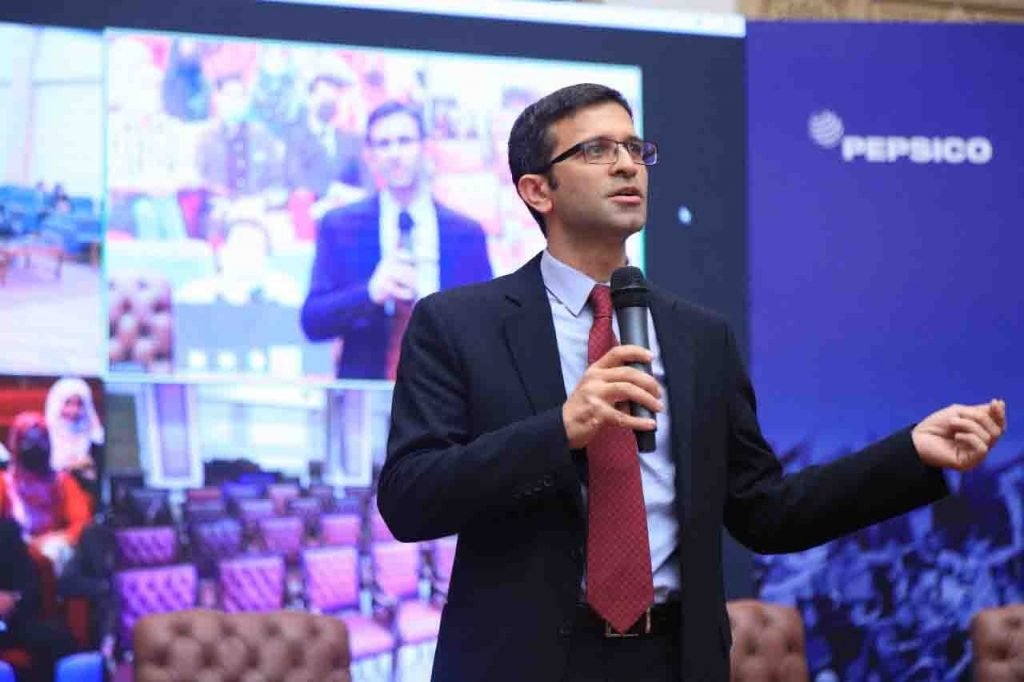
    More than 2,290 students has graduated from the PepsiCo-supported career-prep fellowship by the Amal Academy. The educational start-up held its graduation ceremony for students from 180 cities, towns, and villages at a series of celebratory events held in Lahore, Karachi, and Peshawar. The graduation ceremony was attended by Amal Academy CEO Mr. Ali Siddiq, PepsiCo Senior Director Sales and Corporate Affairs Mr. Mohammad Khosa, and chief guest and notable academic Director and Senior Fellow at the Institute of Development and Economic Alternatives (IDEAS), Dr. Faisal Bari.

    The fellowship is part of PepsiCo’s ‘Roshan Kal’ platform aimed at developing students’ professional skills through internships and skills development programs. The program creates opportunities for youth to develop skills such as communications, teamwork, leadership, positive thinking, and growth mindset. It focuses on specific career skills such as interview preparation, job placement, and project presentation. Enhancing professional skills enable university graduates to improve their chances of gaining meaningful employment.  To date, Roshan Kal has created over 6,300 opportunities for youth through its internship program and its professional skills development program that is run in collaboration with Amal Academy. Based on graduate surveys, seventy percent of the program’s graduates receive an offer of employment within three months of completing this program.

    Present at the occasion, Amal Academy CEO, Mr. Ali Siddiq, said, “I would like to express my gratitude to PepsiCo for enabling us to expand the reach of our fellowship program across Pakistan, and also for helping us launch a teacher training initiative this year to help bridge the industry-academia gap.”

    In his address to the fellows present at the ceremony, he added, “I’m humbled and proud to see how you have chosen a path of lifelong learning and civic responsibility. You are the leaders this country needs, and we are honored to be part of your journey to reaching your full potential.”

    Senior Director Sales and Corporate Affairs, PepsiCo Pakistan, Mr. Mohammad Khosa, commented, “I am truly proud of Amal Career-Prep Fellows 2021 for successfully completing the program and joining us on this life-changing journey to emerge as resilient, knowledgeable, and socially responsible youth, working toward a brighter future of our country. PepsiCo’s investment in this program is part of our broader social impact commitment toward fostering positive developments in accordance with PepsiCo’s In, With and For Pakistan mission.”

    In 2021, PepsiCo Amal Career-Prep fellows initiated and led some remarkable community impact projects. The fellows came together to collect PKR 5 million for Edhi Foundation during a fundraising drive and executed other mega projects to positively impact the lives of 9,000 people across Pakistan. In addition, there has been an eighty percent success rate in terms of job placements for the graduate fellows this year.

    “Our collective hard work and passion has brought us here today, and my heart is dancing with joy. I have never been this excited or happy to have completed a course or degree. This is a real life-changing experience, and I am truly thankful to PepsiCo and Amal Academy for giving me an opportunity to go beyond my comfort zone, inspiring me to do better,” said Saeeda Wasi, a 2021 graduate fellow.

    About PepsiCo

    PepsiCo products are enjoyed by consumers more than one billion times a day in more than 200 countries and territories around the world. PepsiCo generated more than $70 billion in net revenue in 2020, driven by a complementary food and beverage portfolio that includes Frito-Lay, Gatorade, Pepsi-Cola, Quaker, and 7UP. PepsiCo’s product portfolio includes a wide range of enjoyable foods and beverages, including 23 brands that generate more than $1 billion each in estimated annual retail sales. Guiding PepsiCo is our vision to Be the Global Leader in Convenient Foods and Beverages by Winning with Purpose. “Winning with Purpose” reflects our ambition to win sustainably in the marketplace and embed purpose into all aspects of our business strategy and brands. For more information, visit www.pepsico.com.

  • Broken promise? Madrassas to implement SNC in six years

    Director National Curriculum Council (NCC) Dr Mariam Chughtai has said that the government is giving five to six years to madrassas (religious seminaries) to adopt the changes that need to be made to switch to the Single National Curriculum (SNC).

    Earlier, Mariam Chughtai has said that Single National Curriculum will help Madrassa students to to qualify for jobs.

    Responding to a question about not taking all stakeholders on board, Mariam added, “Let me also point out that every single child was being affected in 2017 as well. The Quran Naazrah Act was passed unanimously in the parliament by every single political party. Not one article in Dawn, not one webinar, not one question, not one tweet about it… but now because this curriculum impacts the children of the rich, suddenly there is a hue and cry about where are all the stakeholders.”

    She went on to add, “There was a call in the newspaper to participate [in SNC], not one university expect Agha Khan University applied for it.”

    “As far as the Aitchison question is concerned, it’s too quick to assume that Aitchison is rejecting it [SNC]. I read the principal’s statement and they said explicitly they are following SNC in spirit.”

    “Rest is all implementation-related, we are giving schools time, we are giving madrassas five to six years to accommodate the changes that need to be made,” Dr Chughtai added.

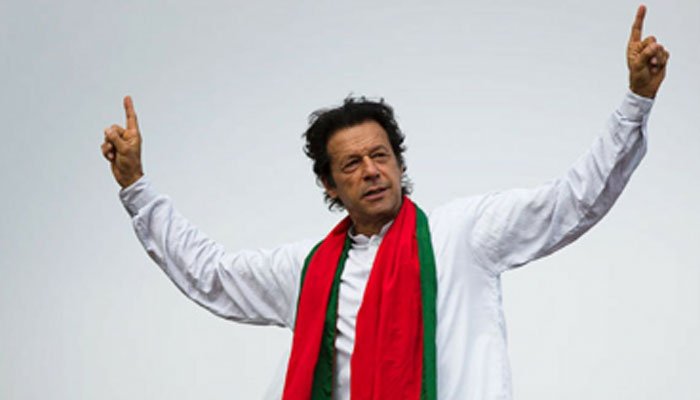
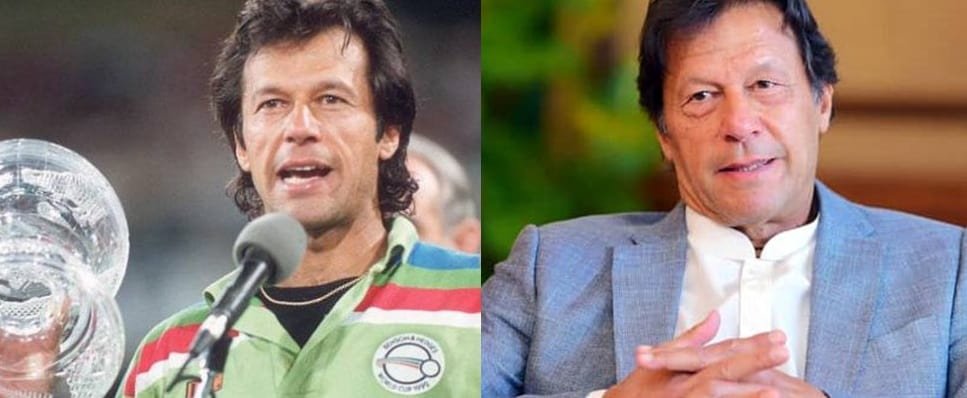
    Prime Minister, Imran Khan in December 2020 said that, “A uniform curriculum is important because it is the only way to streamline the country’s education system which is currently divided on the basis of Urdu-medium schools, English-medium schools, and Madrassahs,” he said.

    Single National Curriculum (SNC) is a ‘uniform’ system of education, which means the same curriculum for everyone. 

  • PM Khan congratulates winner of ‘Asia’s highest honour’ Ramon Magsaysay Award

    Prime Minister Imran Khan has congratulated Founder of Akhuwat, Dr. Amjad Saqib for winning the Ramon Magsaysay Award.

    “Have been told this year’s Ramon Magsaysay Award, Asia’s highest honour, has been given to a Pakistani, Dr. Amjad Saqib, Founder Akhuwat,” wrote the Prime Minister.

    “Congratulations to him. We are proud of his achievement as we move forward in creating a welfare state based on Riasat e Madina Model,” he added.

    Dr Saqib received the award for his efforts for eradicating poverty in Pakistan. His profile on the website of Ramon Magsaysay Award Foundation  says, “A visionary who founded one of the largest micro finance institutions in Pakistan, servicing millions of families.”

    As per the details on the website, “Muhammad Amjad Saqib, in 2001, invited a group of friends to present to them his plan for a first-of-its-kind interest-free micro finance program, offering to design, organise, and implement it. Two years later, Akhuwat was formed and its first branch opened in Lahore.”

    “It also promotes volunteerism among staff and clients, aims at transforming borrowers into donors, and fosters diversity and inclusion, serving all—irrespective of religion, caste, color, and gender.”

  • PTI presents three years’ performance charter

    PTI presents three years’ performance charter

    Pakistan Tehreek-e-Insaf (PTI) released the party’s performance since it came into power three years ago. The party under its manifesto of ‘Justice, humanity, and selflessness’ claims to have served the people of Pakistan.

    Diplomacy:

    From prioritising economic diplomacy to highlighting Kashmir’s cause on all international forums, Pakistan witnessed an increase in its global and regional relevance in the past three years.

    PTI in its past three years has been countering Islamophobia. The party has been a long-term facilitator of the peace process in Afghanistan.

    The party claims to be aggressively active in exposing the Hindutva Agenda.

    Ehsaas programme:

    The Ehsaas programme has emerged as the largest social protection programme in history by benefiting almost half of the country’s population. ‘Ehsaas Emergency Cash’ has been declared as the third largest social protection programme in the world.

    The World Bank has listed the Ehsaas Emergency Cash programme among the top four social protection interventions globally in terms of the number of people covered. The programme distributed cash among 15 million underprivileged families after they suffered financially due to Covid-19 related lockdowns.

    Education:

    As per PTI’s claims, the government has done revolutionary initiatives for the education sector.

    A uniform education system has been introduced in the country under the Prime Minister’s auspices. The Single National Curriculum (SNC) has been approved and made functional in the country for students from Grade 1 through 5. One system of Education for all, in terms of curriculum, medium of instruction, and a common platform of assessment so that all children have fair and equal opportunities when it comes to receiving a high-quality education.

    Climate Change:

    In the climate change battle, Pakistan has emerged as an inspiration to the world over the course of the last three years. Pakistan has devised peculiar strategies to deal with environmental challenges.

    Under the supervision of the Ministry of Climate Change, the PTI government has been devoted to protecting the environment. From working on ‘Pakistan Clean Air Program’ to ‘Sustainable Forest Management’, PTI praised itself for the work it has done in this department.

    Pakistan launched a number of initiatives including a landmark “10-Billion Tree Tsunami” project that earned global acclaim.

    Reformation:

    Completing its three years in power, PTI claims to have done tremendous work for the restoration of green belts of ICT, Anti-Encroachment Drive, enhanced capacity of Panah Gahs, online token tax payment, and claim that they are some of the major achievements of the Interior Ministry.

    Digital Pakistan:

    Taking credit for the digital transformation of state media project, initiated by the Ministry of Information & Broadcasting, in view of the vision of Prime Minister Imran Khan for a Digital Pakistan, PTI states to have done landmark work towards the digitalisation and modernisation of state media.

    Electoral reforms:

    Electoral reforms, electronic voting, and the voting process for overseas Pakistanis have been major projects spearheaded by PTI. The party has successfully launched electronic voting to aid the process of having smooth and transparent elections.

    To promote transparency and prevent fraud in the elections, the government has developed a model of the electronic voting machine and submitted it for testing.

    The government states that it has done historic work to address the problems of overseas Pakistanis.

    Covid-19:

    Shining through its three years, PTI’s Ministry of Science and Technology helped manufacturing of agricultural and police drones, locally manufactured ventilators, PPAs, sanitisers, diagnostic kits, and biomedical equipment for Covid-19 protection.

    National Command and Operation Centre (NCOC) led by Federal Planning Minister Asad Umar did a commendable job combating the deadly virus. Covid-19 exposed the terrible state of the health sector but NCOC managed to prop up systems on a war-footing to cope with the emergency.

  • Three-year report card: PTI’s quest to achieve Naya Pakistan

    Three-year report card: PTI’s quest to achieve Naya Pakistan

    As Pakistan Tehreek-e-Insaf (PTI) goes into its third year of being in power, it becomes imperative to review its scorecard and what they have accomplished so far.

    Prime Minister Imran Khan was voted into power based upon the idea of building a ‘Naya Pakistan’. The voters were inspired by a movement that calls for a more equitable approach to governance, particularly one built around the principles of Riyasat-e-Madina.

    Prior to being elected, PTI promised to carry out extensive reforms pertinent to the state’s welfare should they manage to establish a government.

    Governance:

    The PTI government struggled to define its vision and manifest it into an actionable policy based on clear ideas and directives. The party witnessed a continuous shuffle in its cabinet members and lawmakers, sometimes blaming these frequent reshuffles on lackluster performance and incompetence. Every reshuffle saw the party falling into instability which further weakened the overall party narrative of change and transparency.

    Despite having a majority, PTI failed to execute a much-needed face-lift at a provincial level. One of the ruling party’s promises before forming the government was to “spearhead the creation of a South Punjab province on administrative lines”, which is still a work in progress.

    “We want to make Karachi the urban jewel of Pakistan,” the PTI stated in its manifesto. But despite their promises, several projects have yet to be completed.

    PTI aimed to depoliticise the police by building upon Khyber Pakhtunkhwa’s successful police reform model, which was to be replicated nationally. In their own words, the PTI manifesto acknowledges that the police in Pakistan are ill-equipped, poorly trained, deeply politicised, and chronically corrupt. However, very little has been done to enforce the depoliticisation of law enforcement agencies in order to circumvent these deeply entrenched issues.

    Reforming the civil service through transparent and merit-based recruitment with regional representation was another one of the party’s ambitious objectives. Civil service reform also included performance-based promotions and compulsory training at all requisite levels, providing equal opportunities for career advancement. Work is still underway when it comes to reforming the civil service as well.

    Economy:

    Under PTI governance in its first year, the economic growth rate of the country was 5.5 percent, which proceeded to drop to 1.9 percent. During the party’s second year in power, the country witnessed negative growth due to Covid-19. Pakistan’s debt grew from Rs24 trillion to Rs38 trillion in three years.

    From a deficit of $8.56 billion in the calendar year 2019, the current account balance swung into a surplus of $245 million in 2020. But in the first three months of 2021 it swung back to a deficit of $274m, and then registered a further deficit of $188m in April and $632m in May.

    Health:

    A motion to change the name of Benazir Income Support Programme (BISP) faced resistance from the Opposition and was later abandoned. The party instead placed it under the umbrella of Ehsaas — the PTI’s flagship social safety programme.

    The World Bank has listed the Ehsaas Emergency Cash programme among the top four social protection interventions globally in terms of the number of people covered. The programme distributed cash among 15 million underprivileged families after they suffered financially due to Covid-19 related lockdowns.

    Prime Minister Imran Khan’s federal government expanded the Sehat Sahulat Programme on a nationwide scale.

    Over the past three years, the government has announced the extension of health care coverage to journalists, Islamabad police, the transgender community, overseas labourers, and people with disabilities.

    Covid-19:

    National Command and Operation Centre (NCOC) led by Federal Planning Minister Asad Umar did a commendable job combating the deadly virus. COVID-19 exposed the terrible state of the health sector but NCOC managed to prop up systems on a war-footing to cope with the emergency.

    Education:

    Prime Minister Imran Khan said that his focus will be centered on improving public sector education, including madrassas. He also discussed providing young persons with loans to cultivate and promote entrepreneurship.

    A uniform education system will be introduced in the country next year under the Prime Minister’s auspices. The Single National Curriculum (SNC) has been approved and made functional in the country for students from Grade 1 through 5. One system of Education for all, in terms of curriculum, medium of instruction, and a common platform of assessment so that all children have fair and equal opportunities when it comes to receiving a high-quality education.

    In May 2019, the Ministry for Federal Education started the registration process for madrassas in the country. In October of the same year, the Directorate General of Religious Education (DGRE) was set up.

    The party had promised to provide stipends for female secondary school students and to prioritize the upgrade and establishment of schools for girls.

    The Kamyab Jawan Programme (KJP) was launched in October 2019. It is a small-and-medium-enterprise lending scheme, aimed at stimulating job creation and economic empowerment for young persons.

    Furthermore, the Hunarmand Jawan programme is another PTI initiative that aims to promote economic emancipation amongst young people through high-quality training.

    Accountability:

    Prime Minister Imran Khan has been categorically saying that his government would not interfere with the process of accountability and that “every corrupt individual” would have to face justice irrespective of their status or party.

    The National Accountability Bureau (NAB) has seemingly been the most active throughout PTI’s tenure. The anti-graft body had recovered 484 billion PKR over a span of two years from 2018 to 2020. On the contrary, previous governments had managed to recover a mere 290 billion PKR from 1999 to 2017.

    However, the Supreme Court has criticised NAB for “selectively applying its law on individuals” and said that there is a widespread perception of the NAB laws “being employed as a tool for oppression and victimisation of political opponents by those in power”.

    Freedom of speech:

    The PTI government has been determined to control the media through new laws, which will eventually span electronic, print, and digital media platforms.

    Pakistan has recently been criticized both internally and externally for the issues surrounding freedom of speech within its borders.

    Pakistan ranks at 142 on the Reporters Without Borders (RSF) Press Freedom Index. According to the Pakistan Press Freedom Foundation’s report, Pakistan has witnessed the murders of 72 journalists since 2002. Most of these cases remain unsolved.

    Pakistan Media Development Authority (PMDA) has been described in the Ordinance as “an independent, efficient, effective and transparent authority, which will regulate all forms of media, including digital media”.

    Under the Ordinance, print and digital media organisations will also need a license to operate in the country.

    Media bodies and organisations have vehemently opposed the PMDA and criticised it.

    Electoral Reforms:

    PTI has worked towards electoral reforms with great vigor, stating that electronic voting is the only way to ensure transparency and prevent rigging.

    Electoral reforms, electronic voting, and the voting process for overseas Pakistanis have been major projects spearheaded by PTI. The party has successfully launched electronic voting to aid the process of having smooth and transparent elections.

    On June 10th, the National Assembly passed the Elections (Second Amendment) Bill which pertains to fair, free, and transparent elections through a more contemporary approach to technology.

    PTI sees overseas Pakistanis as an asset to the country and has worked to involve them in the election process.
  • This village in Punjab has 100 percent literacy rate

    This village in Punjab has 100 percent literacy rate

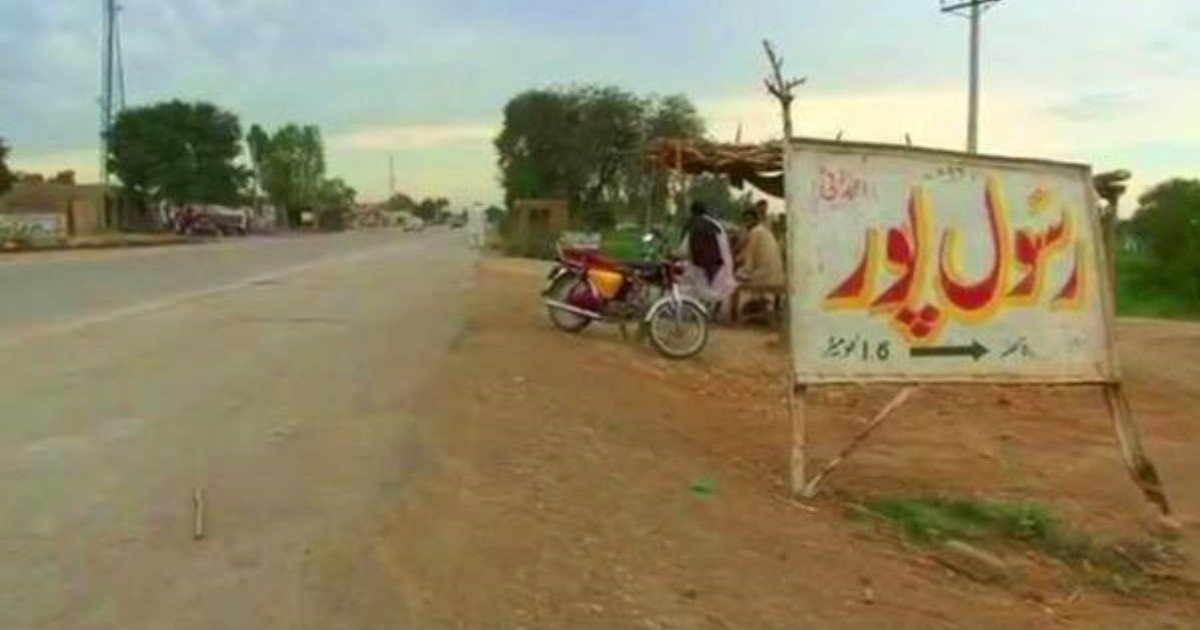
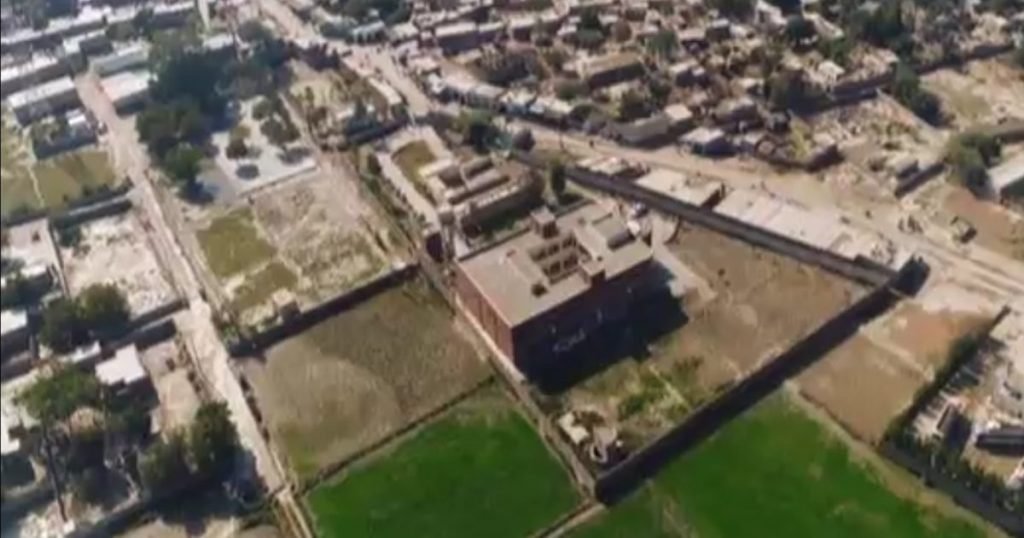
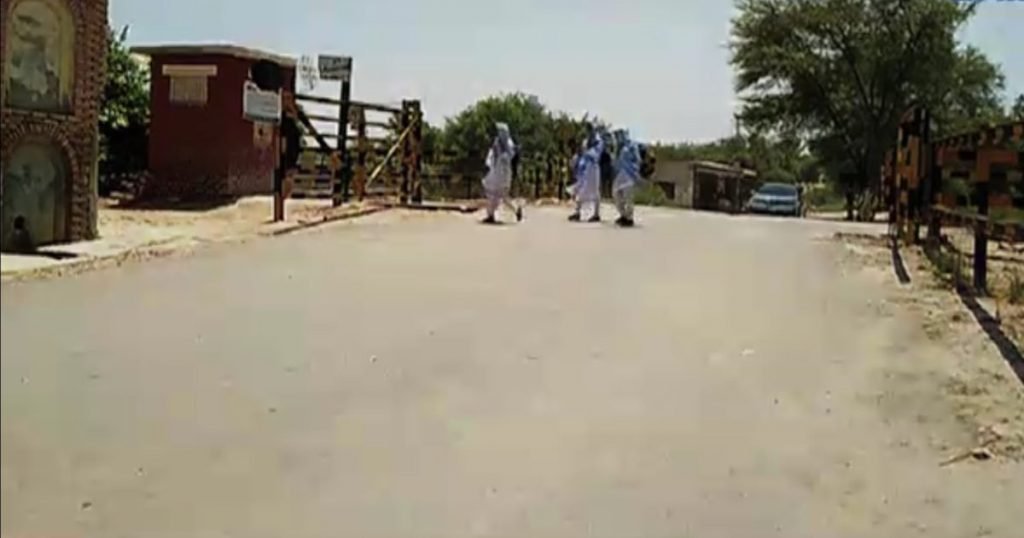
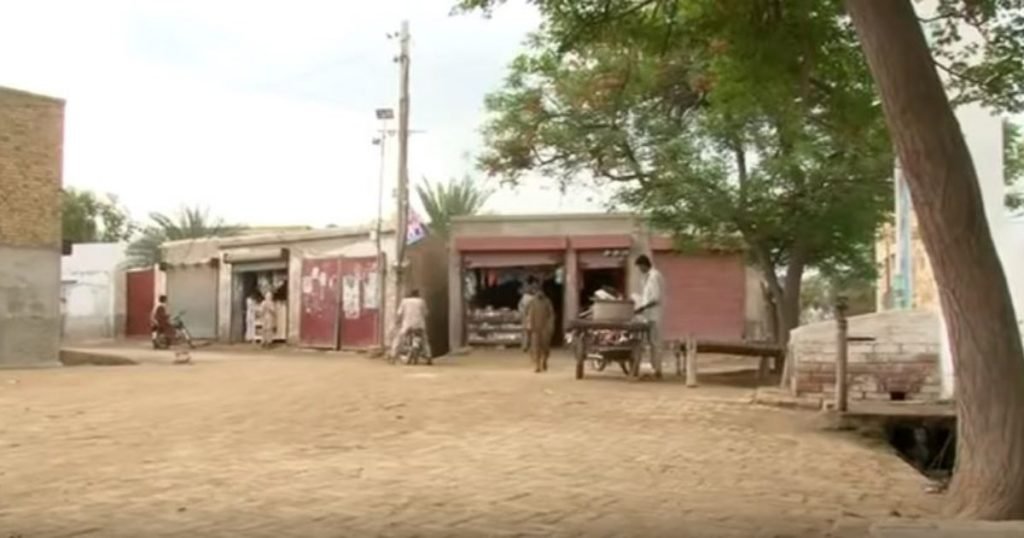
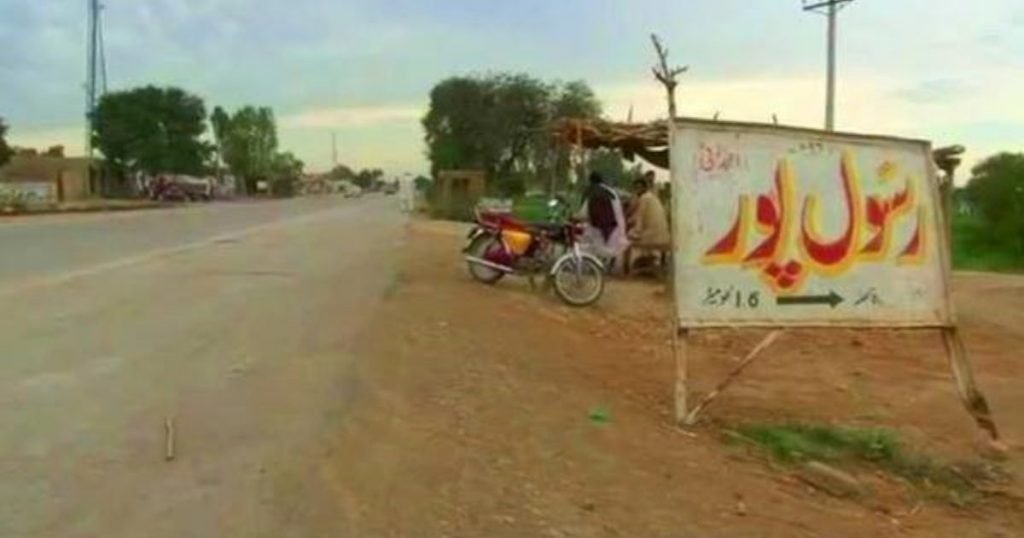
    Rasool Pur is a village, located in the Rajanpur district of Punjab. This amazing village not only has 100% literacy rate, but it also has zero percent crime rate.

    According to a report of Samaa News, Rasool Pur was established as a village in 1933 when people migrated from Balochistan and made this place their home.

    The villagers not only know how to read and write, but most of them have finished their high school education.

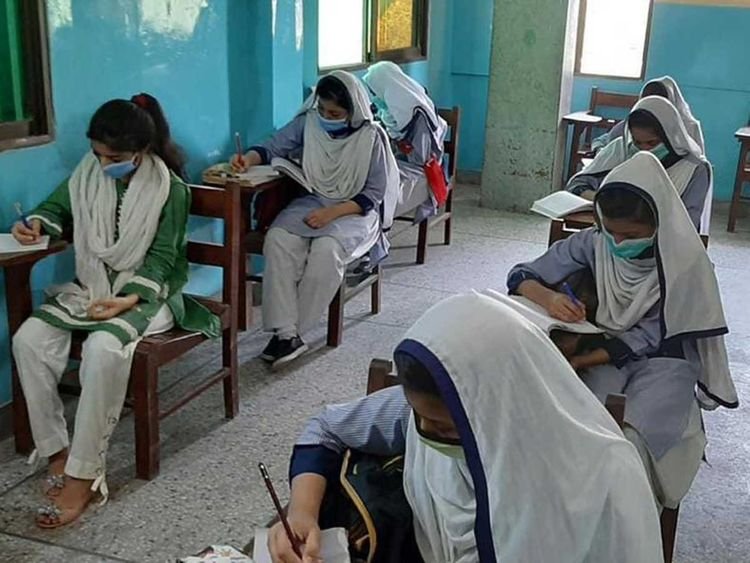
    There are two high schools in Rasool Pur, one for girls and one is for boys.

    It is one of the most peaceful places to live in Pakistan. The crime rate in the village is zero percent.

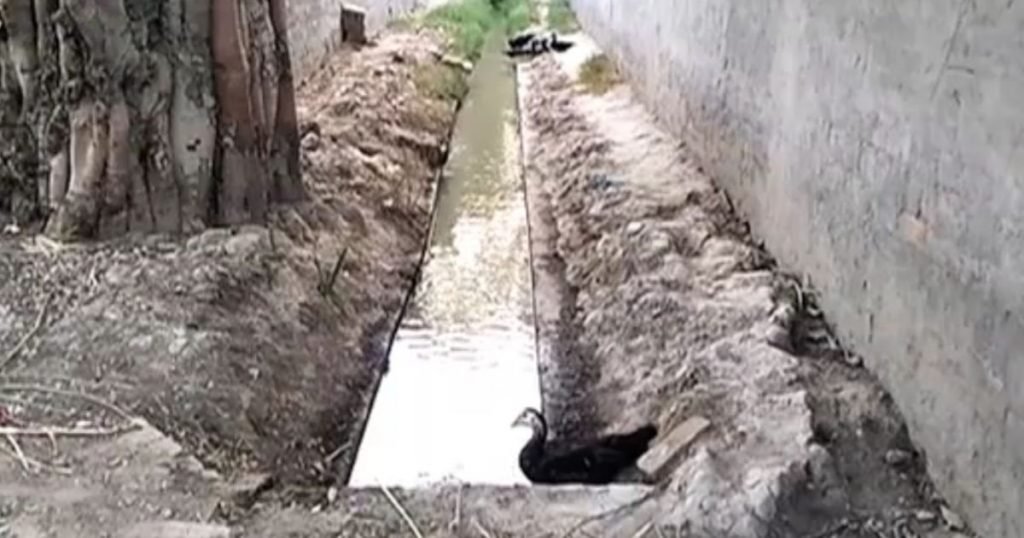
    One of the things that you will notice in Rasool Pur is the cleanliness. Although the village has limited resources, the villagers have made sure that their village does not have any garbage lying around. The sewerage system here is also well maintained.

    They have their own department to cater the issues and development projects of their village.

    Many of the women from this village are highly educated and working as doctors and engineers in different areas of Pakistan.

    The locals of this village understand the value of education and know that it is much more than simply a means of earning more.

  • Nagar Valley girls to get first higher secondary school

    Nagar Valley girls to get first higher secondary school

    Gilgit Baltistan Education Minister Raja Azam Khan has announced that the provincial government is planning to develop the education sector in the area. He said that home schools have been set up in Diamer.

    As per reports, the minister announced that Government High School for Girls Nagar will be made a higher secondary school and a notification will be issued soon to begin secondary school classes in Girls High School.

    He said that efforts are being done to promote higher education in the areas where there is educational backwardness. He said that a home schools project has been initiated in Diameer district so that girls can get education in home schools.

    Incharge of the foundation, OneTen Foundation, which organized an event of uniform distribution to female students told that the foundation gives five per cent of its profits for social services in the early phase of Gilgit-Baltistan.

    The minister and the other speakers highlighted the importance of education in the area.