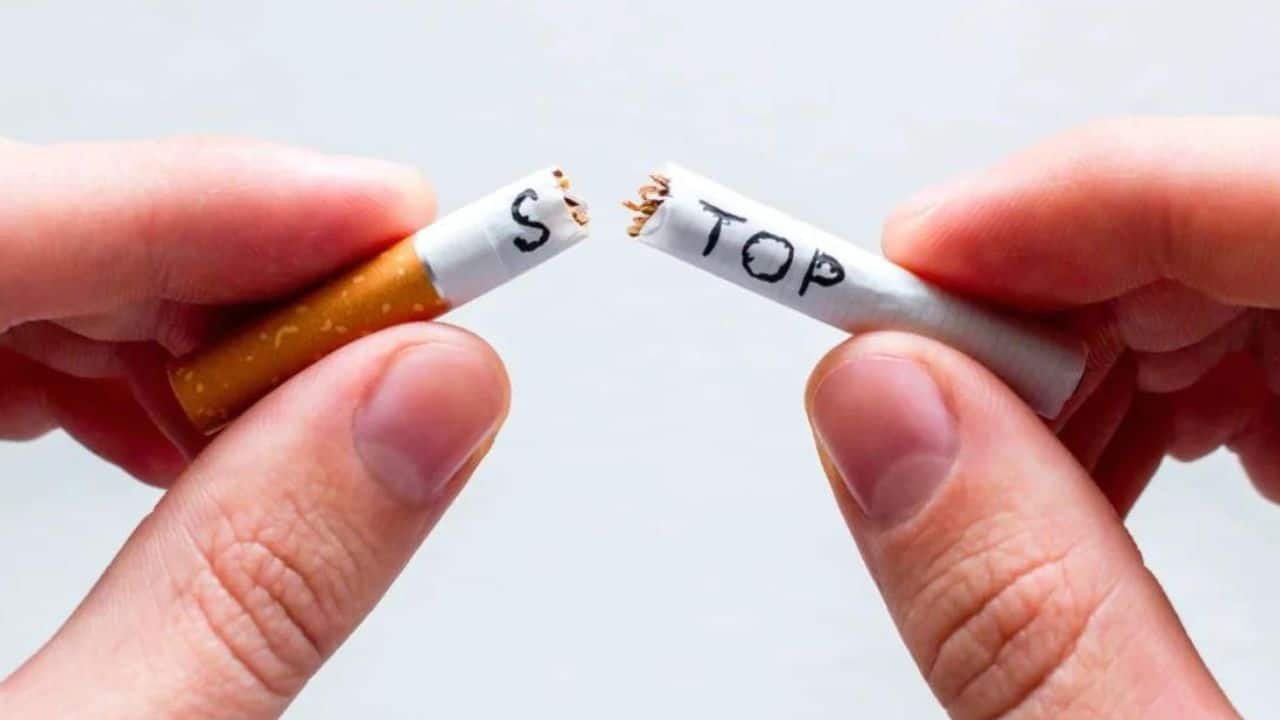
The students of the University of Agriculture in Peshawar have decided on starting a mission to prevent use of drugs in educational institutions.
According to reports, the administration has become active to protect the students of the University of Agriculture from drugs. The Anti-Drug Awareness Committee held a meeting at the campus.
According to experts present at the meeting, drugs give temporary relief by increasing hormones, but later they cause permanent destruction; adding that the addict becomes a burden on his family and society.
The students have decided to join hands with the government and social organisations to play an active role in the anti-drug campaign.
According to the report of a non-governmental organisation, 7.6 million people use drugs in Pakistan, including 78% men and 22% women.
Police on Friday arrested a madrassa teacher for torturing a child in Islamabad.
A video of the suspect in which he could be seen torturing a child went viral on social media. Police registered an FIR against him and he was later taken into custody from a madrassa adjacent to the Sector I-10 center.
The Islamabad Police shared details on Twitter, requesting people to be more mindful and aware of their child’s life and wellbeing after sending them to educational institutions and madrasas.
“All parents are requested to stay informed about the condition of their kids in educational institutions and madrasas. Call-15 immediately in any such situation,” tweeted Police.
سوشل میڈیا پر وائرل ویڈیو میں بچے پر تشدد کرنے والے قاری کو اسلام آباد کیپیٹل پولیس نے گرفتار کرلیا گیا۔
اسلام آباد پولیس نے کارروائی کرتے ہوئے سیکٹر آئی ٹین مرکز سے ملحقہ مدرسے کے قاری کے خلاف ایف آئی آر درج کرکے گرفتار کر لیا۔
The Federal Directorate of Education (FDE) has changed timings for educational institutes and announced a relaxation in uniform policy amid the extreme cold in the capital.
Single-shift institutes will run from 8:30am to 2:30pm Monday through Thursday and close at 12:30pm on Friday, according to the official notification.
On Monday through Thursday, evening shifts in double-shift institutions will run from 1:30pm to 7pm. On Friday, it will begin at 2:30 PM. Pre-I (Montessori/Prep) lessons will be offered Monday through Friday from 8:30am to 12:30pm.
Students are permitted to dress in any warm clothing of any colour to stay warm in the month of January to February, according to the official announcement.
Followng decisions have been made for @FDEGOPOfficial to deal winter spell without disrupting the learning process: 1. Timings adjustd for schools to take less cold in morning. 2. Students can wear any kind of warm clothing (Jackets&Sweaters) in addition to tht allowd as uniform. pic.twitter.com/u8Ca75YmCd
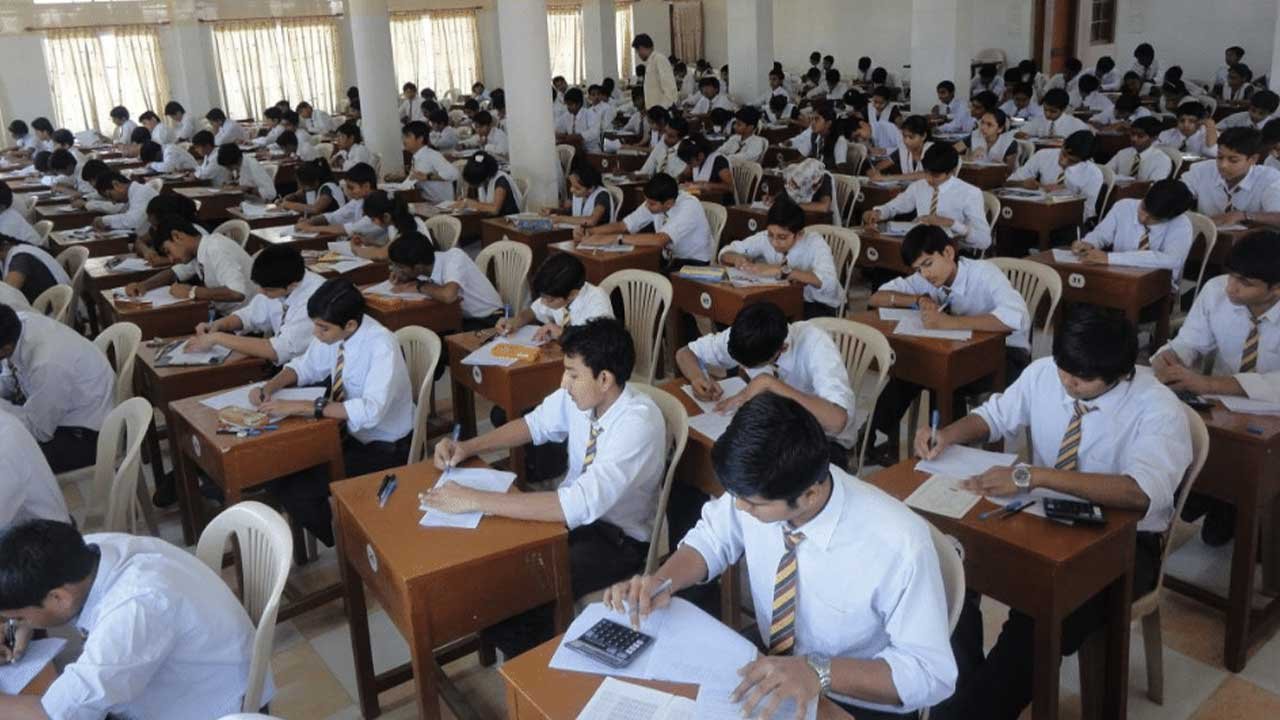
The Board of Intermediate & Secondary Education (BISE) Lahore will begin Matric (10th Class) examinations on Tuesday (today), with over 250,000 students expected to take part. According to a BISE Lahore official, the Lahore Board has set up 759 examination centers for the exam.
The 9th Class exams will begin on May 26 and will attract nearly 270,000 students. He noted that Intermediate exams would begin the second week of June 2022, following Matric exams.
BISE Lahore Chairman Mirza Habib Ali stated that these exams will cover the entire course. He also asked the concerned officials to make watertight arrangements for conducting the tests in a transparent and supervised manner.
After the much-awaited meeting today about the schools’ closure, the National Command and Operation Centre (NCOC) did not make a decision on whether schools will be closed or not in the wake of the highly transmissible Omicron variant.
The NCOC had called a meeting of the provincial health and education ministers on Monday.
In a statement, they said, “Decision about education institutions will be taken on data of positive cases of various institutions for which massive testing in educational institutions is being carried out.”
Punjab health minister Dr Yasmin Rashid informed the ministers that 85 per cent of the students in Punjab have been fully vaccinated and the Covid-19 situation in the province is under control.
In Sindh, Chief Minister (CM) Murad Ali Shah decided that educational institutions will continue in the province despite an alarming surge in cases as Karachi has reached a 40 per cent positivity rate.
Meanwhile, earlier today a total of 4,340 new cases have been reported in the country.
The National Command and Operation Centre (NCOC) has decided to shift the annual winter vacations for education institutions from December to January, reports Geo News.
The decision was made in a meeting held on Tuesday, which was attended by all the education ministers who backed and agreed to the proposal.
According to the NCOC, the vaccination process will continue in educational institutions. However, the institutions will remain closed in areas where heavy snowfall occurs.
On the contrary, Sindh has already announced winter vacations for educational institutions from December 20, 2021 to January 3, 2022.
Prior to this development, Federal Minister for Education Shafqat Mahmood on Tuesday said that as per the “agreed proposal”, winter vacations should be announced from December 25 to January 4.
However, he added that further notifications will be issued from the concerned governments.
Federal and provincial secretaries met today. The agreed proposal was that winter holidays should be from Dec 25 to Jan 4. Further notifications will be from the concerned governments
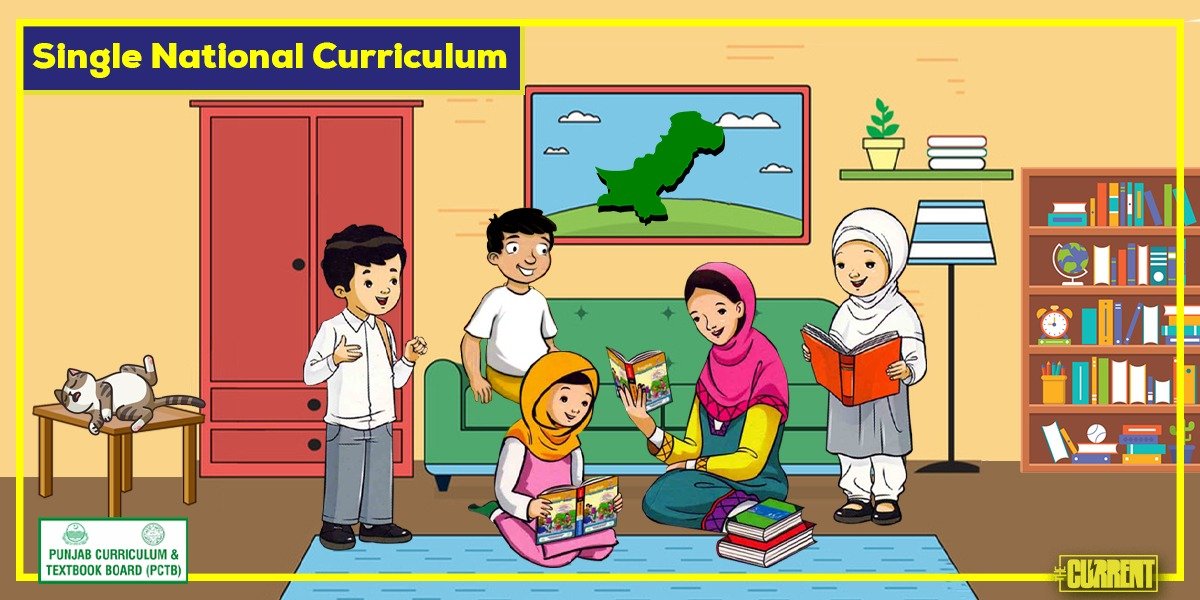
On August 16, 2021, Prime Minister Imran Khan officially launched the Single National Curriculum (SNC). The newly launched curriculum was prepared by the National Curriculum Council (NCC) and the Ministry of Federal Education, in consultation with the provinces. According to PM Khan, “SNC would transform the nation into a unified one.”
What is SNC?
According to the Ministry of Federal Education and Professional Training, the SNC is a ‘uniform’ system of education, which means the same curriculum for everyone. All public schools, private schools, and madrassas were meant to have the same curriculum so that the learning outcomes are similar and without any discrimination in teaching standards. This is not the first time SNC was imposed in Pakistan. It was previously introduced in 2006 by Former President Musharraf. Whereas the previous SNC was a curriculum-based initiative, the one introduced by the PTI government is imposing the use of the textbooks produced by the provincial boards.
Is it being implemented across the country?
No. Sindh has decided not to implement the curriculum since education is a provincial issue. Only Punjab and Khyber Pakhtunkhwa have enforced it so far. However, many schools in both provinces — including the prestigious Aitchison College, Lahore — expressed their concerns over the books in the curriculum. The Director of the National Curriculum Council (NCC), Dr Mariam Chughtai, has also said that madrassas will implement the SNC syllabus in five to six years, which undermines the reason why the government had wanted to introduce the SNC in Pakistan – to bring madrassas into the mainstream so students would be able to get jobs in other professions after they graduated.
Controversies surrounding the SNC
After the SNC syllabus was imposed on schools across Punjab, many controversies surrounding the books and the curriculum came forward. From the disparity in gender representation, the reinforcement of patriarchal gender roles, the lack of female heroes, and religious texts in the non-religious books.
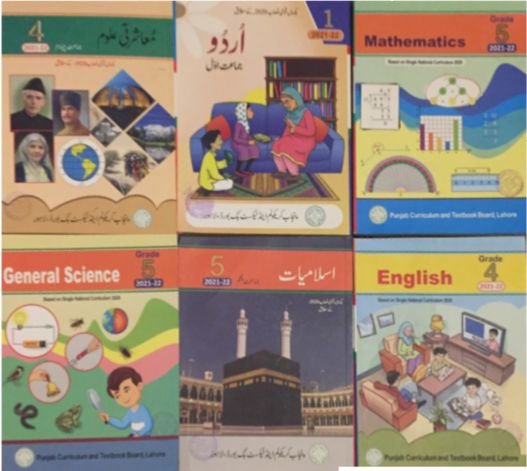
To see if the criticism is valid, The Current analysed the following books published under the Punjab Textbook Board (PTB):
Urdu books from grades 1 to 5, English books from grades 1-5, Mathematics books grades 1, 2, 4, and 5, General Science grades 4-5, Waqfiyat Aama grade 1 and 3, Social Studies 4-5, and Islamiat grade 1- 5.
Two books were not available at the time of research. Grade 3 Math and Waqfiyat Aama grade 2, which have not been included in the study.
The analysis here has been divided into two parts.
Part one comprises the data analysis of all the books included in the SNC by the Punjab Text Book board.
Part two comprises the data analysis of individual subjects being taught to the students.
We studied the total number of male and female representations in the books, a comparison of the eastern and western wear of both genders, the presence of religious (Islam and others) content in non-religious books, and studying the distribution of power roles assigned to both men and women.
Here is the list of most common criticism against the curriculum and the evidence we found:
SUMMARY OF CONTENT IN ALL SNC BOOKS
1- Disparity in Gender Representation:
One of the most debatable points in the entire SNC is the representation of men and women.
After a thorough evaluation, we found that the concerns about the disparity in gender representation are TRUE.
The study reveals that a total of 60.2 percent of the books have images of men, including boys and only 39.4 percent of the books have images of women, including girls.
2-Women represented in hijab vs non-hijab, and women in western clothes:
What the women are wearing became a source of contention in the discussion about the SNC, with critics suggesting that the women should equally represent the country in terms of the hijab, eastern clothes, and the choice to wear western wear.
It is TRUE that there is no equal representation of women’s appearance in the books.
Women’s appearance was divided into three categories.
A) Number of women wearing eastern clothes with hijab.
B) Number of women wearing eastern clothes without hijab.
C) Number of women wearing western clothes.
Our research shows that 41.6% of all women and girls in the SNC books are wearing a hijab, 28.9% are wearing eastern clothes without a hijab, and 29.4% of the images show girls wearing western wear. It is important to note that in the western wear percentage, almost all of the images are of young girls. Older women are not shown wearing western wear.
3-Men represented in eastern vs western clothes:
Since the appearance of women in eastern wear and hijab became controversial, we also studied how many times men appeared in western or eastern wear.
A massive 79.9 percent of men were seen wearing western clothes, in comparison to 20 percent dressed in eastern clothes.
4- More men in ‘power roles’ compared to women:
Another controversy suggested that the books did not show women in positions of ‘power’, and they were mostly listed as helpers or homemakers. While there were many images that showed women in ‘inferior roles’ to men, there were women that were shown in roles of power.
This controversy is TRUE.
We defined power roles shown in the books as doctor, pilot, lawyer, police officer, traffic warden, army sports personality, etc and after analysing all the books, we found that a men are given power roles three times more than women. The results in the graphic below are based on the total number of images shown of men and women in all the SNC Punjab books.
I
5. Religious content in non-religious books
In almost all the books which were studied, we saw the presence of religious references or mentions in non-religious books. Minorities felt their rights were being compromised since books that are not for religious studies should not have references to a specific religion, which may come under the context of ‘preaching’.
In our analysis, we saw a total of 7.77 percent of religious text in all SNC non-religious books, which lends TRUTH to the fact that there is religious content in non-religious books.
Religious content is present in 7.7 percent of English, Math, Social Studies, Urdu, Science, and General Knowledge books.
7.47 percent of books have references to Islam while 0.27 percent mention other religions in all non-religious books.
Dr Mariam Chughtai, while answering a question for The Current about the religious references in non-religious books, did not provide a clear answer but stated that these are model books that require changes.
SNC BOOKS ANALYSIS – SUBJECT ANALYSIS
This section of the report comprises an analysis of individual subjects being taught to students. The subjects under study were, Urdu books from grades 1-5, English books from grades 1-5, Mathematics books grades 1, 2,4, and 5, General Science grades 4- 5, Waqfiyat Aama (General Knowledge) grades 1-3, Muashrati Uloom (Social Studies) grades 4-5.
The graphical representation of the subject-wise evaluation is as follows:
English:
In 668 pages of English books, 58.1 percent have male representation while females have 41.8 percent.
29.7 percent of women are seen with Hijab and 70.2 percent are without Hijab.
There is a total of 9.8 percent presence of religious text in English books. This is based on the total number of pages in English books.
Mathematics:
In 672 pages of the Math books, when gender representation was analysed, 51.1 percent of the books have male representation and 48.8 percent have female representation.
A total of 53.9 percent of females are seen without hijab and 46 percent are seen wearing hijab.
The Math books have a 4.1 percent presence of religious text. This is based on the total number of pages in Math books.
Urdu:
The five Urdu books comprising 791 pages. A total of 59.7 percent presence of males are seen as compared to 40.4 percent of females.
58.5 percent of women/girls are seen wearing hijab and 41.4 percent are seen without hijab.
12.8 percent of religious text is present in Urdu books. This is based on the total number of pages in Urdu books.
General Science:
Out of 310 pages, 76.8 percent have male representation as compared to 23.1 percent female representation.
64 percent of women/girls are seen without hijab and 36 percent of women/girls are seen with hijab.
The General Science books have a 0.96 percent presence of religious content. This is based on the total number of pages in Science books.
Waqfiyat Aama (General Knowledge):
49.5 percent of male images are seen in comparison to 50.15 percent of females.
23.1 percent of females are seen with hijab and 76.8 percent without hijab.
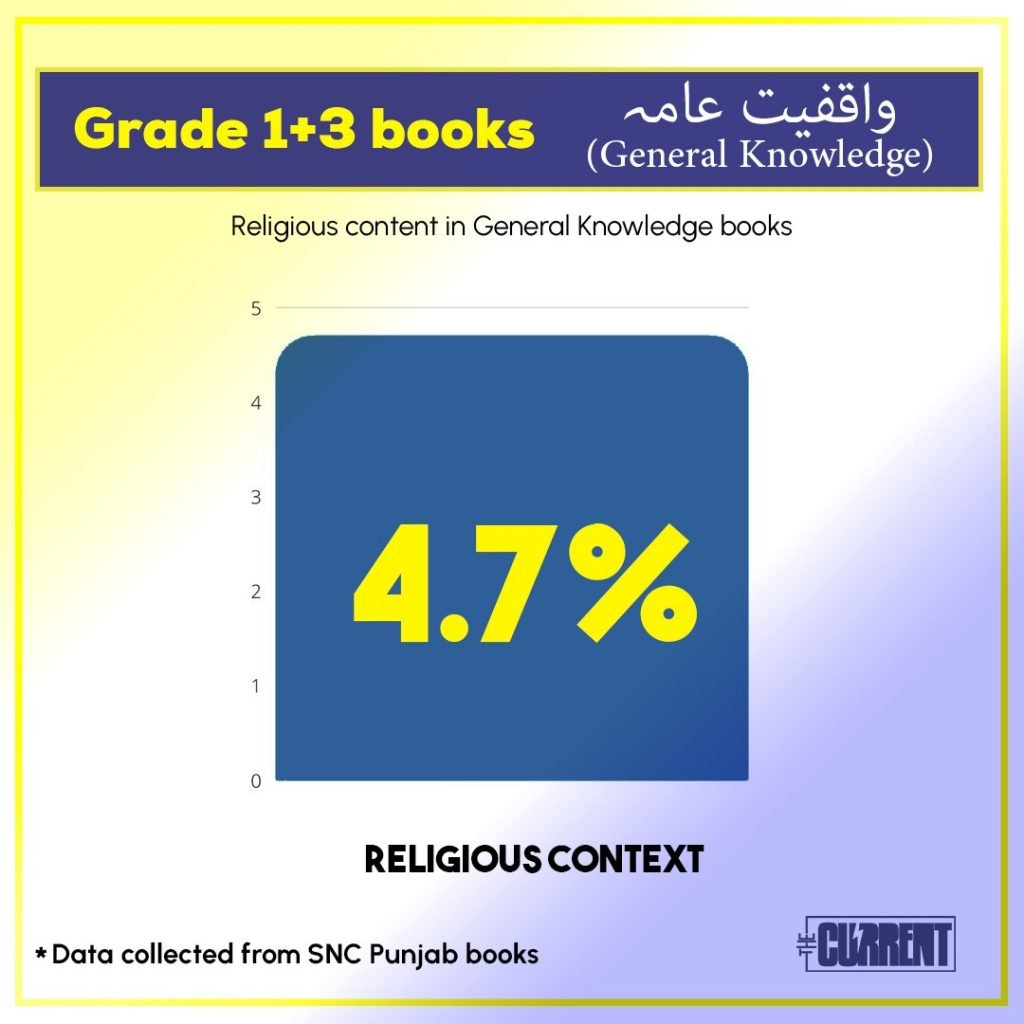
There is a 4.7 percent presence of religious text in the books studied. This is based on the total number of pages in General Knowledge books.
Muasharti Uloom (Social Studies):
From 234 pages analysed, 65.1 percent of men/boys are represented in the books and 34.8 percent of females are shown.
36.8 percent of females are seen without hijab and 63.1 percent are seen with hijab.
10.2 percent of religious content is present in the books. This is based on the total number of pages in Social Studies books.
The last portion of the report highlights the pros and cons, which we have observed in almost all the books. We have provided both positive and negative outcomes deduced from the books after careful analysis.
The positive outcome deduced from the books:
1. The books are locally published and designed. The books are affordable, with a total set for one grade set at Rs. 800 per child according to Dr Chughtai.
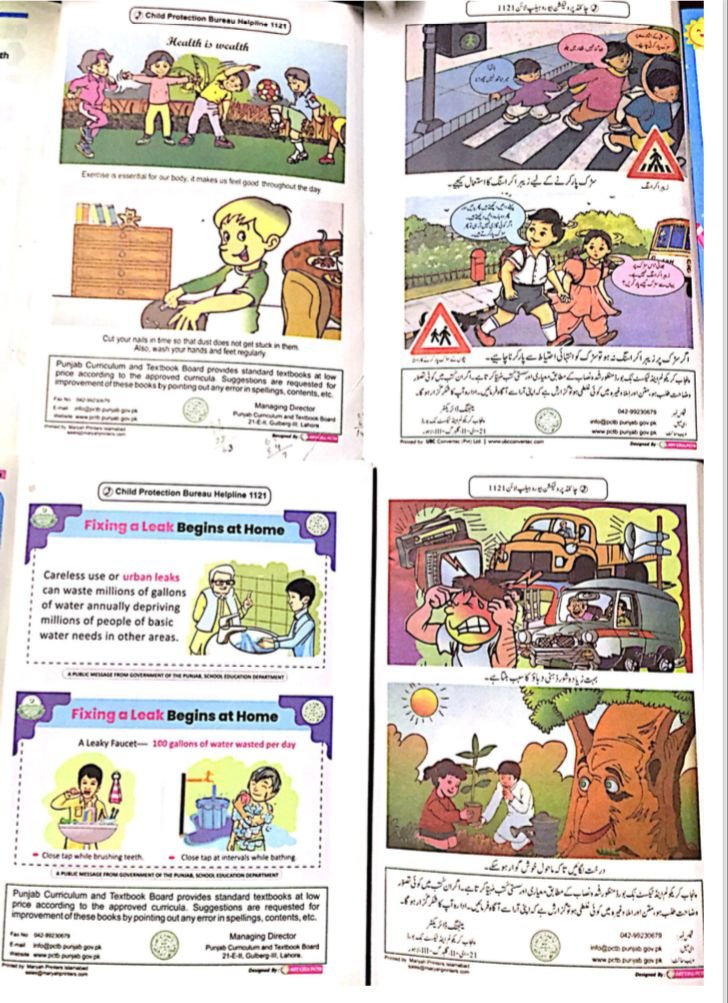
2. There is a public service message printed at the end of each book to raise awareness against talking to strangers, crossing the road, exercising, and even information about fighting dengue.
The possible negative impact of the books
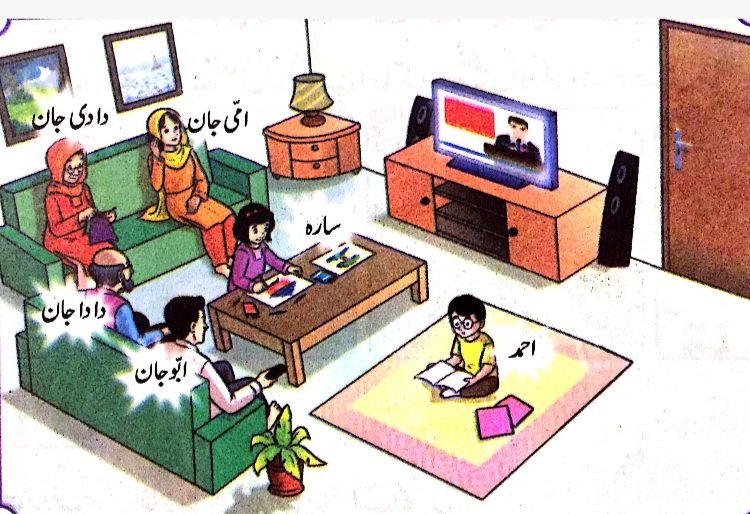
1. After analysing the books, we deduced that mostly nuclear families have been shown in the books. No representation of single parents or children being raised by guardians is seen. Moreover, the presence of both parents is seen as almost essential in all stories in the books.
2. Women are mostly shown doing domestic work, taking care of the family, and looking after their children. In stories as well, they seem to come second to their male counterparts.
3. As discussed in detail above, there is the presence of religious text in non-religious books.
4. The stylisation of the books are difficult to understand, fonts and texts are way too clustered. The quality of the pages is not refined, making them unattractive and confusing for students.
CONCLUSION:
According to NCC director, Dr Chughtai, the curriculum is an evolving process and the books can be changed in future publications, based on the response by schools and parents. The biggest hurdle to the books is that the teachers have not been trained in teaching these new books and according to Dr Chughtai, it is up to the school to teach and implement the books. There are no worksheets given with the books and from initial student reactions, students are confused and wary of books that are laid out in a clustered fashion. There is also the subject of a language change. Where students study general knowledge, a precursor to Science, in Urdu, they switch to difficult English in grades 4-5.
While the government should be commended in trying to create a national syllabus, the forced enforcement of the books along with the lack of supplemental information and training will make this very difficult for teachers and students. Moreover, parents should be given a choice as to what they want their children to study. This implementation should be a free choice rather than that of enforcement. What would have been a practical approach is that the government should have improved the structure of the government/public schools, provided better teacher training, spent more on financially improving the conditions rather than lowering the standard for all.
*Graphics credits: Asma Ahmad (Graphic Designer)
How did we collect the data?
The percentage of male characters in the books: Divided the total number of male by the total number of characters. The percentage of female characters in the books: Divided the total number of female by the total number of characters.
The percentage of Islam: Divided the Islamic pictures or references given in the books by the number of total pages of all books. The percentage of other religion: Divided the other religions pictures or reference given in the books by the number of total pages of all books.
The percentage of female power roles: Divided the number of female by the total number of characters (female and male). The percentage of male power roles: Divided the total number of male by the total number of characters (female and male).
The same process/calculation/method was applied to the findings of each book.
Director National Curriculum Council (NCC) Dr Mariam Chughtai has said that the government is giving five to six years to madrassas (religious seminaries) to adopt the changes that need to be made to switch to the Single National Curriculum (SNC).
To those who say, the #SNC affects every single child and yet we were not asked, here is my response. pic.twitter.com/5sZ0UbuIM7
Earlier, Mariam Chughtai has said that Single National Curriculum will help Madrassa students to to qualify for jobs.
As per Madrassah reforms & Single National Curriculum in Pakistan, 36K Madrasah’s will be registered with govt.
Approx 4 million students studying in Madarasas will appear in Federal board exams, hence they will be eligible to qualify for jobs which previously they weren’t.
Responding to a question about not taking all stakeholders on board, Mariam added, “Let me also point out that every single child was being affected in 2017 as well. The Quran Naazrah Act was passed unanimously in the parliament by every single political party. Not one article in Dawn, not one webinar, not one question, not one tweet about it… but now because this curriculum impacts the children of the rich, suddenly there is a hue and cry about where are all the stakeholders.”
She went on to add, “There was a call in the newspaper to participate [in SNC], not one university expect Agha Khan University applied for it.”
“As far as the Aitchison question is concerned, it’s too quick to assume that Aitchison is rejecting it [SNC]. I read the principal’s statement and they said explicitly they are following SNC in spirit.”
“Rest is all implementation-related, we are giving schools time, we are giving madrassas five to six years to accommodate the changes that need to be made,” Dr Chughtai added.
Prime Minister, Imran Khan in December 2020 said that, “A uniform curriculum is important because it is the only way to streamline the country’s education system which is currently divided on the basis of Urdu-medium schools, English-medium schools, and Madrassahs,” he said.
Single National Curriculum (SNC) is a ‘uniform’ system of education, which means the same curriculum for everyone.
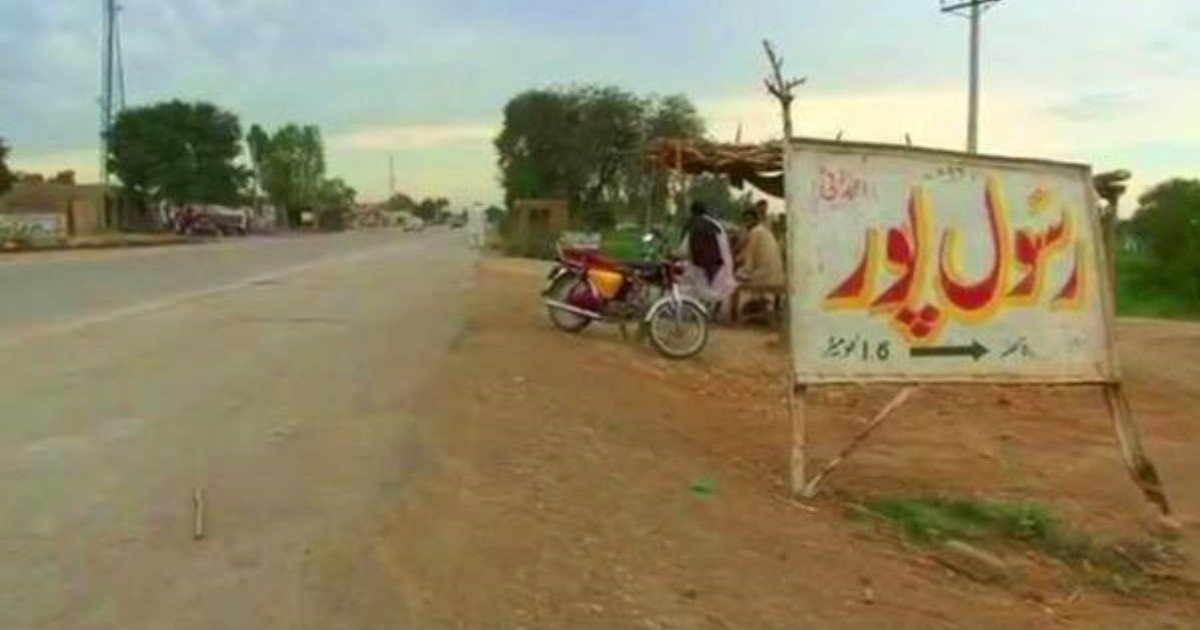
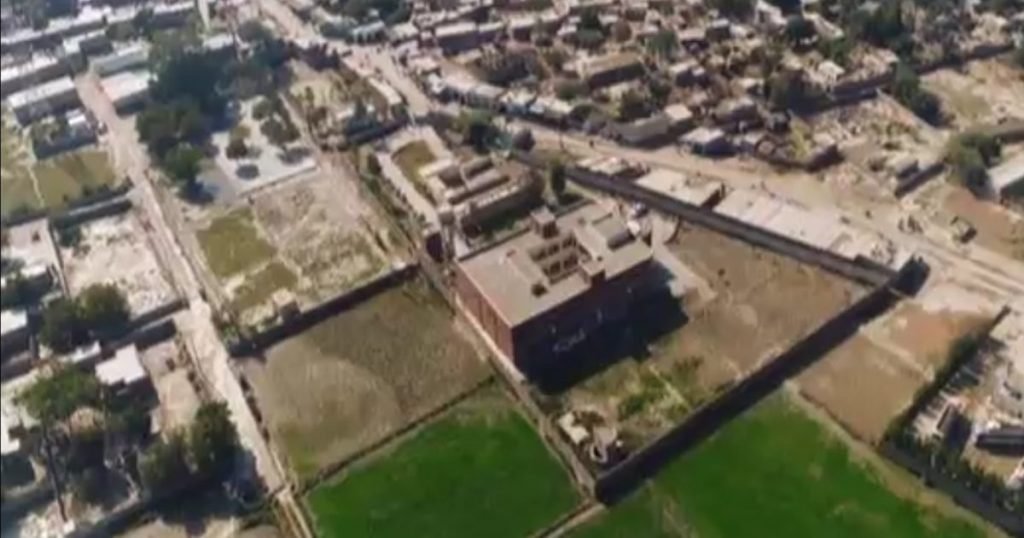
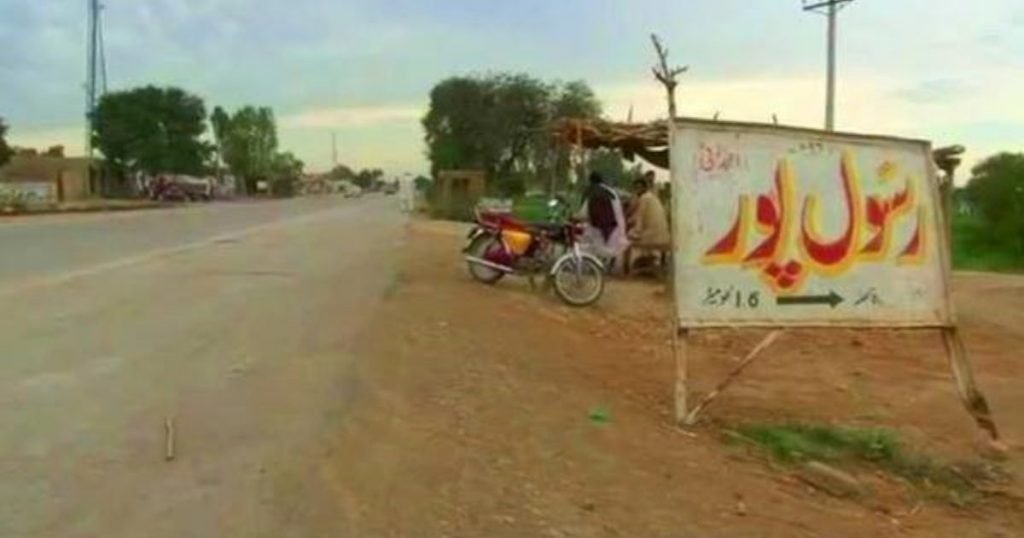
Rasool Pur is a village, located in the Rajanpur district of Punjab. This amazing village not only has 100% literacy rate, but it also has zero percent crime rate.
According to a report of Samaa News, Rasool Pur was established as a village in 1933 when people migrated from Balochistan and made this place their home.
The villagers not only know how to read and write, but most of them have finished their high school education.
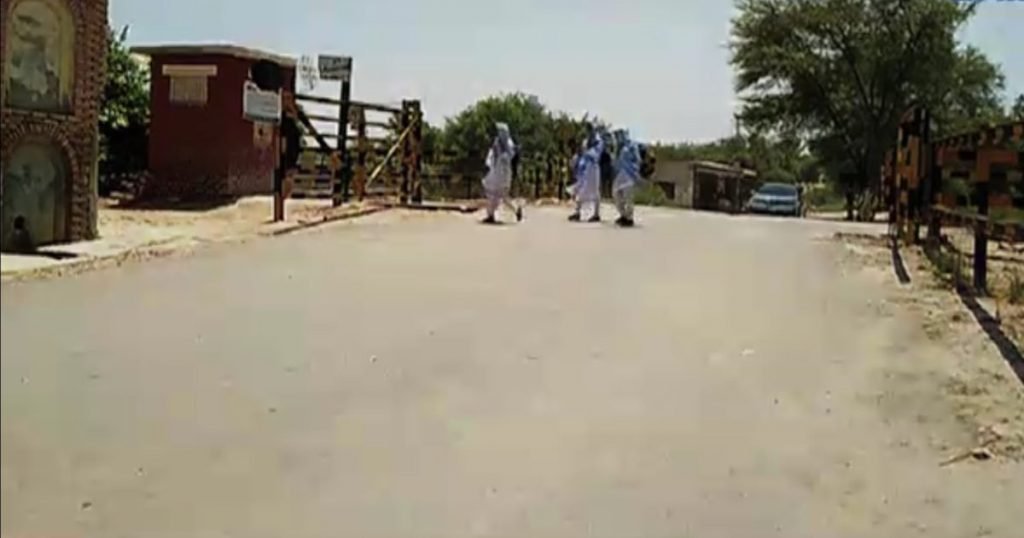
There are two high schools in Rasool Pur, one for girls and one is for boys.
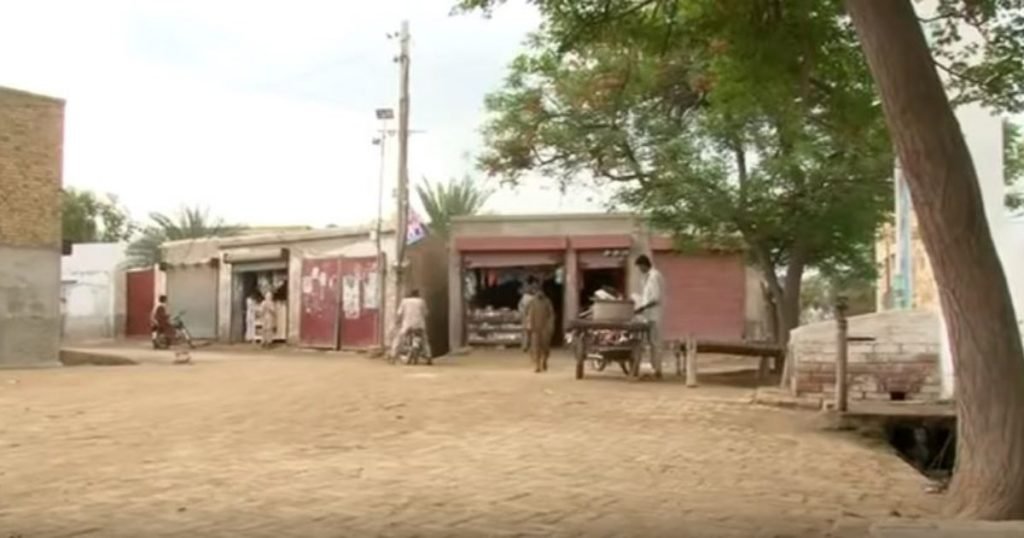
It is one of the most peaceful places to live in Pakistan. The crime rate in the village is zero percent.
One of the things that you will notice in Rasool Pur is the cleanliness. Although the village has limited resources, the villagers have made sure that their village does not have any garbage lying around. The sewerage system here is also well maintained.
They have their own department to cater the issues and development projects of their village.
Many of the women from this village are highly educated and working as doctors and engineers in different areas of Pakistan.
The locals of this village understand the value of education and know that it is much more than simply a means of earning more.
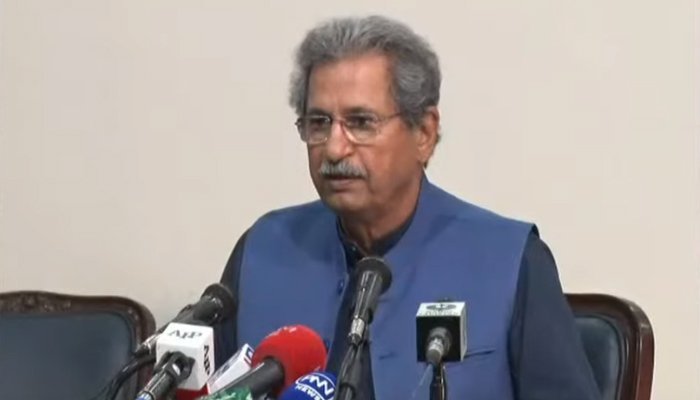
Federal Minister for Education Shafqat Mahmood said on Wednesday that board exams for students of classes nine and 10 would be held only for elective subjects and mathematics while exams for students of classes 11 and 12 would be held for elective subjects only.
آج فیصلہ ہوا کہ نویں دسویں کا صرف اختیاری مضامین اور میتھس میں امتحان لیا جائے گا ۔یعنی نویں اور دسویں کے صرف چار مضامین کے امتحانات ہوں گے گیارہویں اور بارہویں کے صرف اختیاری مضامین کے امتحانات لئے جائیں گے ۔وفاقی وزیر تعلیم @Shafqat_Mahmood کی پریس کانفرنس pic.twitter.com/FsCzIOiYnb
— Ministry of Education and Professional Training (@EduMinistryPK) June 2, 2021
Mahmood’s press conference came after he chaired a meeting of provincial education ministers and officials from education departments.
— Ministry of Education and Professional Training (@EduMinistryPK) June 2, 2021
Mahmood said that the issue of resolving the complaint of non-completion of courses by the students was discussed in today’s meeting. “Several months ago, we reduced the curriculum by 40 per cent to make it easier for teachers and students to prepare,” said the minister.
آج بھی فیصلہ یہ ہی ہے کہ نویں دسویں گیارہویں اور بارہویں کے امتحانات ہوں گے۔ طلباء کی طرف سے کورس مکمل نہ ہونے کی شکایت کا ازالہ کرنے کے حوالے سے آج کے اجلاس میں بات ہوئی۔ ہم نے کئی ماہ پہلے نصاب 40 فیصد کم کر دیا تھا تا کہ اساتذہ اور طلباء کو تیاری میں آسانی ہو@Shafqat_Mahmoodpic.twitter.com/oktKltFFC4
— Ministry of Education and Professional Training (@EduMinistryPK) June 2, 2021
“It has been decided in the meeting of inter-provincial education ministers that the ninth, 10th, 11th, and 12th examinations will start after July 10,” stated Mahmood. He further added that in this regard, the 10th and 12h examinations will be held first.
,بین الصوبائی وزرائے تعلیم کے اجلاس میں فیصلہ کیا گیا ہے کہ نویں دسویں گیارہویں اور بارہویں کے امتحانات دس جولائی کے بعد شروع ہوں گے ۔ اس ضمن میں دسویں اور بارہویں کے امتحانات پہلے منعقد ہوں گے ۔ وفاقی وزیر تعلیم @Shafqat_Mahmood کی پریس کانفرنس pic.twitter.com/RbB9ZjrUsf
— Ministry of Education and Professional Training (@EduMinistryPK) June 2, 2021
“This decision is taken as students have different streams and directions so they will sit in exams related to their particular subject of interest,” he said.
“We have also asked boards to keep some gap between the exams,” he said, as he explained the government had taken several steps to ease the process on the students as the educational institutions could not complete the course work.
Mahmood said that the 10th and 12th classes are currently underway. “We have decided to open schools and colleges for the ninth and 11th classes so that they can prepare,” said the minister. “If we do not conduct the exams, then students will not even employ minimum efforts to study,” said the federal minister.
“No student will be awarded grades without attempting examinations this year,” the education minister added.
Mahmood further stated that the teachers conducting the board examinations need to be fully vaccinated.
“There will be no review of the decision to take the exams. Children must prepare for their examination. We have been very lenient with the legitimate demands of the students,” concluded Mahmood.