Tag: election campaign

  • JUI-F clerics ban women from door to door campaigning in Kohistan

    JUI-F clerics ban women from door to door campaigning in Kohistan

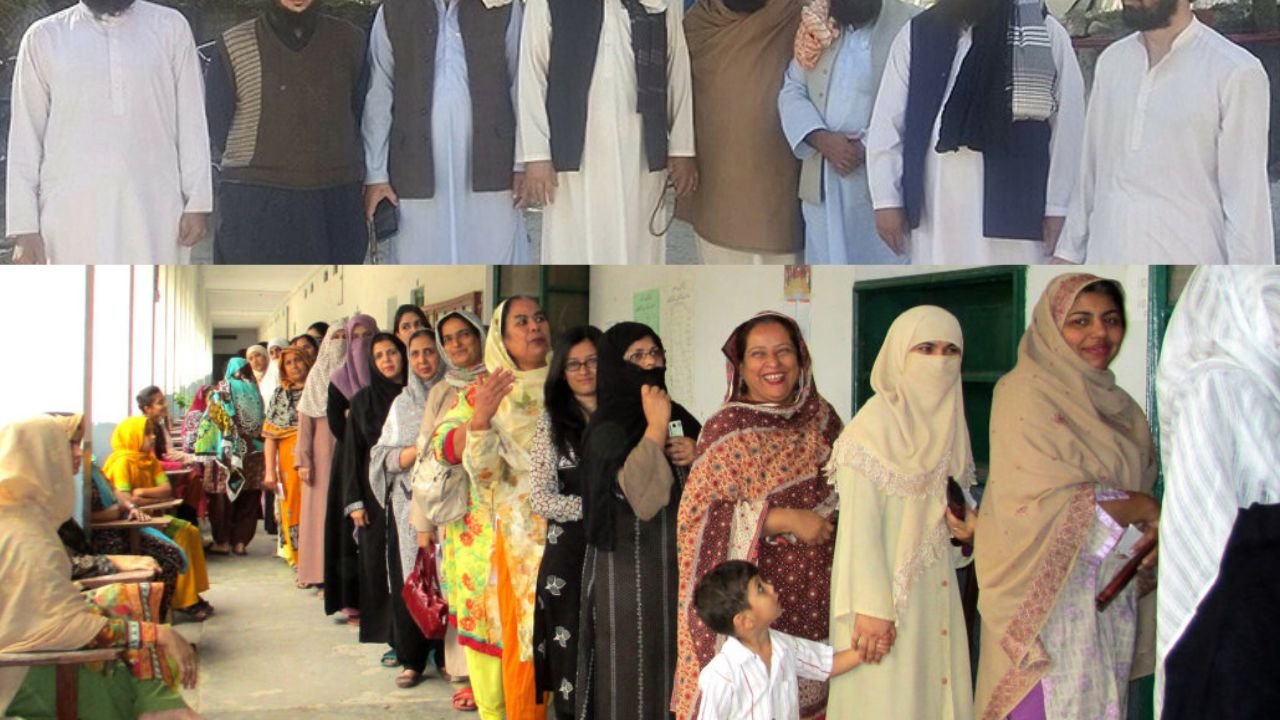
    Parties competing for elections in Kohistan will not be allowed to send female members for door-to-door campaigning to mobilise voters in different constituencies after a 30-member group of clerics — mostly from the Jamiat Ulema-e-Islam-Fazl (JUI-F) — unanimously issued a verdict against it, declaring it un-Islamic.

    In their decree, the clerics have strictly banned canvassing by women for the upcoming February 8 general elections.

    In a gathering at the JUI-F central office in Kohistan’s Kamila town, Mufti Gul Shahzada of Kandia said: “Taking women door-to-door for seeking votes is against the Islamic injunctions and Shariah.”

    At least 400 clerics from different parts of the district attended the gathering and endorsed Mufti Shahzada, as he spelled out six decrees, all related to upcoming elections, in front of them.

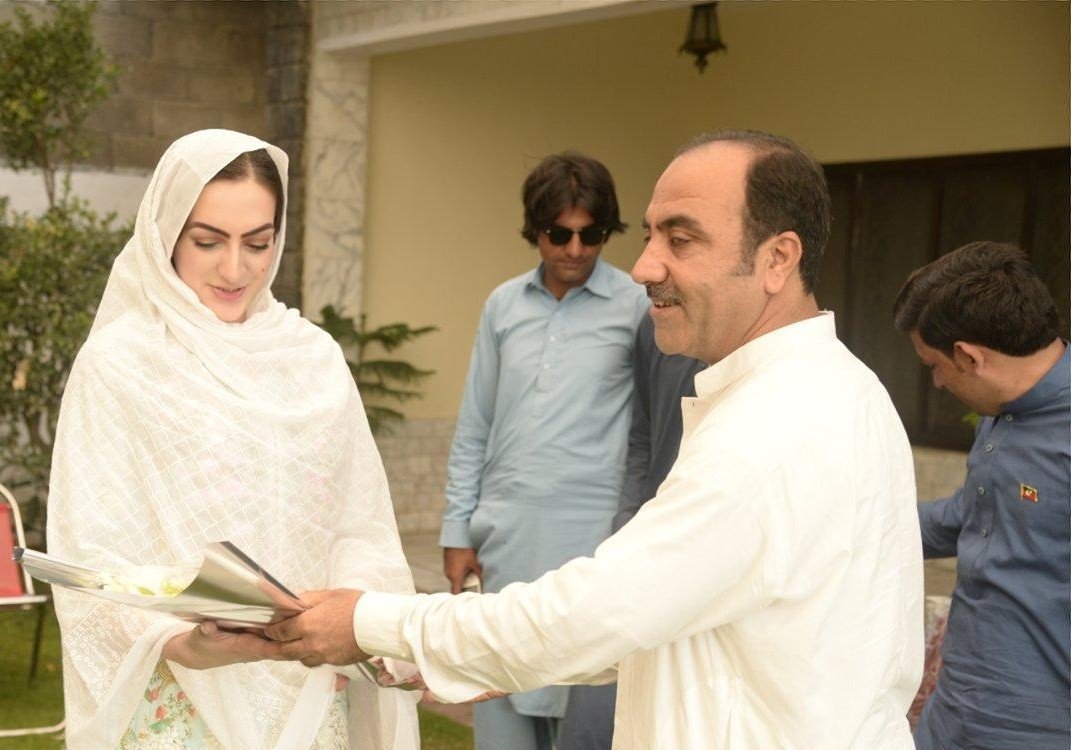
    It is important to note that two women aspirants backed by the Pakistan Tehreek-e-Insaf (PTI), including Tehmina Faheem from PK-31 Kohistan-I and former lawmaker Momina Basit, and an independent Sanaya Sabeel from PK-33 Kolai-Palas are campaigning to win seats in the February 8 general elections for the first time in the district’s history.
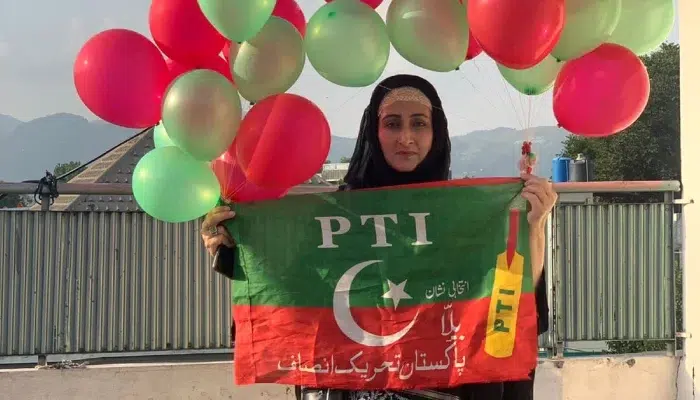
    Tehmina Faheem
    Momina Basit

    Mufti Shahzada told the gathering that all decrees had been issued in light of the current situation. He said these were based on Islamic jurisprudence with references taken from different religious books.

    “If anybody votes against Islamic ideology, it means he is testifying to an untrue and biased statement, which is a grave sin and also against Islamic Shariah,” he added.

    The clerics warned that taking the Holy Quran to compel people to vote was a sacrilegious act and should never be exercised.

    “Those casting votes on the linguistic, regional and clan grounds are also negating Islamic teachings and no such exercise should be carried out in this district,” the mufti added.

    When approached, the women contestants in Kohistan in the February 8 general elections said they would give their point of view after consulting their parties, The News reported.
  • Election campaigns to stop at February 6 midnight

    Election campaigns to stop at February 6 midnight

    The Election Commission of Pakistan (ECP) has informed all election candidates that there will be no election campaign after midnight on February 6 for the upcoming general elections set to take place on February 8.

    The ECP’s spokesperson said while talking to The News that, “According to Section 182 of the Elections Act 2017, no person shall hold or participate in any public meeting, procession, corner meeting or such political activity after midnight on February 6, 2024 and February 7, 2024.”

    “Therefore, legal action will be taken against any person who violates the above provision of the law,” the spokesperson added.

    On the other hand, caretaker federal minister for Communications, Maritime Affairs, and Railways Shahid Ashraf Tarar briefed Chief Election Commissioner (CEC) Sikandar Sultan Raja on the preparations of federal and provincial governments for elections.

    Earlier last week, the ECP released its ‘Code of Conduct for Security Personnel’ cautioning them to avoid bias when they are on election duty.

  • PTI’s “Baingan Campaign” is ruling Twitter like no other

    Pakistan Tehreek-e-Insaf (PTI) has always remained ahead of others when it comes to the use of social media in Pakistan’s political landscape. As for elections 2024, the party has not been given one symbol, in fact, candidates have different symbols now. Making the best of bad circumstances, the party has come up with entertaining campaigns that are enthralling Twitter (now X).

    Baingan (desi name for eggplant) is ruling the internet, surpassing all levels of creativity with this campaign. The symbol has been allotted to Alamgir Khan in Karachi and Amir Mughal from Islamabad. The constituency of the former is NA 236 and that of the latter is NA 46.

    The chant they have invented is “Ab zulm ka badla baingan se, ab sitam ka badla baingan se.”

    The candidates have designed posters of an eggplant in varying ways. Alamgir Khan shared a video of an Indian animated film of a farmer and his wife getting rich by cultivating eggplant in their farm. That has people in fits.

    Alamgir also posted a funny video from a Bollywood film where he showed how the opposition (previously PDM) was seen beaten up by PTI.

    Amir Mughal also posted about how baingan will be seen everywhere as he posted a picture of a baingan being placed among flowers.

    An internet user even used a clip of the army chief along with ex-Prime Minister Shehbaz Sharif to promote Baingan.

    Another user showed his appreciation for baingan by making it a part of his salad with PTI engraved in it.

    Netizens used a clip of the Pakistani drama where a mother was telling her daughter about the benefits of baingan from making the skin glow to bone strength.

    Arsalan Khan, a twitter user, incorporated all the symbols including vegetables in a video of a man relating his recipe of making eggplants.

    A user even shared the picture of a baingan and rhymed his chant as, Baingan stands tall, a symbol for all.

    Twitter is enjoying the new trend of #voteforbaingan as a user commented: “I bet they’re regretting giving him the baingan symbol. This is hilarious.”

    A user even tagged Alamgir Khan and said he better has a feast of dishes having baingan at his constituency.

  • General elections 2024: Candidates allowed to spend up to Rs10 million on campaigns

    General elections 2024: Candidates allowed to spend up to Rs10 million on campaigns

    The Election Commission of Pakistan (ECP) has recently finalised the Code of Conduct for political parties in preparation for the upcoming general elections in 2024.

    In a collaborative effort with political parties, the Election Commission of Pakistan has meticulously drafted the code of conduct, incorporating valuable suggestions from various political entities.

    According to reliable sources, the code includes provisions preventing political parties from undermining the sovereignty of Pakistan during the election campaign.
    Additionally, parties are expected to refrain from disparaging the ECP in the course of their campaigns.

    The code of conduct emphasises ethical practices, urging political parties and candidates to abstain from offering gifts, inducements, or bribes to encourage the withdrawal of other candidates.

    Ensuring the safety of election staff and polling agents is paramount, as outlined in the draft.
    A noteworthy feature of the code is the commitment to implementing a 5 per cent women’s quota in the upcoming general elections in 2024. This underscores the importance of gender inclusivity in the political landscape.

    The code unequivocally discourages violence on polling day, strictly prohibiting the display of weapons during election campaigns.
    Aerial shootings and the use of firecrackers in public gatherings are also prohibited, promoting a peaceful electoral environment.

    Addressing the eligibility of election agents, the code stipulates that the appointed agent must be a registered voter in the relevant constituency.

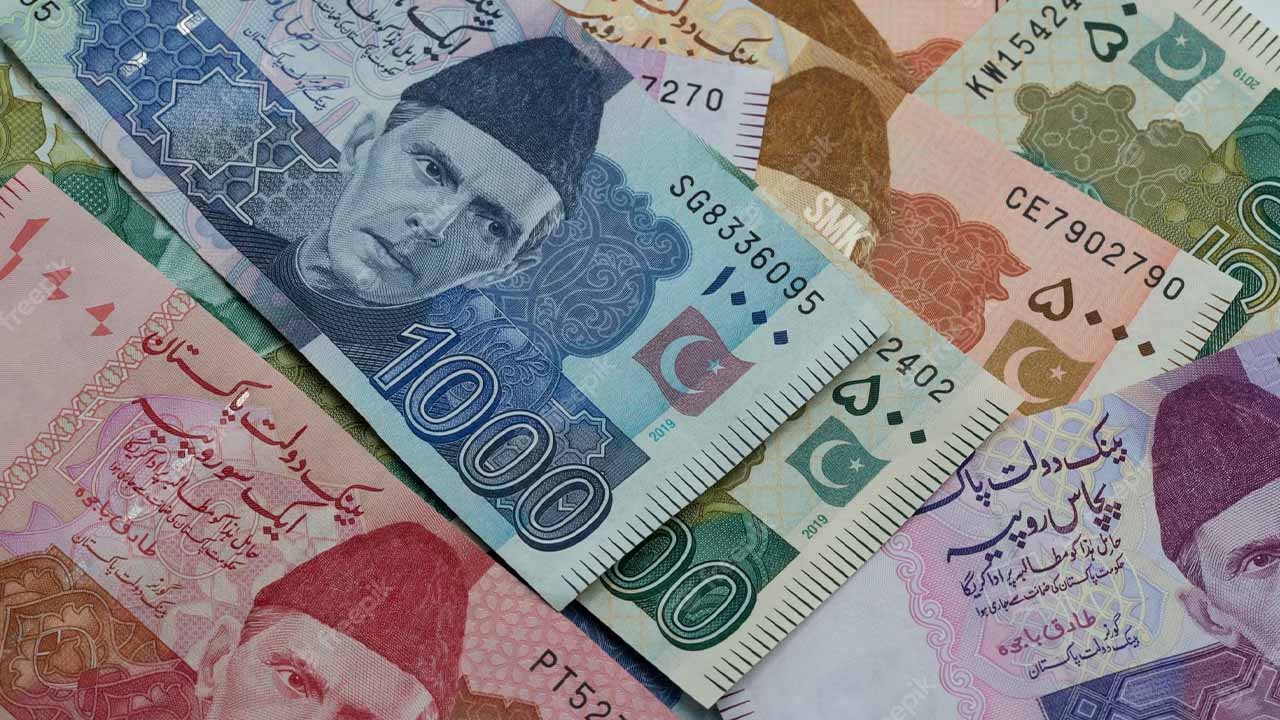
    Furthermore, financial regulations have been established, allowing National Assembly candidates a spending limit of up to Rs10 million for their election campaigns, while Provincial Assembly candidates are capped at a maximum of Rs4 million.

    In adherence to transparency, successful candidates are required to submit detailed reports of their election expenses to returning Officers, fostering accountability in the electoral process.

    The comprehensive nature of the Code of Conduct reflects the Election Commission’s commitment to conducting fair, transparent, and violence-free elections in 2024.