Tag: Election comission of Pakistan

  • Karachi police faces severe shortage of security personnel ahead of General Elections

    Karachi police faces severe shortage of security personnel ahead of General Elections

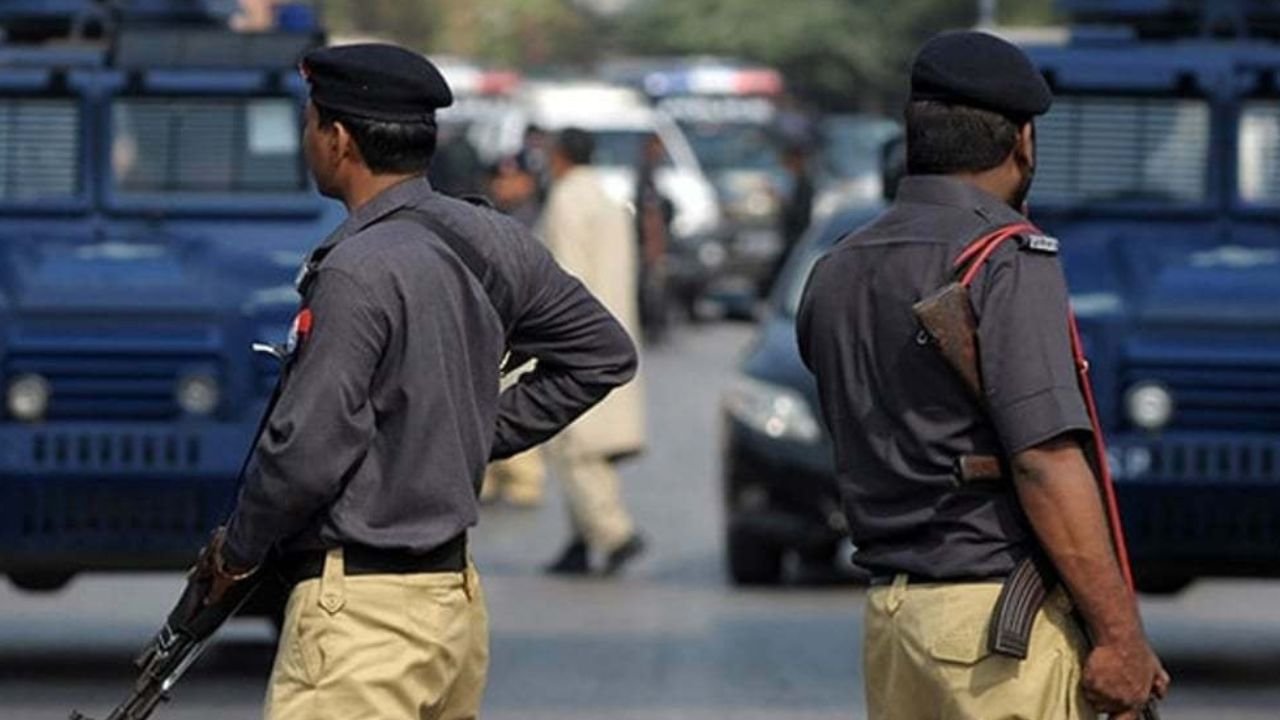
    As the nation braces for the upcoming general elections, Karachi police is facing a substantial shortage of 14,300 security personnel, including female officers.

    As per The News, Khadim Hussain Rind, the additional inspector general (AIG) of Karachi, revealed that the city’s police force had initiated robust security arrangements for the elections scheduled for February 8.

    However, he underscored the significant shortfall in required personnel.

    “Over 46,076 police personnel are needed for the election security plan, while Karachi Police have only 31,776. The required number of female police personnel is also not available,” said the AIG.

    He elaborated on the specific needs for female personnel, highlighting, “At least 3,200 female personnel are required for security arrangements at women’s polling stations while we have 1,200 female personnel. The KPO faces a shortage of 2,000 lady cops.”

    As per the security plan, eight police personnel are required for the most sensitive, six for sensitive and four for normal polling stations each. In Karachi, there are 2,033 most sensitive stations, 3,008 sensitive stations, and 308 polling stations are declared normal, while 16,264, 18,048, and 1,232 personnel respectively are required for them.

    Rind disclosed that 35,544 personnel would be assigned to duty at 5,349 polling stations in the megacity.

    Additionally, a quick response force is set to be deployed at polling stations, with 3,892 personnel assigned to 2,774 buildings. Furthermore, 4,210 police officers will be placed on reserve duty under the supervision of the Deputy Inspector General (DIG), accompanied by nine Senior Superintendents of Police (SSPs), 16 Superintendents of Police (SPs), 57 Deputy Superintendents of Police (DSPs), and 107 Station House Officers (SHOs).

    The AIG outlined plans to allocate 2,430 personnel for various election commission offices, welfare duties, hospitals, and miscellaneous tasks.

    However, he emphasized the glaring shortage of 14,300 police personnel and revealed that multiple options were under consideration to address this gap. Possibilities include deploying lady health workers, and polio staff, or hiring private security guards, anti-encroachment, excise police, anti-corruption, or forest department personnel to bolster the existing security measures.

    As the elections draw near, efforts are underway to mitigate the shortfall and ensure the safety and integrity of the electoral process in Karachi.

  • Family ties; PML-N candidate list favours relatives

    Family ties; PML-N candidate list favours relatives

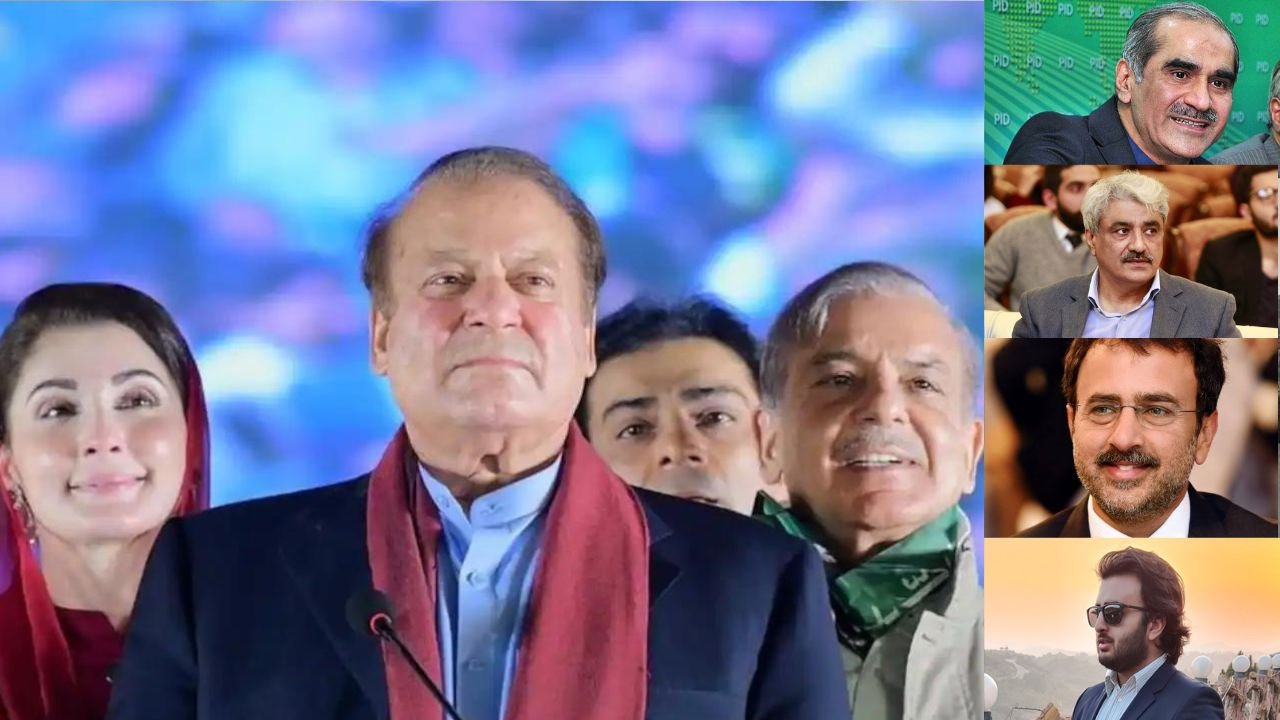
    As the general elections loom closer, the Pakistan Muslim League-Nawaz (PML-N) has disclosed its roster of candidates for both the National and Punjab Assemblies, drawing attention for granting tickets to more than 30 family members, as reported by The News.

    The announcement was made by Ishaq Dar, PML-N’s Head of Election Cell, marking a pivotal moment in the party’s preparations for the upcoming political showdown.

    In a notable revelation, 36 candidates have familial ties, including father-son, father-daughter, husband-wife, brother-in-law, mother-son, father-in-law, and uncle-nephew relationships among them.

    PML-N stalwarts Nawaz Sharif and his daughter Maryam Nawaz are set to contest the National Assembly polls from Lahore, while PML-N President Shehbaz Sharif and his son Hamza Shehbaz will participate in both the National Assembly and provincial assembly polls.

    Malik Saif ul Mulook Khokhar, the President of PML-N Lahore, and his son Faisal Ayub, have secured tickets for the National and provincial assemblies, respectively.

    Afzal Khokhar and his nephew Irfan Shafi Khokhar from Lahore are also contesting on PML-N tickets.

    From Dera Ghazi Khan, former minister Awais Leghari and his son Amar Leghari are nominated for National Assembly seats in Rajanpur.

    Additionally, former minister Khawaja Saad Rafique is vying for a National Assembly seat, while his brother Salman Rafiq is contesting for a provincial assembly seat, both from Lahore.

    In Muzaffargarh, former minister Syed Basit Bukhari and his daughter Syeda Shahr Bano Bukhari have been fielded as candidates.

    From Bahawalpur, Iqbal Chanar is nominated for a National Assembly seat, with his son Zaheer Iqbal Chanar is contending for a provincial assembly seat.

    Chaudhry Khalid Javed Waraich and his son Uqba Waraich are PML-N’s candidates for the National and provincial assemblies from Toba Tek Singh, respectively.

    Yaqoob Shaikh is contesting for the National Assembly from Jhang, while his wife Rashida Yaqoob is running for a provincial assembly seat.

    Notable leaders like Daniyal Aziz didn’t make it to the list.

    PML-N ticket distribution extends to various regions, including Kasur, Vehari, Dera Ghazi Khan, Taunsa, Lodhran, Khanewal, and Sheikhupura, with candidates such as Rana Hayat, Begum Tahmina Daultana, Amjad Farooq Khosa, Siddique Baloch, and Mian Javed Latif, among others.

    Notably, the PML-N has introduced eight new faces in Punjab for National Assembly tickets, including Bilal Azhar Kayani and Attaullah Tarar. The party has also allocated tickets to six women for the National Assembly and three for the provincial assembly in Punjab, showcasing a diverse candidate pool.

  • Who is going to run under a PML-N ticket? Key announcements suggest surprising political shift

    Who is going to run under a PML-N ticket? Key announcements suggest surprising political shift

    In a strategic move ahead of the 2024 general elections, the Pakistan Muslim League-Nawaz (PML-N) has officially revealed its powerhouse lineup. The announcement was made by Ishaq Dar, who is the PML-N’s Head of Election Cell, marks a pivotal moment in the party’s preparations for the upcoming political showdown.

    Tickets fiasco?

    Former federal minister Daniyal Aziz, after his differences with the party, has decided to contest the 2024 elections as an independent candidate. His decision comes after PML-N released its list of election candidates.

    X (former Twitter) user Dilawar Hussain wrote, “Disappointed with PML N’s decision not to grant a party ticket to Daniyal Aziz in Narowal. His courage in facing oppression and commitment to party deserves acknowledgment. Wishing for a reconsideration at the senior party level. ”

    The only elected woman MNA from the PML-N in 2018, Mehnaz Akbar Aziz, didn’t get a ticket this time from Narowal (NA 77). Mehnaz Akbar has announced to contest the election as an independent candidate in NA 75, Shakargarh.

    Former PML-N MNA Ch Jaffar Iqbal from NA 106 didn’t get the ticket this time. Instead it was given to the air chief’s brother Naseer Sidhu as per Alag Digital.

    Ch Hamid Hameed from Sargodha didn’t get the ticket. User Mehr Mohsin wrote, “He
    @ChHamidHameed has 40 year’s affiliation with @pmln_org and has been victimised several times for his loyalty with party – I also witnessed 2018 – but no ticket in 2024, what you have learned through your political experience? @MaryamNSharif @NawazSharifMNS @CMShehbaz.”

    User Ali Zain commented, “Hamid Hameed has been winning elections with massive margins in NA 84 (Sargodha City) for the past two elections and yet #PMLN didn’t award a ticket to their best candidate!! This is a huge opportunity for #PTI now to win this seat!”

    User Samraiz Ali pointed out that Khawar Maneka’s brother has been awarded a ticket, “PMLN Ticket of NA 139 Ahmad Raza Maneka. Khawar Maneka’s brother Ahmad Raza Maneka is currently a member of the National Assembly of Pakistan, and is affiliated with the PML-N.”

    While criticising the PML-N’s decision on awarding of the ticket to Ghulam Sarwar, user Najam Ali said, “This man bankrupted PIA and he gets the nod. I am speechless.”

    User Rowdy Rana said, “Nominated PMLN ticket holder PP-197 Sardar Masab Ali Dogar is still on bail in 9th May Terrorism FIR case pending.”

    User Israr Ahmed pointed out, “@pmln_org Supreme Leader @NawazSharifMNS awarded party ticket from PP-10 to illegal Blue World City Director Ch Nahim Ijaz for #GE2024 despite the candidate is involved in more than 200 criminals cases registered with @RwpPolice under multiple charges including terrorism, kidnapping, dacoity, robbery, firing on policemen, possessing illegal weapons and land grabbing. PML-N candidate is nominated in 49 FIRs out of 200.”

    Tickets Details

    Islamabad Capital Territory NA 46 Anjum Aqeel Khan, NA 48 Dr. Tariq Fazal Chaudhry

    Rawalpindi Division

    District Attock NA 49 Sheikh Aftab Ahmed, PP 1 Jahangir Khanzada, PP 2 Iftikhar Ahmed Khan, PP 3 Hameed Akbar, NA 50 Malik Sohail Khan, PP 4 Sher Ali Khan, PP 5 Malik Aitebar Khan.

    District Rawalpindi NA 51 Raja Osama Sarwar, PP 6 Mohammad Bilal Yamin, PP 7 Raja Saghir Ahmed, NA 52 Raja Muhammad Javed Ikhlas, PP 8 Iftikhar Ahmad, PP 9 Shaukat Raja (Raja Shaukat Aziz Bhatti), NA 53 Raja Qamar ul Islam, PP 10 Chaudhry Naeem Ejaz, PP 11 Imran Ilyas Chaudhary, NA 55 Malik Ibrar Ahmed, PP 14 Malik Iftikhar Ahmed, PP 15 Malik Mansoor Afsar, NA 56 Mohammad Hanif Abbasi, PP 16 Zia Ullah Shah, PP 17 Raja Abdul Hanif, NA 57 Danyal Chaudhary, PP 18 Sajjad Khan, PP 19 Haji Pervaiz Khan, PP 13 Malik Umar Farooq.

    District Chakwal NA 58 Maj. (Rid) Tahir Iqbal, PP 20 Sultan Haider Ali Khan, PP 21 Tanvir Aslam Malik.

    District Talagang NA 59 Sardar Ghulam Abbas, PP 23 Shehryar Mailk.

    District Jehlum PP 25 Chaudhary Nadeem Khadim, PP 26 Nasir Mahmood Lilla

    Gujranwala Division

    District Gujrat NA 62 Chaudhary Abid Raza, PP 27 Muhammad Hanif Malik, PP 28 Shabbir Ahmed, NA 63 Nawabzada Ghanznfar Ali Gul, PP 29 Nawabzada Haider Mehdi, PP 30, Maj (Rtd) Moin Nawaz Warraich, NA 65, Chaudhary Naseer Ahmed Abbas Siddhu, PP 33 Mohammad Ali, PP 34 Mian Tariq Mehmood.

    District Wazirabad NA 66 Nisar Ahmed Cheema, PP 35 Waqar Ahmed Cheema, PP 36 Adnan Afzal Chattha.

    District Hafizabad NA 67 Saira Afzal Tarrar, PP 37 Mian Shahid Hussain Khan, PP 38 Sheikh Gulzar Ahmed, PP 39 Mohammad Aoun Jahangir.

    District Mandi Bahauddin NA 68 Mushahid Raza, PP 40 Hameeda Mian, PP 41 Syed Tariq Yaqoob, NA 69 Nasir Iqbal Bosal, PP 42 Khalid Mehmood Ranjha, PP 43 Chaudhary Akhtar Abbas Bosal.

    District Sialkot NA 70 Chaudhary Armaghan Subhani, PP 44 Arif Iqbal, PP 45 Tariq Subhani, NA 71 Khawaja Muhammad Asif, PP 47 Mansha Ullah Butt, NA 72 Ali Zahid, PP 48 Rana Liaqat Ali, PP 49 Rana Muhammad Afzal, NA 73 Nosheen Iftikhar, PP 50 Chaudhary Naveed Ashraf, PP 51 Zeeshan Rafique, NA 74 Rama Shameem Ahmed Khan, PP 52 Chaudhary Arshad Javed Warraich, PP 53 Rana Abdul Sattar.

    District Narowal NA 75 Chaudhry Anwaar ul Haq, PP 54 Ahsan Iqbal, NA 76 Ahsan Iqbal, PP 56 Mannan Khan, PP 57, Khawaja Muhammad Waseem PP 58 Bilal Akbar Khan.

    District Gujranwala NA 77 Chaudhary Muhammad Bashir Virk, PP 59 Bilal Farooq Tarrar, PP 63 Muhammad Taufeeq Butt, PP 64 Umer Farooq Dar, PP 68 Chaudhary Muhammad Iqbal, PP 70 Amanullah Warraich, NA 78 Khurram Dastagir Khan, PP 60
    Moazzam Rauf Mughal, PP 61 Imran Khalid Butt, PP 65 Sahibzada Ghulam Fareed, NA 79 Zulfiqar Ali Bhindar, PP 66, Qaiser Iqbal Sindhu, PP 67 Akhtar Ali Khan, NA 80 Shahid Usman, PP 62 Muhammad Nawaz Chohan, NA 81Azhar Qayyun Nehra, PP 69 Irfan Bashir Gujjar.

    Faisalabad Division

    District Chiniot NA 93 Syed Muhammad Raza Bukhari, PP 94 Mehr Shah Behram Baral, NA 94 Qaiser Ahmed Sheikh, PP 95 Muhammad Ilyas, PP 97 Muhammad Saqlain Anwar Sipra.

    District Faisalabad NA 95 Azad Ali Tabassum, PP 99 Muhammad Shoaib Idrees, NA 97 Ali Gohar Khan, PP102 Jaffar Ali Hocha, PP103 Muhammad Safdar Shakir, NA 98 Chaudhary Muhammad Shahbaz Babar, PP104 Arif Mahmood Gill, PP 105 Rao Kashif Rahim Khan, NA 99 Mohammad Qasim Farooq, PP 107 Khalid Pervaiz Gill, NA 100 Rana Sana Ullah Khan, PP 108 Muhammad Ajmal, PP 109 Chaudhary Zafar Iqbal Nagra, NA 101 Irfan Manan, PP 111 Chaudhary Fugir Hussain Dogar, PP 113 Ali Abbas Khan, PP 114 Sheikh Mohammad Yousaf, NA 102 Chaudhary Abid Sher Ali, PP 115 Mohammad Tahir Pervaiz, PP 116 Ahmed Shehryar, NA103 Haji Muhammad Akram Ansari, PP117 Malik Muhammad Nawaz, PP 118 Sheikh Ejaz Ahmad, NA 104 Raja Riaz Ahmed, PP 110
    Mehr Hamid Rasheed, PP 112 Israr Ahmad Khan.

    District Toba Tek Singh NA105 Chaudhary Khalid Javaid, PP 119 Uqbah Ali, PP 120 Abdul Qadeer Alvi, NA 106 Muhammad Junaid Anwaar Chaudhary, PP 121
    Amjad Ali, PP 122 Col. (Rtd) Muhammad Ayub Gadhi, NA107 Chaudhary Asad ur Rehman, PP 123 Nazia Raheel, PP124 Syed Qutab Ali Shah.

    District Jhang NA108 Makhdoom Syed Faisal Saleh Hayat, PP 125 Makhdoom Syed Faisal Saleh Hayat, PP 126 Mehr Muhammad Aslam Bharwana, PP 128 Khalid Muhammad Sargana, NA 110 Muhammad Asif Muawia, PP 129 Khalid Ghani, PP 130 Ameer Abbas Sial, PP131Faisal Hayat

    Lahore Division

    Nankana Sahib NA 11 Chaudhary Muhammad Barjees Tahir, PP 132 Mian Ijaz Hussain Bhatti, PP 133 Rana Muhammad Arshad, NA 112 Dr. Shezra Mansab Ali Khan Kharral, PP 134 Mehr Kashif, PP 135 Agha Haider Ali Khan.

    District Sheikhupura NA 113 Ahmed Attique Anwar, PP 136 Muhammad Hassan Riaz, PP 137 Muhammad Arshad, NA 114, Rana Tanvir Hussain, PP 138 Pir Muhammad Ashraf Rasool, PP 139, Rana Tanveer Hussain, PP 140 Mian Abdul Rauf, NA 115 Mian Javed Latif, PP 141 Amjad Latif, NA 116, Sardar Muhammad Irfan Dogar, PP 142 Mehmood ul Haq, PP 143 Mumtaz Mehmood Khan, PP 144 Chaudhry Sajjad Haider Guijar.

    District Kasur NA 131 Saad Waseem Sheikh, PP 176 Chaudhary Muhammad Ilyas Khan, PP 177, Muhammad Naeem Safdar, PP 178, Malik Ahmed Saeed Khan, PP 179 Malik Mohammad Ahmad Khan, NA 133, Rana Mohammad Ishaq Khan, PP 181Sheikh Alla Uddin, PP 182 Mehmood Anwar, NA 134 Rana Mohammad Hayat Khan, PP 183 Rana Sikandar Hayat, PP 184 Rana Mohammad Iqbal Khan.

    Sahiwal Division

    District Okara NA 135 Nadeem Abbas Rabera, PP 185 Javed Allauddin Sajjid, PP
    192 Ghulam Raza Rabera, NA136 Riaz ul Haq, PP 190 Mian Yawar Zaman, PP 191 Mian Mohammad Munir, NA137 Rao Muhammad Aimal Khan, PP 186 Syed Ashiq Hussain Kirmani, PP 189 Ali Abbas, NA138 Mohammad Moeen Watto, PP 187 Chaudhry IRikhar Hussain Chachar, PP 188 Noor ul Amin Watto.

    District Pakpattan NA 139 Ahmad Raza Maneka, PP 197 Sardar Mansab Ali Dogar, NA 140 Rana Iradat Sharif, PP 195 Kashif Ali Chishti, PP 196 Farrukh Javed.

    District Sahiwal NA141 Syed Imran Ahmad Shah, PP 198, Walayat Shah, PP 199
    Qasim Nadeem, PP 200 Muhammad Arshad Malik, NA 142 Chaudhry Muhammad Ashraf, PP 201 Naveed Aslam Khan Lodhi.

    Sargodha Division

    District Sargodha NA 82 Doctor Mukhtar Ahmed Malik, PP 71 Sohaib Ahmad Malik, PP 72 Mansoor Azam Sindhu, NA 83 Mohsin Nawaz Ranjha, PP 73 Mian Manzar Hussain Ranjha, NA 84 Doctor Liaqat Ali Khan, PP 75 Abdul Razzaq Dhillon, PP 76 Mahr Ghulam Dastgir Lak, NA 85 Doctor Zulfiqar Ali Bhatti, PP 78 Rana Munawar Hussain, NA 86 Syed Javaid Hussain, PP 79 Taimoor Ali Khan Baloch, PP 80 Sardar Mohammad Asim Sher Maken.

    District Khushab NA 87 Malik Shakir Bashir Awan, PP 82 Malik Mohammad Asif Bha Awan, PP 83 Muhammad Moazzam Sher, PP 84 Karam Elahi Bandial

    District Mianwali NA 89 Obaid Ullah Khan Shadikhel, PP 85 Amanat Ullah Khan, NA 90 Humair Hayat Khan Rokari, PP 87 Inam ullah Khan Niazi, PP 88 Malik Muhammad Feroz Joya.

    District Bhakkar NA 91 Abdul Majeed Khan Khanan Khel, PP 89 Abdul Majeed Khan Khanan Khel.

    Multan Division

    District Khanewal NA 144 Syed Mohammad Mukhtar Hussain, PP 205 Imran Iftikhar Hiraj, PP 212 Irfan Ahmad Alias Rana Irfan Mahmood Khan, NA 145 Mohammad Khan Daha, PP 206 Barrister Chaudhry Osama Afzal, PP 211 Rana Mohammad Saleem, NA
    146 Pir Mohammad Aslam Bodla Siddique, PP 207 Amir Hayat Hiraj, PP 208 Babar Hussain Abid, NA 147 Chaudhry Iftikhar Nazir, PP 209 Chaudhry Zia ur Rahman.

    District Multan NA 148 Ahmad Hussain, PP 214 Mian Shehzad Magbool Bhutta, PP
    215 Shahid Mahmood Khan, PP 218 Salman Naeem, NA 151 Abdul Ghaffar, PP 219 Doctor Mohammad Akhtar Malik, PP 220, Rai Mansab Ali NA, 152 Syed Javed Ali Shah, PP 221 Mian Tariq Abdullah, PP 222 Rana Ejaz Ahmad Noon, NA 153 Rana Mohammad Qasim Noon, PP 223 Mehdi Abbas Khan

    District Lodhran NA 154 Abdul Rahman Khan Kanju, PP 226 Malik Shah Mohammad Joya, NA 155 Siddique Baloch, PP 227 Umair Baloch, PP 228 Syed Mohammad Rafiuddin Bokhari.

    District Vehari NA 156 Chaudhry Nazir Ahmad, PP 229 Chaudhry Mohammad Yousaf Kasela, PP 231 Sardar Khalid Mahmood Dogar, NA 157 Sajid Mehdi, PP 230 Mian Irfan Aqeel Daultan, PP 232 Malik Nousher Khan Anjum Langrial, NA 158 Begum Tehmina Daultana, PP 233 Mian Mohammad Saqib Khursheed, PP 234 Mohammad Naeem Akhtar Khan, NA 159 Saeed Ahmad Minhias, PP 235 Mian Khaliq Nawaz, PP 236 Asif Saeed.
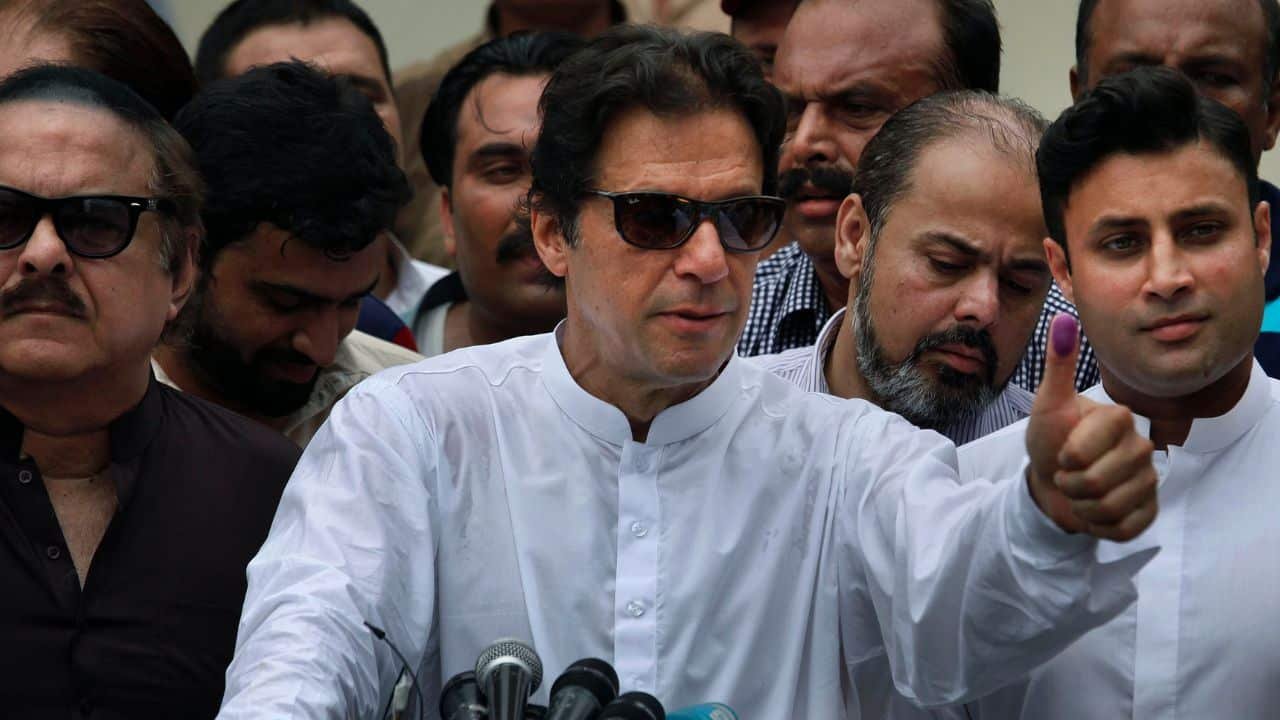
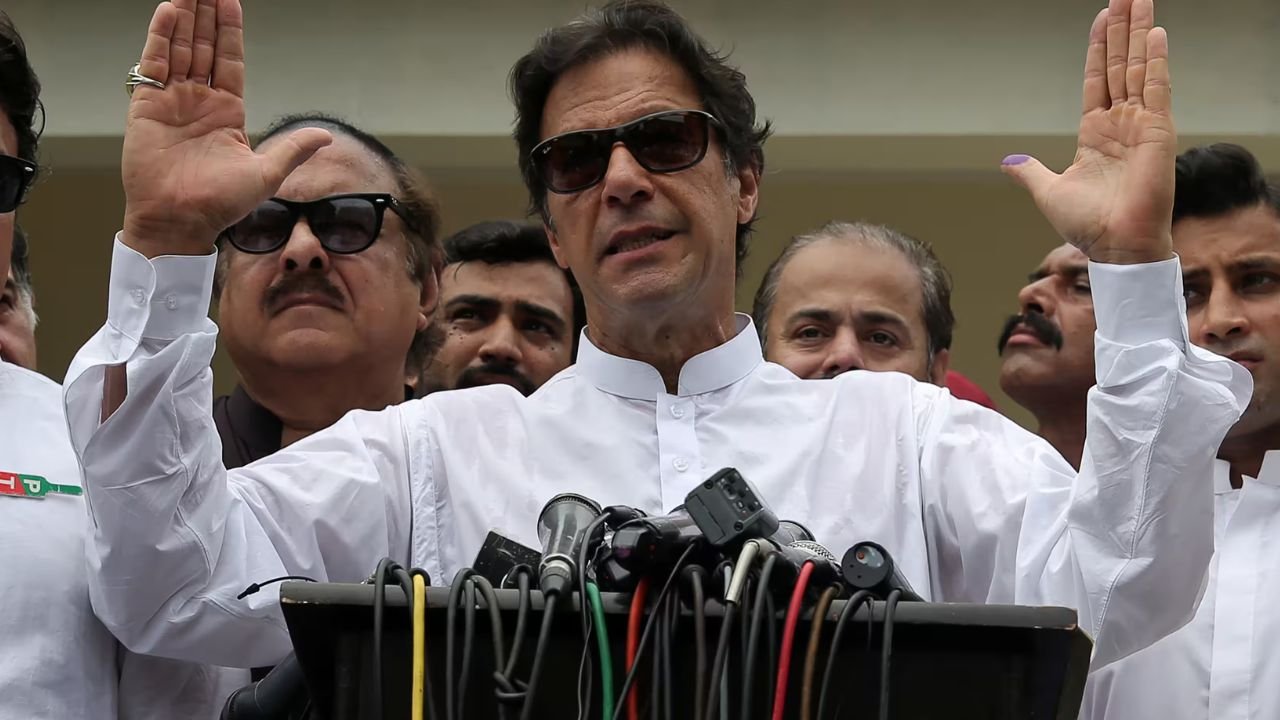
  • Imran Khan casts doubt on election legitimacy in an article written from jail

    Imran Khan casts doubt on election legitimacy in an article written from jail

    In a recent article for The Economist, Imran Khan, the founder and former chairman of Pakistan Tehreek-e-Insaf (PTI), currently incarcerated, has expressed apprehensions about the legitimacy of the upcoming elections in Pakistan.

    Khan argues that the caretaker governments in place at both the federal and provincial levels are constitutionally illegal due to their failure to hold elections within 90 days of dissolving parliamentary assemblies.

    While the public is anticipating elections on February 8, Khan, who has faced various challenges since a vote of no confidence in April 2022, raises skepticism about the electoral process.

    He points to the election commission’s actions, which he claims include defying the Supreme Court, rejecting PTI nominations, hindering internal party elections, and initiating contempt cases against PTI leaders for criticizing the commission.

    “The country’s election commission has been tainted by its bizarre actions. Not only has it defied the top court but it has also rejected my Pakistan Tehreek-e-Insaf (PTI) party’s nominations for first-choice candidates, hindered the party’s internal elections and launched contempt cases against me and other PTI leaders for simply criticising the commission,” he wrote.

    Khan contends that since his government’s removal, orchestrated by what he terms as “the establishment”—comprising the army, security agencies, and civil bureaucracy—the playing field for PTI has been anything but level. He alleges external interference, specifically from the United States, citing a State Department message urging his removal from the prime minister’s seat.

    Despite subsequent protests and electoral victories in by-elections, Khan argues that the administration that replaced his government led to economic downturns, inflation, and currency devaluation within 18 months. He emphasizes the contrast between PTI’s governance, which garnered international praise, and the subsequent administration’s economic performance.

    Khan claims that various measures have been taken to sideline him politically, including assassination attempts, abductions of party members, and legal harassment. Despite facing nearly 200 legal cases and being denied a normal trial, Khan states that PTI remains popular, with a 66 per cent approval rating, according to a recent poll.

    The former prime minister also raises concerns about the return of Nawaz Sharif, a convicted former prime minister, speculating that Sharif may have struck a deal with the establishment for support in the upcoming elections.

    Khan, who remains incarcerated on charges including treason, expresses doubt about the fairness of the electoral process, claiming that PTI is being denied its basic right to campaign.

    He concludes by advocating for fair and free elections, “The only viable way forward for Pakistan is fair and free elections, which would bring back political stability and rule of law, as well as ushering in desperately needed reforms by a democratic government with a popular mandate. There is no other way for Pakistan to disentangle itself from the crises confronting it. Unfortunately, with democracy under siege, we are heading in the opposite direction on all these fronts.”

    The Economist added an Editor’s Note stating, “The Pakistani government and the U.S. State Department deny Khan’s allegations of American interference, and Khan faces charges under the Official Secrets Act.”

  • How many registered religious minority voters are in Pakistan?

    How many registered religious minority voters are in Pakistan?

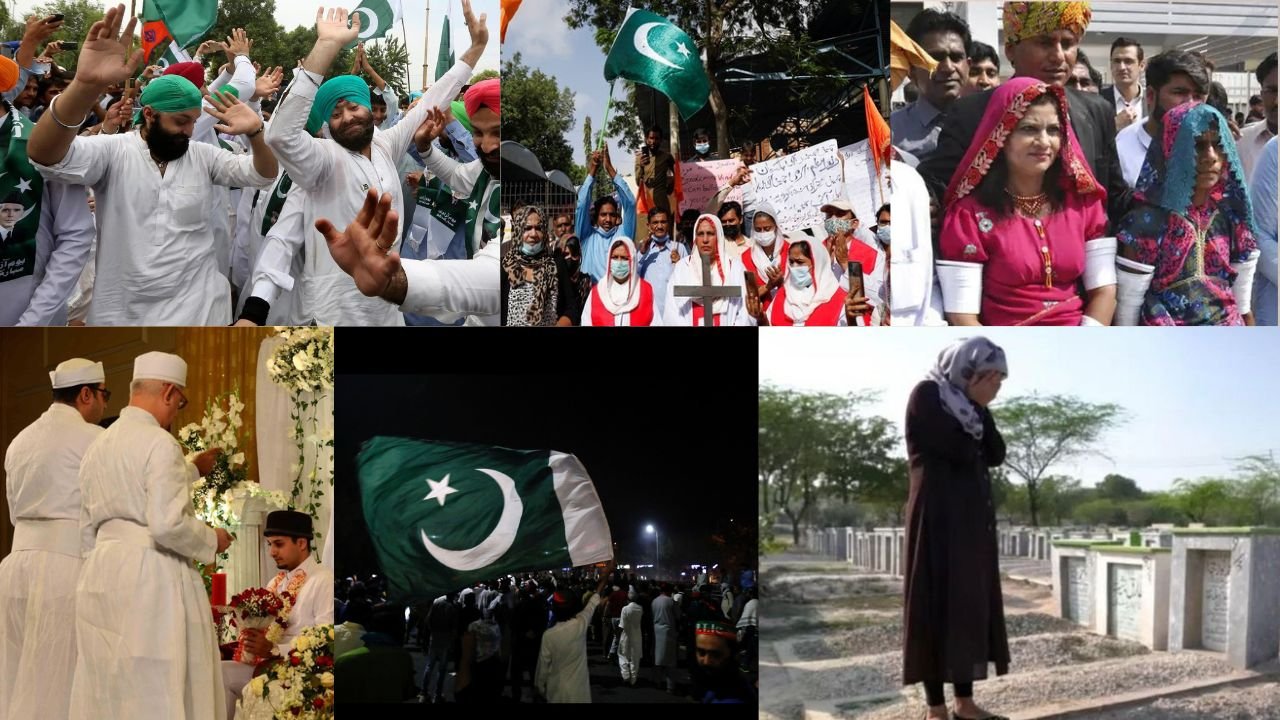
    As per the recent province-wise religion report of the Election Commission of Pakistan (ECP), there are 30 lac, 78 thousand, 3 hundred and 6 voters from religious minorities in Pakistan.

    Out of 40 thousand 781 minority voters in Khyber Pakhtunkhwa 3516 are Bahai, 220 Buddist, 28080 Christian, 4209 Hindu, 723 Parsi, 1149 Ahmadi, and 2884 Sikh.

    In former Federally Administered Tribal Areas (FATA) there are 3539 religious minority voters out of which 400 are Bahai, 41 Buddist, 1446 Christian, 669 Hindu, 16 Parsi, 23 Ahmadi, and 944 Sikh.

    For 12 lac 59 thousand 303 minority voters in Punjab, 18102 are Bahai, 786 Buddist, 1057071 Christian, 73456 Hindu, 262 Parsi, 108538 Ahmadi, and 1088 Sikh.

    In Sindh, there are 16 lac 80 thousand 582 minority voters, out of which 7269 are Bahai, 495 Buddist, 228552 Christian, 1423276 Hindu, 2787 Parsi, 16668 Ahmadi, and 1535 Sikh.

    Balochistan has 44 thousand 930 minority voters, out of which 1387 are Bahai, 1387 Buddist, 18702 Christian, 18702 Hindu, 265 Parsi, 549 Ahmadi, and 272 Sikh.

    In the Federal Capital, there are 44 thousand 783 minority voters, out of which 242 are Bahai, 41 Buddist, 40518 Christian, 276 Hindu, 16 Parsi, 3677 Ahmadi, and 13 Sikh.

    Although elections are not happening in Gilgit Baltistan and Azad Jammu and Kashmir in February 2024, ECP did share detailed data of these areas too.

    Out of 653 minority voters in Gilgit Baltistan, 472 are Bahai, 5 Buddist, 147 Christian, 8 Hindu, 16 Ahmadi, 5 Sikh, and none from the Parsi community.

    Azad Jammu and Kashmir has 3735 minority voters out of which 1083 are Bahai, 23 Buddist, 987 Christian, 45 Hindu, 13 Parsi, 1580 Ahmadi, and 4 Sikh.

    As Pakistan gears up for nationwide parliamentary elections in February 2024, a significant portion of the population, the Ahmadiyya community, faces disenfranchisement due to discriminatory provisions in the electoral law.

    Current electoral regulations in Pakistan effectively exclude Ahmadis from the voting process based on their religious beliefs.

    To register as voters, members of the Ahmadiyya community are compelled to either renounce their faith or accept placement in a distinct electoral list categorizing them as “non-Muslim.”

    However, self-identification as Muslim is a fundamental tenet of Ahmadiyya religious belief.

    This exclusionary practice has resulted in the denial of voting rights for Ahmadis, who comprise over 500,000 individuals in Pakistan.

    Despite their significant numbers, Ahmadis find themselves unable to participate in local, provincial, and national elections.

    It is noteworthy that in 2002, Pakistan discontinued an electoral system that segregated Muslims and non-Muslims into separate categories for registration and voting.

    However, discriminatory measures persist, particularly affecting the Ahmadiyya community’s ability to exercise their

    The government also created a separate category for Ahmadis. Since then, all Pakistani citizens have voted according to a single electoral list except the Ahmadis, who vote on a separate list.

  • Imran Khan kitnay ameer hain?

    Imran Khan kitnay ameer hain?

    It’s that time of the electoral season when we find out just how rich are the people who rule us.

    Financial details in nomination papers reveal a noteworthy surge in the assets of former Prime Minister and founding Chairman of Pakistan Tehreek-e-Insaf (PTI) Imran Khan, a rise of a whopping Rs277 million over the past five years.

    According to the documents, Imran Khan’s assets, which were valued at Rs38.694 million in 2018, have now exceeded Rs315.95 million as per the nomination papers submitted for the upcoming elections in 2023.

    Imran Khan has made public the possession of a seven kanal eight marla house in Zaman Park, Lahore, with an associated construction expenditure of more than Rs48.6 million.

    At the same time, the PTI founder also owns another piece of land in Islamabad, much smaller in size though – six kanals and 16 marlas- with a stated market value of over Rs 5 million.

    Additionally, he has disclosed ownership of a 300-kanal land in Bani Gala received as a gift.

    Notably, the former PTI chairman does not own any vehicles, as indicated in his documents.

    Other assets in Islamabad include a Rs120m shop and a two-bed apartment which has been priced at Rs34m.

    According to the documents, the items bought from Toshakhana – the infamous pieces that resulted in a case and disqualification – are valued at over Rs11.8m.

    On the other hand, the PTI founding chairman says his wife – Bushra Bibi – is the owner of 698 kanal in Deepalpur and Pakpattan besides another three-kanal house located at Banigala.

    The financial trajectory showcases a substantial increase in Imran Khan’s wealth.

    He mentioned the value of his assets at Rs38.694m in the 2018 general elections’ nomination papers, which has now reached Rs315.95m, representing a massive jump, out which over Rs60m are in cash deposited with different banks of Islamabad.

    In 2021, he declared assets valued at over Rs141 million to the Federal Board of Revenue, which further rose to over Rs320 million in 2022.

    The Federal Board of Revenue (FBR) certificate attached to his nomination papers for the upcoming elections in 2023 verifies that the current value of Imran Khan’s assets is over Rs315.9 million.

    This revelation holds significance as Imran Khan, the jailed former Prime Minister, gears up to contest the upcoming elections. The submitted details to the Election Commission of Pakistan (ECP) depict a considerable financial evolution over the specified five-year period.

  • Murad Saeed’s papers rejected; Imran Khan to pay two lac fine

    Murad Saeed’s papers rejected; Imran Khan to pay two lac fine

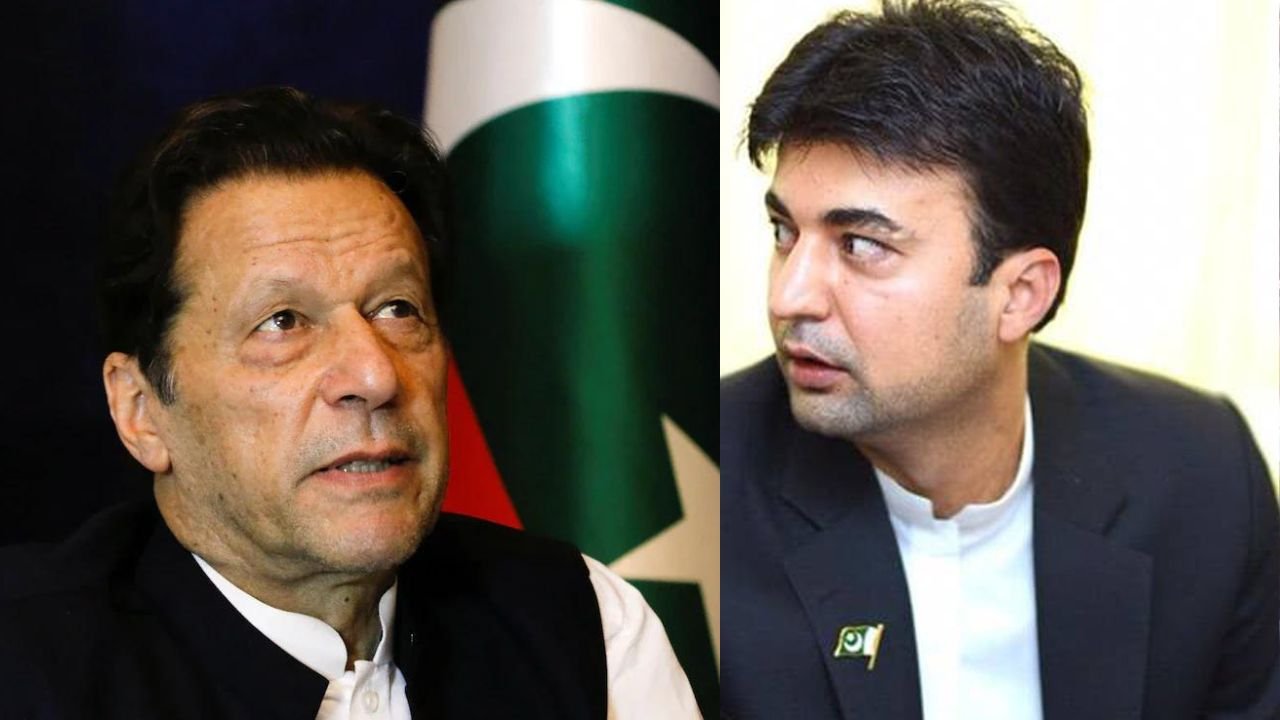
    The Returning Officer (RO) for NA-4 on Friday rejected the nomination papers of Pakistan Tehreek-e-Insaf (PTI) leader Murad Saeed as the candidate was on the absconder’s list.

    Murad Saeed has been absconding since the May 9 incidents.

    PTI’s lawyer has said that he has completed all the documents required by the Election Commission of Pakistan (ECP) and will appeal against the verdict in Peshawar High Court (PHC).

    Meanwhile, the Provincial election commissioner in Khyber Pakhtunkhwa has directed returning officers across different districts to recover unpaid fines from various political leaders, including former Prime Minister Imran Khan, as per Dawn.

    These fines, imposed by the Election Commission of Pakistan (ECP), are under scrutiny as part of the nomination paper review process for the upcoming February 8 elections.

    A letter dated December 28, issued by the provincial election commissioner and obtained by Dawn.com, reveals that a total of 62 political figures from Khyber Pakhtunkhwa (KP) and Punjab have outstanding fines ranging from Rs5,000 to Rs50,000.

    The fines are linked to violations committed during election campaigns, with the severity of the violations determining the penalty amount.

    According to the letter, Imran Khan faces a substantial debt of Rs200,000 to the ECP, making him the highest debtor on the list.

    The former premier allegedly committed four separate violations in March 2022, each resulting in a fine of Rs50,000. Notably, these violations occurred just a month before Imran Khan’s removal through a parliamentary vote.

    Other prominent figures on the list include former Chief Minister of KP Mahmood Khan, who owes Rs150,000 for three violations, and ex-federal minister Murad Saeed, facing a fine of Rs100,000 for two violations.

    Several members of the Pakistan Tehreek-e-Insaf (PTI) and Jamiat Ulema-e-Islam (JUI-P) are also included, with outstanding amounts ranging from Rs50,000.

    The ECP letter states, “Candidates and public office holders [in the past] violated the code of conduct during election campaigns of various previous elections… fines were imposed upon them under Section 234 sub-section (3) of the Election Act 2017.”

    It further notes that some individuals failed to deposit the fines and others filed appeals that were rejected by the ECP.

    The competent authority has directed returning officers to share the list of defaulters and ensure the recovery of unpaid fines during the scrutiny of nomination papers. The deadline for scrutinizing nomination papers is December 30, with the process commencing on December 24.

    The Election Commission of Pakistan (ECP) said on Friday that it will display the final list of the candidates’ list on January 23 (Tuesday).

    According to the electoral watchdog, the candidates will be able to withdraw their nomination papers until Monday, January 22.

    The ECP is expected to display the candidate list on January 20. The appellate tribunals will decide on the appeals until January 19.

    The appeals against RO’s verdict on the special seats can be filed until January 16.

    The electoral watchdog had revised the election schedule for the special seats. The scrutiny of the nomination papers of women and minorities candidates will continue until January 13.

  • Hassaan Niazi is up for contesting elections

    Hassaan Niazi is up for contesting elections

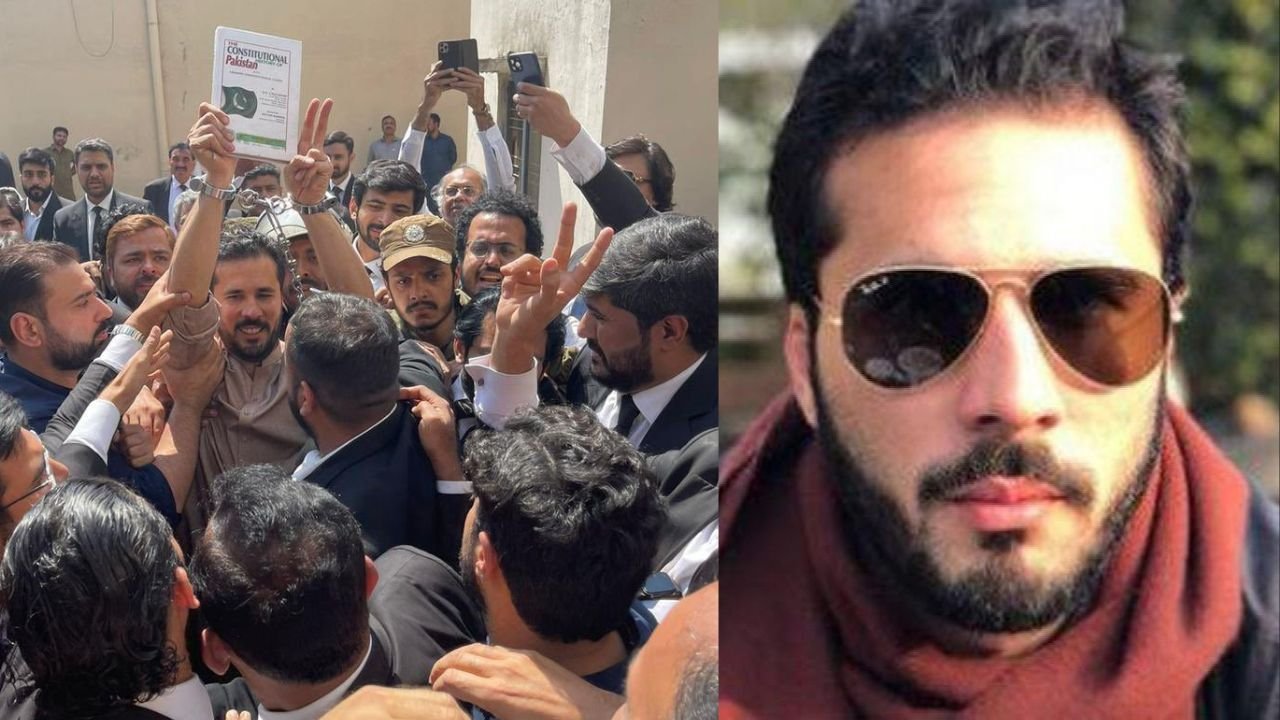
    Hassaan Niazi, prominent leader of Pakistan Tehreek-e-Insaf (PTI) and ex-prime minister Imran Khan’s nephew, has officially declared his intention to participate in the upcoming general elections.

    The decision was revealed as his mother filed a petition in the Lahore High Court, seeking approval for his nomination papers.

    The petition argued that, with the Election Commission having announced the election schedule, Hassan Niazi remains eligible, having neither faced disqualification nor conviction; he is presently in custody.

    The legal plea urged the court to grant permission for the completion of Hassan Niazi’s nomination paper for the submission process.

    It further proposes a meeting between the court commissioner and Hassan Niazi to facilitate the verification or rejection of the nomination papers.

    The move sets the stage for a potentially dynamic political scenario, with Hassan Niazi’s candidacy poised to shape the unfolding electoral landscape.

    The Case

    A Lahore anti-terrorism court (ATC) on Monday granted the police two-day transit remand of the focal person of Pakistan Tehreek-e-Insaf (PTI) leader and ex-prime minister Imran Khan’s nephew, Hassaan Niazi.

    The police had produced Niazi in the court seeking his transit remand to take him to Karachi, where he is wanted in connection with sedition charges registered against him.

    The case against Niazi was registered on the complaint of a citizen named Muhammad Iqbal at the Jamshaid Quarters police station.

    According to the first information report (FIR), Niazi was involved in inciting people to revolt against national institutions and attempting to provoke disharmony in a video on social media.

    The statement had allegedly created anger and distress among the masses.

    During the hearing, the prosecution argued that Niazi’s presence was required in Karachi for further legal proceedings.

    Therefore, the court approved the request for a two-day transit remand, allowing the police to take Niazi to Karachi for progress in the case.

  • Cabinet approves bill seeking parliament validation for election funds

    Cabinet approves bill seeking parliament validation for election funds

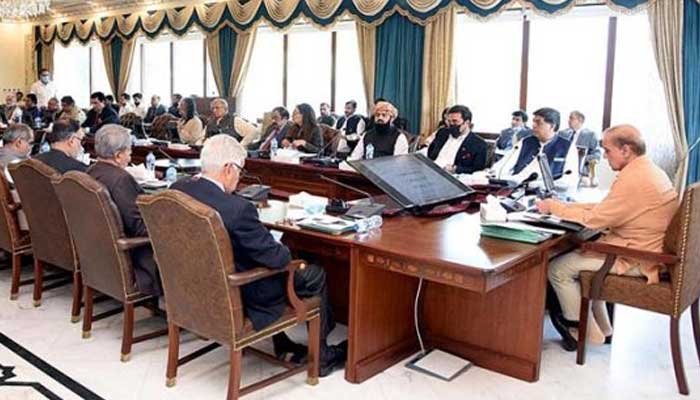
    The federal cabinet on Monday approved a summary prepared by the Ministry of Finance seeking to release funds for the Election Commission of Pakistan (ECP) to hold elections in Punjab on May 14 as ordered by the Supreme Court, which will now be forwarded to the parliament.

    Finance Minister Ishaq Dar presented the bill before parliament today.

    Earlier today, a meeting chaired by Prime Minister (PM) Shehbaz Sharif, decided to send the matter to the parliament, observing that the Lower House was supreme and whatever decision it would make, would be acceptable.

    On Sunday the cabinet decided to refer to parliament the issue of the release of funds to the ECP for holding elections in Punjab.

    The cabinet asked Dar to prepare a summary for the guidance of the Parliament.

    It is pertinent to mention here that the SC has ordered that federal government to release Rs21 billion by April 10 for holding polls in Punjab.

  • Elections to be held in Punjab on May 14: Supreme Court

    The Supreme Court (SC) on Tuesday declared Election Commission of Pakistan’s (ECP) decision on delay in Punjab and Khyber Pakhtunkhwa (KP) election null and void. 

    The Supreme Court, in its verdict, declared the electoral body’s decision to hold polls on October 8 as “unconstitutional”.

    A three-member bench headed by Chief Justice of Pakistan Umar Ata Bandial, comprising Justice Ijaz Ul Ahsan and Justice Munib Akhtar, announced that Punjab polls should be conducted on May 14.

    Regarding the elections in Khyber Pakhtunkhwa, the three-member bench said during the course of the hearing nobody represented the provincial governor therefore the issue, only till this extent, will remain under debate.

    The court maintained that 13 days were wasted because of the ECP’s unlawful decision, directing the caretaker government in Punjab to assist the commission and instructed the ECP to inform the court if the government refused to do so.

    The last date for submitting appeals against the decision of the Returning Officers will be April 10. The Election Tribunal will decide on the appeals on April 17.

    It added that the federal government should provide Rs21 billion in funds by April 10 to the ECP and directed the body to present a report on the issue by April 11.

    The verdict also said that the Supreme Court will issue instructions to the authorities concerned in case the funds are not provided.

    “Punjab government should give a security plan to the Election Commission,” said the top court’s verdict. It added that Punjab’s interim cabinet and chief secretary should report to the ECP regarding the electoral staff by April 10.

    The ECP had earlier set the date for elections in Punjab on April 30, but later it was postponed to October 8 — in Punjab and KP as well — prompting the opposition party, Pakistan Tehreek-e-Insaf (PTI), to file a plea in the top court.

    The apex court — which initiated proceedings on PTI’s petition on March 27 — reserved the verdict a day earlier, saying it would announce it the next day, April 4.

    It is pertinent to mention here that the coalition government had raised reservations on the three member supreme court bench and demanded a full to hear the case.  In a National Assembly meeting yesterday, Prime Minister (PM) Shehbaz Sharif categorically said the ruling coalition had no-confidence in the three-member SC bench.