Tag: Election Commission of Pakistan (ECP)

  • ‘No delay in elections’: ECP dismisses remarks by President Arif Alvi

    ‘No delay in elections’: ECP dismisses remarks by President Arif Alvi

    The Election Commission of Pakistan (ECP) has dismissed any notions of delaying the general elections, emphasizing its commitment to the scheduled electoral process despite recent uncertainties.

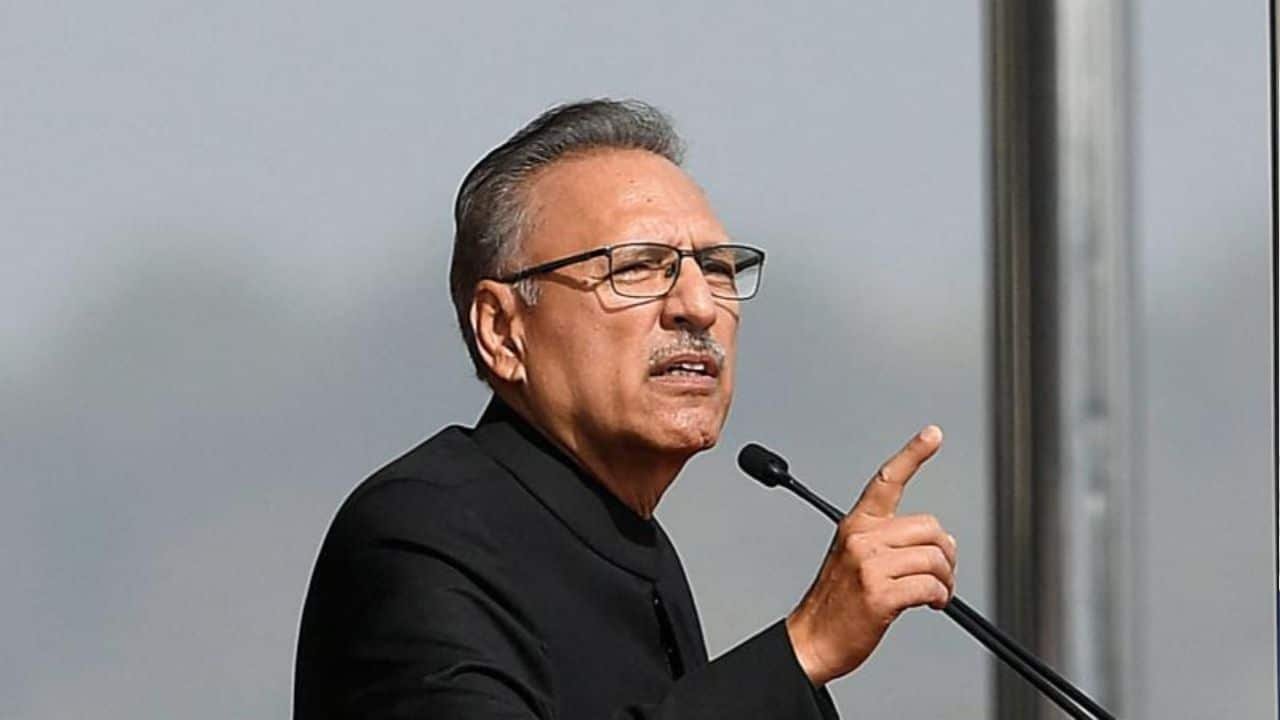
    Following President Arif Alvi’s statement in an interview with Geo News anchorperson Hamid Mir that have sparked speculations of a delay, the ECP swiftly issued a statement reiterating its preparedness and determination to carry out electoral proceedings as planned.

    “According to the action plan, the final list of constituencies is scheduled to be published on November 30, 2023. This announcement comes after the first phase of constituencies has already been completed, and the second phase, involving the filing of objections, is set to conclude on October 27, 2023,” the statement reads.

    The statement further said that ECP will commence the hearing of objections on preliminary constituencies starting from October 30 or 31, emphasising its commitment to conducting the elections as per the established timeline.

    “The President’s interview had raised concerns regarding a possible delay in the elections, but the Election Commission’s clear and prompt response has put those speculations to rest. The Commission remains steadfast in its efforts to ensure a fair and timely electoral process,” the spokesperson said.

    In an interview with Geo News anchorperson Hamid Mir, President Alvi said he does not see polls taking place in January. He recalled that he made various “efforts” for polls, including letters to the ECP and suggesting a cut-off date of November 6.

    According to the president, the law ministry told him that it was not his prerogative. He stated that free and fair elections and a level playing field were crucial for Pakistan’s progress.

    During the interview, he also alluded to the caretaker government being behind the spate of defections from the PTI. “Whatever the caretaker government is doing — what with people disappearing and reappearing with shifted loyalties,” he said.

    Speaking about the amendments to the Official Secrets Act and the Pakistan Army Act, President Alvi said he “stands by” his claim that he did not assent to tweaks made by the PDM government.
  • Vote register karwaayein October 28 tak

    Vote register karwaayein October 28 tak

    The Election Commission of Pakistan (ECP) on Tuesday extended the deadline for the voter registration and information update from October 25 to October 28 (Saturday).

    The decision was made during a meeting chaired by Chief Election Commissioner (CEC) Sikandar Sultan Raja.

    CEC Raja called upon the general public to utilise this final opportunity to ensure their registration, transfers, exclusions, and vote accuracy by October 28.

    How to register your vote:

    You can submit your application along with a copy of CNIC to the District Election Commissioner (DEC) or Registration Officer or Assistant Registration Officer of the district where you want to get your name enrolled.

    The prescribed Form (Enrolment / Transfer of Vote) is available online at the ECP website or it can be obtained free of cost from the office of the District Election Commissioner or Registration Officer or Assistant Registration Officer or Display Centre Incharge.

    How to check the details of your vote registration:

    Please type your CNIC without Hyphen (-) and spaces on your mobile and send it to 8300.

    After sending an SMS to 8300, an automated response will be generated, furnishing information such as the name of the electoral area, block code, and serial number.

    Each registered voter has the option to verify their details by visiting the District Election Commissioner’s (DEC) office in their respective area, where the complete electoral roll is accessible.

    How to transfer your vote

    There are two ways to transfer your vote:

    1. Visit the NADRA office and renew or modify your CNIC and ensure that the option to transfer your vote either at a temporary or permanent address is marked properly.
    2. Visit the office of the DEC Concerned and submit Form-21 (Click here to download Form-21). You can also submit the same form to the Form Submission Centers at the tehsil level. (Click here to check the list of Form Submission Centres).

    Eligibility to be a voter:

    A person shall be entitled to be enrolled as a voter in an electoral area if he—

    (a) is a citizen of Pakistan;

    (b) is not less than 18 years of age;

    (c) possesses a National Identity Card issued by the National Database and Registration Authority (NADRA) at any time till the last day fixed for inviting claims, objections and applications for preparation, revision or correction of electoral rolls;

    (d) is not declared by a competent court to be of unsound mind; and

    (e) is or is deemed under section 27 to be resident in the electoral area.

    Explanation: The National Identity Card issued by the National Database and Registration Authority (NADRA) shall be deemed to be valid for the purpose of registration as a voter or for casting vote in an election, notwithstanding the expiry of its validity period.

  • ‘If the Ministry of Interior cannot provide security to one person, how will it conduct elections’: Election Commission

    ‘If the Ministry of Interior cannot provide security to one person, how will it conduct elections’: Election Commission

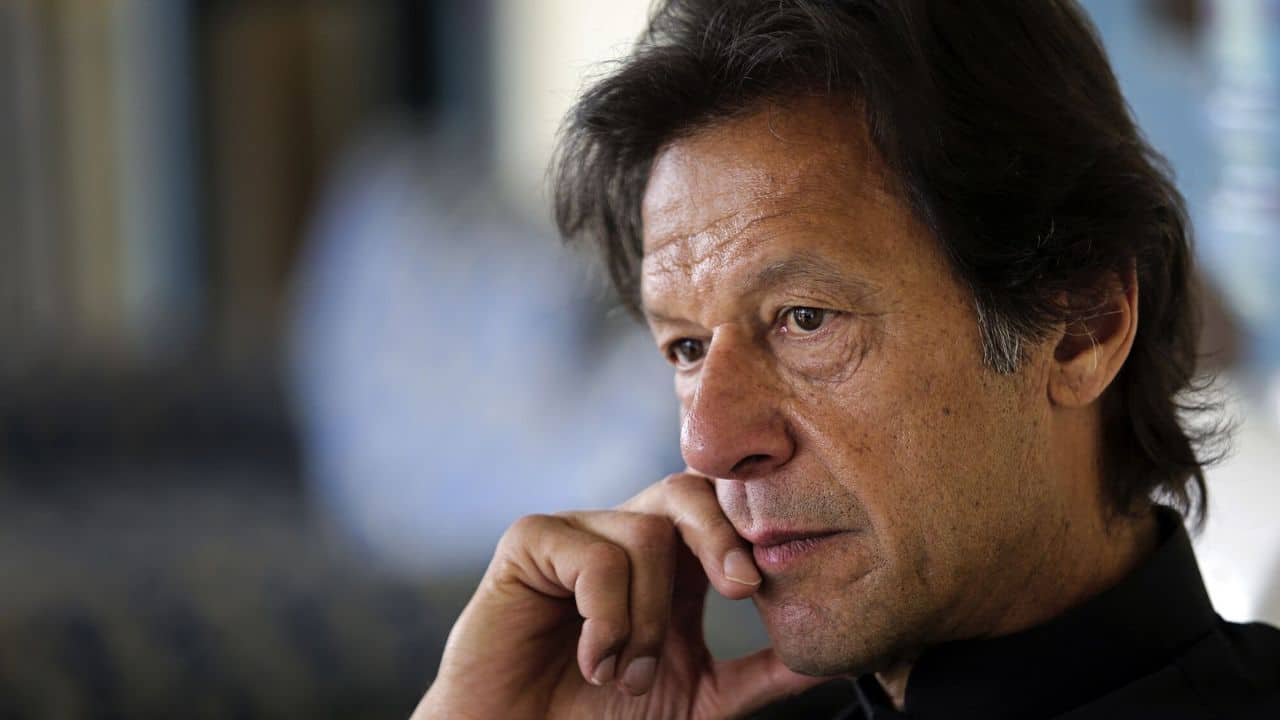
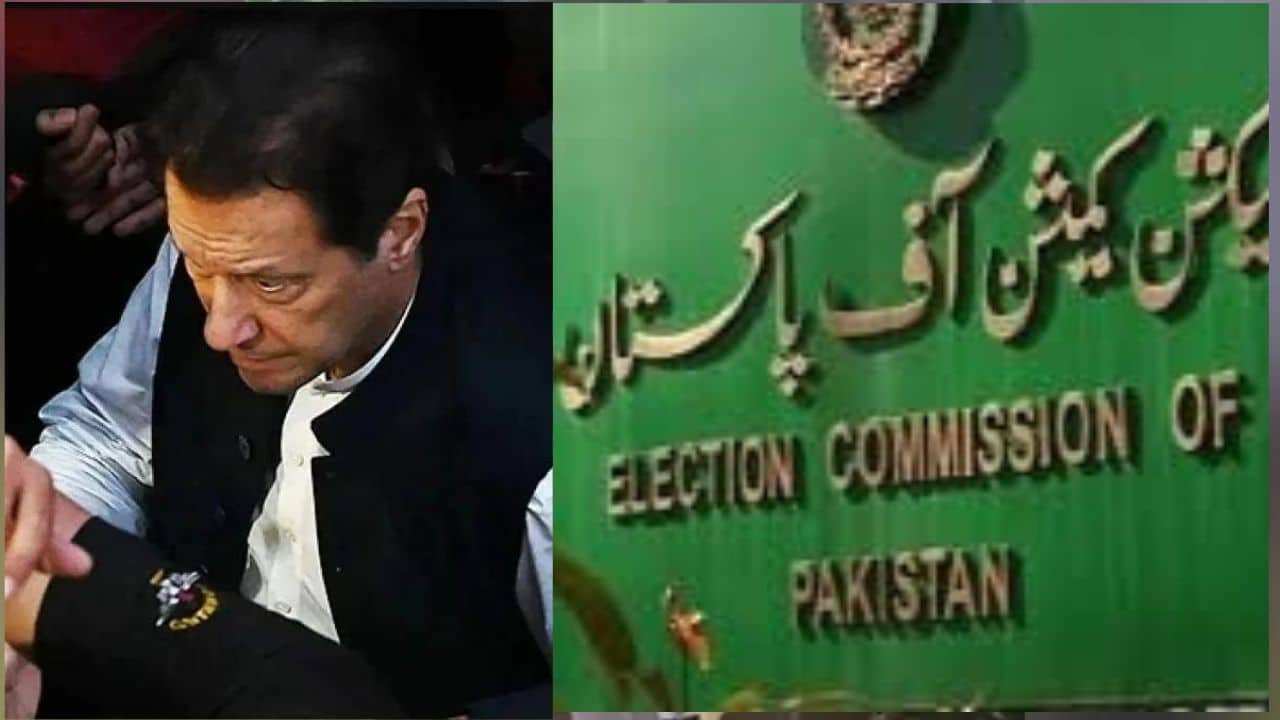
    The Election Commission of Pakistan (ECP) faced a setback on Tuesday as PTI Chairman Imran Khan couldn’t make it to a hearing due to security concerns. The Interior Ministry and Islamabad police were worried about the risks involved in bringing him to the commission, as he’s currently in jail for cipher case.

    Although the commission had earlier ordered that Imran Khan’s appear in person, the police and the ministry raised serious concerns about the safety of such a move.

    The commission was hearing a defamation case against the PTI chief, Asad Umar, and Fawad Chaudhry. A four-member commission headed by Nisar Durrani adjourned the hearing till November 13.

    Fawad Chaudhry and Asad Umar appeared before the commission, while Imran Khan was not brought to the election commission from Adiala Jail.

    PTI lawyer Shoaib Shaheen said the real insult to the election commission has taken place today.

    The operations assistant inspector general of police (AIG) submitted a report regarding Imran Khan, stating that Rawalpindi was a densely populated area, which is not without dangers.

    PTI Chairman Imran Khan has himself said there are threats to his life, the report stated.

    ECP’s member from Sindh, Nisar Durrani, asked the AIG if he believed whatever Imran Khan said was true.

    The Interior Ministry suggested that the election commission go to Adiala Jail to conduct the hearing to which the commission questioned how the ministry ordered them, ordering the interior secretary to appear before the commission.

    The commission asked the ministry to get it in writing from Imran Khan that he was sorry.

    “If the Ministry of Interior cannot provide security to one person, how will it conduct elections?” the commission questioned.

    ECP’s production order stated, “Since the respondent is in Adiala Jail […] and his personal appearance is mandatory to proceed further with the matter. In such view of the matter, there is no alternate except to issue production order of respondent namely Imran Ahmed Khan Niazi.”

  • Major changes in Punjab’s National and Provincial Assembly seats

    Major changes in Punjab’s National and Provincial Assembly seats

    Five newly created districts in Punjab are set to receive a total of 13 national and provincial assembly seats as part of the preliminary delimitation, marking a notable shift in the political landscape.

    The districts in question are Kot Addu, Taunsa, Wazirabad, Talagang, and Murree. Among these, Kot Addu district in southern Punjab stands out, securing two National Assembly seats, NA-179 and NA-180, along with three provincial assembly constituencies: PP-276, PP-277, and PP-278.

    Wazirabad and Taunsa districts are also set to gain representation, with Wazirabad obtaining NA-66, PP-35, and PP-36, while Taunsa secures NA-183, PP-284, and PP-285.

    Talagang, which was carved out of Chakwal, will now share a National Assembly seat, NA-59, with Chakwal itself. This arrangement leads to Chakwal having one independent NA seat, and Talagang securing one provincial assembly seat, PP-23. PP-22 will be referred to as Chakwal-cum-Talagang.

    Similarly, Murree will not have an independent NA seat but will be included in NA-51, referred to as Rawalpindi-cum-Murree. Nonetheless, Murree will have representation in the provincial assembly with PP-06.

    These changes also entail a reduction in the number of national and provincial assembly seats for some districts. Dera Ghazi Khan, for instance, will see a decrease from four to three NA seats and a reduction from eight to six provincial assembly seats. Muzaffargarh, too, will experience a decrease, with two fewer NA seats, resulting in a drop from six to four NA seats, and a reduction in provincial assembly seats from 12 to eight.

    Gujranwala and Hafizabad, despite Gujranwala’s sizable population of 5.95 million, will collectively have only five seats, despite the potential for an additional independent seat. Dera Ghazi Khan is also set to lose one NA seat and two provincial assembly seats.

    These changes in seat allocations underscore the evolving political landscape in Punjab, reflecting efforts to ensure fair and equitable representation for all regions within the province.

  • Election Commission takes notice of violations in Sindh

    Election Commission takes notice of violations in Sindh

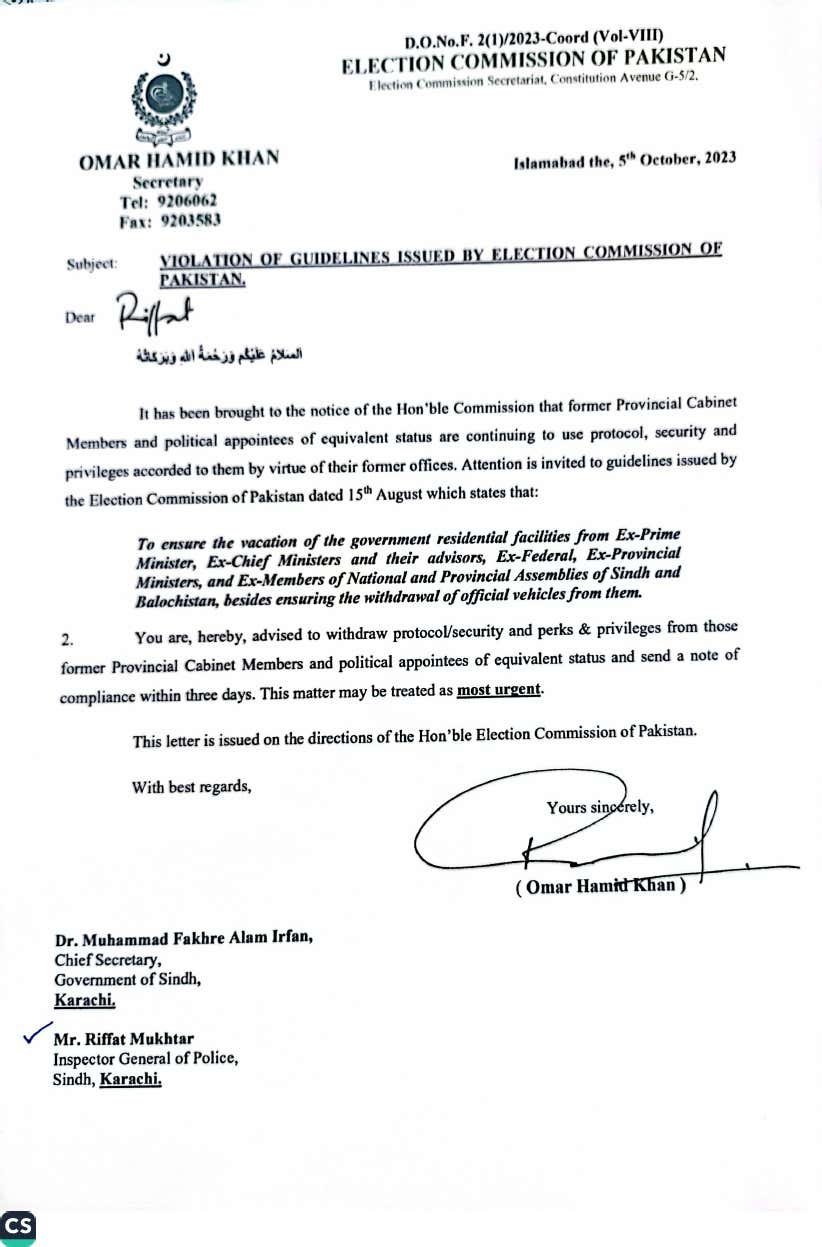
    The Election Commission of Pakistan (ECP) has issued a directive instructing the Chief Secretary of Sindh to immediately withdraw security, privileges and protocols from former members of the provincial cabinet and government officials. The decision follows the conclusion of the provincial government’s tenure and the upcoming general elections scheduled for the beginning of next year, after the delimitation process.

    In a letter addressed to the provincial secretary and inspector general, Election Commission Secretary Omar Hamid highlighted that former officials and cabinet members were still benefiting from the perks and privileges associated with their former positions.

    The letter stated, “You are, hereby, advised to withdraw protocol/security and perks and privileges from those former provincial cabinet members and political appointees of equivalent status and send a note of compliance within three days. This matter may be treated as most urgent.”

    The ECP had earlier on August 15 sent a letter to provincial authorities for withdrawal of the official protocol of the then members of former Chief Minister Murad Ali Shah-led cabinet and government officials.

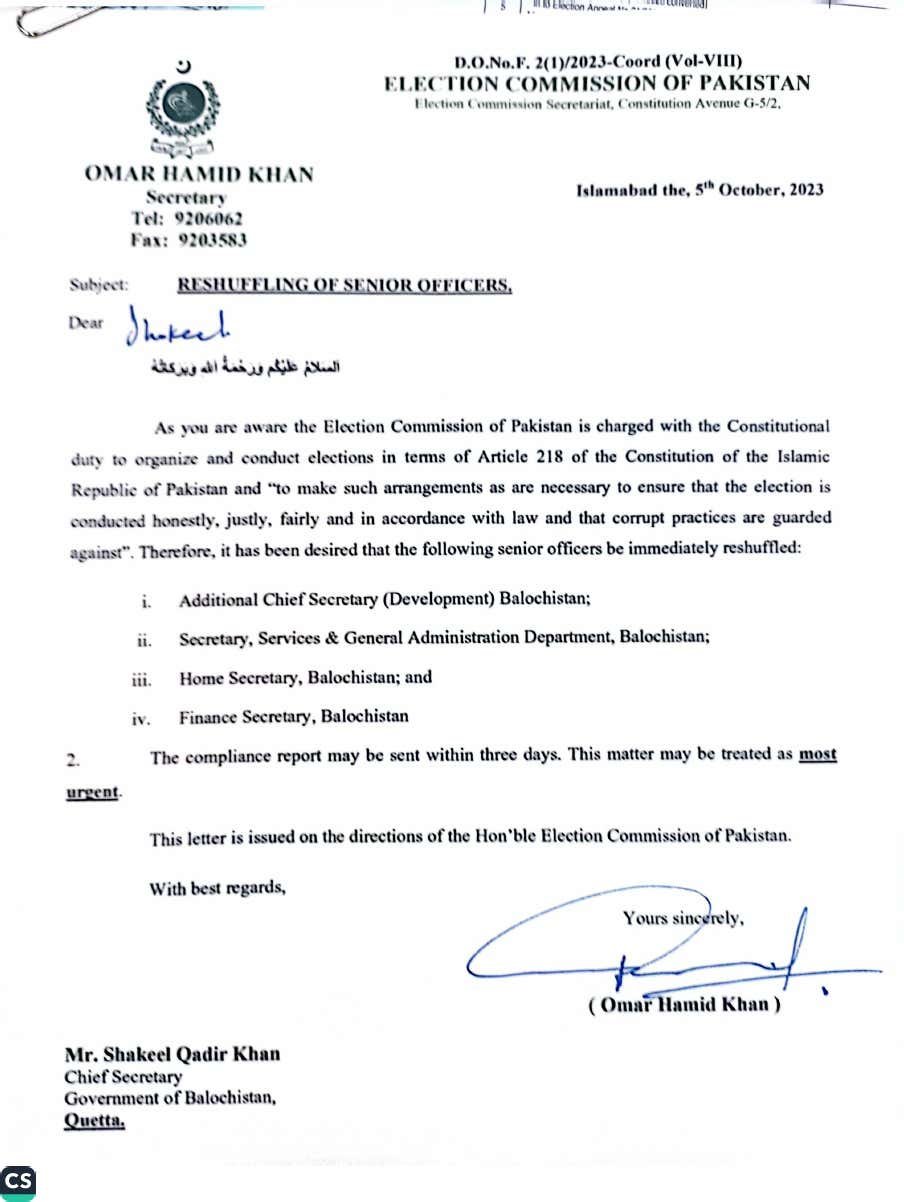
    Additionally, in a separate communication to the Balochistan chief secretary, the Election Commission directed the immediate replacement of existing officials with new appointees for specific positions.

    The letter states, “As you are aware the Election Commission of Pakistan is charged with the Constitutional duty to organize and conduct elections in terms of Article 218 of the Constitution of the Islamic Republic of Pakistan and “to make such arrangements as are necessary to ensure that the election is conducted honestly, justly, fairly and in accordance with law and that corrupt practices are guarded against. Therefore, it has been desired that the following senior officers be immediately reshuffled:

    1. Additional Chief Secretary (Development) Balochistan
    2. Secretary, Services & General Administration Department, Balochistan
    3. Home Secretary, Balochistan
    4. Finance Secretary, Balochistan”

    The ECP has requested a compliance report from the concerned authorities within three days.

  • ‘Remove Imran’s name’; petition filed in Election Commission

    ‘Remove Imran’s name’; petition filed in Election Commission

    Election Commission of Pakistan (ECP) will be hearing three separate petitions filed against PTI on October 10 by Khalid Mehmood Khan and Mohammad Awn Saqlain, as per Geo News.

    The petitions seek the removal of former prime minister Imran Khan’s name as Pakistan Tehreek-e-Insaf (PTI) chairman and declare the party ineligible for obtaining electoral symbol.

    Khalid Mehmood Khan has also asked for the electoral body to take action against PTI in one of his petitions, alleging that the party is still receiving “prohibited funds from foreign entities”.

    Meanwhile, another application filed by Mohammad Awn Saqlain seeks PTI to be declared ineligible for electoral symbols under Section 215(4) of the Election Rules 2017.

    The rule states, “Where a political party or combination of political parties, severally or collectively, fails to comply with the provision of section 209 or section 210, the Commission shall issue to such political party or parties a notice to show cause as to why it or they may not be declared ineligible to obtain an election symbol.”

    The ECP will also hear a case against PTI’s former leader Fawad Chaudhry for making “contemptuous” remarks and “intemperate” language against the electoral body and its officials.

    It is pertinent to know that at present, PTI Chairman and former prime minister Imran Khan is imprisoned in Adiala jail in the cipher case after the Federal Investigation Agency — in August — booked the PTI chief under the Official Secrets Act for allegedly misplacing and misusing the classified document for vested political interests.

  • No country has raised concerns regarding polls delay, says Foreign Office

    Following reports of senior diplomats expressing reservations regarding the delay in polls in Pakistan, while mentioning that it could have negative effects on Pakistan’s relationships with democratic nations, the Foreign Office said it has not yet received any such communication from any capital, sources told The News.

    If a country raises any doubts and concerns, the authorities can address them, the Foreign Office said.

    If elections are delayed beyond February next year, then that might invoke serious consequences for the country. “Frankly, if elections are delayed beyond February, it will be extremely difficult for us to maintain the same level of bilateral engagement with Pakistan as we are doing now,” a source told Express Tribune.

    It is believed that in case of delay in elections, western countries, might revisit their cooperation with Pakistan. This could negatively impact Pakistan’s engagement with US-led financial institutions, including the International Monetary Fund (IMF).
    Not only Western countries want timely elections but they also want a level playing field for all the political parties. “This is something we will be keeping a close eye on,” said another diplomatic source, referring to media restrictions and crackdown against certain political parties.

    Meanwhile, FO Spokesperson Mumtaz Zahra Baloch clarified that she has no knowledge of any messages from any capital on this matter, as the positions of Pakistan and other countries on the issue are already known.

    The sources revealed that the government is well aware of the European Union’s (EU) stance and the International Monetary Fund’s (IMF) perspective on the matter. If parliamentary elections are deferred without valid reasons, the Generalised System of Preferences Plus (GSP+) trade facility could come under scrutiny.

    It has been reported that United States Ambassador to Pakistan, Donald Blome, and some other senior Western diplomats had held meetings with high-ranking officials in Pakistan, including caretaker Prime Minister Anwaar-ul-Haq Kakar and Chief Election Commissioner (CEC) Sikandar Sultan Raja.

    These meetings were aimed at gaining first-hand assessments of the situation. It is understood that these countries have closely followed the developments in Pakistan regarding election preparations and maintained communication with relevant parties to emphasise the preservation of a democratic environment.

    The sources noted that Pakistan has adequately briefed important capitals on the post-dissolution developments in national and provincial legislatures. The government has assured these capitals that the action will strictly adhere to the Constitution and law. The restriction to hold elections within 90 days following assembly dissolution, as stipulated in the Constitution, has been communicated.

    The sources highlighted that the ECP had recently clarified that there are no intentions to delay elections once the delimitation process concludes. Speculation arose that updating electoral rolls based on new delimitations could lead to further delays.

    The electoral body dismissed the concerns, explaining that updating electoral rolls and delimitation can proceed concurrently, as this is not an uncommon practice and would not cause any delay in elections. The ECP has already set December 14 as the deadline for completing the constituency delimitation process, and the enrollment of new voters will also be completed by this deadline.

  • PPP hints at legal action if elections are delayed

    Reiterating their call for general elections within 90 days, the Pakistan Peoples Party (PPP) has reinforced on Friday that it agreed to endorse the digital census results at the Council of Common Interests (CCI) only after receiving assurances that the action wouldn’t hinder the timely conduct of elections. The move, however, is now being exploited as a pretext to delay the polls. 

    Hinting at the possibility of pursuing “legal course” to uphold their principled stance, PPP leader Nayyar Bukhari said that if the party’s attempt to convince the Election Commission of Pakistan (ECP) to meet the constitutionally mandated 90-day deadline, during the meeting scheduled for August 29, remains unsuccessful, the next central executive committee meeting in Lahore in September would unveil their final strategy.

    Speaking at a press conference alongside fellow party members at Bilawal House after the CEC meeting, PPP leaders adopted a more assertive tone in response to the ECP’s recent announcement. The ECP stated that the process of revising the delimitation of national and provincial assembly constituencies would conclude by December 14, extending beyond the constitutionally set deadline for conducting general elections.

    Sindh’s former chief minister Murad Ali Shah said that his party does not want elections to be postponed due to new delimitations. “Our aim is that the elections should be held on time. This census does not require fresh delimitations,” he added. 

    The digital census, he said, was controversial, adding that the Constitution does not say to conduct fresh delimitations after the census.

  • President invites CEC to announce dates for general elections

    President invites CEC to announce dates for general elections

    According to recent reports, Chief Election Commissioner (CEC) Sikandar Sultan Raja will not meet President Dr. Arif Alvi for discussion on fixing the date for general elections. After a recent amendment to existing laws, fixing the date for the election is at the discretion of the ECP.

    Reliable sources in ECP told The News that the CEC called a meeting of the commission to talk to its members about the matter of fixing the date before taking a formal position. It is not the ECP’s responsibility, according to the law, to consult with the president on this matter. “The law is very clear about it. The President has cited the wrong article for this purpose.”

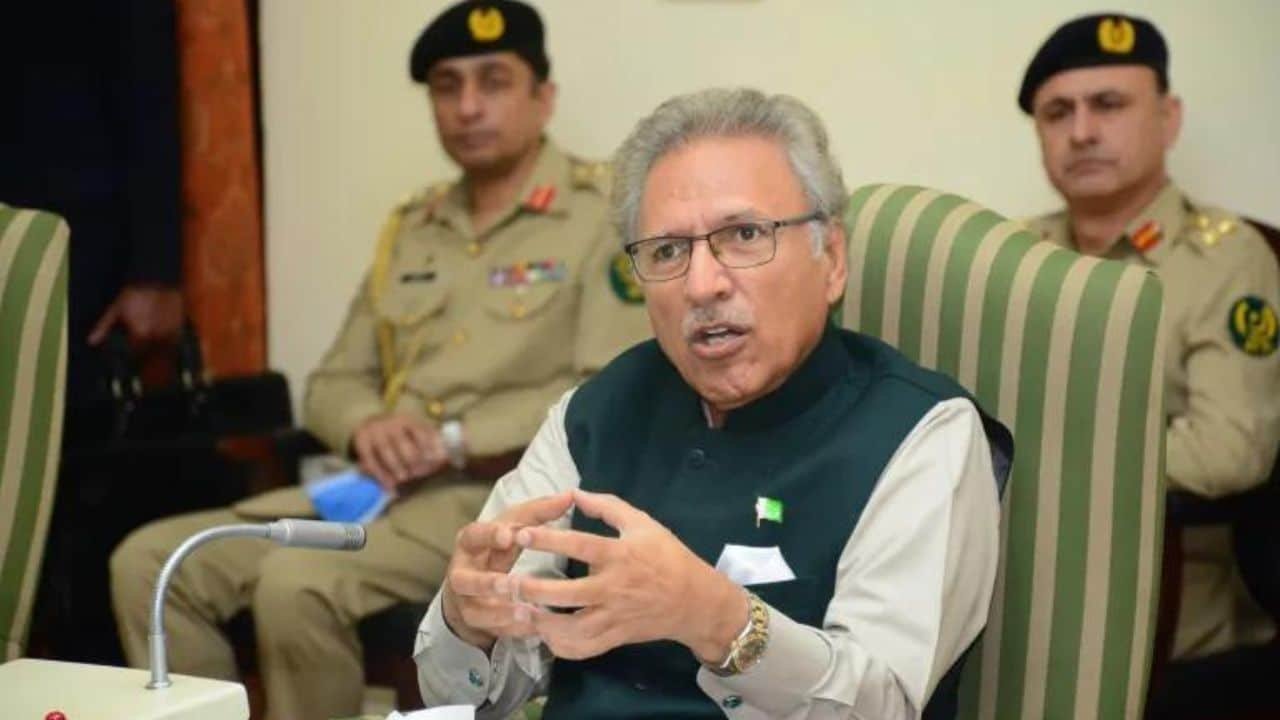
    President of Pakistan, Dr. Arif Alvi, has invited Chief Election Commissioner Sikandar Sultan Raja, for a meeting on August 23 or 24, to fix an appropriate date for holding the general elections.

    The letter, written to Mr. Raja by Dr. Alvi, states that the constitution requires the president to decide a date for general elections within 90 days of the dissolution of the National Assembly (NA).

    The letter was shared on the official X (formerly Twitter) account of the president. It noted that the national assembly was dissolved by the president on August 9th, as per the instructions given by the Prime Minister.

    And “by virtue of Article 48(5) of the Constitution of the Islamic Republic of Pakistan, the president is obliged to appoint a date not later than 90 days from the date of dissolution for the holding of general elections of [the] assembly”, the letter read.

    READ MORE:  Elections not possible before May 2024,’ says former ECP secretary

  • Elections delay inevitable as ECP announces delimitation schedule

    Elections delay inevitable as ECP announces delimitation schedule

    The Election Commission of Pakistan (ECP) has announced the schedule of delimitation of constituencies as required by Article 51 of the constitution of Pakistan and section 17(2) of the Elections Act 2017, in accordance with the official results of the 7th Population and Housing Census-2023. The schedule makes it almost impossible to conduct elections in the next 90 days, as per constitutional requirements.

    According to the given schedule, the final publication of the delimitation will be on December 14th, 2023.

    As per the schedule, boundaries of administrative units across the country will stand frozen from today (August 17) and delimitation committees for all the provinces and the federal capital will be formed by Aug 21.

    In another notification, the ECP has directed its provincial chief secretaries, chief commissioner, the federal government, and the Pakistan Bureau of Statistics to provide assistance in the process.