Tag: Election Commission of Pakistan

  • PTI all set to hold intra-party elections

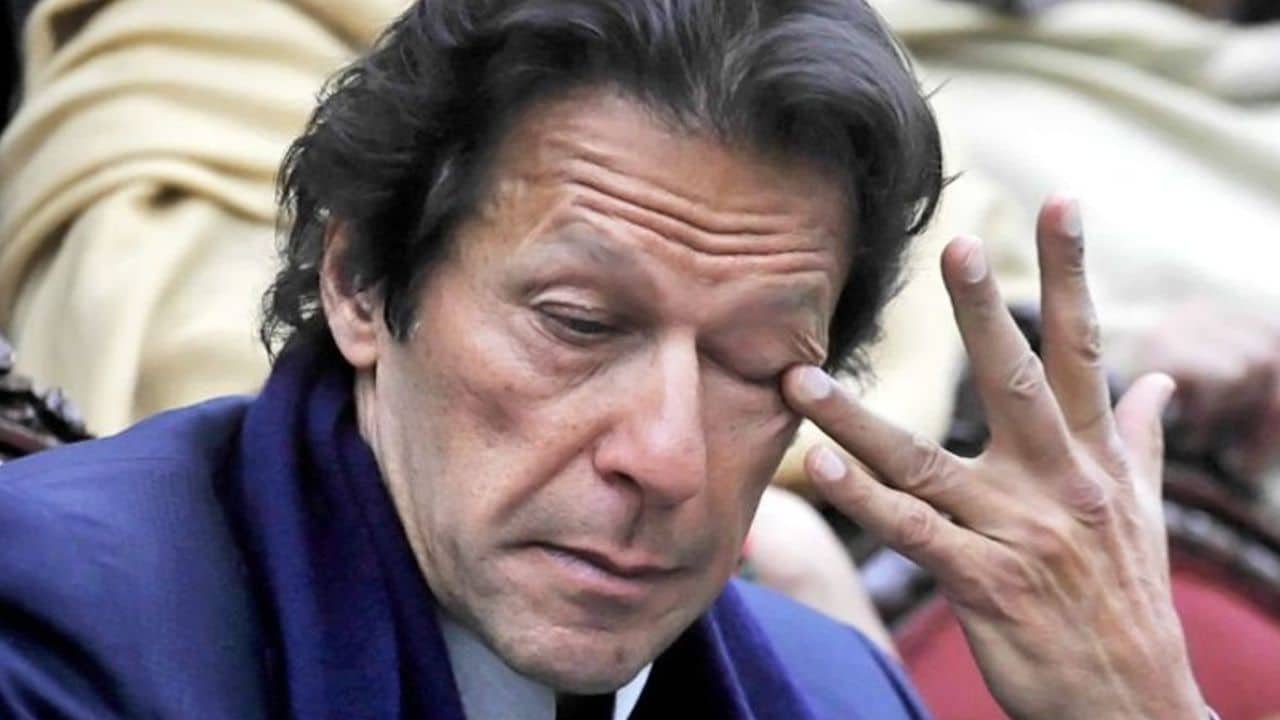
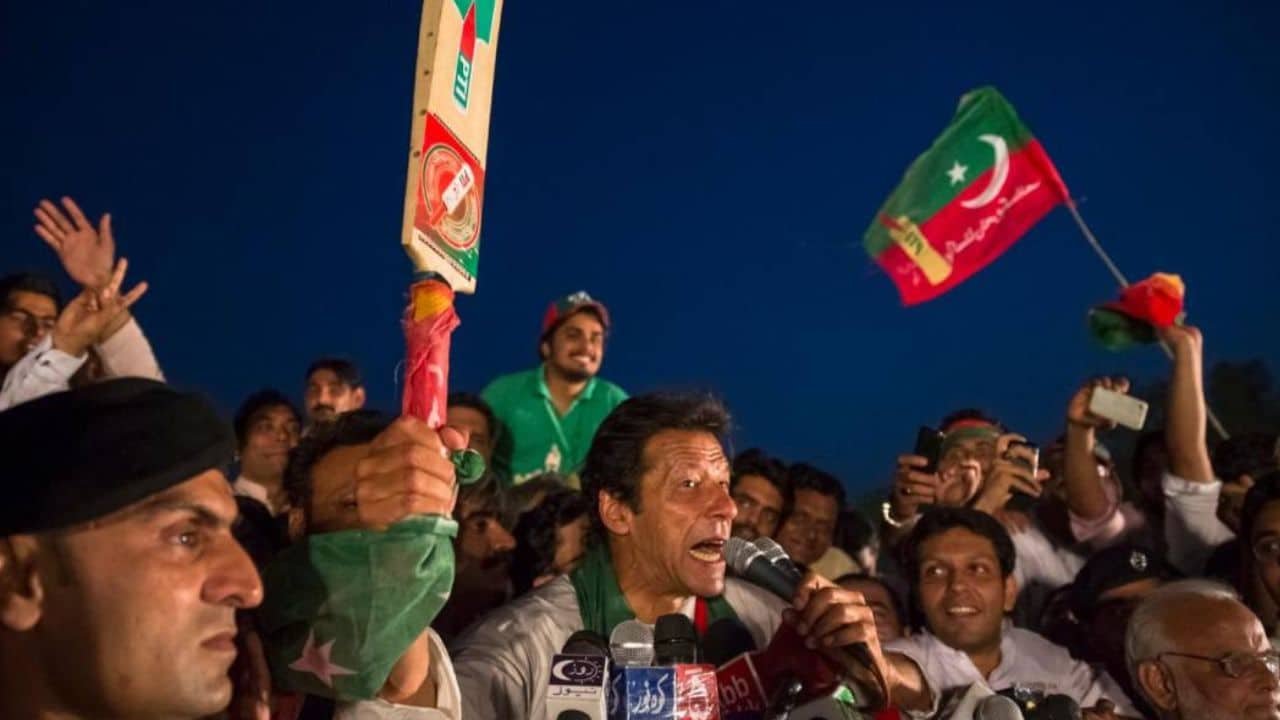
    Pakistan Tehreek-e-Insaf (PTI) Chairman Imran Khan has given the green light for intra-party polls as general elections loom closer.

    The decision was made during a PTI Core Committee meeting, where the party’s legal team proposed the holding of intra-party elections.

    Intra-party elections will be held on Friday.

    The committee approved the schedule and deliberated on the prevailing political situation, organizational activities, and ongoing cases against party members.

    Barrister Ali Zafar, PTI’s parliamentary leader in the Senate, said the Election Commission of Pakistan (ECP) had earlier declared the party’s intra-party election null and void due to technicalities.

    “To avoid any discrepancies with the ECP, another leader may temporarily stand in for the PTI Chairman during this election,” he said.

    The PTI core committee expressed its commitment to democratic processes within the party and emphasized the importance of upholding democratic values in all aspects of political engagement.

    Previously slated for June 13, 2021, under PTI’s constitutional framework, the intra-party elections faced postponements, drawing a show-cause notice to Imran Khan from the ECP in May 2021 due to the delay.

    The ECP granted PTI an extended deadline, shifting the intra-party elections to June 13, 2022. Yet, the party failed to meet this revised timeline, prolonging the unresolved status of its intra-party polls.

    The commission had issued warnings, citing potential repercussions under the Elections Act, 2017, that could render the party ineligible for future polls if non-compliance persisted.

    What is an Intra-Party election?

    Intra-party elections in Pakistan refer to the process of electing leaders and representatives within a political party. This is distinct from general elections where the public votes for candidates from different parties. Intra-party elections are a key aspect of internal party democracy and governance.
  • Afghan migrants barred from supporting or funding elections

    The Ministry of Interior announced on Monday that Afghan migrants are barred from supporting candidates in the upcoming general elections scheduled for February 8 next year.

    The caretaker government, citing security concerns, has initiated a nationwide campaign to expel millions of illegal foreigners, predominantly Afghan citizens, residing in the country.

    The Ministry of Interior specified that both illegal and “legal” Afghans residing in Pakistan are prohibited from funding political and electoral activities, including providing funds to any candidate, in the upcoming polls.

    “Any Afghan citizen involved in such activities will be deported regardless of his or her legal status in Pakistan,” it stated.

    Pakistanis were also cautioned not to provide employment to illegal aliens or assist such individuals in obtaining employment.

    “Information about any such illegal alien or the person providing employment to him should be provided to the Ministry of Interior for legal action on the helpline available on the website of the Ministry.”

    Of the over four million Afghans in Pakistan, an estimated 1.7 million are undocumented, many having fled their war-torn country during decades of internal conflict, with another exodus occurring after the Taliban’s takeover in 2021.

    While the government asserts that its policy targets all illegal aliens, irrespective of nationality or ethnicity, human rights organizations, including the UN, have expressed concerns, emphasizing the importance of a “voluntary” return.

    Amidst the ongoing efforts, several Pakistani politicians and Human Rights activists have approached the Supreme Court, seeking judicial intervention against the caretaker government’s deportation of illegal foreign nationals, including Afghans.

  • We won’t see Imran Khan’s trial in open court

    We won’t see Imran Khan’s trial in open court

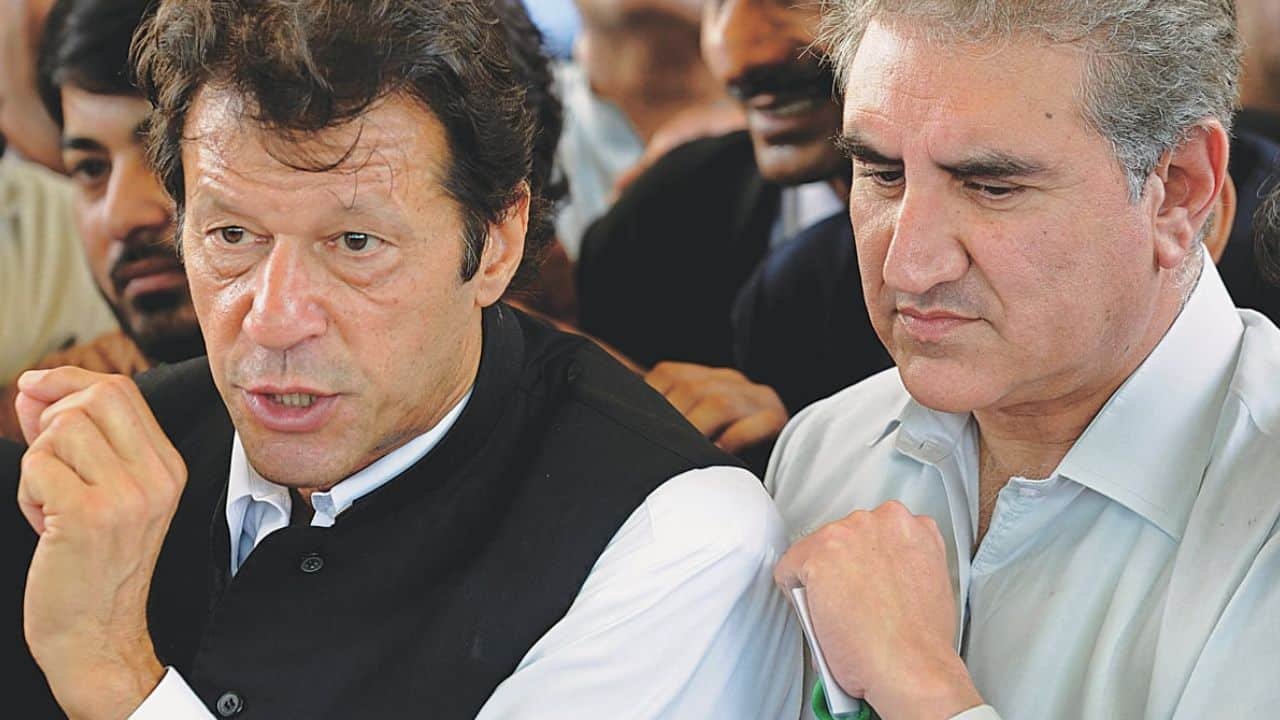
    A special court declared on Tuesday that the trial proceedings of Pakistan Tehreek-e-Insaf (PTI) Chairman Imran Khan and Vice Chairman Shah Mahmood Qureshi in the cipher case will be conducted at Adiala Jail.

    Today, Judge Zulqarnain presided over the hearing at the FJC, where Barrister Salman Safdar appeared as Imran’s counsel while Advocate Ali Bukhari was present as Qureshi’s lawyer. FIA’s prosecutors Shah Khawar and Zulfikar Abbas Naqvi also appeared before the court.

    This decision comes after Judge Abual Hasnat Zulqarnain emphasized the importance of security, prompting the trial to be held within jail premises.

    The court previously ordered that the former prime minister and Shah Mahmood Qureshi be present at Islamabad’s Federal Judicial Complex (FJC) for today’s hearing.

    However, Adiala jail authorities, citing “security risks” in their report, failed to produce Imran Khan, despite the court’s directives.

    The initial orders for a jail trial were issued in the first hearing of the cipher case outside the Adiala jail following the Islamabad High Court’s decision to nullify the August 29 notification for a jail trial.

    Judge Zulqarnain has been conducting the trial within the jail premises due to security concerns since Khan’s indictment last month.

    Imran Khan and Shah Mahmood Qureshi were booked under the Official Secrets Act 1923 in the cipher case in August.

    The case revolves around a missing diplomatic cable allegedly containing a threat from the United States to topple the PTI government.

    The court’s decision to hold the trial within Adiala Jail, in an open court setting, aims to ensure transparency and accessibility for those interested in the proceedings.

    During the hearing, the jail authorities submitted their report to the court, which Judge Zulqarnain reviewed. The judge then said, “The jail officials are saying that he (Imran) cannot be presented.”

    According to reports by intelligence agencies and the police, the PTI chairman faces threats to life, the report stated. It further said, “It has been informed that the PTI chairman faces security risks of a serious scale”.

    The special court stated that those who wished to attend the court proceedings would not be stopped from doing so and that journalists would also be permitted to witness the case.

    It further said that five family members of each suspect would also be allowed inside the courtroom. The hearing was adjourned till Dec 1 (Friday).

    Both Imran Khan and Shah Mahmood Qureshi were indicted in the cipher case on October 23, with the trial initially held at Adiala Jail.

    However, the proceedings were deemed “erroneous” by an Islamabad High Court division bench, leading to the initiation of a fresh trial. The court’s decision to approve an open jail trial addresses concerns about transparency and legal protocols.

  • Imran Khan wants 14 kg dumbbells

    Imran Khan wants 14 kg dumbbells

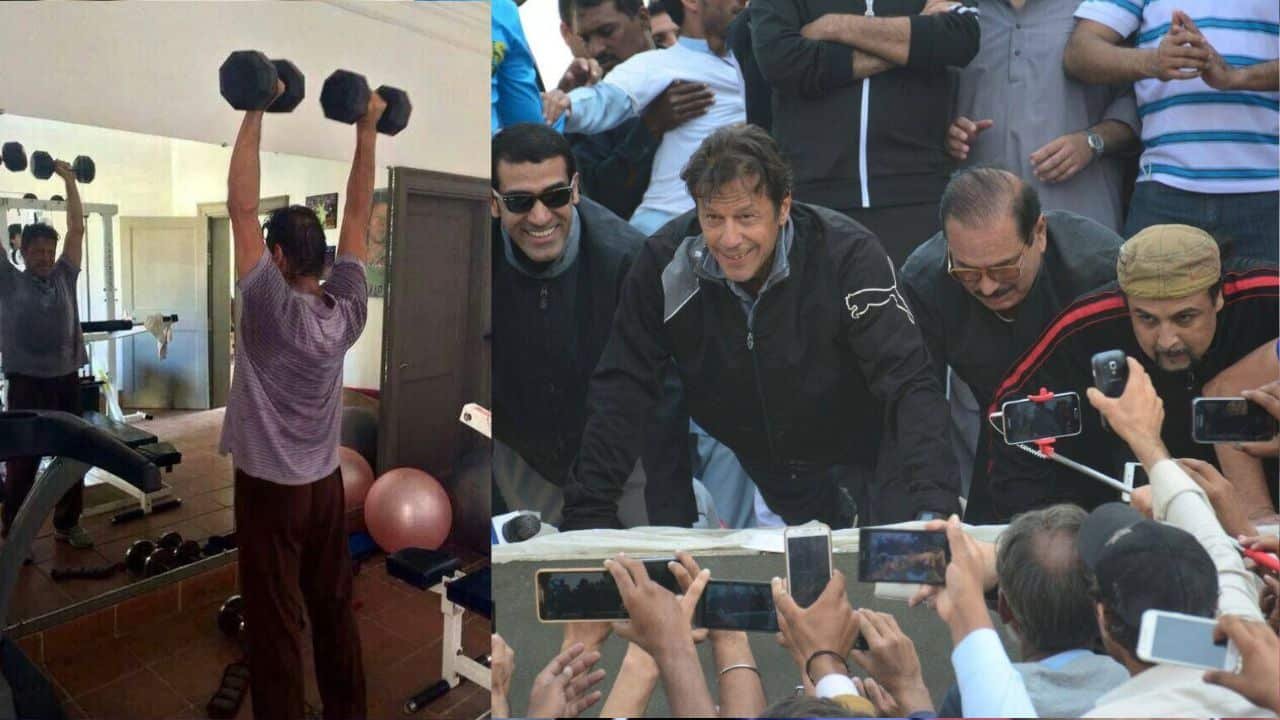
    Pakistan Tehreek e Insaf (PTI) Chairman Imran Khan’s lawyer Abuzar Salman Niazi revealed that Imran Khan is worried about his biceps while in jail.

    He took to X (formerly Twitter) and said, “A lot of people are asking me whether this is true or not. Let me narrate what actually happened. As I and @BarristrUKNiazi were waiting for khan sb to come and see us on Thursday. As soon as he came, when we asked him if he is facing any problem in Jail. He said I am not affected by anything, even i can sleep on floor. But I can’t comprise on my muscles.”

    He further stated that Khan said his biceps are getting a little out of shape due to the non-availability of dumbbells.

    He explained that he had requested many times for the provision of the same but was denied for no apparent reason.

    Due to security issues, Khan can’t go to Gym like other poisoners.

    He further stated, “All I have asked for is pair of heavy dumbles from my own expense which has been denied. In nutshell, jail has made Khan sab more determined and strong. All machinations of Govt to Pester him are counter productive and making him stronger.”

    The Cases

    The former prime minister is currently being held in Adiala Jail after his arrest from his Zaman Park residence in Lahore on August 5.

    He was moved to the prison on September 26 from Attock Jail where he was initially kept after his arrest.

    Khan was first convicted by a lower court in the Toshakhana case in August and sentenced to three years of imprisonment. The IHC suspended his sentence the same month.

    The Islamabad accountability court issued arrest warrants for PTI Chairman Imran Khan in the Toshakhana and 190 million Al-Qadir Trust cases.

    Khan was arrested in the Al-Qadir Trust case on May 9 for the first time.

    The 190 million (approximately Rs60 billion) settlement case pertains to the money of property tycoon, Malik Riaz, being laundered and caught by the UK authorities during Imran’s government in 2019.

    The UK government had informed the Pakistani authorities regarding the money being caught.

    The former premier is already in prison as he was subsequently booked in the ‘cipher’ case.

    In the cipher case, Khan, along with his close aide and former foreign minister Shah Mahmood Qureshi, has been accused of leaking state secrets.

  • Imran Khan grilled for nine hours by NAB

    Imran Khan grilled for nine hours by NAB

    Pakistan Tehreek-e-Insaf (PTI) Chairman Imran Khan faced intense questioning from the National Accountability Bureau (NAB) in Adiala jail on Sunday in the £190 million National Crime Agency (NCA) UK and Al-Qadir University Trust cases as per Geo news.

    Sources revealed that four distinct NAB teams conducted separate interrogations spanning over nine hours, delving into various documents and posing a multitude of questions to the former prime minister.

    The initial team, comprised of an assistant director from NAB Rawalpindi and a member of the Combined Investigation Team, spent approximately two-and-a-half hours investigating Khan.

    Subsequently, a two-member team continued the interrogation, focusing on the £190 million and Al-Qadir University Trust cases.

    Imran Khan is slated to appear in different courts in Islamabad on November 28 and 30 for separate cases.

    Judge Abual Hasnat Muhammad Zulqarnain of the Official Secrets Act special court mandated Khan’s presence on November 28 for the cipher case, while his appeal against the Toshakhana criminal case conviction is scheduled for a hearing on November 30 before an Islamabad High Court(IHC) bench.

    Despite the Islamabad High Court declaring his jail trial null and void, doubts persist regarding Khan’s appearance for an open trial on November 28 and 30.

    The 71-year-old, who has been in jail since August 5 following a three-year conviction in the Toshakhana case, had his sentence suspended by the IHC on August 29.

    However, a trial court subsequently ordered his rearrest in the cipher case and initiated a trial in jail.

    Khan is sceduled to appear in the special court at the Federal Judicial Complex on Tuesday (tomorrow) for a hearing of cipher case.

    The police, administration and other departments concerned would hold a meeting on Monday to finalise the security plan for him, according to Online.

    Sources said the Special Branch of the police and other relevant departments had started collecting classified information which would help them in planning security for the former premier.

    Police sources said there were three routes to bring Imran Khan to the FJC — one is Peshawar Road, the second is Islamabad Expressway and the third is Murree Road.

    According to sources, Peshawar Road would be the preferred option to bring Imran Khan from jail to the Judicial Complex. The Red Zone is likely to be partially sealed on Tuesday besides important installations in and around the area.

    Sources said the judicial complex would be surrounded by the police and paramilitary forces.

    Important points and roads leading to the judicial complex would likely be sealed. Troops are also likely to be deployed near important places of the capital like Faizabad Zero Point, Srinagar Highway and Red Zone.

  • What did Bilawal and Zardari talk about before he left for Dubai?

    What did Bilawal and Zardari talk about before he left for Dubai?

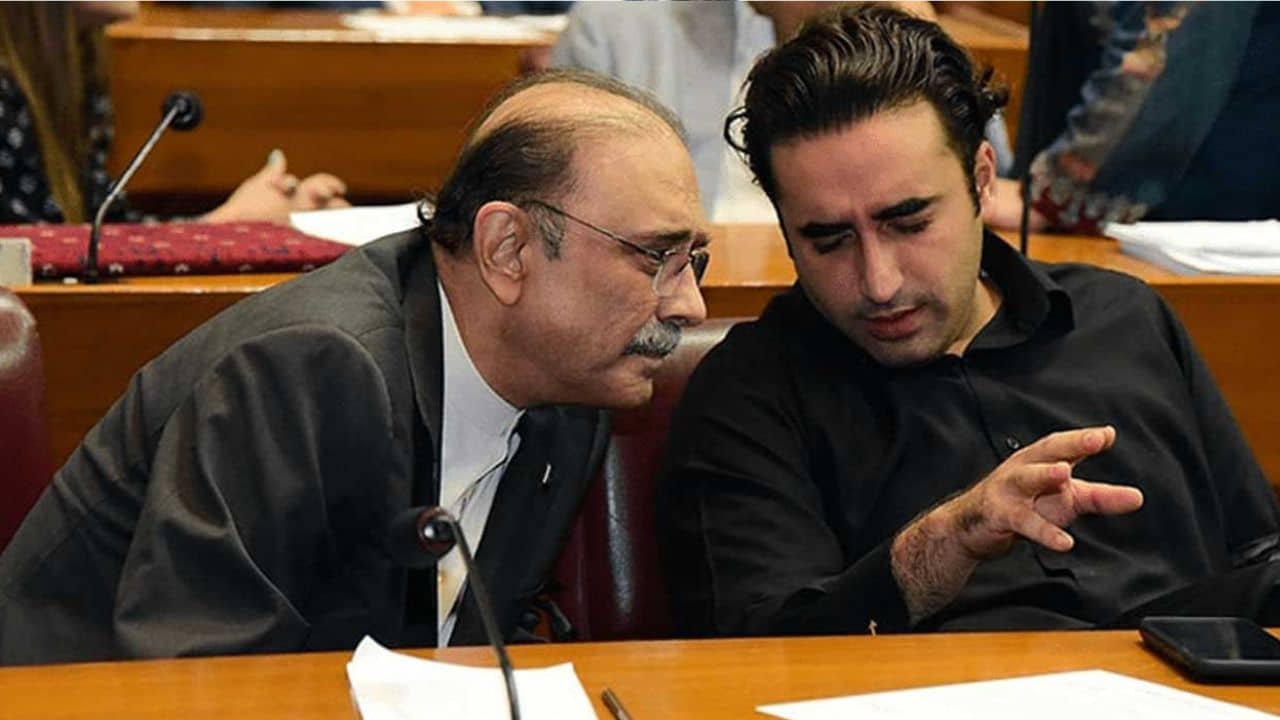
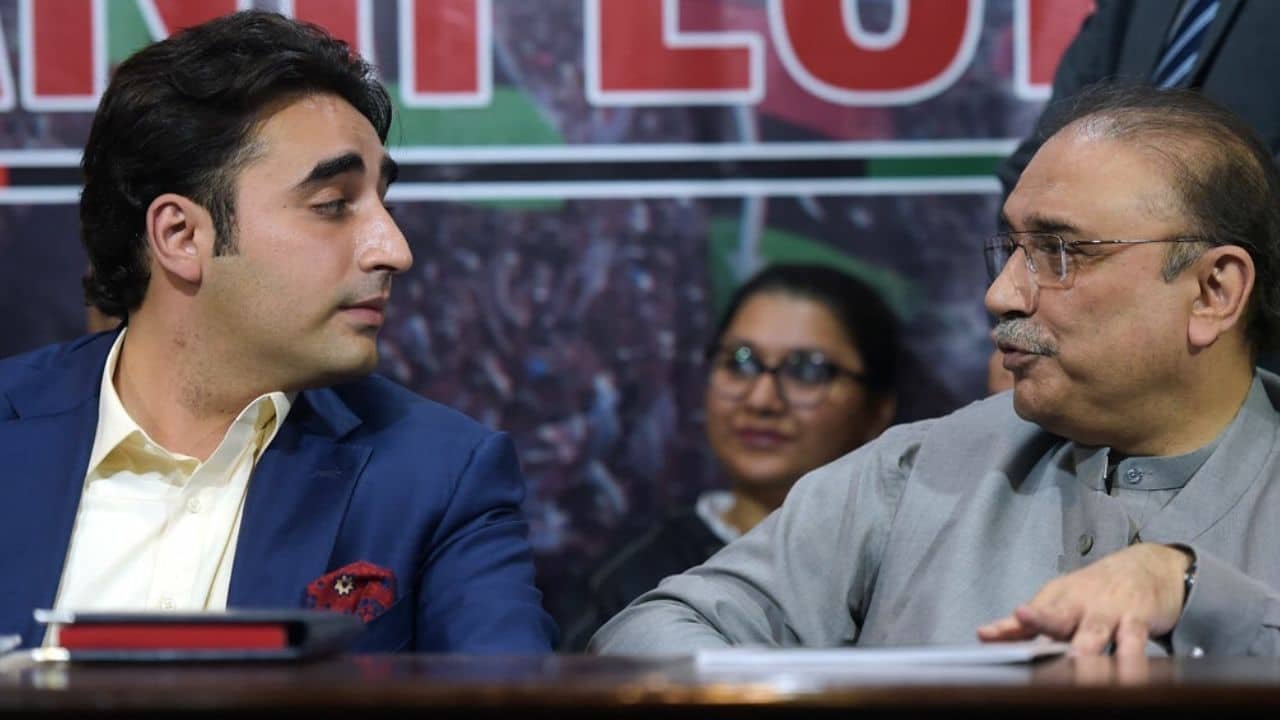
    Pakistan Peoples Party (PPP) Chairman Bilawal Bhutto-Zardari called his father, party’s co-chairman Asif Ali Zardari, soon after a controversial interview he gave to Hamid Mir aired on Geo News.

    The former president of Pakistan and Bilawal’s father, Asif Ali Zardari, during an exclusive interview with Hamid Mir on Geo News’ program “Capital Talk”, said that Bilawal is “inexperienced” and that it would take some time for him to gain more exposure, on Thursday.

    “Bilawal is much more talented than I am, but he isn’t experienced,” he said.

    Talking to Geo News’ Shahzeb Khanzada on Friday, Hamid Mir said that soon after the interview, Bilawal called Zardari to explain his narrative.

    “Now, after giving the interview, when he sat in his room, Bilawal called him in front of me. Bilawal tried explaining it to him — and just like a father would talk to his son — Zardari told Bilawal that you don’t need to explain yourself to me,” Mir added.

    He further explained that Zardari told his son the questions were very tough, and he needed to answer them. “Bilawal tried to explain that his narrative wasn’t targeting him and that he was talking about the politics that’s been going on for the past 70 years.”

    According to Mir, Zardari responded with a yes and further said, “But you don’t need to clarify yourself.”

    Bilawal then told Zardari that he would not be able to watch his interview completely because he was boarding a plane to Dubai, Mir said, adding that the former foreign minister said he would watch the interview later.

    Mir asked Zardari why Bilawal was leaving for Dubai. He explained that Sanam Bhutto was coming to Dubai and that he would also leave for Dubai. He said that it was a family gathering and it was pre-planned. Zardari and Bilawal are set to come back soon.

    Bilawal Bhutto Zardari has been campaigning across the country, touting his party as the solution to Pakistan’s ills, while also asking “old politicians (babay)” to sit back and allow the new generation to lead from the front in the elections slated to take place on February 8 next year.

    “Several PPP old-aged leaders, I got to know, also asked Bilawal whether he wanted them to leave. But Bilawal told them that he did not want them to leave. He told them that he wasn’t talking about them.”

    Mir, however, also said that there is no doubt that several questions have been raised after this interview. “But because I’ve known Zardari for years, his actual message wasn’t about Bilawal. But since he’s his son, it became the headlines.”

  • Bilawal leaves suddenly for Dubai, day after Zardari says BBZ has a lot to learn

    Bilawal leaves suddenly for Dubai, day after Zardari says BBZ has a lot to learn

    Pakistan People’s Party (PPP) Chairman Bilawal Bhutto Zardari left the country for Dubai on Friday following what appears to be a dispute with his father.

    Bilawal’s departure comes a day after his father, former President Asif Ali Zardari, said in an interview on Geo News that he was still training his son.

    Bilawal left the country on a private flight. The party is yet to disclose the reason for his visit.

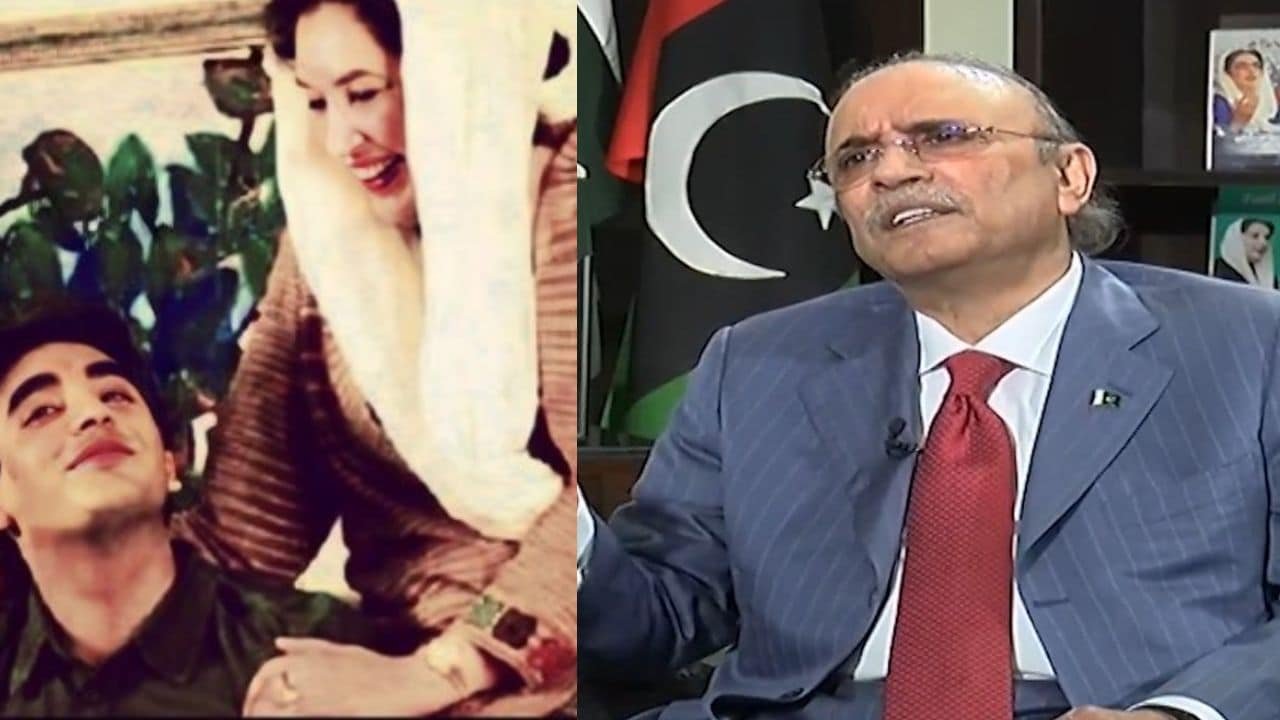
    In a seeming act of defiance to his father, Bilawal changed his profile picture on X on Friday afternoon, to a photo with his mother Benazir Bhutto, the former Prime Minister and head of the PPP till her assassination in 2017.

    The former president of Pakistan and Bilawal’s father, Asif Ali Zardari, during an exclusive interview with Hamid Mir on Geo News’ program “Capital Talk”, said that Bilawal is “inexperienced” and that it would take some time for him to gain more exposure, on Thursday.

    “Bilawal is much more talented than I am, but he isn’t experienced,” he said.

    The former president said the new generation has its own mindset and the right to express itself.

    He further stated that if he tried to intervene in their affairs, it would just lead to more mess.

    “If Bilawal says, ‘You do politics, I won’t’, then what can I do? People learn over time in politics. I have made several mistakes myself.”

    Zardari also mentioned that Bilawal’s narrative would’ve been the same if we were doing business, “You [Zardari] don’t know anything. It’s the same in politics.”

    Zardari said he is the president of the PPPP, which is authorised to allocate election tickets, while his son Bilawal is chairman of the PPP. “I allocate tickets,” he said.

  • ‘Experience is experience; Bilawal is inexperienced’: Asif Ali Zardari

    ‘Experience is experience; Bilawal is inexperienced’: Asif Ali Zardari

    Pakistan Peoples Party Chairman Bilawal Bhutto Zardari has been campaigning across the country, touting his party as the solution to Pakistan’s ills, while also asking “old politicians (babay)” to sit back and allow the new generation to lead from the front in the elections slated to take place on February 8 next year.

    The former president of Pakistan and Bilawal’s father, Asif Ali Zardari, during an exclusive interview with Hamid Mir on Geo News’ program “Capital Talk”, said that Bilawal is “inexperienced” and that it would take some time for him to gain more exposure.

    “Bilawal is much more talented than I am, but he isn’t experienced,” he said.

    Zardari said the new generation in every house says, “Dad, you don’t know anything”.

    The former president said the new generation has its own mindset and the right to express itself.

    He further stated that if he tried to intervene in their affairs, it would just lead to more mess.

    “If Bilawal says, ‘You do politics, I won’t’, then what can I do? People learn over time in politics. I have made several mistakes myself.”

    Zardari also mentioned that Bilawal’s narrative would’ve been the same if we were doing business, “You [Zardari] don’t know anything. It’s the same in politics.”

    Zardari said during his tenures, there was no political prisoner as he had never resorted to revenge politics. “Every now and then, new allegations were leveled against me, but I never responded to them.”

    Speaking about the different mindsets of the top PPP leaders, Zardari stated that there are two parties — PPP and Pakistan Peoples Party Parliamentarians (PPPP).

    Zardari said he is the president of the PPPP, which is authorised to allocate election tickets, while his son Bilawal is chairman of the PPP. “I allocate tickets,” he said.

    He also confirmed he has the authority to issue a ticket for Bilawal in the next polls.

    Zardari said his party is actively campaigning because it is certain that general elections will take place on February 8, next year.

  • PTI ko ‘ballay’ ka nishan milna mushki hogaya

    PTI ko ‘ballay’ ka nishan milna mushki hogaya

    The Election Commission of Pakistan (ECP) has ruled against the Pakistan Tehreek-e-Insaf (PTI) in a matter related to the party’s intra-party elections and the issuance of election symbols, as per Geo News.

    The Election Commission of Pakistan (ECP) on Thursday ruled that the Pakistan Tehreek-e-Insaf’s (PTI) intra-party polls were not transparent, ordering the party to hold new elections if it wishes to retain its ‘bat’ symbol.

    The PTI has been asked by the commission to hold fresh elections within 20 days in a reserved verdict announced today.

    “PTI’s intra-party elections cannot be accepted,” stated the verdict, directing it to hold polls and submit the record within seven days.

    “If PTI fails to hold elections within 20 days then it will have to face severe consequences. In case of failure to hold [intra-party] elections, the [PTI] will not be eligible to secure an election symbol,” said the verdict.

    During the hearing, PTI’s legal counsel, Barrister Gohar, revealed that the intra-party elections were conducted before amendments to the party constitution and were later reverted.

    According to the Election Commission’s previous reserved decision on September 13, it was stated that PTI’s intra-party elections were not transparent and did not adhere to the party constitution.

    Speaking to Geo News, PTI spokesperson Barrister Gohar Ali asserted that the PTI Chairman can contest elections and will do so as long as the ballot symbol remains with them.

    He emphasized that the Chairman cannot be disqualified, and the Election Act, under Articles 62 and 63, does not bar Imran Khan from participating in elections.

    Barrister Gohar further clarified that the Chairman was only penalized in one case, which was declared void by the High Court, and he remains eligible for all offices. He reiterated that the Chairman has the authority to lead the elections and will continue to do so.

    In response to the Election Commission’s decision, the PTI spokesperson expressed disappointment, stating that the commission did not fulfill the demands of justice, and the decision seemed to be delayed for some specific purpose.

    He announced that they would challenge the order at the appropriate forum and asserted that the ballot symbol will remain with them.

  • ‘Officers from diverse departments’ may serve as DROs, ROs: ECP

    ‘Officers from diverse departments’ may serve as DROs, ROs: ECP

    The Election Commission of Pakistan (ECP) is considering the appointment of “officers from diverse departments,” including judiciary, federal, and provincial governments, and officers from ECP as district returning officers (DROs) and returning officers (ROs) in the upcoming election on February 8, The News has reported on Thursday.

    According to the report, it is highly likely that ECP will use a mix of officers, but no official decision has been taken in this matter.

    “The Election Commission is left with no option but to engage officers from diverse departments. Already, the provincial election commissioners are in the process of finalising lists of officers for the poll job, besides Central Secretariat,” a senior official of the ECP told The News.

    The source from ECP also said that judiciary had rejected the request to appoint officers for election duty because of multiple reasons, including several pending cases. However, one of the smaller provincial high courts expressed a willingness to provide officers for election duty.

    To a question, he said around 1,000 DROs and ROs would be involved in the nationwide election duty.

    In 2009, the National Judicial Policy Making Committee (NJPMC) decided not to appoint judicial officers for election duty, as this had dragged the “judiciary into political controversies”.