Tag: #election

  • India’s Modi in talks with allies after close election win

    India’s Modi in talks with allies after close election win

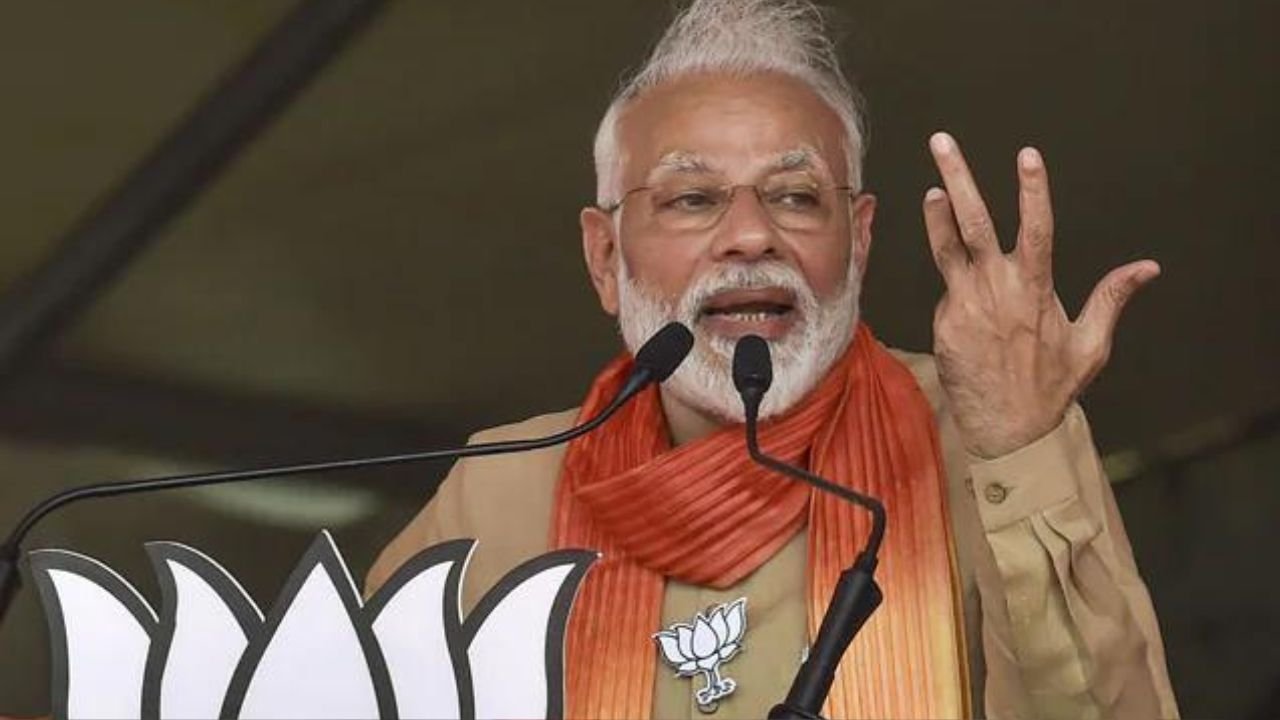
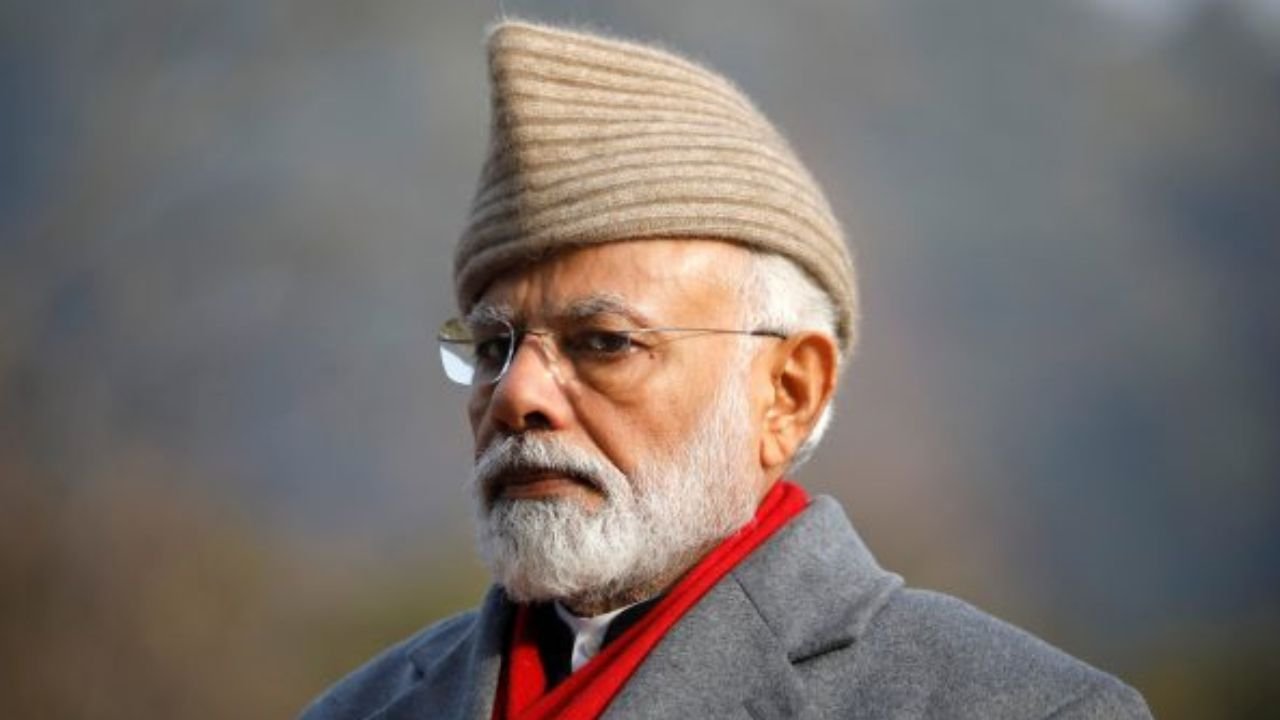
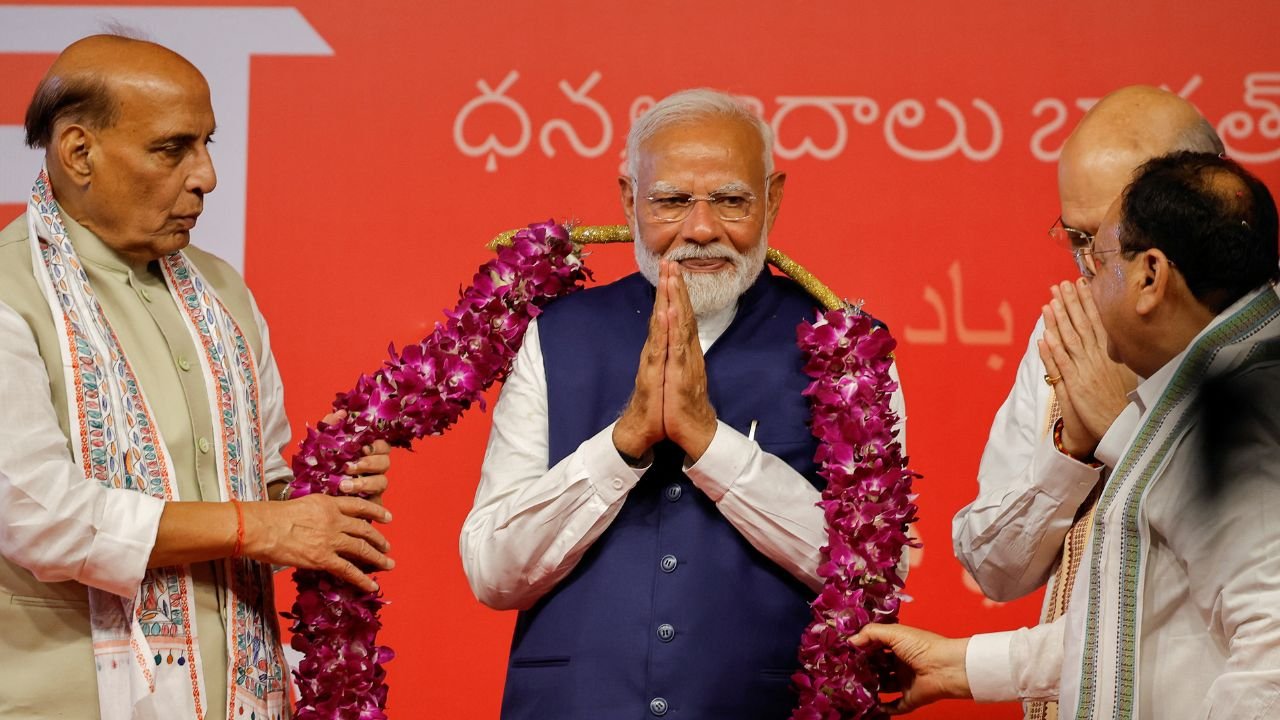
    Indian Prime Minister Narendra Modi’s party was in talks with key allies to form a government Wednesday, after failing to secure an outright majority for the first time since sweeping to power a decade ago.

    Party leaders across the political spectrum were attempting to shore up their positions and bolster alliances, a day after the surprise setback to Modi’s right-wing Bharatiya Janata Party (BJP).

    The release of the results on Tuesday upended conventional wisdom throughout the six-week election that Modi’s Hindu nationalist agenda would power him to a landslide win, and he faces the prospect of a far tougher-than-expected third term.

    “It will force Modi to take the point of view of others — we shall see more democracy and a healthy parliament,” said Nilanajan Mukhopadhyay, who has written a biography of Modi.

    “He will have to be a leader that he has never been; we will have to see a new Modi.”

    Modi’s BJP lost the outright parliamentary majority it had enjoyed during its first two terms but is still expected to be able to form a government, leading an alliance of smaller parties.

    “India cuts Modi down,” The Telegraph daily, from the opposition stronghold state of West Bengal, splashed across its front page.

    “Coalition Karma,” the headline of India’s Mint newspaper read.

    While a government has yet to be formed, rival China congratulated Modi on Wednesday and said it was “ready to work” with its neighbour, while Japan also applauded the “ruling coalition” on its win.

    Modi, 73, insisted on Tuesday night that the election results were a victory that ensured he would be able to continue his agenda and his Hindu faithful celebrated across the country.

    “Our third term will be one of big decisions and the country will write a new chapter of development,” Modi told a crowd of cheering supporters in the capital New Delhi late Tuesday. “This is Modi’s guarantee.”

    BJP supporters on the streets of New Delhi pointed out their party had secured the most seats and toasted that win.

    “We are so happy about the results,” said 36-year-old office worker Archana Sharma.

    She said she was “looking forward to supporting Modi and BJP” in the future, too.

    Govind Singh, 38, an optometrist, said “having a strong opposition is necessary” but added that it was better to have a government with a parliamentary majority.

    “Having a full mandate is essential for any country”, he said.

    The BJP secured 240 seats in parliament, well down on the 303 from five years ago and 32 seats short of a majority.

    The main opposition Congress party won 99 seats in a remarkable turnaround, almost doubling its 2019 tally of 52.

    “The country has said to Narendra Modi ‘We don’t want you’,” opposition leader Rahul Gandhi told reporters after the results were released, saying people had given “the right response”.

    Commentators and exit polls had projected an overwhelming victory for Modi, who critics have accused of leading the jailing of opposition figures and trampling on the rights of India’s 200-million-plus Muslim community.

    In a personal sting, Modi was re-elected to his constituency representing the Hindu holy city of Varanasi with a far lower margin of 152,300 votes. That compared with nearly half a million votes five years ago.

    Now dependent on coalition partners, the BJP must seek consensus to push its policies through parliament.

    “The lurking possibility of them using their leverage, encouraged further by feelers from Congress and others in the opposition, is going to be a constant worry for BJP,” the Times of India reported.

    Modi now has to “suffer the fate of working with an alliance partner… who could pull the plug at any time”, said Hartosh Singh Bal, the political editor of The Caravan magazine in New Delhi.

    Stocks slumped Tuesday on speculation the reduced majority would hamper the BJP’s ability to push through reforms.

    Shares in the main listed unit of Adani Enterprises — owned by key Modi ally Gautam Adani — nosedived 25 percent, before rebounding slightly.

    Modi’s opponents fought against a well-oiled and well-funded BJP campaign machine, and what they say are politically motivated criminal cases aimed at hobbling challengers.

    Many of India’s Muslim minority are increasingly uneasy about their futures and their community’s place in the constitutionally secular country.

    Modi himself made several strident comments about Muslims on the campaign trail, referring to them as “infiltrators”.
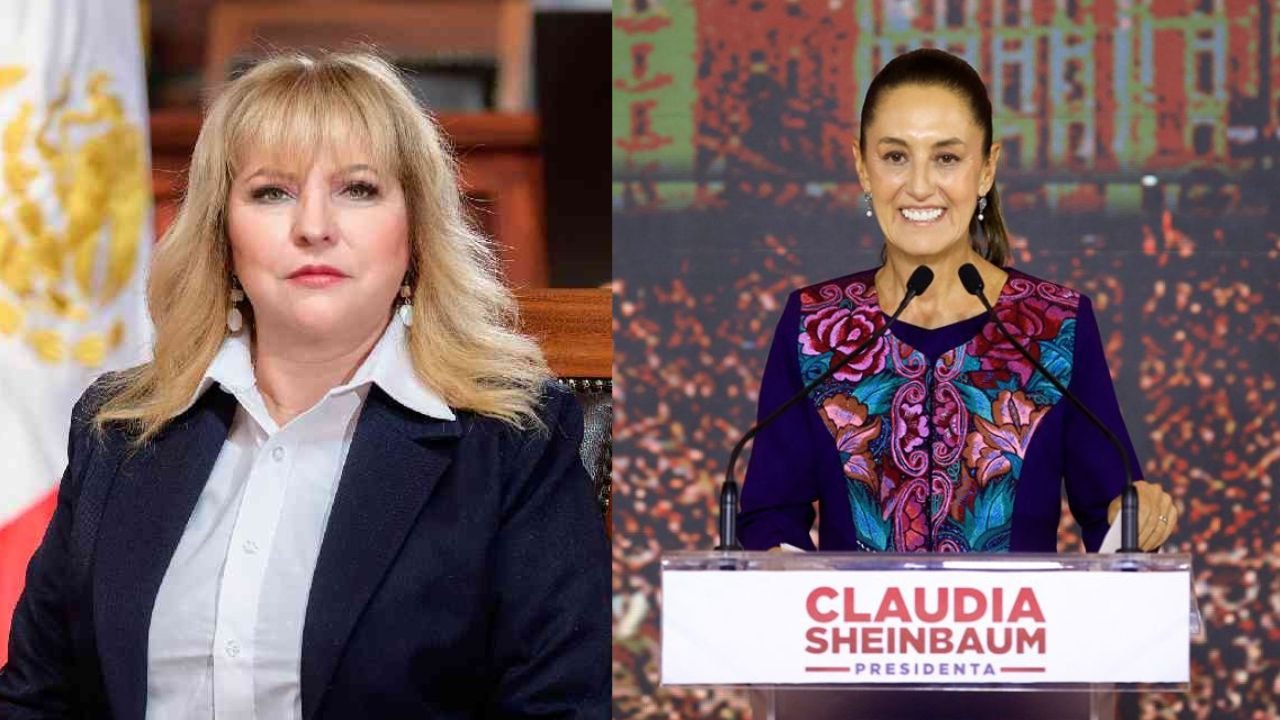
  • Mexican mayor killed day after Sheinbaum presidential win: regional govt

    Mexican mayor killed day after Sheinbaum presidential win: regional govt

    The mayor of a town in western Mexico was killed on Monday, the regional government said, barely 24 hours after Claudia Sheinbaum was elected the Latin American country’s first woman president.

    The Michoacan state government condemned “the murder of the municipal president (mayor) of Cotija, Yolanda Sanchez Figueroa”, the regional interior ministry said in a post on the social media platform X.

    The murder of the woman mayor comes after Sheinbaum’s landslide victory injected hope for change in a country riven by rampant gender-based violence.

    Sanchez, who was elected mayor in 2021 elections, was gunned down on a public road, according to local media.

    Authorities have not given details on the murder, but said a security operation had been launched to arrest the killers.

    The politician was previously kidnapped in September last year while leaving a shopping mall in the city of Guadalajara in the state of Jalisco, which neighbors Michoacan.

    Three days later the federal government said she had been found alive.

    According to local media reports at the time, the kidnappers belonged to the powerful Jalisco Cartel – New Generation (CJNG), who allegedly threatened the mayor for opposing the criminal group’s takeover of her municipality’s police force.

    Michoacan is renowned for its tourist destinations and a thriving agro-export industry, but is also one of the most violent states in the country due to the presence of extortion and drug trafficking gangs.

  • In historic first, Mexicans expected to elect woman president

    In historic first, Mexicans expected to elect woman president

    Millions of Mexicans are expected to vote for their first woman president in a landmark election Sunday, following a long and sometimes acrimonious race overshadowed by soaring political violence.

    In a watershed for a country with a long history of gender discrimination, two women have dominated the contest to lead the world’s most populous Spanish-speaking country.

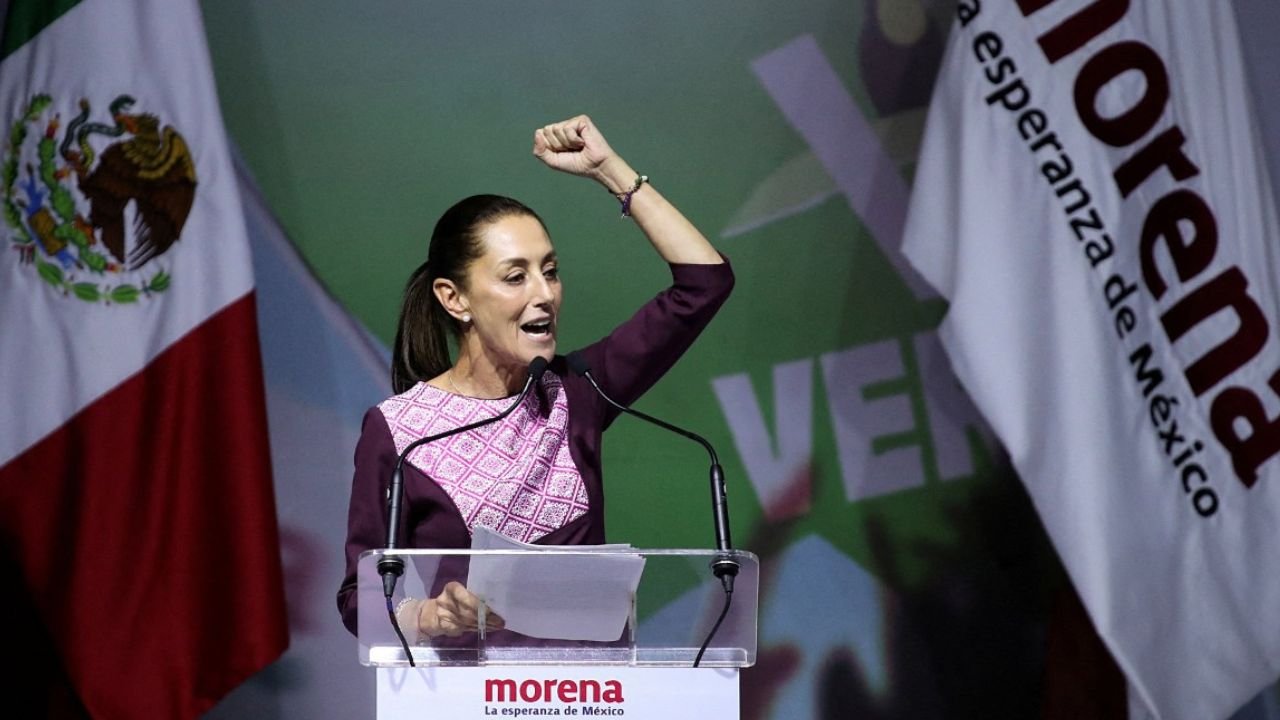
    Addressing a cheering crowd of thousands at her closing campaign rally, ruling party candidate Claudia Sheinbaum said Mexico was going to “make history” this weekend.

    “I say to the young women, to all the women of Mexico — colleagues, friends, sisters, daughters, mothers and grandmothers — you are not alone,” the 61-year-old said.

    Her vow to champion women’s rights was music to the ears of Evelyn Trasvina.

    “I’m very excited,” said the 42-year-old accountant from western Mexico.

    “Many people have been lifted out of poverty and one of the promises is the recognition of women’s unpaid work,” she told AFP.

    Sheinbaum, a former Mexico City mayor and a scientist by training, was leading her main opposition rival Xochitl Galvez, also 61, by around 17 points in opinion polls days before the election.

    Nearly 100 million people are registered to vote in the country of 129 million, and 61-year-old housewife Rosa Maria Miranda said that criminal violence meant Galvez would get her support.

    “We women are fed up. We’re afraid to go out into the streets,” she said.

    The campaign season ended on a tragic note Wednesday when a gunman shot dead an aspiring mayor in the southern state of Guerrero.

    The attack brought the number of local politicians who have been murdered to at least 24 during what has been a particularly violent electoral process, according to official figures.

    Some non-governmental organizations have reported an even higher toll, including Data Civica, which has counted around 30 killings.

    Sheinbaum has pledged to continue outgoing President Andres Manuel Lopez Obrador’s controversial “hugs not bullets” strategy of tackling crime at its roots.

    Galvez, meanwhile, promised a tougher approach to cartel-related violence.

    “You will have the bravest president, a president who does confront crime,” the outspoken senator and businesswoman with Indigenous roots told her closing rally in the northern city of Monterrey.

    She accused Lopez Obrador of implementing “a security strategy where hugs have been for criminals and bullets for citizens.”

    Sheinbaum owes much of her popularity to Lopez Obrador, a close ally who has an approval rating of more than 60 percent but is only allowed to serve one term.

    It is almost a year since the contest for the ruling party nomination got underway, with Sheinbaum crisscrossing the country to meet supporters.

    The ruling party candidate had the backing of 53 percent of voters as campaigning drew to a close, according to a poll average compiled by research firm Oraculus.

    Galvez, who lashed out at her main rival in a series of televised presidential debates, calling her an “ice lady” and “narco-candidate,” was second with 36 percent.

    The only man running, 38-year-old centrist Jorge Alvarez Maynez, had just 11 percent.

    Tackling the cartel violence that makes murder and kidnapping a daily occurrence in Mexico will be among the major challenges facing the next leader, along with managing migration and delicate relations with the neighboring United States.

    More than 450,000 people have been murdered and tens of thousands have gone missing since the government deployed the army to fight drug trafficking in 2006.

    While Mexican women enjoy growing success in politics and business, gender violence remains a major problem in a country where around 10 women are murdered every day.

    And while millions of Mexicans have escaped poverty in recent years, more than a third still live below the poverty line, according to official figures.

    As well as voting for a new president, Mexicans will choose members of Congress, several state governors and myriad local officials. In total, more than 20,000 positions are being contested.

  • UK PM Sunak calls general election for July 4

    UK PM Sunak calls general election for July 4

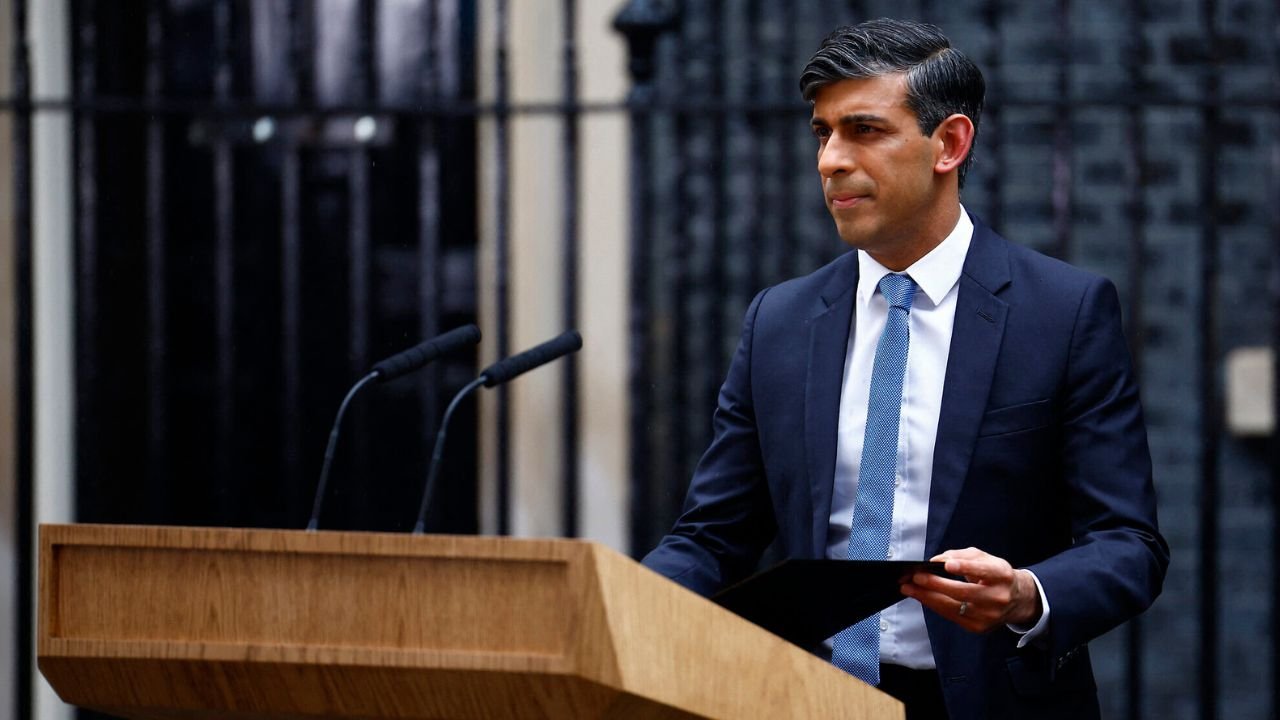
    UK Prime Minister Rishi Sunak on Wednesday set a general election date for July 4, ending months of speculation but not the doom-laden forecasts about the size of the government’s expected defeat.

    The poll will be the first time Sunak, 44, faces the public while in charge, after he was appointed leader of the largest party in parliament by Conservative MPs in October 2022.

    The vote — the third since the Brexit referendum in 2016 — comes as Sunak seeks to capitalise on better economic data to woo voters hit by cost-of-living rises.

    Halving inflation within a year from historic highs of above 11 percent at the end of 2022 was one of the former financier’s five key pledges.

    That happened last year and on Wednesday rates slowed to a near three-year low at 2.3 percent, prompting finance minister Jeremy Hunt to declare: “This is proof that the plan is working.”

    Sunak, in a Downing Street statement made in driving rain after he gathered his top ministers, said he had spoken to head of state King Charles III and requested the dissolution of parliament.

    “The king has granted this request and we will have a general election on July 4,” he said, adding: “Now is the moment for Britain to choose its future.”

    Parliament will be prorogued — suspending the current session — on Friday, then formally dissolved next Thursday, before campaigning begins.

    Keir Starmer, whose resurgent Labour party is widely tipped to win power in a landslide, called the vote a chance to “turn the page” on 14 years of Tory “chaos”.

    Bounce?

    Political commentators have increasingly suggested that Sunak could try to seek a pre-election bounce from the healthier economic outlook.

    But critics point out that it is more to do with changes in the global economy than government policy.

    Sunak had previously batted back all efforts to name a date, saying only that he would go to the country in the second half of this year.

    Speculation mounted again after Sunak and his top officials on Wednesday refused to deny fresh talk that he was about to call an election on the back of the more positive data.

    Rumours went into overdrive when Foreign Secretary David Cameron was recalled from a trip to Albania and Defence Secretary Grant Shapps delayed a trip to eastern Europe to attend a cabinet meeting.

    Hunt also cancelled a scheduled television interview for Wednesday evening, ITV’s political editor said, as journalists, photographers and camera crews flocked to Downing Street.

    Uphill task

    The economy — hit by external factors such as Covid and more self-inflicted wounds such as Brexit and former premier Liz Truss — will be a key battleground.

    But Sunak faces an uphill task to convince the public that the country’s finances are still safe in Tory hands after 14 years in power.

    Sunak has tried to steady the ship since succeeding Truss, whose 49-day tenure ended after her unfunded tax cuts sent household bills soaring, spooked the markets and crashed the pound.

    Immigration — another key issue since the government’s vote-winning pledge to “take back control” of Britain’s borders after Brexit — remains politically troublesome.

    Sunak — the Tories’ fourth leader since 2016 — has talked tough to “stop the boats” of irregular migrants crossing the Channel from northern France.

    But his controversial scheme to deport asylum seekers to Rwanda has yet to get off the ground, as costs and legal challenges mount.

    Starmer’s Labour has meanwhile been consistently ahead of the Tories by 20 points for almost two years.

    “It really is Labour’s to lose at this stage,” finance worker Stephen Mann, 55, told AFP in central London.

    Wipe-out?

    Desperate polling for Sunak has sparked talk of a landslide similar to the first of Tony Blair’s three election victories for Labour in 1997 — and even a near wipe-out for the Tories.

    Starmer, 61, and his top team have in recent weeks been honing their election pitch, nearly five years after the party was thrashed by Boris Johnson and his vow to “Get Brexit Done”.

    Last week, Starmer set out six key pledges that were notably more electorally friendly than the hard-left policies of his divisive predecessor Jeremy Corbyn.

    Starmer, a pro-European centrist, promised economic stability, shorter health service waiting times and a new border security command to tackle irregular immigration.

    He also vowed to establish a publicly owned clean energy company, crack down on anti-social behaviour with more neighbourhood police and recruit 6,500 new teachers.

    pdh-phz/bc

    © Agence France-Presse

  • ‘Hindu nation’: Religion trumps caste in India vote

    ‘Hindu nation’: Religion trumps caste in India vote

    Agra, India – Born at the bottom of the Hindu faith’s rigid caste system, voters like Anil Sonkar will determine whether Indian Prime Minister Narendra Modi returns to power next month.

    More than two-thirds of India’s 1.4 billion people are estimated to be on the lower rungs of a millennia-old social hierarchy that divides Hindus by function and social standing.

    Politicians of all stripes have courted lower caste Indians with affirmative action programmes, job guarantees and special subsidies to mitigate long-standing discrimination and disadvantage.

    But Modi’s Hindu-nationalist Bharatiya Janata Party (BJP) has established itself as India’s dominant political force with a different pitch: think of your religion first, and caste second.

    “There are no economic opportunities and business has never been so bad for me,” said Sonkar, a 55-year-old fishmonger and a member of the Dalit castes, once disparagingly known as “untouchables”.

    “But under this government, we feel safe and proud as Hindus,” he told AFP in the tourist city of Agra, home of the Taj Mahal. “That is why, despite everything, I voted for Modi.”

    Modi’s party is expected to easily win this year’s national election once it concludes in June, in large part due to his government’s positioning of the Hindu faith at the centre of its politics.

    His government has been accused in turn of marginalising the country’s 200-million-plus Muslims, leaving many among them fearful for their futures in India.

    But its strategy of appealing to pan-Hindu unity, and directing the faith’s internal frictions outwards, has reaped political dividends.

    “The BJP’s base among the marginalised has grown over every election since 2014,” political scientist and author Sudha Pai told AFP.

    The party, she added, had successfully forged a new pan-Hindu political coalition by showing respect to the “cultural symbols, icons and history” of low-caste voters, and in the process furthering its goal of building a “Hindu nation”.

    Station in life

    Caste remains a crucial determinant of one’s station in life at birth, with higher castes the beneficiaries of ingrained cultural privileges, lower castes suffering entrenched discrimination, and a rigid divide between both.

    Modi himself belongs to a low caste, but the elite worlds of politics, business and culture are largely dominated by high-caste Indians.

    Less than six percent of Indians married outside their caste, according to the country’s most recent census in 2011.

    Modi’s political coalition has managed to bridge this internal divide by trumpeting a vision of a resurgent and assertive Hindu faith.

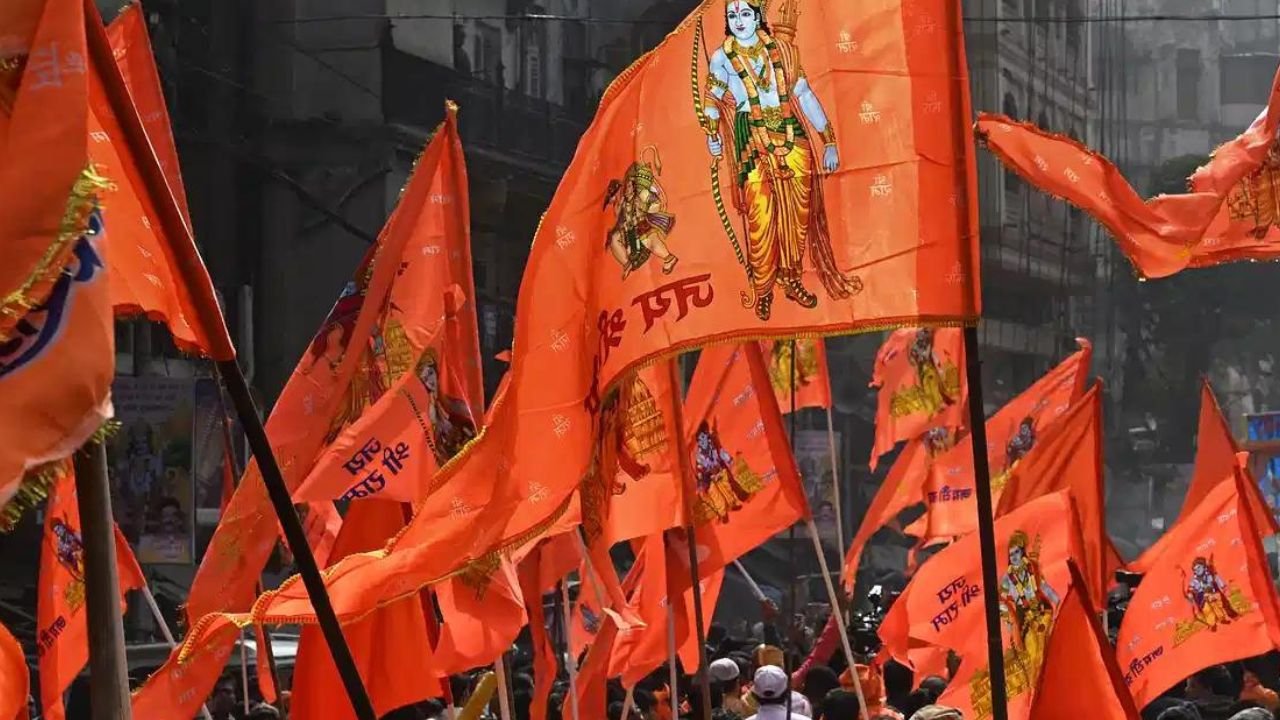
    The prime minister began the year by inaugurating a grand temple to the Hindu deity Ram, built on the site of a centuries-old mosque razed by Hindu zealots decades earlier.

    Construction of the temple fulfilled a long-standing demand of Hindu activists and was widely celebrated by Hindu voters, whatever their caste group.

    Modi’s rise also coincided with the declining fortunes of caste-based political parties that had dominated politics for decades in Uttar Pradesh, India’s most populous state with more people than Nigeria and its most important electoral battleground.

    Many in the state accused these parties of directing welfare programmes and other benefits of political power to their own caste groups, a situation they say changed when Modi came to power and made them available for all disadvantaged voters.

    “The soles of my slippers wore off as I ran around trying to get a card for free rations,” homemaker Munni Devi, 62, told AFP at a BJP campaign rally over the din of frenzied drum beats and music.

    “But Modi gave me one immediately after coming to power,” she told AFP.

    ‘Demons of those contradictions’

    The BJP has been able to unite a broad array of caste groups into a single bloc of support, but caste discrimination remains a fact of life both in politics and society at large.

    Despite Modi’s own low-caste origins, the senior ranks of his ministry, party and civil service remain overwhelmingly dominated by upper-caste functionaries.

    “Our lawmaker is from our caste and from the BJP,” said farmer Patiram Kushwaha, a Modi supporter reconsidering his allegiance.

    “He cannot do anything for us because those sitting at the top don’t listen to him.”

    More than two dozen opposition parties in this year’s poll have campaigned on a joint pledge to address the structural causes of discrimination by staging a caste-based national census and redirecting resources to the most disadvantaged.

    Analysts nonetheless expect Modi to triumph convincingly over the opposition bloc, but Neelanjan Sircar, of the Centre for Policy Research think-tank in New Delhi, said the BJP faced a monumental challenge in holding its coalition together over the long term.

    “This balancing act of keeping together groups which don’t really get along with each other is extremely tough in the long run,” he told AFP.

    “At some point, you have to face the demons of those contradictions.”

    sai/gle/sco

    © Agence France-Presse

  • India vote resumes with Indian-occupied Kashmir poised to oppose Modi

    India vote resumes with Indian-occupied Kashmir poised to oppose Modi

    India’s six-week election resumed Monday including in Indian-occupied Kashmir, where voters were expected to show their discontent with Prime Minister Narendra Modi’s cancellation of their disputed territory’s semi-autonomy and the security crackdown that followed.

    Modi remains popular across much of India and his Hindu-nationalist Bharatiya Janata Party (BJP) is widely expected to win the poll when it concludes early next month.

    But his government’s decision in 2019 to bring IOK under its direct rule — and the subsequent clampdown — have been deeply resented among the region’s residents, who will be voting for the first time since the move.

    “What we’re telling voters now is that you have to make your voice heard,” said former chief minister Omar Abdullah, whose National Conference party is campaigning for the restoration of IOK’s former semi-autonomy.

    “The point of view that we want people to send out is that what happened… is not acceptable to them,” he told AFP.

    IOK has been divided between India and Pakistan since their independence in 1947. Both claim it in full and have fought two wars over control of the Himalayan region.

    Rebel groups opposed to Indian rule have waged an insurgency since 1989 on the side of the frontier controlled by New Delhi, demanding either independence or a merger with Pakistan.

    India accuses Pakistan of backing the insurgents, a charge that Islamabad denies.

    The conflict has killed tens of thousands of soldiers, rebels and civilians in the decades since, including a spate of firefights between suspected rebels and security forces in the past month.

    ‘Referendum’

    Violence has dwindled since the Indian portion of the territory was brought under direct rule five years ago, a move that saw the mass arrest of local political leaders and a months-long telecommunications blackout to forestall expected protests.

    Modi’s government says its cancelling of IOK’s special status has brought “peace and development”, and it has consistently claimed the move was supported by Kashmiris.

    But his party has not fielded any candidates in the IOK valley for the first time since 1996, and experts say the BJP would have been roundly defeated if it had.

    “They would lose, simple as that,” political analyst and historian Sidiq Wahid told AFP last week, adding that Kashmiris saw the vote as a “referendum” on Modi’s policies.

    The BJP has appealed to voters to instead support smaller and newly created parties that have publicly aligned with Modi’s policies.

    But voters are expected to back one of two established IOK political parties calling for the Modi government’s changes to be reversed.

    “I voted for changing the current government. It must happen for our children to have a good future,” civil servant Habibullah Parray told AFP.

    “Everywhere you go in Kashmir today you find people from outside in charge. Everyone wants that to change.”

    In rural districts outside Srinagar, the region’s biggest city, army soldiers patrolled roads in convoys of bulletproof vehicles.

    Several polling booths around the constituency had more than two dozen paramilitary troops guarding voter queues.

    Boycotts called by rebel groups left few Kashmiris willing to participate in past elections, with just over 14 percent of eligible voters in Srinagar casting a ballot during the last national poll in 2019.

    By mid-afternoon on Monday nearly 30 percent of people in the constituency had voted, with booths still open for several more hours.

    Nearly one billion voters

    India’s election is conducted in seven phases over six weeks to ease the immense logistical burden of staging the democratic exercise in the world’s most populous country.

    More than 968 million people are eligible to vote in India’s election, with the final round of polling on June 1 and results expected three days later.

    Voter turnout elsewhere in India has so far declined significantly from 2019, according to election commission figures.

    Analysts have blamed widespread expectations that Modi will easily win a third term and hotter-than-average temperatures heading into the summer.

    India’s weather bureau has forecast more hot spells in May and the election commission formed a taskforce last month to review the impact of heat and humidity before each round of voting.

  • India vote a chance for Kashmiris to signal opposition to Modi

    India vote a chance for Kashmiris to signal opposition to Modi

    Srinagar (India) (AFP) – Prime Minister Narendra Modi’s campaign speeches claim his quelling of an insurgency in Indian-occupied Kashmir (IOK) as one of his greatest achievements, but many in the disputed region see India’s election as a chance to signal their disagreement.

    Widely expected to win the biggest poll in history, Modi’s ruling Bharatiya Janata Party (BJP) did not field any candidates in Kashmir for the first time in nearly three decades. Experts say they would have been roundly defeated if they had.

    Modi’s government cancelled the limited autonomy Kashmir had under India’s constitution in 2019, a move accompanied by a huge security clampdown, mass arrests of local political leaders and a months-long telecommunications blackout.

    Violence in the Muslim-majority region has since dwindled, and the BJP has consistently claimed that its residents supported the changes.

    But some Kashmiri voters in this year’s national elections will be eager to express their frustrations with the end of their territory’s special status.

    “I have never voted in the past. But this time, I will… to show that I am not happy with what India is doing with us,” a middle-aged man told AFP in the main city of Srinagar, declining to be identified for fear of retribution.

    “How can India say that Kashmiris are happy when we are actually suffocating in a state of fear and misery?”

    ‘Voice their disagreement’

    Kashmir has been divided between India and Pakistan since their independence in 1947. Both claim it in full and have fought two wars over control of the Himalayan region.

    Rebel groups opposed to Indian rule have waged an insurgency since 1989 on the side of the frontier controlled by New Delhi, demanding either independence or a merger with Pakistan.

    The conflict has killed tens of thousands of soldiers, rebels and civilians in the decades since, including a spate of firefights between suspected rebels and security forces in the past month.

    India is in the middle of a six-week election, with voting staggered across phases to ease the logistical burden of staging a vote in the world’s most populous country.

    Modi and his ministers have championed the end of Kashmir’s special status, saying at campaign rallies it has brought “peace and development”, and the policy is popular among voters elsewhere in India.

    But many in the valley have chafed at increasing curbs on civil liberties that have curtailed media freedoms and brought an effective end to once-common public protests.

    Many are also upset with the 2019 decision to end constitutional guarantees that reserved local jobs and land for Kashmiris.

    Open campaigning for separatism is illegal in India, and established democratic parties in Kashmir have historically differed on whether to collaborate with the government of the day in New Delhi or to pursue greater autonomy.

    But antipathy towards Modi’s Hindu nationalist government had helped paper over differences between rival parties by forging a common sense of opposition, parliamentary candidate Waheed Ur Rehman Para told AFP.

    “There’s a huge solidarity silently in Kashmir today for each other, irrespective of party lines,” he said.

    Para is standing for a seat that takes in Srinagar, the territory’s biggest city, on behalf of the Peoples Democratic Party (PDP), which was a BJP ally before 2019 but is now campaigning for the reinstatement of Kashmir’s autonomy.

    Voters were preparing to “convey to Delhi that the consent of decisions about Kashmir is most important and it should lie with the locals”, he said.

    ‘Want to win every heart’

    Political analyst and historian Sidiq Wahid told AFP the election was being seen by Kashmiris as a “referendum” on the Modi government’s policies in the territory.

    “The BJP is not fielding any candidates for a very simple reason,” he said. “Because they would lose, simple as that.”

    Modi’s party retains a presence in Kashmir in the form of a heavily bunkered and almost vacant office in Srinagar.

    The complex is under constant paramilitary guard by some of the more than 500,000 troops India has permanently stationed in the region.

    The BJP has appealed to voters to instead support smaller and newly created parties that have publicly aligned with Modi’s policies.

    India’s powerful home minister Amit Shah, a close acolyte of Modi, said at a campaign rally last month the party had made a tactical decision not to field candidates.

    He said he and his allies were in no rush to “see the lotus bloom” in Kashmir, a reference to the BJP’s floral campaign emblem, but would instead wait for the people of the valley to understand its good work.

    “We are not going to conquer Kashmir,” he told the crowd. “We want to win every heart in Kashmir.”

  • Iraqi court suspends Kurdistan election preparations

    Iraqi court suspends Kurdistan election preparations

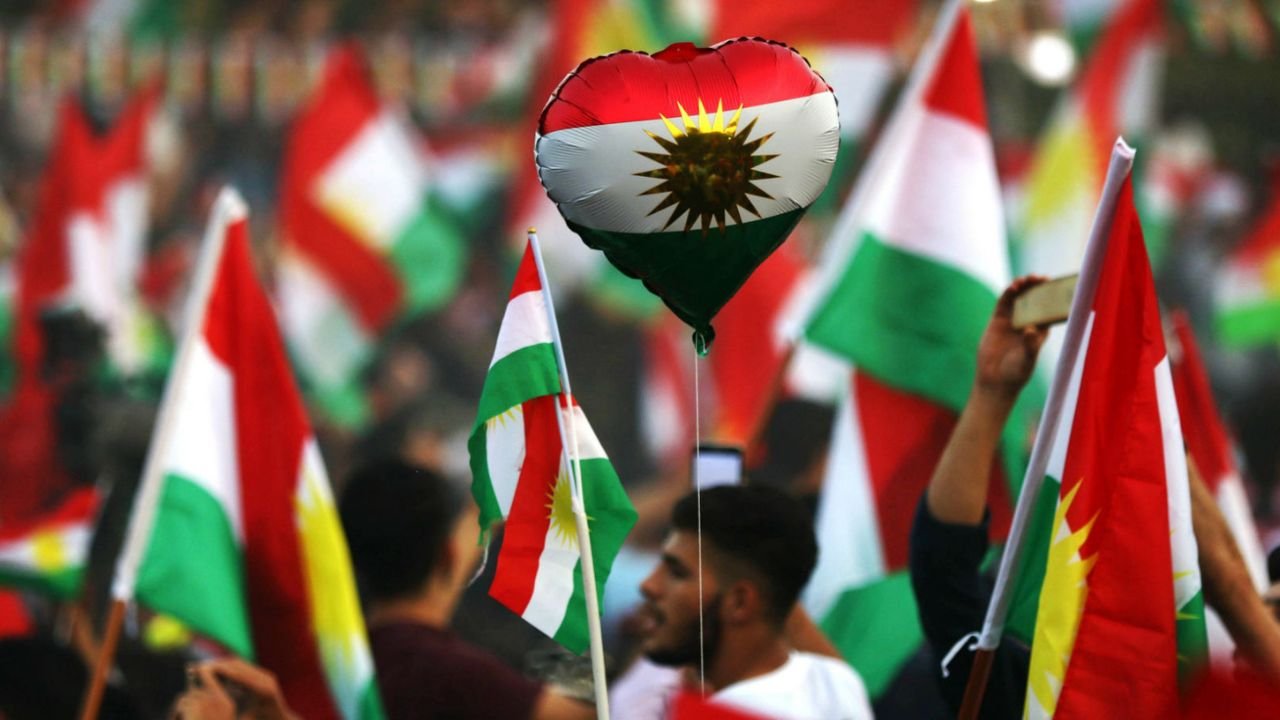
    Iraq’s highest court on Tuesday temporarily suspended preparations for June 10 parliamentary elections in the autonomous northern Kurdistan region, a source of tension between the two main Kurdish parties.

    The Federal Supreme Court suspended procedures related to “the registration of lists of candidates”, while it decides on another case linked to legislative elections in Kurdistan, a statement on the court’s website said.

    Kurdistan’s prime minister, Masrour Barzani, had filed an appeal to the supreme court arguing the “unconstitutionality” of the division of electoral constituencies planned for the vote.

    While awaiting a verdict, Barzani requested “a halt and suspension of the procedures of the electoral commission”.

    “The proceedings are suspended from today until the verdict,” an electoral commission source told AFP, speaking on condition of anonymity.

    The suspension comes amid a long-running conflict between the region’s two historic parties, the Kurdistan Democratic Party (KDP) and the Patriotic Union of Kurdistan (PUK).

    The court issued a ruling in February to reduce the number of seats in the Kurdish parliament from 111 to 100, effectively eliminating a quota reserved for Turkmen, Armenian and Christian minorities.

    In response, Barzani’s KDP said it would boycott legislative polls and did not register candidates.

    Since then the KDP pushed for postponement of the June 10 elections, which had initially been scheduled for October 2022, but were pushed back several times.

    The PUK has opposed any delay in holding the elections.

    Tuesday’s verdict comes as Kurdistan’s president, Nechirvan Barzani, is visiting Iranian leaders in Tehran, after meeting senior politicians in Baghdad.

    The KDP is the largest party in the outgoing parliament, with 45 seats against 21 for the PUK.

    The Kurdistan region has been autonomous since 1991, and presents itself as an oasis of stability favourable to foreign investment in Iraq.

    However, activists and opposition figures denounce what they say is corruption, repression of dissident voices and arbitrary arrests in the region.

  • Putin takes oath for record fifth presidential term

    Putin takes oath for record fifth presidential term

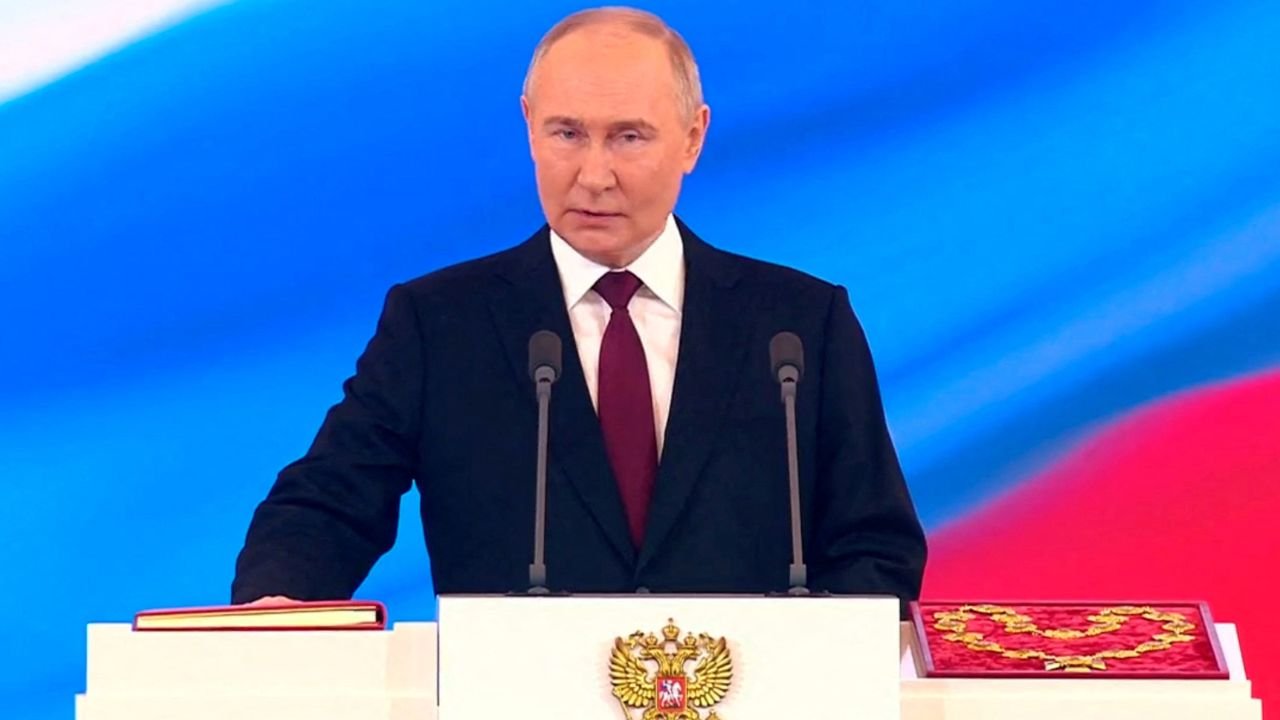
    Russian President Vladimir Putin was Tuesday sworn into office at a lavish Kremlin ceremony for a record-breaking fifth term with more power than ever before.

    The 71-year-old has ruled Russia since the turn of the century, securing a fresh six-year mandate in March after winning presidential elections devoid of all opposition.

    ‘Together we will win’: Putin tells Russians at inauguration

    Vladimir Putin said Tuesday that Russia would pass through the current “difficult” period stronger and emerge victorious, as he took power for a record fifth presidential term.

    “We will pass through this difficult period with dignity and become even stronger,” Putin said at his inauguration ceremony, adding: “We are a united and great nation, and together we will overcome all obstacles, realise everything we have planned, and together, we will win.”

  • Why is South Africa still waiting for a female president?

    Why is South Africa still waiting for a female president?

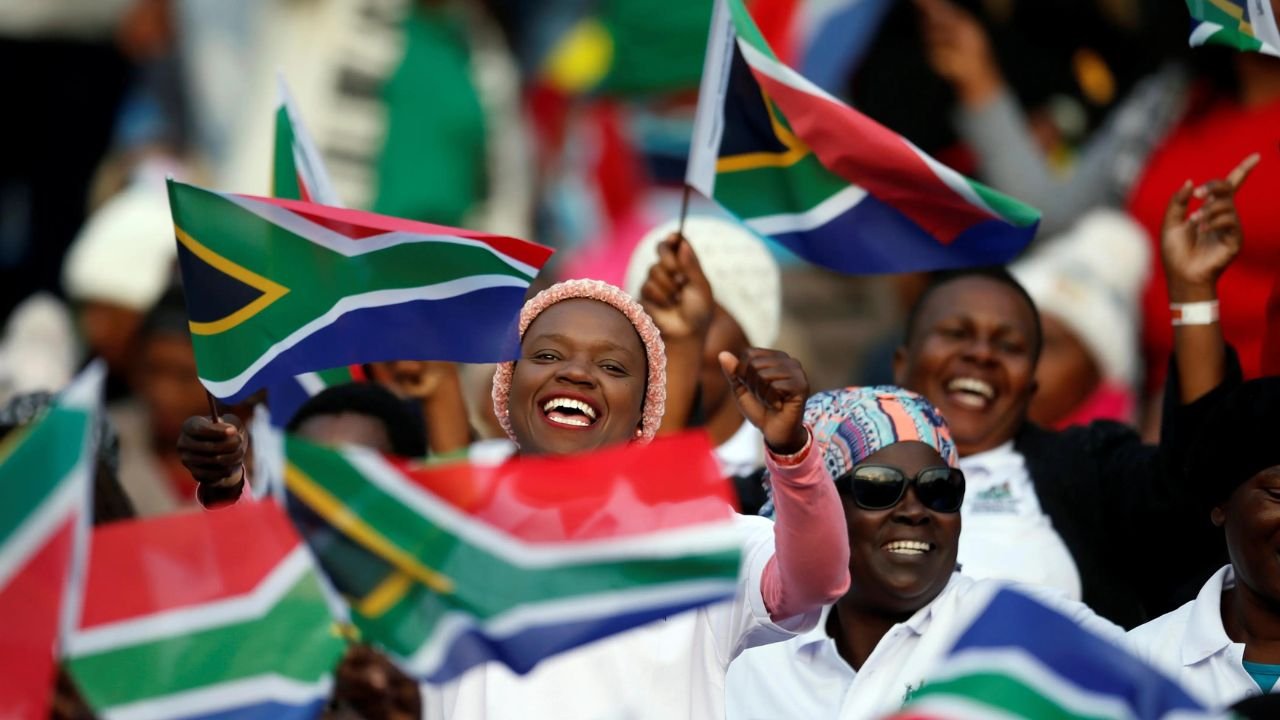
    South Africa has one of the world’s highest rates of female parliamentary representation in the world while boasting one of the most progressive constitutions.

    Yet the country is yet to produce a female president — something upcoming general elections are unlikely to change.

    Of the more than 50 parties in the running on May 29, only a handful are led by a woman. The five largest are all headed by men.

    “It is rare for a woman-owned party to stand, succeed and be sustainable,” said Colleen Makhubele, one of the few female party chiefs, who runs the small South African Rainbow Alliance (SARA).

    The dearth is despite South Africa ranking 11th globally for female representation in parliament, just below Sweden and higher than Finland.

    Women played a major role in the anti-apartheid struggle, and have held important government posts since the advent of democracy in 1994.

    About half the country’s ministries, including the key departments of foreign affairs and defence, are currently run by women.

    Women’s rights activists say the reason partially lies in the disconnect between the liberal views on which democratic South Africa was founded, and what still remains a fairly conservative society.

    The rainbow nation’s constitution lists “non-racialism and non-sexism” as the country’s second founding value after democracy itself.

    Yet many still see women as fit to lead their family — but not the nation.

    About one in five respondents to a 2017 Ipsos survey said that a woman’s place was in the home. Moreover, 22 percent thought men made better political leaders.

    This results in women often being overlooked when parties choose a leading candidate, said Bafana Khumalo, co-director of NGO Sonke Gender Justice.

    “Women are seen as important… but not to be voted into power,” he said.

    Makhubele of SARA, a former Johannesburg council speaker, said she has to work twice as hard as her male colleagues to win votes, funding and media coverage.

    Attitudes are slowly changing.

    A 2020 poll by Women Deliver, a non-profit, found 91 percent of respondents believed gender equality was important.

    Forty-three percent supported the government taking action to achieve equal representation in politics, and 69 percent backed gender quotas.

    The latter are already implemented by the ruling African National Congress (ANC) and the leftist Economic Freedom Fighters (EFF) — the country’s third largest party.

    The second largest party, the liberal Democratic Alliance (DA), had a female leader between 2007 and 2015.

    But that’s not enough, said political analyst and author Susan Booysen.

    “I’m blaming political parties for not systematically nurturing women’s ascendancy in party politics to get them to the top… women don’t see that systemic mentoring and promotion” she said.

    Parties might be missing out.

    Women make up more than 55 percent of registered voters in the upcoming elections and are seen as key drivers of support.

    “They’re the ones who actually make sure the people they live with go and vote on election day,” said Zama Khanyase of the ANC’s youth league.

    The ANC is largely expected to get less than 50 percent of the vote and for the first time lose its absolute majority in parliament when South Africans head to the polls in a month’s time.

    That could force it into a coalition to remain in power.

    After the parliamentary vote national assembly lawmakers then appoint a president.