Tag: #election

  • Security situation in Islamabad is under control: IG

    Security situation in Islamabad is under control: IG

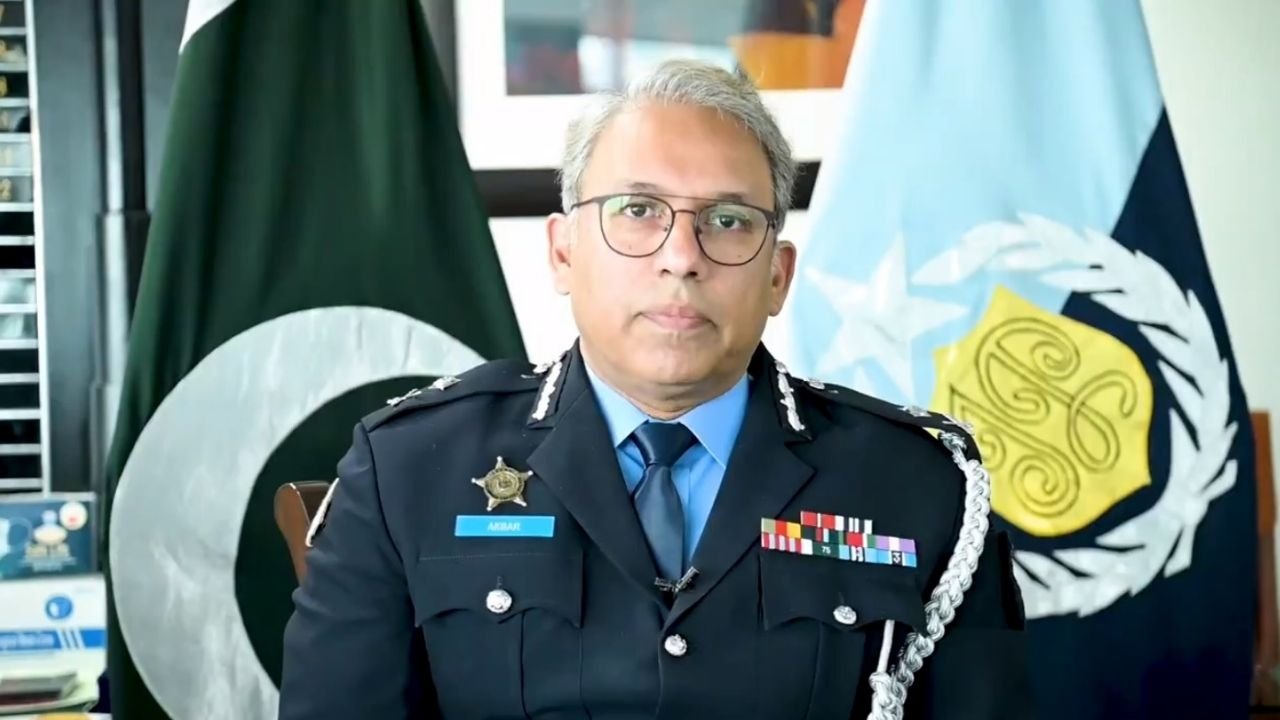
    Islamabad Police’s Inspector General, Dr. Akbar Nasir Khan, has stated that the security situation in Islamabad is “under control”.

    His statement comes hours after it was reported by news platforms that educational institutions were unexpectedly shut over security concerns.

    Arab News reveals that parents received messages from schools on Monday morning “urging them to pick their children a few hours after they had dropped them off” for reasons pertaining to their “safety and security.”

    According to IG Islamabad, however, the situation is under control.

    “I would like to inform you that the security and law and order situation in Islamabad is currently under control,” Dr. Khan said in a video message posted on X (formerly Twitter).

    “As of now, there is no situation which should cause you to bring about any change in your [routine regarding] schools and colleges and usual way of life out of fear,” he added.

    He added that citizens should avoid moves that could threaten the security of the city.

    What happened earlier?

    On Monday morning, several educational institutes located in Islamabad reportedly closed until further notice amid security concerns.

    According to news reports, Bahria University, Air University, and National Defence University were shut down. Security, in particular areas of and around Margalla road, F-8, and F-10, had been beefed up.

    However, according to ARY News, a number of other schools and colleges were also shut down, adding that sources reported that threat alert suggested that ‘terror attacks’ were to be carried out by “female suicide bombers affiliated with the banned organisations between January 22-24″.

    Geo News reported that according to the Islamabad Police, security was already tight due to the upcoming elections and protests outside the Press Club. Additionally, search operations were conducted yesternight in certain areas.

  • PTI starting election campaign on January 20

    PTI starting election campaign on January 20

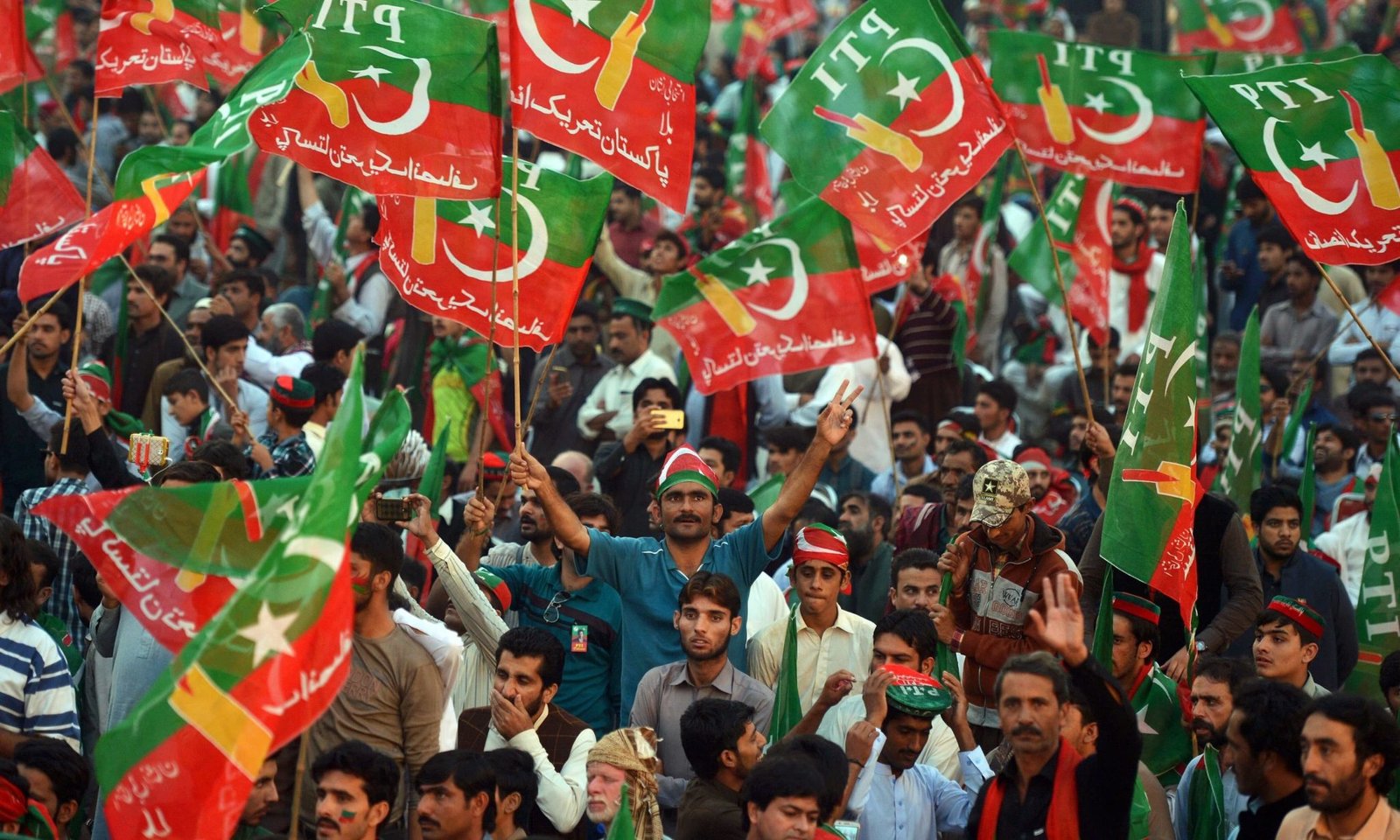
    Chairman of Pakistan Tehreek-e-Insaf (PTI), Barrister Gohar Ali Khan, confirmed that the party is going to start its election campaign on January 20 (Saturday).

    Other major political parties, including the Pakistan People’s Party (PPP) and the Pakistan Muslim League-Nawaz (PML-N), have already started their countrywide election campaigns.

    PTI came into power and formed a federal government in 2018 but was ousted in April 2022 via a no-confidence move.

    The founder of PTI, Imran Khan, was imprisoned in May last year, and he is currently in Adiala jail. PTI’s electoral symbol of a cricket bat was taken away this month, a big setback for the party.

    “The PTI will begin its full-fledged election campaign on Saturday. […] workers should bear hardships till then and await victory on February 8. You are advised to focus on the election campaign,” Gohar said on Thursday while engaging with reporters in Rawalpindi.

    Barrister Gohar Khan also said that PTI has not decided on all candidates for the National Assembly (NA). He confirmed that all candidates will be finalised by Friday night, and the party will issue the list of all candidates tomorrow.

  • Bangladesh’s Hasina wins re-election after polls without opposition

    Bangladesh’s Hasina wins re-election after polls without opposition

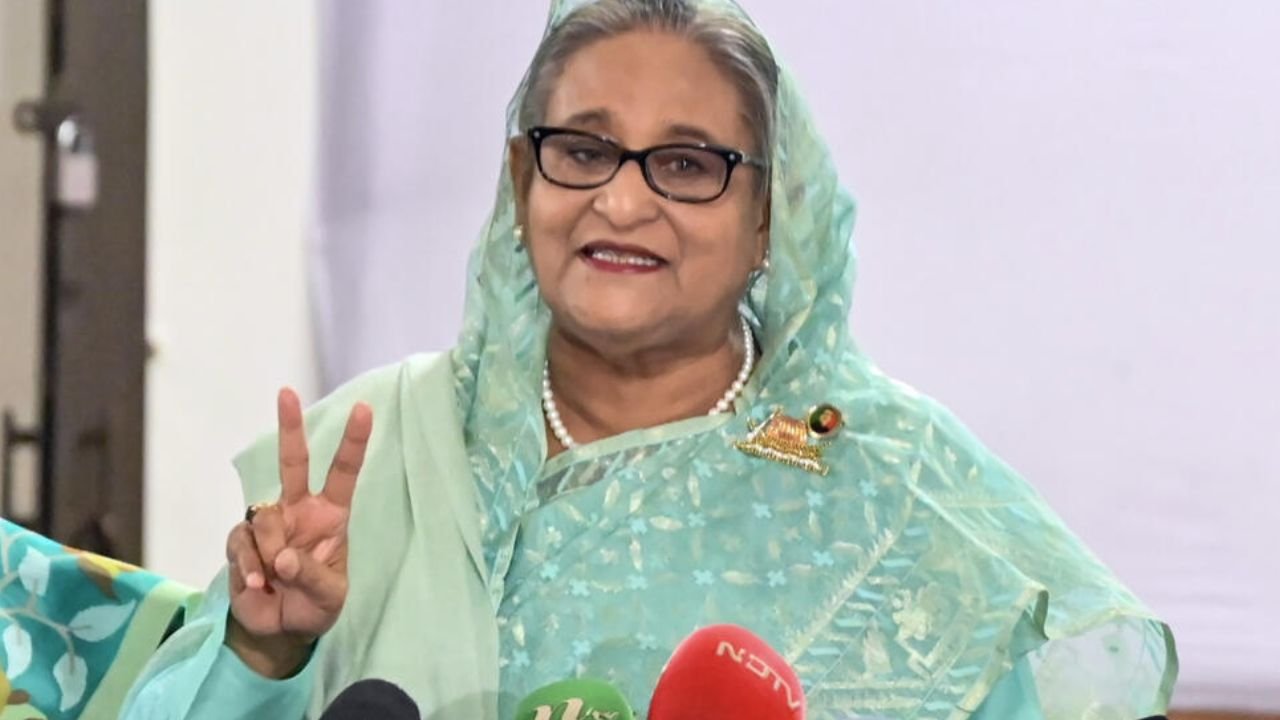
    Bangladesh’s Prime Minister Sheikh Hasina won re-election for a fifth term Sunday, officials said, following a boycott led by an opposition party she branded a “terrorist organisation”.

    Hasina’s ruling Awami League “has won the election”, an Election Commission spokesman told AFP in the early hours of Monday morning, after a vote that initial reports suggested had a meagre turnout of some 40 percent.

    She has presided over breakneck economic growth in a country once beset by grinding poverty, but her government has been accused of rampant human rights abuses and a ruthless opposition crackdown.

    Her party faced almost no effective rivals in the seats it contested, but it avoided fielding candidates in a few constituencies, in an apparent effort to avoid the legislature being branded a one-party institution.

    The opposition Bangladesh Nationalist Party (BNP), whose ranks have been decimated by mass arrests, called a general strike and, along with dozens of others, refused to participate in a “sham election”.

    While the final result and exact figures will be formally announced at a ceremony later on Monday, election commission officials said Hasina’s party had won around three-quarters of seats, at least 220 of the total 300.

    But support of other lawmakers including from allied parties could push Hasina’s control over parliament even higher.

    ‘Disgrace’

    Hasina, 76, had called for citizens to show faith in the democratic process.

    “The BNP is a terrorist organisation,” she told reporters after casting her vote. “I am trying my best to ensure that democracy should continue in this country.” 

    First-time voter Amit Bose, 21, said he had cast his ballot for his “favourite candidate”, but others said they had not bothered because the outcome was assured.

    “When one party is participating and another is not, why would I go to vote?” said rickshaw-puller Mohammad Saidur, 31.

    BNP head Tarique Rahman, speaking from Britain where he lives in exile, told AFP he feared “fake votes” would be used to boost voter turnout.

    “What unfolded was not an election, but rather a disgrace to the democratic aspirations of Bangladesh,” he wrote on social media, alleging he had seen “disturbing pictures and videos” backing his claims.

    Among the victors was Shakib Al Hasan, the Bangladesh cricket team captain, who won his seat for Hasina’s party in a landslide, local officials said.

    Fear of ‘further crackdown’

    The BNP and other parties staged months of protests last year, demanding Hasina step down ahead of the vote. Officers in the port city of Chittagong broke up an opposition protest Sunday, firing shotguns and tear gas canisters.

    But election officials said voting was largely peaceful, with nearly 800,000 police officers and soldiers deployed countrywide.

    Meenakshi Ganguly, from Human Rights Watch, said Sunday that the government had failed to reassure opposition supporters that the polls would be fair, warning that “many fear a further crackdown”.

    Politics in the country of 170 million people was long dominated by the rivalry between Hasina, the daughter of the country’s founding leader, and two-time premier Khaleda Zia, wife of a former military ruler.

    Hasina has been the decisive victor since returning to power in a 2009 landslide, with two subsequent polls accompanied by widespread irregularities and accusations of rigging.

    Zia, 78, was convicted of graft in 2018 and is now in ailing health at a hospital in Dhaka. BNP head Rahman is her son.

    ‘Dangerous combination’

    Hasina has accused the BNP of arson and sabotage during last year’s protest campaign, which was mostly peaceful but saw several people killed in police confrontations.

    The government’s security forces have been dogged by allegations of extrajudicial killings and enforced disappearances — charges it rejects.

    Economic headwinds have left many dissatisfied with Hasina’s government, after sharp spikes in food costs and months of chronic blackouts in 2022.

    Pierre Prakash of the International Crisis Group said before the vote that Hasina’s government was clearly “less popular than it was a few years ago, yet Bangladeshis have little real outlet at the ballot box.”

    “That is a potentially dangerous combination.”

  • Senate approves resolution asking for delay in elections

    Senate approves resolution asking for delay in elections

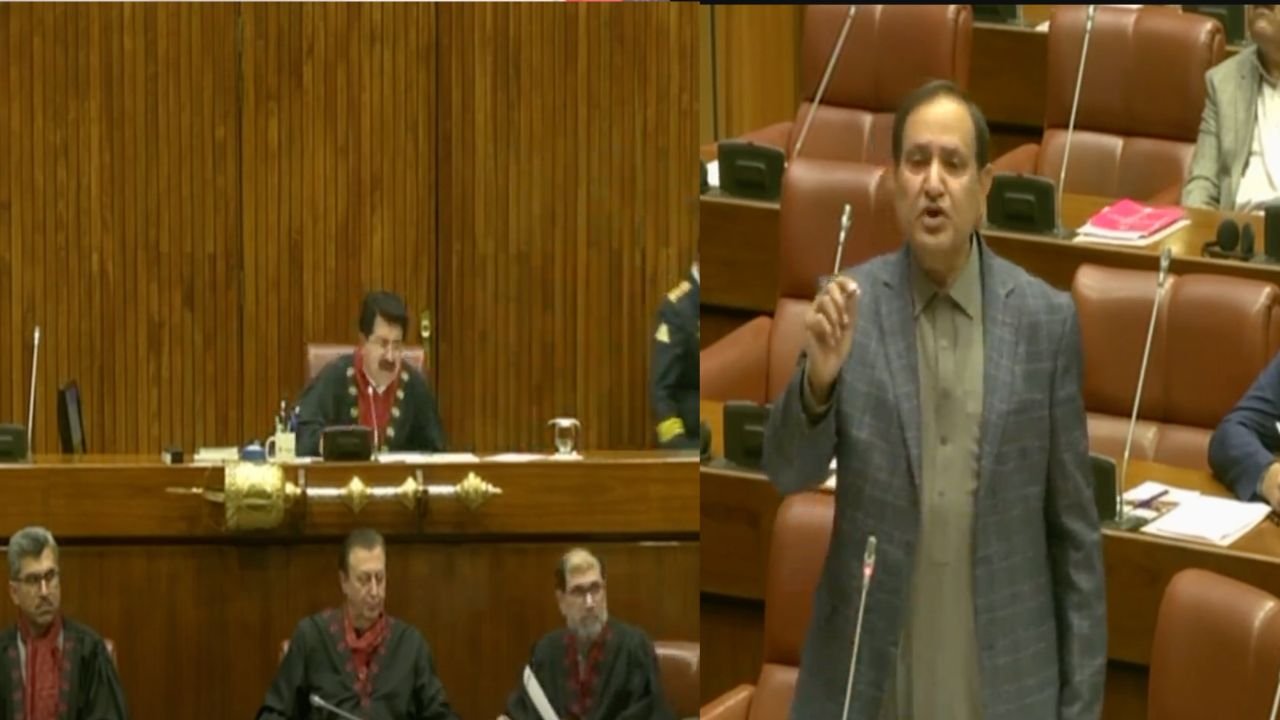
    The Pakistani Senate has approved a resolution to postpone the general elections scheduled for February 8 in the country.

    Senator Dilawar Khan tabled the resolution in the sparsely attended Upper House which garnered required support despite opposition from Information Minister Murtaza Solangi and Senator Afnan Ullah Khan of the Muslim League (N).

    13 out of 14 senators present in the House voted in favor of the resolution.

    As Senator Dilawar read the resolution out loud, he said that the Constitution upheld the right to vote for every citizen of Pakistan, and the Election Commission of Pakistan (ECP) was bound to conduct free and fair polls contingent upon inclusivity and ensuring the participation of all regional people.

    “The vote turnout in colder areas remains notably high during the moderate weather conditions. January and February are recognised as the coldest months in the majority of the areas in Balochistan and Khyber Pakhtunkhwa,” he said.

    Senator Dilawar Khan cited severe cold weather prevalent in many regions, making participation in those areas challenging.

    He also highlighted recent security incidents, including attacks on Mohsin Dawar and members of Jamiat Ulama-e-Islam Fazl (JUI-F), as well as security forces in Balochistan and Khyber Pakhtunkhwa.

    Aimal Wali of the ANP also expressed reservations over the elections.

    During the debate, Senator Dilawar Khan emphasized the existence of threats against individuals during election rallies, underscoring the need to address these security challenges before proceeding with the elections.

    He proposed delaying the February 8 election schedule and called for the Election Commission to act, expressing trust in the Senate Election Commission.

    Senator Afnan Ullah Khan of the Muslim League (N) opposed the resolution, seeking to validate Senator Dilawar Khan’s concerns.

    He acknowledged security challenges but argued that conditions were not as dire as in 2008 and 2013 when elections proceeded under more adverse circumstances.

    Afnan Ullah questioned the rationale behind using security as a pretext for postponing the elections, expressing skepticism about the proposed delay, questioning whether Great Britain and the United States postponed elections during major conflicts.

    He asserted that using weather conditions as a reason for election delay was unfounded, pointing out that elections had been held twice in adverse circumstances before.

    Information Minister Murtaza Solangi also voiced his opposition to the resolution. However, despite these objections, the Senate moved forward, approving the resolution to postpone the general elections slated for February 8.

    The controversy surrounding the decision continues, with differing opinions on the validity of the reasons presented for delaying the electoral process.

  • PPP is all set to conquer Punjab and Sindh

    PPP is all set to conquer Punjab and Sindh

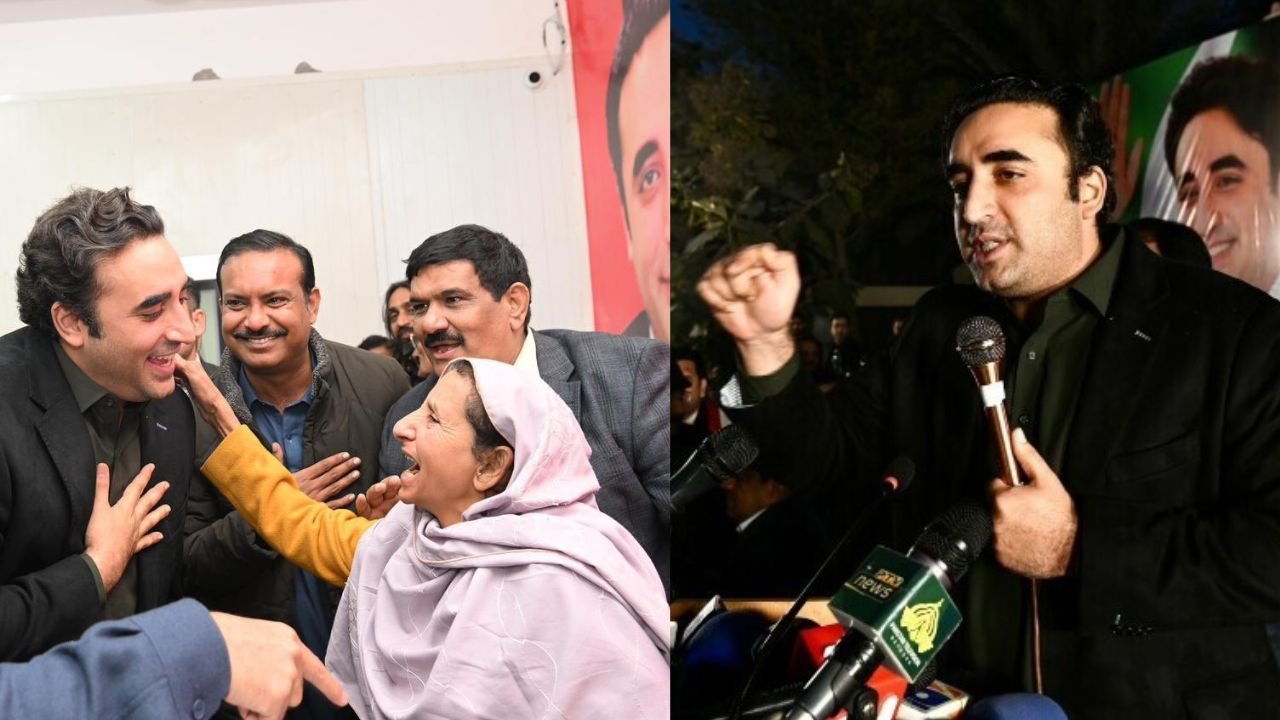
    Pakistan Peoples Party (PPP) Chairman Bilawal Bhutto Zardari formally initiated his election campaign from NA-127 Lahore on Thursday.

    The party aims to leverage the perceived political vacuum created by the establishment in Pakistan.

    With the main rival, Pakistan Muslim League-Nawaz (PML-N), still deliberating on ticket allocations for Punjab and Khyber Pakhtunkhwa (K-P), PPP leaders have been actively canvassing for votes in their respective constituencies.

    According to the party’s central Punjab chief, a majority of aspiring candidates have already received confirmation regarding ticket allocations, making the official announcement a mere formality.

    PPP has unveiled its 10-point agenda as part of its manifesto, with the official manifesto set to be revealed in the coming days, as announced by the party’s information secretary.

    In contrast, PML-N, despite forming a manifesto committee over a month ago, has not made any public announcements regarding its plans.

    The recent introduction of an online portal by PML-N to gather public input on its manifesto suggests that the process is not in its advanced stages.

    Bilawal, who will contest elections from three constituencies, including NA-127 Lahore and the party stronghold Larkana, visited his election office at Green Town in Lahore to formally launch the campaign.

    During his election campaign trail, he would address rallies in Faisalabad (Jan 11), Layah (Jan 12), Bahawalpur (Jan 13), Balochistan’s Naseerabad (Jan 14), Sindh’s Larkana (Jan 15), Qambar Shahdadkot (Jan 16) Badin and Sanghar (Jan 17), Nowshero Feroz and Dadu (Jan 18), Rahim Yar Khan (Jan 19) Kot Daud (Jan 20), Lahore (Jan 21), Chiniot (Jan 23), Sarghoda (Jan 24), Lala Musa (Jan 25) Multan (Jan 26), Peshawar (Jan 27) , Rawalpindi (Jan 28), Kurram (Jan 29), DI Khan (Jan 30), Malakand (Jan 31), Khuzdar (Feb 1), Kashmor and Shikarpur (Feb 2) Mirpurkhas (Feb 3), Hyderabad (Jan 4) and his second last rally as per schedule would be in Karachi (Jan 5).

    The decision to contest from Lahore is seen as a strategic move, countering PML-N President Shehbaz Sharif’s decision to contest from Karachi NA-242.

    The PPP aims to secure NA-127 Lahore, building on the momentum gained from the December 2021 by-election results, where the party’s candidate secured significant votes. The move is also seen as an effort to mitigate the risk of a complete loss for the party in Punjab.

    The party sees the absence of PTI from the political arena as a golden opportunity to capitalize on anti-PML-N votes. The PML-N is expected to issue the NA-127 ticket to its Deputy General Secretary Ata Tarar.

    Meanwhile, Mayor Murtaza Wahab asserted that the people of Karachi demonstrated their support for the Pakistan Peoples Party (PPP) in the local government elections held on January 15, 2023, citing the party’s perceived capability to address the city’s issues.

    The mayor expressed these sentiments during the ‘Meeting the Editors’ program organized by the Council of Newspaper Editors (CPNE) on Thursday.

    “We worked for the resolution of the issues of the people of Karachi with sincerity. The development work will continue. People think that the next government will be of the PPP as they see Bilawal Bhutto Zardari as a viable leader,” the mayor said.

    Wahab attributed the success of the Jamaat-e-Islami in the local government elections to the boycott by the Muttahida Qaumi Movement (MQM).

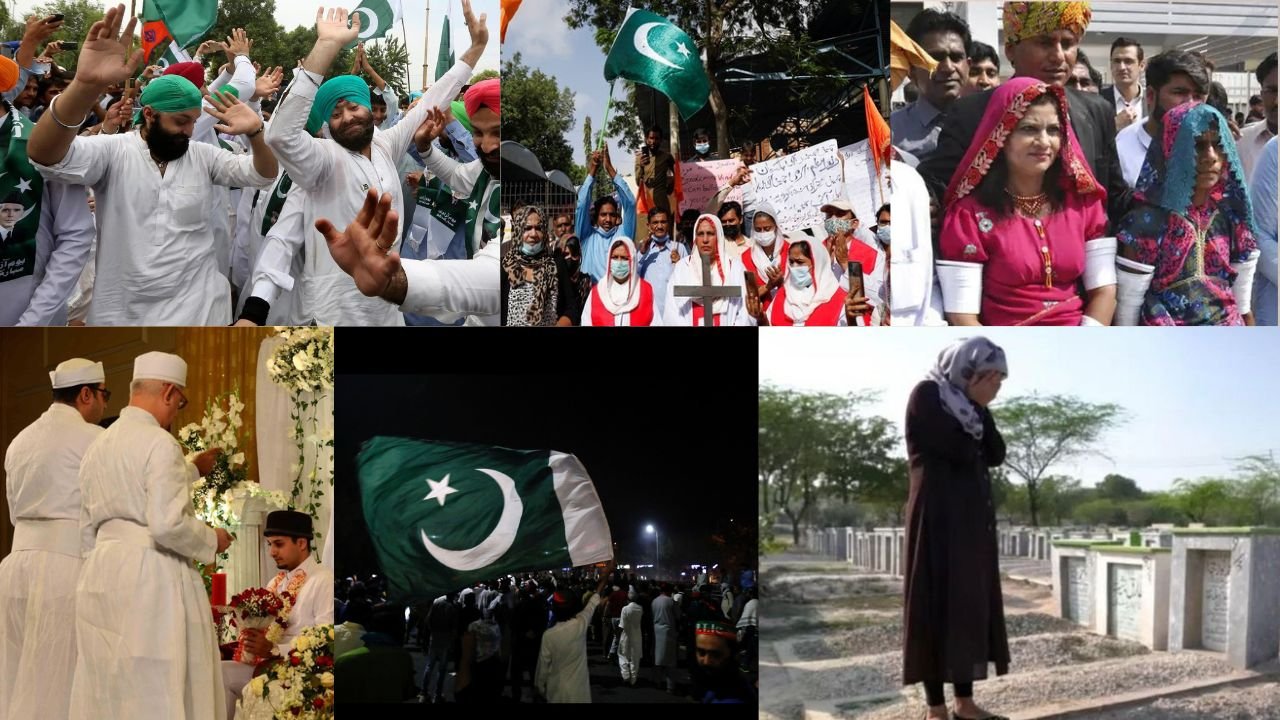
  • How many registered religious minority voters are in Pakistan?

    How many registered religious minority voters are in Pakistan?

    As per the recent province-wise religion report of the Election Commission of Pakistan (ECP), there are 30 lac, 78 thousand, 3 hundred and 6 voters from religious minorities in Pakistan.

    Out of 40 thousand 781 minority voters in Khyber Pakhtunkhwa 3516 are Bahai, 220 Buddist, 28080 Christian, 4209 Hindu, 723 Parsi, 1149 Ahmadi, and 2884 Sikh.

    In former Federally Administered Tribal Areas (FATA) there are 3539 religious minority voters out of which 400 are Bahai, 41 Buddist, 1446 Christian, 669 Hindu, 16 Parsi, 23 Ahmadi, and 944 Sikh.

    For 12 lac 59 thousand 303 minority voters in Punjab, 18102 are Bahai, 786 Buddist, 1057071 Christian, 73456 Hindu, 262 Parsi, 108538 Ahmadi, and 1088 Sikh.

    In Sindh, there are 16 lac 80 thousand 582 minority voters, out of which 7269 are Bahai, 495 Buddist, 228552 Christian, 1423276 Hindu, 2787 Parsi, 16668 Ahmadi, and 1535 Sikh.

    Balochistan has 44 thousand 930 minority voters, out of which 1387 are Bahai, 1387 Buddist, 18702 Christian, 18702 Hindu, 265 Parsi, 549 Ahmadi, and 272 Sikh.

    In the Federal Capital, there are 44 thousand 783 minority voters, out of which 242 are Bahai, 41 Buddist, 40518 Christian, 276 Hindu, 16 Parsi, 3677 Ahmadi, and 13 Sikh.

    Although elections are not happening in Gilgit Baltistan and Azad Jammu and Kashmir in February 2024, ECP did share detailed data of these areas too.

    Out of 653 minority voters in Gilgit Baltistan, 472 are Bahai, 5 Buddist, 147 Christian, 8 Hindu, 16 Ahmadi, 5 Sikh, and none from the Parsi community.

    Azad Jammu and Kashmir has 3735 minority voters out of which 1083 are Bahai, 23 Buddist, 987 Christian, 45 Hindu, 13 Parsi, 1580 Ahmadi, and 4 Sikh.

    As Pakistan gears up for nationwide parliamentary elections in February 2024, a significant portion of the population, the Ahmadiyya community, faces disenfranchisement due to discriminatory provisions in the electoral law.

    Current electoral regulations in Pakistan effectively exclude Ahmadis from the voting process based on their religious beliefs.

    To register as voters, members of the Ahmadiyya community are compelled to either renounce their faith or accept placement in a distinct electoral list categorizing them as “non-Muslim.”

    However, self-identification as Muslim is a fundamental tenet of Ahmadiyya religious belief.

    This exclusionary practice has resulted in the denial of voting rights for Ahmadis, who comprise over 500,000 individuals in Pakistan.

    Despite their significant numbers, Ahmadis find themselves unable to participate in local, provincial, and national elections.

    It is noteworthy that in 2002, Pakistan discontinued an electoral system that segregated Muslims and non-Muslims into separate categories for registration and voting.

    However, discriminatory measures persist, particularly affecting the Ahmadiyya community’s ability to exercise their

    The government also created a separate category for Ahmadis. Since then, all Pakistani citizens have voted according to a single electoral list except the Ahmadis, who vote on a separate list.

  • PPP nominates Bilawal as party’s candidate for prime ministership

    Pakistan People’s Party (PPP) has nominated its Chairman Bilawal Bhutto Zardari as the party’s candidate for the position of prime minister in the upcoming general election set to take place on February 8, The News reported on Thursday.

    The PPP’s top decision-making body took a decision in the meeting of the Central Executive Committee (CEC) on Wednesday at Bilawal House in Lahore.

    The former foreign minister is also contesting the election from NA-127 Lahore, where he will be in competition with Pakistan Muslim League-Nawaz (PML-N) Shaista Pervaiz Malik.

    The CEC meeting also discussed the party election manifesto, where it was determined that jobs, health, education, and the empowerment of women and youth will be prioritised.

    All party leaders in the CEC meeting showed confidence in the leadership of Bilawal Bhutto Zardari and former president Asif Ali Zardari.

    PPP leaders, including Secretary General Taj Haider, Syed Khursheed Shah, Rana Farooq Saeed Khan, Qamar Zaman Kaira, Samina Khalid Ghurki, Murad Ali Shah, Chaudhry Aslam Gill and Zulfikar Ali Bader were present at the meeting.

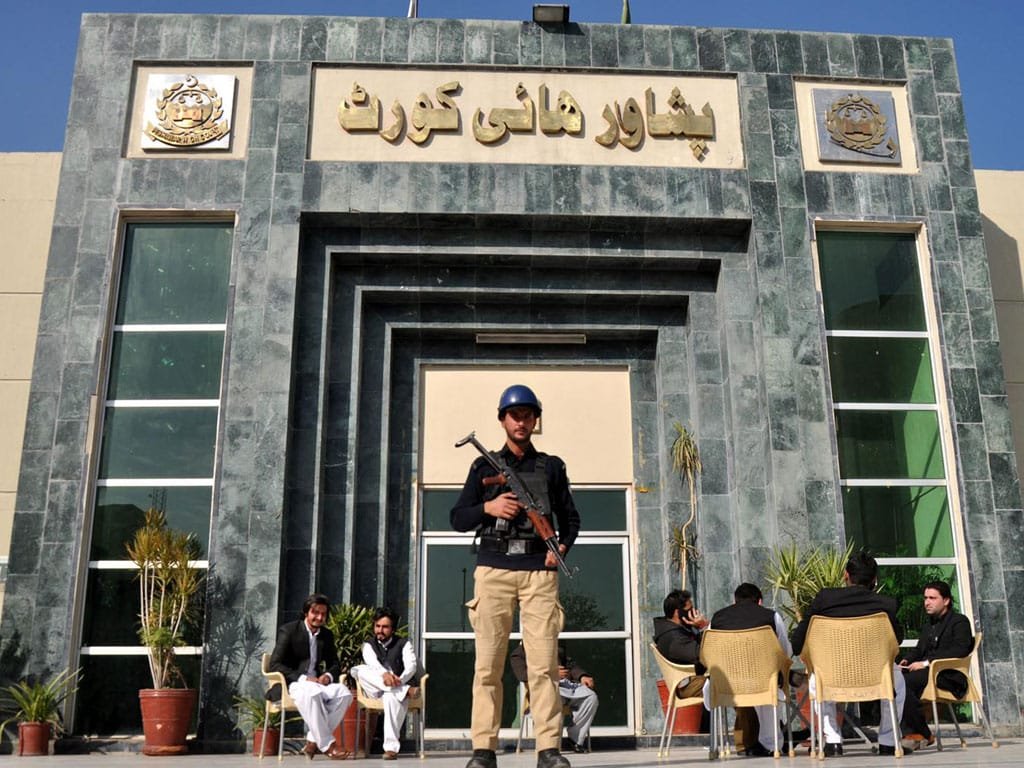
  • Peshawar High Court reserves decision on ECP’s petition

    Peshawar High Court reserves decision on ECP’s petition

    The Peshawar High Court (PHC) has reserved its decision on the petition of the Election Commission of Pakistan (ECP) that contested the ruling of its single bench regarding the Pakistan Tehreek-e-Insaf’s (PTI) electoral ‘bat’ symbol and intra-party elections.

    The ECP submitted a review petition in PHC against its December 26 verdict, that suspended the ECP’s order and restored the party’s ‘bat’ symbol until a final decision on the matter.

    ECP, through its order, deemed the intra-party polls of the PTI as “illegal” and revoked its authorization to use the ‘bat’ symbol.

    In response to this decision, the erstwhile ruling party appealed to the Peshawar High Court, requesting the reinstatement of its party symbol in anticipation of the upcoming general elections scheduled for February 8.

  • ‘Necessary support will be extended to Election Commission of Pakistan,’ Corps Commanders’ Conference

    ‘Necessary support will be extended to Election Commission of Pakistan,’ Corps Commanders’ Conference

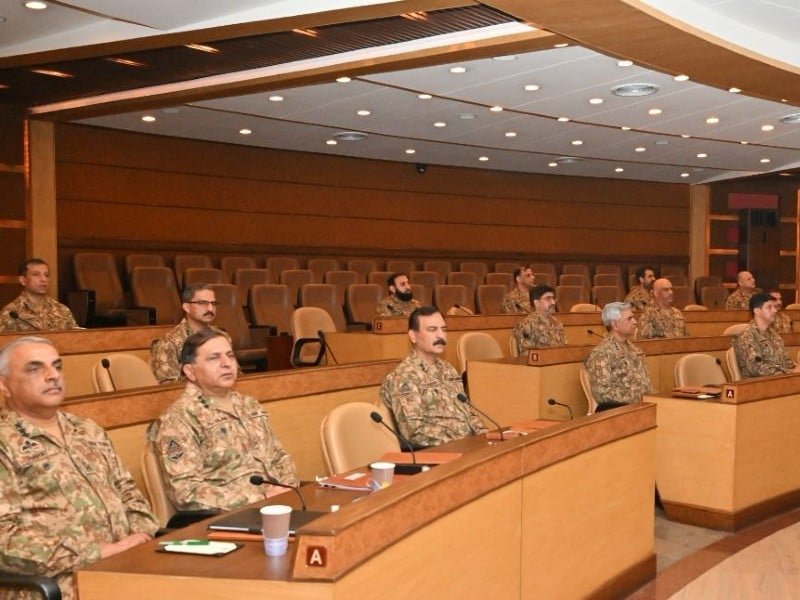
    General Syed Asim Munir, NI (M), Chief of Army Staff (COAS) presided over the two days long 261st Corps Commanders’ Conference (CCC) held at GHQ on Thursday.
    The forum paid rich tribute to the supreme sacrifices of Shuhadas including officers and men of the Armed Forces, Law Enforcement Agencies and Citizens who laid their lives for ensuring peace and stability in the country. Participants also offered Fateha for the Shuhadas including those of DI Khan attack.
    Forum reiterated Pakistan Army’s resolve to defend the sovereignty and territorial integrity of Pakistan against direct and indirect threats.
    Forum expressed serious concern over continued repression and reprehensible human rights violations by Indian military forces in IIOJK. The recent acts of abduction, torture and killing of civilians by the Indian Army were unequivocally condemned by the participants. Such acts constitute grave crimes against humanity and cannot dampen the spirit of the brave Kashmiris who are struggling for their lawful right of self- determination. Pakistan would keep supporting its Kashmiri brethren with all political, moral and diplomatic support for resolution of Kashmir issue according to international law and relevant UNSC resolutions.
    Forum was briefed on prevalent geo-strategic environment, challenges to national security and own strategy in response to evolving threat. The sanctuaries and liberty of action available to the terrorists of proscribed TTP and other groups of that ilk in a neighboring country and availability of latest weapons to the terrorists were noted as serious points of concern impacting security of Pakistan.
    Forum resolved that all terrorists, their facilitators and abettors, working on the behest of hostile forces to destablise Pakistan will be dealt with full might of the state.
    The forum expressed full solidarity with the people of Palestine and condemned serious human rights violations and war crimes being perpetrated in Gaza while reiterating Government’s stance of demanding an immediate ceasefire in Gaza and peaceful resolution of the ongoing conflict.
    Forum reiterated its support for ongoing efforts to promote socioeconomic growth and encouraging foreign investment under the umbrella of Special Investment Facilitation Council (SIFC).
    Forum also took holistic review of the ongoing actions being taken against smuggling, money laundering, power theft and hoarding of essential items amongst other illegal economic activities. Pakistan Army will continue to provide all out support to relevant government institutions and LEAs to curb such crimes. The Forum also noted that requisite and necessary support will also be extended to Election Commission of Pakistan (ECP) for forthcoming general elections.
    The forum was briefed on operational preparedness of the formations. COAS stressed the need for continuously maintaining operational excellence in cognitive and physical realms and pursuit of high standards of motivation and training.

  • ECP might move Supreme Court against High Court order

    ECP might move Supreme Court against High Court order

    The Election Commission of Pakistan (ECP) has raised concerns over the Peshawar High Court (PHC) order against the appointment of a returning officer (RO) in PK-91 Kohat-II. According to the sources of The News, “it is becoming difficult” for electoral authorities to conduct polls with multiple emerging challenges.

    The electoral body showed concerns during the ECP meeting on Wednesday and decided to file a petition in the Supreme Court (SC) against the PHC order rejecting the appointment of Irfanullah as RO for PK-91 Kohat-II.

    As per the report, ECP decided to move to SC after consulting with legal experts from the commission.

    “The meeting noted that following the PHC order, the very constituency is now technically without a returning officer. In these circumstances, it is becoming difficult for the Election Commission of Pakistan to conduct elections,” sources said, referring to the commission’s huddle here at its secretariat after having received the provincial high court order.

    According to Article 218, it is the constitutional authority of the electoral body to conduct free, fair, and transparent elections in the country, and all the state institutions are bound to support the ECP to make polls possible.

    The Commission reviewed the matter and decided to hold another meeting on Thursday (today) prior to taking a decision in relation to the PHC order.