Tag: Electric Vehicle

  • Sazgar introduces Pakistan’s first-ever locally assembled Hybrid SUV

    Sazgar introduces Pakistan’s first-ever locally assembled Hybrid SUV

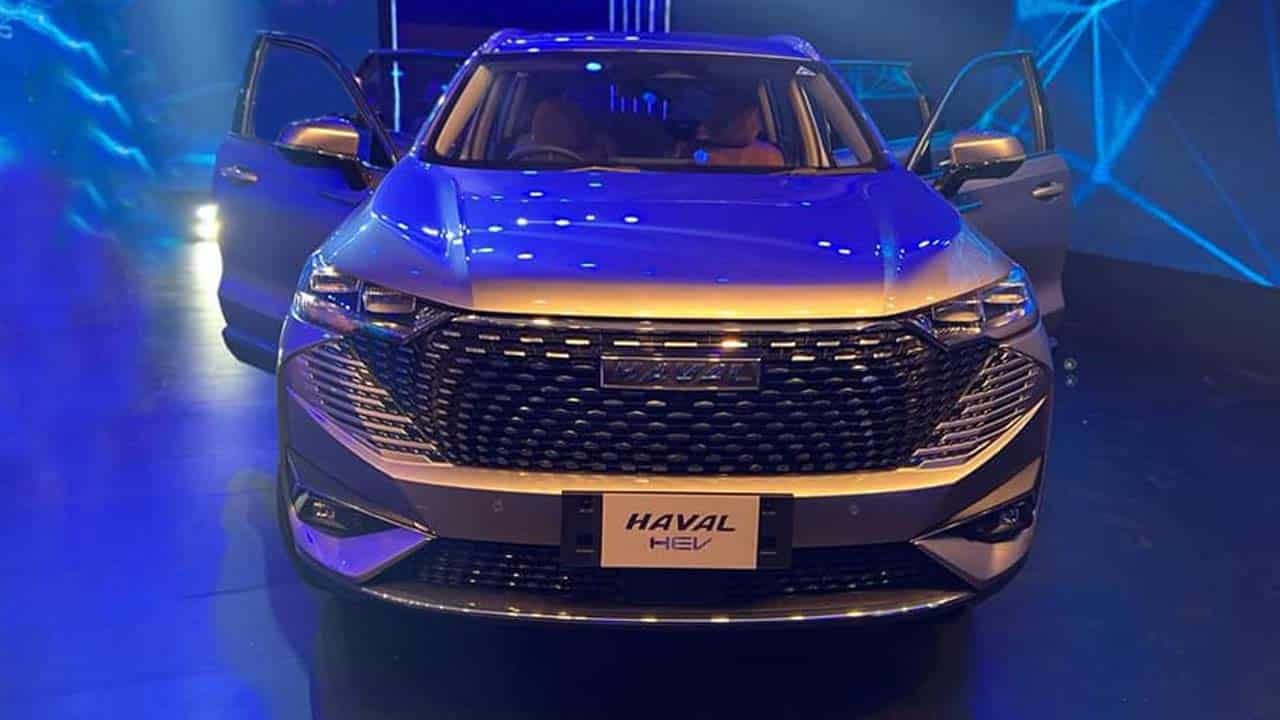
    At a ceremony in Lahore, Sazgar Engineering formally unveiled the Haval H6, Pakistan’s first locally assembled hybrid electric vehicle (HEV).

    By doing this, the business has significantly surpassed its competitors. This is a huge milestone because not even the top automakers in Pakistan considered releasing a hybrid automobile.

    In a notice to the Pakistan Stock Exchange (PSX), the company said, “We are pleased to inform you that the company has successfully assembled/ manufactured locally the first Hybrid Electric Vehicle (HEV) of Pakistan and is being launched under brand ‘Haval’ as of November 17.”

    One of the four brands owned by the Chinese carmaker Great Wall Motors (GWM), “Haval,” reached the Pakistani market through Sazgar in early 2021.

    A 1.5 turbocharged engine in the Haval H6 generates 152 horsepower (HP) and 233 newton metres (Nm) of torque. With that, there is a motor producing 174 horsepower and 300 Nm of torque. Excellent efficiency, low fuel consumption, high performance, and light weight are the engine’s four standout qualities.

    The Haval H6 Hybrid SUV costs Rs9.75 million, yet the manufacturer charges Rs1.9 million for bookings.

  • In Pictures: Pakistan unveils its first electric car with 210km range

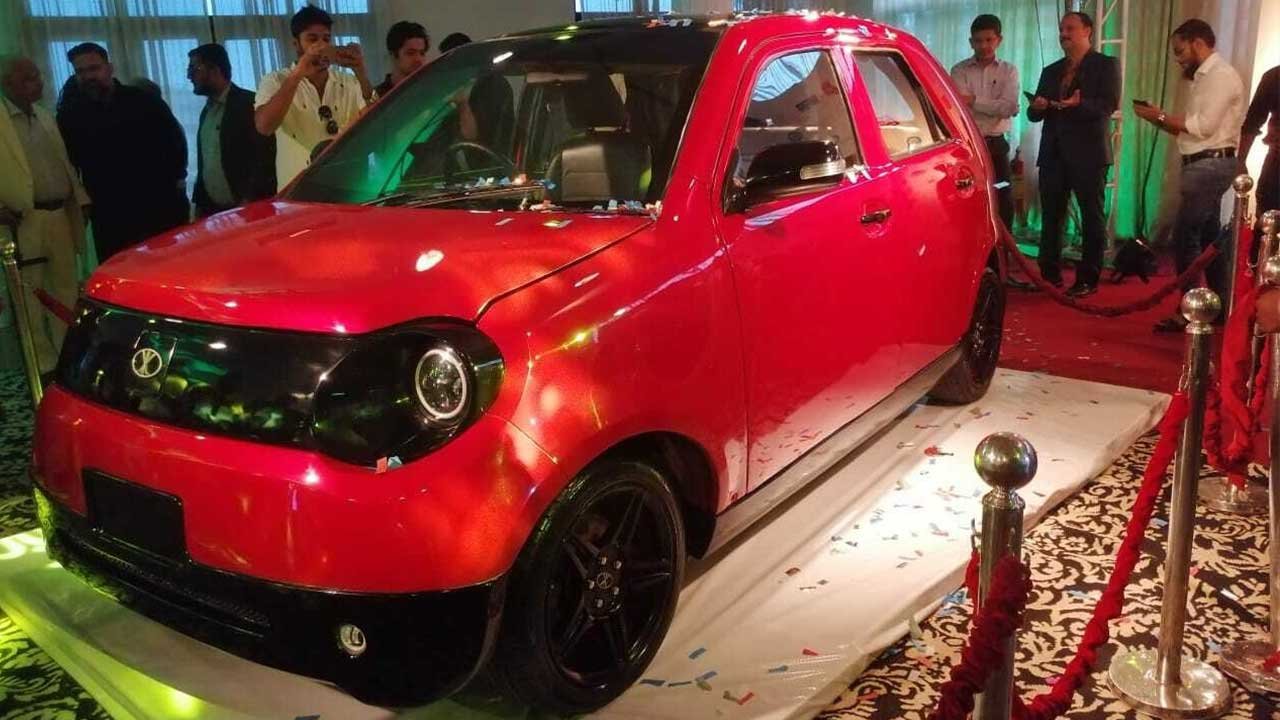
    In Pictures: Pakistan unveils its first electric car with 210km range

    Except for Pakistan, electric vehicles have gained massive popularity throughout the world. A few imported cars that are available in the local market are pricey and out of the range of the average person.

    Now that Pakistan’s first electric automobile has been launched with some outstanding features, things are set to change.

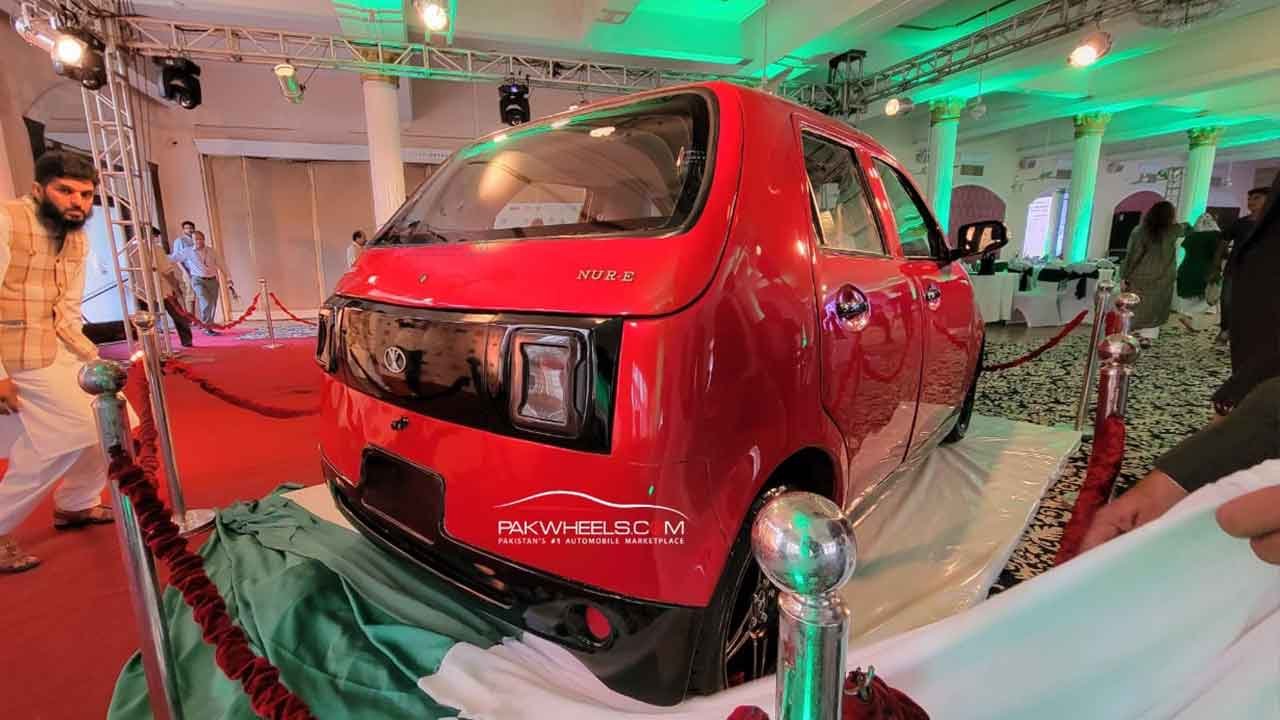
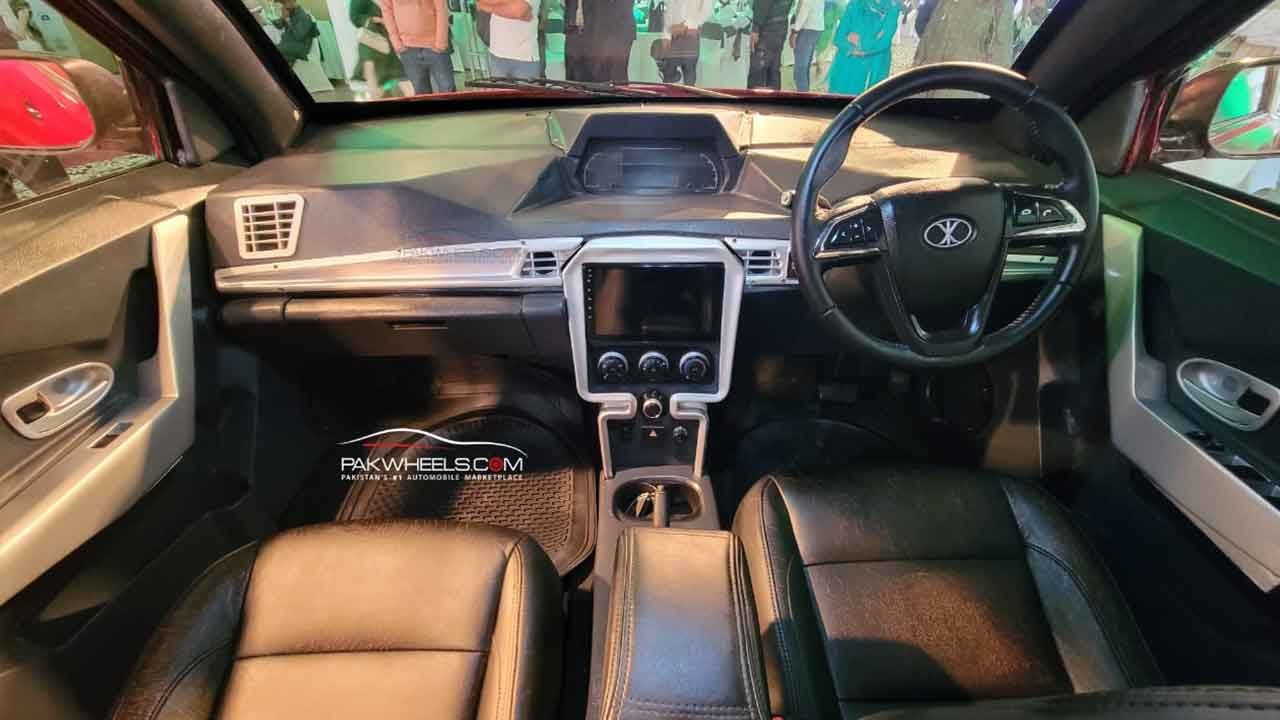
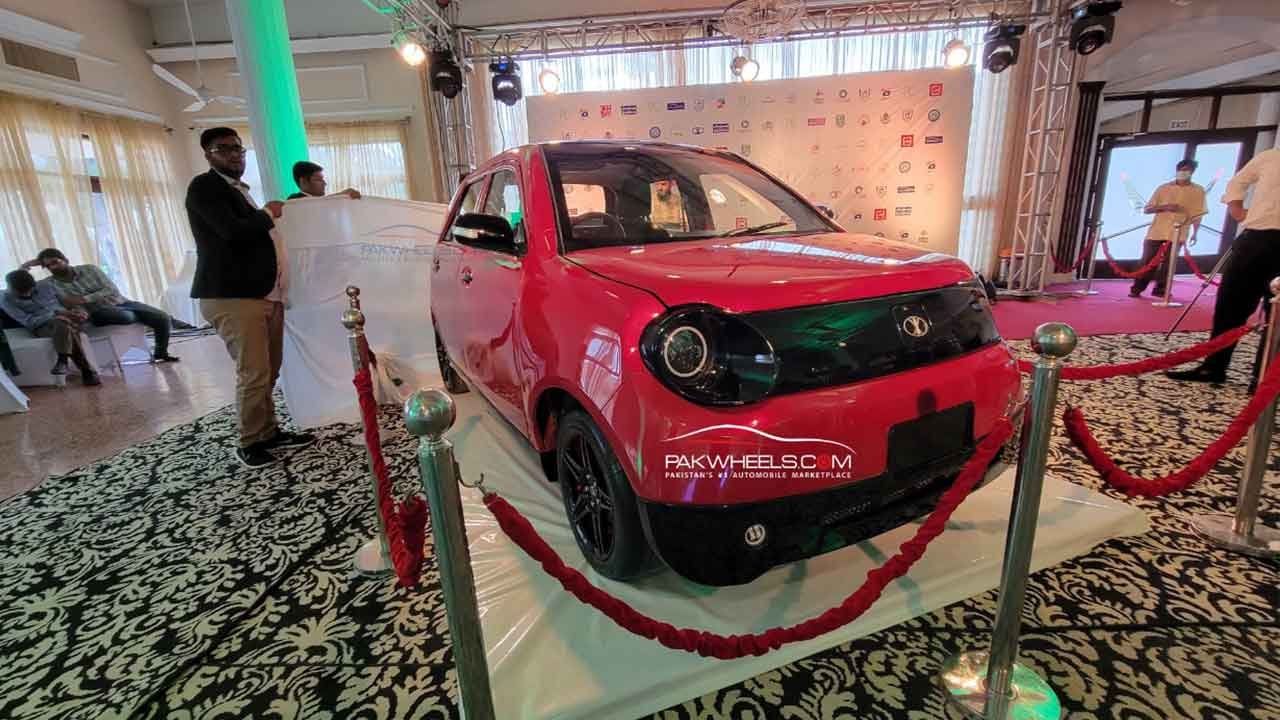
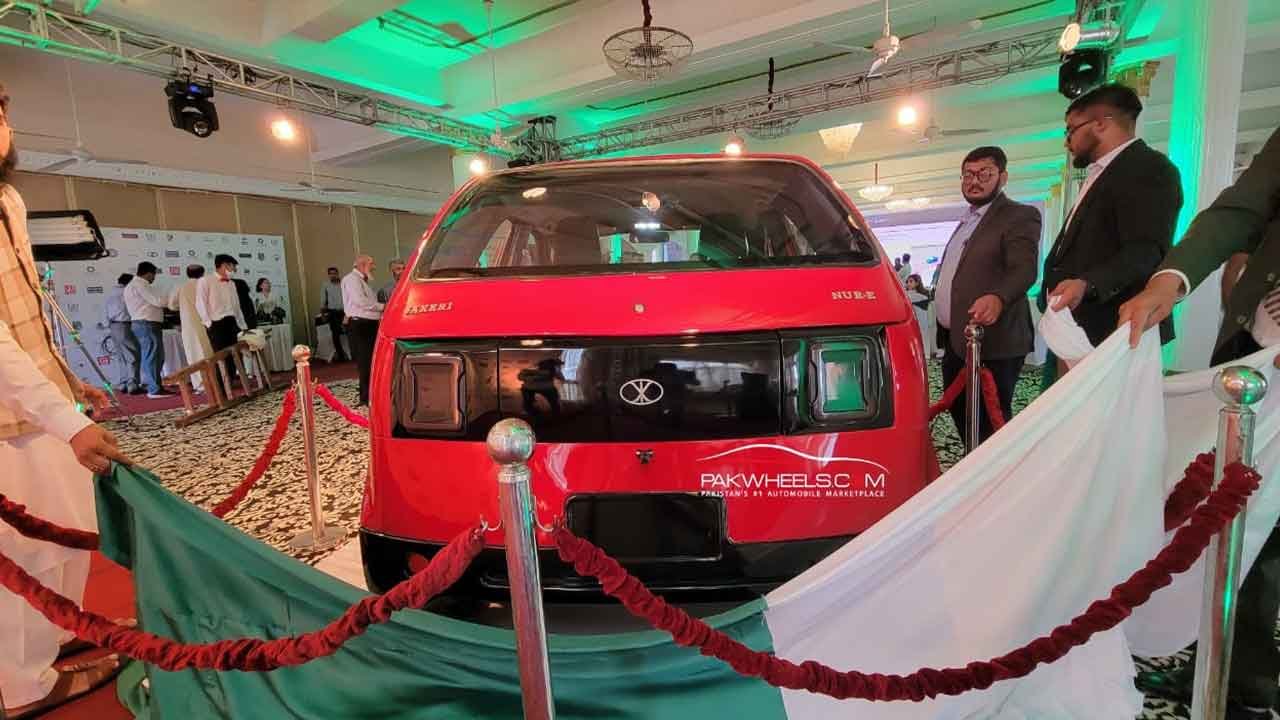
    On Independence Day, Pakistan’s first electric vehicle prototype, the NUR-E 75, was displayed on August 14.

    The battery in the car will have a 35kWh capacity with a range of 210 kilometres after being fully charged.

    NUR-E 75 will save a significant amount of fuel, contribute to the fight against climate change, and maintain economic prosperity, claims Dr Khurshid Qureshi, founder and chairperson of the Distinguished Innovation, Collaboration & Entrepreneurship (DICE) Foundation, who developed the prototype.

    It has a maximum speed of 120km/h, tyre size of 16 inches, a ground clearance of 190mm, and a charging capacity of 220V in eight hours, with fast charging also available.

    Dr Qureshi claimed that the production of the car has three stages: the first involved industrial design, production, and launch; the second involved expanding production to include sedans and SUVs, small commercial trucks, and EV platform export; and the third involves exporting the cars.

    Read more: Cheapest new cars to buy in Pakistan

    The completely working prototype, EV NUR-E 75, is ready for testing and regulatory approval, he said, adding that manufacturing started in 2019. Meanwhile, design work on a rolling platform that will be utilised for multiple vehicle segments is in progress.

    The little hatchback’s maximum output is 80 kW (108 horsepower), and its 35 kWh battery can travel 210 km without the air conditioner on.

    He emphasised that the vehicle, given to Pakistan as a gift for its diamond jubilee, would play a significant role in the context of the environment and climate change and help us transition away from the use of non-renewable fuels.

  • Apple’s electric vehicle may lack steering wheel and brake pedal: Leaks

    Apple’s electric vehicle may lack steering wheel and brake pedal: Leaks

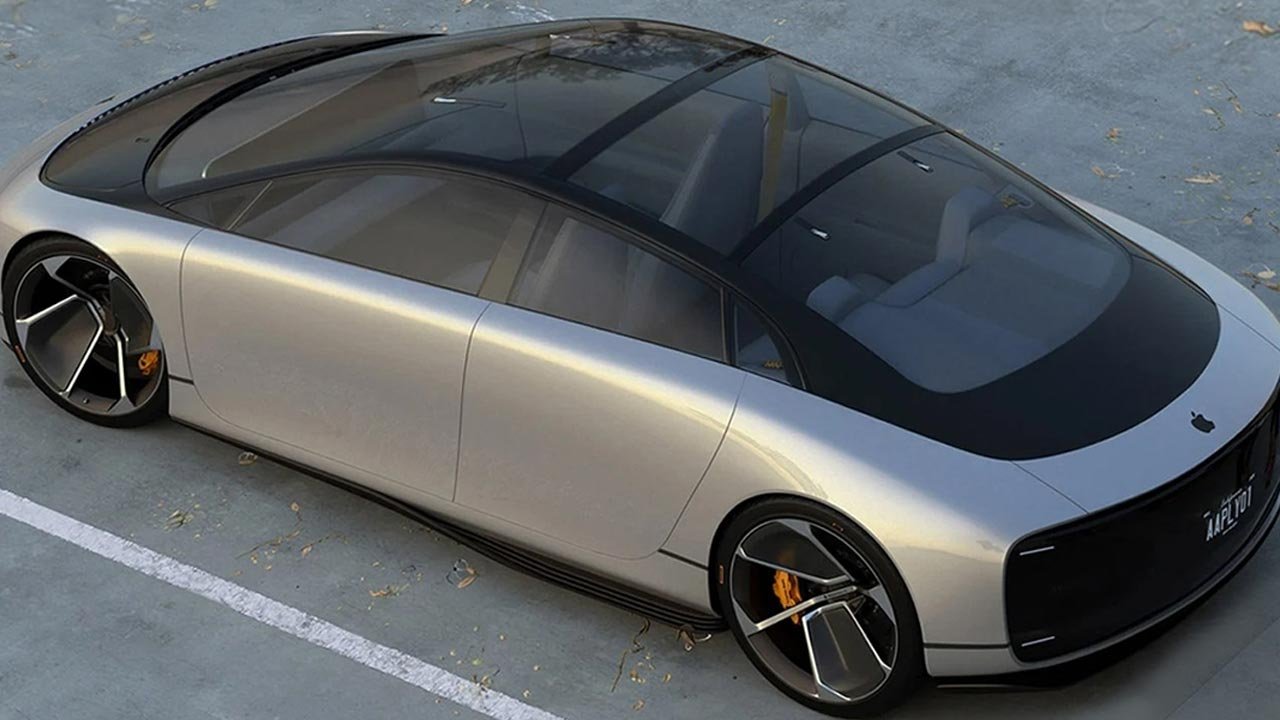
    For years, rumours have circulated that Apple is working on a self-driving electric car. The company’s troublesome “Project Titan” is described in-depth in a recent article, along with several intriguing facts about its design, such as the absence of a steering wheel.

    A comprehensive article about Apple’s multi-year effort to create a self-driving automobile was published by The Information.

    The majority of it records information that everyone following “Project Titan” already knows, however, the article also contains some fresh information about the car’s design and difficulties.

    Autonomous vehicles still need to be able to hand over control to people in order to be safe, and they have frequently done so in tests. The study lists numerous instances of this occurring with Titan.

    The most intriguing aspect is that Apple is attempting to obtain approval from the US National Highway Traffic Safety Administration so that it may release the car without a steering wheel or brake pedals, fully committing it to be a self-driving vehicle.

    Another unique element of the project is the seating arrangement concepts from Apple designers. The most recent design has four chairs that face inward, placing passengers face-to-face. Additionally, designers are considering allowing passengers to lie down and sleep.

    A level 5 Apple automobile has been in development for about ten years, but it won’t likely be released to the public for some time. Hyundai was a potential partner for Apple in the past, but discussions ceased in February of last year.

    Project manager Doug Field departed Apple in September of last year to work for Ford, which made the delays much worse.

  • LG Electronics is stepping into EV charging business

    LG Electronics is stepping into EV charging business

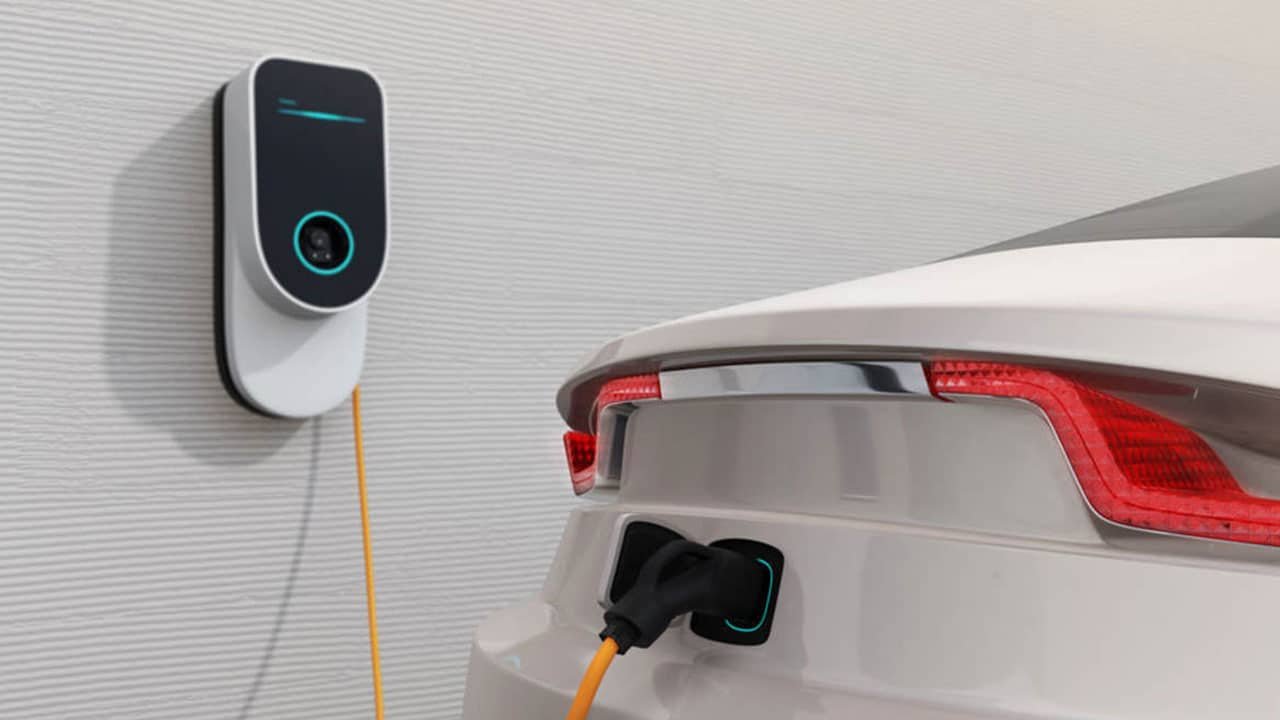
    As the worldwide competition to produce everything linked to EVs intensifies, LG Electronics has acquired AppleMango, a South Korean developer of electric car battery chargers.

    The acquisition, which was done in partnership with GS Energy, a producer of EV charging stations, and GS Neotek, a provider of IT services, will enable LG to take advantage of upcoming commercial prospects.

    According to Paik Ki-mun, senior vice president of LG Electronics, “the EV charging market is likely to increase significantly due to the surging demand for more environmentally friendly automobiles.”

    “We will provide specialised, integrated vehicle charging solutions for a variety of customers, boosting the competitiveness of our existing and assuring our preparation for future prospects,” the statement reads.

    In AppleMango, which will now be a subsidiary of LG Electronics, LG Electronics purchased a 60 per cent share, while GS Energy and GS Neotek acquired 34 and 6 per cent, respectively.

    The deal’s financial details were kept between the firms. The projected cost of the transaction is $7.8 million, according to rumours.

    In order to concentrate on its growing markets, such as electric cars, the internet of things (IoT), and B2B solutions, LG Electronics shut down its loss-making mobile business about a year ago.

    To make EV charging in South Korea a pleasant and simple experience for drivers, LG Electronics is prepared to take advantage of its experience in developing user-friendly interfaces.

    The company added that by entering the EV charging market, LG can increase the synergy between its work on EV batteries, energy storage systems, energy management solutions, and chargers.

    By the end of this year, the tech giant intends to establish an EV charger production line at LG Digital Park in South Korea with the goal of offering specialised EV charging options for private houses, retail establishments, lodging facilities, and public organisations.

    The acquired company brings to the acquisition a wide range of EV charging solution technologies, from slow chargers to rapid chargers for household and commercial use.

    LG did not specify whether it planned to continue selling AppleMango’s chargers.

  • Toyota Pakistan to launch first-ever locally assembled Hybrid crossover

    Toyota Pakistan to launch first-ever locally assembled Hybrid crossover

    Toyota Indus Motor Company (IMC), Pakistan’s most prominent automaker, is upgrading its manufacturing plant in preparation for the start of local production of hybrid electric vehicles (HEVs) by 2023.

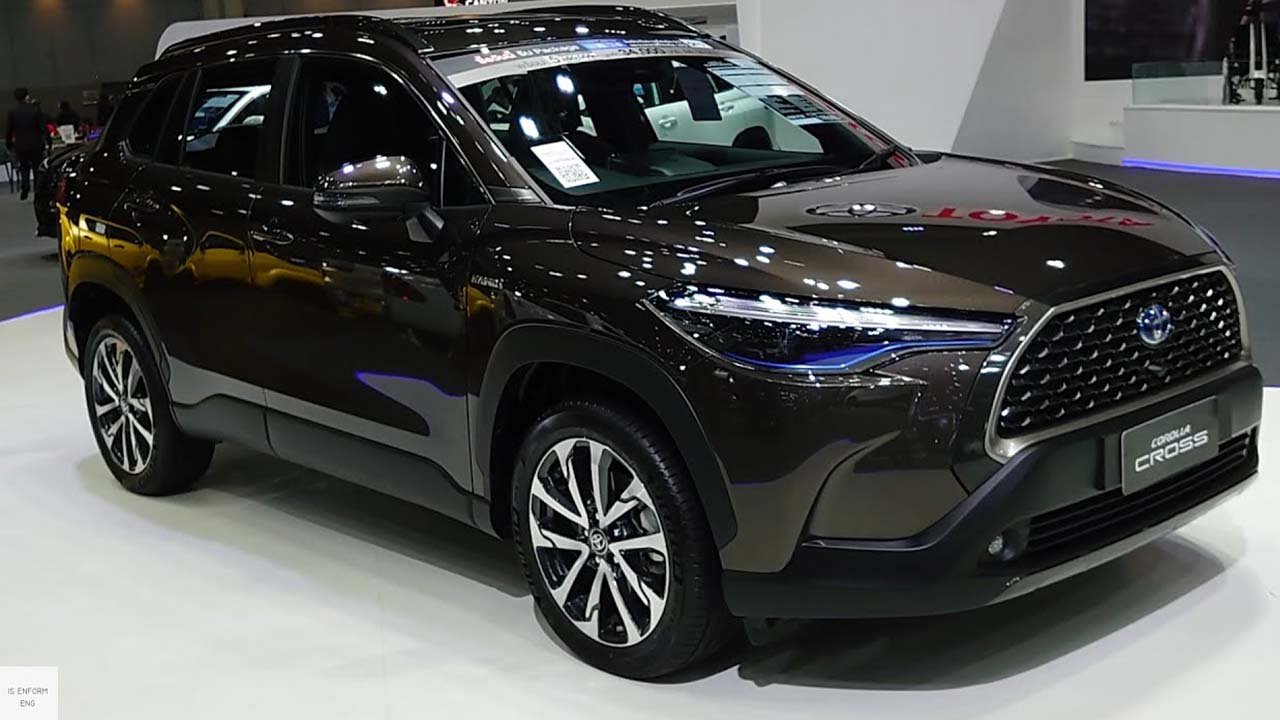
    Toyota IMC CEO Ali Asghar Jamali revealed that the locally assembled Toyota Corolla Cross will be available in 2023. It is worth noting that this crossover will be the first ever locally assembled Hybrid vehicle by the Japanese manufacturer in Pakistan.

    He stated that the company intends to launch its hybrid crossover SUV in the Rs5 to Rs7 million price range, which may not be possible given the country’s economic and overall situation. Experts predict that the Crossover will be priced between Rs9-10 million.

    Given the current economic situation and the government’s plan to raise car taxes, Toyota IMC will reveal its final price next year.

    Jamali also discussed the company’s plans for overall HEV localization. He stated that Toyota has already invested $100 million in Pakistan to produce HEVs and plans to introduce electric vehicles (EVs) in the future when the country is ready for this technology.

    Jamali emphasised that HEVs are a midterm solution before EVs because Pakistan lacks the infrastructure for the latter, and that converting all cars to HEVs could reduce Pakistan’s oil imports by up to 50%.

    As most of Pakistan’s electricity is produced using fossil fuels, EVs will increase local LNG, coal, and crude oil imports, while investment in improving distribution and creating a charging infrastructure will also be required, according to Jamali.

  • Here’s a look at the 2023 BMW 7 Series

    Here’s a look at the 2023 BMW 7 Series

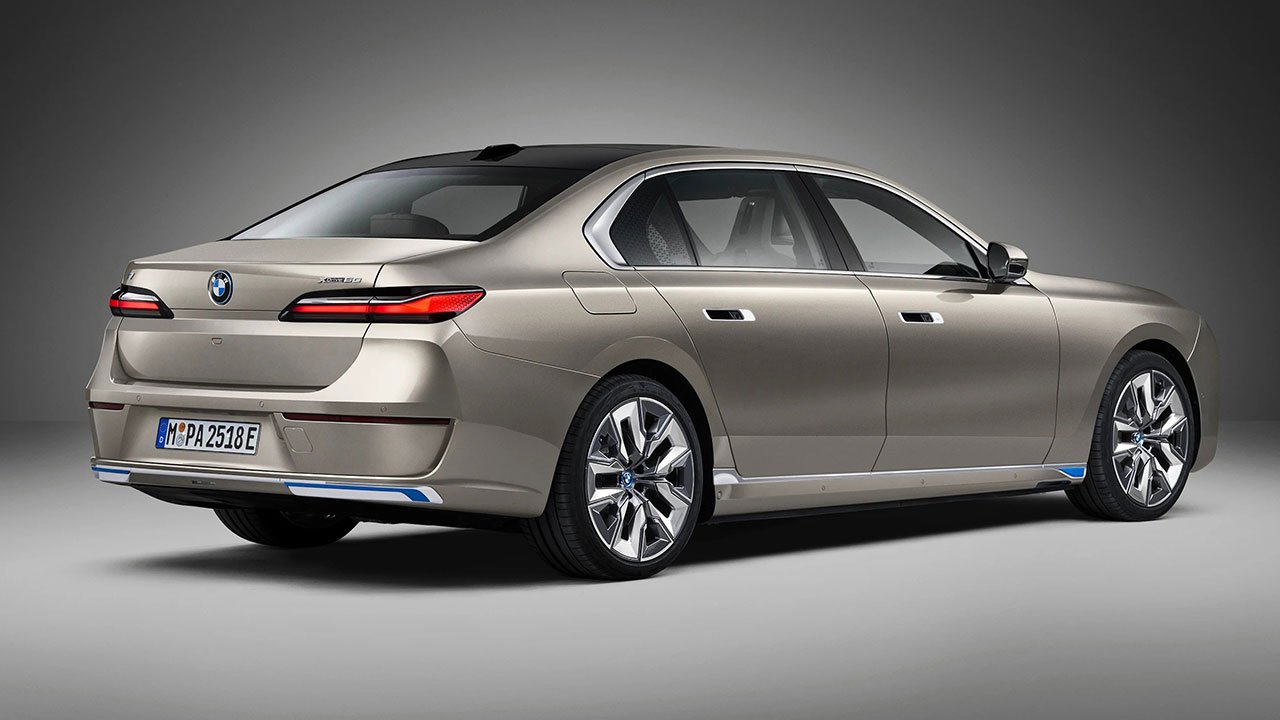
    The 2023 BMW 7-series debuts a new Rolls Royce-inspired design language for the company, along with a striking front end and a slew of new amenities such as a movie-theater-style screen and hands-free highway driver assistance.

     It’s also part of BMW’s growing electric model lineup, which currently includes the i7 EV, which shares the same body and interior as the gas-powered sedan but adds a big battery pack and electric motors.

    The German luxury automaker is reducing the sedan’s engine choices to make purchasing easier, but customers in the United States (US) will still have a variety of options. There are inline-six and V-8 gas engines, as well as the electric i7 (which is detailed separately) and the 750e plug-in hybrid.

    Powertrain and Variants

    BMW 740i is the ‘entry-level model’, with a 375-hp turbocharged 3.0-liter inline-six and rear-wheel drive, while the 760i is the V-8 7-series with only xDrive all-wheel drive.

    Its twin-turbocharged V-8 engine has the same 4.4-liter displacement as the previous 750i (model designation numbers haven’t signified anything genuine in a long time), but it has been upgraded to produce 536 horsepower, a 13-horsepower increase over the previous model.

    The hybrid systems on both gas engines are 48 volts. Apart from the fact that it would produce 483 horsepower, BMW has not revealed much about the 750e plug-in hybrid. The manufacturer has confirmed that the M-badged 7-series will be released later, though it will not be a full-fledged M7 with over 600 horsepower. The M760i’s twin-turbo V-12 engine is no longer available.

    Interior

    As expected, the interior aesthetic is a major upgrade, with a similar style to the iX electric SUV and plenty of premium elements like open-pore wood and cashmere. The 7-series’ cabin also features an incredible level of technology features for front- and rear-seat occupants through its multiple display panels and tablet control system. It’s also available with power-opening doors, giving it a Rolls-Royce degree of luxury.

    The optional BMW Theater Screen is a large 31.0-inch screen that extends down from the roof to provide a more realistic viewing experience for back passengers. This is the same screen showcased by the company at the ‘CES 2022’ event.

    Amenities and Riding Comfort

    Although BMW is touting the 7-series’ driving qualities and spotlighting chassis innovations such as air springs and rear-wheel steering, the earlier prototype drive revealed it to be no more athletic than its comfortable predecessor. Of course, in the top luxury sedan market, this isn’t a flaw, as consumers are likely to value plush ride quality and quietness above all else, and would look elsewhere if they wanted more of a corner carver.

    Interestingly, the Driving Assistance Professional package includes a hands-free feature that now works at up to 130 km/h (80 mph) if you’re on the highway and keep your eyes on the road, you won’t have to steer the 7-series at all.

    Pricing

    In November, the 7-series will be available in the international market with prices starting from Rs17,609,902 ($94,295) for the 740i and Rs21,400,994 ($114,595) for the 760i xDrive.

    The i7 starts at Rs22,465,488 ($120,295) and goes up from there. However, it’s worth mentioning that BMW’s pricing is substantially lower than Mercedes’, with the six-cylinder S-class starting at Rs20,944,382 ($112,150) and the V-8 at Rs22,176,954 ($118,750).

    Note: The PKR pricing is only a conversion of the factory price and does not include any taxes or charges levied after the product is imported to Pakistan.
  • Hyundai’s electric vehicle wins ‘World Car of the Year’ award

    Hyundai’s electric vehicle wins ‘World Car of the Year’ award

    The winners of the World Car Awards for 2022 were recently announced at an event held during this year’s auto show.

    Pure-electric vehicles won the majority of the coveted prizes, indicating how the world’s automotive marketplace is changing from combustion to electrification and demonstrating how emission-free autos are equal to or better than their gasoline or diesel equivalents.

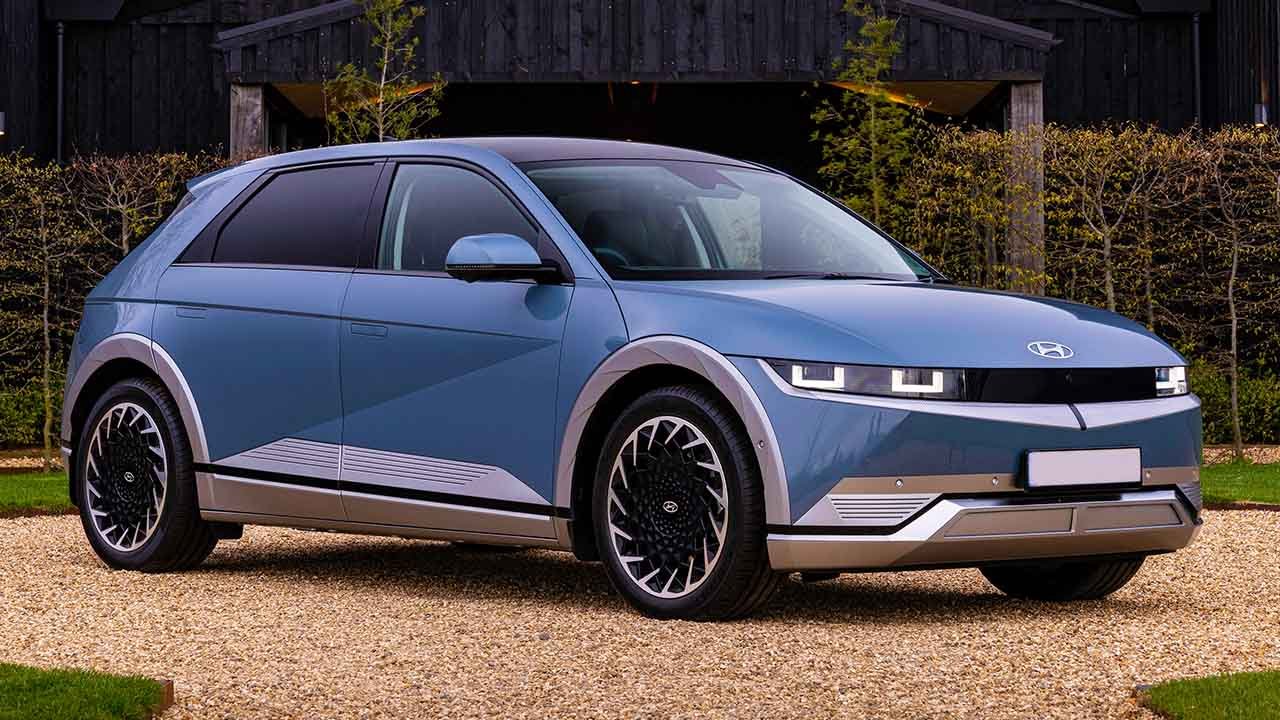
    The Hyundai Ioniq 5, an all-electric SUV from the Korean automaker, won the top accolade, ‘World Car of the Year’. The futuristic Ioniq 5 received two more honours, including World Electric Vehicle of the Year and World Car Design of the Year.

    Launched in 2004, the annual ‘World Car Awards’, is now in its 18th year. As per Cision Insights’ 2021, it is the world’s number one award event in terms of media reach and analysis of twenty-five main worldwide markets for the ninth year in a row.

    The jury for this year’s awards comprises 103 expert automotive journalists from across the world who are tasked with evaluating, comparing, and selecting the finest car in each class.

    iF Design Award 2022

    Hyundai’s designs also won nine awards at the prestigious International Forum (iF) Design Award 2022.

    Since 1954, the iF Design Award has recognised outstanding designs of the year. Along with the ‘Red Dot Award’ from Germany and the Worldwide Design Excellence Award (IDEA) from the United States, it is one of three international design honours.

    Hyundai Motor has won the iF Design Award for the eighth year in a row, honouring the automaker in a variety of categories, including Product, Professional Concept, Interior Architecture, and Communication.

    Read more: Honda to discontinue Insight next year, confirms production of Civic and CR-V hybrid

    The multi-purpose vehicle (MPV) from Hyundai Motor, STORIA, which was recently launched in Pakistan, underlines Hyundai’s global product design prowess. It has the outside of a futuristic spacecraft and the cabin of a roomy and pleasant vehicle for the driver and occupants. Lesser beltlines and panoramic side windows are influenced by traditional Korean ‘Hanok’ architecture.

  • Hyundai Pakistan launches another variant of obsolete Elantra

    Hyundai Pakistan launches another variant of obsolete Elantra

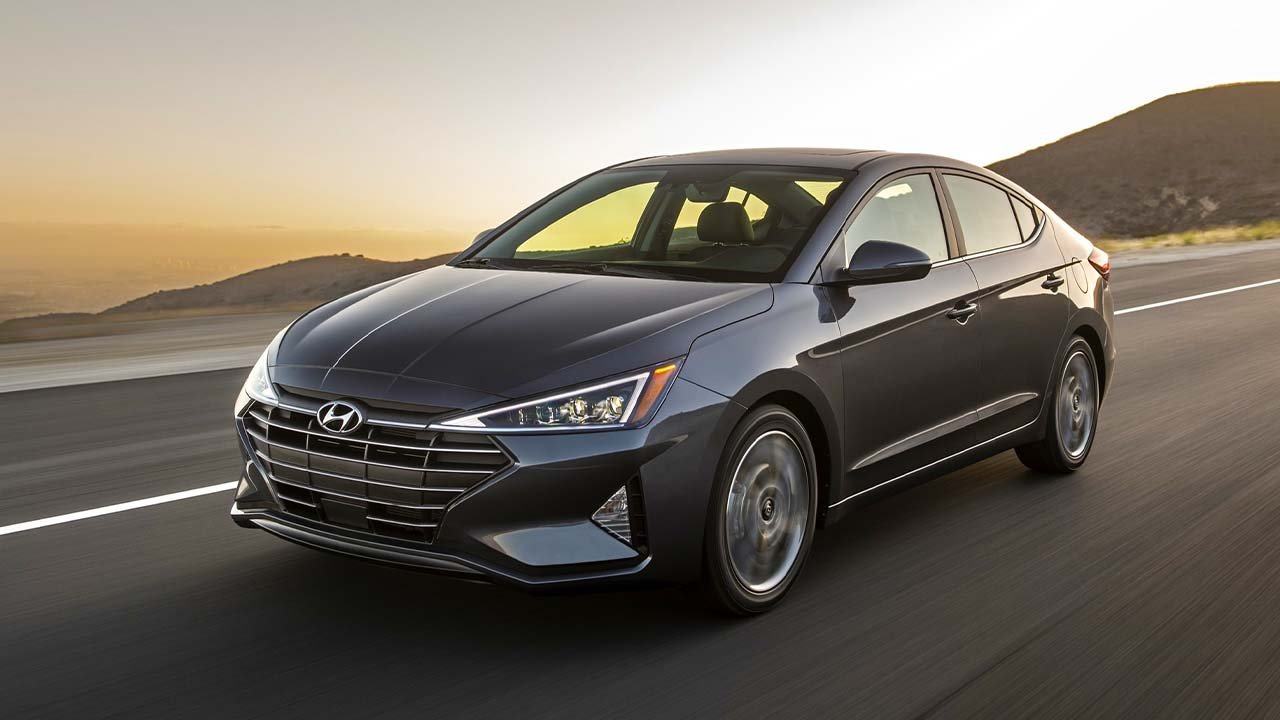
    Hyundai-Nishat has introduced the long-awaited Elantra GL 1.6, with a hefty price tag of Rs4.3 million for the ‘base trim’.

    This model was predicted to compete with the Altis X 1.6, but Rs4.3 million for a base model does not seem to attract much for a car that already existed.

    The ‘latest sedan’ is now available for bookings at Hyundai dealerships for Rs1.2 million. In terms of appearance, the new Elantra GL is identical to the GLS model. The majority of the changes have occurred on the inside.

    GL’s naturally aspirated 1.6-liter 4-cylinder petrol engine produces 127 horsepower (hp) and 155 Newton-meters (Nm) of torque in the new model. It has a 6-speed automatic transmission that drives the front wheels.

    The Toyota Corolla Altis 1.6L, which is priced between Rs3.92 million and Rs4.3 million, will be the Hyundai Elantra GL’s main rival which comes with a 4-year or 100,00 km warranty. Hyundai, as a newcomer to Pakistan’s automarket, appears to be up against a formidable opponent: Toyota Indus, which has been selling automobiles for decades and is known for its sturdiness.

    Read more: Toyota to launch its first electric car with 559 km range next month

    It is too early to comment on its performance at the moment, as its fate will be revealed in the near future when Pakistan Automotive Manufacturer’s Association releases the monthly sales data.

  • Toyota to launch its first electric car with 559 km range next month

    Toyota to launch its first electric car with 559 km range next month

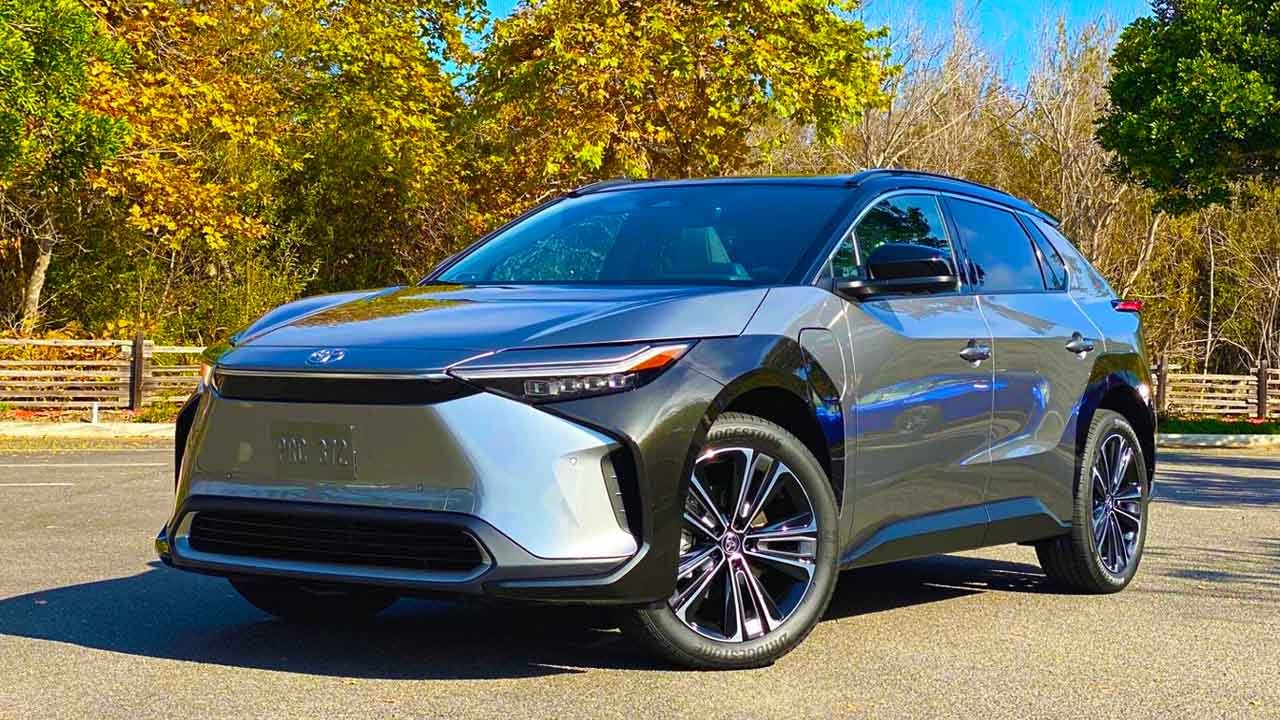
    Toyota announced that it will introduce its revolutionary bZ4X battery-powered SUV in its home market on May 12, as part of a larger push to minimise its carbon footprint.

    The bZ4X is Toyota’s first vehicle built on a specific electric vehicle (EV) platform created in collaboration with Subaru. It’s made at the Motomachi factory, which now employs CO2-free utility power sourced from renewable sources.

    It was also disclosed that the Japanese dealerships would start taking orders for the first batch of 3,000 vehicles in May 2022, with the second batch of about 2,000 vehicles anticipated early in the autumn. This year, the manufacturer plans to create and sell 5,000 units.

    The Japanese manufacturer claims that its new battery electric vehicle (BEV) SUV has a power-efficiency rating of 128Wh/km and a touring range of 559 kilometers (347 miles). It is compatible with rapid DC chargers available all around the world, while its battery can be topped to 80 per cent in just 40 minutes.

    All bZ4X models delivered in Japan will be leased, as per the manufacturer, to alleviate customer concerns about electric cars and allow it to apply its 3Rs (Rebuild, Reuse, Recycle) battery management system. The batteries incorporated in the SUVs will be guaranteed for ten years and 200,000 kilometers (120,000 miles) at 70 per cent capacity retention.

    Read more: Here’s a look at the new Honda Vezel 2023

    The Kinto service will be able to lease the bZ4X models to private clients, while the Rent-a-Lease and Toyota Mobility Services networks will be able to lease the EV to corporate customers.