Tag: electric vehicles

  • BYD says half of total vehicles sold in Pakistan will be electric by 2030

    BYD says half of total vehicles sold in Pakistan will be electric by 2030

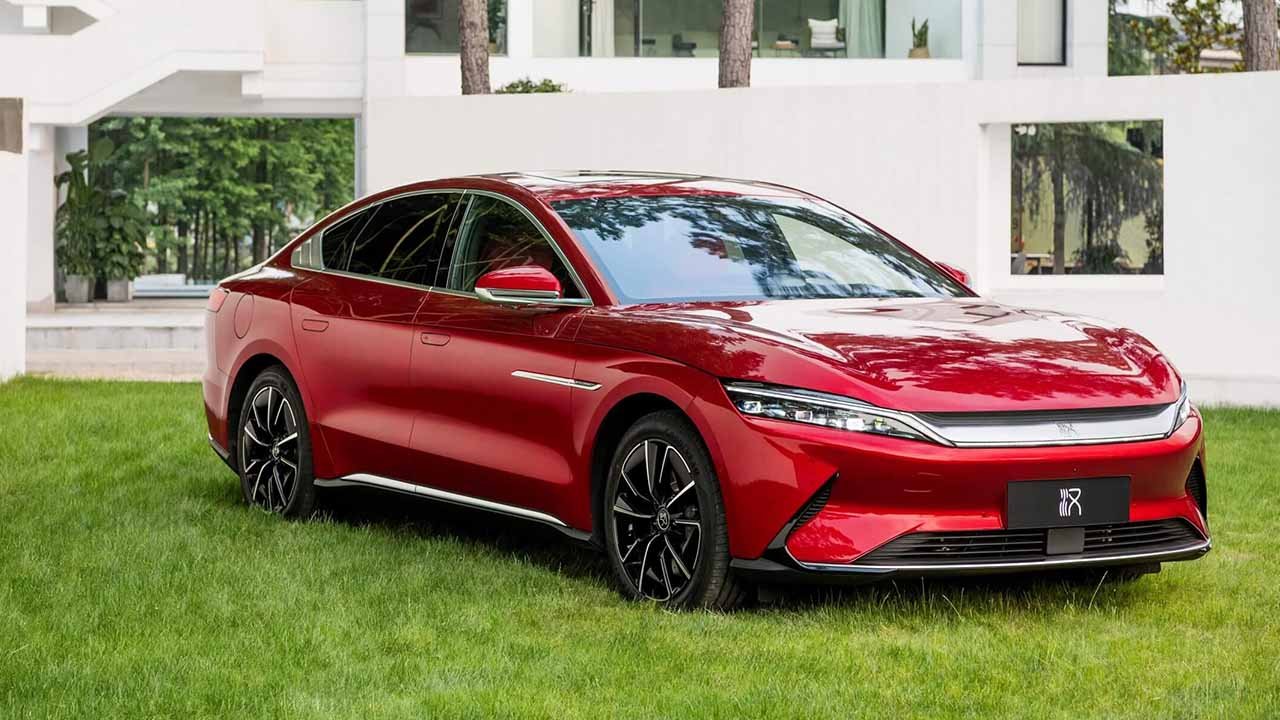
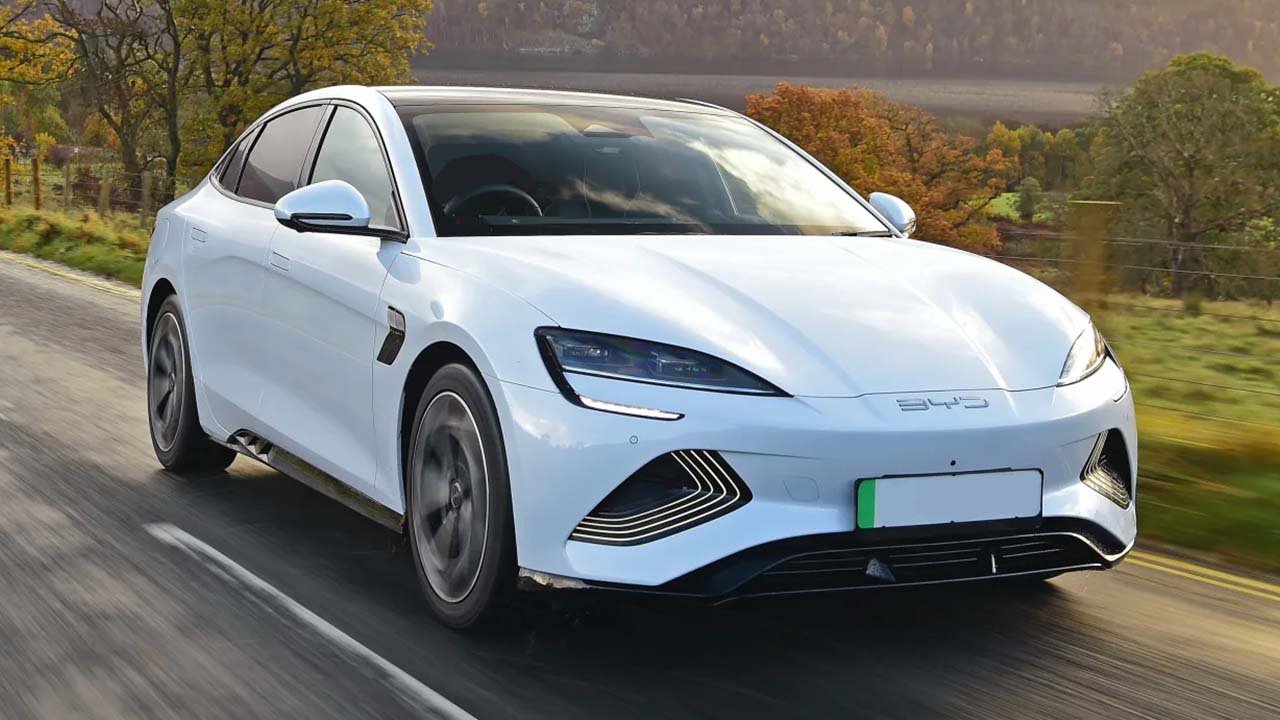
    Up to half of all vehicles sold in Pakistan by 2030 could be electric, according to BYD Pakistan, a joint venture between China’s BYD and Pakistan’s Mega Motors. This target aligns with global goals for reducing emissions.

    BYD, a Chinese electric vehicle (EV) giant backed by Warren Buffett, recently announced its entry into Pakistan, which has a population of around 250 million.

    In a partnership with Mega Motors, the company plans to build an assembly plant by early 2026. However, they will begin selling cars later this year, following the launch of three models in August.

    According to Reuters, Kamran Kamal, BYD Pakistan’s spokesperson, mentioned in an interview that the company expects up to 50 per cent of all vehicles in the country to be powered by new energy sources, such as electric or hybrid technology, by 2030.

    Kamal, who also leads Hub Power, the parent company of Mega Motors, acknowledged this is a bold target given Pakistan’s auto market, which has traditionally been dominated by Japanese brands like Toyota, Honda, and Suzuki. In fact, vehicle sales recently hit a multi-year low as of June 2024.

    While some new players, such as South Korea’s KIA and China’s Changan and MG, have entered the market offering hybrid vehicles, BYD is the first major company focused entirely on new energy vehicles in Pakistan. Hybrid vehicle sales in the country have already doubled in the past year.

    However, experts like Muhammad Abrar Polani, an auto analyst at Arif Habib Limited, believe that while a 30 per cent adoption rate for electric vehicles is achievable by 2030, reaching 50 per cent may be more difficult due to challenges with charging infrastructure.

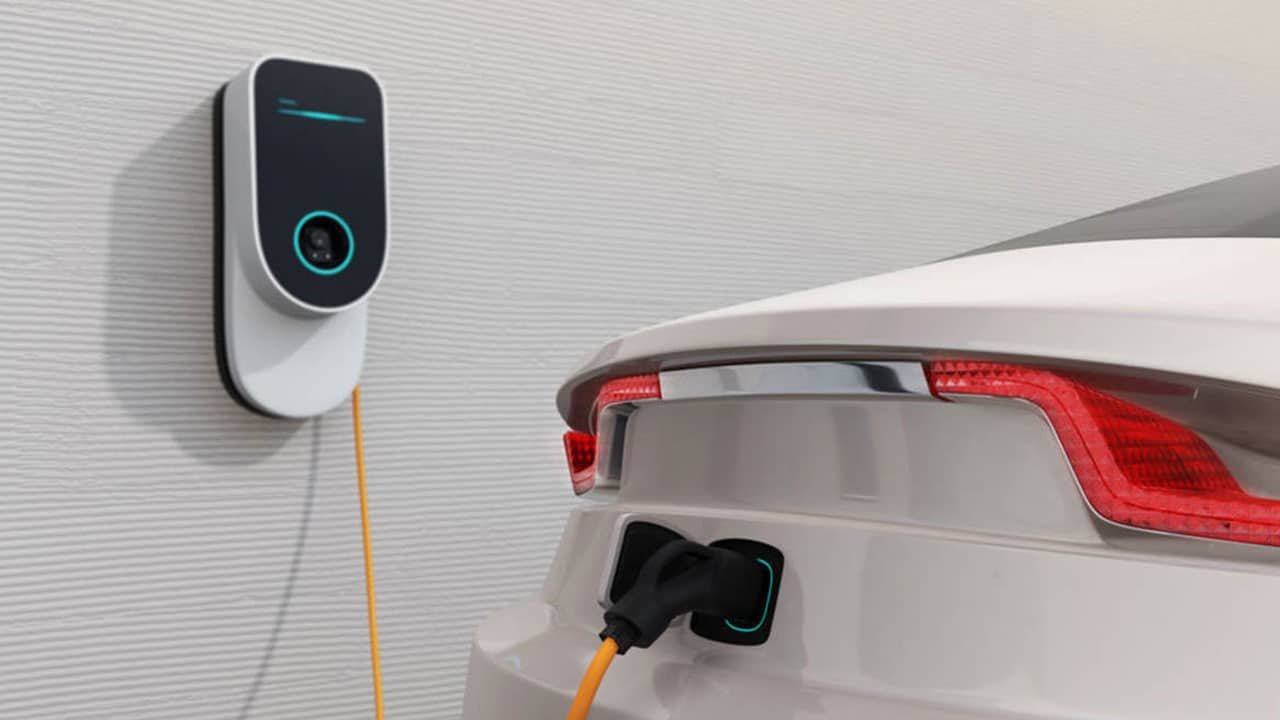
    Kamal confirmed that the Pakistani government plans to support the development of this infrastructure by offering incentives, and standards for EV charging stations have already been drafted. The government is also considering providing these stations with cheaper electricity.

    BYD Pakistan is working with two oil marketing companies to build a network of charging stations, aiming to set up 20 to 30 stations during the initial rollout of its vehicles. Initially, the company will sell fully assembled cars, which are subject to high import taxes, but Kamal stressed that their primary goal is to start assembling vehicles locally as soon as possible.

    The size of the new assembly plant is still being decided, with more details about the investment and collaboration with power company HUBCO expected later.
  • BYD enters partnership to launch electric vehicles in Pakistan

    BYD enters partnership to launch electric vehicles in Pakistan

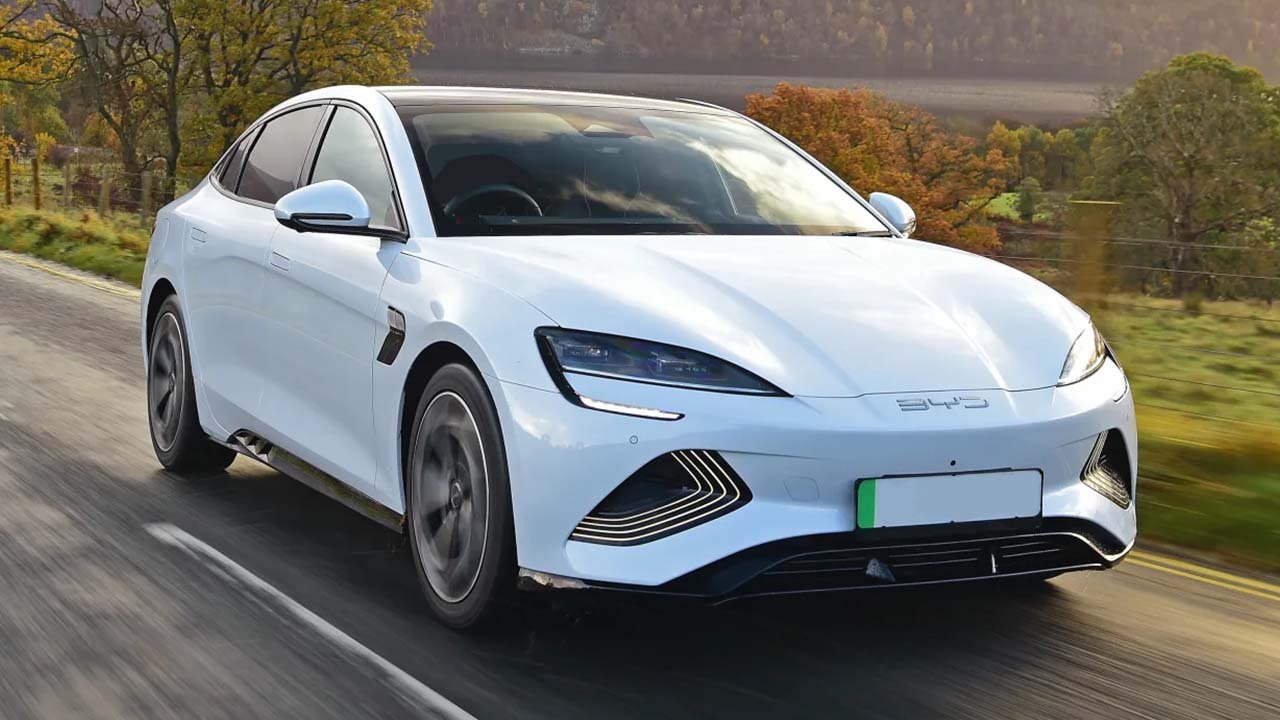
    The Hub Power Company Limited (HUBCO) announced on Friday that its wholly-owned subsidiary, Hub Power Holdings, through its associated company Mega Motor Company (Private) Limited, is set to venture into the electric vehicle (EV) market in collaboration with BYD Auto Industry Company Limited.

    BYD is globally recognised as a leading manufacturer of new energy vehicles.

    The announcement was made in a notice to the Pakistan Stock Exchange (PSX), where HUBCO detailed the new strategic initiative. “We hereby convey the following information: Hub Power Holdings Limited, a wholly owned subsidiary of The Hub Power Company Limited, through its associated company, Mega Motor Company (Private) Limited, is entering into a new line of business in electric vehicles, with BYD Auto Industry Company Limited, in Pakistan,” the notice stated.

    This partnership is a significant step as Pakistan aims to transition towards more sustainable and energy-efficient transportation solutions.

    According to Business Recorder, in April, BYD had already signalled its intentions to collaborate with local partner Mega Conglomerate (Private) Limited to bring innovative New Energy Vehicle (NEV) solutions to the Pakistani market.

    BYD, which surpassed Tesla in 2023 to become the largest producer of electric vehicles worldwide, is poised to leverage its expertise to drive this new venture.

    This collaboration comes at a critical juncture as Pakistan grapples with environmental challenges, including air pollution and greenhouse gas emissions.

    The introduction of BYD’s EVs is expected to provide a cleaner alternative to traditional gasoline and diesel vehicles.

    The notice from HUBCO also mentioned that the finalisation of this venture will involve the execution of definitive agreements and the purchase of necessary assets, pending corporate and regulatory approvals.

  • AirCar technology purchased by Chinese company for exclusive use

    AirCar technology purchased by Chinese company for exclusive use

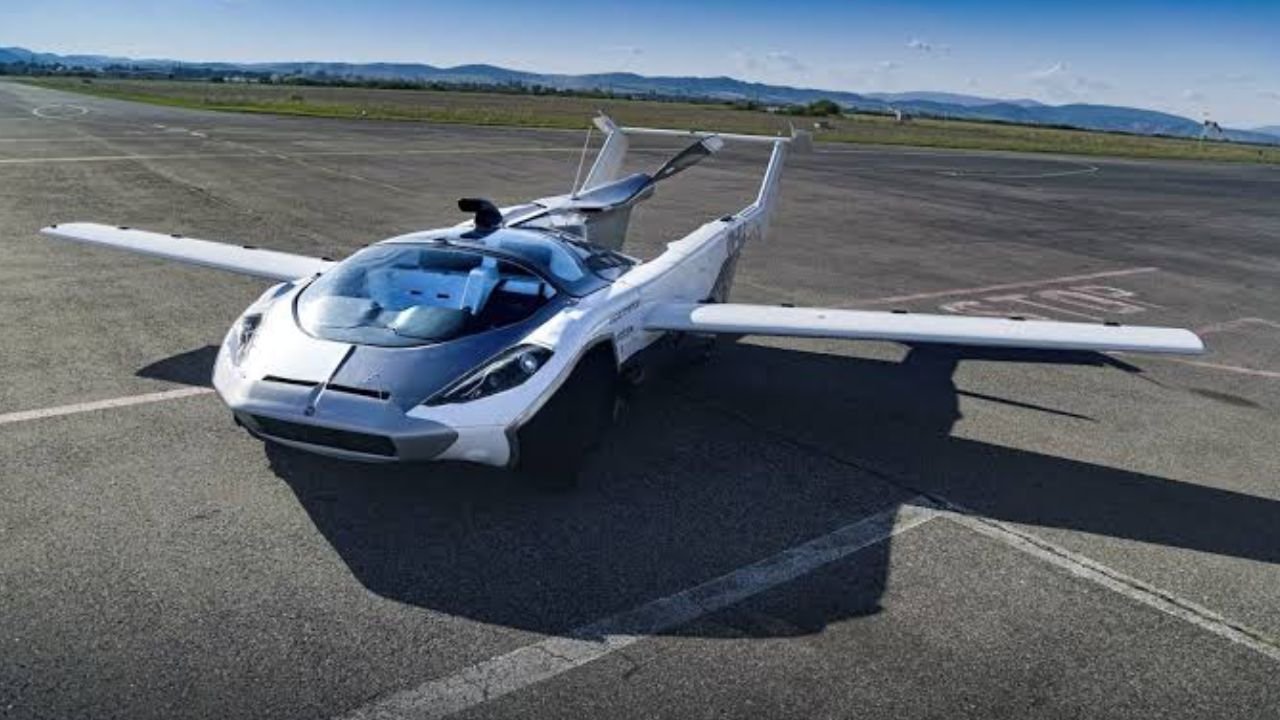
    A Chinese firm has acquired the technology behind a flying car, originally developed and tested in Europe. This AirCar, powered by a BMW engine and conventional fuel, completed a 35-minute flight between two Slovakian airports in 2021, utilising standard runways for take-off and landing. Its transformation from car to aircraft took just over two minutes.

    The Hebei Jianxin Flying Car Technology Company, based in Cangzhou, has obtained exclusive rights to manufacture and operate AirCar aircraft within a designated region in China. The company, after acquiring technology from a Slovak aircraft manufacturer, has established its own airport and flight school.

    China, known for spearheading the electric vehicle revolution, is now actively pursuing aerial transport solutions. Recently, Autoflight conducted a successful test flight of a passenger-carrying drone, drastically reducing travel time between Shenzhen and Zhuhai. Meanwhile, eHang, another Chinese firm, received safety certification for its electric flying taxi in 2023, with the UK government anticipating regular flying taxi operations by 2028.

    Unlike vertical take-off and landing drones, AirCar operates on traditional runways, presenting challenges in infrastructure, regulation, and public acceptance. While the sale details remain undisclosed, AirCar received airworthiness certification in 2022 and gained attention through a video by YouTuber Mr. Beast.

    Despite the excitement surrounding prototypes like AirCar, practical implementation may involve mundane aspects such as queues and security checks, according to experts. However, similar concerns once surrounded electric cars, which China has since dominated in the global market. The sale of AirCar raises speculation about China’s potential influence in the flying car industry.

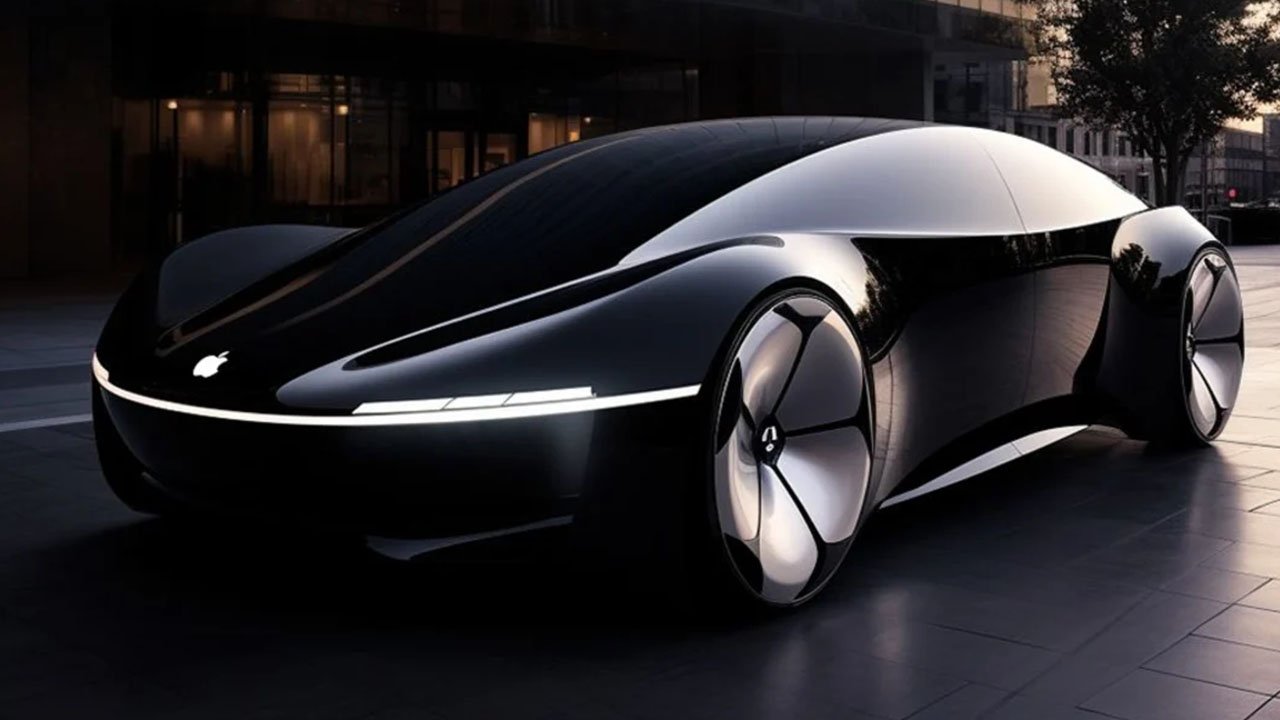
  • Apple abandons electric car project, shifts focus to AI

    Apple abandons electric car project, shifts focus to AI

    In a surprising turn of events, Apple has officially terminated its ambitious electric car project, according to a reliable source informed about the matter.

    The decision, revealed on Tuesday, marks the end of a decade-long effort initiated by the tech giant to venture into the electric vehicle industry.

    The abandoned project aimed to propel Apple into a new sector, potentially mirroring the triumphs of its iconic iPhone.

    However, the venture faced challenges and inconsistent progress throughout its existence.

    The cancellation aligns with a broader trend in the automotive industry, where global players are scaling back investments in electric vehicles amid a substantial drop in demand.

    Reportedly, several team members previously engaged in the electric car project will be reassigned to Apple’s artificial intelligence (AI) division.

    This strategic move aligns with Apple’s commitment to bolstering its presence in AI, a domain where it has been comparatively reserved.

    Apple has refrained from significant AI initiatives, contrasting sharply with industry giants like Alphabet and Microsoft, which seized an early advantage in integrating this transformative technology.

    Concerns have arisen that Apple’s cautious approach may leave it lagging behind in infusing AI into its product lineup.

    Ben Bajarin, CEO of Creative Strategies, commented, “If it is true, Apple will put more focus on GenAI, and that should give investors more optimism about the company’s efforts and ability to compete at a platform level on AI.”

    Last year, Apple experienced the smallest share gain among the so-called Magnificent Seven stocks, reflecting apprehensions about its stance on AI.

    Microsoft recently surpassed Apple as the world’s most valuable company, underscoring Apple’s struggle with weakening demand for its key products, particularly in significant markets like China.

    Simultaneously, the electric vehicle industry faces a slowdown in demand due to elevated interest rates, leading to job cuts and reduced production.

    Apple’s shift in focus to AI reflects a strategic pivot in response to market dynamics and underscores the company’s commitment to staying at the forefront of technological innovation.

    Apple has chosen to adapt its trajectory in a rapidly evolving landscape, signalling a nuanced strategy that aligns with emerging industry trends.

  • BYD, global electric vehicle leader, explores investment in Pakistan’s EV sector

    BYD, global electric vehicle leader, explores investment in Pakistan’s EV sector

    BYD, the prominent Chinese automotive conglomerate renowned as the world’s foremost electric vehicle (EV) manufacturer, engaged in discussions regarding the potential of Pakistan’s EV sector.

    This revelation surfaced through a modified series of posts released by the Board of Investment (BoI) on Thursday. Initial posts hinted at BYD’s enthusiastic interest in investing in Pakistan’s EV sector, but these posts have since been removed.

    The development follows a meeting between a delegation from BYD Company China, featuring Cai Xiao Xu, Head of the Dealer Division (South Asia), Lei Jian, Country Head (Pakistan), and Sohail Rajput, Secretary at BoI.

    In a statement shared on X, formerly Twitter, the Fortune 500 company and global EV manufacturing leader BYD Company highlighted its substantial presence in key industries, including automobiles, rail transit, new energy, and electronics.

    The ongoing exploratory visit to Pakistan by the BYD delegation, facilitated by BoI, includes pivotal discussions with potential local partners.

    Secretary BOI, during the meeting, warmly welcomed the company’s interest, underscoring the significance of EVs in Pakistan.

    He reassured the BYD delegation of the Government of Pakistan’s steadfast commitment to facilitating foreign investors.

    BYD, recognised as the world’s largest EV manufacturer, produces a diverse range of vehicles, including battery-electric and hybrid cars, buses, and trucks, as well as battery-powered bicycles, forklifts, solar panels, and rechargeable batteries.

    In the previous month, Dr Gohar Ejaz, the Caretaker Minister for Commerce and Industries, disclosed that BYD is actively considering investment opportunities in Pakistan.

    During this period, the caretaker minister briefed the BYD delegation on government policies and the Special Investment Facilitation Council (SIFC), offering unequivocal support for their new ventures.

    This move aligns with Pakistan’s strategic goal to expand its presence in the renewable energy sector, curtail its energy import expenditure, and fulfil climate change objectives.

    Caretaker Prime Minister Anwaar-ul-Haq Kakar has separately extended an invitation to Chinese businesses to invest in Pakistan’s solar parks.

  • Saudi Arabia enters talks with Tesla for potential manufacturing facility in kingdom

    Saudi Arabia enters talks with Tesla for potential manufacturing facility in kingdom

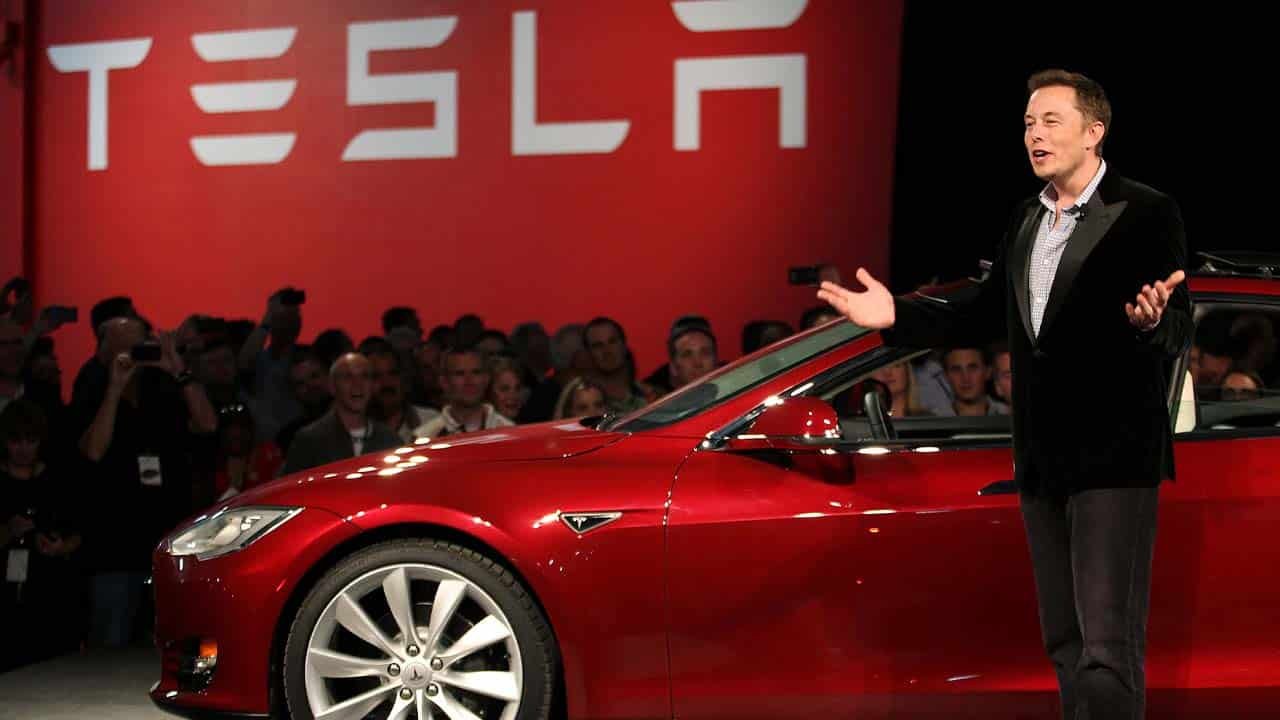
    Saudi Arabia is engaged in preliminary discussions with the American electric vehicle manufacturer, Tesla, regarding the establishment of a manufacturing facility within the kingdom, as reported by The Wall Street Journal

    This development coincides with Turkish President Recep Tayyip Erdogan’s request to Tesla CEO Elon Musk to consider the construction of a vehicle production plant in Turkey. Furthermore, Elon Musk is scheduled to meet with Israeli Prime Minister Benjamin Netanyahu in California today.

    To incentivize Tesla, Saudi Arabia has been offering the company access to essential metals and minerals required for electric vehicle production, procured from various nations, including the Democratic Republic of the Congo. 

    This effort aligns with Saudi Arabia’s broader strategy to diversify its economy away from its dependence on oil. Notably, the kingdom’s sovereign wealth fund holds a majority stake in Lucid Group, an electric vehicle startup aiming to challenge Tesla’s market dominance.

    One proposal being explored by Saudi Arabia involves extending financial support to Trafigura, a prominent commodities trading company, for a struggling cobalt and copper project in the Congo. 

    This project could potentially serve as a source of crucial supplies for a prospective Tesla factory. Both Tesla and Trafigura have not yet provided responses to Reuters’ inquiries, while Saudi Arabia’s sovereign fund, the Public Investment Fund, has declined to comment.

    Elon Musk previously mentioned in May that Tesla was likely to select a location for a new factory by the end of the year. Presently, Tesla operates six factories worldwide and is in the process of constructing a seventh in Mexico as part of its ambitious global expansion strategy. 

    The company’s goal is to achieve annual vehicle sales of 20 million units by 2030, a significant increase from the approximately 1.3 million vehicles sold in 2022.

  • Tesla introduces cheaper Model S, Model X variants with reduced ranges

    Tesla has unveiled more affordable versions of its Model S sedan and Model X SUV in the United States. These new “standard range” models are priced at $78,490 (PKR 22.4 million) and $88,490 (PKR 25.3 million), respectively, marking a roughly 10 per cent reduction from the previous lowest-priced options. The company aims to boost sales by focusing on cost reduction.

    The new models will be available for delivery between September and October 2023. They come with a standard “pearly white” exterior and an all-black interior, while other colour choices will come at an additional cost.

    The updated Model S offers a driving range of up to 320 miles (515 km), which is lower than the existing basic and performance versions, which provide up to 405 miles and 396 miles of range, respectively. Similarly, the new Model X SUV boasts a range of up to 269 miles, falling short of the basic and performance versions that offer up to 348 miles and 333 miles of range, respectively.

    Tesla’s focus on price cuts and cost efficiency is evident in its consistent efforts to reduce prices in various markets. By doing so, the company aims to remain competitive and navigate economic uncertainties. In China, the company has recently lowered prices for its Model Y long-range and performance variants.

    This strategic move coincides with Tesla’s upcoming releases, including the long-anticipated Cybertruck and the completion of a manufacturing plant in Mexico. The latter is dedicated to producing a mass-market electric vehicle, which will serve as the foundation for a robotaxi.

    Although the Model S and Model X are some of Tesla’s earliest offerings, introduced in 2012, they have maintained premium pricing compared to the more budget-friendly Model 3 sedan and Model Y crossover. In the second quarter of this year, Tesla delivered 19,225 Model X and S vehicles, an increase from 16,162 vehicles delivered during the same period last year.

  • Tesla overcomes setbacks, produces first Cybertruck after two years

    Tesla overcomes setbacks, produces first Cybertruck after two years

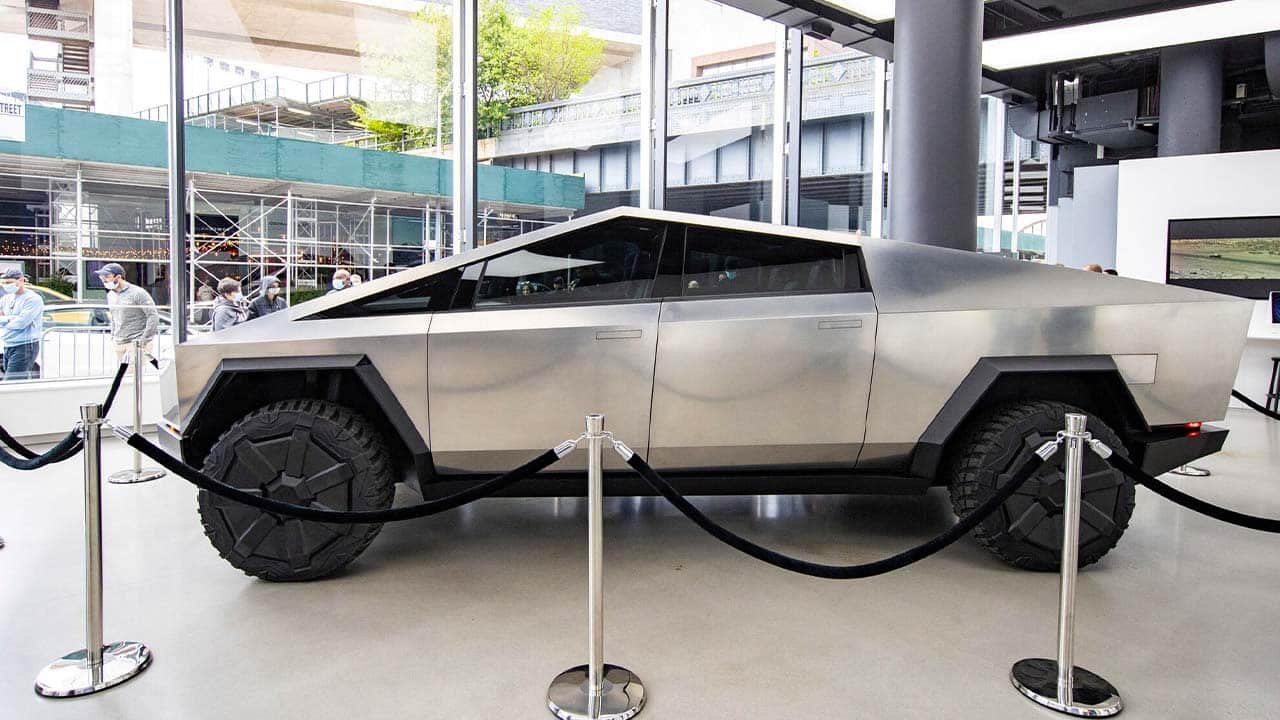
    Tesla announced via a tweet that its inaugural Cybertruck has been successfully manufactured at the company’s Austin, Texas plant, marking the end of a two-year delay.

    Back in 2019, Tesla founder Elon Musk introduced the pickup truck during a revealing event where the vehicle’s designer unintentionally demonstrated a flaw in the supposedly indestructible “armour glass” windows.

    Since then, the production timeline has faced multiple setbacks, with Musk attributing the delays to component sourcing shortages, leading to a rescheduled Cybertruck launch in 2023.

    During a shareholder meeting in May, Musk expressed Tesla’s ambition to produce up to 250,000 Cybertrucks annually, depending on market demand.

    With the introduction of the Cybertruck, Tesla is poised to enter one of the most lucrative sectors of the U.S. market, directly competing against electric pickups from industry giants such as Ford Motor and Rivian Automotive.

    Although these competitors have already released limited numbers of their own electric truck models, Tesla’s entry into the market is highly anticipated. According to a Reuters report from last year, Tesla aims to initiate mass production of the Cybertruck by the end of 2023.

  • Chinese company ‘China Power’ plans to set up electric vehicle manufacturing plant in Sindh

    Chinese company ‘China Power’ plans to set up electric vehicle manufacturing plant in Sindh

    A delegation from the Chinese firm ‘China Power’ expressed keen interest in setting up an industrial plant in Sindh for the production of electric vehicles. The meeting between the company representatives and Sindh Minister for Information and Transport, Sharjeel Memon, took place in Karachi on Wednesday.

    Minister Memon warmly welcomed the company’s interest and assured them of the provincial government’s full support in facilitating investors and industrialists in the region. This move highlights the government’s commitment to promoting investment and boosting the manufacturing sector in Sindh.

    This is not the first time a Chinese company has shown interest in establishing a manufacturing plant in Karachi. Last year, another Chinese company agreed to establish Pakistan’s first intra-city bus manufacturing company in the city. This initiative aimed to make buses more affordable and accessible to the public.

    The announcement was made by Minister Memon following his meeting with the country manager of the bus company. The manufacturing plant, to be established on an 18-acre land, is expected to be operational within the next 20 months, with an annual production capacity of 500 buses.

    Minister Memon emphasised that the establishment of a public transport manufacturing plant remains a top priority for the provincial government, and efforts are being made to expedite the project. He further mentioned via his Twitter account that he had a detailed meeting with a leading Chinese bus manufacturing company, and they have agreed to initiate Pakistan’s first intra-city bus manufacturing plant in Karachi.

    The interest shown by ‘China Power’ and the previous commitment from the Chinese bus manufacturing company indicate growing confidence in the investment potential and business environment of Sindh. These ventures can not only enhance the local manufacturing sector but also contribute to the development of sustainable transportation options in Pakistan.

    Overall, the collaboration between Chinese companies and the provincial government of Sindh demonstrates a significant step towards fostering industrial growth and expanding the electric vehicle and public transportation sectors in the region.

  • Samsung Galaxy S23 to launch with high capacity battery, inspired by electric vehicles

    Samsung Galaxy S23 to launch with high capacity battery, inspired by electric vehicles

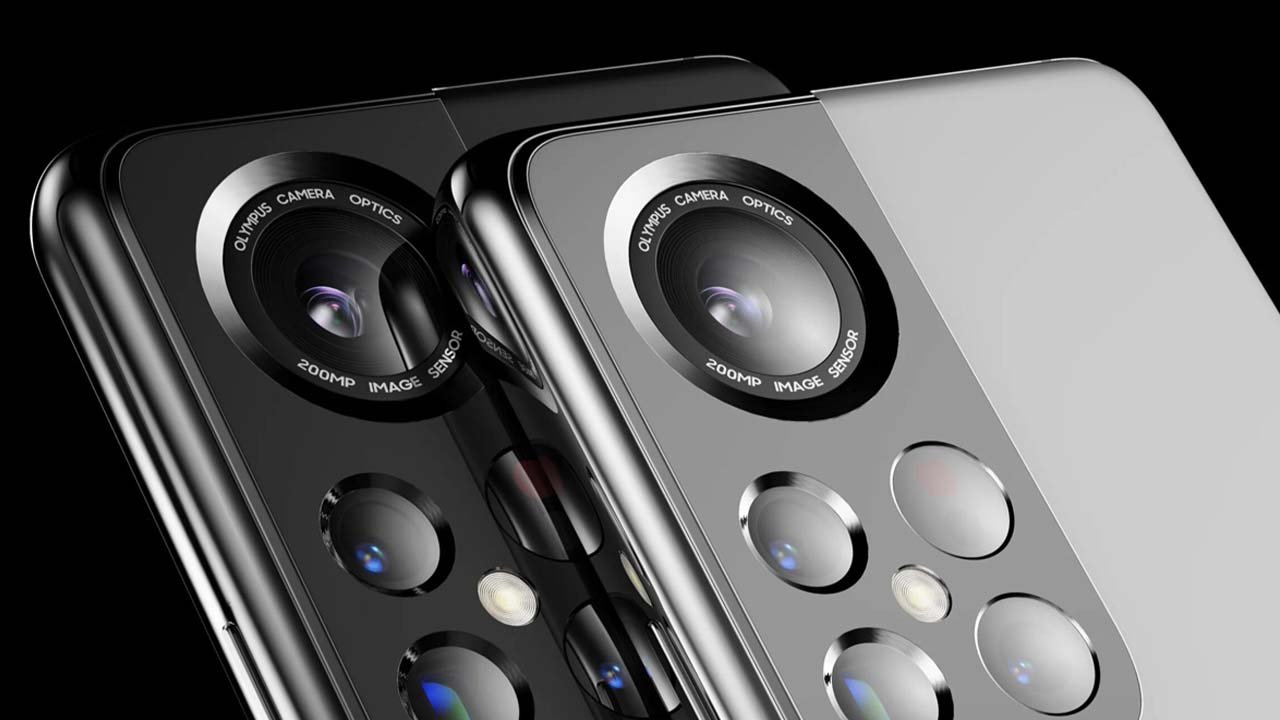
    The Korean tech giant, Samsung will offer the upcoming Galaxy S23 series with larger batteries, presumably in an attempt to rival Apple’s industry-leading battery longevity. These improvements will be made possible by an electric vehicle (EV) inspired battery technology that allows a 10 per cent increase in energy density.

    Apple’s existing smartphones continue to have the best battery life in the industry. Samsung’s next-generation mainstream flagships, the Galaxy S23 series, appear to be set to change things up. The Galaxy S23 series, codenamed ‘Diamond’ is expected to have significantly larger batteries than the Galaxy S22 series, according to new rumours.

    The Galaxy S22, in contrast, has been chastised for reducing from the Galaxy S21’s 4,000 mAh battery to a 3,700 mAh unit. Samsung is expected to address this with the Galaxy S23, which is expected to feature a 4,500 mAh battery. The Galaxy S23 Plus and Galaxy S23 Ultra are expected to receive similar updates, with battery capacities increasing to 5,000 mAh and north of 5,500 mAh, respectively.

    All of this appears to be due to Samsung’s ambitions to incorporate new battery technology into the Galaxy S23 series. Samsung Digital Interface (SDI) will leverage the stacking technology it uses for its EV battery production on future smartphone batteries.

    Read more: Netflix loses 200,000 subscribers in Q1 2022, projects deeper losses in Q2

    This technology will allow smartphone batteries to have a 10 per cent higher energy density. Production is allegedly already underway, with a line at the company’s plant in Tianjin, China. Still, the Samsung Galaxy Z Fold 4 is unlikely to gain from this advancement.