Tag: electricity bills

  • Nepra approves Rs1.46 per unit fuel charge adjustment

    Nepra approves Rs1.46 per unit fuel charge adjustment

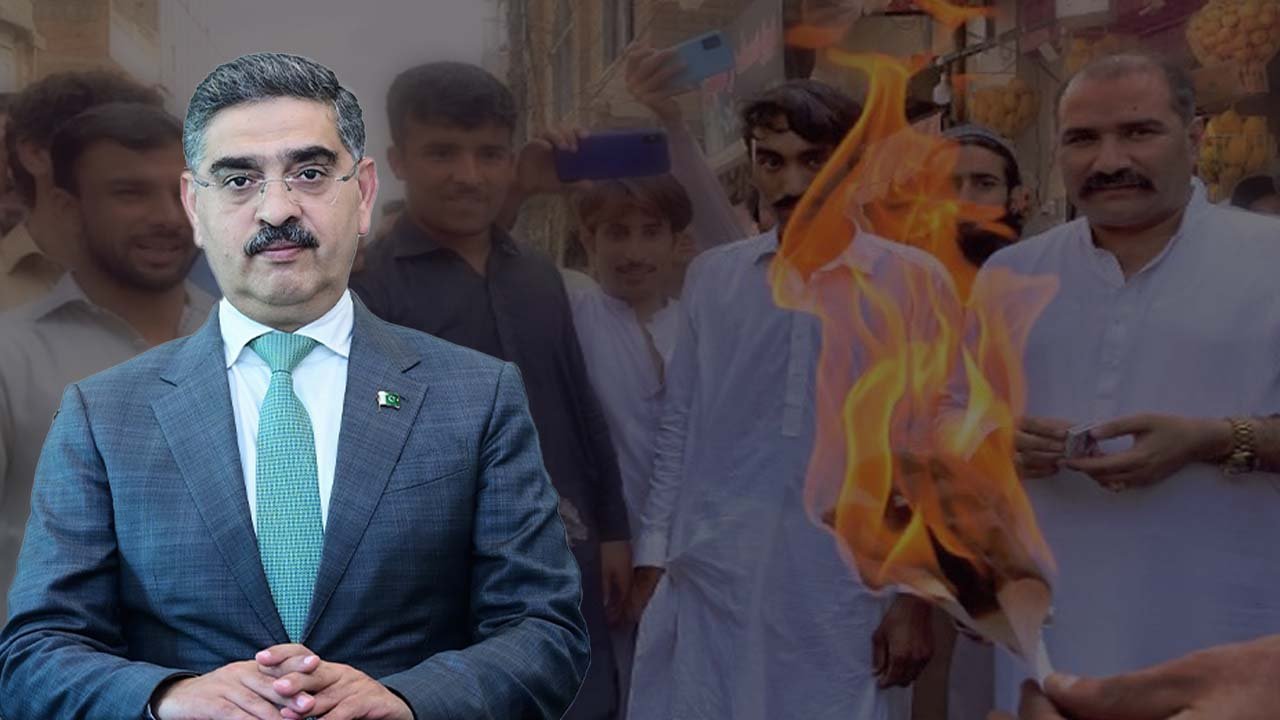
    In the midst of widespread protests over surging electricity bills in Pakistan, the National Electric Power Regulatory Authority (Nepra) has taken a significant step.

    They have given the green light for power distribution companies to impose an additional charge of Rs1.46 per unit on consumers in the form of a fuel charge adjustment (FCA) for the month of July.

    This decision, rooted in the Regulation of Generation, Transmission, and Distribution of Electric Power Act of 1997, comes as an attempt to address financial challenges in the power sector.

    The FCA, however, excludes electric vehicle charging stations (EVCS) and lifeline consumers. This means that this adjustment will be itemised separately on consumers’ bills based on their electricity usage in July 2023. The billing for this adjustment is scheduled for September 2023.

    The background to this move involves costly imported coal inventory held by coal-based power plants, particularly the Sahiwal coal power plant, and limitations in the power transmission system. The latter includes issues such as the HVDC transmission line’s inability to efficiently transport cost-effective power from southern generators. These factors have placed a considerable financial burden on power consumers.

    This tariff increase compounds the woes of consumers, who are already grappling with record inflation, high fuel prices, and elevated electricity rates. As a result, consumers are expected to bear a cumulative burden of Rs24.76 billion in their September 2023 bills due to over 14 billion units sold in July.

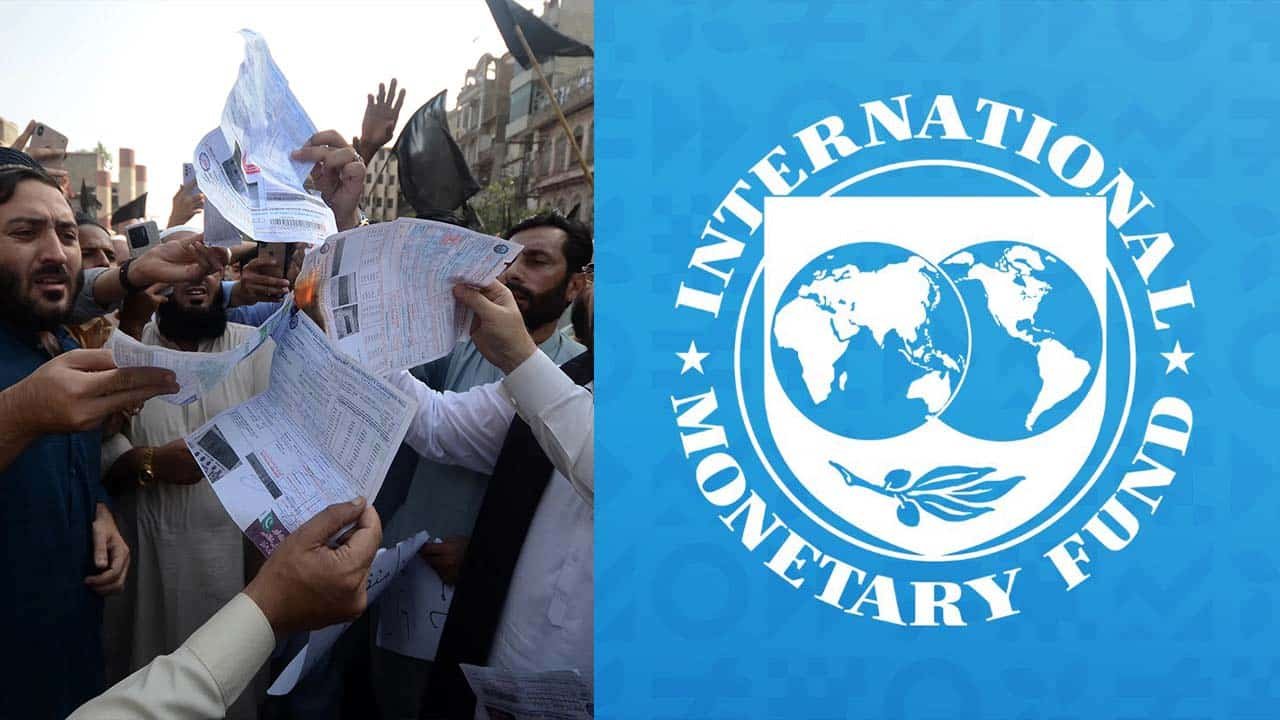
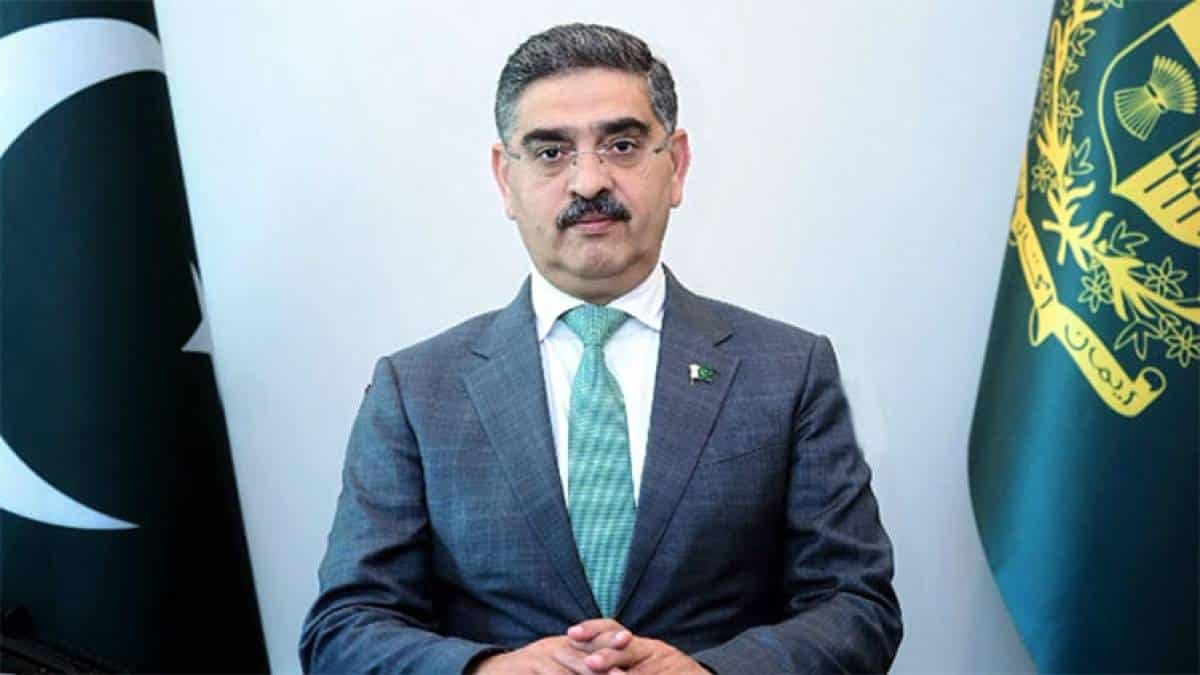
    In response to public protests and growing dissatisfaction, the interim government, led by Prime Minister Anwaar-ul-Haq Kakar, has sought assistance from the International Monetary Fund (IMF) to provide immediate relief to electricity consumers.

    According to Geo News, Pakistan is under an IMF programme, making any relief or subsidy contingent upon IMF approval. Negotiations between the government and the IMF have been intense, resulting in some relief for consumers using up to 200 units, allowing them to pay electricity bills in installments.

    However, the IMF rejected the government’s plan to provide relief to those consuming up to 400 units of electricity per month, which could have benefited 32 million consumers. Instead, the IMF stressed the need to address electricity and gas theft and improve revenue collection.

    Furthermore, the IMF has proposed a 45 to 50 per cent increase in gas tariffs starting July 1, pending approval by the federal cabinet. These developments reflect a challenging situation in Pakistan’s energy sector as the government grapples with the need for reform amid rising consumer discontent.
  • IMF approves relief plan for 4 million consumers with monthly power usage below 200 units

    IMF approves relief plan for 4 million consumers with monthly power usage below 200 units

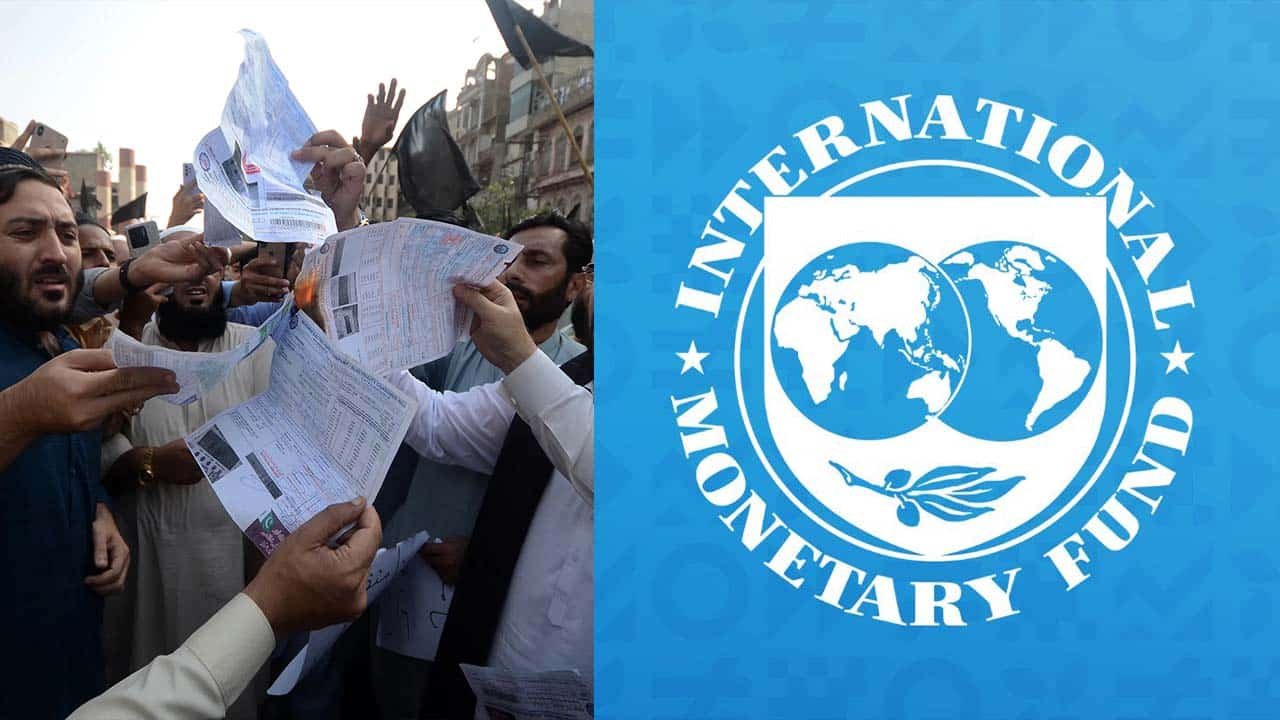
    After extensive negotiations prompted by widespread protests against soaring electricity bills, the International Monetary Fund (IMF) has reportedly granted approval to a relief proposal targeting consumers with monthly electricity consumption of up to 200 units, allowing authorities to implement an installment-based billing system, according to sources cited by Geo News.

    Sources indicated that the final authorisation for implementing the installment billing system will require approval from the federal cabinet. 

    Approximately 4 million electricity consumers are expected to benefit temporarily from this initiative.

    Regrettably, the interim government’s proposal to extend relief to consumers using up to 400 units of electricity per month was rejected by the IMF. This decision means that approximately 32 million consumers would have benefited if the proposal had been accepted.

    Additionally, sources disclosed that the IMF stressed the importance of combating electricity and gas theft while also focusing on improving revenue collection.

    Furthermore, the sources revealed that the IMF had requested an increase of 45 to 50 per cent in gas tariffs, effective from July 1. However, the approval of this tariff hike remains contingent upon federal cabinet approval.

    In response to persistent protests by citizens and traders who have taken to the streets to denounce the steep increases in power bills and additional taxes, the caretaker government led by Prime Minister Anwaar ul Haq Kakar in Islamabad has been actively engaging with the IMF to secure immediate relief for electricity consumers in the economically challenged nation, where the populace is grappling with soaring inflation.

    It is crucial to note that Pakistan is currently operating under an IMF programme, making any relief or subsidy subject to IMF approval.

  • Govt aims to ‘reduce power theft of Rs589 billion at the earliest’

    Govt aims to ‘reduce power theft of Rs589 billion at the earliest’

    The caretaker government unveiled a set of measures to tackle power theft nationwide, aiming to reduce the growing circular debt issue in the power sector, which is causing electricity prices to soar. 

    This announcement comes amid widespread protests against high electricity bills, hindered by strict conditions from the International Monetary Fund.

    During a press conference, Caretaker Energy Minister Mohammad Ali, alongside Interim Information Minister Murtaza Solangi, outlined their plan. 

    According to Geo News, Ali said that the government is working on a new law, the electricity theft act, to create enforcement mechanisms and special courts for those involved in theft. This law will be introduced within the next two to three weeks.

    “We are aiming to stop or reduce power theft of Rs589 billion at the earliest,” the minister said.

    In line with Caretaker Prime Minister Anwaar ul Haq Kakar’s instructions, the Energy Minister announced a crackdown on power theft, emphasising that consumers shouldn’t pay for theft, and lower electricity prices depend on solving this issue. Ali assured that authorities would act based on available data.

    Additionally, the minister revealed a list of power distribution company officers involved in power theft and measures to take action against them. This list was sent to the Election Commission of Pakistan for possible removal.

    In another meeting, Caretaker PM Kakar stressed the urgency of dealing with power theft, urging regular progress reports. He emphasised zero leniency toward power thieves and defaulters.

    During the meeting, detailed briefings covered the energy sector’s challenges, including total installed capacity, actual generation, and overall energy supply across different seasons.

  • Pakistani rupee sets new record, falls to Rs307.10 per US dollar 

    Pakistani rupee sets new record, falls to Rs307.10 per US dollar 

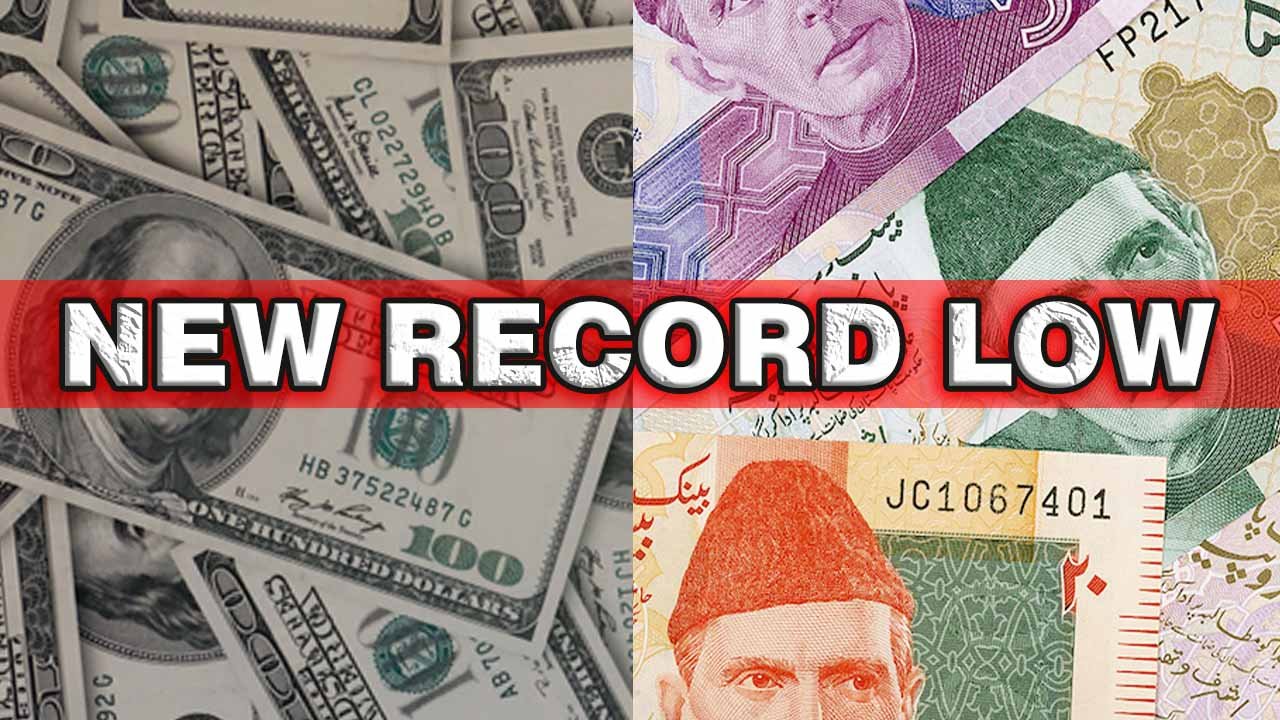
    In the interbank market on Tuesday, the Pakistani rupee (PKR) continued to weaken against the US dollar, losing PKR 1.4569 (0.48 per cent) on a day-over-day basis and ending the session at PKR 307.0996 per US dollar.

    On Monday, the Pakistani rupee experienced a slight decline against the US dollar, settling at Rs305.64 in the interbank market.

    The government has not yet finalised relief measures for the surging electricity bills of consumers, primarily due to disagreement between the federal government and the International Monetary Fund (IMF) regarding the provided data.

    On the international front, the US dollar remained strong on Tuesday, while the Australian dollar faced some pressure. Traders were closely monitoring the Reserve Bank of Australia’s upcoming interest rate decision, speculating that interest rates may have reached their peak.

  • IMF declines request for tariff adjustment and subsidy on high electricity bills 

    IMF declines request for tariff adjustment and subsidy on high electricity bills 

    In light of the government’s comprehensive deliberation on strategies to alleviate the burden of electricity bills, the International Monetary Fund (IMF) has declined the proposal for tariff adjustments or additional subsidies. This decision was made despite the government’s assertion that its bill collections for August had nearly met expectations, as reported by The News on Tuesday. 

    The IMF has expressed strong reservations regarding the government’s initiative to provide relief to economically disadvantaged individuals facing high power bills. Pakistan has consequently approached the global lender, requesting permission to phase in upcoming quarterly tariff adjustments (QTAs) and Fuel Price Adjustments (FPAs) amounting to Rs7.50 per unit over the next four to six months. 

    An authoritative source confirmed this request, stating, “Pakistan has sought the IMF’s approval for a gradual implementation of QTAs and FPAs over a four to six-month period, potentially incurring additional costs that will require mutual agreement.” 

    According to sources, the power sector continues to grapple with challenges, given the necessity of increasing tariffs by approximately Rs5 per unit in the current month and incorporating FPAs amounting to Rs2.72 per unit. Consequently, a cumulative tariff increase exceeding Rs7 per unit is anticipated.  

    The computation of QTAs will be based on losses incurred during the April-June period, reflecting reduced unit usage, increased interest payments, and fluctuations in exchange rates. Meanwhile, the FPA is calculated to address the rising prices of imported fuel, resulting in a potential hike of Rs7.50 per unit in September bills, subject to regulatory approval.  

    Simultaneously, the Ministry of Power asserts that its bill collection performance for August 2023 has improved and is nearing expectations. They contend that to mitigate the impact of inflated bills, they must seek the IMF’s approval for the staggered implementation of QTAs and FPAs.  

    According to calculations by the Ministry of Power for various consumer categories, those utilising 400 units can anticipate a reduction in power charges from Rs21,000 in August 2023 to Rs16,963 in September and further to Rs11,356 in October, factoring in QTAs and FPAs. Similarly, charges for consumers using 300 units are projected to decrease from Rs13,000 in August to Rs10,000 in September and Rs8,000 in October 2023. 

    With the onset of winter in October, it is anticipated that the issue of escalated bills will gradually subside. Additionally, officials are planning to approach the National Electric Power Regulatory Authority (Nepra) to determine the next tariff adjustments, considering seasonal usage trends. Given the peak usage during the summer months followed by a decline in winter, tariff adjustments will be tailored to accommodate these seasonal fluctuations. 

    The Prime Minister has instructed the Ministry of Finance to develop a strategy for economic stability in Pakistan. During a meeting with Interim Finance Minister Shamshad Akhtar, the current economic situation was discussed. 

    The government aims to find innovative solutions to ease the burden on electricity consumers, addressing issues like circular debt, power theft, and taxes with short-term measures. 

    The caretaker government’s primary goal is to facilitate early general elections while upholding constitutional obligations such as constituency delimitation following the population census. The focus is on restructuring fiscal and monetary policies for economic revitalization. 

  • IMF’s ‘yes or no’ decision nears on relief for electricity bills

    IMF’s ‘yes or no’ decision nears on relief for electricity bills

    In the midst of extensive protests regarding soaring electricity charges, the interim government has reportedly devised a strategy aimed at alleviating the financial burden on electricity consumers in the country.  

    According to Geo News, the interim government is preparing a relief package that will grant up to Rs3,000 in relief to customers who use up to 300 units of electricity in their October bills. Furthermore, those facing electricity bills between Rs60,000 and Rs70,000 stand to benefit from a significant reduction of Rs13,000. 

    Simultaneously, discussions between the International Monetary Fund (IMF) and the interim government are ongoing, focusing on providing relief to electricity consumers. 

    In a separate report by The News, it’s revealed that the IMF, headquartered in Washington, has requested additional data from the Power Division to inform its decision regarding various proposals to address the impact of high bills in August and September. 

    “We have shared the required data with the Fund people hoping that IMF may today (Monday) come up with its response with a yes or no to the assertions of the Finance and Power Divisions, seeking permission for relief to inflation-stricken people in electricity bills,” shared sources involved in discussions with the IMF. 

    Currently, officials from both the Power and Finance divisions are engaged in intensive discussions with IMF representatives, considering the data associated with proposed measures to alleviate power tariffs and their potential effects on circular debt, cash flow, and potential delays in Independent Power Producers (IPPs) payments, ensuring the stability of the power sector. 

    In response to continuous protests by citizens and traders against soaring power bills and added taxes, the government is actively seeking to convince the global lender to grant immediate relief to electricity consumers in a nation already grappling with severe inflation. 

  • Which celebrity paid Rs100,000 electricity bill? Celebs share details of inflation affecting their budgets

    Which celebrity paid Rs100,000 electricity bill? Celebs share details of inflation affecting their budgets

    After protests and demonstrations broke out across Pakistan as petrol and electricity bill hikes took effect, celebrities are amplifying voices calling for the government to provide relief packages to the masses. Many big names of the industry are sharing how their expenses are spiking because of the excessive rates. A-listers like Maya Ali condemned rising prices and demanded for people in power to step out and help the underprivileged ones who couldn’t afford basic necessities.

    Actress and television host Nadia Khan shocked audiences when in a recent video, she asked prominent celebrities like Nida Yasir, Fiza Ali and Sadia Imam about how their household expenses are being recalculated with the on-going price hikes, and the results are astounding.

    Actress Sadia Imam said her previous electricity bill was RS 75,000, after which she decided to install a solar system at her house. The result, the actress elaborated, was that her bill was Rs 19,000 but after adding Rs 5000 tax it was Rs 26,000.

    Nida Yasir had the most shocking revelation in the video. She confessed that despite the fact that for half of the month their family was out of the country, her electricity bill was Rs 1 lac.

    Fizza Ali said her electricity bill this month was Rs 67,000, adding that in the previous month her electricity bill was even higher, but during this time the actress was on vacation in Dubai.

    Nadia Khan then revealed to her audience that last month during the time she was away from her home in Karachi and was in Thailand, her bill Rs 75,000.

    ‘It’s horrifying to think that we weren’t in our homes, and our bill was Rs 75,000. So what would be the amount this month?” the actress said.

    Watch the complete video here

  • PM Kakar nahi jantay kisko mil rahi hai muft bijli?

    PM Kakar nahi jantay kisko mil rahi hai muft bijli?

    Interim Prime Minister Anwaar ul Haq Kakar recently gave a statement that only Wapda’s employees, including retired ones, get free electricity and there is no such facility available for anyone else including judges. This statement is factually incorrect.

    Truth is that not only utility bills (including electricity bills) of the serving judges of the Supreme Court and High Courts are paid by the government, but the retired ones also get free electricity of up to 2000 units a month in case of an ex-SC judge and 800 units a month in case of a former high court judge, as per Ansar Abbasi’s report for Geo news.

    Not only this, the president and prime minister also enjoy free utilities including free electricity without any limits but in the case of the ex-president, he is provided 2000 units a month of electricity at the cost of taxpayers’ money.

    President’s Salary, Allowance and Privileges Act, 1975 as amended in 2018 says in Section 7 that the actual charges for electricity and gas consumption shall be paid in each year to the president. After retirement, the president also gets gas to the extent of monthly consumption of 10 HM3 and water, all paid by taxpayers.

    Chairman of National Accountability Bureau (NAB) also enjoys similar facilities as those of a Supreme Court judge, including free electricity. There is no confirmation of what the prime minister has claimed about services’ chiefs.

    In October 2020, Justice Faez Isa and his wife released income tax and asset details in which it was clearly written that post-retirement benefits of a Supreme Court judge include 2000 units of electricity, 25 HM of gas, water and 300 litres of petrol per month.

    High Court Judges (Leave, pension, privileges) order 1997 not only talks about the payment by government for provision of electricity gas and water but also says in Section 28 that a judge on retirement and after his death, the spouse shall be entitled to certain benefits including 800 units of electricity per month as well as 25 HM3 of gas per month.

    All those quasi-judicial public offices including the offices of NAB chairman, federal ombudsman etc where retired judges, or retired civil servants are appointed, the residence utility bills are also paid from the public funds.

    According to a NAB document, “i) Chairman NAB shall be entitled without payment of rent to the use of a residence provided by the Government throughout his term of office maintained at Government expenses with all utilities to be paid on actual basis by the Government. ii) In case of non-availability of Government accommodation or the Chairman chooses to reside in a private residence, the expenses on maintenance and all utilities as per actual, will be paid by the Government, in addition to house rent allowance.”

  • Relief plan for electricity bills to be revealed in 48 hours: PM Kakar

    Relief plan for electricity bills to be revealed in 48 hours: PM Kakar

    Caretaker Prime Minister Anwaar ul Haq Kakar made an announcement on Thursday, revealing that his administration will unveil a relief plan for addressing the widespread protests triggered by escalating electricity bills within 48 hours.

    PM Kakar informed me that his government conducted an exhaustive review of electricity bills spanning the last two months. He highlighted that all institutions were questioned regarding their utilisation of complimentary electricity and stressed that the issue of exorbitant electricity bills needed a measured perspective.

    According to Geo, the caretaker prime minister underscored that while the electricity bills must be settled, it is imperative to comply with the terms outlined by the International Monetary Fund (IMF). He attributed the surge in electricity bills to independent power producers (IPPs) and transmission line losses, emphasising that collaboration with the IMF was underway to address the matter. Despite the prevalent inflation, PM Kakar argued against an extensive strike.

    In addressing the allocation of free electricity units, PM Kakar assured that the military does not avail itself of free electricity; rather, it is funded through the defence budget.

    Additionally, he clarified that the judiciary does not enjoy complimentary electricity, and in the Wapda sector, only certain employees from grades 1 to 16 benefit from this provision. Employees in grades above 17 receive free units.

    PM Kakar expressed his perspective that most protests originate from employees in grades 1–16. He suggested redirecting financial assistance towards officers in grades 17 to 22 instead of offering free electricity. He emphasised the need for stakeholders to formulate a policy within the following 48 hours.

    Regarding the impending general elections, PM Kakar assured that the elections would occur as scheduled, with the understanding that the Election Commission of Pakistan holds the authority in this matter. He asserted that adherence to the interpretation of the law by the Supreme Court is essential and should be respected.

    Frustrated citizens, grappling with soaring inflation, have been participating in demonstrations against substantial increases in electricity tariffs and heightened taxes nationwide.

    In light of the ongoing public outcry over exorbitant electricity bills, the caretaker government is contemplating the possibility of allowing individuals burdened by inflation to settle bills for up to 400 units in six-month installments. This proposal emerged following discussions held during a cabinet meeting, which also addressed the influence of IMF conditions on elevated energy costs.

    During the session, caretaker Finance Minister Dr Shamshad Akhtar updated the attendees about ongoing negotiations with the IMF, highlighting its pivotal role in the escalated energy tariffs.

  • WAPDA opposes ending facility of free units to employees

    WAPDA opposes ending facility of free units to employees

    WAPDA and the Ministry of Water Resources have opposed the termination of free units facility to the employees of electricity companies, reports Jang News.

    According to sources, the Ministry of Water Resources is of the opinion that there will be no savings by removing the free units.

    The finance ministry has proposed ending the facility of free electricity units, while Nepra has proposed to give utility allowance instead of free units.

    Moreover, the power division has proposed to give the employees an amount equal to the free units in monthly salary and the power division has presented the monetization proposal in the federal cabinet meeting.

    Jang news reports that according to sources, free units are being given to 1 lakh 89 thousand 171 retired and serving employees.

    Additionally, three crore 47 lakh 58 thousand 825 free units are being given to retired and serving employees every month.