Tag: electricity bills

  • No relief in electricity bills without IMF’s approval

    No relief in electricity bills without IMF’s approval

    After country-wide protests against unprecedented hikes in electricity bills, Pakistan’s caretaker government has approached the International Monetary Fund (IMF) to seek approval before announcing any relief for the people.

    According to Geo News, the IMF asked Pakistan to share a written plan for relief on Wednesday.

    On Tuesday, the federal cabinet had a meeting with interim Prime Minister Anwaarul Haq Kakar to take into consideration all possible options but no decision was officially announced.

    The Power Division has shared proposals with the authorities but first, the IMF is to be taken on board as loans from the Fund bear strict conditions.

    In July, a $3 billion loan agreement was signed with the IMF with stringent financial regulations to be followed during the programme.

    Under the bailout package, the former government of Pakistan Democratic Movement (PDM) approved a stark increase in electricity rates, resulting in increased bills.

    As reported by Geo News, Finance Minister Shamshad Akhtar had a virtual meeting with IMF representative Esther Perez to discuss relief measures.

    They were made aware of the current situation and continuing protests across the country.

    While the Pakistan team submitted various proposals for relief in electricity bills, IMF officials requested the relief plan in writing which, according to Geo, will be shared today.

  • Installment plans introduced for power consumers struggling with full bill payments

    Installment plans introduced for power consumers struggling with full bill payments

    In a strategic move aimed at addressing the protests triggered by soaring electricity bills and alleviating the burden on citizens, Dr Muhammad Amjad Khan, Chief Executive of the Islamabad Electric Supply Company (IESCO), has issued a comprehensive directive. This directive mandates all IESCO offices to introduce installment plans tailored to assist customers who are facing challenges in paying their electricity bills in full.

    Against the backdrop of mounting public outcry, Dr Khan’s proactive step aims to alleviate the financial burden on power consumers. These installment plans are envisioned to provide customers with a respite, allowing them to manage their electricity bill payments more effectively while maintaining their financial stability.

    To further enhance customer convenience, IESCO has also taken the initiative to extend the due dates for electricity bill payments. This calculated move underscores the company’s commitment to accommodating the unique challenges faced by its customers.

    Dr Amjad Khan underscored the importance of open communication, urging IESCO’s patrons to engage with the relevant Sub-Divisional Offices, Revenue Offices, or Customer Service Centers for any concerns related to their bills. This approach underscores IESCO’s dedication to ensuring customer satisfaction and resolving any uncertainties promptly.

    Nevertheless, this considerate move coincides with ongoing protests across the nation, ignited by grievances against inflated electricity bills. Demonstrators, who have congregated outside the IESCO office in Rawalpindi for the past four days, have now rallied in various cities, including Sargodha, Hafizabad, Vehari, and Hyderabad.

    In response to the heightened tensions, IESCO officials have taken precautions by involving the local police to bolster security measures. This step is aimed at safeguarding the well-being of both the demonstrators and IESCO’s employees.

    The protestors have been resolute in their demands, seeking a reduction in the substantial charges or even pledging to withhold bill payments until their concerns are heard. These demonstrations, set against a backdrop of broader economic challenges and escalating inflation, reflect the mounting frustrations of citizens grappling with financial hardships.

    The protestors hail from diverse backgrounds, encompassing members of civil society, men and women alike, traders, farmers, and representatives from legal and business sectors. This broad participation underscores the pervasive concern and unified front against economic difficulties and price hikes.

    As electricity prices continue their upward trajectory and taxes weigh heavily on citizens, these widespread demonstrations emphasise the pressing need to address economic grievances.

  • ‘I am upset’ Maryam Nawaz worried about public’s high bijli bills, says father can save everyone

    ‘I am upset’ Maryam Nawaz worried about public’s high bijli bills, says father can save everyone

    Chief Organiser and Senior Vice President of Pakistan Muslim League-Nawaz (PML-N) Maryam Nawaz Sharif has stated that just as the country was saved from the risk of default within 16 months, similarly, her party under the leadership of former prime minister Nawaz Sharif, will also lessen public burden of inflation and skyrocketing electricity bills.

    “We saved Pakistan from default within 16 months, and now we will shield the people from inflation. It’s upsetting that the public has to face challenges like inflation and increased electricity charges,” she said during a meeting with leaders and officials of the party’s Punjab Women Youth Wing in Lahore.

    “If the process of development had not been halted, there would not have been any tears in the eyes of the common man today. The issues of today have emanated from the four-year era of project Imran,” she added in reference to arch-rival Imran Khan who was deposed through a Vote of No Confidence in April 2022.

    Maryam stated that only an elected government will be capable of curbing the demon of inflation and of initiating a period of progress and contentment.

    “InshaAllah, just as we eradicated load-shedding, terrorism, and lawlessness in Karachi, we can also control inflation. Nawaz Sharif is the guarantee of Pakistan’s progress, and he alone can liberate us from all these issues,” she said.

    She also reviewed the performance of the women youth wing and said that she feels pride in seeing the active participation of many women in political activities.

    Maryam said that it is her desire that more party tickets should be given to the youth in the next election because the youth have the ability to make Pakistan a strong country.

    She claimed that female students like the PMLN leadership because of their performance, claiming that her party had become the largest youth and women’s party in the country.

    “PMLN leadership has always empowered the youth, they were provided with laptops and interest-free loans for decent employment,” she said.

  • Taxes in your electricity bill: What Pakistanis are paying and what for?

    Taxes in your electricity bill: What Pakistanis are paying and what for?

    Protests against exorbitant electricity prices continued to grip Pakistan as consumers from all corners of the country voiced their frustration by burning electricity bills and chanting slogans denouncing overcharging. With Pakistan facing a severe economic crisis and inflation rates surging to a staggering 29 per cent, citizens are grappling with the overwhelming impact of inflated electricity costs.

    The outcry has intensified as incumbent authorities adhering to an IMF deal have slashed power sector subsidies, resulting in unprecedented price hikes that have burdened already inflation-weary citizens. The new pricing structure has set electricity rates at a record high, significantly affecting the cost of living for the nation’s over 240 million inhabitants.

    Central to the grievances is the manner in which electricity bills are calculated. The basic charge is linked to kilowatt-hours (kWh) or units consumed, a component that carries an array of additional taxes. These taxes, directly borne by the masses, have contributed to the mounting frustration felt by the population.

    An individual from Gujranwala recently shared an eye-opening example of the impact of these charges. Despite consuming around 212 units in the previous month, he received an electricity bill of Rs10,500, while the cost of the electricity consumed was merely around Rs6,400. The disparity between consumption and billing has drawn attention to the various components contributing to the final cost.

    For those consuming slightly over 200 units, the Fuel Price Adjustment (FPA) accounts for approximately Rs250. This adjustment is contingent on the price of the fuel used in electricity generation. If the cost of fuel rises during power generation, WAPDA (Water and Power Development Authority) levies an additional charge in subsequent billing cycles.

    Breaking down the bill further, it reveals a complex web of charges. An electricity duty of around Rs100 is imposed, accompanied by a General Sales Tax (GST) of Rs1,316.

    Additional charges include Income Tax amounting to Rs900 and Extra Taxes totaling Rs366. The bill also features a peculiar charge of Rs227 labeled as ‘Further Taxes,’ which has prompted criticism from citizens questioning its purpose and transparency.

    Additional charges on the bill encompass Rs365 for Sales Tax, Rs680 for Financing Cost Surcharge (FC Surcharge), and Rs115 designated as ‘Taxes on FPA.’ Notably, non-filers of income tax are subjected to supplementary charges on their utility bills.

    As confusion mounts among consumers regarding the breakdown of charges, it is imperative for electricity consumers to comprehend the various taxes levied on their monthly bills. Diverse categories of consumers are subject to a range of taxes, duties, and surcharges, contributing to the complex structure of electricity pricing in Pakistan.

    Below is a list of the taxes and levies imposed on electricity consumers in Pakistan:

    Electricity Duty: Ranging from 1.0 per cent to 1.5 per cent of Variable Charges, this provincial duty is levied on all consumers.

    General Sales Tax (GST): At a rate of 17 per cent of the electricity bill, GST is levied on all consumers under the Sales Tax Act 1990.

    PTV License Fee: Domestic consumers pay Rs35, while commercial consumers pay Rs60 as PTV license fee in their electricity bills.

    Financing Cost Surcharge: This surcharge of Rs0.43 per kWh applies to all consumer categories except lifeline domestic consumers.

    Fuel Price Adjustment (FPA): FPA represents the difference between actual fuel charges and reference fuel charges. Positive variation leads to a charge, while negative variation benefits the consumer.

    Extra Tax: Imposed on industrial and commercial consumers not registered in the active taxpayer list, rates range from 5 per cent to 17 per cent based on different bill amount slabs.

    Further Tax: Levied at a 3 per cent rate on all consumers without a Sales Tax Return Number (STRN), except for domestic, agriculture, bulk consumers, and street light connections.

    Income Tax: Charged at varying rates depending on the applicable tariff and the electricity bill amount.

    Sales Tax: Commercial consumers face a 5 per cent sales tax on bills up to Rs20,000 and a 7.5 per cent tax on bills exceeding Rs20,000.

    With public discontent on the rise, authorities are urged to address the concerns of citizens and seek a balanced approach that mitigates the impact of these charges on the already struggling populace.

    As the nation grapples with economic uncertainties, finding a solution that eases the burden on citizens while ensuring the sustainability of the power sector remains a pressing challenge.
  • ‘Bijli k mehngay bills ki handi PDM hakoomat ny pakai’, says Saira Bano

    ‘Bijli k mehngay bills ki handi PDM hakoomat ny pakai’, says Saira Bano

    Senior leader of the Grand Democratic Alliance (GDA), Saira Bano, has asked in her video why parties who have been in government for the past 16 months, are calling for protests against high electricity bills, terming the action “incomprehensible”.

    The Pakistan Democratic Movement (PDM) government is responsible for inflation as well as the “handi” of high electricity bills, Bano stated.

    She further said in her video that every citizen is facing difficulty paying their electricity bill, stressing that the situation is the same for rich and poor in Pakistan due to inflation.

    On the other hand, Pakistan Peoples Party (PPP) has directed party workers to take part in the protests against exorbitant electricity bills and become the “people’s voice,” Geo News has reported.

    Secretary General (SG) of PPP, Syed Nayyer Hussain Bokhari, instructed workers on Sunday to protest at the union council and tehsil levels.

    According to Nayyer Bokhari, every citizen of the country is worried about the electricity bill. He further added, ” PPP workers should become the voice of the people and start protesting against inflated electricity tariffs”.

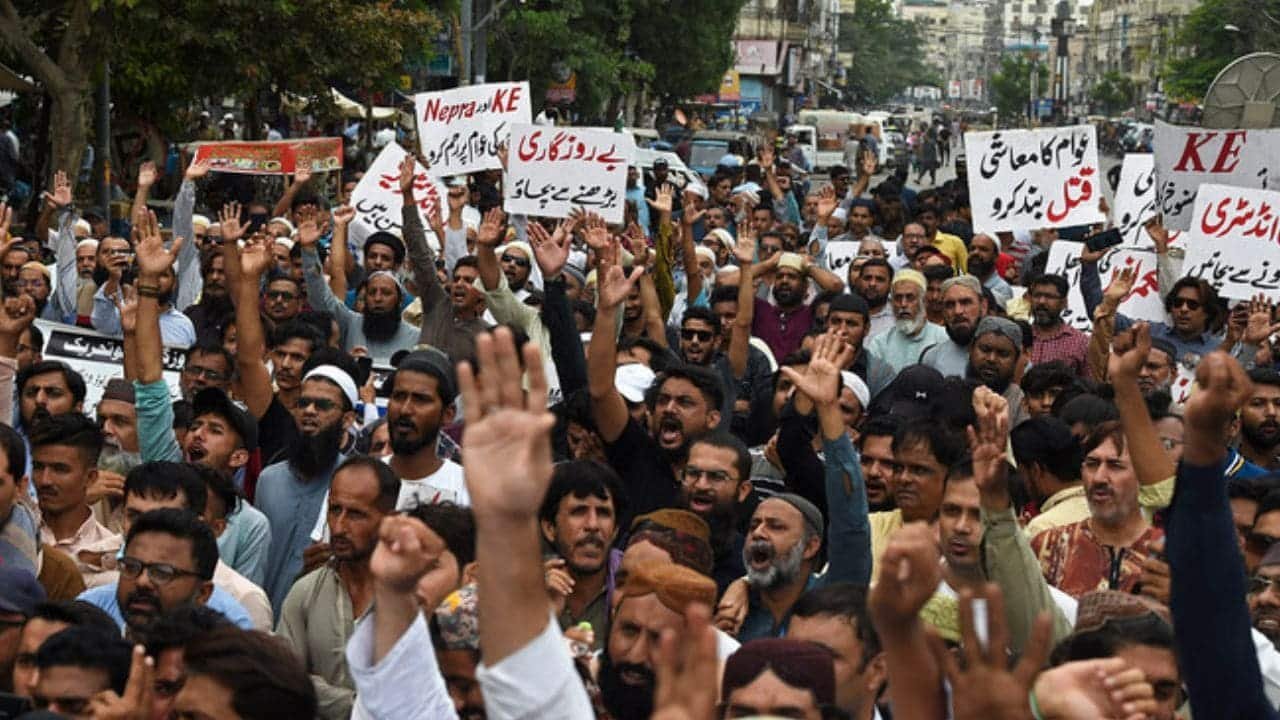
    The protests started across the country because of exorbitant electricity bills, with protesters demanding a reduction in their electricity bills as well as the removal of extra taxes on utility bills. The protesters also mentioned that they would not pay their bills if their demands were not met.

    Earlier, the Jamaat-e-Islami (JI) announced on Saturday that it would stage a protest against the exorbitant electricity bills.

    Read More: PM Kakar sets 48-hour deadline for relief plan amid electricity bill protests

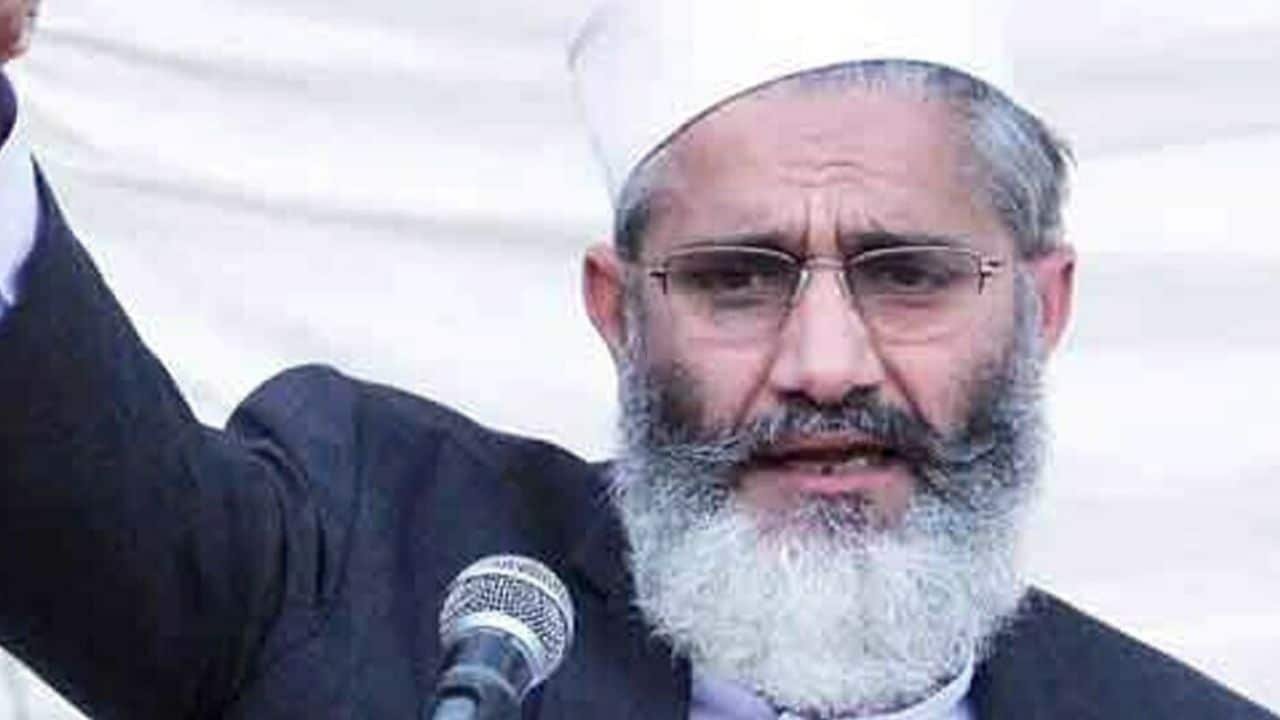
    Addressing a seminar in Lahore, JI Ameer Sirajul Haq lashed out at political opponents and the caretaker government, saying, “The caretaker government is following the footsteps of the previous governments in terms of taking wrong decisions for the sake of the country.”

  • PM Kakar sets 48-hour deadline for relief plan amid electricity bill protests

    PM Kakar sets 48-hour deadline for relief plan amid electricity bill protests

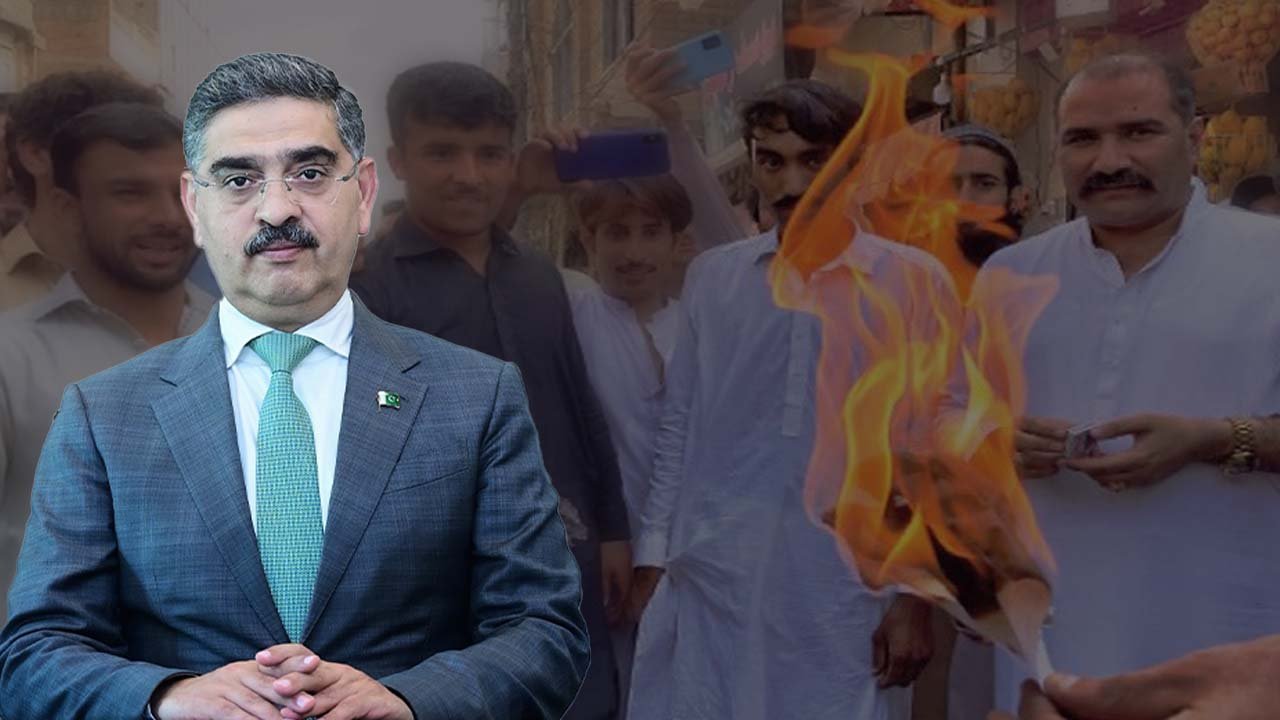
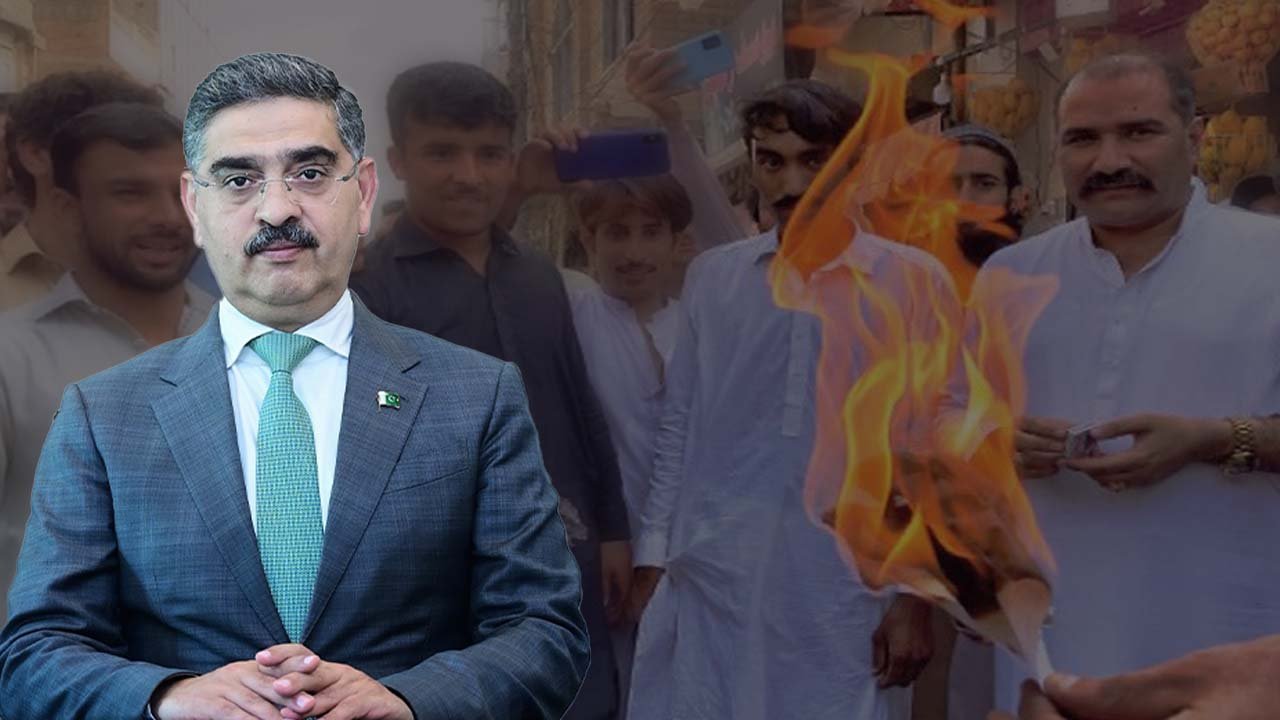
    Amid escalating protests across the nation demanding relief from inflated power bills, Caretaker Prime Minister Anwaar ul Haq Kakar has taken proactive steps to address the pressing issue. In response to the ongoing unrest, Prime Minister Kakar convened a high-level meeting yesterday to strategise and formulate a comprehensive relief plan within the next 48 hours.

    The focal point of the meeting was an informative briefing provided by the Power Division, shedding light on the notable increase in power bills during the month of July. Attended by esteemed members of the interim cabinet, including Dr Shamsad Akhtar, Dr Gohar Ijaz, and the PM’s advisor, Dr Waqar Masood, the meeting aimed to address the mounting concerns over the substantially high electricity bills. There are growing fears that if swift action is not taken, the situation could spiral into widespread public protests and potentially even riots.

    In the aftermath of the meeting, PM Kakar took to social media to communicate the intended course of action. “The Ministry of Energy and the Ministry of Finance have been tasked with collaboratively devising an action plan aimed at providing relief to the public with regard to their electricity bills,” announced the Prime Minister, reiterating the government’s commitment to addressing the pressing issue.

    Beyond seeking immediate measures to curtail electricity consumption on government premises, Prime Minister Kakar emphasised that consultations would be initiated with all provincial representatives. He further assured the public that the caretaker government was resolute in its commitment to providing the maximum possible relief while remaining within its designated mandate.

    The Caretaker Minister for Information and Broadcasting, Murtaza Solangi, echoed the Prime Minister’s sentiments by sharing the key outcomes of the meeting via social media. He conveyed that PM Kakar had stressed the urgency of devising an action plan within the next 48 hours to alleviate the mounting financial burden caused by excessive charges on electricity bills. The Prime Minister’s emphasis was on implementing measures that wouldn’t have a detrimental impact on the national exchequer yet would genuinely alleviate the financial strain on consumers.

    The meeting concluded with a comprehensive commitment to tackle electricity theft, roll out energy-efficient initiatives, and initiate dialogue with provincial chief ministers regarding the substantial charges incurred in July. The meeting also included detailed briefings on pertinent issues within the electricity sector and strategies to counteract electricity theft.

    Against the backdrop of sustained protests, political parties from diverse backgrounds have voiced their concerns and demands. Jamaat-e-Islami has taken a decisive step by announcing a nationwide strike on September 2 as a means of voicing their discontent with the drastic surge in electricity bills. The party’s leader, Siraj-ul-Haq, articulated his intention to mobilise people across the country to participate in these protests, lamenting the financial hardship faced by salaried individuals due to soaring living costs.

    According to Brecorder, adding to the chorus of concerns, MQM-P leaders have issued a stern warning that the ongoing protests could rapidly escalate into violent riots if prompt relief measures are not taken. Farooq Sattar, Senior Deputy Convener of MQM-P, highlighted the burden of multiple taxes contributing to the high electricity bills, underscoring the palpable frustration among the populace.

    As the nation anticipates the proposed relief plan within the stipulated 48-hour timeframe, the government’s actions in response to the mounting crisis will significantly shape the trajectory of the ongoing protests and public sentiment at large.

  • JI announces protest against inflated electricity bills

    JI announces protest against inflated electricity bills

    The Jamaat-e-Islami (JI) announced on Saturday that it would stage a protest against the exorbitant electricity bills.

    Addressing a seminar in Lahore, JI Ameer Sirajul Haq lashed out at political opponents and the caretaker government, saying, “The caretaker government is following the footsteps of the previous governments in terms of taking wrong decisions for the sake of the country.”

    “The power bills have increased three times within one month. People have been compelled to commit suicide due to the ballooning inflation. The electricity bill of at least Rs50,000 has been sent to every house,” said Mr Haq.

    He made it clear that the JI would stage a protest outside of the power distribution companies.

    Earlier, interim Prime Minister Anwaar ul Haq Kakar took to X (formerly Twitter) to announce that that he has summoned an emergency meeting over the price of electricity and consumers’ inflated bills, adding that he will hold consultations to provide maximum relief to power consumers.

    The prime minister has directed the Ministry of Energy and power distributions companies to present him with a detailed briefing over the issue.

  • PM calls emergency meeting as public outcry grows over high electricity bills

    PM calls emergency meeting as public outcry grows over high electricity bills

    On Saturday, people residing in various areas of the country openly expressed their deep sense of despair and frustration due to the shockingly high electricity bills they had received.

    Some individuals even went so far as to issue veiled threats of organising protests and, in more extreme cases, initiating a campaign of civil disobedience. These actions were contingent on the condition that the additional taxes included in the bills were not waived.

    The intensity of these emotionally charged reactions prompted the caretaker Prime Minister, Anwaar ul Haq Kakar, to swiftly convene an emergency meeting at the Prime Minister’s residence. This urgent gathering is scheduled to take place on the subsequent day, Sunday.

    Clarifying the purpose of the meeting, the premier stated, “In the meeting, a briefing will be taken from the ministry of power and distribution companies, and consultations will be held regarding giving maximum relief to consumers regarding electricity bills.”

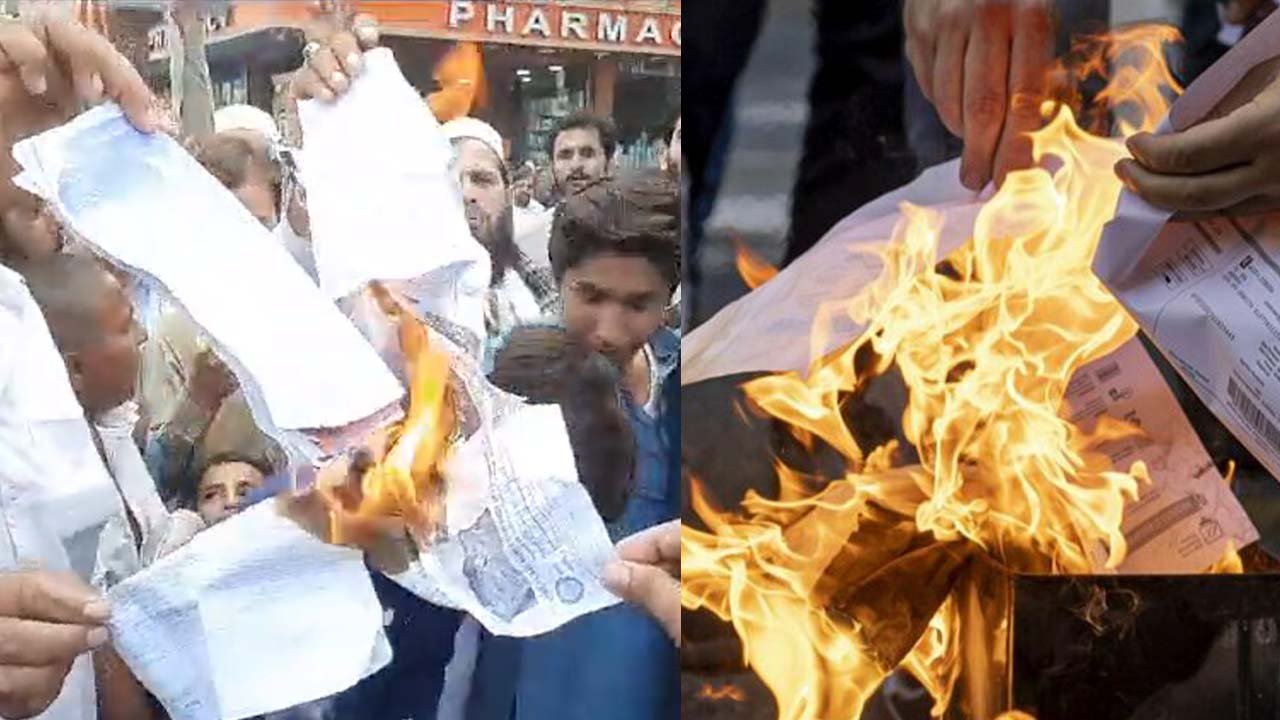
     Protests took place in several cities including Islamabad, Rawalpindi, Multan, Rahim Yar Khan, Gujranwala, Narowal, Kasur, Attock, Sargodha, Peshawar, Haripur, and numerous other cities across the nation. Numerous videos were shared on social media, depicting individuals burning their electricity bills and chanting slogans against power companies.

  • Over 500 personnel deployed by Rawalpindi police to provide security for IESCO and WAPDA employees amid protests

    Over 500 personnel deployed by Rawalpindi police to provide security for IESCO and WAPDA employees amid protests

    Large-scale protests erupted across Pakistan on Friday as traders’ associations and the general public voiced their frustration over skyrocketing electricity bills and heavy taxes. The demonstrations, which gained momentum in cities like Karachi and Islamabad, highlighted the widespread discontent with the financial burden faced by the population.

    In Karachi, a significant protest gathered steam with the backing of the Jamaat-e-Islami (JI) party. The focal point of the protest was a call for a reduction in the surging electricity prices and the additional taxes added to power bills.

    Rawalpindi saw its own protest against added electricity charges, with citizens chanting slogans against the Islamabad Electric Supply Company. Protesters in various cities also directed their chants against the Water and Power Development Authority (WAPDA) while symbolically burning electricity bills.

    The backdrop of these protests is the recent approval by the federal cabinet to increase the national average tariff. This move led to an increase of up to Rs7.5 per unit in the national uniform electricity tariff starting July 1, 2023. This pushed the total cost of electricity, including extra charges and taxes, beyond Rs55 per unit for certain categories of consumers.

    520 police officers deployed to secure IESCO and WAPDA offices

    The growing protests have also raised concerns about the safety of power company employees, prompting calls for enhanced security measures. In Rawalpindi, over 500 police personnel have been deployed to address potential public unrest.

    Here is a letter from IESCO requesting the police to enhance security at electricity offices:

    Amidst the escalating situation, the IESCO (Islamabad Electric Supply Company) has taken steps to secure their offices and installations. The Superintendent Engineer of Rawalpindi sent a request to the Central Police Officer (CPO) of Rawalpindi for additional security. According to Express Tribune, this step was taken due to agitated consumer groups visiting IESCO offices and staging protests, putting the safety of IESCO employees at risk during work hours.

    Following the request, the Rawalpindi police have taken action by assigning over 500 personnel to enhance security at electricity offices. A police spokesperson has confirmed that 520 officers and personnel are now in charge of keeping IESCO and WAPDA employees safe.

    The authorities are closely monitoring the situation, and the police officials are on high alert to ensure everything runs smoothly.

  • Govt adds new radio fee and increases TV charges in electricity bills

    Govt adds new radio fee and increases TV charges in electricity bills

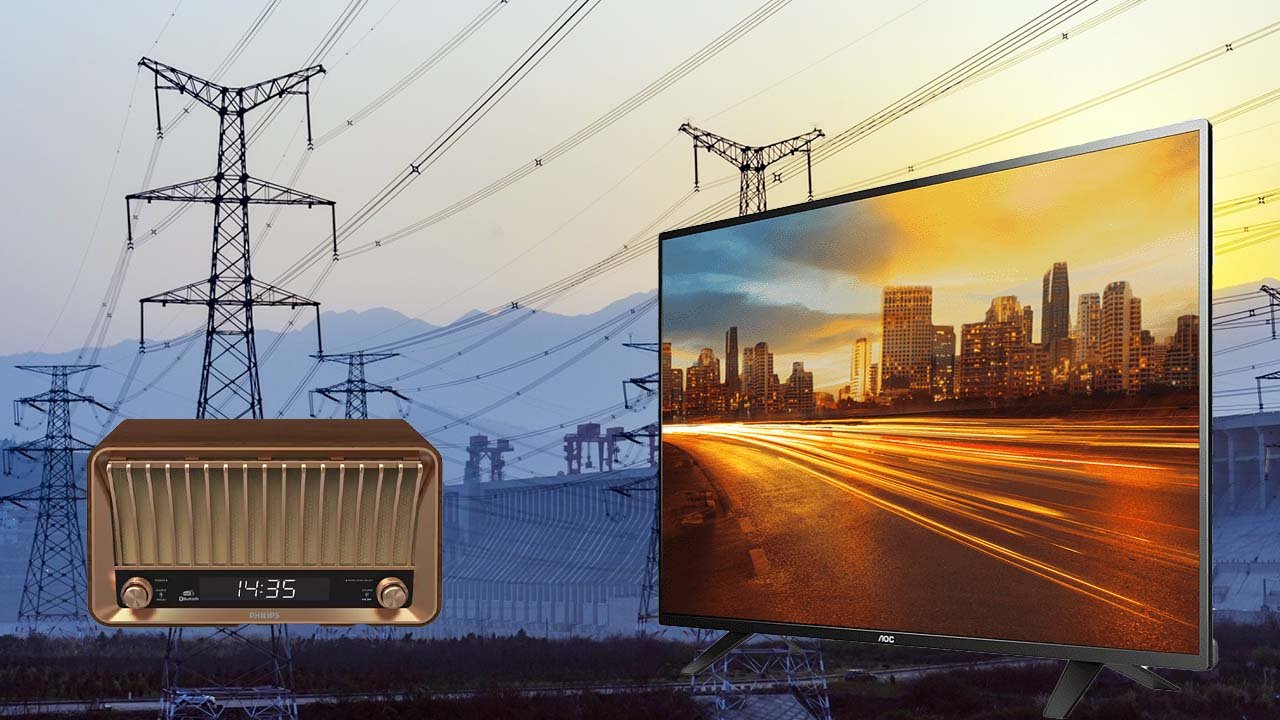
    The government has recently made a decision to introduce additional charges for the public in their electricity bills. These charges will include a fee for both television and radio services. This resolution was reached during a meeting of the Senate Standing Committee on Finance, with Salim Mandviwala as the chair.

    Finance Ministry officials presented a briefing, outlining that the electricity bills will now include a fee of Rs50 for television and radio services combined. Specifically, Rs35 will be allocated for the Pakistan Television (PTV) fee, while Rs15 will be directed towards the radio fee. The Ministry of Information has prepared a summary in support of this initiative, and the funds collected from users will be utilised to cover the salaries of radio employees.

    The motivation behind this decision stems from the federal government’s efforts to address the financial crisis faced by Radio Pakistan. To support the struggling Pakistan Broadcasting Corporation (PBC), commonly known as Radio Pakistan, additional charges will be imposed on electricity consumers. The Ministry of Information has proposed an extra Rs15 levy on consumers’ electricity bills, with Rs35 allocated to the state TV fee and the remaining Rs15 to assist Radio Pakistan.

    The Senate Standing Committee’s recommendation for this course of action was based on the urgent need to alleviate the financial difficulties experienced by current and retired PBC employees.

    This issue has been a longstanding challenge for over a decade. In fact, an earlier proposal in February sought a separate “radio fee” of Rs500 for all vehicles (excluding motorcycles) during their registration, with the intention of generating an annual additional revenue of Rs15 billion to support Radio Pakistan financially. The proposal was discussed during a sub-committee meeting led by Irfan Siddiqui from the ruling PML-N.