Tag: electricity prices

  • Electricity prices increased by Rs2.56 per unit under fuel cost adjustment

    Electricity prices increased by Rs2.56 per unit under fuel cost adjustment

    In a move likely to compound the financial difficulties faced by inflation-burdened citizens, the federal government announced a Rs2.56 per unit increase in the power tariff on Thursday.

    This adjustment, pertaining to fuel cost adjustment (FCA) for June, will be reflected in electricity bills issued in August.

    This tariff hike is part of a strategy to bolster Pakistan’s chances of securing a new programme from the International Monetary Fund (IMF). The National Electric Power Regulatory Authority (Nepra) has officially notified the increase, which will exclude lifeline and K-Electric consumers.

    The new tariff adjustment is expected to impose an additional financial burden of Rs33.45 billion on consumers. With the inclusion of an 18 per cent GST, this figure is projected to rise to Rs39 billion. The Central Power Purchasing Agency (CPPA) had proposed a slightly higher increase of Rs2.63 per unit under the FCA.

    The surge in electricity costs, coupled with escalating taxes, has sparked significant public dissatisfaction, leading to protests and sit-ins from communities already struggling with the rising cost of living.

    This public outcry has pressured the government to explore options for reducing electricity rates in an effort to alleviate some of the financial strain on the populace.

    Last month, Prime Minister Shehbaz Sharif’s administration had already implemented a substantial increase in the base electricity tariff for domestic consumers, raising it to Rs48.48 per unit. Consumers in Karachi were also affected by this hike.

    However, a temporary reprieve was granted to those using up to 200 units per month, who will not see their rates increase for the next three months.

    Additionally, the power regulator has approved the federal government’s request for tariff increases affecting commercial, general services, bulk, and agricultural consumers.
  • PM Shehbaz reaffirms commitment to bring electricity prices down

    PM Shehbaz reaffirms commitment to bring electricity prices down

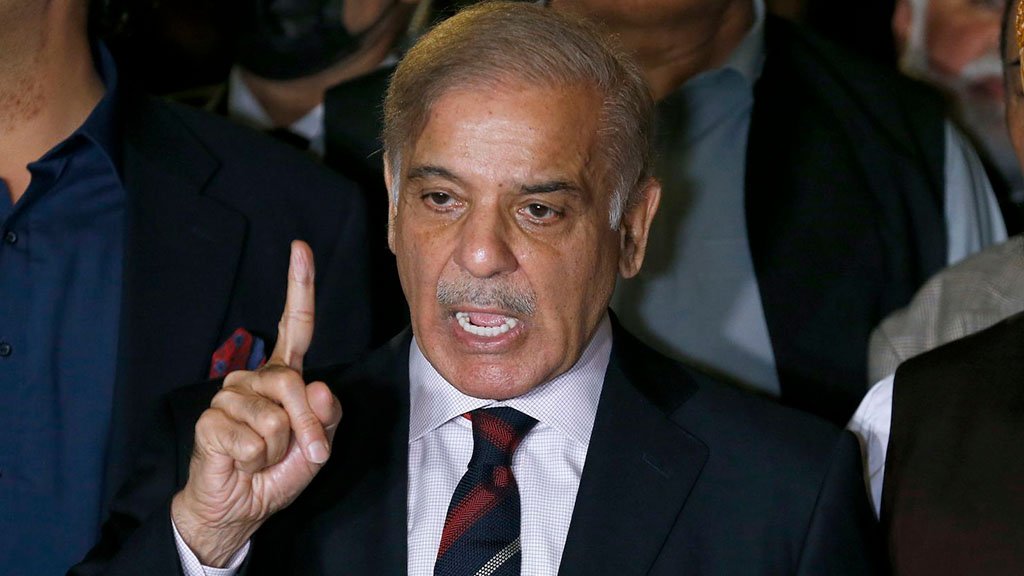
    Prime Minister Shehbaz Sharif has reaffirmed the government’s commitment to reducing electricity bills amid ongoing protests across Pakistan over soaring power costs.

    Speaking at a cabinet meeting in Islamabad on Friday, PM Shehbaz emphasised that the issue of electricity tariffs should not be politicised, describing such actions as an insult to the public.

    PM Shehbaz’s comments come in response to widespread demonstrations led by Jamaat-e-Islami (JI) and other groups. Protesters, who have rallied in various cities and blocked major roads, are demanding the removal of taxes that have contributed to a significant increase in electricity bills.

    The escalating energy costs have particularly burdened low- and middle-income households.

    Despite negotiations between the government and protest leaders, there has been no indication that their demands will be met. JI Emir Hafiz Naeem ur Rehman has stated that the party is prepared to maintain its protests to oppose the government’s stance on rising electricity prices.

    The federal government implemented a 26 per cent increase in electricity rates for the last fiscal year, which ended on June 30. On July 13, an additional 20 per cent hike was introduced, compounding the financial strain on consumers already grappling with high inflation.

    Experts have suggested that no immediate reduction in electricity prices is expected due to the government’s reliance on energy and petroleum products as sources of revenue.

    During the cabinet meeting, Sharif acknowledged the financial burden on the salaried class, revealing that the government has allocated Rs50 billion to support consumers through July, August, and September.

    Additionally, he noted that the government has reduced electricity costs for industries by Rs8.5 per unit and continues to protect consumers using up to 200 units of electricity.

    Sharif emphasised that while some taxation is necessary, excessive tax burdens on taxpayers are not justified.

  • Govt approves Rs5.72 hike in basic power tariff to offset sector losses

    Govt approves Rs5.72 hike in basic power tariff to offset sector losses

    The federal cabinet has approved a significant increase of Rs5.72 per unit in the basic power tariff through a circular decision. This decision, finalised via a circulation summary, aims to address financial challenges within Pakistan’s power sector.

    Sources familiar with the matter confirmed that the proposal will now be forwarded to the National Electric Power Regulatory Authority (NEPRA) for uniform implementation across the board.

    According to official sources, the Power Division will formally submit an application to NEPRA to initiate the process of implementing the revised tariff structure.

    This adjustment, slated for the fiscal year 2024-2025, is scheduled to come into effect starting July 1, 2024. The approved increase will raise the average basic electricity tariff from Rs29.78 to Rs35.50 per unit.

    A recent report from NEPRA revealed that Pakistan’s power sector incurred a staggering Rs403 billion loss during the fiscal year 2022-2023.

    The report, which assessed the performance of power distribution companies, including K-Electric, highlighted that nine out of these companies failed to achieve full recovery targets. It attributed the financial strain partly to inefficiencies such as line losses and inadequate revenue collection.

    Furthermore, the report underscored that these companies did not fulfill their electricity procurement obligations as per assigned quotas, leading to deliberate load shedding practices. This situation has exacerbated financial losses, amounting to billions in national revenue.

  • Pakistan may enter fresh IMF loan programme, stricter conditions expected

    Pakistan may enter fresh IMF loan programme, stricter conditions expected

    In the wake of the completion of its current loan programme, Pakistan is poised to sign a new loan agreement with the International Monetary Fund (IMF), reports indicate. 

    The forthcoming Extended Fund Facility programme, anticipated to span three years, will see Islamabad share budget proposals for FY 2024–25 with the IMF. 

    Sources suggest that before finalising the agreement, Pakistan will provide assurances to the IMF regarding further increases in electricity and gas prices, as well as a commitment to reduce subsidies. 

    Finance ministry sources have disclosed that the conditions for the new loan programme are expected to be more stringent compared to the current Standby Agreement (SBA) programme. 

    Earlier discussions hinted at Pakistan securing another loan package from the IMF following the conclusion of the ongoing standby agreement. 

    The caretaker government has commenced consultations for the upcoming IMF programme, with talks expected to commence this month. 

    Officials from the finance ministry have indicated that the measures initiated by the caretaker government will be continued by the elected government in discussions with the IMF.

  • Punjab mein kahan ho rahi hai sab say ziada bijli chori?

    Punjab mein kahan ho rahi hai sab say ziada bijli chori?

    Ever wondered which district in Punjab has the highest percentage of electricity theft? Well, surprise, surprise, it is Kasur.

    Kasur has left all districts behind when it comes to power theft, as almost half of the total 20 highest loss-making grid stations of Punjab exist there, causing Rs40 billion losses annually, which is 40 percent of the total theft costing nearly Rs 100bn to Lahore Electric Supply Company (Lesco) in the province.

    LESCO has intensified operations against electricity theft in the district.

    “There are total 103 high-loss feeders in all service areas of Lesco falling in Lahore, Kasur, Okara, Sheikhupura and Nankana Sahib. Of these, 77 feeders are in Kasur alone, placing the district on top of the list in power theft,” a LESCO source told Dawn.

    Interestingly, the power thieves stopped pilferage during the daytime due to continuous raids by LESCO teams and resorted to theft during night hours.

    It is pertinent to note that when it was brought to the knowledge of the most senior officials, they directed the authorities in Lahore to suspend supply to such areas during night hours to stop the pilferage. Following this, the power supply was kept suspended for almost 12 hours on Monday night forcing the consumers to involve local politicians (former MNAs, MPAs, etc.) from Kasur and other parts of the division, who approached LESCO management.

    Meanwhile, a senior official of the Ministry of Energy (Power Division) confirmed the development, saying Kasur is like a tribal area causing billions of rupees loss to LESCO because of massive electricity theft.

    “In Punjab, the government has been facing a loss of Rs99bn in the form of power theft. Of this, about Rs40bn theft is being reported from Kasur district (Lahore Division) alone, annually,” the official says.

    There are around 20 highest loss-making grid stations in Punjab, out of which nine are in Kasur district alone, LESCO has, however, been asked not to shut the supply to the high-loss feeders after the local politicians assured of full cooperation with the field teams in eliminating power theft.

    The official says one of the reasons behind the massive power theft in Kasur is that the district includes border areas and belts along the riverbeds of Sutlej and Beas where law enforcement is a hard task.

    “These areas have almost become like tribal belts where criminals routinely flout the law. That is why they are stealing electricity without fear,” he explains.

    Meanwhile, on the 26th consecutive day of the anti-power theft drive, LESCO teams arrested 132 power thieves and detected pilferage on 501 connections in all five districts. According to a spokesman, the applications for registration of FIRs against 498 electricity thieves have been submitted to the respective police stations, out of which 391 FIRs have been registered, while 132 accused have been arrested.

    An official says the connections where power theft was detected include two industrial, nine agricultural, 13 commercial, and 477 domestic, adding that supply to all these has been disconnected. He says all the electricity pilferers have also been charged a total of 758,052 detection units worth Rs39.980 million.

    He says that separately constituted teams also recovered Rs21 million from 1,359 chronic defaulters on Tuesday.

  • IMF should help Pakistan uphold right to electricity, says HRW

    IMF should help Pakistan uphold right to electricity, says HRW

    For the past week, Pakistan has witnessed extensive protests against the recent surge in electricity prices. In several cities, these protests escalated into violence.

    The government-sanctioned price increase arrives at a critical juncture as Pakistan grapples with one of the most severe economic crises in its history. This crisis imperils the fundamental rights of millions, including access to healthcare, nutrition, and a satisfactory standard of living.

    According to Human Rights Watch, successive Pakistani governments have failed in reforming the country’s energy sector, contributing to the current crisis. The recent surge in prices is linked to a substantial US$3 billion agreement between the International Monetary Fund (IMF) and Pakistan.

    This pact, sanctioned in July 2022, stipulates the government’s obligation to eliminate energy and fuel subsidies, transition to a market-driven exchange rate, and implement tax increments.

    While Human Rights Watch fundamentally opposes fossil fuel subsidies due to their adverse climate impact, the removal of these subsidies without substantial investment in social security often results in disproportionate repercussions for individuals with low incomes.

    Elevated electricity prices can further elevate the costs of essential commodities like food, housing, and services.

    Recognising the right to an adequate standard of living, Human Rights Watch asserts that access to dependable, secure, clean, and affordable electricity without discrimination is imperative.

    Given the situation, it is imperative for the IMF to conduct a comprehensive assessment of the consequences of these adjustments. Rather than abrupt subsidy removal, the IMF should establish a comprehensive reform strategy aimed at mitigating price escalations and facilitating a seamless transition to sustainable energy sources.

    Such reforms could encompass the implementation of a universal social protection system designed to extend benefits to individuals at higher risk of income insecurity, including children, elderly citizens, and people with disabilities.

  • Load shedding and unbearable hike in electricity prices hit Pakistani homes and businesses

    Load shedding and unbearable hike in electricity prices hit Pakistani homes and businesses

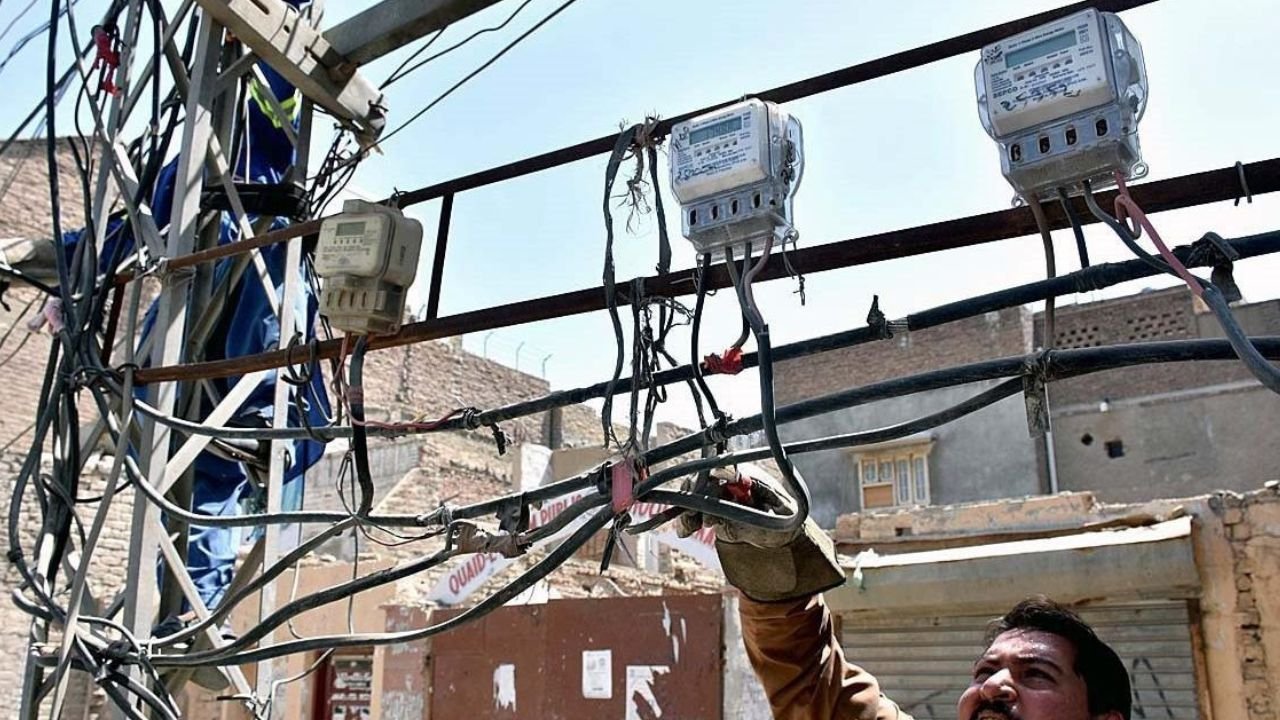
    Pakistan is facing an ongoing and unbearable increase in electricity tariffs, causing hardships for the majority of the population. The government justifies these price hikes by claiming they are under pressure from the International Monetary Fund (IMF) to generate more revenue. However, the tariff increase is mainly due to fuel price adjustments and high taxes imposed by the government.

    Consumers, especially low- to middle-class households, are struggling to pay their electricity bills, which have more than doubled. The rise in fuel price adjustments and government taxes further exacerbates the burden on consumers. The government’s commitment to the IMF to implement a fifty per cent increase in the base tariff from July to October contributes to the escalating bills.

    Unfortunately, the increase in electricity prices is expected to continue, and there is no progress in essential power sector reforms to reduce system losses, corruption, power theft, and reliance on imported fuels. As a result, the National Electric Power Regulatory Authority (NEPRA) has raised the average tariff to ensure funds for loss-making power distribution companies, putting additional financial strain on consumers.

    The government claims that the tariff increase is necessary to meet the IMF’s requirements and support energy sector viability. However, the business community also suffers, fearing a loss of competitiveness and increased costs. Industries have cut down production due to high energy prices and inflation, affecting economic growth and job creation.

    Many argue that successive governments have failed to implement essential structural reforms, leading to Pakistan’s economic predicament. The solution proposed by economists involves fixing the energy sector’s deep-rooted issues, taxing sectors adequately, and implementing a credible privatization plan to reduce pressure on the budget.

    In conclusion, Pakistan’s never-ending increase in electricity tariffs has become a major burden for the population, and without significant reforms, the situation is unlikely to improve. The government’s need to meet IMF requirements clashes with the urgency of boosting industrial activity and economic growth, leaving the country in a challenging economic predicament.

  • SBP governor hopeful about IMF programme to resume

    SBP governor hopeful about IMF programme to resume

    Pakistan’s economic fundamentals have continued to remain strong and the unpopular decisions of the government to hike the energy prices in future is likely to get $6 billion International Monetary Fund (IMF) loan programme back on track.

    The engagement of the Ministry of Finance and the central bank with the International Monetary Fund (IMF) remains strong.

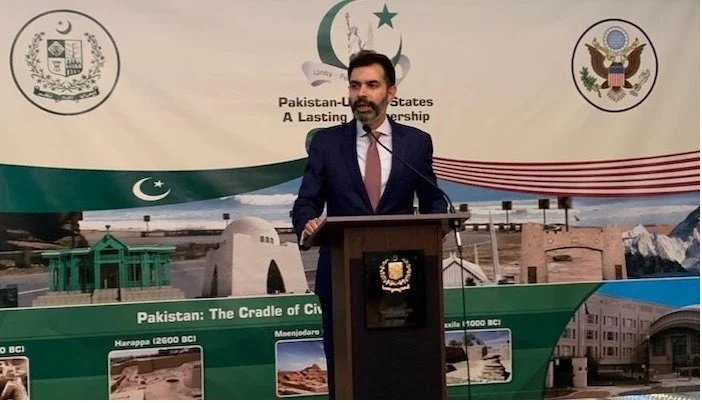
    “In the current political environment, it is no surprise that the unpopular decisions, such as increase in fuel and electricity prices, are proving difficult,” State Bank of Pakistan (SBP) Governor Reza Baqir said in an interview to Bloomberg TV on Monday.

    “We are confident that very soon, we will be able to put the delay (in resumption of IMF programme) behind us and announce the good news of attaining the next tranche from the IMF.”

    Pakistan has received half of the funding from IMF. It negotiated $6 billion loan package in June 2019 and it has received $3 billion so far. Another $3 billion is left to be received.

    “Our goal is to first complete the work which will bring in the remaining $3 billion and after that, if we need (more), we can negotiate it in future,” the SBP Governor said.

    IMF is important not just for money but also for the signal that it sends of good housekeeping on the economic policy that catalyses funding from other bilateral creditors as well as private capital markets.

    “We are hopeful that with that positive message coming out, we will be able to mobilise funding from other sources other than IMF,” he said.

    When domestic political uncertainty was taking toll on local financial markets in the recent past, the central bank considered 250 basis point hike in key policy rate “important to fix the bubble of economic uncertainty,” he said.

    It is important that economic policy making institutions act on a timely basis to ensure that the goal of financial stability remains.

    “Since the decision (of rate hike), the rupee has rallied nearly 2% and stock market rallied about 1.5% and yields on three and five-year bonds in Pakistan fell about 35 basis points.”

    Last year (fiscal year 2020-21), Pakistan’s economy grew by around 5.5%. “Our projection for growth this fiscal year is 4% even with multiple hikes in the interest rate.

    Pakistan’s central bank increased the key policy rate by a massive 250 basis points in an emergency meeting as it had “concerns related to price instability and foreign exchange market,”

    According to him, there were three main factors that forced the central bank to arrange an emergency monetary policy meeting.

    First, uptrend in oil prices has persisted since March and oil futures are about 10-12% higher for next fiscal year.

    Secondly, inflation in March for Pakistan was 50-100 basis points higher than the previous month. The headline inflation stood at around 12.7% and core inflation was 9%.

    Finally, rupee had lost significantly (over 5%) during the past few weeks owing to political uncertainty, Baqir recalled.

    “When we feel that our financial markets are threatened by political instability, we take important steps that are one of the key reasons behind the timing of our (emergency) monetary policy decision last week,” he said.