Tag: electricity

  • Weekly inflation in Pakistan soars 35% from last year’s rates

    Weekly inflation in Pakistan soars 35% from last year’s rates

    The Pakistan Bureau of Statistics (PBS) has reported an increase in the Sensitive Price Indicator (SPI) based inflation for the week ending on February 9th, 2023. The SPI recorded a rise of 0.17 per cent due to heightened prices for both food and non-food items.

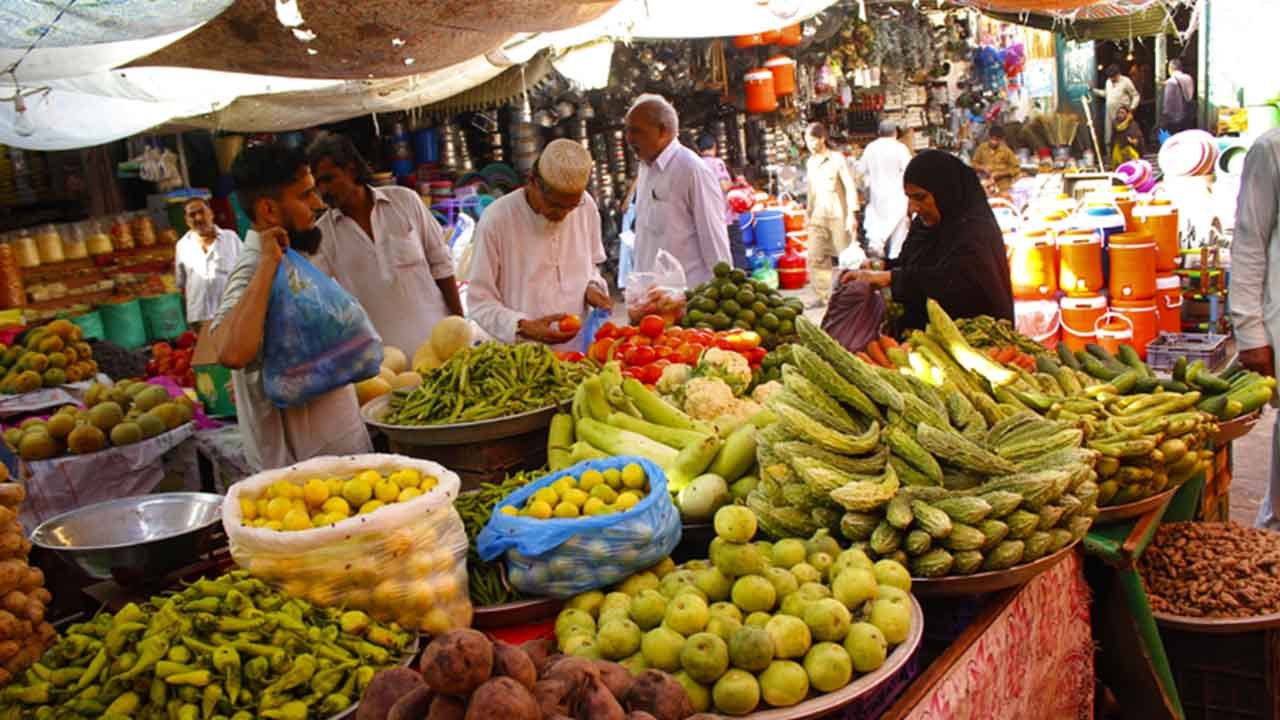
    The year-on-year trend shows an increase of 34.83 per cent mainly due to an increase in the prices of onions (507.98 per cent), chicken (93.21 per cent), diesel (81.41 per cent), eggs (79.19 per cent), rice basmati broken (68.92 per cent), petrol (68.77 per cent), rice irri-6/9 (68.26 per cent), pulse moong (66.30 per cent), tea Lipton (63.92 per cent), bananas (61.88per cent), pulse gram (56.80 per cent), bread (50.66 per cent), LPG (50.41 per cent), pulse mash (50.25 per cent) and salt powdered (46.46 per cent), while a decrease is observed in the prices of tomatoes (57.76 per cent), chilies powdered (12.43 per cent) and electricity for q1 (12.31 per cent).

    The SPI for the week under review in the above-mentioned group was recorded at 228.17 points against 227.79 points registered in the previous week, according to the latest PBS data released on Friday.

    During the week, out of 51 items, prices of 29 (56.87 per cent) items increased, 05 (9.80 per cent) items decreased and 17 (33.33 per cent) items remained stable.

    The SPI for the consumption group up to Rs. 17,732 decreased by 0.06 per cent while it increase for Rs. 17,732-22,888, Rs. 22,889-29,517, Rs. 29,518-44,175 and above Rs. 44,175 consumption group increase by 0.02 per cent, 0.10 per cent, 0.14 per cent, and 0.22 per cent respectively.

    The items, which recorded an increase in their average prices during the week over the previous include potatoes (7.15 per cent), chicken (6.94 per cent),  bananas (6.53 per cent), vegetable ghee Dalda/Habib or other superior quality 1 kg pouch each (5.67 per cent), rice basmati broken (3.80 per cent), rice irri-6/9 (3.64 per cent), LPG (3.06 per cent), vegetable ghee Dalda/Habib 2.5 kg tin each (2.71 per cent), cooking oil Dalda or other similar brands (sn), and 5 liter tin each (2.60 per cent).

    Other items which recorded an increase are pulse mash (2.42 per cent), cigarettes capstan 20’s packet each (2.25 per cent), garlic (2.20 per cent), pulse moong (2.20 per cent), mustard oil (2.20 per cent), powdered milk Nido 390 gm polybag each (1.88 per cent), pulse gram (1.87 per cent), curd (1.83 per cent), tea prepared (1.77 per cent), milk fresh (1.52 per cent), matchbox (1.47 per cent), Sufi washing soap (1.39 per cent), bread plain (1.25 per cent), pulse masoor (1.23 per cent), energy saver Philips (0.79 per cent), salt powdered (0.65 per cent), firewood whole 40 kg (0.60 per cent), cooked daal (0.52 per cent), gur (0.31 per cent) and cooked beef (0.09 per cent).

    The commodities, which recorded a decrease in their average prices included onions (9.83 per cent), tomatoes (5.40 per cent), eggs (3.40 per cent), wheat flour bag 20 kg (2.71 per cent), and sugar (0.31 per cent).

  • Millions in Pakistan without electricity after countrywide outage

    Millions in Pakistan without electricity after countrywide outage

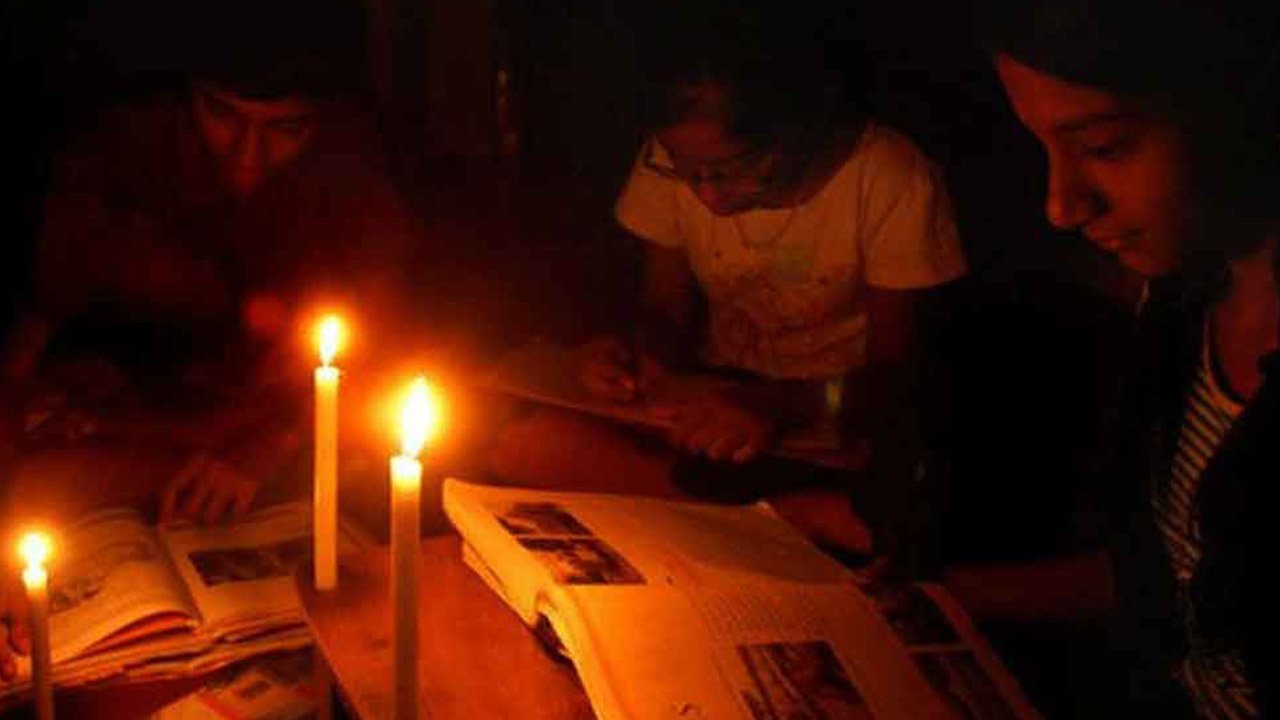
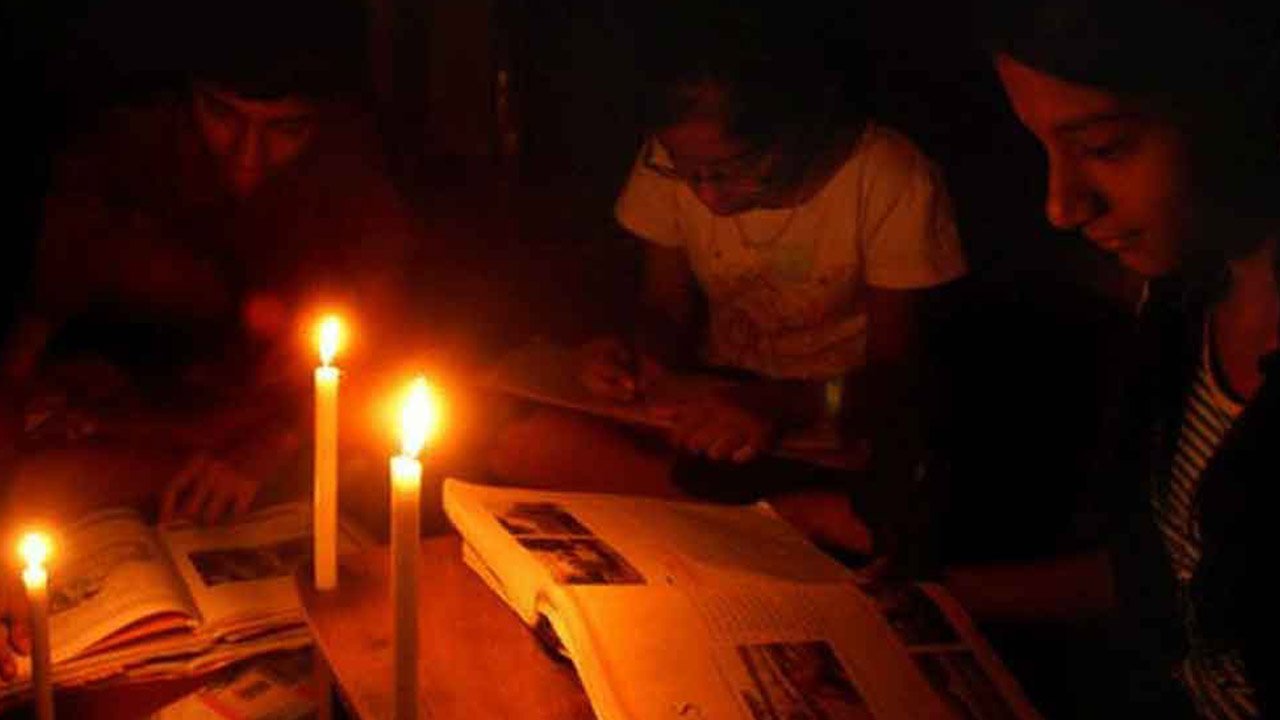
    Millions of Pakistanis were left without electricity on Monday due to a nationwide power outage, which threatened to unleash chaos in the South Asian country, which is already experiencing fuel shortages during the winter.

    The country’s Ministry of Energy said in a statement the country’s National Grid went down at 7:34 am local time, “causing a widespread breakdown in the power system,” according to initial reports.

    “System maintenance work is progressing rapidly,” the statement added.

    A “limited number of grids” in Islamabad and Peshawar have had power restored, the ministry said.

    The duration of the power outage is unknown, but attempts are being made to bring power back to various areas of the country.

    The disruption occurs as the country’s frail economy continues to face numerous difficulties, including a serious energy crisis.

    Earlier this month, Prime Minister Shehbaz Sharif ordered all federal agencies to cut their energy use by 30 per cent. In addition, his administration mandated that all stores and restaurants close at 8:30 pm.

  • Traders reject govt’s early market closure plan

    Traders reject govt’s early market closure plan

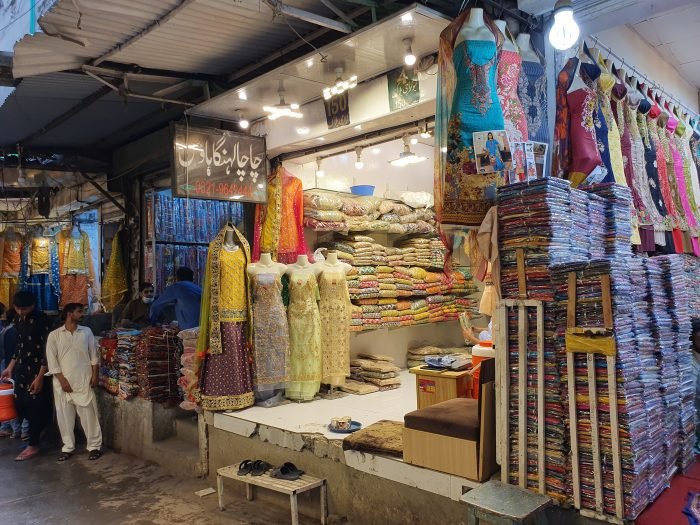
    The federal government’s proposal to close all markets and restaurants by 8:30 pm. as part of a new energy conservation plan has been opposed by traders across the nation, who claim that such measures cannot be used to save energy.

    The chief of Markazi Tanzeem-e-Tajran Pakistan (MTTP), Kashif Chaudhry, said that the government had developed the policy without consulting the business community and had failed to adhere to the energy conservation plan.

    “It is not possible to save energy by such measures,” Kashif Chaudhry said, warning of “strong resistance” if the government tried to forcefully close the market.

    He regretted the fact that the administration opted to enact its “unilateral” action despite loud protests and assurances from the authorities.

    In an effort to conserve energy, he urged that the government forbid its employees from using heaters and air conditioners in their workplaces. He said that since we buy the most expensive electricity, advantageous plans should be developed for us.

    Meanwhile, the president of the Karachi Electronics Dealers Association, Rizwan Irfan, disclosed that the Sindh government has met with owners of wedding venues and restaurants over the energy-saving strategy.

    During the meetings, he claimed, all parties involved agreed that markets and malls should be permitted to stay open until 9 or 10 pm., while eateries and wedding venues should be permitted to stay open until 11 or 12 pm.

    “However, despite the Sindh government’s assurance, they imposed a unilateral decision,” Irfan lamented, asking the government to bear their expenses.

    Additionally, Ilyas Memon, president of the Saddar Traders Association, claimed that the decision to close markets early amounted to the destruction of enterprises.

    “The police and the administration should not harass the businessmen,” he said, adding that the Sindh government should not file an FIR as per the decisions taken in the consultation meeting.

  • Iesco issues two-hour load-shedding plan for Rawalpindi, Islamabad

    Iesco issues two-hour load-shedding plan for Rawalpindi, Islamabad

    All areas of Rawalpindi, Islamabad, Jhelum, Chakwal, Azad Kashmir, Murree, Attock, Pindigheb, Kotli Sattiyan, and other circles will face two hours of load-shedding, according to the Islamabad Electric Supply Company (Iesco).

    According to The News, the citizens of these cities have been experiencing regular load-shedding for more than a month that lasts between six and eight hours. Muhammad Tanvir Kiani, who is head of Iesco’s technical division, stated that Iesco has announced a two-hour load-shedding timetable in each of the aforementioned locations.

    He said that the load-shedding schedule would initially last indefinitely until further instruction. Furthermore, he stated that due to an electricity shortage, load-shedding has been implemented in all areas in light of the current situation.

  • Weekly inflation jumps by over 29% due to rising food prices

    Weekly inflation jumps by over 29% due to rising food prices

    The Sensitive Price Indicator (SPI) based inflation for the week ended December 29, recorded a decline of 0.09 per cent due to a reduction in the prices of food and non-food items, according to the Pakistan Bureau of Statistics (PBS).

    The year-on-year trend shows an increase of 29.30 per cent owing to an increase in the prices of onions (498.08 per cent), tea lipton (65.41 per cent), diesel (65.05 per cent), chicken (64.20 per cent), petrol (52.19 per cent), salt powdered (51.99 per cent), eggs (49.11 per cent), pulse moong (46.94 per cent), bananas (45.06 per cent), pulse gram (44.42 per cent) and mustard oil (41.64 per cent), while decrease is observed in the prices of chillies powdered (34.18 per cent), electricity for q1 (13.96 per cent) and gur (1.38 per cent).

    During the week, out of 51 items, prices of 23 (45.10 per cent) items increased, 07 (13.72 per cent) items decreased and 21 (41.18 per cent) items remained stable.

    The SPI for the consumption group up to Rs17,732, Rs17,732-22,888, Rs22,889-29,517 and above Rs44,175 decreased by 0.07 per cent, 0.12 per cent, 0.03 per cent and 0.12 per cent respectively while it increased by 0.02 per cent for the consumption group Rs29,518-44,175.

    The items, which recorded an increase in their average prices during the week over previous include eggs (2.86 per cent), rice basmati broken (2.81 per cent), wheat flour bag 20 kg (2.81 per cent), bread plain (2.76 per cent), firewood whole 40 kg (2.49 per cent), LPG (1.61 per cent), energy saver (1.27 per cent), bananas (1.18 per cent), gur (0.99 per cent), garlic (0.90 per cent), pulse masoor (0.80 per cent), mustard oil (0.72 per cent), rice irri-6/9 (0.60 per cent), pulse mash (0.54 per cent), tea prepared (0.45 per cent), sufi washing soap (0.28 per cent), pulse gram (0.26 per cent), onions (0.25 per cent), curd (0.23 per cent), chicken (0.20 per cent), milk fresh (0.15 per cent), pulse moong (0.12 per cent) and beef with bone (0.02 per cent).

    The items, which saw a reduction in their average prices included potatoes (8.85 per cent), tomatoes (6.02 per cent), electricity charges (2.44 per cent), vegetable ghee dalda/habib (1.47 per cent), sugar (1.22 per cent), vegetable ghee dalda/habib or other superior quality 1 kg pouch each (0.45 per cent) and cooking oil dalda or other similar brand (sn), 5 litre tin each (0.04 per cent).

  • Restaurant owners and traders denounce government’s national energy conservation plan, calling it ‘counterproductive’

    Restaurant owners and traders denounce government’s national energy conservation plan, calling it ‘counterproductive’

    Restaurant owners and traders condemned the national energy conservation plan the government announced yesterday, warning that it will create more problems rather than solutions.

    Under the National Energy Conservation Plan, the government has announced that all restaurants and markets shall be closed by 8 pm, while the timing for wedding halls will be limited to 10 pm.

    President of the All Pakistan Anjuman-e-Tajran, Ajmal Baloch, urged the government to reconsider the decision, stating that it might bankrupt traders as they purchase the most expensive electricity during the timings 6pm to 8pm.

    “The government, before defaulting the country, will bankrupt all traders.”

    Rizwan Irfan, the President of the Karachi Electric Dealers Association, said while lamenting the policy. He pointed out that traders were facing problems due to electricity and gas load shedding, stressing that such a decision might cause merchants to start protesting in the streets.

    The President of the All Pakistan Restaurants Association, Athar Chawla, has called the national energy conservation plan a “counterproductive” approach to ressolving the energy crisis in Pakistan. In a letter to the Minister of Defence Khwaja Asif, who had unveiled the plan at a press conference on Tuesday, he asked that the policy be reconsidered because of how much it could harm restaurants.

    “All restaurants carry an inventory of perishable items, which is to be kept in cold storage 24 hours a day and seven days a week, another major electricity consuming machinery are air-conditioners which are already off due to winter season,” he said.

    The letter also urged the minister to consider the losses restaurants suffered during Covid-19, and mentioned that almost 50% restaurants suffered losses due to the present economic situation:

    “Any further restriction will aggravate the situation resulting in huge unemployment and loss of revenue for the government.”

    The letter requested that the government allow restaurants to operate their dine-in function till 1 am, and food delivery to function 24/7.

  • Norwegian company plans to generate electricity from waste in Lahore

    Norwegian company plans to generate electricity from waste in Lahore

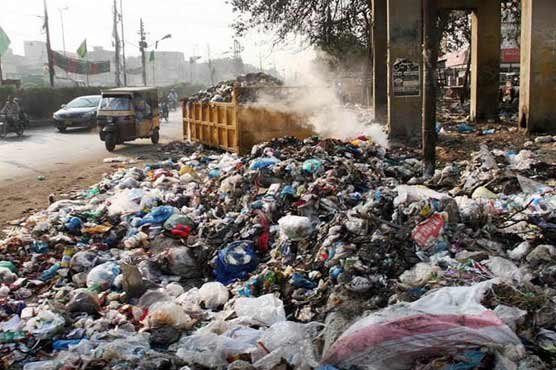
    A Norwegian company is planning to generate electricity from waste in Lahore. The company plans to invest $300 million for the project, reports ARY.

    According to the details, Lahore Waste Management Company (LWMC) held an important meeting on the Waste to Energy Project led by Chairman, Atif Chaudhry.

    Ali Anan Qamar, the CEO of LWMC and Shahid Latif, the Deputy Secretary Development, also attended the meeting.

    According to Atif Chaudhry, a team from a Norwegian business firm has arrived in Pakistan with the purpose of conducting an initial investigation. The company plans to invest $300 million in the waste-to-energy project.
    The project will create 2000 new jobs, added Atif.

  • CPI inflation in Pakistan increases to 26.6% in October

    CPI inflation in Pakistan increases to 26.6% in October

    In Pakistan, Consumer Price Index (CPI)-based inflation rose sharply in October, surging by 26.6 per cent year over year (YoY). On the other hand, it climbed 4.7 per cent month over month (MoM), indicating a decline of 1.2 per cent from September.

    “CPI inflation General, increased to 26.6 per cent on YoY basis in Oct 2022 as compared to an increase of 23.2 per cent in the previous month and 9.2 per cent in Oct 2021,” said the PBS.

    According to APP, inflation reached a YoY high of 27.3 per cent in August 2022, which was over a 47-year high in the inflation measurement in June 2022 after it had crossed the 20 per cent threshold.

    The inflation reading matches what the market had predicted.

    According to the PBS, year-over-year CPI inflation in urban areas reached 24.6 per cent in October 2022 as opposed to an increase of 21.2 per cent in the previous month and 9.6 per cent in October 2021.

    In October 2022, it grew to 4.5 per cent month over month, up from 1.7 per cent in October 2021 and a decline of 2.1 per cent the month before.

    In addition, year-over-year CPI inflation in rural regions reached 29.5 per cent in October 2022 as opposed to increases of 26.1 per cent in the previous month and 8.7 per cent in October 2021.

    When compared to the previous month’s gain of 0.2 per cent and the increase of 2.2 per cent in October 2021, it increased by 5.0 per cent in October 2022 on a monthly basis.

    Rising inflation has become a major worry for Pakistan’s economy, which is already experiencing a loss of foreign exchange reserves.

    The State Bank of Pakistan (SBP) maintained the policy rate at 15 per cent in October at the recommendation of its Monetary Policy Committee (MPC), believing that the current monetary policy stance achieves the right mix between controlling inflation and sustaining growth in the wake of the floods.

    “On the one hand, inflation could be higher and more persistent due to the supply shock to food prices, and it is important to ensure that this additional impetus does not spill over into broader prices in the economy. On the other, growth prospects have weakened, which should reduce demand-side pressures and suppress underlying inflation,” MPC said then.

    However, the government on Monday night announced that the price of petroleum products will remain the same for the ensuing 15 days.

    According to PBS data, the inflation rates that were highest in October were in the transportation, food, housing, and restaurant and hotel groupings.

    Items that witnessed an increase in prices

    Food

    The food commodities that witnessed increase in prices on a YoY basis included tomatoes (219.34 per cent), onions (165.66 per cent), gram whole (69.80 per cent), pulse gram (65.08 per cent), besan (62.25 per cent), mustard oil (61.14 per cent), pulse masoor (61.07 per cent), fresh vegetables (58.87 per cent), cooking oil (58.06 per cent), pulse mash (55.33 per cent), vegetable ghee (52.5 per cent), pulse moong (49.84 per cent), wheat (45.77 per cent), tea (41.89 per cent), rice (40.76 per cent), wheat flour (37.38 per cent), milk fresh (29.61 per cent), meat (25.34 per cent), potatoes (20.65 per cent), fish (15.4 per cent), chicken (12.22 per cent) and gur (0.39 per cent).

    Non-food items

    The non-food commodities that witnessed increase on a YoY basis included motor fuel (64.81 per cent), stationery (44.5 per cent), washing soap/detergents/match box (41.49 per cent), transport services (41.27 per cent), motor vehicles (34.29 per cent), construction input items (32.03 per cent), motor vehicle accessories (31.31 per cent), electricity charges (24.95 per cent), cotton cloth (24.16 per cent), household equipment (21.4 per cent), solid fuel (20.88 per cent) and construction wage rates (12.72 per cent).

  • Weekly inflation up by 4% due to sharp increase in electricity prices

    Weekly inflation up by 4% due to sharp increase in electricity prices

    Owing to a sharp increase in electricity prices, the sensitive pricing index (SPI), which measures weekly inflation, increased by more than 4 per cent.

    According to data released on Friday by the Pakistan Bureau of Statistics (PBS), the SPI-based inflation rate increased 4.13 per cent from the previous week to the week ending October 27 while increasing 30.68 per cent from the same time last year.

    The cost of power, salt, rice, and other basic commodities went up on average during the previous week.

    According to Geo, there has been a decrease in the cost of 16 goods, including chicken, tomatoes, onions, and masoor pulses. In the meantime, the prices for 14 necessities remained the same.

    Electricity costs up by 89 per cent

    An increase from week to week is mostly caused by an 89 per cent increase in electricity costs.

    Recall that a negative Rs10 per unit adjustment to fuel prices was implemented in September. The government opted to postpone the Rs. 10 per unit adjustment for the June fuel price, but it had already been accounted for in the inflation figures for August, therefore it was corrected for in the September inflation figures.

    Inflation is expected to be 25.7 per cent in October, up from 23.2 per cent in September, according to the brokerage.

    In the week under examination, the combined income group index increased from 205.27 points for the week that concluded on October 20 to 213.74 points.

    In comparison to the prior week, the SPI for the income bracket with the lowest income rose by 4.64 per cent. The group’s index was 220.56 points, up from 210.78 points the previous week.

    Increase in prices

    Prices of the following items increased:

    Food items

    Salt powdered: 2.57 per cent

    Tea Lipton: 1.89 per cent

    Rice: 1.24 per cent

    Garlic: 1.04 per cent

    Non-food items

    Electricity charges for Q1: 89.34 per cent

    Energy saver: 1.57 per cent

    Reduction in prices

    Prices of the following items decreased:

    Food items

    Tomatoes: -3.77 per cent

    Onions: -2.97 per cent

    Pulse Masoor: -2.50 per cent

    Chicken: -1.86 per cent

    Pulse Gram: -1.35 per cent

    Gur: -1.09 per cent

    Non-food items

    LPG: -0.72 per cent

  • NEPRA okays Rs3.21 per unit hike in power tariff

    NEPRA okays Rs3.21 per unit hike in power tariff

    A quarterly adjustment of Rs3.21 per unit of power for the period of April to June 2022 has been approved by the National Electric Power Regulatory Authority (NEPRA).

    A further burden of Rs93.95 billion will be placed on energy consumers as a result of the most recent price increase. To be effective as of October 1, 2022, the authority transmitted its decision to the federal government.

    According to specifics, the prior adjustments’ time period ended on September 3, 2022. As of October 1, the electricity customers will not receive any respite as the authority implements fresh adjustments immediately following the expiration of the prior adjustment.

    For K-Electric customers, the NEPRA earlier in the day authorised a cut in power rates of Rs4.89 per unit due to a fuel cost adjustment (FCA) for August 2022.

    The notification states that, in contrast to KE’s plea for Rs4.21, the fuel cost adjustment for K-Electric customers would be reduced by Rs4.89 per unit. However, it specified that the tariff cut for July would only be valid for that particular month.

    According to the NEPRA, all consumer categories would be affected by the drop in FCA, with the exception of lifeline consumers, home consumers consuming up to 300 units, agriculture consumers, and EVCS (Electric Vehicle Charging Station).